













Bagaimanakah bandar boleh memilih antara Solar Pintar dan sistem lampu jalan Solar Tradisional?
Menavigasi Perolehan Lampu Jalan Suria: Wawasan Penting untuk Bandar dan Profesional
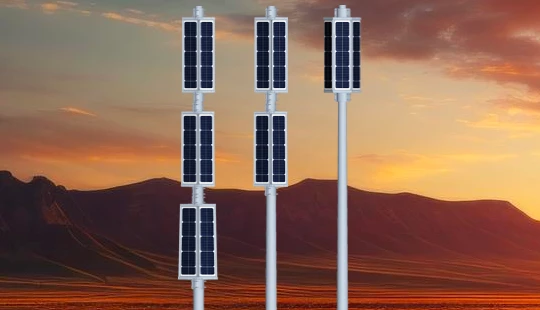
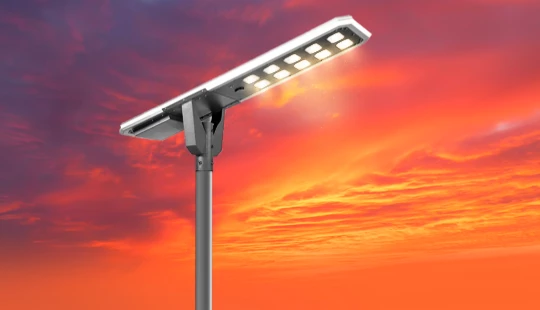
Memandangkan bandar-bandar di seluruh dunia semakin mengutamakan infrastruktur yang mampan, lampu jalan solar telah muncul sebagai penyelesaian yang menarik. Menawarkan kebebasan daripada grid, mengurangkan kos operasi dan faedah alam sekitar, sistem ini mengubah landskap bandar. Walau bagaimanapun, mendapatkan lampu jalan solar yang betul memerlukan pemahaman yang mendalam tentang pelbagai faktor teknikal dan komersial. Panduan ini menangani soalan biasa dan memberikan pandangan profesional untuk membuat keputusan termaklum.
Apakah Faktor Menentukan Kos Sistem Lampu Jalan Suria?
Kos sistem lampu jalan suria dipengaruhi oleh beberapa komponen utama dan spesifik projek. Memahami faktor ini adalah penting untuk belanjawan yang tepat:
- Watt dan Fluks Bercahaya (Kecerahan):LED watt yang lebih tinggi dan output lumen yang lebih besar memerlukan panel solar dan kapasiti bateri yang lebih besar, secara langsung meningkatkan kos. Sebagai contoh, lekapan LED 30W akan lebih murah daripada 60W atau 90W yang setara.
- Kapasiti dan Jenis Bateri:Bateri adalah salah satu pemacu kos yang paling penting. Bateri berkapasiti lebih besar (diukur dalam Ah atau Wh) memberikan autonomi yang lebih lama (hari sandaran tanpa matahari). Bateri Lithium Iron Phosphate (LiFePO4) biasanya lebih mahal tetapi menawarkan jangka hayat dan prestasi yang unggul berbanding bateri Gel/Plumbum-Asid.
- Kecekapan dan Saiz Panel Suria:Panel solar monohabluran kecekapan yang lebih tinggi lebih disukai tetapi boleh menjadi lebih mahal. Panel yang lebih besar diperlukan untuk penjanaan tenaga yang lebih tinggi, terutamanya di kawasan yang kurang cahaya matahari, menyumbang kepada kos bahan yang lebih tinggi.
- Tinggi dan Bahan Tiang:Ketinggian dan bahan tiang (cth, keluli tergalvani, aluminium) memberi impak yang ketara kepada kos. Tiang yang lebih tinggi dan bahan yang lebih teguh meningkatkan perbelanjaan untuk tiang itu sendiri dan pemasangannya.
- Ciri dan Kawalan Pintar:Sistem yang dilengkapi dengan pemantauan jauh, peredupan adaptif, penderia gerakan dan sambungan IoT (Smart Solar) adalah lebih kompleks dan dengan itu lebih mahal daripada lampu solar tradisional asas. Ini boleh menambah 15-30% kepada kos unit.
- Pemasangan dan Logistik:Kos buruh, kerja asas dan pengangkutan ke tapak berbeza mengikut lokasi dan kerumitan projek. Pemasangan luar bandar mungkin menanggung kos logistik yang lebih tinggi.
- Waranti dan Sijil:Produk dengan jaminan yang lebih lama dan pensijilan yang diiktiraf di peringkat antarabangsa (CE, RoHS, IP65/66, ISO 9001) selalunya mencerminkan komponen kualiti yang lebih tinggi dan standard pembuatan, yang membawa kepada kos pendahuluan yang lebih tinggi sedikit tetapi kebolehpercayaan jangka panjang yang lebih baik.
Lampu jalan solar bersepadu berkualiti tinggi yang biasa (tidak termasuk tiang) mungkin berharga antara $300 hingga $1,000+, manakala sistem lengkap yang dipasang dengan tiang boleh berharga antara $1,500 hingga $3,500+ seunit, bergantung pada semua faktor ini.
Bagaimana untuk Memilih Pengeluar Lampu Jalan Suria yang Boleh Dipercayai?
Memilih pengeluar yang betul adalah penting untuk kejayaan dan jangka hayat projek lampu jalan solar anda. Pertimbangkan kriteria berikut:
- Pengalaman dan Reputasi:Cari pengeluar yang mempunyai rekod prestasi yang terbukti, pengalaman luas dalam industri lampu solar dan portfolio projek yang telah siap. Semak testimoni pelanggan dan kajian kes.
- R&D dan Inovasi:Pengilang bereputasi melabur dalam penyelidikan dan pembangunan, menawarkan penyelesaian yang inovatif dan sentiasa dikemas kini dengan kemajuan teknologi (cth, komponen kecekapan lebih tinggi, kawalan pintar lanjutan).
- Pensijilan Kualiti:Memastikan pengilang mematuhi piawaian kualiti antarabangsa seperti ISO 9001 (Pengurusan Kualiti) dan ISO 14001 (Pengurusan Alam Sekitar). Pensijilan khusus produk seperti penarafan CE, RoHS, FCC dan IP (cth, IP65 atau IP66 untuk rintangan habuk dan air) adalah penting untuk kebolehpercayaan dan keselamatan produk.
- Waranti dan Sokongan Selepas Jualan:Waranti komprehensif (cth, 5 tahun untuk lekapan LED, 2-3 tahun untuk bateri dan pengawal, 10-25 tahun untuk panel solar) menunjukkan keyakinan terhadap kualiti produk. Sokongan selepas jualan yang sangat baik, termasuk bantuan teknikal dan ketersediaan alat ganti, adalah penting untuk penyelenggaraan jangka panjang.
- Keupayaan Penyesuaian:Keupayaan untuk menyesuaikan penyelesaian bagi memenuhi keperluan projek tertentu (contohnya, ketinggian tiang yang berbeza, autonomi bateri, corak pencahayaan) boleh menjadi kelebihan yang ketara.
- Ketelusan dalam Penyumberan Komponen:Pengilang yang boleh dipercayai akan telus tentang jenama dan spesifikasi komponen utama (cip LED, sel solar, bateri, pengawal) yang digunakan dalam produk mereka.
Solar Pintar lwn Pencahayaan Jalan Suria Tradisional: Bagaimana Bandar Memilih?
Pilihan antara Solar Pintar dan lampu jalan Solar Tradisional bergantung pada matlamat, belanjawan dan visi jangka panjang khusus bandar:
- Lampu Jalan Suria Tradisional:Sistem ini beroperasi dengan jadual peredupan yang telah diprogramkan atau kecerahan tetap. Ia lebih ringkas, umumnya mempunyai kos pendahuluan yang lebih rendah, dan sesuai untuk keperluan pencahayaan asas di kawasan yang pengurusan jauh dan data lanjutan tidak kritikal. Mereka menawarkan penjimatan tenaga yang besar berbanding lampu terikat grid dan lebih mudah digunakan di kawasan terpencil.
- Pencahayaan Jalan Suria Pintar:Sistem ini menyepadukan teknologi canggih seperti ketersambungan IoT, platform pemantauan dan kawalan jauh, penderia gerakan dan peredupan adaptif. Kelebihan utama termasuk:
- Penjimatan Tenaga yang Dipertingkatkan:Peredupan mudah suai berdasarkan lalu lintas, pergerakan pejalan kaki atau waktu malam boleh mengurangkan penggunaan tenaga sebanyak 20-50% tambahan berbanding lampu suria tradisional.
- Operasi Dioptimumkan:Pemantauan jauh membolehkan pengesanan prestasi masa nyata, pengesanan kerosakan dan penyelenggaraan proaktif, dengan ketara mengurangkan kos operasi dan masa henti.
- Peningkatan Keselamatan dan Keselamatan:Tindak balas pencahayaan dinamik boleh menghalang jenayah dan meningkatkan keselamatan di ruang awam.
- Analitis Data:Kumpul data berharga tentang penggunaan tenaga, corak lalu lintas dan keadaan persekitaran, membantu perancangan bandar dan inisiatif bandar pintar.
- Pembuktian Masa Depan:Sistem pintar boleh disepadukan ke dalam rangkaian bandar pintar yang lebih luas, menawarkan kebolehskalaan dan kebolehsuaian kepada teknologi masa hadapan.
Panduan Memilih:
- Belanjawan:Jika kos pendahuluan menjadi kebimbangan utama, Solar Tradisional lebih mesra bajet.
- Penglihatan Jangka Panjang:Bagi bandar yang menyasarkan infrastruktur bandar yang mampan, dipacu data dan saling berkaitan, Smart Solar menawarkan faedah jangka panjang yang unggul walaupun pelaburan awal yang lebih tinggi.
- Kecekapan Operasi:Bandar yang mengutamakan penyelenggaraan yang dikurangkan, pengesanan kerosakan proaktif dan pengoptimuman tenaga akan mendapat lebih banyak manfaat daripada Smart Solar.
- Kawasan Permohonan:Tradisional mungkin mencukupi untuk kawasan yang kurang kritikal (cth, jalan luar bandar, taman dengan aktiviti malam yang terhad). Pintar sesuai untuk jalan utama, kawasan komersial dan projek perintis bandar pintar.
Apakah Jangkaan Jangka Hayat dan Keperluan Penyelenggaraan Lampu Jalan Suria?
Lampu jalan suria moden direka untuk ketahanan dan penyelenggaraan yang minimum, tetapi jangka hayat komponen berbeza-beza:
- Lekapan LED:Luminair LED berkualiti tinggi boleh bertahan 50,000 hingga 100,000 jam operasi, diterjemahkan kepada 10-20 tahun penggunaan biasa pada waktu malam.
- Panel Suria:Panel solar monokristalin biasanya mempunyai jaminan prestasi selama 20-25 tahun, menjamin 80% atau lebih output kuasa asal selepas tempoh tersebut.
- Bateri:Ini selalunya komponen jangka hayat paling pendek. Bateri LiFePO4 biasanya menawarkan 2,000-4,000 kitaran pengecasan/nyahcas, bersamaan dengan 5-10 tahun bergantung pada iklim, corak penggunaan dan kedalaman nyahcas. Bateri gel mempunyai jangka hayat yang lebih pendek iaitu 3-5 tahun.
- Pengawal:Pengawal cas solar adalah teguh dan biasanya bertahan 5-10 tahun.
- Tiang dan Lekapan:Tiang keluli tergalvani berkualiti tinggi boleh bertahan 20-30 tahun dengan rawatan anti-karat yang betul. Perumahan lekapan itu sendiri juga direka untuk kehidupan luar yang panjang.
Keperluan Penyelenggaraan:
- Pembersihan rutin:Pembersihan tahunan atau separuh tahunan panel solar untuk membuang habuk, kotoran dan serpihan disyorkan untuk memastikan penjanaan tenaga optimum (boleh meningkatkan kecekapan sebanyak 10-20%).
- Penggantian Bateri:Bateri akhirnya memerlukan penggantian, biasanya setiap 5-10 tahun untuk LiFePO4. Ini ialah kos penyelenggaraan berulang utama.
- Pemeriksaan Sistem:Pemeriksaan berkala pada pendawaian, sambungan, dan keutuhan struktur tiang (cth, untuk kakisan atau kerosakan) adalah dinasihatkan.
- Pemantauan Jauh (untuk Sistem Pintar):Sistem pintar dengan ketara mengurangkan keperluan untuk pemeriksaan fizikal dengan menyediakan data prestasi masa nyata dan amaran kerosakan, membolehkan penyelenggaraan ramalan.
Memahami Teknologi Bateri: LiFePO4 lwn Gel dalam Lampu Jalan Suria
Bateri merupakan nadi sistem pencahayaan solar luar grid, yang menyimpan tenaga untuk operasi waktu malam. Pemilihan teknologi bateri memberi impak yang besar kepada prestasi, jangka hayat dan kos keseluruhan:
- Bateri Lithium Iron Phosphate (LiFePO4):
- Kelebihan:Hayat kitaran unggul (2,000-4,000+ kitaran), ketumpatan tenaga yang lebih tinggi (berat ringan dan saiz yang lebih kecil), julat suhu operasi yang lebih luas (-20°C hingga 60°C), kadar nyahcas diri yang lebih rendah, profil keselamatan yang sangat baik dan output voltan yang konsisten. Mereka sangat cekap dalam mengecas dan menyahcas. Selalunya disepadukan dalam kepala lampu untuk reka bentuk yang padat.
- Kelemahan:Kos pendahuluan yang lebih tinggi daripada bateri Gel.
- Sesuai untuk:Sistem berprestasi tinggi, tahan lama, aplikasi solar pintar, dan kawasan dengan suhu melampau atau di mana kekompakan adalah penting. Mereka menawarkan jumlah kos pemilikan (TCO) yang lebih rendah sepanjang jangka hayat mereka walaupun kos permulaan yang lebih tinggi.
- Bateri Gel (Asid Plumbum yang Dikawal Selia Injap - VRLA):
- Kelebihan:Kos pendahuluan yang lebih rendah, prestasi yang baik dalam suhu panas melampau, bebas penyelenggaraan (reka bentuk tertutup) dan tersedia secara meluas.
- Kelemahan:Hayat kitaran yang lebih pendek (500-1,200 kitaran, 3-5 tahun), lebih berat dan lebih besar, ketumpatan tenaga yang lebih rendah, terdedah kepada kerosakan akibat luahan dalam, dan kurang cekap pada suhu yang sangat rendah. Selalunya memerlukan kotak bateri berasingan di pangkal tiang.
- Sesuai untuk:Projek dengan kekangan belanjawan, atau kawasan di mana penggantian lebih mudah dan pelaburan awal yang lebih rendah diutamakan berbanding prestasi jangka panjang dan jangka hayat.
Bagi kebanyakan pemasangan lampu jalan solar moden dan profesional, terutamanya di persekitaran bandar, bateri LiFePO4 adalah pilihan utama kerana prestasi unggul, jangka hayat yang panjang dan TCO yang lebih rendah.
Apakah ROI Jangka Panjang dan Faedah Alam Sekitar Melabur dalam Pencahayaan Jalan Suria?
Melabur dalam lampu jalan suria menawarkan pulangan jangka panjang yang menarik dan kelebihan alam sekitar yang ketara:
- 100% Penjimatan Kos Elektrik:Sebagai sistem luar grid, lampu jalan solar menghapuskan bil elektrik untuk pencahayaan, memberikan penjimatan operasi segera dan berterusan dari hari pertama.
- Mengurangkan Kos Pemasangan (untuk kawasan baharu):Untuk pembangunan baharu atau lokasi terpencil tanpa infrastruktur grid sedia ada, lampu solar mengelakkan kos yang besar untuk parit, pemasangan kabel dan penyambungan ke grid.
- Kos Penyelenggaraan dan Operasi yang lebih rendah:Walaupun bateri memerlukan penggantian, penyelenggaraan keseluruhan adalah lebih rendah daripada lampu grid tradisional, terutamanya dengan sistem pintar yang menyediakan pemantauan dan diagnostik jauh. Tiada kos penggantian lampu sekerap dengan lekapan tradisional.
- Kebebasan dan Kebolehpercayaan Tenaga:Tidak terjejas oleh gangguan grid, lampu jalan suria memberikan pencahayaan yang boleh dipercayai, meningkatkan keselamatan dan keselamatan awam.
- Faedah Alam Sekitar:
- Jejak Karbon Terkurang:Sifar pelepasan gas rumah hijau semasa operasi, menyumbang secara langsung kepada usaha mitigasi perubahan iklim.
- Penggunaan Tenaga Boleh Diperbaharui:Memanfaatkan tenaga suria yang bersih dan berlimpah mengurangkan pergantungan kepada bahan api fosil.
- Imej Kemampanan:Menunjukkan komitmen bandar terhadap kemampanan dan inisiatif hijau, meningkatkan imej awamnya.
- Tempoh Bayar Balik Biasa:Bergantung pada kadar elektrik tempatan, kos pemasangan dan kerumitan sistem, tempoh bayaran balik untuk lampu jalan suria biasanya berkisar antara 3 hingga 7 tahun. Selepas tempoh ini, penjimatan elektrik terus terakru sebagai keuntungan tulen, menjadikannya pelaburan jangka panjang yang sangat kos efektif.
Quenenglighting: Rakan Kongsi Anda dalam Pencahayaan Jalan Mampan
Quenenglighting berdiri sebagai pengeluar terkemuka bagi penyelesaian lampu jalan solar yang berkualiti tinggi dan inovatif. Komitmen kami terhadap kecemerlangan ditunjukkan dalam:
- Portfolio Produk Teguh:Kami menawarkan rangkaian lampu jalan solar tradisional dan pintar yang komprehensif, yang disesuaikan untuk pelbagai aplikasi daripada lebuh raya bandar hinggalah laluan terpencil.
- Teknologi Lanjutan:Menggunakan panel solar berkecekapan tinggi, bateri LiFePO4 tahan lama dan sistem kawalan pintar, produk kami memberikan prestasi dan kebolehpercayaan yang optimum.
- Penyelesaian Sedia Bandar Pintar:Sistem Solar Pintar kami menampilkan ketersambungan IoT, pengurusan jauh dan pencahayaan adaptif, membolehkan bandar membina infrastruktur yang benar-benar pintar dan cekap.
- Kualiti dan Pensijilan:Mematuhi piawaian kualiti antarabangsa yang ketat (ISO, CE, RoHS, penarafan IP), memastikan ketahanan dan keselamatan.
- Penyesuaian dan Sokongan:Kami bekerjasama rapat dengan pelanggan untuk mereka bentuk penyelesaian yang dipesan lebih dahulu dan menyediakan perundingan pra-jualan yang komprehensif dan sokongan teknikal selepas jualan yang tiada tandingan.
- Kesan Mampan:Quenenglighting didedikasikan untuk memperkasakan komuniti dengan penyelesaian pencahayaan mesra alam yang mengurangkan pelepasan karbon dan kos operasi, memupuk masa depan yang lebih cerah dan lebih hijau.
Pilih Quenenglighting untuk penyelesaian lampu jalan yang andal, cekap dan lestari yang menerangi laluan bandar anda ke hadapan.
Sumber:
- Persatuan Industri Tenaga Suria (SEIA) -https://www.seia.org/solar-industry-research-data(Diakses: 15 November 2023)
- Penyelidikan LEDinside, TrendForce -https://www.ledinside.com/(Diakses: 15 November 2023)
- Pelbagai Helaian Data Pengilang (cth, untuk bateri LiFePO4, panel solar, cip LED) - (Spesifikasi industri am, cth, daripada CATL, JinkoSolar, Cree - pada 2023)
- Majalah Dunia Bandar Pintar -https://www.smartcitiesworld.net/(Diakses: 15 November 2023)

Ada lagi soalan tentang produk atau perkhidmatan kami?
Berita hangat terkini yang mungkin anda suka

Temui lampu jalan solar LED semua-dalam-satu Queneng Lighting — panel solar bersepadu, bateri, pengawal dan LED dalam satu lekapan tahan lama. Jimatkan tenaga, kurangkan penyelenggaraan dan selamatkan jalan dengan sensor pintar, autonomi berbilang malam dan pensijilan antarabangsa. Hubungi bahagian jualan untuk sebut harga dan sokongan.

Bebaskan pencahayaan luar yang unggul dengan Lampu Jalan Suria Berkecekapan Tinggi Queneng Luda. Penyelesaian mesra alam yang tahan lama ini menawarkan pengurusan kuasa termaju, pemasangan mudah dan memastikan keselamatan. Disokong oleh kepakaran Queneng Lighting selama sedekad dan komitmen terhadap kualiti, ia merupakan pilihan pintar untuk projek pencahayaan lestari. Ketahui mengapa kami merupakan penyedia penyelesaian solar yang terkemuka.

Lampu jalan solar semua-dalam-satu Luhei menggabungkan LED berkecekapan tinggi, solar dan bateri bersepadu, perlindungan IP65 dan pengesan gerakan untuk memberikan pencahayaan luar tanpa wayar yang andal untuk jalan, taman dan tempat letak kereta. Disokong oleh pensijilan dan sokongan Queneng Lighting.

Soalan Lazim
Pengedar
Adakah anda menawarkan latihan produk untuk pengedar?
Ya, kami menyediakan latihan produk yang mendalam, dalam talian dan bersemuka (apabila berkenaan), untuk memastikan anda dan pasukan anda dilengkapi sepenuhnya dengan pengetahuan yang diperlukan untuk menjual dan menyokong produk solar Queneng.
Taman Awam dan Pencahayaan Landskap
Berapa lama lampu berkuasa solar bertahan di ruang awam?
Lampu berkuasa solar kami direka untuk ketahanan dan penggunaan jangka panjang. Lampu biasanya bertahan selama 5-10 tahun, bergantung pada kualiti panel solar dan keadaan iklim tempatan. Bateri bertahan sekitar 2-3 tahun dan boleh diganti dengan mudah.
Prestasi dan Ujian Bateri
Apakah output kuasa bateri?
Lebih kecil rintangan dalaman bateri, lebih tinggi kuasa output. Rintangan dalaman bateri hendaklah lebih kecil daripada rintangan dalaman perkakas elektrik. Jika tidak, kuasa yang digunakan oleh bateri itu sendiri akan lebih besar daripada kuasa yang digunakan oleh perkakas elektrik, yang tidak menjimatkan dan boleh merosakkan bateri.
Apakah ujian hayat kitaran standard IEC?
Selepas bateri dinyahcas ke 1.0V/sokongan pada 0.2C
1. Cas pada 0.1C selama 16 jam, kemudian nyahcas pada 0.2C selama 2 jam dan 30 minit (satu kitaran)
2. Caj pada 0.25C selama 3 jam dan 10 minit, nyahcas pada 0.25C selama 2 jam dan 20 minit (2-48 kitaran)
3. Cas pada 0.25C selama 3 jam dan 10 minit, kemudian nyahcas kepada 1.0V pada 0.25C (kitaran ke-49)
4. Cas pada 0.1C selama 16 jam, biarkan selama 1 jam, nyahcas pada 0.2C hingga 1.0V (kitaran ke-50). Untuk bateri hidrida nikel-logam, selepas mengulangi 1-4 untuk sejumlah 400 kitaran, masa nyahcas 0.2C hendaklah lebih daripada 3 jam; untuk bateri nikel-kadmium, mengulangi 1-4 untuk sejumlah 500 kitaran, masa nyahcas 0.2C hendaklah lebih daripada 3 jam.
Pengangkutan dan Lebuhraya
Bagaimanakah prestasi lampu solar di kawasan yang mempunyai pencemaran lalu lintas yang teruk?
Panel solar mungkin memerlukan pembersihan yang lebih kerap di kawasan pencemaran tinggi untuk mengekalkan kecekapan, tetapi ketahanan sistem memastikan prestasi yang boleh dipercayai.
Lampu Jalan Suria Lufei
Adakah lampu jalan solar sesuai untuk dipasang di kawasan bandar?
Ya, lampu jalan solar sesuai untuk pemasangan di bandar dan luar bandar. Di kawasan bandar, mereka membantu mengurangkan kos elektrik dan pelepasan karbon sambil memberikan pencahayaan yang boleh dipercayai di taman, jalan dan ruang awam yang lain.
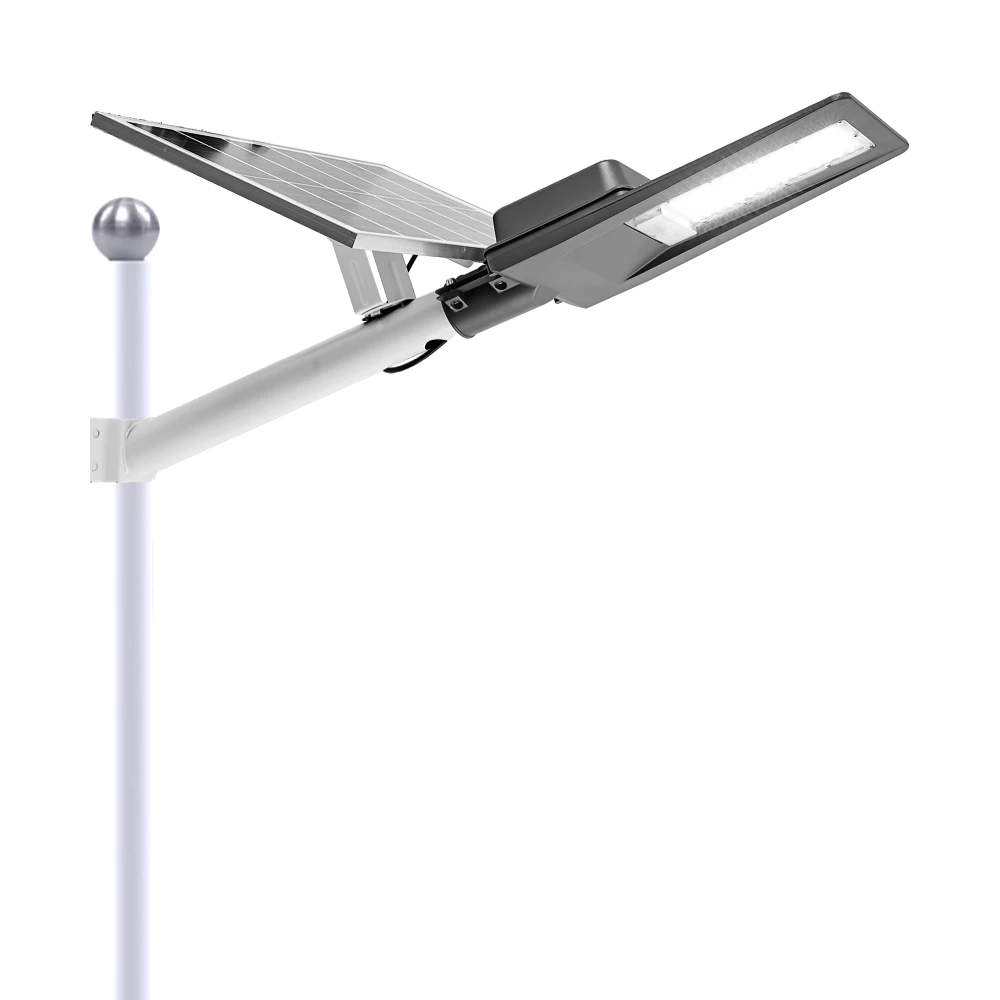
Alami pencahayaan luar yang boleh dipercayai dengan lampu jalan solar pintar kami, gabungan sempurna teknologi canggih dan reka bentuk yang mementingkan alam sekitar.
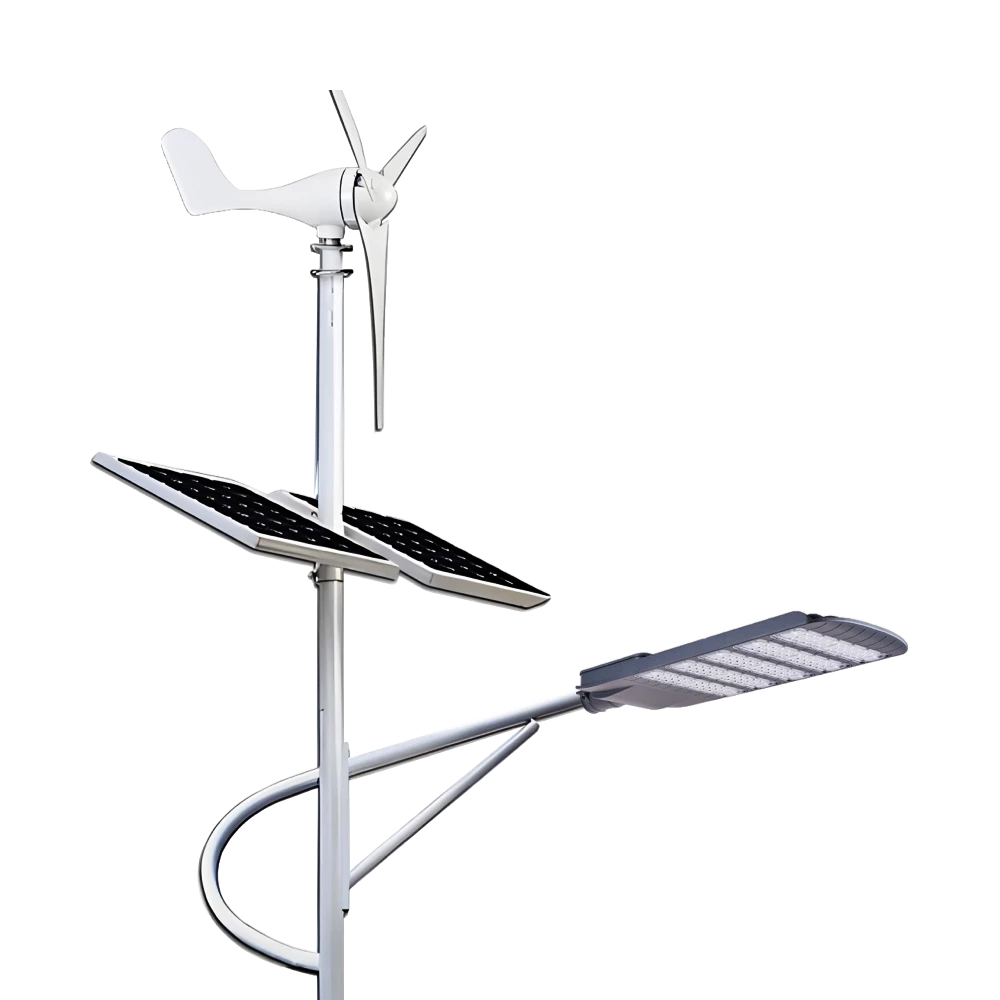
Lampu Jalan Suria Luaran LED Tenaga Angin Queneng Lufeng menawarkan pencahayaan mesra alam berprestasi tinggi. Lampu jalan LED yang cekap tenaga ini memanfaatkan tenaga suria dan tenaga angin untuk penyelesaian pencahayaan luar yang mampan dan kos efektif.
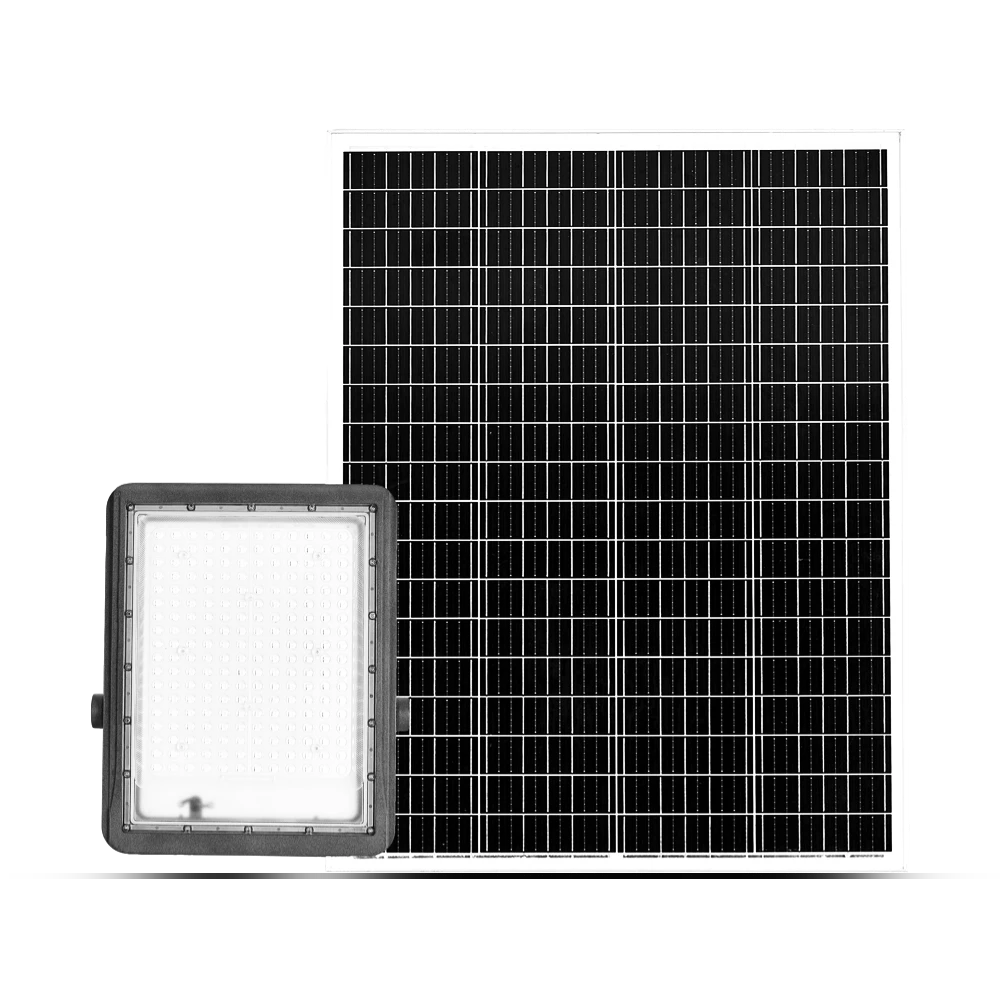
Lampu Jalan Suria Luxian Dipercayai Queneng menawarkan lampu LED penjimatan tenaga untuk kegunaan luaran. Lampu jalan berkuasa solar yang tahan lama ini memberikan pencahayaan yang boleh dipercayai, mengurangkan kos tenaga dan kesan alam sekitar. Penyelesaian yang sempurna untuk pencahayaan luaran yang mampan.
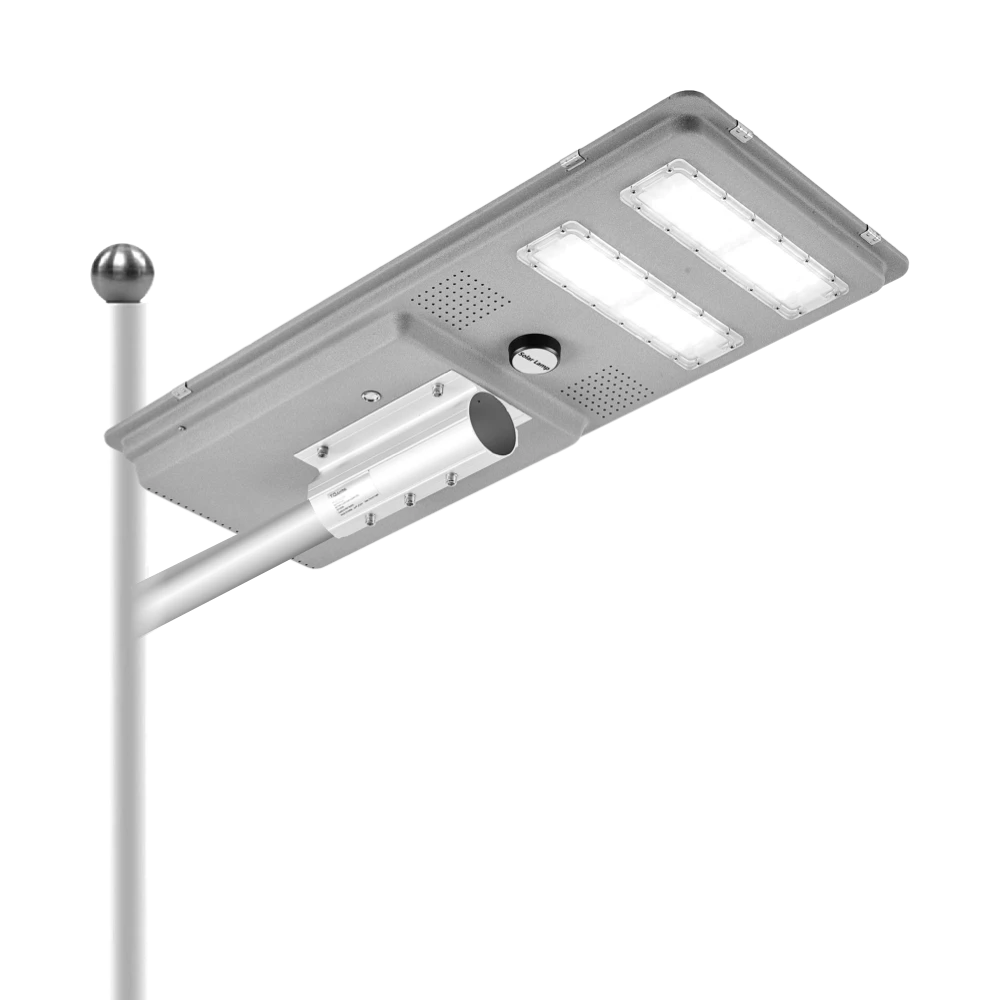
Lampu Jalan Suria Queneng direka untuk menyediakan pencahayaan yang boleh dipercayai dan cekap tenaga untuk jalan, taman dan ruang luar yang lain.
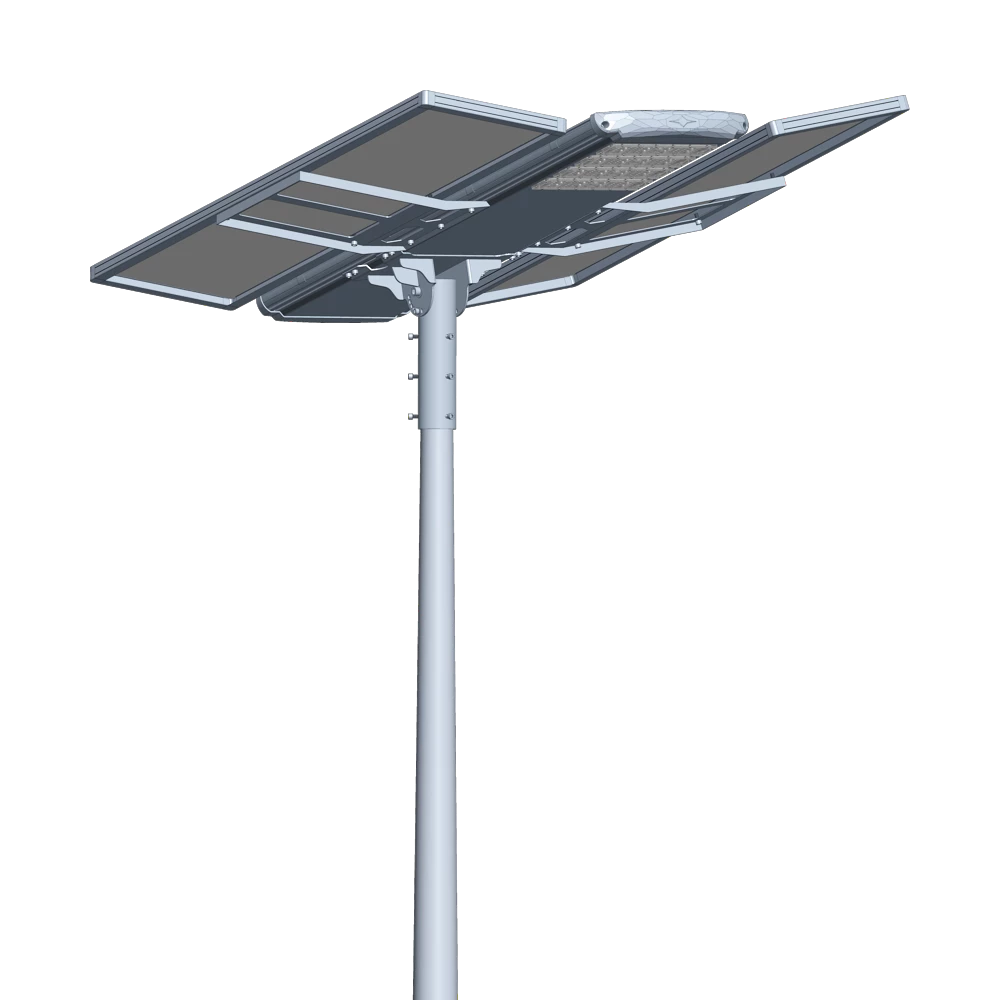
Memperkenalkan Lampu Jalan Suria Luqing oleh Queneng, Pencahayaan LED yang cekap dikuasakan oleh tenaga suria sesuai untuk menerangi kawasan luar. Manfaatkan kuasa tenaga suria untuk lampu jalan yang mampan dan boleh dipercayai. Ideal untuk penyelesaian pencahayaan luar yang mesra alam, kos efektif.
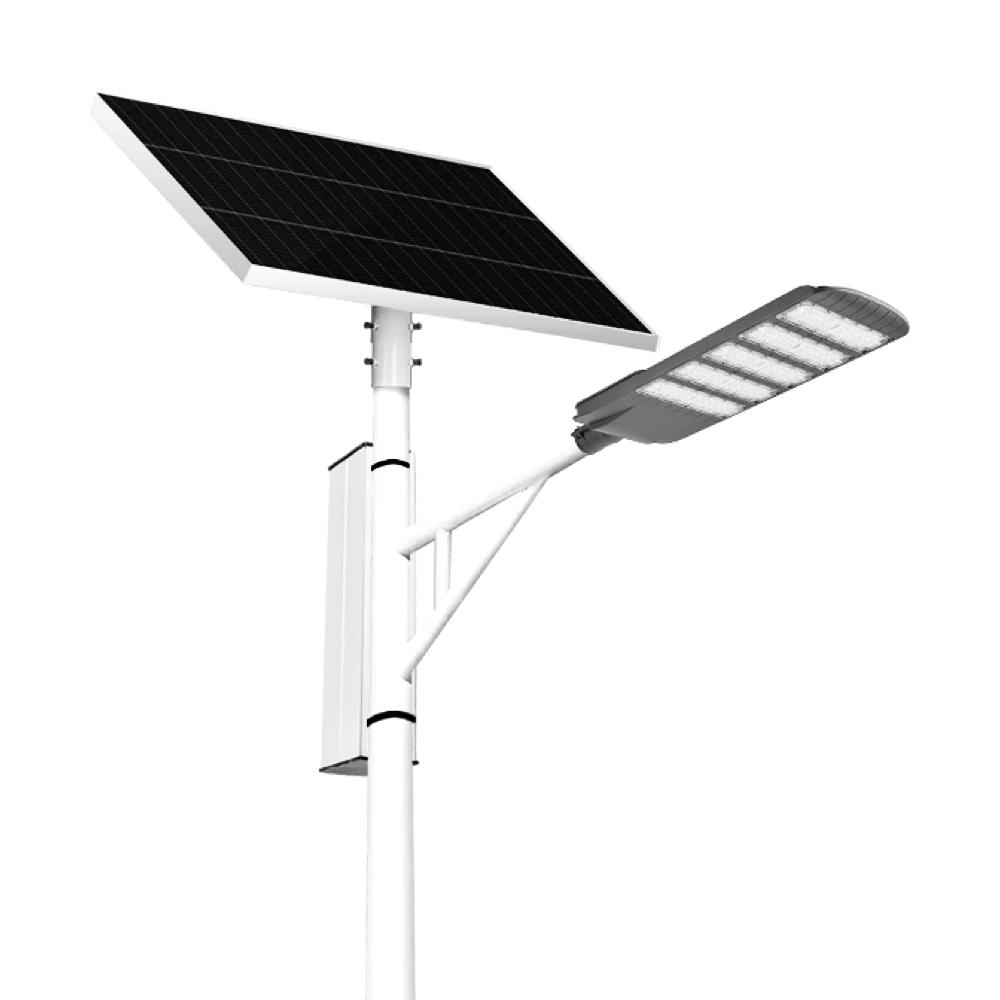
Lampu Jalan Suria Luhao untuk Perbandaran direka untuk memberikan penyelesaian pencahayaan awam yang boleh dipercayai, cekap tenaga dan kos efektif. Dilengkapi dengan teknologi LED termaju, bateri litium tahan lama dan panel suria berkecekapan tinggi, lampu jalan ini memberikan pencahayaan yang konsisten untuk jalan raya, taman, kawasan kediaman dan projek kerajaan.
Jika anda ingin maklumat lanjut tentang penyelesaian pencahayaan solar Queneng, sila hantar mesej kepada kami dengan mengisi borang di bawah. Pasukan profesional kami akan menghubungi anda semula dalam masa 24 jam!
Yakinlah bahawa privasi anda adalah penting bagi kami, dan semua maklumat yang diberikan akan dikendalikan dengan kerahsiaan sepenuhnya.
Jadualkan Mesyuarat
Tempah tarikh dan masa yang sesuai untuk anda dan kendalikan sesi lebih awal.
Ada lagi soalan tentang produk atau perkhidmatan kami?
Pengutus cahaya & penukaran kuasa
Perlindungan alam sekitar dan pembuatan pintar adalah falsafah jenama kami, dan jaminan kualiti serta pengalaman pengguna terbaik adalah janji abadi kami kepada pengguna.
HUBUNGI
No.9F, Bangunan F, Taman Logistik Cao San Xin Tian Hong, Bandar Guzhen, Bandar Zhongshan, Wilayah Guangdong, China.
atau menulis[e-mel dilindungi]
WhatsApp: +86 136 2270 1011


© 2026 Queneng Lighting. Hak Cipta Terpelihara. Dikuasakan oleh gooeyun.