













Bagaimana Panel Suria Menguasakan Lampu Jalan: Menyelam Dalam Penukaran dan Penyimpanan Tenaga Suria
Temui cara panel solar menyalakan lampu jalan, meneroka teknologi di sebalik penukaran tenaga solar, sistem storan dan cara lampu jalan berkuasa solar merevolusikan penyelesaian pencahayaan bandar dan luar bandar.
Bagaimana Panel Suria Menguasakan Lampu Jalan: Menyelam Dalam Penukaran dan Penyimpanan Tenaga Suria
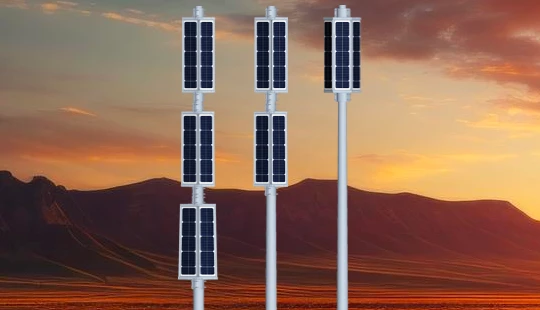
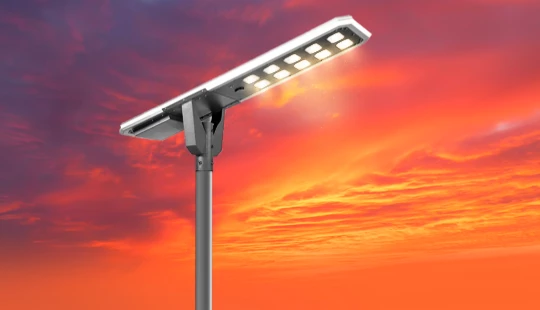
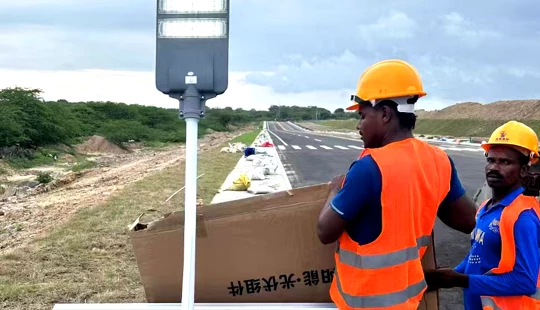
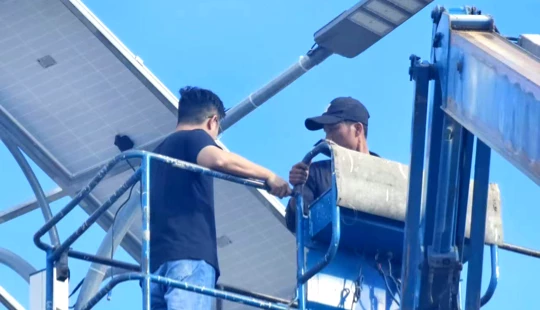
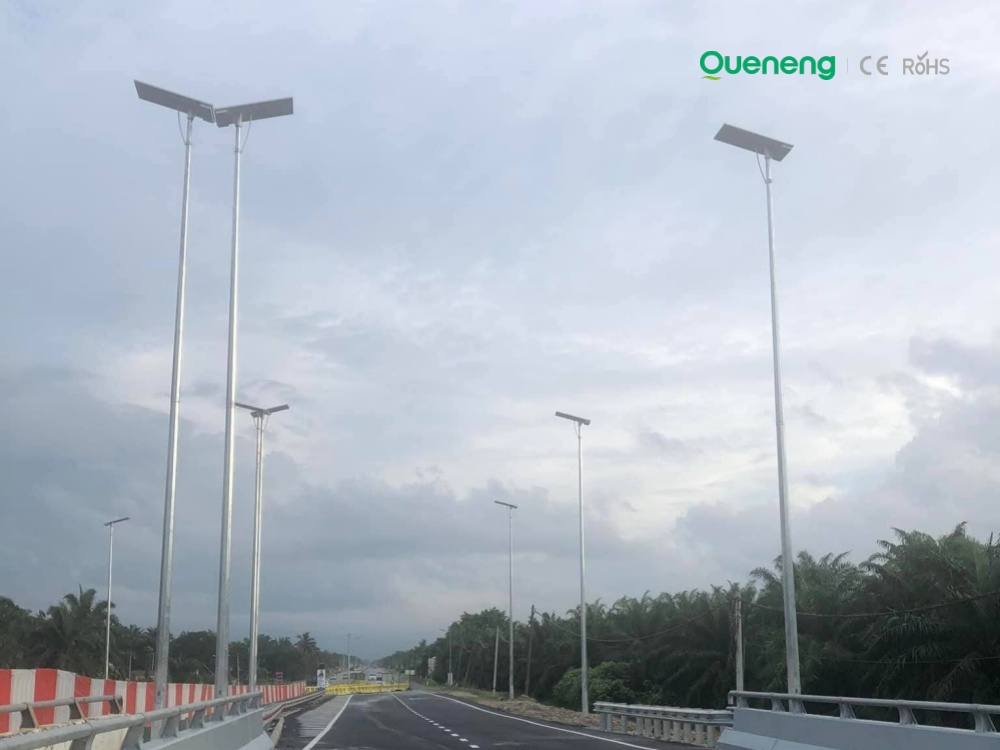
Lampu jalan suria telah menjadi bahagian penting dalam perancangan bandar yang moden dan mampan. Mereka dikuasakan oleh tenaga matahari melaluipanel solaryang menukar cahaya matahari kepada elektrik, yang kemudiannya digunakan untuk menerangi jalan, jalan raya, taman dan ruang awam. Teknologi ini menjadi semakin popular kerana faedah alam sekitar dan keberkesanan kosnya.
Dalam artikel ini, kami akan melihat secara mendalam tentang cara panel solar menyalakan lampu jalan, proses penukaran tenaga, peranan sistem penyimpanan tenaga dan kelebihan serta cabaran yang berkaitan dengan lampu jalan berkuasa solar.

Peranan Panel Suria dalam Lampu Jalan
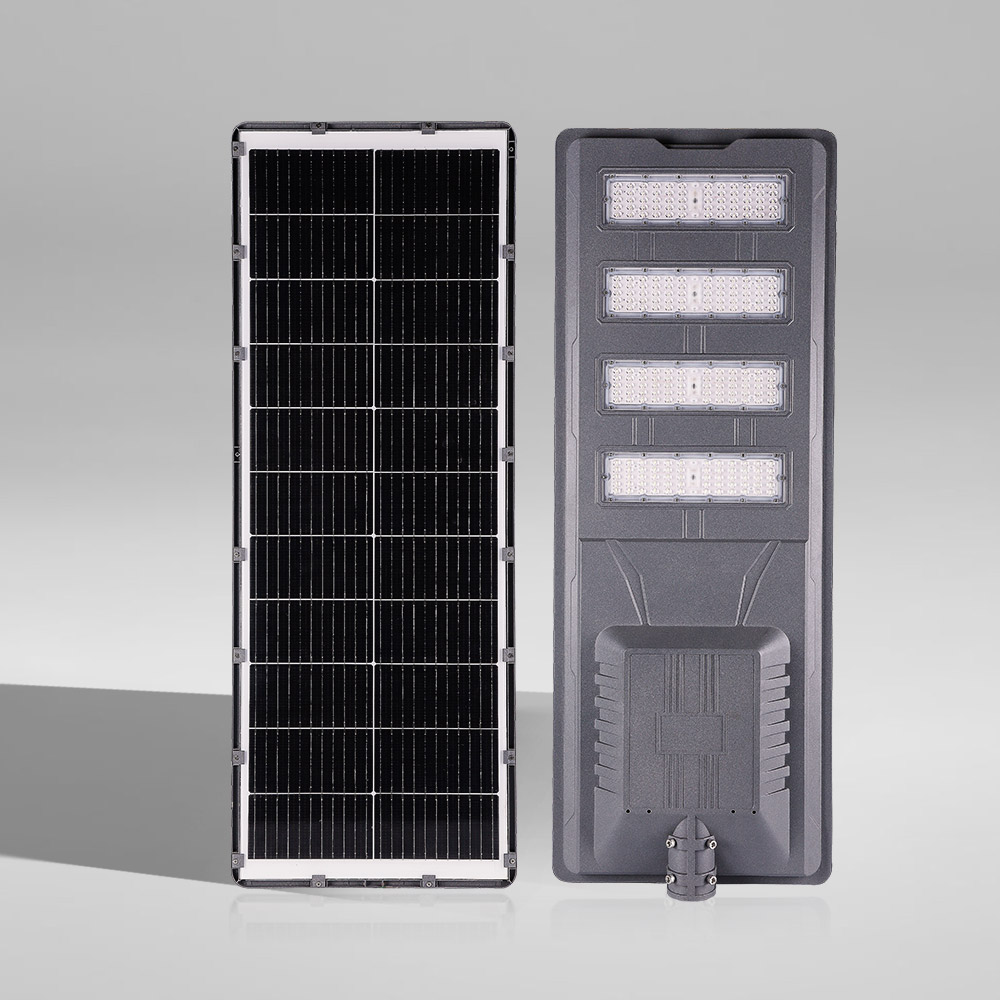
Panel solar memainkan peranan paling kritikal dalam menukar tenaga solar kepada elektrik yang boleh digunakan. Panel ini terdiri daripada sel fotovoltaik (PV) yang memanfaatkan cahaya matahari dan menukarkannya kepada elektrik arus terus (DC).
-
Penukaran Tenaga:
Apabila cahaya matahari mengenai sel PV pada panel solar, ia merangsang elektron, menghasilkan arus elektrik. Arus ini kemudiannya disalurkan melalui penyongsang yang menukarkan kuasa DC kepada arus ulang alik (AC), yang biasanya digunakan oleh kebanyakan peranti elektrik, termasuk lampu jalan. -
Penyimpanan Tenaga:
Elektrik yang dijana oleh panel solar disimpan dalam bateri, biasanyalitium-ionatauasid plumbumbateri, bergantung pada reka bentuk sistem. Bateri ini menyimpan tenaga pada waktu siang untuk digunakan pada waktu malam atau pada hari mendung apabila cahaya matahari tidak tersedia.
Cara Lampu Jalan Berkuasa Suria Berfungsi: Pecahan Langkah demi Langkah
-
Pengecasan Siang:
Pada siang hari, panel solar menyerap cahaya matahari dan menukarnya kepada tenaga elektrik. Tenaga ini dihantar ke bank bateri, yang menyimpan tenaga elektrik untuk kegunaan kemudian. -
Pencahayaan Waktu Malam:
Apabila matahari terbenam, tenaga yang disimpan dilepaskan daripada bateri, menyalakan lampu jalan. Lampu berkuasa solar biasanya digunakanLEDlampu, yang menggunakan kurang kuasa sambil memberikan kecerahan yang mencukupi untuk jalan-jalan. -
Penukaran Automatik:
Lampu jalan suria dilengkapi dengan apenderia fotoatausensor cahayayang mengesan cahaya matahari. Sensor ini menghidupkan lampu secara automatik pada waktu senja dan mematikan pada waktu subuh, memastikan lampu hanya beroperasi apabila diperlukan.
Peranan Bateri dalam Pencahayaan Jalan Suria
Kecekapan dan jangka hayat sistem lampu jalan suria sebahagian besarnya bergantung pada kualitibateridigunakan. Bateri menyimpan tenaga yang ditangkap pada waktu siang dan melepaskannya pada waktu malam, memastikan bahawa lampu jalan kekal diterangi walaupun matahari tidak bersinar.
-
Jenis Bateri:
Jenis bateri yang paling biasa digunakan dalam sistem lampu jalan solar ialahlitium-iondanasid plumbum. Bateri litium-ion lebih cekap, mempunyai jangka hayat yang lebih lama, dan lebih mesra alam berbanding bateri asid plumbum. -
Kitaran Pengecasan:
Kecekapan bateri juga ditentukan oleh bilangan kitaran pengecasan yang boleh dikendalikannya. Bateri solar direka untuk beribu-ribu kitaran caj-nyahcas, memberikan kebolehpercayaan jangka panjang.
Kelebihan Lampu Jalan Berkuasa Suria
-
Penjimatan Kos:
Lampu jalan suria menghapuskan keperluan untuk bil elektrik, mengurangkan kos operasi jangka panjang. Mereka juga memerlukan penyelenggaraan yang minimum. -
Faedah Alam Sekitar:
Lampu jalan suria mengurangkan jejak karbon dengan bergantung kepada tenaga boleh diperbaharui. Mereka membantu memerangi perubahan iklim dengan mengurangkan pelepasan gas rumah hijau. -
Kemerdekaan Tenaga:
Dengan memanfaatkan kuasa matahari, lampu jalan suria menawarkan sumber tenaga yang mampan dan bebas, mengurangkan pergantungan pada grid. -
Penyelenggaraan Rendah:
Lampu jalan suria biasanya memerlukan sedikit penyelenggaraan, terutamanya apabila menggunakan komponen berkualiti tinggi dan tahan lama seperti lampu LED dan bateri litium-ion. -
Pemasangan Mudah:
Lampu jalan berkuasa solar mudah dipasang kerana ia tidak memerlukan pendawaian yang rumit atau sambungan ke grid elektrik.
Cabaran Lampu Jalan Berkuasa Suria
-
Kos Permulaan yang Tinggi:
Kos pendahuluan untuk memasang lampu jalan suria boleh lebih tinggi daripada lampu jalan berkuasa grid konvensional disebabkan oleh harga panel solar, bateri dan komponen lain. Walau bagaimanapun, simpanan jangka panjang menjadikannya pelaburan yang berbaloi. -
Ketergantungan Cuaca:
Lampu jalan suria bergantung kepada cahaya matahari untuk mengecas baterinya, jadi ia mungkin tidak berfungsi secara optimum semasa cuaca mendung atau hujan. Walau bagaimanapun, banyak sistem dilengkapi dengan bateri yang lebih besar untuk menyimpan tenaga yang mencukupi untuk hari tanpa cahaya matahari. -
Jangka Hayat Bateri:
Jangka hayat bateri yang digunakan dalam lampu jalan berkuasa solar boleh menjejaskan keberkesanan kos keseluruhan. Penggantian bateri boleh menjadi perbelanjaan tambahan selepas beberapa tahun beroperasi. -
Soalan Lazim (FAQ)
S1: Berapa lama lampu jalan berkuasa solar bertahan?
A1:Lampu jalan suria boleh bertahan antara 5 hingga 15 tahun, bergantung pada kualiti komponen dan sejauh mana ia diselenggara. Jangka hayat bateri dan mentol LED memainkan peranan penting dalam menentukan hayat keseluruhan sistem.
S2: Apakah jenis panel solar yang digunakan dalam sistem lampu jalan solar?
A2:Kebanyakan sistem lampu jalan solar menggunakanmonohablurataupolihablurpanel solar. Panel monokristalin lebih cekap dan mempunyai output kuasa yang lebih tinggi, menjadikannya sesuai untuk kawasan yang mempunyai cahaya matahari yang terhad.
S3: Bolehkah lampu jalan berkuasa solar berfungsi di kawasan yang mempunyai cahaya matahari yang terhad?
A3:Ya, lampu jalan suria masih boleh berfungsi di kawasan yang mempunyai cahaya matahari yang terhad, asalkan sistem direka bentuk dengan bateri yang lebih besar untuk menyimpan tenaga yang mencukupi untuk kegunaan waktu malam.
S4: Adakah lampu jalan solar memerlukan banyak penyelenggaraan?
A4:Tidak, lampu jalan solar direka bentuk untuk penyelenggaraan yang rendah. Pembersihan kerap panel solar dan pemeriksaan bateri sekali-sekala biasanya cukup untuk memastikan sistem berfungsi dengan cekap.
S5: Adakah lampu jalan suria lebih mahal untuk dipasang daripada lampu jalan tradisional?
A5:Ya, lampu jalan suria biasanya mempunyai kos pendahuluan yang lebih tinggi, terutamanya disebabkan oleh panel solar dan bateri. Walau bagaimanapun, mereka menawarkan penjimatan jangka panjang yang ketara kerana kos operasi dan penyelenggaraan yang lebih rendah.
Kesimpulan
Lampu jalan berkuasa suria adalah penyelesaian terbaik untuk menyediakan pencahayaan mesra alam dan kos efektif di kawasan bandar dan luar bandar. Dengan memanfaatkan tenaga suria, lampu ini memberikan pencahayaan yang terang dan boleh dipercayai tanpa memerlukan elektrik grid. Walaupun terdapat beberapa cabaran, seperti pergantungan cuaca dan kos permulaan yang tinggi, faedah jangka panjang—seperti penjimatan kos, pengurangan kesan alam sekitar dan kebebasan tenaga—menjadikan lampu jalan suria pilihan yang menjanjikan untuk infrastruktur bandar yang mampan.
Untuk maklumat lanjut tentang penyelesaian lampu jalan solar, atau jika anda ingin memasang lampu berkuasa solar di kawasan anda, hubungi pasukan kami diGuangDong Queneng Lighting Technology Co., Ltd.untuk bimbingan pakar dan cadangan produk.

Ada lagi soalan tentang produk atau perkhidmatan kami?
Berita hangat terkini yang mungkin anda suka

Temui lampu jalan solar LED semua-dalam-satu Queneng Lighting — panel solar bersepadu, bateri, pengawal dan LED dalam satu lekapan tahan lama. Jimatkan tenaga, kurangkan penyelenggaraan dan selamatkan jalan dengan sensor pintar, autonomi berbilang malam dan pensijilan antarabangsa. Hubungi bahagian jualan untuk sebut harga dan sokongan.

Bebaskan pencahayaan luar yang unggul dengan Lampu Jalan Suria Berkecekapan Tinggi Queneng Luda. Penyelesaian mesra alam yang tahan lama ini menawarkan pengurusan kuasa termaju, pemasangan mudah dan memastikan keselamatan. Disokong oleh kepakaran Queneng Lighting selama sedekad dan komitmen terhadap kualiti, ia merupakan pilihan pintar untuk projek pencahayaan lestari. Ketahui mengapa kami merupakan penyedia penyelesaian solar yang terkemuka.

Lampu jalan solar semua-dalam-satu Luhei menggabungkan LED berkecekapan tinggi, solar dan bateri bersepadu, perlindungan IP65 dan pengesan gerakan untuk memberikan pencahayaan luar tanpa wayar yang andal untuk jalan, taman dan tempat letak kereta. Disokong oleh pensijilan dan sokongan Queneng Lighting.

Soalan Lazim
Pembangunan Luar Bandar Kawasan Terpencil
Bolehkah lampu jalan suria berintegrasi dengan teknologi pintar seperti pemantauan jarak jauh?
Ya, sistem kami boleh menyertakan ciri IoT untuk pemantauan dan kawalan masa nyata.
Jenis dan Aplikasi Bateri
Apakah voltan dan kawasan penggunaan pelbagai jenis bateri?
Kamera 6V bateri litium, dsb.
Kalkulator poket 3V bateri butang mangan litium, jam tangan, peralatan kawalan jauh, dsb.
Bateri butang oksigen perak jam tangan 1.5V, jam kecil, dsb.
Bateri bulat mangan karbon 1.5V peralatan video mudah alih, kamera, konsol permainan, dsb.
Bateri butang mangan karbon kalkulator poket 1.5V, peralatan elektrik, dsb.
Bateri bulat karbon zink 1.5V penggera, lampu kilat, mainan, dll.
Bateri butang udara zink 1.4V alat bantu pendengaran, dsb.
Bateri butang MnO2 1.35V alat bantuan pendengaran, kamera, dsb.
Alat kuasa 1.2V bateri nikel-kadmium, telefon bimbit, buku nota, lampu kecemasan, basikal elektrik, dsb.
Bateri Ni-MH 1.2V telefon bimbit, kamera mudah alih, telefon tanpa wayar, komputer riba, perkakas rumah, dsb.
Bateri litium-ion 3.6V telefon mudah alih, komputer notebook, dsb.
Lampu Jalan Suria Lufeng
Adakah lampu jalan suria Lufeng serasi dengan persekitaran luar yang berbeza?
Ya, lampu jalan solar Lufeng sangat serba boleh dan boleh digunakan dalam pelbagai persekitaran luar. Ia sesuai untuk jalan bandar, kawasan kediaman, jalan luar bandar, taman dan ruang rekreasi. Reka bentuk tahan lama mereka memastikan mereka boleh berfungsi dengan pasti dalam keadaan cuaca dan lokasi geografi yang pelbagai.
Bateri dan Analisis
Apakah sebab yang mungkin untuk voltan sifar atau rendah dalam satu bateri?
2) Bateri dicas berlebihan secara berterusan oleh arus berkadar tinggi dan besar, menyebabkan teras bateri mengembang dan elektrod positif dan negatif bersentuhan terus dan litar pintas, dsb.;
3) Terdapat litar pintas dalaman atau litar pintas mikro dalam bateri, seperti penempatan plat elektrod positif dan negatif yang tidak betul, mengakibatkan litar pintas antara plat elektrod, atau sentuhan antara plat elektrod positif dan negatif, dsb.
Lampu jalan solar semua-dalam-satu
Adakah lampu jalan solar semua-dalam-satu sesuai untuk lebuh raya?
Tidak, lampu jalan solar berpecah disyorkan untuk lebuh raya dan aplikasi berkuasa tinggi.
Taman Awam dan Pencahayaan Landskap
Adakah lampu solar selamat digunakan di ruang awam?
Ya, lampu solar selamat untuk ruang awam. Mereka menggunakan lampu LED voltan rendah yang tidak menimbulkan sebarang bahaya elektrik. Selain itu, lampu kami direka bentuk dengan bahan tahan cuaca dan tahan lama untuk menahan keadaan luar, menjadikannya boleh dipercayai dan selamat untuk kegunaan awam.
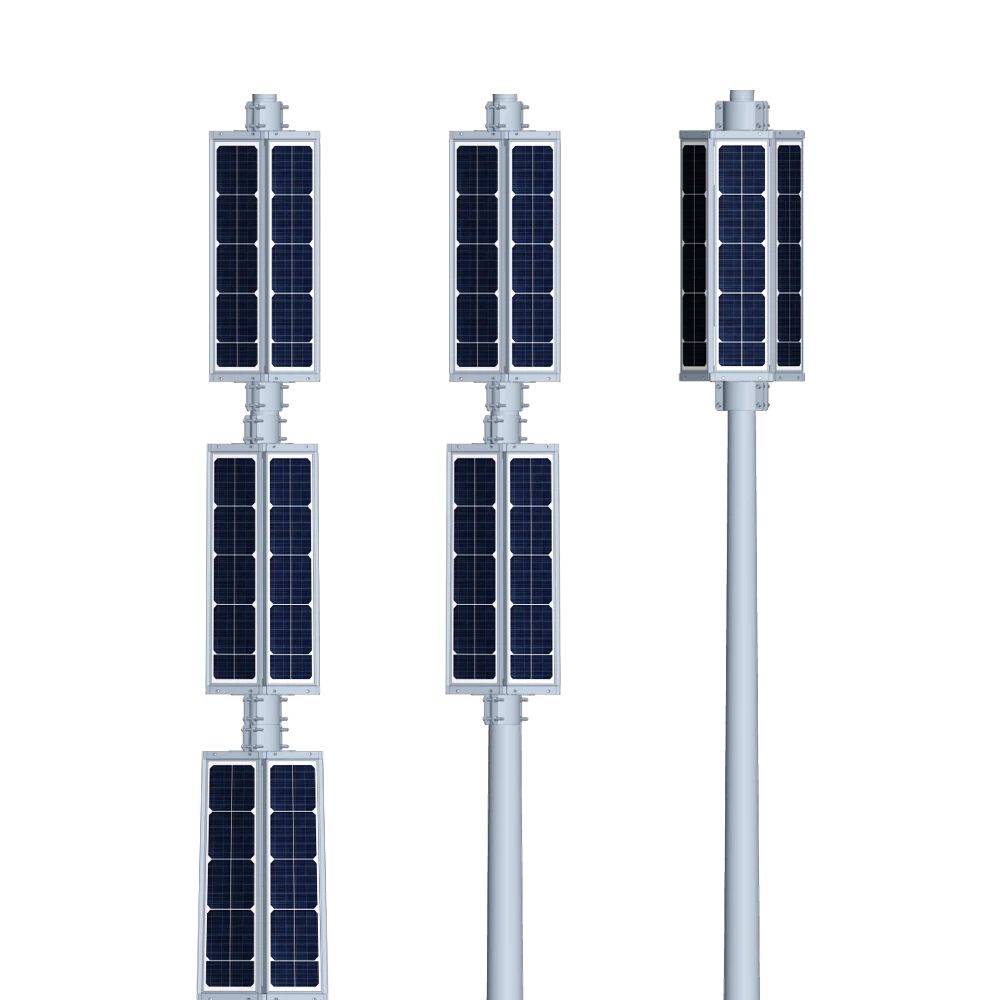
Lampu Jalan Suria Luzhou Queneng menyediakan pencahayaan LED luaran yang mampan dan cekap tenaga. Dikuasakan oleh tenaga suria, ia merupakan penyelesaian yang kos efektif dan mesra alam untuk menerangi jalan dan laluan. Lampu jalan solar LED yang boleh dipercayai dan tahan lama.
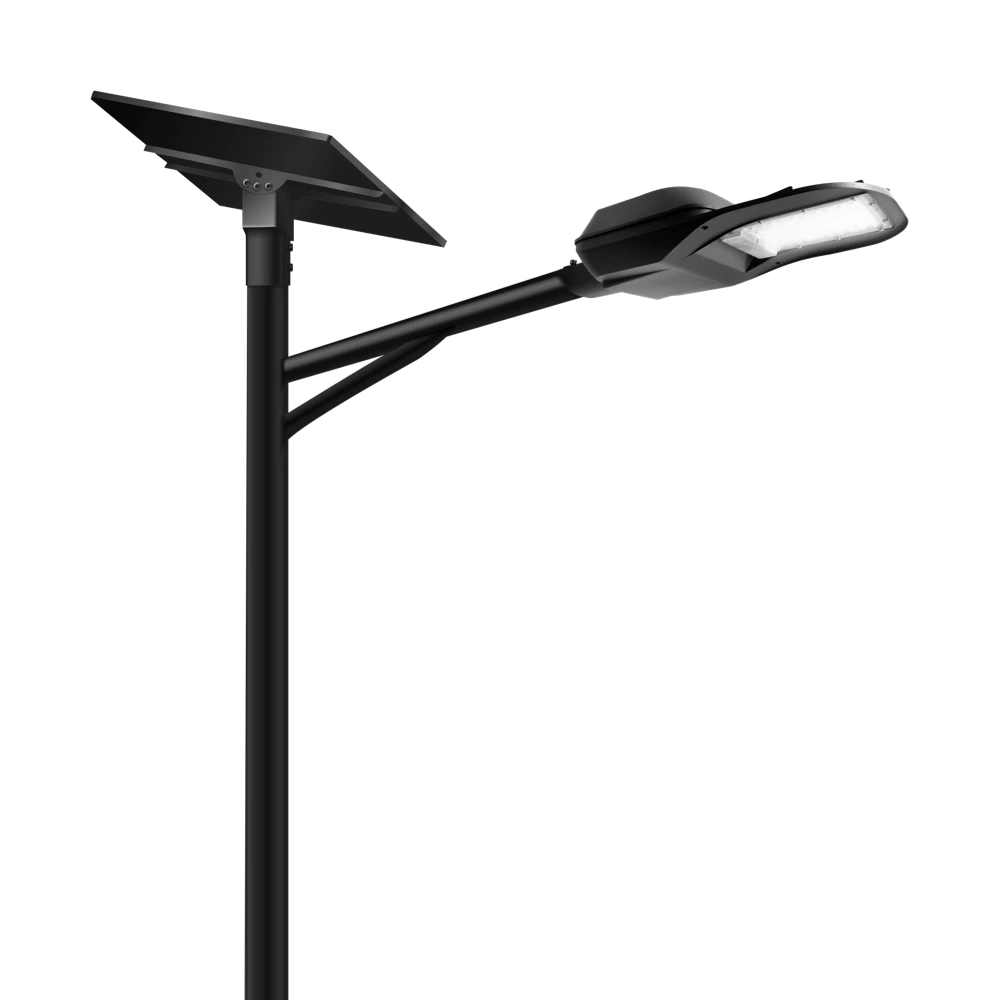
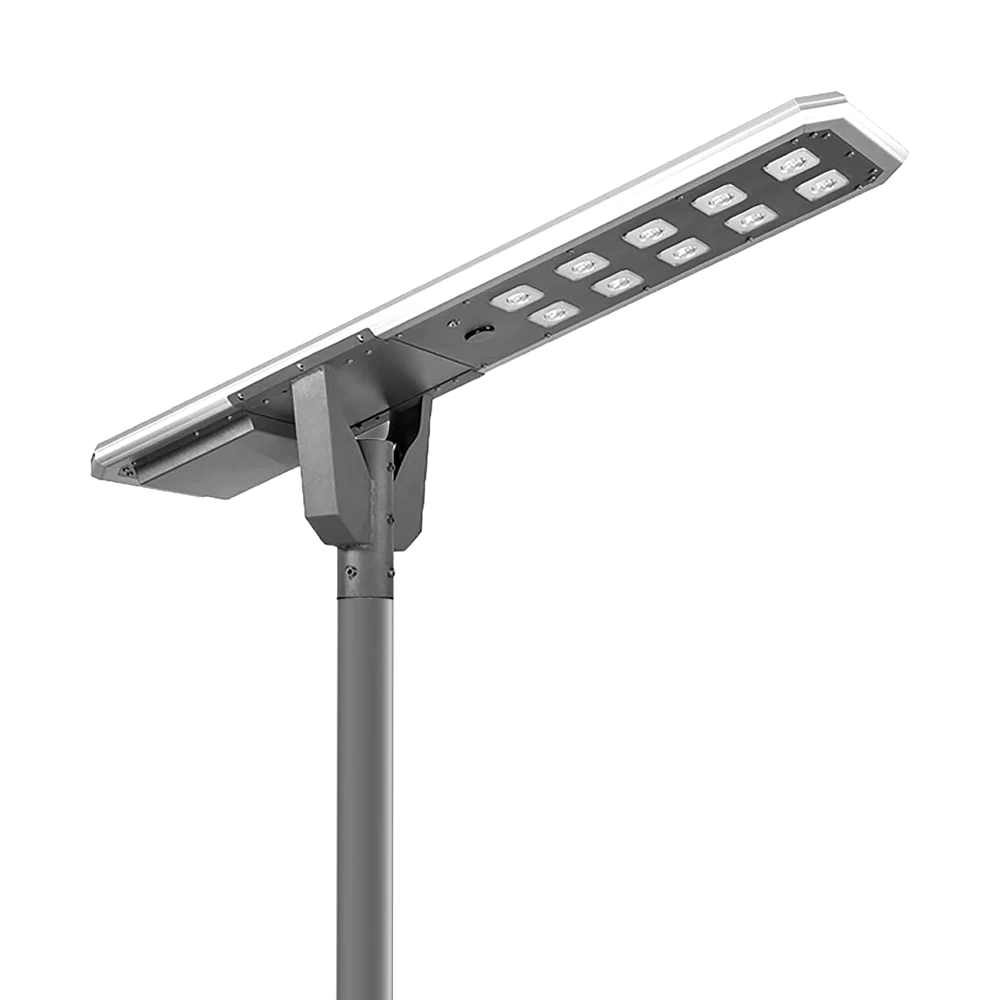
Terangi ruang luar anda dengan Solar Street Light, penyelesaian termaju yang menggabungkan teknologi solar termaju dan lampu LED penjimatan tenaga.
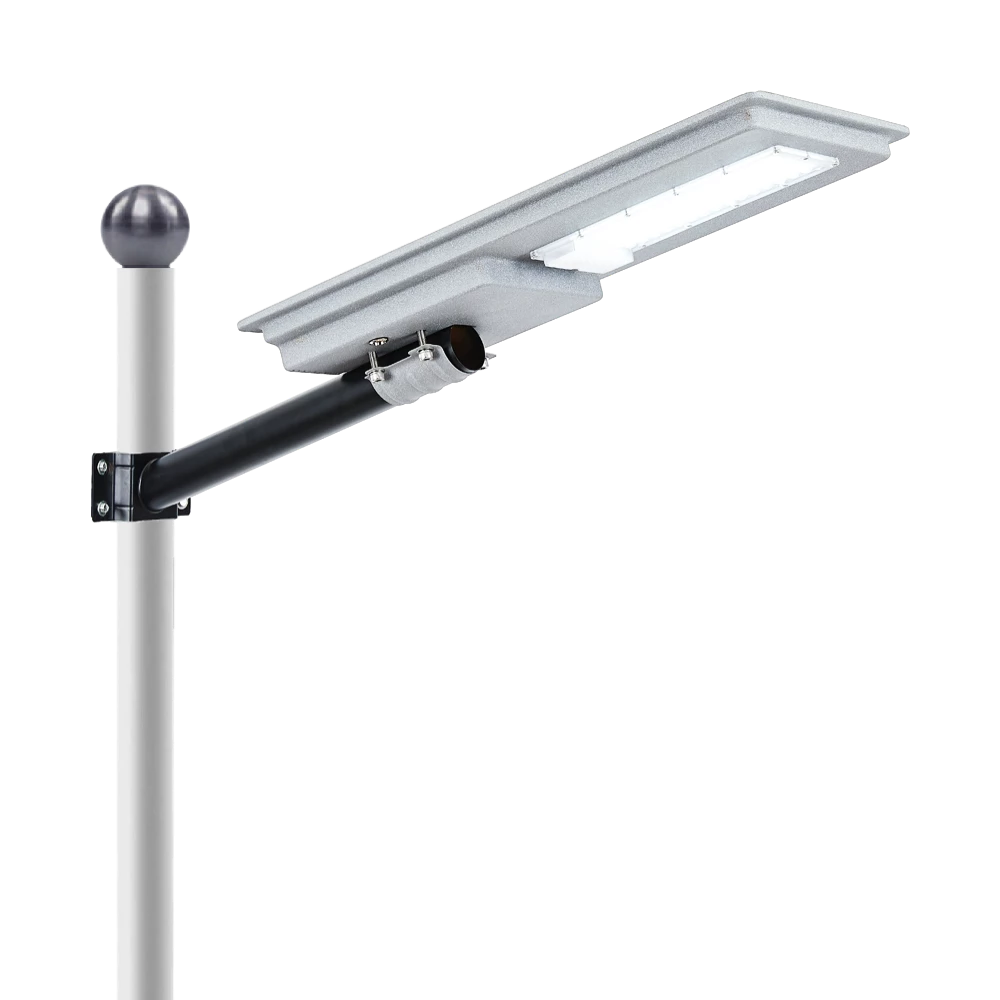
Memperkenalkan Lampu Jalan Solar Luda oleh Queneng: pencahayaan luar yang terbaik. Lampu jalan suria yang tahan lama dan mesra alam ini menawarkan kecekapan dan kemampanan yang tinggi. Sesuai untuk menerangi jalan, laluan dan ruang awam, ia memanfaatkan tenaga suria untuk mengurangkan kos tenaga dan kesan alam sekitar.
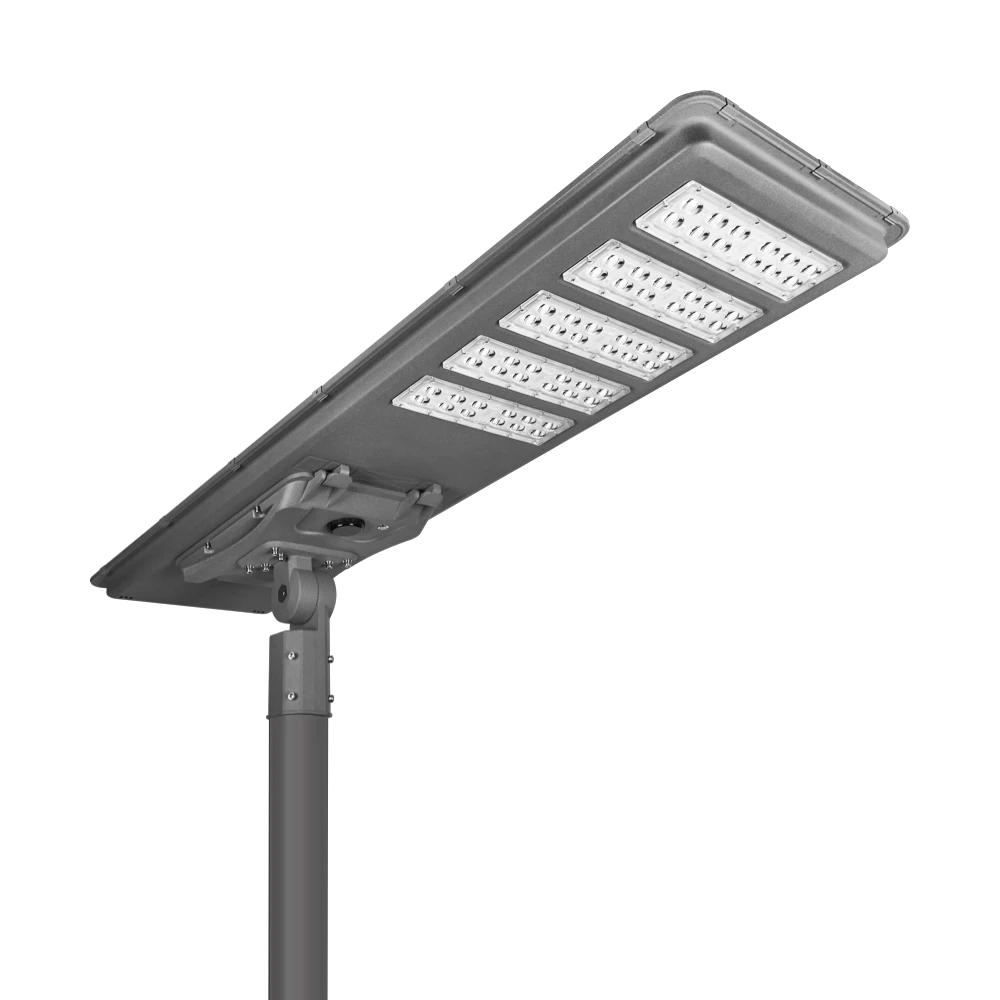
Temui Lampu Jalan Suria Berprestasi Tinggi Lulin oleh Queneng, penyelesaian pencahayaan luar yang tahan lama dan menjimatkan tenaga. Direka bentuk untuk kecekapan dan kebolehpercayaan, ia memanfaatkan tenaga solar untuk menerangi jalan dan laluan secara mampan. Optimumkan ruang luar anda hari ini dengan teknologi lampu jalan solar Queneng yang inovatif.
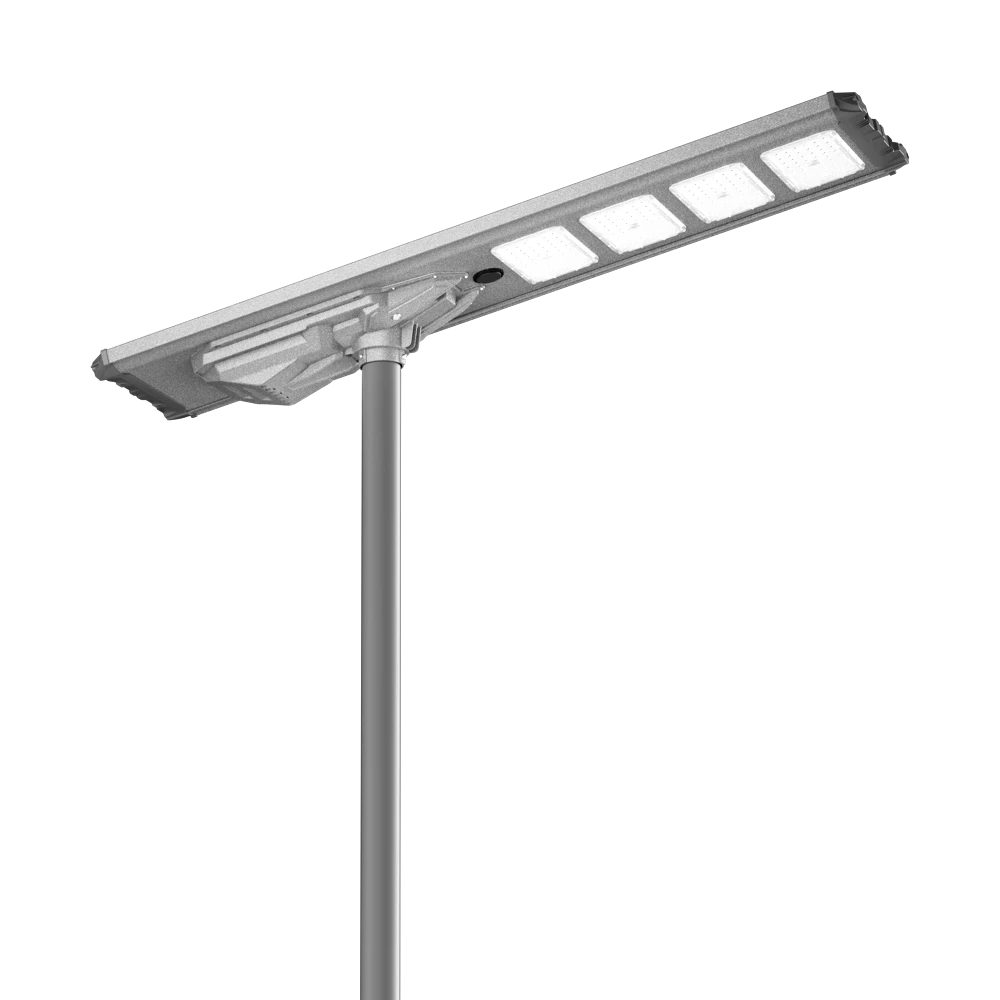
Lampu Jalan Suria Lufei Queneng menawarkan penyelesaian pencahayaan luar yang tahan lama dan cekap tenaga. Lampu jalan berkuasa solar ini memberikan pencahayaan yang boleh dipercayai, mengurangkan kos tenaga dan kesan alam sekitar. Sesuai untuk ruang luar, Lufei memastikan keselamatan dan keselamatan.
Jika anda ingin maklumat lanjut tentang penyelesaian pencahayaan solar Queneng, sila hantar mesej kepada kami dengan mengisi borang di bawah. Pasukan profesional kami akan menghubungi anda semula dalam masa 24 jam!
Yakinlah bahawa privasi anda adalah penting bagi kami, dan semua maklumat yang diberikan akan dikendalikan dengan kerahsiaan sepenuhnya.
Jadualkan Mesyuarat
Tempah tarikh dan masa yang sesuai untuk anda dan kendalikan sesi lebih awal.
Ada lagi soalan tentang produk atau perkhidmatan kami?
Pengutus cahaya & penukaran kuasa
Perlindungan alam sekitar dan pembuatan pintar adalah falsafah jenama kami, dan jaminan kualiti serta pengalaman pengguna terbaik adalah janji abadi kami kepada pengguna.
HUBUNGI
No.9F, Bangunan F, Taman Logistik Cao San Xin Tian Hong, Bandar Guzhen, Bandar Zhongshan, Wilayah Guangdong, China.
atau menulis[e-mel dilindungi]
WhatsApp: +86 136 2270 1011


© 2026 Queneng Lighting. Hak Cipta Terpelihara. Dikuasakan oleh gooeyun.