
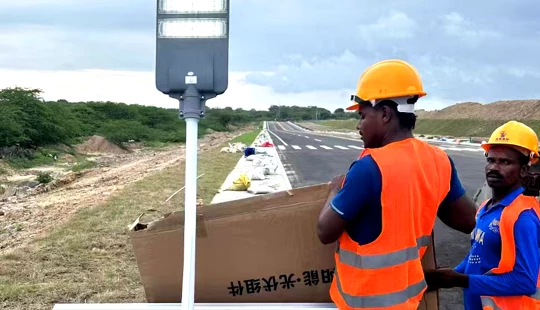
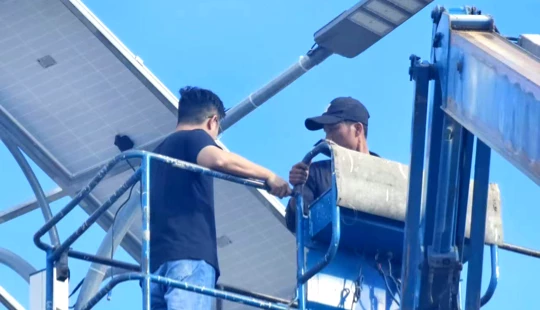













Mga Tampok ng Solar Street Light na Anti-theft at Vandal-resistant
Pagdidisenyo ng Matibay na Solar Lighting para sa mga Pampublikong Espasyo
Bakit dapat unahin ng mga munisipalidad ang ligtas na mga sistema ng Solar Street Light ng Munisipyo
Parami nang parami ang mga munisipalidad na gumagamit ng solar street lighting upang mabawasan ang mga gastos sa enerhiya, mapababa ang carbon footprint, at mapalawak ang access sa mga lugar na walang kuryente. Gayunpaman, ang mga pampublikong kagamitan ay nahaharap sa dalawang patuloy na hamon: pagnanakaw (ng mga baterya, panel, kagamitan) at paninira (epekto, pakikialam, sinasadyang pagsira). Ang isang ligtas na disenyo ng Municipal Solar Street Light ay binabawasan ang gastos sa lifecycle, pinapabuti ang uptime, at pinoprotektahan ang pamumuhunan ng mga nagbabayad ng buwis. Ipinapaliwanag ng artikulong ito ang mga teknikal na solusyon, pamantayan, at mga kasanayan sa pagkuha na magagamit ng mga lungsod at mga kontratista upang maiwasan ang mga pagkalugi at matiyak ang patuloy na serbisyo sa pag-iilaw.
Mga karaniwang paraan ng pagnanakaw at paninira na nakakaapekto sa Municipal Solar Street Light
Pag-unawa sa mga kilos ng mga umaatake upang magdisenyo ng mga epektibong panlaban
Bago pumili ng mga tampok, kailangang malaman ng mga stakeholder ang mga karaniwang paraan ng pagkabigo:
- Pagnanakaw o pag-alis ng baterya — kadalasang tinatarget dahil ang mga baterya ay mahal at medyo madaling tanggalin.
- Pagnanakaw ng photovoltaic (PV) panel — maaaring tanggalin o masira ang mga panel upang magamit sa mga harvest cell o metal frame.
- Pakikialam sa mga elektronikong kontrol o kable — upang i-disable ang ilaw o nakawin ang mga bahagi.
- Pagtama at panununog — sinasadyang pisikal na pinsala, kadalasang nangangailangan ng proteksyon na may rating na IK at mga bahaging ligtas sa sunog.
- Hindi awtorisadong pag-alis ng ilaw — mga kagamitang kinakalas mula sa mga poste o tinatanggal sa pamamagitan ng pagputol ng mga bolt o pakikialam sa mga bracket.
Dapat tugunan ng mga hakbang ang mga pag-uugaling ito sa antas ng mekanikal, elektrikal, at sistema.
Mga mekanikal na tampok sa seguridad para sa Municipal Solar Street Light na hindi tinatablan ng mga paninira
Matibay na mga enclosure, mga pangkabit na hindi tinatablan ng pagbabago at disenyo ng poste
Ang mga mekanikal na hakbang ang unang linya ng depensa:
- Ang mga tamper-proof fastener at anti-theft bolts (hal., mga one-way screw, proprietary heads) ay pumipigil sa madaling pag-alis ng mga fixture at mga kahon ng baterya.
- Ang mga nakakandadong kahon ng baterya na hinang o isinama sa mga base ng poste ay nakakabawas sa pag-access; ang mga kompartamento ng baterya ay dapat na may butas para sa kaligtasan ngunit dapat protektahan mula sa pampublikong pag-access.
- Ang mga recessed o vandal-resistant PV mounting frame ay nakakabawas sa pagkakalantad sa gilid ng panel at nagpapahirap sa pag-ukit.
- Ang mga de-kalidad na disenyo ng poste na may panloob na pagkakabit para sa mga baterya at controller ay nakakabawas sa pagkakalantad at nagtatago ng mga kable sa loob ng katawan ng poste.
- Paggamit ng mga anti-cut plate o composite reinforcements sa paligid ng mga mounting zone upang pigilan ang mga bolt cutter at lagari.
Dapat balansehin ng mga mekanikal na hakbang ang pagiging madaling gamitin (madali para sa mga awtorisadong technician) at ang pagpigil. Inirerekomenda ang mga controlled-access panel na nakakabit sa mga karaniwang kagamitan sa pagpapanatili.
Proteksyon sa kuryente at baterya para sa ligtas na mga sistema ng Solar Street Light ng Munisipyo
Pagpili ng baterya, pagsubaybay at mga kompartamento na may ligtas na kuryente
Binabawasan ng disenyong elektrikal ang insentibo at kakayahang magnakaw o makapinsala sa mga bahagi:
- Pumili ng mga kemikal na sangkap ng baterya na hindi gaanong kaakit-akit sa mga magnanakaw kung praktikal — ang selyadong LiFePO4 na may integrated BMS (battery management system) ay mas ligtas, mas magaan, at mas mahirap ibenta muli kaysa sa mga loose lead-acid pack.
- Isama ang BMS sa mga alerto sa pagbabago: ang pagtukoy ng disconnect at pagsubaybay sa state-of-charge ay maaaring mag-trigger ng mga alarma kapag ang mga baterya ay tinanggal o nakakaranas ng mga abnormal na load.
- Nakatagong kable — patakbuhin ang PV at load cabling sa loob ng poste, gamit ang armored conduit kung saan hindi maiiwasan ang pagkakalantad.
- Ang mga piyus at mga cut-off device na nasa loob ng mga nakakandadong kompartamento ay pumipigil sa pag-init ng mga kable ng mga ilaw kahit na buo ang mga panel.
- Paggamit ng grounding/grounding at surge protection upang mabawasan ang pinsalang dulot ng mga vandal mula sa electrical shocks o shorting.
Mga matalinong tampok at malayuang pagsubaybay upang mapigilan ang pagnanakaw at mapabilis ang pagbawi
Paano pinapabuti ng IoT, telemetry, at remote control ang seguridad at uptime para sa mga network ng Municipal Solar Street Light
Ang mga smart system ay parehong pumipigil sa pagnanakaw at nakakabawas sa downtime:
- Iniuulat ng remote telemetry ang kalusugan ng baterya, pagbuo ng PV, at katayuan ng kagamitan nang halos real-time. Ang mga biglaang pagbabago sa parameter ay maaaring magpahiwatig ng pakikialam.
- Ang mga kagamitang pinapagana ng GPS ay nagbibigay-daan sa mabilis na lokasyon at pagbawi ng mga ninakaw na naililipat na bahagi (kung saan ang mga ari-arian ay maaaring dalhin).
- Ang mga alarma at geofencing na naka-link sa mga platform ng pamamahala ng asset ng munisipyo ay agad na nagpapaalam sa mga awtoridad kapag may natukoy na hindi awtorisadong paggalaw o pag-alis.
- Ang remote-controlled dimming at mga naka-iskedyul na pag-uugali ay nakakabawas sa hindi kinakailangang pag-ikot ng baterya, pinapataas ang average na oras sa pagitan ng mga serbisyo at binabawasan ang pagkaapurahan na nagtutulak sa oportunistang pagnanakaw.
Ang pagdaragdag ng koneksyon ay may mga paulit-ulit na gastos (SIM/data), ngunit binabawasan nito ang mga gastos sa lifecycle sa pamamagitan ng nabawasang pagnanakaw, mas mabilis na pagtugon, at predictive maintenance.
Mga Pamantayan at Pagsubok: Mga Inaasahan sa IP, IK, at Sertipikasyon para sa Municipal Solar Street Light
Pagpili ng mga produktong nakakatugon sa mga rating ng IP/IK at mga internasyonal na pamantayan ng kalidad
Dapat hilingin ng mga mamimili sa mga vendor na magbigay ng mga ulat sa pagsubok mula sa ikatlong partido. Kabilang sa mga pangunahing pamantayan ang:
- Mga rating ng IP (Ingress Protection) — Ang IP65 o mas mataas ay karaniwan para sa mga kagamitang panlabas na lumalaban sa alikabok at mga bugso ng tubig (tingnan ang IEC/ISO IP Code).
- Proteksyon sa epekto ng IK — Ang mga rating na IK08 hanggang IK10 ay nagpapahiwatig ng resistensya sa mga epekto ng mga bandido; para sa mga urban area na may mataas na peligro, inirerekomenda ang IK10.
- Mga pamantayan sa kaligtasan ng baterya at elektrikal — ang mga sertipikasyon tulad ng UL (mga baterya/kabit), pagmamarka ng CE, BIS (India), CB Scheme at mga pag-awdit ng TÜV ay nagpapahiwatig ng pagsunod sa kinikilalang pamantayan sa kaligtasan at pagganap.
- Pamamahala ng Kalidad — Ipinapakita ng sertipikasyon ng ISO 9001 na mahalaga ang kontrol sa produksyon at pagsubaybay para sa mga pangmatagalang proyekto.
Ang paghingi ng mga sertipiko at mga ulat ng pagsubok na kasama ng mga ito ay nakakabawas sa panganib sa pagkuha at tinitiyak na ang mga bahagi ay akma para sa pag-deploy ng munisipyo.
Mga estratehiya sa pag-install at pagpapanatili na nagbabawas sa panganib ng paninira
Pagpili ng lugar, taas ng pag-mount at mga rehimen ng pagpapanatili
Ang pagkuha ay bahagi lamang ng solusyon. Mahalaga rin ang mga kasanayan sa operasyon:
- Taas ng pagkakabit — ang pagtataas ng access sa panel at baterya nang hindi madaling maabot (habang sinusunod ang kaligtasan para sa serbisyo) ay nakakabawas sa oportunistang pagnanakaw.
- Pakikipag-ugnayan sa komunidad — ang mga maliwanag at madalas gamiting pampublikong espasyo ay mas kaunting nararanasan ang paninira; hikayatin ang mga lokal na stakeholder sa pagprotekta ng mga ari-arian.
- Mga regular na inspeksyon — mga naka-iskedyul na pagsusuri ng mga mekanikal na pangkabit, mga selyo, at mga uso sa telemetrya ay maagang nahuhuli ang mga pakikialam.
- Mga plano para sa mabilis na pagpapalit — ang mga modular na disenyo kung saan ang mga battery pack o controller ay maaaring palitan nang mabilis ay nakakabawas sa downtime at hindi maaagapan ang mga magnanakaw na may mahahalagang gamit na nasa kinaroroonan.
Paghahambing ng gastos-benepisyo: mga tampok na anti-pagnanakaw kumpara sa inaasahang mga matitipid sa lifecycle
Ang pamumuhunan ng karagdagang capex sa seguridad ay karaniwang nagpapababa sa kabuuang gastos ng pagmamay-ari (TCO)
Bagama't ang mas matibay na disenyo ay nagpapataas ng mga paunang gastos, kadalasan ay nakakabawi ang mga ito sa pamamagitan ng mas kaunting insidente ng pagnanakaw, mas mababang pangangailangan sa pagpapalit, at mas mababang maintenance. Halimbawa ng paghahambing (ilustratibo):
| Set ng Tampok | Karaniwang Epekto ng Paunang Gastos | Inaasahang Pagbabawas sa mga Gastos sa Pagnanakaw/Pagbabanta | Karaniwang Pagsasaalang-alang sa Pagbabayad |
|---|---|---|---|
| Pangunahing (karaniwang mga turnilyo, panlabas na kahon ng baterya) | Baseline | Mababang proteksyon; mas mataas na panganib sa pagpapalit | Mas mataas na TCO sa loob ng 3-5 taon |
| Pinahusay na mekanikal (mga tamper bolt, mga nakalakip na poste mount) | +10–20% | Malaking pagbawas sa oportunistikong pagnanakaw | Bayad sa loob ng 1-3 taon sa mga lugar na may mataas na peligro |
| Advanced (mga enclosure+IoT+BMS+IK10+GPS) | +25–50% | Mataas na pagbawas sa pagnanakaw, mas mabilis na pagbawi, mas mababang downtime | Pinakamahusay para sa mga kritikal na koridor at mga high-value na deployment |
Paalala: Ang mga porsyento ay indikasyon lamang. Ang mga munisipal na pagkuha ay dapat magsagawa ng mga pagsusuri sa gastos sa buong siklo na iniayon sa mga lokal na badyet para sa panganib ng pagnanakaw/paninira at pagpapanatili.
Mga halimbawa ng pag-deploy sa totoong mundo at mga aral na natutunan para sa Municipal Solar Street Light
Mga pangunahing aral mula sa mga programa ng munisipalidad at NGO
Ang mga programang pinagsasama ang pagpapatibay ng hardware, pakikipag-ugnayan sa komunidad, at remote monitoring ang pinakamahusay na magtatagumpay. Binigyang-diin ng inisyatibo ng World Bank/IFC Lighting Africa ang lokal na suporta at pagpapanatili sa mga proyektong ipinamahagi ang ilaw, na nagbabawas sa mga rate ng pag-abandona. Kinakailangan ang mga supplier na magpakita ng mga manwal sa pagpapanatili, pagkakaroon ng mga ekstrang bahagi, at mga opsyon sa lokal na serbisyo sa mga bid.
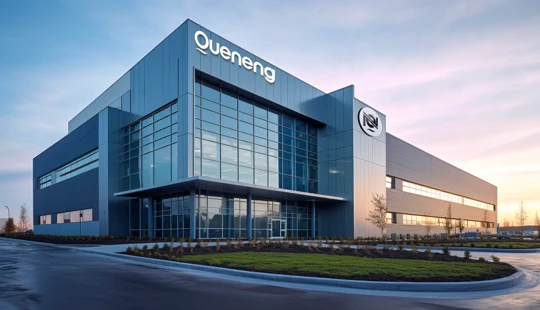
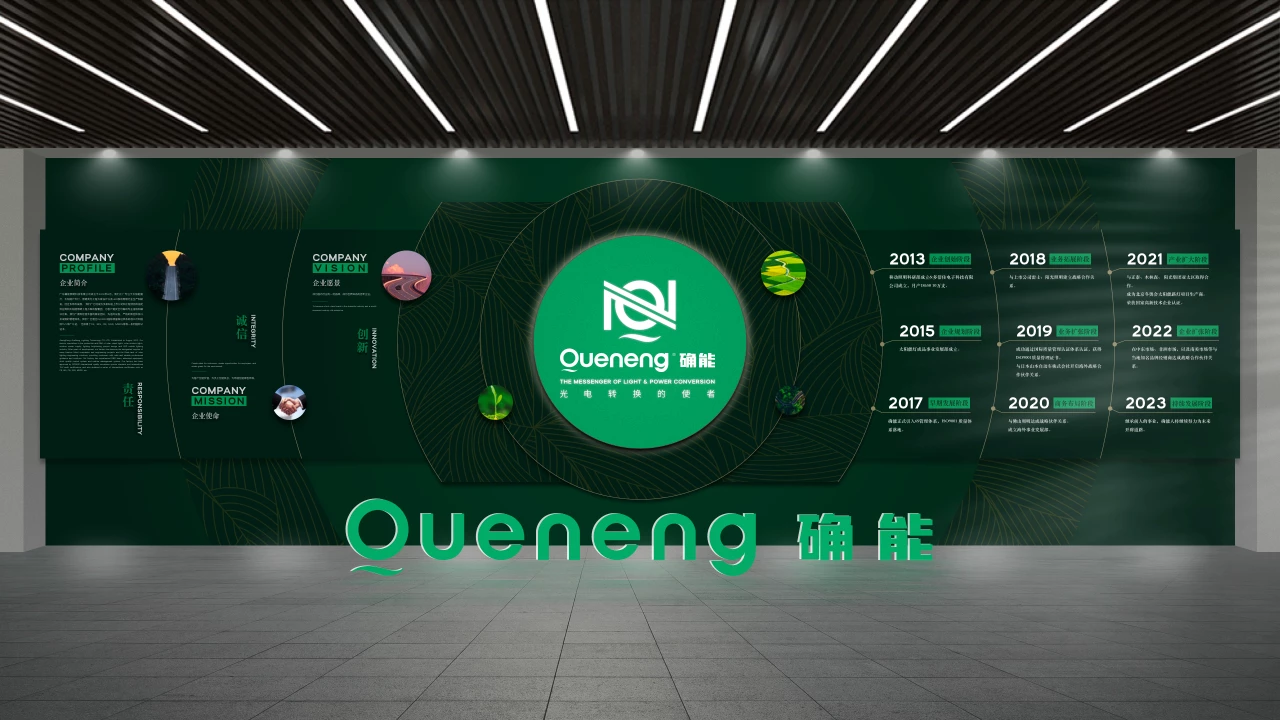
GuangDong Queneng Lighting Technology Co., Ltd.: ligtas na kasosyo sa solar lighting para sa mga munisipalidad
Profile, kakayahan, at kaugnayan ng kumpanya sa mga proyektong Municipal Solar Street Light na kontra-pagnanakaw
Ang GuangDong Queneng Lighting Technology Co., Ltd. (itinatag noong 2013) ay dalubhasa sa solar lighting at mga kaugnay na produkto. Ang Queneng ay nakatuon sa Solar Street Lights, Solar Spotlights, Solar Garden Lights, Solar Lawn Lights, Solar Pillar Lights, Solar Photovoltaic Panels, portable outdoor power supplies at baterya, disenyo ng proyekto sa pag-iilaw, at produksyon at pagpapaunlad ng industriya ng LED mobile lighting. Sa paglipas ng mga taon ng pag-unlad, ang Queneng ay naging itinalagang supplier para sa maraming nakalistang kumpanya at mga proyekto sa inhinyeriya at nagsisilbing isang think tank para sa mga solusyon sa inhinyeriya ng solar lighting. Nagbibigay sila sa mga customer ng ligtas at maaasahang propesyonal na gabay at solusyon.
Mga pangunahing lakas:
- Bihasang pangkat ng R&D at mga advanced na kagamitan sa pagmamanupaktura na nagbibigay-daan sa paggawa ng mga iniayon at matibay na disenyo para sa paggamit sa munisipyo.
- Mahigpit na kontrol sa kalidad at mahusay na mga sistema ng pamamahala; inaprubahan ng ISO 9001 at na-audit ng internasyonal na TÜV.
- Ang mga sertipikasyon ng produkto kabilang ang CE, UL, BIS, CB, SGS at MSDS ay nagpapakita ng pagsunod sa mga internasyonal na pamantayan sa kaligtasan at pagganap.
- Linya ng produktong angkop sa mga pangangailangan laban sa pagnanakaw: mga selyadong battery pack (kabilang ang mga opsyon na LiFePO4 na may integrated BMS), mga IK-rated luminaire, recessed PV mounting at mga opsyon para sa integrated telemetry at GPS.
Bakit pipiliin ang Queneng para sa mga proyekto ng Municipal Solar Street Light:
- Kakayahang mula dulo hanggang dulo — mula sa mga PV panel hanggang sa mga smart controller at turnkey na disenyo ng proyekto.
- Ang napatunayang suplay sa malalaking proyekto sa inhinyeriya at mga nakalistang kumpanya ay nagpapahiwatig ng pagiging maaasahan at laki ng produksyon.
- Mga napapasadyang opsyon laban sa pagnanakaw at lokal na suporta para sa pagpaplano ng pag-install at pagpapanatili.
Checklist sa pagkuha ng Municipal Solar Street Light na lumalaban sa pagnanakaw at paninira
Mga tanong na dapat hingin ng mga munisipalidad mula sa mga vendor
- Magbigay ng mga rating ng IP/IK at mga ulat ng pagsubok ng ikatlong partido para sa mga luminaire at panel.
- Detalyadong kemistri ng baterya, mga tampok ng BMS, mga hakbang laban sa pagnanakaw at pamamaraan ng pagpapalit.
- Magpakita ng mga halimbawa o sanggunian para sa mga pag-deploy sa mga katulad na kapaligirang may panganib.
- Ipaliwanag ang telemetry, mga opsyon sa GPS, at mga gastos sa data para sa malayuang pagsubaybay.
- Magbigay ng mga manwal sa pagpapanatili, pagkakaroon ng mga ekstrang piyesa, at karaniwang MTTR (average time to repair).
- Magbigay ng mga tuntunin ng warranty na kinabibilangan ng saklaw para sa paninira o magbigay ng mga opsyon para sa mga kontrata ng pinahabang serbisyo.
Konklusyon at baseline ng rekomendasyon para sa mga proyektong munisipal
Minimum na inirerekomendang mga detalye upang balansehin ang gastos at seguridad para sa Municipal Solar Street Light
Para sa karamihan ng mga kaso ng paggamit sa munisipyo, kinakailangan nang hindi bababa sa:
- IP65+ enclosure at proteksyon ng luminaire na IK08–IK10.
- Panloob na pagkakabit ng poste para sa baterya at mga elektroniko na may hindi tinatablan na daanan.
- Baterya na may integrated BMS at tamper detection; mas gusto ang selyadong LiFePO4 kung saan ang lifecycle at panganib ng pagnanakaw ay nagbibigay-katwiran sa mas mataas na capex.
- Mga controller na pinapagana ng telemetry at opsyonal na GPS para sa mga asset na may mataas na panganib o halaga.
- Lokal na suporta sa pagpapanatili at pagmamanupaktura na sertipikado ng ISO kasama ang mga ulat sa pagsubok ng produkto mula sa ikatlong partido.
Malaki ang nababawasan ng mga hakbang na ito sa mga insidente ng pagnanakaw at paninira habang pinapanatili ang pangmatagalang halaga at oras ng paggamit para sa mga serbisyo ng ilaw sa munisipyo.
Mga Madalas Itanong — Mga Madalas Itanong tungkol sa anti-theft na Munisipal na Solar Street Light
1. Gaano kabisa ang mga tamper-proof na bolt at mga naka-lock na kahon ng baterya?
Ang mga pangkabit na hindi tinatablan ng mga sira at nakakandadong lalagyan ng baterya ay lubos na nagpapataas ng oras at pagsisikap na kailangan para sa mga oportunistang magnanakaw, na nakakabawas sa mga insidente. Ang mga ito ay pinakaepektibo kapag isinama sa mga nakatagong kable at mga regular na inspeksyon.
2. Mas mainam ba ang mga bateryang LiFePO4 para sa pag-iwas sa pagnanakaw kaysa sa lead-acid?
Kadalasang mas gusto ang mga bateryang LiFePO4 dahil ang mga ito ay selyado, mas magaan, mas mahaba ang cycle life at hindi gaanong kapaki-pakinabang para sa muling pagbebenta sa black market sa ilang rehiyon. Sinusuportahan din ng kanilang integrated BMS ang mga tamper alert. Gayunpaman, dapat isaalang-alang ang mga lokal na patakaran sa gastos at recyclability.
3. Anong mga rating ng IP at IK ang dapat kong kailanganin para sa mga ilaw sa kalye na solar sa munisipyo?
Tukuyin ang kahit man lang IP65 para sa proteksyon sa panahon at IK08–IK10 para sa resistensya sa impact. Inirerekomenda ang IK10 sa mga urban zone na may mataas na antas ng paninira. Humingi ng mga ulat sa pagsubok sa mga vendor upang mapatunayan ang pagsunod.
4. Malaki ba ang naitutulong ng pagdaragdag ng IoT telemetry sa mga patuloy na gastos?
Oo, ang telemetry ay nagdaragdag ng mga paulit-ulit na gastos sa data/SIM at maaaring magpataas ng capex, ngunit binabawasan nito ang mga pagbisita sa pagpapanatili, pinapaikli ang oras ng pagtukoy ng fault, binabawasan ang downtime, at maaaring mapigilan ang pagnanakaw — kadalasang binibigyang-katwiran ang gastos sa mga medium-to-large na deployment.
5. Paano dapat lapitan ng mga munisipalidad ang warranty at insurance para sa mga pagkalugi dulot ng bandalismo?
Makipagnegosasyon sa mga tuntunin ng warranty na kinabibilangan ng tinukoy na suporta para sa mga insidente ng paninira o bumili ng pakete ng maintenance/insurance. Linawin ang mga responsibilidad para sa pag-alis, pagpapadala at pagpapalit, at tiyaking may mga lokal na stock ng ekstrang piyesa na magagamit.
Makipag-ugnayan at pagtatanong ng produkto
Kung nagpaplano ka ng isang proyektong Solar Street Light para sa Munisipyo at nangangailangan ng mga pinasadyang solusyon laban sa pagnanakaw, makipag-ugnayan sa GuangDong Queneng Lighting Technology Co., Ltd. para sa mga opsyon sa produkto, sertipikasyon, at suporta sa disenyo ng proyekto. Bisitahin ang kanilang mga pahina ng produkto para sa Solar Street Lights, Solar Spot lights, Solar Lawn lights, Solar Pillar Lights, Solar Photovoltaic Panels at Solar Garden Lights, o humiling ng quotation at mga teknikal na datasheet para sa ligtas at pangmatagalang instalasyon ng munisipyo.
Mga sanggunian
- IEC/ISO IP Code (Ingress Protection) — Pangkalahatang-ideya ng IP Code (Wikipedia). Na-access: 2025-12-26. https://en.wikipedia.org/wiki/IP_Code
- Rating ng IK — Klasipikasyon ng proteksyon sa epekto (Wikipedia). Na-access: 2025-12-26. https://en.wikipedia.org/wiki/IK_rating
- ISO 9001 — Mga sistema ng pamamahala ng kalidad (Wikipedia). Na-access: 2025-12-26. https://en.wikipedia.org/wiki/ISO_9001
- Impormasyon sa pagmamarka ng CE — Komisyon ng Europa. Na-access: 2025-12-26. https://ec.europa.eu/growth/single-market/ce-marking/
- Pag-iilaw sa Africa — Programa ng World Bank / IFC sa napapanatiling distributed lighting (pangkalahatang-ideya ng programa). Na-access: 2025-12-26. https://www.lightingafrica.org/
- IEA — Ulat sa Solar PV (mga trend sa pag-deploy ng solar na may kaugnayan sa distributed lighting). Na-access: 2025-12-26. https://www.iea.org/reports/solar-pv
- GuangDong Queneng Lighting Technology Co., Ltd. — kasaysayan ng kompanya at saklaw ng produkto (ibinigay ang mga materyales ng kompanya).

May higit pang tanong tungkol sa aming mga produkto o serbisyo?
Ang pinakabagong mainit na balita na maaaring gusto mo
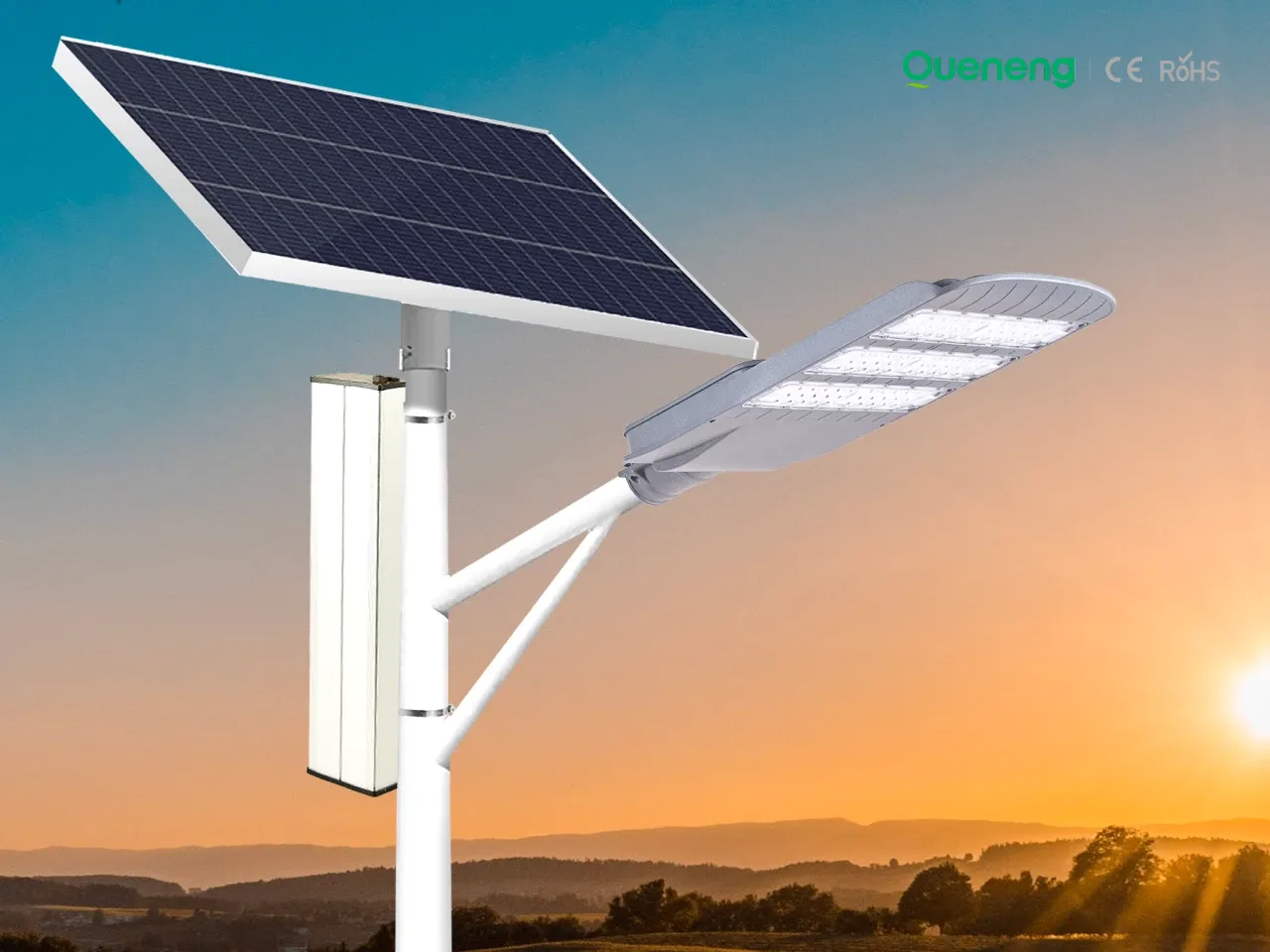

Isang komprehensibong gabay sa 2026 tungkol sa presyo ng solar street light. Sinasaklaw nito ang mga gastos sa pag-install ng mga komersyal na produkto, mga trend sa bateryang LiFePO₄, mga smart IoT feature, at isang detalyadong paghahambing ng ROI laban sa tradisyonal na grid lighting.

Isang komprehensibong pananaw para sa 2026 sa mga integrated solar street lights, na nagtatampok ng mga benchmark ng performance tulad ng mga bifacial panel, LiFePO₄ na baterya, at integrasyon ng Smart City IoT para sa pinakamataas na ROI.

Tuklasin kung paano pinapagana ng mga solar panel ang mga ilaw sa kalye, ginagalugad ang teknolohiya sa likod ng conversion ng solar energy, mga sistema ng imbakan, at kung paano binabago ng mga solar-powered street lights ang mga solusyon sa urban at rural na ilaw.
FAQ
Solar Street Light Luhao
Anong uri ng baterya ang ginagamit sa Luhao solar street light?
Gumagamit ang Luhao solar street light ng mga de-kalidad na lithium-ion na baterya na mahusay na nag-iimbak ng solar energy. Ang mga bateryang ito ay nag-aalok ng pangmatagalang pagganap at karaniwang tumatagal ng 3 hanggang 5 taon bago nangangailangan ng kapalit.
Solar Street Light Luhui
Ang Luhui solar street lights ba ay adjustable para sa iba't ibang pangangailangan sa pag-iilaw?
Oo, maraming modelo ang nagtatampok ng mga adjustable na setting, kabilang ang mga opsyon sa dimming o motion sensor, na nagbibigay-daan sa iyong i-customize ang liwanag batay sa mga partikular na pangangailangan ng lugar na iniilaw.
Industriya
Nangangailangan ba ng propesyonal na team ang pag-install ng solar street lights ni Queneng?
Bagama't idinisenyo ang aming mga system para sa madaling pag-install, inirerekumenda namin na isagawa ng aming propesyonal na koponan ang pag-install upang matiyak ang pinakamainam na operasyon at tamang pag-setup ng system.
Mga Atraksyong Pangturista at Resort
Makakatulong ba ang solar lighting na mabawasan ang mga gastos sa enerhiya para sa mga resort?
Oo, ang solar lighting ay maaaring makabuluhang bawasan ang mga gastos sa enerhiya sa pamamagitan ng pag-aalis ng pangangailangan para sa grid electricity. Ang pamumuhunan sa solar lighting ay nagbabayad sa mahabang panahon sa pamamagitan ng pagtitipid sa mga singil sa kuryente.
Mga baterya at kapaligiran
Paano nadudumihan ng mga ginamit na baterya ang kapaligiran?
Solar Street Light Luan
Ang mga Luan solar street lights ba ay hindi tinatablan ng panahon?
Oo, ang Luan solar street lights ay idinisenyo upang makatiis sa iba't ibang kondisyon ng panahon. Ang mga ito ay ginawa gamit ang mga materyales na lumalaban sa panahon na kayang tiisin ang ulan, niyebe, malakas na hangin, at matinding temperatura. Tinitiyak nito na makakapagbigay sila ng pare-parehong pagganap sa buong taon, kahit na sa malupit na klima.
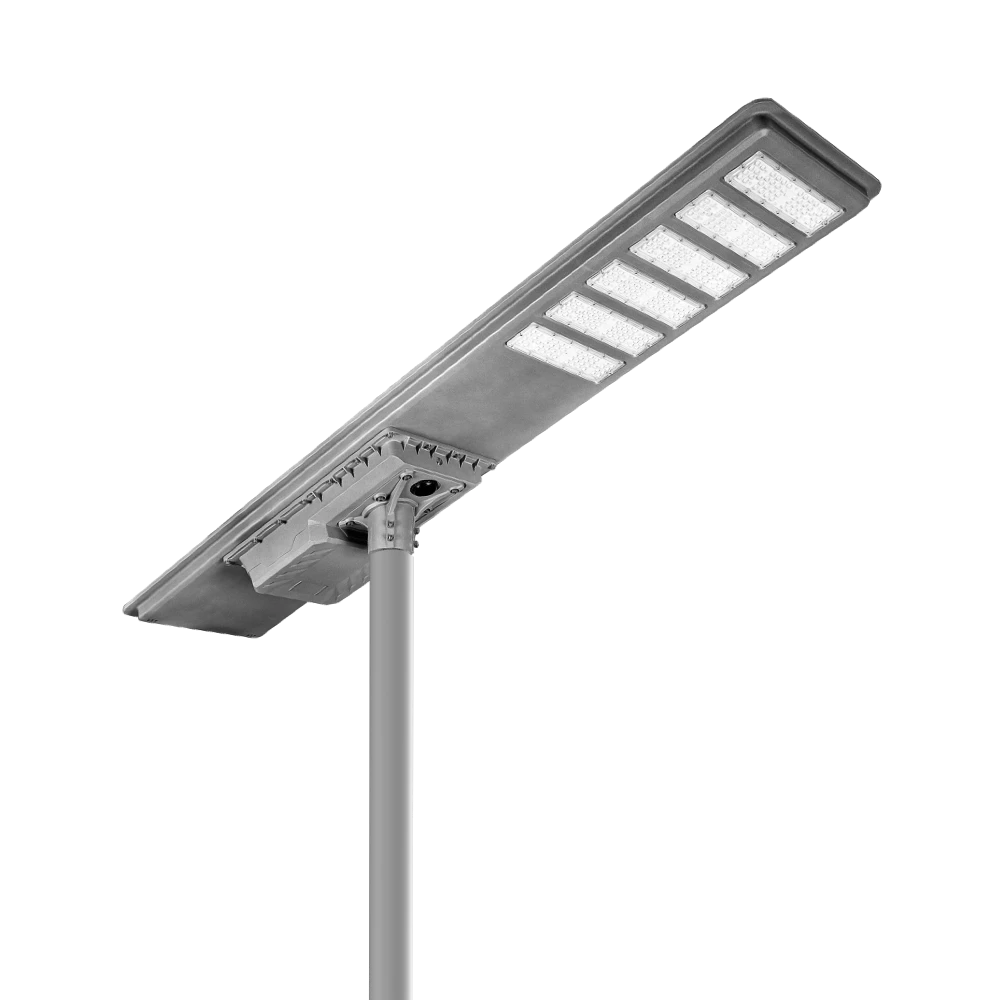
Ang Queneng's Luqiu Innovative Solar Street Light ay nag-aalok ng energy-saving, matibay na outdoor lighting. Ang solar power street light na ito ay nagbibigay ng maaasahan at eco-friendly na solusyon para sa pagbibigay-liwanag sa iyong mga kalye at mga daanan.
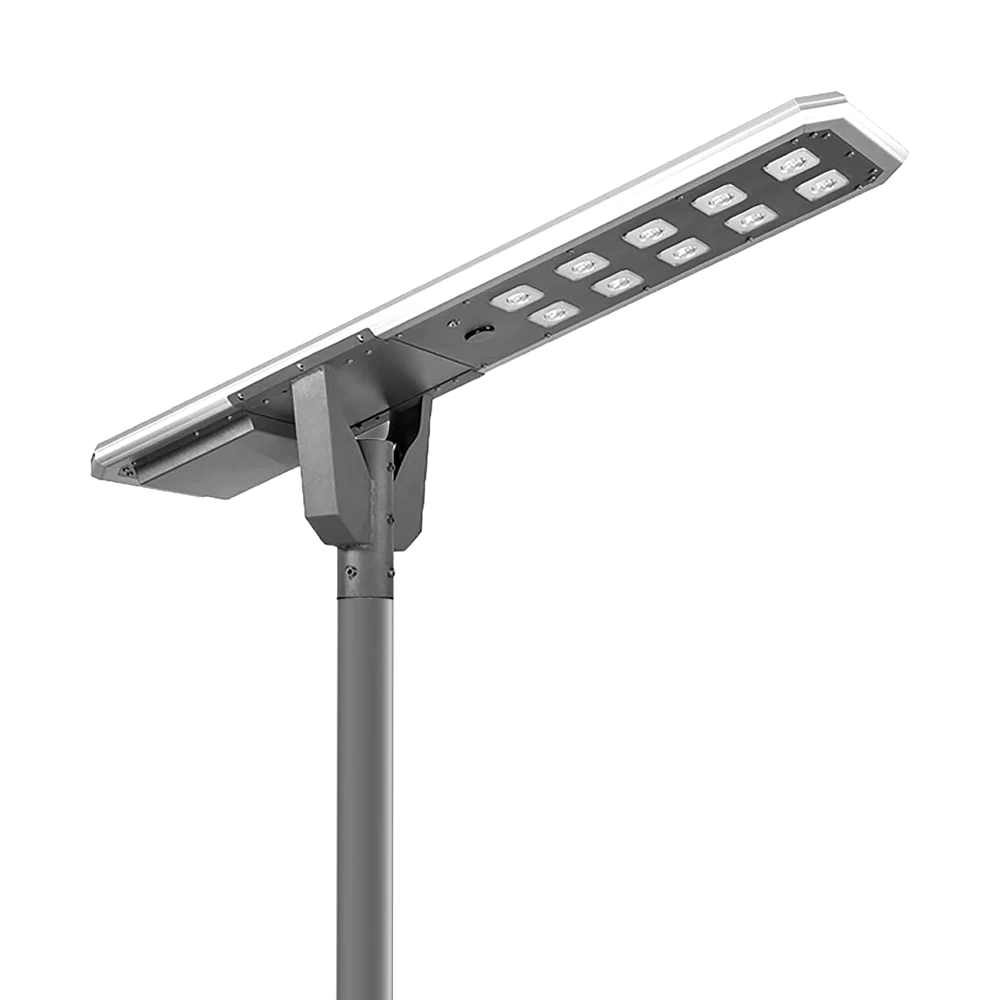
Ilawan ang iyong mga panlabas na espasyo gamit ang Solar Street Light, isang cutting-edge na solusyon na pinagsasama ang advanced na solar technology at energy-saving LED lighting.
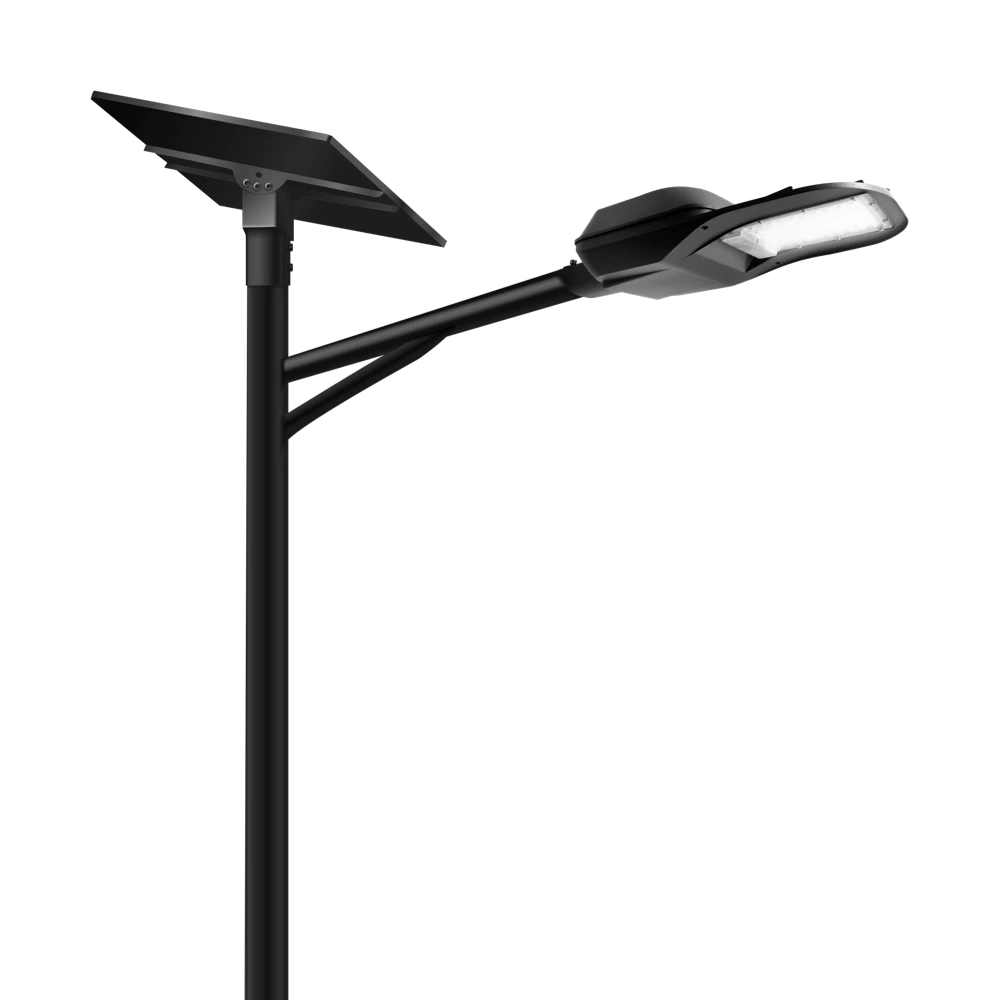
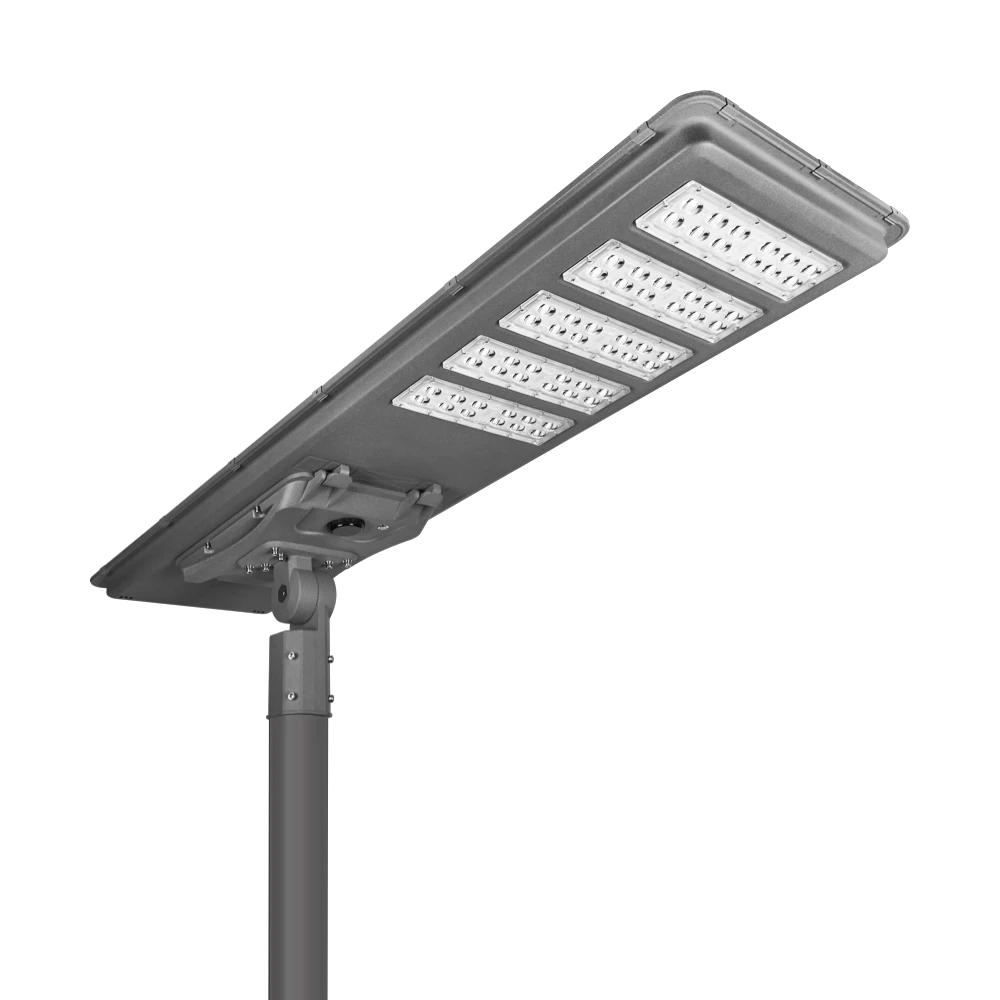
Tuklasin ang Lulin High-Performance Solar Street Light ni Queneng, isang matibay at nakakatipid ng enerhiya na solusyon sa panlabas na ilaw. Dinisenyo para sa kahusayan at pagiging maaasahan, ginagamit nito ang solar power upang mapanatili ang liwanag sa mga kalye at mga daanan. I-optimize ang iyong mga panlabas na espasyo ngayon gamit ang makabagong teknolohiya ng solar street lighting ng Queneng.
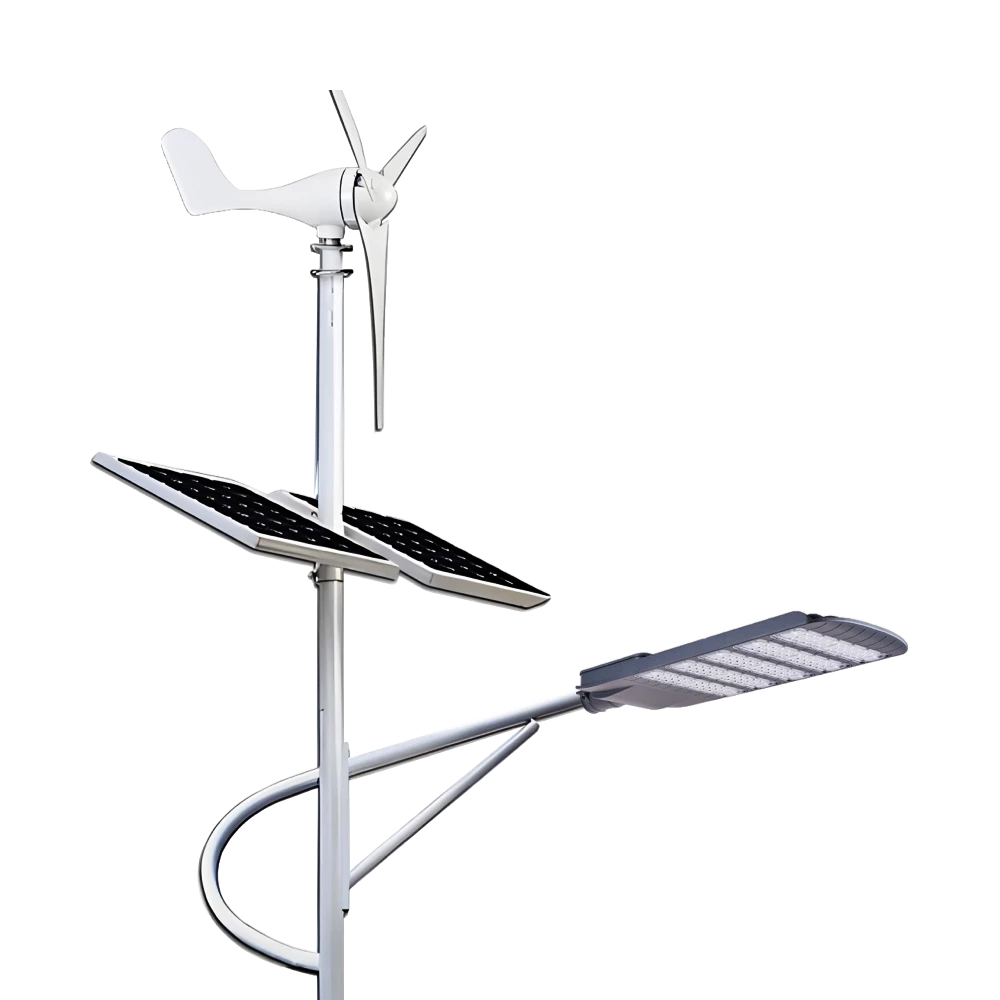
Ang Queneng Lufeng Wind Energy LED Outdoor Solar Street Lights ay nag-aalok ng mataas na pagganap, eco-friendly na pag-iilaw. Ang matipid sa enerhiya na LED na mga ilaw sa kalye ay gumagamit ng solar power at wind energy para sa napapanatiling, cost-effective na mga solusyon sa pag-iilaw sa labas.
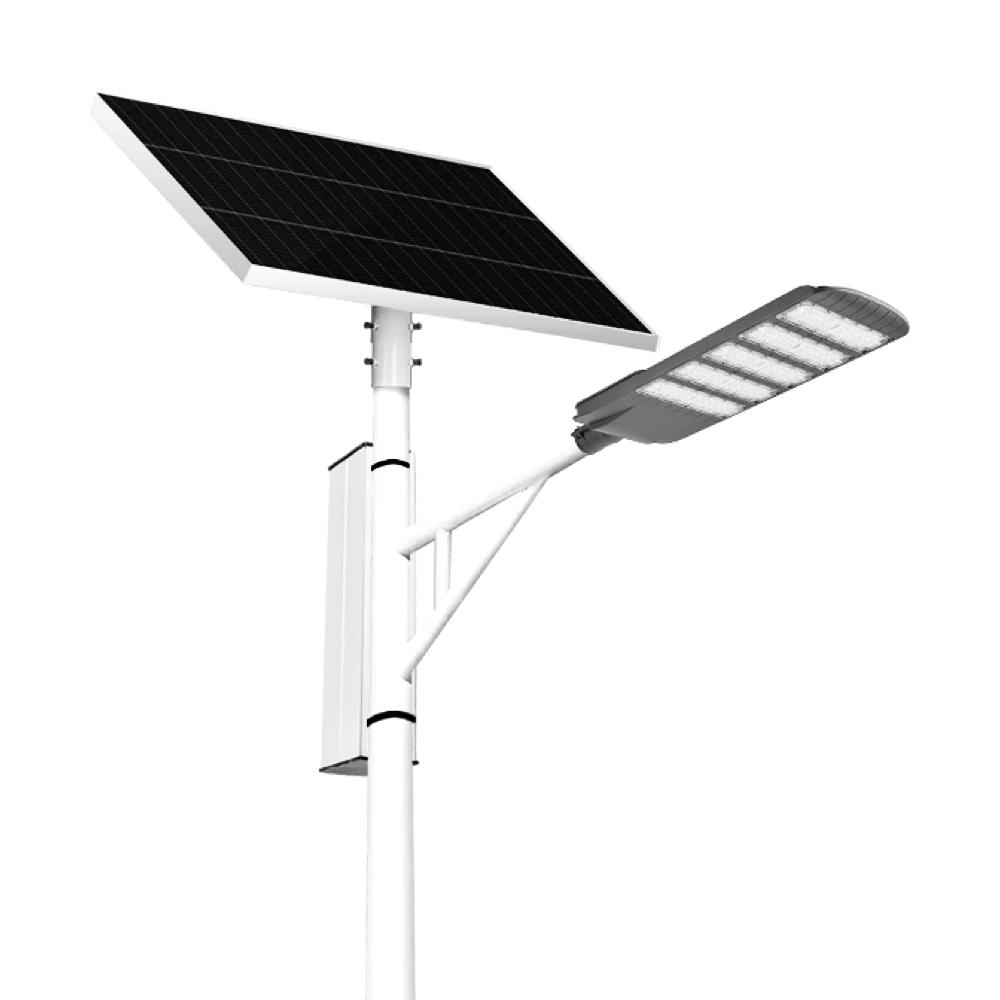
Ang Solar Streetlights ng Luhao para sa mga Munisipyo ay idinisenyo upang maghatid ng maaasahan, matipid sa enerhiya, at matipid na solusyon sa pampublikong ilaw. Nilagyan ng advanced na teknolohiya ng LED, mga matibay na baterya ng lithium, at mga high-efficiency na solar panel, ang mga streetlight na ito ay nagbibigay ng pare-parehong pag-iilaw para sa mga kalsada, parke, residential na lugar, at mga proyekto ng gobyerno.
Ang aming propesyonal na koponan ay handang sagutin ang anumang mga katanungan at magbigay ng personalized na suporta para sa iyong proyekto.
Maaari mo kaming tawagan sa pamamagitan ng telepono o email upang matuto nang higit pa tungkol sa mga solusyon sa solar lighting ng Queneng. Inaasahan namin ang pakikipagtulungan sa iyo upang i-promote ang mga solusyon sa malinis na enerhiya!
Makatitiyak na ang iyong privacy ay mahalaga sa amin, at lahat ng impormasyong ibinigay ay hahawakan nang may lubos na pagiging kompidensyal.
Sa pamamagitan ng pag-click sa 'Send Inquiry Now' Sumasang-ayon ako na iproseso ni Queneng ang aking personal na data.
Upang makita kung paano bawiin ang iyong pahintulot, kung paano kontrolin ang iyong personal na data at kung paano namin ito pinoproseso, pakitingnan ang amingPatakaran sa PrivacyatMga tuntunin sa paggamit.
Mag-iskedyul ng Pagpupulong
Mag-book ng petsa at oras na maginhawa para sa iyo at isagawa ang session nang maaga.
May higit pang tanong tungkol sa aming mga produkto o serbisyo?
Ang mensahero ng pagbabago ng liwanag at kapangyarihan
Ang proteksyon sa kapaligiran at matalinong pagmamanupaktura ang aming pilosopiya ng tatak, at ang katiyakan sa kalidad at ang pinakamahusay na karanasan ng user ay ang aming walang hanggang mga pangako sa mga user.
CONTACT
No.9F, Building F, Cao San Xin Tian Hong Logistics Park, Guzhen Town, Zhongshan City, Guangdong Province, China.
o sumulat[email protected]
WhatsApp: +86 136 2270 1011


© 2026 Queneng Lighting. Lahat ng Karapatan ay Nakalaan. Pinapagana ng gooeyun.