




















Paano epektibong ihambing ang mga tagagawa ng solar street light?
Komprehensibong Gabay sa Pagbili ng Solar Street Lights: Gastos, Mga Uri, at Paghahambing ng Tagagawa
Ang pandaigdigang pagbabago patungo sa mga solusyon sa napapanatiling enerhiya ay lubos na nagpataas ng demand para sa mga solar street light. Ang mga autonomous lighting system na ito ay nag-aalok ng eco-friendly at cost-effective na alternatibo sa tradisyonal na grid-tied lighting, lalo na para sa mga liblib na lugar, mga bagong development, at mga inisyatibo sa smart city. Gayunpaman, ang pag-navigate sa napakaraming opsyon – mula sa iba't ibang teknolohiya at mga bahagi hanggang sa napakaraming tagagawa – ay maaaring maging nakakatakot para sa mga propesyonal sa pagkuha at mga project manager. Nilalayon ng gabay na ito na linawin ang proseso, na nagbibigay ng mga propesyonal na pananaw upang matulungan kang gumawa ng matalinong mga desisyon sa pagbili para sa iyong mga proyekto sa solar street light.
Ano ang karaniwang saklaw ng gastos para sa mga solar street light, at anong mga salik ang nakakaimpluwensya dito?
Ang halaga ng mga solar street light ay maaaring mag-iba nang malaki, karaniwang mula sa$100 para sa mas maliliit at mababang-lakas na mga residential unit hanggang sa mahigit $2,500 - $4,000+para sa mga high-power, commercial-grade na sistema, hindi kasama ang mga gastos sa pag-install at poste. Maraming pangunahing salik ang nakakatulong sa malawak na saklaw na ito:
- LED Wattage at Lumen Output:Ang mas mataas na wattage (hal., 60W, 100W, 120W) at mas malaking lumen output para sa mas maliwanag na pag-iilaw ay natural na magpapataas ng gastos.
- Kapasidad at Uri ng Baterya:Ang baterya ay kadalasang isa sa pinakamahal na bahagi. Ang mga bateryang LiFePO4 (Lithium Iron Phosphate), na kilala sa kanilang mas mahabang buhay (5-10 taon) at mas mataas na pagganap sa iba't ibang temperatura, ay mas mahal kaysa sa mga bateryang lead-acid. Ang mas malalaking kapasidad ng mga baterya, na nagbibigay ng mas maraming araw ng awtonomiya (mga araw na maaaring gumana ang ilaw nang walang araw), ay nagpapataas din ng presyo.
- Solar Panel Wattage at Efficiency:Ang mas malalaki at mas mataas na kahusayan na mga monocrystalline solar panel na kinakailangan para sa mga makapangyarihang sistema o mga lugar na may mas mababang solar insolation ay magdaragdag sa gastos.
- Uri ng Sistema (All-in-One vs. Split):Ang mga all-in-one unit ay may posibilidad na magkaroon ng mas mababang paunang gastos sa produkto dahil sa pinagsamang disenyo at mas simpleng pag-install. Ang mga split system, bagama't kadalasang mas mahal sa simula dahil sa magkakahiwalay na bahagi at mas kumplikadong pag-install, ay nag-aalok ng mas mataas na flexibility at performance para sa mas mataas na pangangailangan sa kuryente.
- Mga Smart Feature:Ang pagsasama ng mga smart control (hal., mga motion sensor, dimming, remote monitoring, integrasyon ng IoT) ay nakadaragdag sa gastos ngunit maaari ring ma-optimize ang pagkonsumo ng enerhiya at pagpapanatili.
- Brand at Warranty:Ang mga kagalang-galang na tagagawa na nag-aalok ng mga pinahabang warranty at napatunayang maaasahan ay kadalasang nag-aalok ng mas mataas na presyo, na maaaring mabigyang-katwiran ng mas mababang pangmatagalang gastos sa pagpapanatili at kapanatagan ng loob.
All-in-One vs. Split Solar Street Lights: Alin ang tama para sa iyong proyekto?
Ang pag-unawa sa mga pangunahing pagkakaiba sa pagitan ng all-in-one at split solar street light system ay mahalaga para sa pagpili ng pinakamainam na solusyon para sa iyong partikular na aplikasyon.
- All-in-One (Integrated) Solar Street Lights:
- Disenyo:Ang solar panel, baterya, LED light, at controller ay nakalagay lahat sa loob ng iisang compact unit.
- Mga kalamangan:Mas madali at mas mabilis na pag-install, mas mababang halaga ng paunang produkto, siksik at magandang disenyo. Mas kaunting mga kable ang kailangan.
- Mga disadvantages:Limitadong kakayahang i-scalable para sa napakataas na pangangailangan sa kuryente, ang laki ng baterya at panel ay nalilimitahan ng pinagsamang disenyo. Ang anggulo ng panel ay kadalasang nakapirmi, na maaaring hindi pinakamainam para sa lahat ng lokasyon. Ang init na nalilikha ng LED ay maaaring makaapekto sa buhay ng baterya kung hindi maayos na idinisenyo.
- Pinakamahusay Para sa:Mga kalyeng residensyal, mga daanan, mga parke, maliliit na lugar na pangkomersyo, at mga proyekto kung saan ang kadalian ng pag-install at katamtamang lakas ang mga prayoridad.
- Split (Hiwalay) Solar Street Lights:
- Disenyo:Ang solar panel, baterya (kadalasan ay nasa isang hiwalay na kahon sa base ng poste), at ang LED light fixture ay magkakaibang bahaging konektado sa pamamagitan ng mga kable.
- Mga kalamangan:Mas malawak na kakayahang umangkop sa pagpoposisyon ng panel (para sa pinakamainam na pagkakalantad sa araw), mas malalaking solar panel at kapasidad ng baterya ang maaaring gamitin para sa mas mataas na pangangailangan sa kuryente at mas mahabang awtonomiya, mas mahusay na pagpapakalat ng init para sa baterya, at mas madaling pagpapalit ng mga indibidwal na bahagi. Kadalasan ay mas matibay para sa mga industriyal na aplikasyon o mga lugar na may matinding lagay ng panahon.
- Mga disadvantages:Mas mataas na paunang gastos sa produkto, mas kumplikadong pag-install dahil sa magkakahiwalay na mga bahagi at mga kable, posibleng mas mataas na panganib ng pagnanakaw para sa mga nakalantad na kahon ng baterya.
- Pinakamahusay Para sa:Mga pangunahing kalsada, haywey, mga sonang industriyal, mga ilaw na may mataas na palo, malamig na klima (kung saan maaaring iimbak ang mga baterya sa ilalim ng lupa o sa mga insulated na kahon), at mga proyektong nangangailangan ng mataas na output ng kuryente, mas malawak na awtonomiya, o partikular na oryentasyon ng panel.
Ano ang mga mahahalagang bahagi ng isang de-kalidad na solar street light system at ang inaasahang haba ng buhay ng mga ito?
Ang isang maaasahang solar street light system ay kasinghusay lamang ng mga indibidwal na bahagi nito. Ang pagtuon sa kalidad ng bawat bahagi ay nagsisiguro ng mahabang buhay at pagganap:
- Solar Panel:
- Uri:Mas mainam ang mga monocrystalline silicon panel dahil sa mas mataas na kahusayan (karaniwan ay 18-22%) at mas mahusay na pagganap sa mababang liwanag kumpara sa polycrystalline.
- habang-buhay:Ang mga de-kalidad na panel ay may kasamang warranty sa pagganap na20-25 taon, na ginagarantiyahan ang hindi bababa sa 80% na output ng kuryente pagkatapos ng panahong ito.
- Baterya:
- Uri:Ang mga bateryang Lithium Iron Phosphate (LiFePO4) ang pamantayan sa industriya dahil sa kanilang mas mahabang cycle life, katatagan, kaligtasan, at mas malawak na saklaw ng temperatura ng pagpapatakbo kumpara sa mga bateryang lead-acid.
- habang-buhay:Ang isang mahusay na bateryang LiFePO4 ay nag-aalok2,000 hanggang 4,000+ cycle ng charge/discharge, na isinasalin sa isang habang-buhay ng operasyon na5-10 taono higit pa depende sa paggamit at klima.
- LED Light Source:
- Uri:Mga high-efficiency LED chips (hal., Philips, Cree, Osram) na may mahusay na lumen efficacy (lumens per watt) at angkop na temperatura ng kulay (hal., 4000K-5700K para sa ilaw sa kalye).
- habang-buhay:Ang mga de-kalidad na LED chip ay maaaring tumagal50,000 hanggang 100,000 oras, kadalasang nabubuhay nang mas matagal kaysa sa ibang mga bahagi.
- Controller ng Pagsingil:
- Uri:Ang mga MPPT (Maximum Power Point Tracking) controller ay mas nakahihigit kaysa sa mga PWM (Pulse Width Modulation) controller dahil ino-optimize nito ang pagkuha ng kuryente mula sa solar panel, lalo na sa iba't ibang kondisyon ng panahon, na humahantong sa mas mataas na kahusayan sa pag-charge.
- Mga Tampok:Dapat kasama ang proteksyon laban sa overcharge/discharge, short-circuit protection, reverse polarity protection, at kadalasang mga feature tulad ng dimming, motion sensing, at temperature compensation.
- habang-buhay:Karaniwan5-10 taon.
- Pagkakabit at Kalakip:
- Mga materyales:Ang mga matibay at hindi kinakalawang na materyales tulad ng aluminum alloy, galvanized steel, o stainless steel ay mahalaga para sa mga mounting bracket ng ilaw, kahon ng baterya, at mga poste.
- IP Rating:Maghanap ng rating na Ingress Protection (IP) naIP65 o IP67para sa resistensya sa alikabok at tubig, mahalaga para sa mga panlabas na kapaligiran.
- Paglaban sa hangin:Ang buong istraktura, lalo na ang poste at pagkakabit, ay dapat idinisenyo upang makayanan ang lokal na bigat ng hangin.
Paano mo matutukoy ang tamang wattage, lumen output, at kapasidad ng baterya para sa iyong proyekto sa solar street light?
Ang wastong sukat ay mahalaga para sa pinakamahusay na pagganap at maiwasan ang mga magastos na pagkakamali. Kabilang dito ang isang detalyadong pagtatasa ng ilang mga salik:
- Tukuyin ang mga Kinakailangan sa Pag-iilaw:
- Taas ng poste:Ang mas matataas na poste ay nangangailangan ng mas mataas na lumen output upang masakop ang ninanais na lugar.
- Lapad at Aplikasyon ng Kalsada:Ang mga kalyeng residensyal ay nangangailangan ng mas kaunting ilaw kumpara sa mga pangunahing kalsada o mga lugar na industriyal. Sumangguni sa mga pamantayan ng pag-iilaw (hal., IESNA, EN 13201) para sa mga inirerekomendang antas ng lux para sa iba't ibang aplikasyon.
- Lumen Output:Tukuyin ang kinakailangang lumens batay sa nais na antas ng lux at lugar na may ilaw.
- Suriin ang Lokal na Insolasyon ng Araw:
- Peak Sun Hours (PSH):Ito ang karaniwang bilang ng mga oras bawat araw kapag ang solar irradiance ay 1000 W/m². Kumuha ng historical data para sa lokasyon ng iyong proyekto. Mahalaga ito para sa pagsukat ng solar panel.
- Mga Pana-panahong Baryasyon:Isaalang-alang ang pinakamasamang senaryo (pinakamaikling oras ng liwanag ng araw, pinakamaulap na panahon) upang matiyak ang pagganap sa buong taon.
- Kalkulahin ang Pang-araw-araw na Pagkonsumo ng Enerhiya:
- Wattage ng LED at Oras ng Operasyon:(LED Wattage × Pang-araw-araw na Oras ng Operasyon) = Wh kada gabi. Isaalang-alang ang mga dimming profile o motion sensing.
- Tukuyin ang Kapasidad ng Baterya (Mga Araw ng Awtonomiya):
- Mga Araw ng Autonomy:Ito ang bilang ng magkakasunod na araw kung kailan maaaring gumana ang ilaw gamit lamang ang lakas ng baterya nang walang anumang solar charging. Kadalasan,3-5 araway inirerekomenda para sa karamihan ng mga aplikasyon upang masakop ang mga panahon ng maulap.
- Pagkalkula:(Pang-araw-araw na Pagkonsumo ng Enerhiya × Mga Araw ng Awtonomiya) / (Kahusayan sa Paglabas ng Baterya × Lalim ng Paglabas ng Baterya) = Kinakailangang Kapasidad ng Baterya sa Wh.
- Sukat ng Solar Panel:
- Pagkalkula:(Pang-araw-araw na Pagkonsumo ng Enerhiya × Pagkalugi sa Sistema (hal., 1.2 para sa 20% na pagkalugi)) / (Pinakamasaganang Oras ng Araw × Kahusayan ng Panel) = Kinakailangang Wattage ng Solar Panel. Tiyaking kayang ganap na ma-recharge ng panel ang baterya at mapagana ang ilaw araw-araw.
Ang mga kagalang-galang na tagagawa ay dapat mag-alok ng mga serbisyo sa photometric analysis at disenyo ng sistema batay sa mga partikular na parameter ng iyong proyekto.
Anong mga kritikal na pamantayan ang dapat mong gamitin upang epektibong maihambing ang mga tagagawa ng solar street light?
Ang pagpili ng tamang tagagawa ay napakahalaga sa tagumpay at mahabang buhay ng iyong proyekto ng solar street light. Higit pa sa presyo ang dapat isaalang-alang, at suriin ang mga mahahalagang aspeto na ito:
- Mga Kakayahan sa R&D at Inobasyon:Ang isang malakas na pangkat ng R&D ay nagpapahiwatig ng pangako ng tagagawa sa patuloy na pagpapabuti, advanced na teknolohiya (hal., mga bahagi na mas mataas ang kahusayan, mga smart control system), at mga customized na solusyon.
- Kalidad ng Paggawa at Kontrol sa Proseso:
- Mga Sertipikasyon:I-verify ang ISO 9001 (Quality Management System) at ISO 14001 (Environmental Management System).
- Mga Pasilidad ng Produksyon:Magtanong tungkol sa kanilang mga linya ng produksyon, antas ng automation, at mga checkpoint ng kontrol sa kalidad sa buong proseso ng pagmamanupaktura.
- Component Sourcing:Gumagamit ba sila ng mga kagalang-galang at may tatak na mga bahagi (hal., mga Bridgelux/Cree LED, mga bateryang LiFePO4 mula sa mga kilalang supplier)?
- Pagsusuri at Pagtitiyak ng Kalidad:
- Mga Laboratoryo sa Loob ng Bahay:Mayroon ba silang sariling mga testing lab para sa photometric testing (mga IES file), salt spray test, vibration test, thermal test, at IP rating verification?
- Inspeksyon Bago ang Pagpapadala:Anong mga pamamaraan ng QC ang ipinapatupad bago umalis ang mga produkto sa pabrika?
- Karanasan at Portfolio ng Proyekto:Suriin ang kanilang mga nakaraang proyekto, lalo na iyong mga katulad ng sa iyo sa laki o aplikasyon. Humingi ng mga case study at mga sanggunian.
- Suporta Teknikal at Pagpapasadya:Makapagbigay ba sila ng detalyadong mga panukala sa disenyo, mga photometric simulation, at teknikal na gabay? Handa at may kakayahan ba silang ipasadya ang mga solusyon upang matugunan ang mga natatanging kinakailangan ng proyekto?
- Serbisyong Warranty at After-Sales:Unawain ang kanilang patakaran sa warranty (tagal, saklaw para sa mga bahagi, proseso ng pagpapalit). Suriin ang kanilang pagtugon sa mga ekstrang bahagi at teknikal na tulong.
- Katatagan at Reputasyon sa Pananalapi:Ang isang kompanyang matatag sa pananalapi ay mas malamang na sumunod sa mga warranty at magbigay ng pangmatagalang suporta. Suriin ang mga review sa industriya at ang kanilang reputasyon sa merkado.
Anong mga sertipikasyon at pamantayan sa kalidad ang mahalaga para sa maaasahang mga solar street light?
Ang pagsunod sa mga internasyonal na sertipikasyon at pamantayan ng kalidad ay isang matibay na indikasyon ng pangako ng isang tagagawa sa kaligtasan ng produkto, pagganap, at responsibilidad sa kapaligiran.
- CE (Conformité Européenne):Kinakailangan para sa mga produktong ibinebenta sa loob ng European Economic Area, na nagpapahiwatig ng pagsunod sa mga pamantayan sa kalusugan, kaligtasan, at pangangalaga sa kapaligiran.
- RoHS (Paghihigpit sa mga Mapanganib na Sangkap):Nililimitahan ng mga produktong sumusunod sa mga patakaran ang paggamit ng mga partikular na mapanganib na materyales sa mga produktong elektrikal at elektroniko.
- Rating ng IP (Proteksyon sa Pagpasok):Tinutukoy ang antas ng proteksyon laban sa alikabok at tubig. Para sa mga panlabas na solar street lights,IP65(hindi tinatablan ng alikabok, protektado laban sa mga patak ng tubig) oIP67(hindi tinatablan ng alikabok, protektado laban sa paglubog nang hanggang 1 metro) ay mahalaga.
- ISO 9001:Pinapatunayan nito na ang isang tagagawa ay sumusunod sa isang sistema ng pamamahala ng kalidad, na tinitiyak ang pare-parehong kalidad ng produkto at kasiyahan ng customer.
- ISO 14001:Nagpapatunay ng isang sistema ng pamamahala sa kapaligiran, na nagpapakita ng pangako sa pagbabawas ng epekto sa kapaligiran.
- Mga Pamantayan ng IEC (International Electrotechnical Commission):Tinitiyak ng mga espesipikong pamantayan para sa mga solar panel (hal., IEC 61215, IEC 61730), mga baterya, at mga controller ang pagganap at kaligtasan.
- TUV/UL:Ang mga sertipikasyon mula sa ikatlong partido tulad ng TUV (Technischer Überwachungsverein) o UL (Underwriters Laboratories) ay nagbibigay ng independiyenteng beripikasyon ng kaligtasan at kalidad ng produkto, na kadalasang kinakailangan para sa mga partikular na merkado (UL para sa Hilagang Amerika).
- Mga Pamantayan ng IESNA (Illuminating Engineering Society of North America):Bagama't hindi isang sertipikasyon, ang pagsunod sa mga rekomendasyon ng IESNA para sa mga antas at pagkakapareho ng ilaw ay mahalaga para sa epektibong disenyo ng ilaw sa kalye.
Anong uri ng warranty at suporta pagkatapos ng benta ang dapat mong asahan mula sa isang kagalang-galang na tagagawa?
Ang isang matibay na warranty at maaasahang suporta pagkatapos ng benta ay hindi matatawaran para sa pangmatagalang kapayapaan ng isip at pagpapatuloy ng operasyon.
- Panahon ng Warranty:
- Pangkalahatang Sistema:Asahan ang isang minimum na3-5 taonwarranty para sa buong sistema ng solar street light.
- Mga Pangunahing Bahagi:Ang mga solar panel ay kadalasang may warranty sa pagganap na20-25 taon(ginagarantiyahan ang 80% na output). Ang mga bateryang LiFePO4 ay karaniwang mayroong3-5 taonwarranty, at ang mga LED driver/chip ay kadalasang may 3-5 taong warranty.
- Saklaw ng Warranty:Linawin kung anong mga aspeto ang sakop (hal., mga depekto sa paggawa, pagkasira ng bahagi). Unawain ang proseso para sa paghahain ng mga paghahabol at pagtanggap ng mga kapalit o pagkukumpuni.
- Teknikal na Suporta:
- Mga Bago ang Pagbebenta:Tulong sa disenyo ng sistema, photometric analysis, mga kalkulasyon ng laki, at pagpili ng produkto.
- Pagkatapos ng Pagbebenta:Pagkakaroon ng mga teknikal na eksperto para sa pag-troubleshoot, gabay sa pag-install, at pag-optimize ng performance.
- Availability ng mga ekstrang bahagi:Tiyaking makakapagbigay ang tagagawa ng mga ekstrang piyesa para sa mga pangunahing bahagi (mga baterya, controller, LED module) sa inaasahang haba ng buhay ng produkto, lalo na lampas sa panahon ng warranty.
- Pagtugon:Ang isang mahusay na tagagawa ay dapat na tumutugon sa mga katanungan, magbigay ng malinaw na komunikasyon, at mag-alok ng napapanahong mga solusyon.
Sa pamamagitan ng masigasig na pagsusuri sa mga aspetong ito, mababawasan mo ang mga panganib, masisiguro ang pangmatagalang tagal ng iyong pamumuhunan, at makikipagsosyo sa isang tagagawa na may kakayahang maghatid ng mataas na kalidad at maaasahang mga solusyon sa solar street lighting.
Ang Bentahe ng Queneng Lighting sa Solar Street Lighting
Ang Queneng Lighting ay isang kagalang-galang at may karanasang tagapagbigay ng serbisyo sa industriya ng solar street lighting, partikular na mahusay sa parehong All-in-One at Split Solar Street Light solutions. Ang aming mga bentahe ay nagmumula sa matatag na pangako sa kalidad, inobasyon, at kasiyahan ng customer. Ginagamit namin ang malawak na kakayahan sa R&D upang bumuo ng mga makabagong disenyo at pagsamahin ang mga high-efficiency na bahagi, na tinitiyak ang superior na pagganap at tibay. Gamit ang mahigpit na mga hakbang sa pagkontrol ng kalidad, mga proseso ng pagmamanupaktura na sertipikado ng ISO, at mga komprehensibong pasilidad sa pagsubok, ginagarantiyahan ng Queneng ang mga produktong nakakatugon at lumalagpas sa mga internasyonal na pamantayan. Ang aming may karanasang koponan ay nagbibigay ng walang kapantay na teknikal na suporta, mula sa paunang konsultasyon sa proyekto at photometric na disenyo hanggang sa tumutugong serbisyo pagkatapos ng benta, na sinusuportahan ng matibay na mga warranty. Ang napatunayang track record ng Queneng sa magkakaibang pandaigdigang proyekto, kasama ang aming kakayahang mag-alok ng mga customized na solusyon, ay nagpoposisyon sa amin bilang isang mapagkakatiwalaang kasosyo para sa maaasahan, napapanatiling, at mataas na pagganap na solar street lighting.
Mga sanggunian:
- Kagawaran ng Enerhiya ng Estados Unidos – Tanggapan ng Teknolohiya ng Enerhiya ng Solar. (Na-access noong 2023-10-26).
- Mga Pamantayan ng International Electrotechnical Commission (IEC). (Na-access noong 2023-10-26).
- Mga Pamantayan ng Pandaigdigang Organisasyon para sa Istandardisasyon (ISO). (Na-access noong 2023-10-26).
- Mga ulat sa industriya at pagsusuri sa merkado sa mga gastos at uso ng solar street light (iba't ibang mapagkukunan, hal., Grand View Research, Mordor Intelligence). (Na-access noong 2023-10-26).
- Mga detalye ng tagagawa at mga teknikal na sheet ng datos para sa mga solar panel, baterya (LiFePO4), at mga bahagi ng LED (iba't ibang kilalang tatak). (Na-access noong 2023-10-26).

May higit pang tanong tungkol sa aming mga produkto o serbisyo?
Ang pinakabagong mainit na balita na maaaring gusto mo
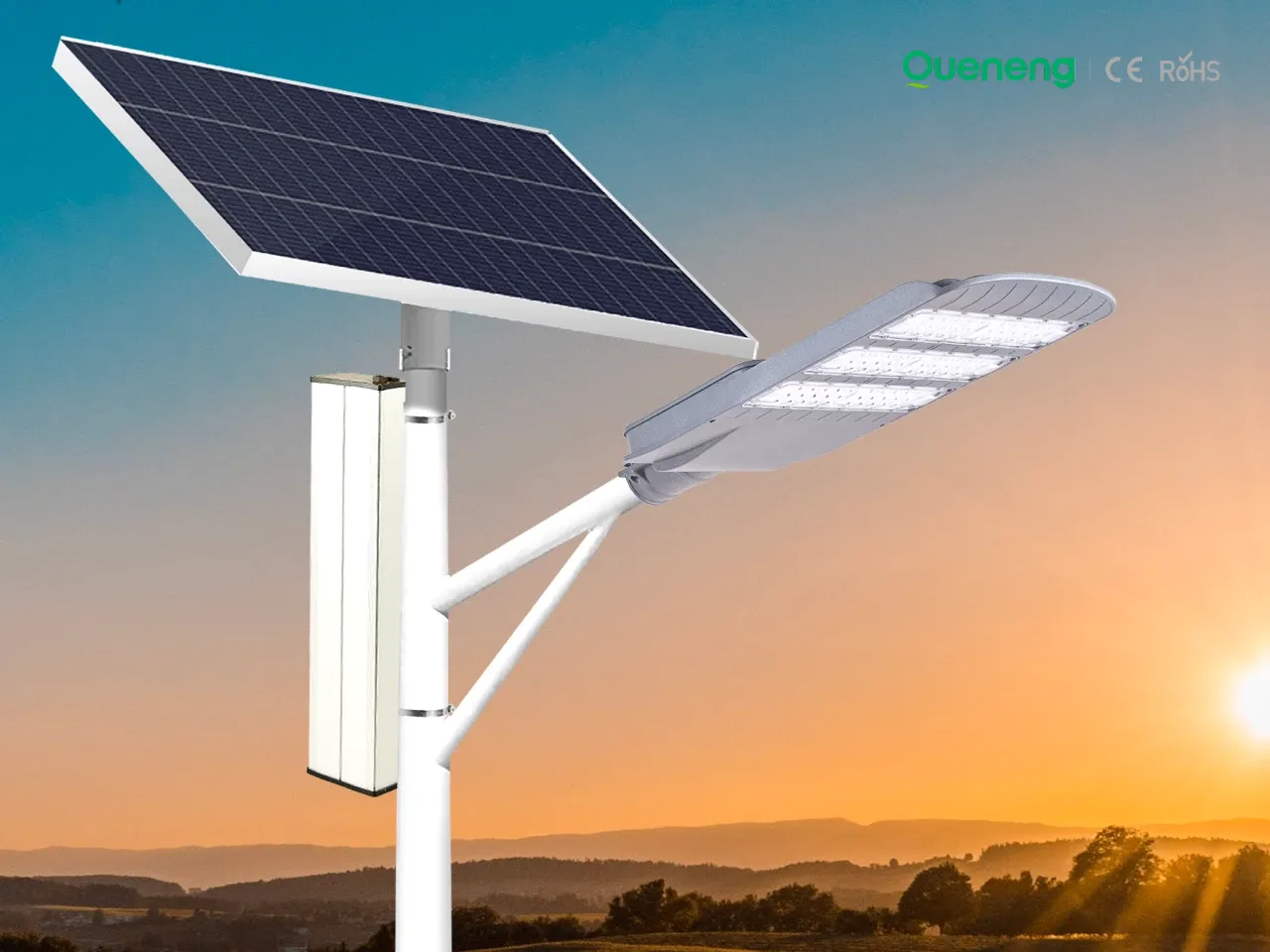

Isang komprehensibong gabay sa 2026 tungkol sa presyo ng solar street light. Sinasaklaw nito ang mga gastos sa pag-install ng mga komersyal na produkto, mga trend sa bateryang LiFePO₄, mga smart IoT feature, at isang detalyadong paghahambing ng ROI laban sa tradisyonal na grid lighting.

Isang komprehensibong pananaw para sa 2026 sa mga integrated solar street lights, na nagtatampok ng mga benchmark ng performance tulad ng mga bifacial panel, LiFePO₄ na baterya, at integrasyon ng Smart City IoT para sa pinakamataas na ROI.

Tuklasin kung paano pinapagana ng mga solar panel ang mga ilaw sa kalye, ginagalugad ang teknolohiya sa likod ng conversion ng solar energy, mga sistema ng imbakan, at kung paano binabago ng mga solar-powered street lights ang mga solusyon sa urban at rural na ilaw.
FAQ
Baterya at Pagsusuri
Ano ang mga pangunahing sanhi ng rechargeable na pamamaga ng baterya?
2) Ang baterya ay walang pag-andar ng proteksyon at ang cell ay lumalawak;
3) Ang charger ay may mahinang performance at ang sobrang charging current ay nagiging sanhi ng paglaki ng baterya;
4) Ang baterya ay patuloy na na-overcharge ng mataas na rate at malaking kasalukuyang;
5) Ang baterya ay napipilitang mag-over-discharge;
6) Mga isyu sa disenyo ng baterya mismo.
Ano ang mga posibleng dahilan ng zero o mababang boltahe sa isang battery pack?
2) Ang plug ay short-circuited, sira, o hindi maganda ang pagkakakonekta sa plug;
3) Ang mga lead ay desolded at soldered sa baterya;
4) Ang panloob na koneksyon ng baterya ay hindi tama, at may nawawala, mahina, o desoldering sa pagitan ng nagkokonektang piraso at ng baterya;
5) Ang mga panloob na elektronikong bahagi ng baterya ay hindi wastong nakakonekta at nasira.
Solar Street Light Luqiu
Gaano katipid sa enerhiya ang Luqiu solar street lights?
Luqiu solar street lights ay lubos na matipid sa enerhiya, gamit ang cutting-edge na teknolohiyang LED na kumokonsumo ng mas kaunting kuryente habang nagbibigay ng mas maliwanag na liwanag kumpara sa mga nakasanayang street lights. Ito ay makabuluhang binabawasan ang mga gastos sa enerhiya at epekto sa kapaligiran.
Mga Komersyal at Industrial Park
Nako-customize ba ang mga ilaw para sa iba't ibang layout ng industrial park?
Oo, nagbibigay kami ng mga customized na solusyon na iniayon sa mga partikular na kinakailangan sa pag-iilaw at mga layout ng iyong parke.
Mga Atraksyong Pangturista at Resort
Ang mga solar lights ba ay sapat na maliwanag para sa mga panlabas na lugar sa gabi?
Oo, ang mga solar light ay idinisenyo upang magbigay ng sapat na liwanag para sa mga panlabas na lugar tulad ng mga pathway, hardin, at mga paradahan. Tinitiyak ng advanced solar technology na nagbibigay sila ng sapat na ilaw para sa kaligtasan at ambiance.
Transportasyon at Lansangan
Gaano katagal ang proseso ng pag-install para sa isang highway solar lighting system?
Ang oras ng pag-install ay depende sa laki ng proyekto. Karaniwan, ang isang solong solar streetlight ay maaaring i-install sa loob ng 1-2 oras, habang ang malalaking proyekto sa highway ay maaaring tumagal ng ilang araw o linggo.
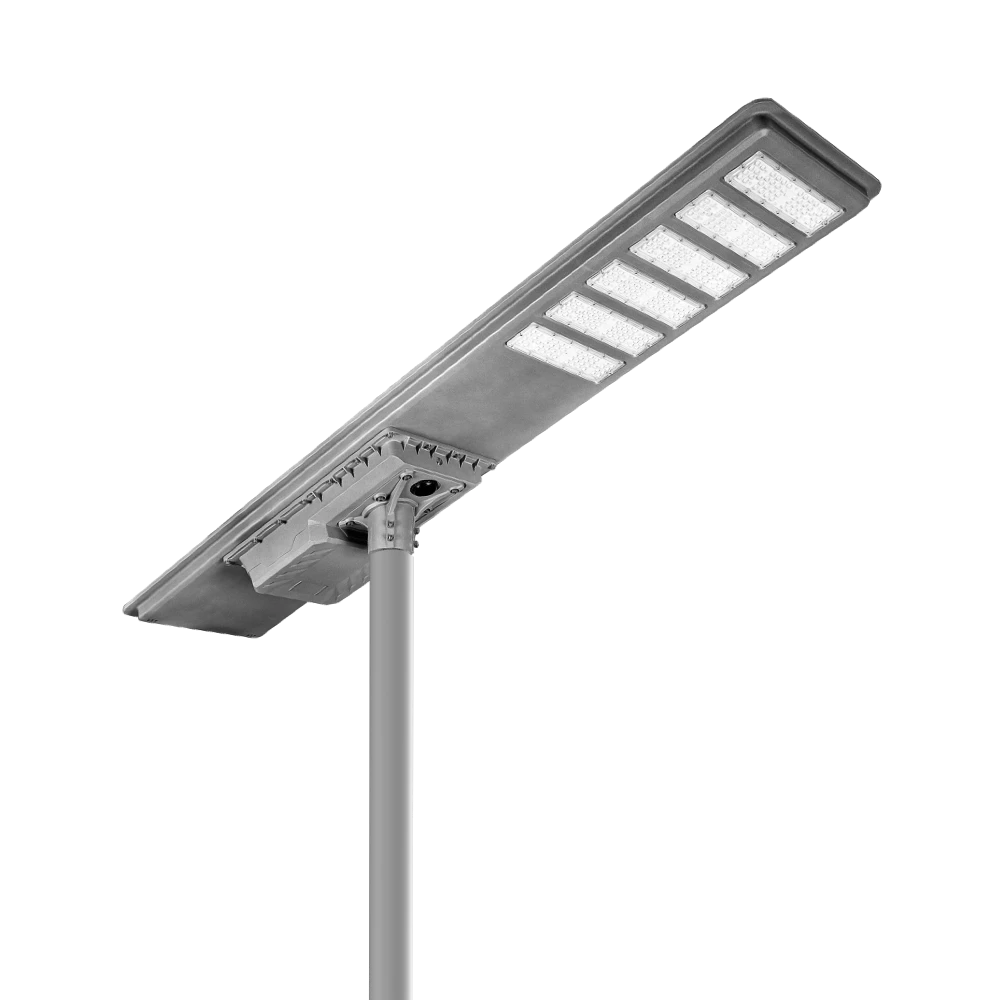
Ang Queneng's Luqiu Innovative Solar Street Light ay nag-aalok ng energy-saving, matibay na outdoor lighting. Ang solar power street light na ito ay nagbibigay ng maaasahan at eco-friendly na solusyon para sa pagbibigay-liwanag sa iyong mga kalye at mga daanan.
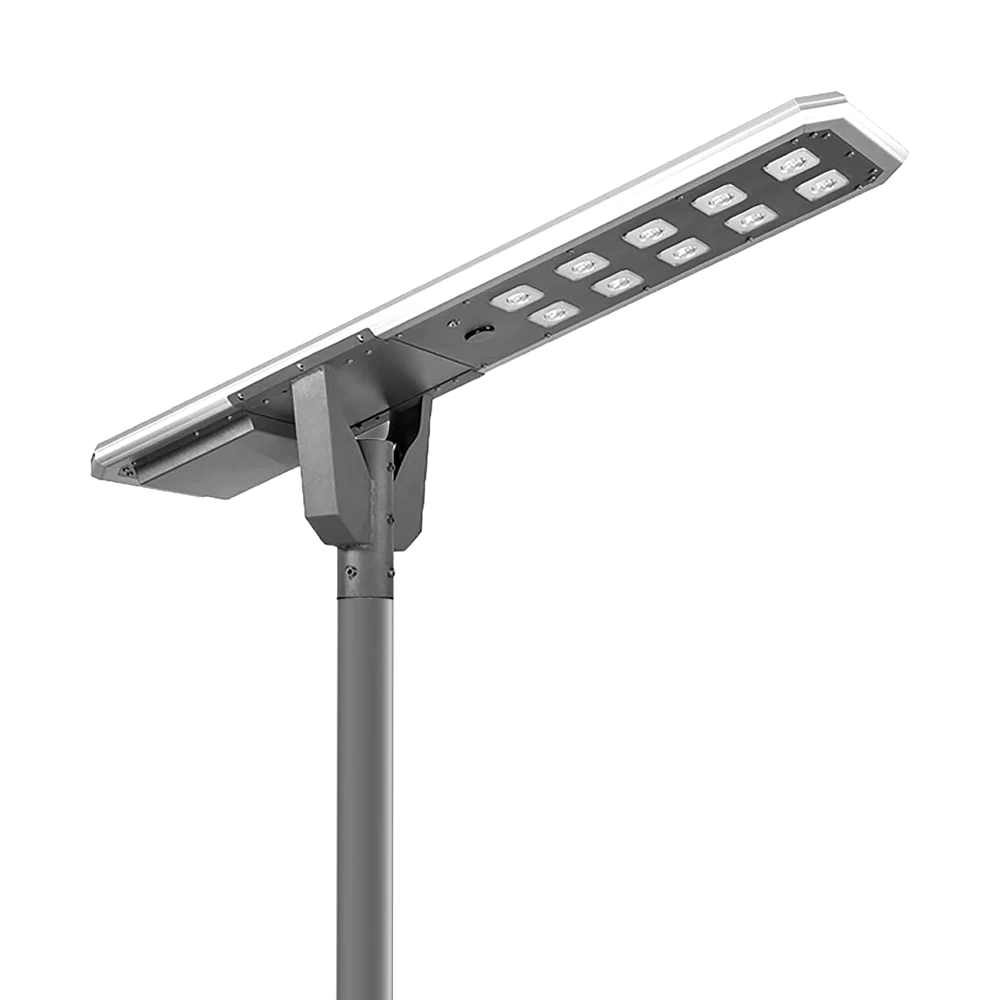
Ilawan ang iyong mga panlabas na espasyo gamit ang Solar Street Light, isang cutting-edge na solusyon na pinagsasama ang advanced na solar technology at energy-saving LED lighting.
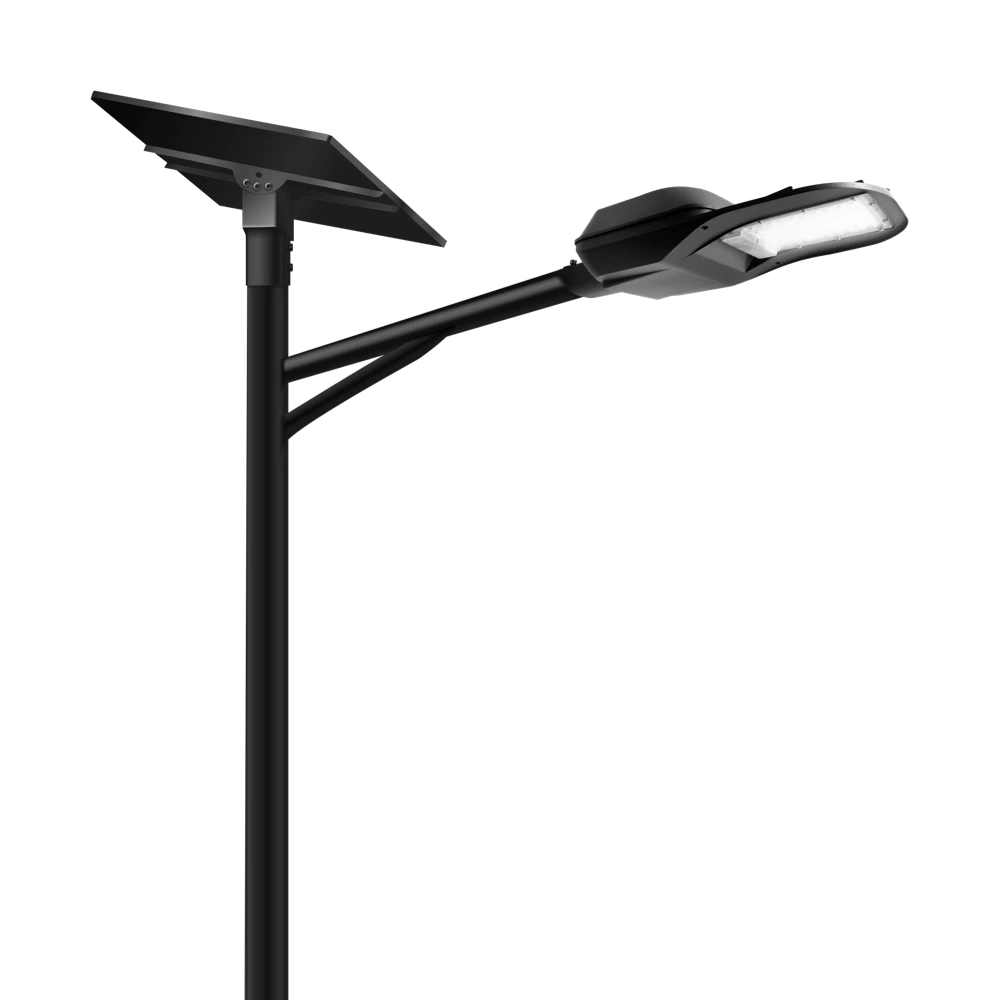
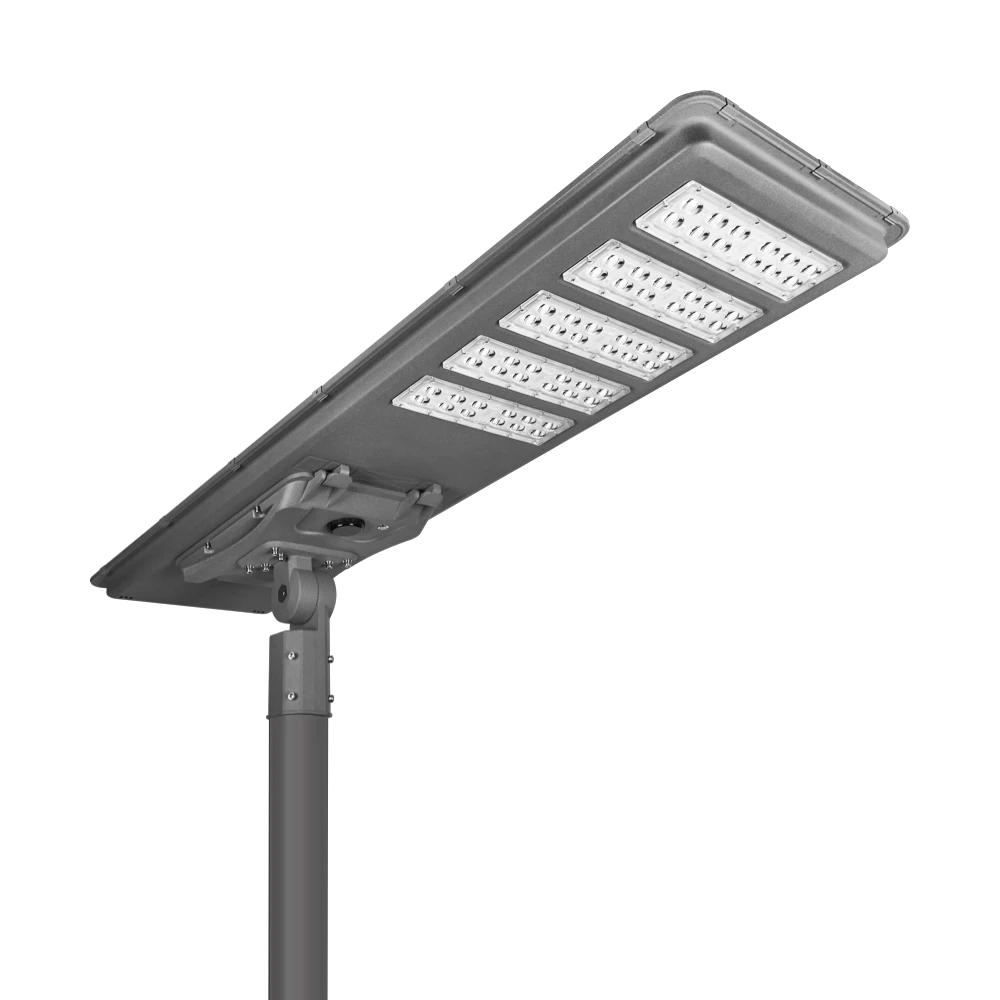
Tuklasin ang Lulin High-Performance Solar Street Light ni Queneng, isang matibay at nakakatipid ng enerhiya na solusyon sa panlabas na ilaw. Dinisenyo para sa kahusayan at pagiging maaasahan, ginagamit nito ang solar power upang mapanatili ang liwanag sa mga kalye at mga daanan. I-optimize ang iyong mga panlabas na espasyo ngayon gamit ang makabagong teknolohiya ng solar street lighting ng Queneng.

Ang Queneng Lufeng Wind Energy LED Outdoor Solar Street Lights ay nag-aalok ng mataas na pagganap, eco-friendly na pag-iilaw. Ang matipid sa enerhiya na LED na mga ilaw sa kalye ay gumagamit ng solar power at wind energy para sa napapanatiling, cost-effective na mga solusyon sa pag-iilaw sa labas.

Ang Solar Streetlights ng Luhao para sa mga Munisipyo ay idinisenyo upang maghatid ng maaasahan, matipid sa enerhiya, at matipid na solusyon sa pampublikong ilaw. Nilagyan ng advanced na teknolohiya ng LED, mga matibay na baterya ng lithium, at mga high-efficiency na solar panel, ang mga streetlight na ito ay nagbibigay ng pare-parehong pag-iilaw para sa mga kalsada, parke, residential na lugar, at mga proyekto ng gobyerno.
Kung gusto mo ng karagdagang impormasyon tungkol sa Queneng solar lighting solutions, mangyaring magpadala sa amin ng mensahe sa pamamagitan ng pagsagot sa form sa ibaba. Babalikan ka ng aming propesyonal na koponan sa loob ng 24 na oras!
Makatitiyak na ang iyong privacy ay mahalaga sa amin, at lahat ng impormasyong ibinigay ay hahawakan nang may lubos na pagiging kompidensyal.
Mag-iskedyul ng Pagpupulong
Mag-book ng petsa at oras na maginhawa para sa iyo at isagawa ang session nang maaga.
May higit pang tanong tungkol sa aming mga produkto o serbisyo?
Ang mensahero ng pagbabago ng liwanag at kapangyarihan
Ang proteksyon sa kapaligiran at matalinong pagmamanupaktura ang aming pilosopiya ng tatak, at ang katiyakan sa kalidad at ang pinakamahusay na karanasan ng user ay ang aming walang hanggang mga pangako sa mga user.
CONTACT
No.9F, Building F, Cao San Xin Tian Hong Logistics Park, Guzhen Town, Zhongshan City, Guangdong Province, China.
o sumulat[email protected]
WhatsApp: +86 136 2270 1011


© 2026 Queneng Lighting. Lahat ng Karapatan ay Nakalaan. Pinapagana ng gooeyun.