













Klausa Ketersediaan Alat Ganti Jangka Panjang untuk Pembeli
Memastikan Kesinambungan Operasi Melalui Klausa Alat Ganti
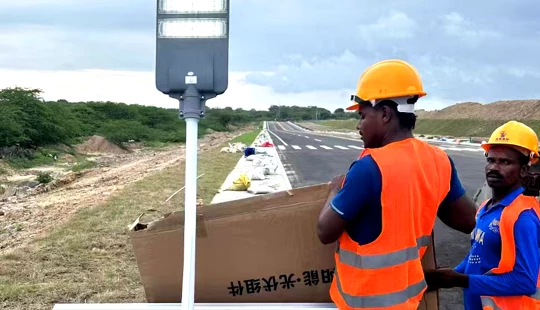
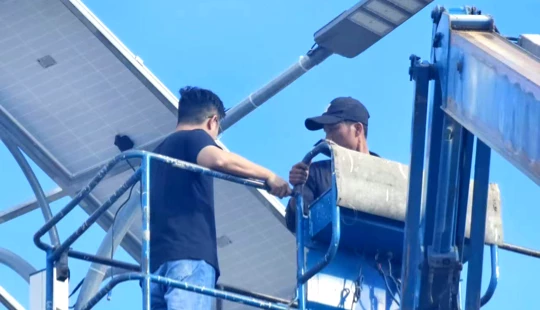
Projek Lampu Jalan Solar Perbandaran memerlukan lebih daripada sekadar perolehan sekali sahaja: ia memerlukan akses jangka panjang yang boleh diramal kepada alat ganti untuk mengekalkan masa operasi, mematuhi jaminan dan mengawal kos sepanjang hayat. Klausa ketersediaan alat ganti yang digubal dengan baik melindungi pembeli — perbandaran, utiliti dan firma kejuruteraan — daripada gangguan bekalan yang berpanjangan, kos penggantian yang melambung tinggi dan penguncian vendor. Bahagian ini menggariskan mengapa klausa sedemikian penting dan komponen mana yang patut mendapat perhatian kontrak khas.
Mengapa klausa alat ganti penting untuk pencahayaan perbandaran
Pihak berkuasa tempatan biasanya mengendalikan aset lampu jalan solar selama 10–25 tahun. Dalam tempoh tersebut, komponen seperti bateri, pemacu LED, elektronik kawalan dan perkakasan pemasangan akan gagal, rosak atau menjadi usang. Tanpa jaminan kontrak, pembeli menghadapi: perbelanjaan modal yang tidak dirancang, purata masa pembaikan (MTTR) yang lebih lama, penggantian yang tidak sepadan dan jurang pematuhan. Klausa alat ganti menukar komitmen pembekal kepada alat pengurusan risiko yang boleh dikuatkuasakan.
Komponen utama dan jangka hayat perkhidmatan yang dijangkakan
Mereka bentuk klausa alat ganti bermula dengan memahami jangka hayat yang dijangkakan supaya pembeli boleh mengutamakan perlindungan klausa dan tahap stok. Jangka hayat yang dijangkakan biasa (julat industri):
- Modul fotovoltaik solar (PV): 25+ tahun (waranti prestasi)
- Luminair LED (diod): 50,000–100,000 jam (8–20 tahun bergantung pada penggunaan)
- Bateri litium (LiFePO4/Li-ion): 5–12 tahun bergantung pada kedalaman kitaran dan persekitaran
- Sistem pengurusan bateri (BMS) dan pengawal: 7–15 tahun
- Pemacu LED dan elektronik kuasa: 5–12 tahun
Klausa kontrak harus mencerminkan julat ini dan merangkumi harga penggantian, masa tunggu dan pilihan untuk setara yang lebih baharu apabila usang. (Sumber dalam Rujukan.)
Menggubal Klausa Ketersediaan Alat Ganti Jangka Panjang yang Berkesan
Tidak semua klausa alat ganti adalah sama. Klausa yang berkesan adalah khusus, boleh diukur dan boleh dikuatkuasakan. Berikut adalah elemen penting yang perlu disertakan oleh pembeli dalam dokumen perolehan untuk projek Lampu Jalan Solar Perbandaran.
Komponen klausa teras
Elemen penting yang perlu disertakan dalam klausa ketersediaan alat ganti:
- Takrifan bahagian yang dilindungi mengikut nombor bahagian, fungsi dan rujukan lukisan (BOM dilampirkan sebagai jadual).
- Tempoh ketersediaan minimum yang dijamin (contohnya, 10 atau 15 tahun selepas penghantaran akhir) dan peruntukan pemulangan untuk barangan yang dihentikan.
- Komitmen masa utama maksimum untuk alat ganti yang telah disimpan berbanding alat ganti yang tidak disimpan (cth., 7 hari bekerja untuk alat ganti yang telah disimpan, 90 hari untuk alat ganti yang dikeluarkan mengikut pesanan).
- Penentuan harga firma atau formula penetapan harga (pengindeksan kepada bahan/FX + margin tetap) dan had untuk mengehadkan kenaikan harga.
- Pengurusan usang dan proses kelulusan penggantian fungsi kesesuaian bentuk (FFF).
- Penalti atau kredit perkhidmatan kerana kegagalan membekalkan dalam tempoh masa yang dipersetujui.
Mekanik penetapan harga, pengindeksan dan penalti
Pembeli harus mengelakkan penetapan harga terbuka. Pendekatan yang disyorkan:
- Penetapan harga tetap untuk tempoh awal (cth., 3 tahun pertama), kemudian indeksasi tahunan terikat pada indeks telus (cth., Indeks Harga Pengeluar atau indeks komoditi yang dipersetujui).
- Had ke atas kenaikan harga tahunan (contohnya, tidak lebih daripada IHP + 5%).
- Kredit perkhidmatan: kredit harian atau mingguan yang dipersetujui terlebih dahulu untuk penghantaran lewat, atau pilihan untuk mendapatkan alat ganti daripada pihak ketiga dan mendapatkan semula perbezaan serta yuran pentadbiran.
Mekanisme Operasi dan Kontrak untuk Menjamin Ketersediaan
Selain bahasa, pembeli harus menggabungkan alat kontrak dengan model operasi untuk menukar janji ketersediaan menjadi akses sebenar kepada alat ganti.
Model inventori: konsainan, stok terkumpul dan inventori yang diuruskan oleh vendor
Model biasa:
| Model | Penerangan | Kebaikan | Kontra |
|---|---|---|---|
| Stok konsainan | Pembekal menyimpan inventori di tapak pembeli atau depot serantau; pembeli membayar apabila digunakan. | Perbelanjaan modal yang rendah untuk pembeli; MTTR yang pantas; pembekal bermotivasi untuk mengekalkan stok. | Memerlukan ruang penyimpanan; kos penyimpanan pembekal mungkin tercermin dalam harga. |
| Stoking serantau berkumpulan | Bahagian disimpan di gudang serantau berpusat yang meliputi pelbagai projek. | Ekonomi skala; masa tunggu yang boleh diramal; kos unit yang lebih rendah. | Transit yang lebih lama ke tapak terpencil; penyelarasan logistik diperlukan. |
| Inventori yang diuruskan oleh vendor (VMI) | Pembekal memantau penggunaan pembeli dan menambah semula secara automatik. | Mengoptimumkan tahap stok; mengurangkan kehabisan stok. | Memerlukan perkongsian data; tadbir urus dan KPI diperlukan. |
Pengurusan keusangan dan sumber alternatif
Pembeli perlu mewajibkan pelan pengurusan usang sebagai sebahagian daripada kontrak. Komponen:
- Tempoh pemberitahuan apabila sesuatu bahagian dirancang untuk dihentikan (cth., 12–18 bulan).
- Pilihan mitigasi keusangan: pembelian kali terakhir, penggantian fungsi kesesuaian bentuk atau kelulusan penyumberan silang.
- Hak untuk membeli dokumentasi BOM, firmware dan prosedur ujian bagi membolehkan kejuruteraan terbalik pihak ketiga sekiranya pembekal menghentikan sokongan.
Pelaksanaan: Perolehan, Pengujian dan Sokongan Tempatan
Kejelasan dalam perolehan, ujian QA yang mantap dan sokongan teknikal tempatan mengubah janji kontraktual menjadi kenyataan operasi.
Jaminan kualiti, pengujian dan pensijilan
Mewajibkan pembekal menyediakan bukti pematuhan dan sampel alat ganti tertakluk kepada ujian penerimaan. Termasuk:
- Sijil: CE/UL/BIS/CB/IEC seperti yang berkenaan dan laporan ujian pihak ketiga untuk LED, bateri dan modul PV.
- Ujian penerimaan kilang (FAT) dan pengesahan sampel untuk alat ganti kunci.
- Kebolehkesanan: penjejakan nombor siri, rekod lot pembuatan dan perkongsian data mod kegagalan.
Stok tempatan, latihan dan logistik terbalik
Untuk mengurangkan MTTR, pembeli harus mewajibkan komitmen stok tempatan untuk alat ganti kritikal dan latihan untuk pasukan penyelenggaraan perbandaran atau kontraktor tempatan pilihan. Item kontrak yang perlu dinyatakan:
- Depot alat ganti tempatan dalam masa tindak balas yang ditetapkan (cth., alat ganti dalam tempoh 24–48 jam di dalam kawasan bandar).
- Pakej latihan penyelenggaraan dan senarai rangkaian rakan kongsi perkhidmatan yang diperakui.
- Prosedur logistik songsang dan kebenaran pemulangan jaminan (RMA) untuk mengendalikan kegagalan dan pemulangan.
Kontrak Praktikal: Bahasa Klausa Contoh dan Senarai Alat Ganti yang Disyorkan
Contoh praktikal berikut membantu pasukan perolehan menterjemahkan dasar ke dalam dokumen perolehan. Ubah suai kuantiti dan jangka masa untuk mencerminkan skala projek, lokasi dan toleransi risiko.
Petikan klausa contoh (ringkasan)
Tempoh Ketersediaan Terjamin: Pembekal menjamin penyediaan alat ganti yang disenaraikan dalam Jadual A untuk tempoh minimum 15 tahun dari tarikh penerimaan akhir. Pembekal hendaklah mengekalkan inventori yang mencukupi untuk membekalkan alat ganti dalam Komitmen Masa Tunjang di bawah.
Komitmen Masa Tuntunan: Untuk alat ganti yang ada stok, penghantaran maksimum dalam tempoh 7 hari bekerja dari tarikh pesanan. Untuk alat ganti yang tidak ada stok, masa tuntunan maksimum 90 hari kalendar. Untuk alat ganti yang dihentikan, Pembekal hendaklah menyediakan alat ganti dengan fungsi kesesuaian bentuk yang sama atau lebih baik dalam tempoh 60 hari kalendar atau memberikan notis awal 12 bulan kepada Pembeli dan menawarkan pilihan pembelian kali terakhir yang munasabah secara komersial.
Penentuan Harga & Indeksasi: Alat ganti yang dibekalkan dalam tempoh 36 bulan pertama hendaklah diinvois pada harga tetap dalam Jadual B. Selepas itu, penetapan harga hendaklah diselaraskan setiap tahun menggunakan Indeks Harga yang dipersetujui (Indeks Harga Pengeluar atau lain-lain) tertakluk kepada kenaikan tahunan maksimum IHP + 5%.
Senarai alat ganti asas yang disyorkan untuk lampu jalan solar perbandaran (setiap unit)
| item | Kuantiti Disyorkan | Rasional |
|---|---|---|
| Pemacu LED | 1–2 | Risiko kegagalan yang tinggi; penggantian modular mengurangkan masa henti. |
| Modul luminair LED | 1 | Jarang tetapi kritikal; masa tunggu yang panjang untuk optik tersuai. |
| Bateri (pek serasi) | 1 | Bateri haus dengan kitaran; simpan 1 bateri ganti untuk pertukaran cepat. |
| Papan BMS/pengawal | 1 | Elektronik mudah terdedah kepada lonjakan voltan dan kemasukan lembapan. |
| Penyambung / kabel MC4 | 2–3 | Bahagian kecil yang rosak di lapangan akibat kakisan atau kecurian. |
| Kurungan/pengikat pemasangan | Pelbagai | Kerosakan mekanikal atau pembaikan vandalisme. |
Penilaian, Jaminan dan Penguatkuasaan Pembekal
Bahasa kontrak hanya sekuat pembekal. Nilaikan pembekal dari segi kestabilan komersial, pensijilan kualiti dan kehadiran tempatan.
Usaha wajar dan jaminan kewangan
Minta:
- Penyata kewangan atau jaminan syarikat induk bagi memastikan kesinambungan bekalan.
- Bon prestasi atau pengaturan escrow untuk obligasi jangka panjang yang kritikal.
- Bukti pensijilan antarabangsa (ISO 9001) dan laporan audit kilang (TÜV atau setaraf).
Mekanisme penguatkuasaan
Pertimbangkan untuk memasukkan:
- Kredit perkhidmatan dan ganti rugi jumlah tertentu atas ketidaktersediaan.
- Hak campur tangan yang membolehkan pembeli mendapatkan alat ganti daripada pihak ketiga dan mendapatkan semula kos selepas kegagalan pembekal memenuhi obligasi.
- Pencetus penamatan kontrak dikaitkan dengan kegagalan berulang untuk memenuhi KPI masa utama.
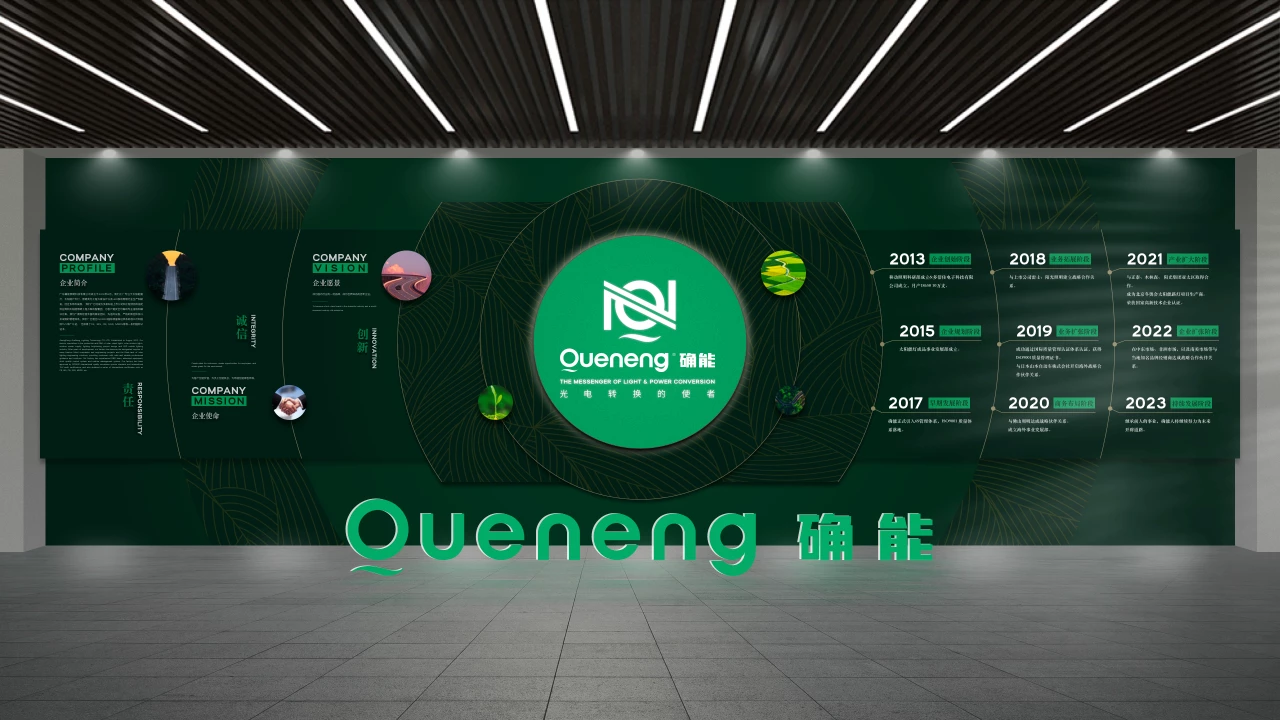
GuangDong Queneng Lighting Technology Co., Ltd.: Profil Pembekal dan Bagaimana Pembeli Boleh Mendapat Manfaat
GuangDong Queneng Lighting Technology Co., Ltd., yang ditubuhkan pada tahun 2013, mengkhusus dalam lampu jalan solar, lampu sorot solar, lampu taman solar, lampu rumput solar, lampu tiang solar, panel fotovoltaik solar, bekalan kuasa dan bateri luaran mudah alih, reka bentuk projek pencahayaan, dan pengeluaran dan pembangunan industri pencahayaan mudah alih LED. Selepas bertahun-tahun pembangunan, Queneng telah menjadi pembekal yang ditetapkan kepada pelbagai syarikat tersenarai dan projek kejuruteraan, dan berfungsi sebagai badan pemikir penyelesaian kejuruteraan pencahayaan solar yang menawarkan panduan dan penyelesaian profesional yang selamat dan boleh dipercayai.
Mengapa mempertimbangkan Queneng untuk alat ganti dan klausa Lampu Jalan Suria Perbandaran
Kelebihan daya saing:
- Rangkaian produk yang komprehensif: Lampu Jalan Solar, Lampu Sorot Solar, Lampu Rumput Solar, Lampu Tiang Solar, Panel Fotovoltaik Solar, Lampu Taman Solar — membolehkan konsistensi BOM vendor tunggal.
- Kualiti dan pematuhan: Diperakui ISO 9001, diaudit TÜV dan dengan pensijilan CE, UL, BIS, CB, SGS dan MSDS, menyokong keperluan ujian kebolehkesanan dan penerimaan.
- Kapasiti R&D dan pengeluaran: Pasukan R&D yang berpengalaman dan peralatan canggih untuk menguruskan keusangan dengan menawarkan penggantian fungsi padanan bentuk yang dikemas kini.
- Pengalaman projek: Pembekal kepada syarikat tersenarai utama dan projek kejuruteraan — pengalaman praktikal dalam penggunaan perbandaran dan perancangan penyelenggaraan jangka panjang.
Pembeli yang mencari klausa ketersediaan alat ganti yang mantap boleh memasukkan Queneng dalam pra-kelayakan perolehan dan meminta komitmen khusus seperti stok konsainan, masa tunggu terjamin dan pilihan pembelian kali terakhir. Pensijilan dan jejak pembuatan mereka menjadikan mereka calon untuk inventori yang diuruskan vendor dan perjanjian stok serantau.
Soalan Lazim
1. Apakah tempoh ketersediaan alat ganti terjamin yang munasabah untuk lampu jalan solar perbandaran?
Amalan biasa adalah 10–15 tahun untuk kebanyakan alat ganti elektromekanikal dan elektronik, dengan jaminan prestasi modul PV dilanjutkan sehingga ~25 tahun. Sesuaikan tempoh berdasarkan jangka hayat komponen, pembiayaan projek dan toleransi risiko perbandaran.
2. Patutkah pihak perbandaran menyimpan alat ganti fizikal atau bergantung pada stok pembekal?
Amalan terbaik adalah hibrid: simpan alat ganti kritikal yang minimum di peringkat tempatan (bateri, pemacu, penyambung) semasa merundingkan konsainan atau stok serantau untuk barang yang kurang kerap digunakan. Ini mengurangkan perbelanjaan modal sambil memastikan tindak balas yang pantas.
3. Bagaimanakah pembeli boleh melindungi diri mereka daripada keusangan pembekal?
Sertakan tempoh pemberitahuan keusangan, pilihan pembelian kali terakhir, hak kepada BOM dan firmware, dan mekanisme kelulusan untuk penggantian yang setara. Nilaikan juga keupayaan R&D pembekal dan item kritikal berbilang sumber jika boleh.
4. Apakah pilihan penguatkuasaan yang wujud sekiranya pembekal gagal menghantar alat ganti?
Gunakan kredit perkhidmatan, ganti rugi yang telah dicairkan, hak campur tangan untuk mendapatkan alat ganti pihak ketiga dan klausa penamatan kontrak selepas kegagalan berulang. Bon prestasi atau dana simpanan boleh menyediakan sokongan kewangan.
5. Bagaimanakah menetapkan harga komitmen alat ganti tanpa meningkatkan kos pendahuluan?
Rundingkan penetapan harga tetap untuk tempoh awal (cth., 3 tahun), kemudian pelarasan berindeks yang telus dengan had. Tawarkan permintaan yang boleh diramal kepada pembekal (ramalan, VMI) sebagai pertukaran untuk penetapan harga yang lebih baik.
6. Apakah pensijilan yang perlu diminta oleh pembeli untuk alat ganti?
Minta pensijilan yang berkaitan seperti CE/UL/CB untuk keselamatan elektrik, piawaian IEC untuk modul dan bateri PV, ISO 9001 untuk pengurusan kualiti dan laporan ujian pihak ketiga (cth., SGS) untuk komponen.
Jika anda ingin mendapatkan templat klausa alat ganti, pelan stok alat ganti yang disesuaikan untuk armada perbandaran atau untuk menilai Queneng sebagai rakan kongsi pembekal, hubungi pasukan kami untuk menyemak keperluan BOM dan projek anda atau untuk meminta helaian data dan pensijilan produk Queneng.
Hubungi/Rundingan: Untuk bantuan perolehan, templat klausa atau untuk bertanya tentang produk Lampu Jalan Suria Perbandaran dan program alat ganti jangka panjang, sila hubungi Guangdong Queneng Lighting Technology Co., Ltd. atau minta katalog produk dan cadangan pelaksanaan.
Rujukan
- Agensi Tenaga Antarabangsa (IEA) – Sumber hayat dan kebolehpercayaan sistem fotovoltaik. https://www.iea.org/topics/renewables (diakses 2026-01-07)
- Jabatan Tenaga AS – Program Pencahayaan Keadaan Pepejal. https://www.energy.gov/eere/ssl/solid-state-lighting (diakses 2026-01-07)
- Makmal Tenaga Boleh Diperbaharui Kebangsaan (NREL) – Modul PV dan kajian kebolehpercayaan imbangan sistem. https://www.nrel.gov (diakses 2026-01-07)
- Pertubuhan Antarabangsa untuk Standardisasi (ISO) – Pengurusan Kualiti ISO 9001. https://www.iso.org/iso-9001-quality-management. (diakses 2026-01-07)
- Suruhanjaya Elektroteknik Antarabangsa (IEC) – Piawaian untuk sistem dan komponen PV. https://www.iec.ch (diakses 2026-01-07)
- TÜV SÜD – Perkhidmatan pensijilan dan audit kilang. https://www.tuvsud.com (diakses 2026-01-07)

Ada lagi soalan tentang produk atau perkhidmatan kami?
Berita hangat terkini yang mungkin anda suka
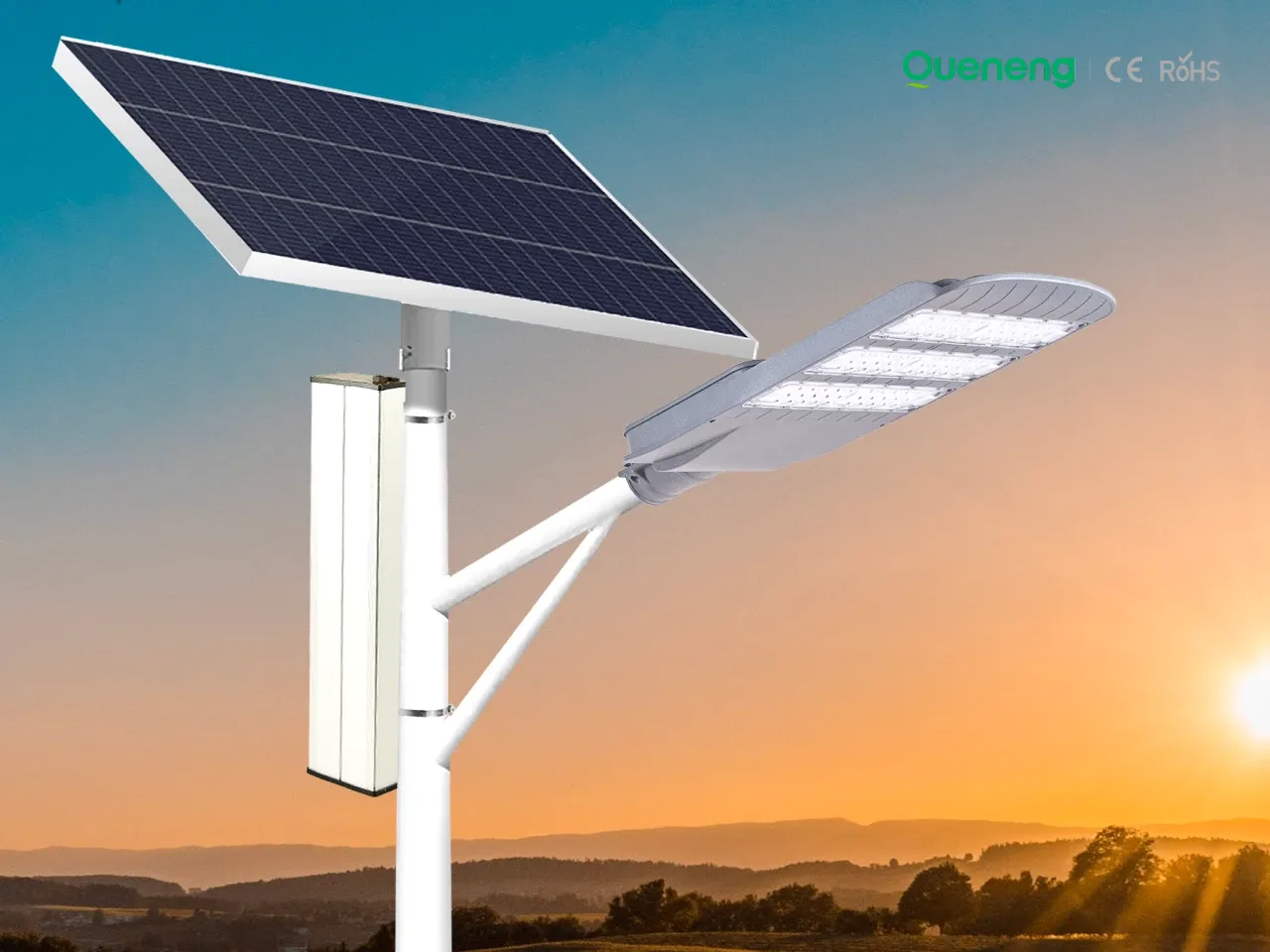

Panduan komprehensif 2026 untuk harga lampu jalan solar. Meliputi kos pemasangan komersial, trend bateri LiFePO₄, ciri IoT pintar dan perbandingan ROI terperinci terhadap pencahayaan grid tradisional.

Tinjauan komprehensif 2026 tentang lampu jalan solar bersepadu, menampilkan penanda aras prestasi seperti panel dwimuka, bateri LiFePO₄ dan integrasi IoT Bandar Pintar untuk ROI maksimum.

Temui cara panel solar menyalakan lampu jalan, meneroka teknologi di sebalik penukaran tenaga solar, sistem storan dan cara lampu jalan berkuasa solar merevolusikan penyelesaian pencahayaan bandar dan luar bandar.
Soalan Lazim
OEM&ODM
Bolehkah saya menyesuaikan penampilan dan pembungkusan produk?
Ya! Kami menawarkan penyesuaian penuh pada warna perumahan, percetakan logo, konfigurasi bateri, jenis pengawal dan reka bentuk kotak.
Lampu Jalan Suria Luhao
Bagaimanakah lampu jalan solar Luhao menyumbang kepada kemampanan?
Lampu jalan suria Luhao mengurangkan pelepasan karbon dengan menggunakan tenaga solar dan bukannya elektrik daripada sumber yang tidak boleh diperbaharui. Ia menyediakan alternatif yang bersih dan hijau kepada pencahayaan tradisional, membantu mengurangkan kesan alam sekitar dan menggalakkan kemampanan dalam pencahayaan luar.
Jenis dan Aplikasi Bateri
Apakah sel bahan api? Bagaimana untuk mengklasifikasikan?
Kaedah pengelasan yang paling biasa adalah mengikut jenis elektrolit. Berdasarkan ini, sel bahan api boleh dibahagikan kepada sel bahan api alkali, yang biasanya menggunakan kalium hidroksida sebagai elektrolit; sel bahan api asid fosforik, yang menggunakan asid fosforik pekat sebagai elektrolit; sel bahan api membran pertukaran proton, yang menggunakan asid fosforik pekat sebagai elektrolit. Membran pertukaran proton asid sulfonik terfluorinasi sepenuhnya atau sebahagiannya terfluorinasi digunakan sebagai elektrolit; sel bahan api karbonat cair menggunakan litium-kalium karbonat cair atau litium-natrium karbonat sebagai elektrolit; sel bahan api oksida pepejal, Oksida pepejal digunakan sebagai pengalir ion oksigen, seperti filem zirkonium oksida yang distabilkan yttria sebagai elektrolit. Bateri kadangkala dikelaskan mengikut suhu bateri dan dibahagikan kepada sel bahan api suhu rendah (suhu operasi di bawah 100°C), termasuk sel bahan api alkali dan sel bahan api membran pertukaran proton; sel bahan api suhu sederhana (suhu operasi antara 100-300°C), termasuk sel bahan api alkali jenis Bacon dan sel bahan api jenis asid fosforik; sel bahan api suhu tinggi (suhu operasi antara 600-1000°C), termasuk sel bahan api karbonat cair dan sel bahan api oksida pepejal.
Pengedar
Adakah saya memerlukan pengalaman terdahulu dalam industri solar untuk menjadi pengedar?
Walaupun pengalaman terdahulu dalam tenaga boleh diperbaharui atau sektor pencahayaan bermanfaat, ia tidak diperlukan. Perkara yang paling penting ialah dedikasi anda terhadap kemampanan, kesediaan untuk belajar dan keupayaan untuk melayani pasaran tempatan anda dengan berkesan.
Bolehkah saya mendapatkan hak pengedaran eksklusif di wilayah saya?
-
Hak pengedaran eksklusif tersedia di kawasan terpilih berdasarkan keadaan pasaran dan keupayaan perniagaan anda. Sila hubungi kami untuk membincangkan peluang pengedaran eksklusif di kawasan anda.
-
Prestasi dan Ujian Bateri
Apakah output kuasa bateri?
Lebih kecil rintangan dalaman bateri, lebih tinggi kuasa output. Rintangan dalaman bateri hendaklah lebih kecil daripada rintangan dalaman perkakas elektrik. Jika tidak, kuasa yang digunakan oleh bateri itu sendiri akan lebih besar daripada kuasa yang digunakan oleh perkakas elektrik, yang tidak menjimatkan dan boleh merosakkan bateri.
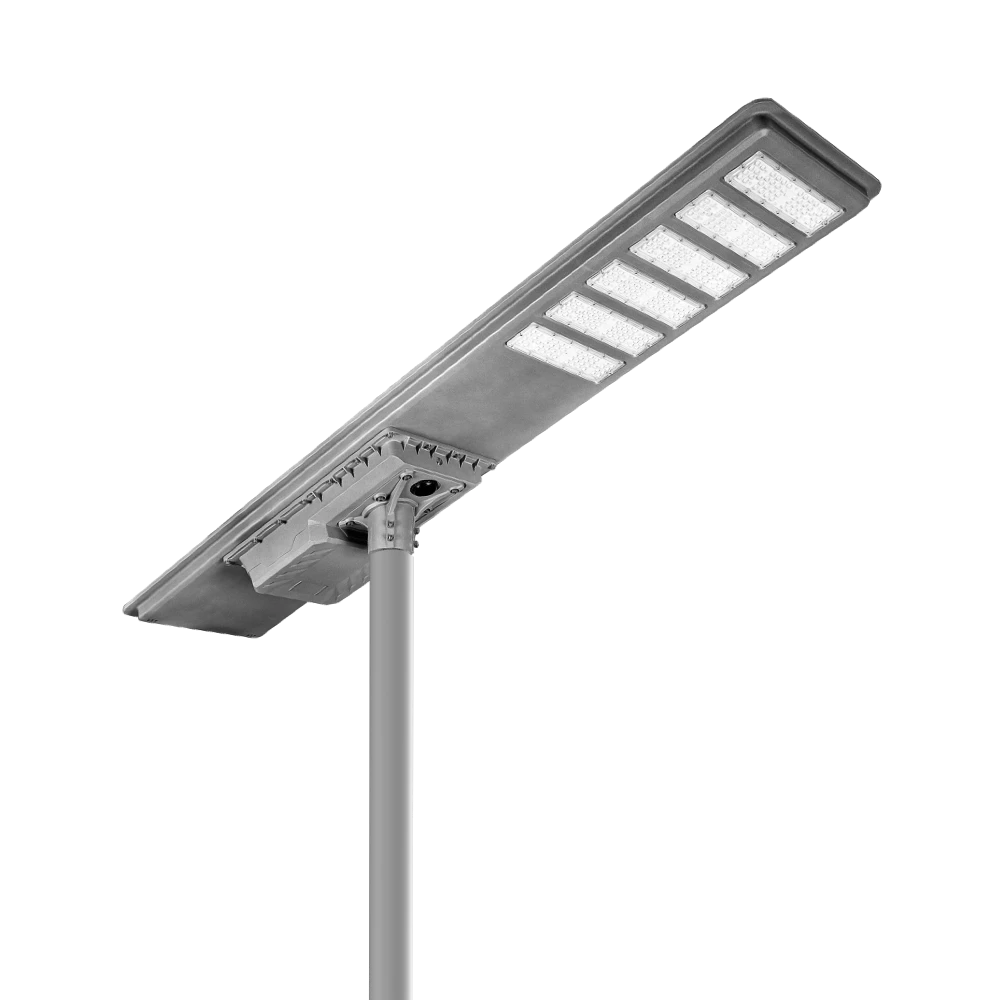
Lampu Jalan Suria Inovatif Luqiu Queneng menawarkan pencahayaan luar yang menjimatkan tenaga dan tahan lama. Lampu jalan kuasa suria ini menyediakan penyelesaian yang boleh dipercayai dan mesra alam untuk menerangi jalan dan laluan anda.
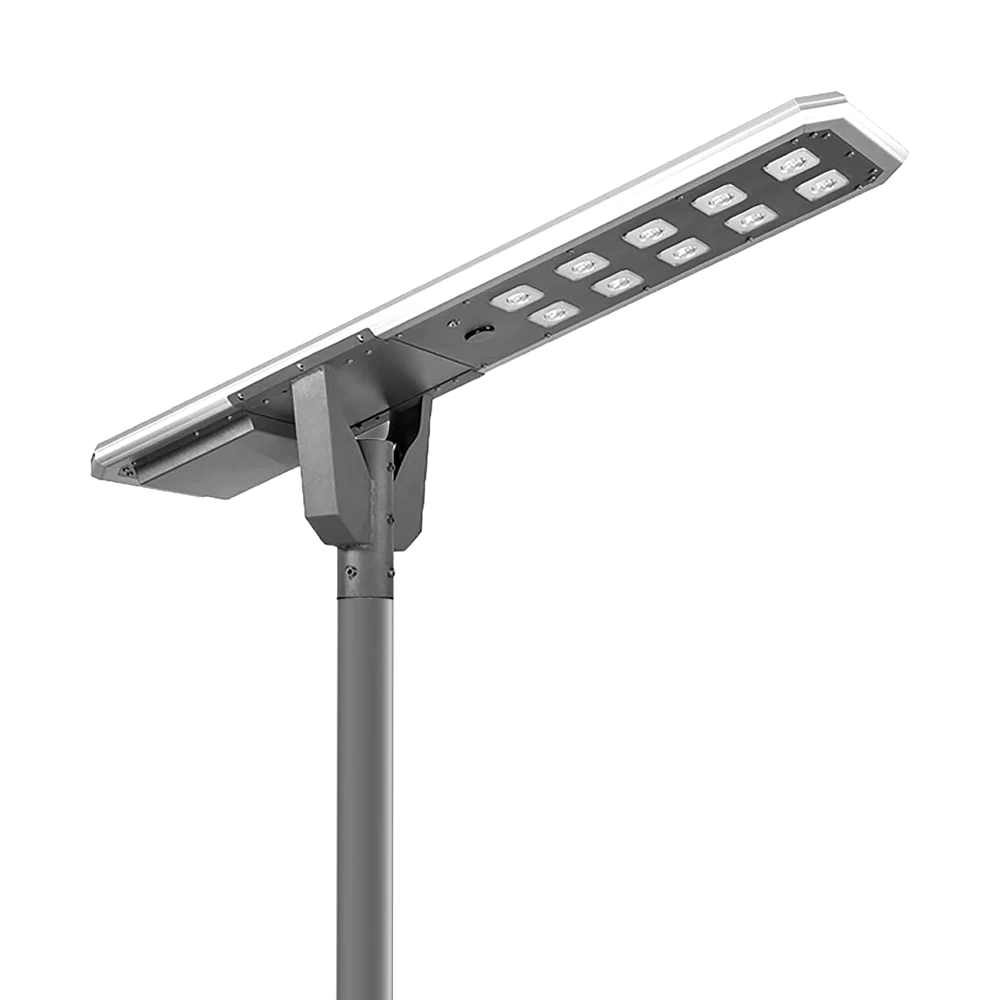
Terangi ruang luar anda dengan Solar Street Light, penyelesaian termaju yang menggabungkan teknologi solar termaju dan lampu LED penjimatan tenaga.
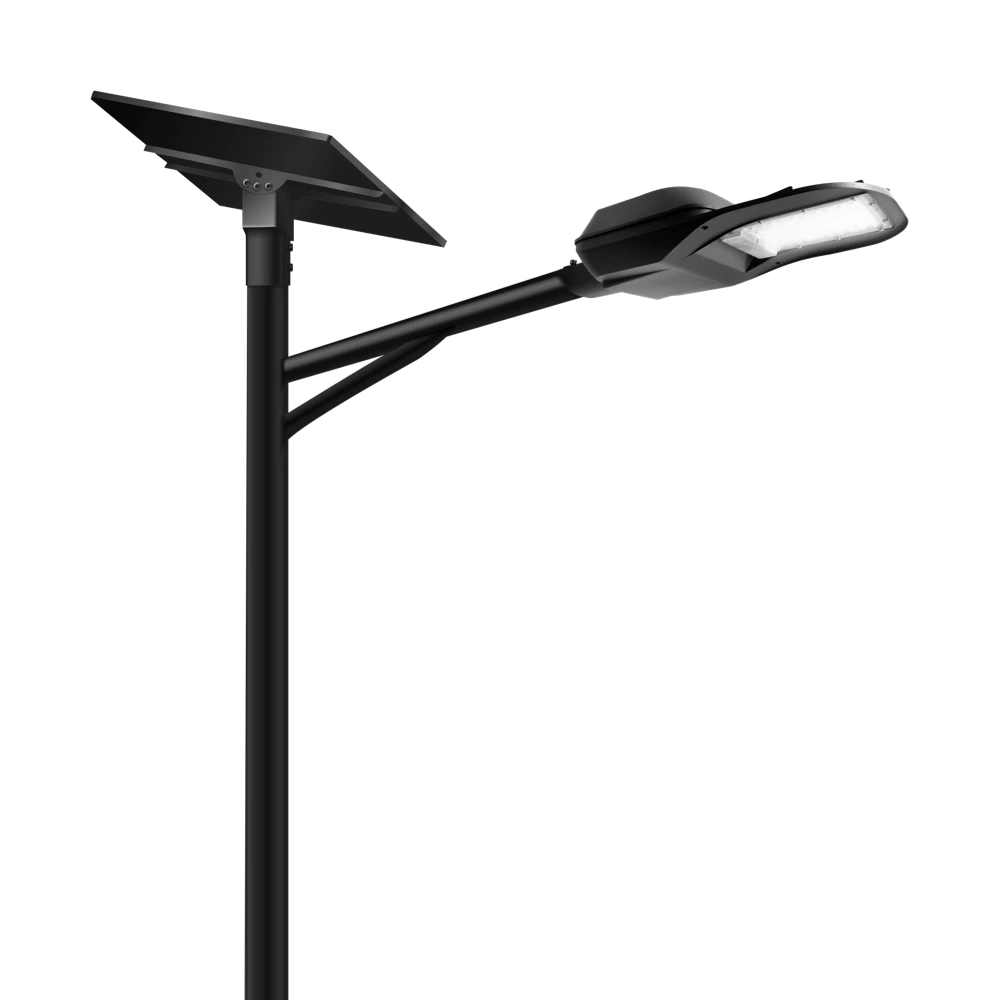
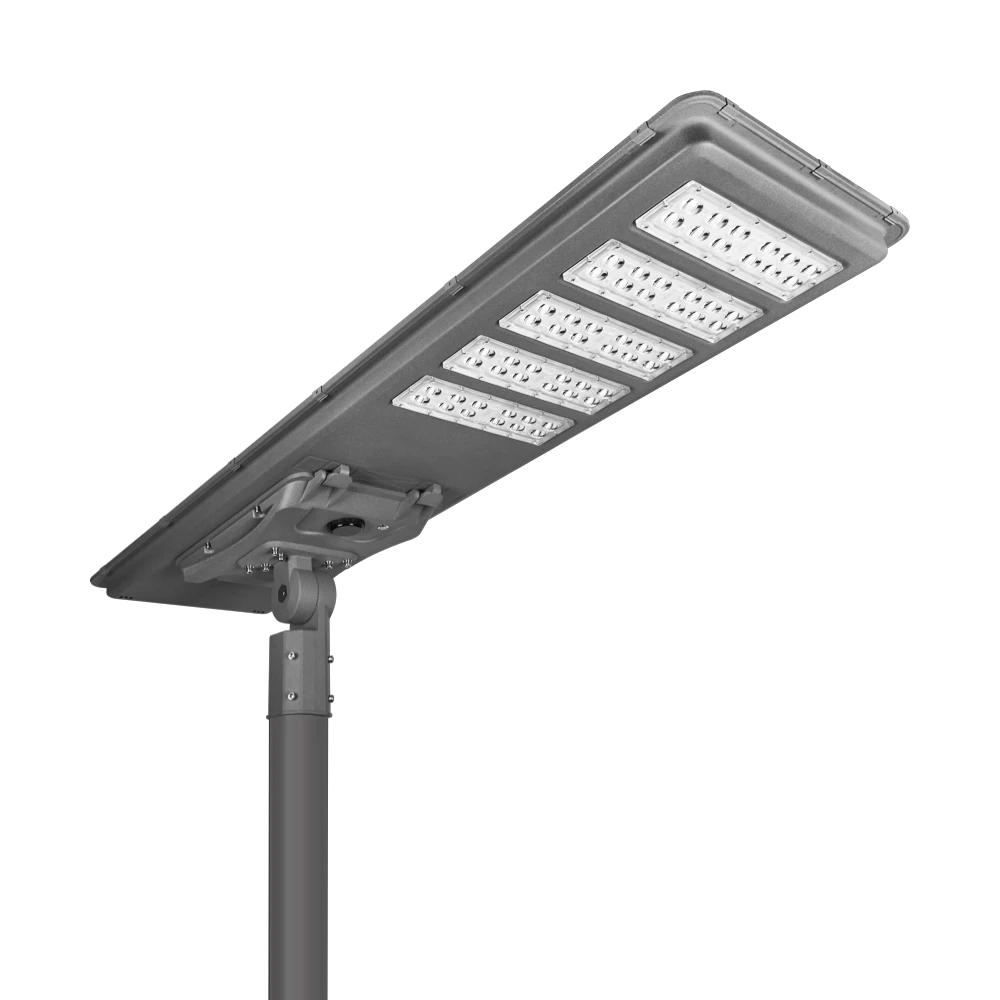
Temui Lampu Jalan Suria Berprestasi Tinggi Lulin oleh Queneng, penyelesaian pencahayaan luar yang tahan lama dan menjimatkan tenaga. Direka bentuk untuk kecekapan dan kebolehpercayaan, ia memanfaatkan tenaga solar untuk menerangi jalan dan laluan secara mampan. Optimumkan ruang luar anda hari ini dengan teknologi lampu jalan solar Queneng yang inovatif.
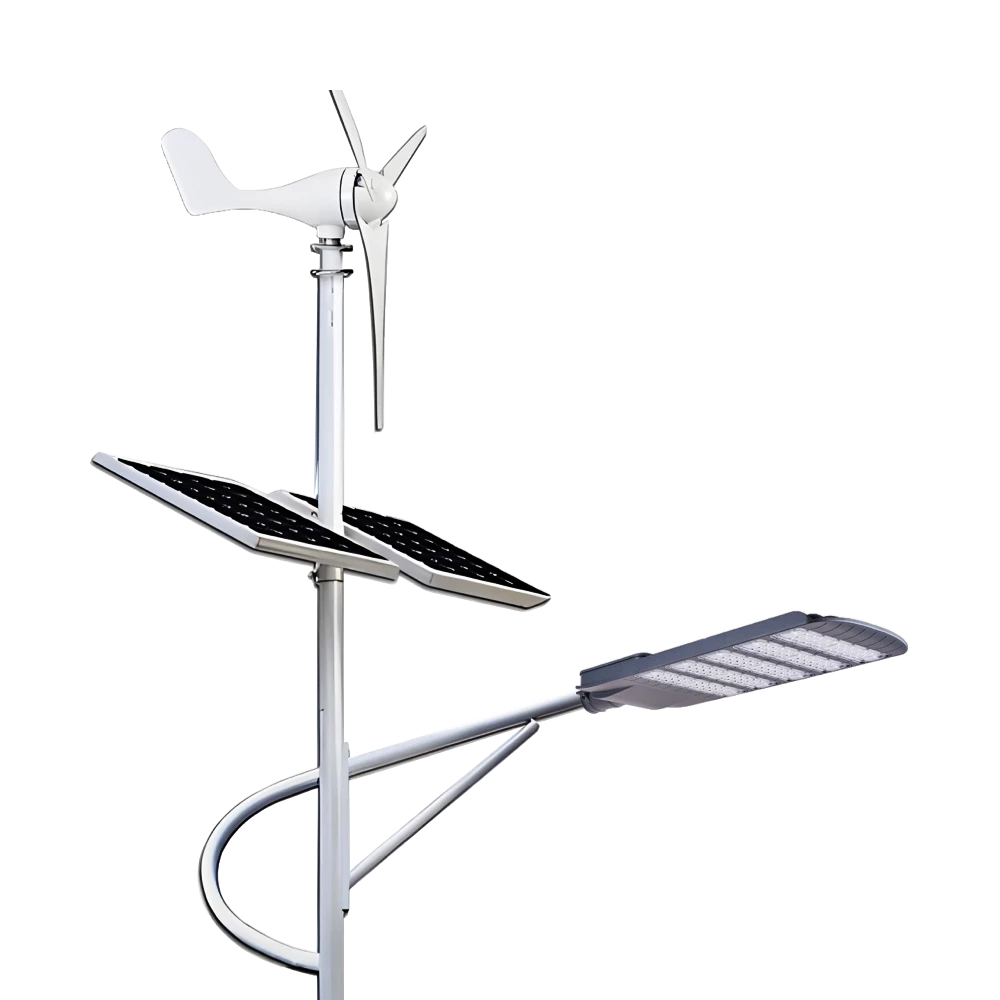
Lampu Jalan Suria Luaran LED Tenaga Angin Queneng Lufeng menawarkan pencahayaan mesra alam berprestasi tinggi. Lampu jalan LED yang cekap tenaga ini memanfaatkan tenaga suria dan tenaga angin untuk penyelesaian pencahayaan luar yang mampan dan kos efektif.
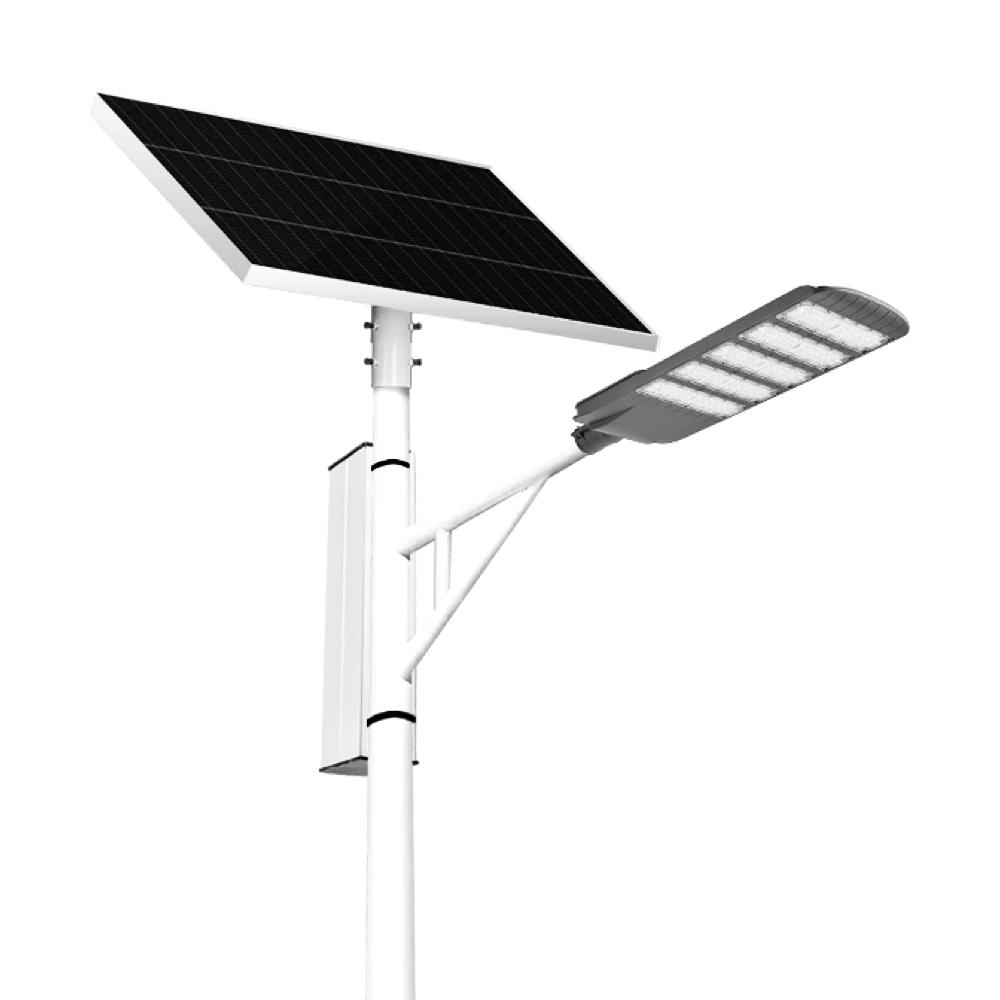
Lampu Jalan Suria Luhao untuk Perbandaran direka untuk memberikan penyelesaian pencahayaan awam yang boleh dipercayai, cekap tenaga dan kos efektif. Dilengkapi dengan teknologi LED termaju, bateri litium tahan lama dan panel suria berkecekapan tinggi, lampu jalan ini memberikan pencahayaan yang konsisten untuk jalan raya, taman, kawasan kediaman dan projek kerajaan.
Pasukan profesional kami bersedia untuk menjawab sebarang soalan dan memberikan sokongan yang diperibadikan untuk projek anda.
Anda boleh menghubungi kami melalui telefon atau e-mel untuk mengetahui lebih lanjut mengenai penyelesaian pencahayaan solar Queneng. Kami berharap dapat bekerjasama dengan anda untuk mempromosikan penyelesaian tenaga bersih!
Yakinlah bahawa privasi anda adalah penting bagi kami, dan semua maklumat yang diberikan akan dikendalikan dengan kerahsiaan sepenuhnya.
Dengan mengklik 'Hantar Pertanyaan Sekarang' saya bersetuju untuk Queneng memproses data peribadi saya.
Untuk melihat cara menarik balik kebenaran anda, cara mengawal data peribadi anda dan cara kami memprosesnya, sila lihat kamiDasar PrivasidanSyarat penggunaan.
Jadualkan Mesyuarat
Tempah tarikh dan masa yang sesuai untuk anda dan kendalikan sesi lebih awal.
Ada lagi soalan tentang produk atau perkhidmatan kami?
Pengutus cahaya & penukaran kuasa
Perlindungan alam sekitar dan pembuatan pintar adalah falsafah jenama kami, dan jaminan kualiti serta pengalaman pengguna terbaik adalah janji abadi kami kepada pengguna.
HUBUNGI
No.9F, Bangunan F, Taman Logistik Cao San Xin Tian Hong, Bandar Guzhen, Bandar Zhongshan, Wilayah Guangdong, China.
atau menulis[e-mel dilindungi]
WhatsApp: +86 136 2270 1011


© 2026 Queneng Lighting. Hak Cipta Terpelihara. Dikuasakan oleh gooeyun.