













Perbandingan ROI antara sistem lampu solar tradisional dan LED | Insights oleh Quenenglighting
Memaksimumkan Pelaburan Anda: Perbandingan ROI Antara Sistem Pencahayaan Solar Tradisional dan LED
Bagi profesional perolehan dalam industri lampu suria, memahami nilai jangka panjang sistem yang berbeza adalah penting. Walaupun pencahayaan solar itu sendiri menawarkan faedah yang tidak dapat dinafikan berbanding pilihan terikat grid, pilihan antara sistem lampu solar tradisional dan LED memberi kesan ketara kepada Pulangan Pelaburan (ROI) projek anda dan kecekapan operasi keseluruhan. Panduan ini menyelidiki faktor penting yang membezakan teknologi ini, memberikan cerapan terdorong data untuk memaklumkan keputusan pembelian anda.
Apakah Perbezaan Kos Pendahuluan, dan Bagaimanakah Ia Mempengaruhi Belanjawan Saya?
Pada mulanya, sistem pencahayaan suria tradisional, sering menggunakan lampu Sodium Tekanan Tinggi (HPS) atau Metal Halide (MH), mungkin kelihatan mempunyai harga pembelian yang lebih rendah seunit berbanding dengan lampu LED mereka. Sebagai contoh, lampu jalan solar tradisional asas mungkin terdiri daripada$300-$800, manakala lampu jalan solar LED yang setanding boleh bermula dari$500-$1500+, bergantung pada watt, kapasiti bateri dan ciri pintar. Walau bagaimanapun, perbezaan kos awal ini telah mengecil dengan ketara dalam beberapa tahun kebelakangan ini kerana teknologi LED menjadi lebih berpatutan. Adalah penting untuk melihat ini bukan sebagai angka yang berdiri sendiri tetapi dalam konteks dengan penjimatan operasi jangka panjang.
Berapa Banyak Saya Boleh Menjimatkan Tenaga dan Operasi dengan Pencahayaan Solar LED?
Di sinilah pencahayaan solar LED benar-benar bersinar. LED sememangnya lebih cekap tenaga. ALekapan LED 30W selalunya boleh memberikan pencahayaan yang setara atau unggul kepada lampu 70-100W HPS/MH. Ini bermakna sistem LED memerlukan panel solar dan bateri yang lebih kecil untuk mencapai masa larian yang sama, diterjemahkan kepada:
- Tatasusunan suria yang lebih kecil dan lebih cekap:Mengurangkan kos bahan awal untuk panel PV.
- Bank bateri yang lebih kecil:Memberi kesan ketara kepada komponen paling mahal dalam sistem lampu suria.
- Masa larian lanjutan:Prestasi yang lebih dipercayai, terutamanya semasa tempoh mendung yang berpanjangan.
Sistem manakah yang tahan lebih lama dan memerlukan penggantian yang kurang kerap?
Panjang umur adalah faktor kritikal untuk ROI.
- Lekapan LED:Luminair LED mempunyai jangka hayat yang mengagumkan50,000 hingga 100,000 waktu operasi atau lebih, diterjemahkan kepada 10-20+ tahun penggunaan biasa pada waktu malam. Ini secara drastik mengurangkan keperluan untuk penggantian sumber cahaya yang kerap.
- Lekapan Tradisional:Mentol HPS/MH biasanya tahan lama10,000 hingga 24,000 jam, bermakna mereka memerlukan penggantian setiap 2-5 tahun. Balast mereka juga boleh gagal, menambah kos penggantian.
- Bateri:Bateri LiFePO4 moden, yang biasa digunakan dengan sistem solar LED, menawarkan7-10 tahun jangka hayatdan beribu-ribu kitaran pengecasan. Bateri asid plumbum (Gel/AGM) yang lebih lama, masih terdapat dalam beberapa sistem tradisional, biasanya tahan lama3-5 tahun. Perbezaan ketara dalam jangka hayat bateri ini sahaja boleh mewajarkan kos awal yang lebih tinggi bagi sistem LED.
Apakah Kos Penyelenggaraan Sebenar Sepanjang Hayat Lampu Suria Tradisional lwn. LED?
Penyelenggaraan ialah kos tersembunyi yang memberi kesan ketara kepada ROI.
- Sistem Tradisional:Memerlukan penggantian mentol biasa (setiap beberapa tahun), yang melibatkan buruh, peralatan (cth, trak lif), dan kos pelupusan. Kegagalan balast juga menambah penyelenggaraan.
- Sistem LED:Penyelenggaraan adalah minimum. Tugas utama ialah pembersihan berkala panel solar dan pemeriksaan kesihatan bateri sekali-sekala. Penggantian mentol hampir dihapuskan selama sedekad atau lebih.
Selain Penjimatan, Apakah Kelebihan Alam Sekitar dan Prestasi Solar LED?
Walaupun ROI sering menumpukan pada pulangan kewangan, tanggungjawab alam sekitar dan prestasi unggul juga menyumbang kepada nilai jangka panjang.
- Kesan Alam Sekitar:LED tidak mengandungi merkuri atau gas berbahaya, menjadikannya lebih selamat untuk dilupuskan dan lebih mesra alam. Penggunaan tenaga yang lebih rendah juga mengurangkan jejak karbon keseluruhan yang berkaitan dengan pembuatan dan penjanaan kuasa (walaupun untuk solar, hal kecekapan).
- Kualiti & Kawalan Cahaya:LED menawarkan pemaparan warna (CRI) yang lebih baik, memberikan cahaya yang lebih jelas dan semula jadi. Output cahaya arah mereka meminimumkan pencemaran cahaya berbanding dengan sifat omnidirectional lampu HPS/MH, memastikan cahaya diarahkan ke tempat yang diperlukan.
- Ketahanan:LED ialah peranti keadaan pepejal, lebih tahan kepada getaran dan hentaman daripada mentol tradisional yang rapuh, menjadikannya sesuai untuk persekitaran luar.
Apakah Pulangan Pelaburan (ROI) dan Tempoh Bayar Balik Biasa untuk Pencahayaan Solar LED?
Memandangkan faktor di atas, sistem pencahayaan solar LED secara konsisten menunjukkan ROI yang unggul. Walaupun angka khusus berbeza-beza berdasarkan lokasi, kos tenaga yang dielakkan, dan spesifik sistem, banyak analisis menunjukkan bahawatempoh bayaran balik untuk melabur dalam lampu solar LED boleh sesingkat 3-5 tahunjika dibandingkan dengan solar tradisional atau pilihan terikat grid yang lebih panjang, disebabkan oleh:
- Kos Operasi yang Lebih Rendah:Pengeluaran tenaga yang diminimumkan daripada bateri.
- Penyelenggaraan yang dikurangkan:Lebih sedikit penggantian dan panggilan perkhidmatan.
- Jangka hayat yang lebih lama:Kurang baik pulih atau penggantian sistem.
- Kebolehpercayaan yang lebih tinggi:Prestasi yang konsisten dan kurang masa rehat.
Bagaimanakah Teknologi Pintar dalam Pencahayaan Suria LED Menyumbang kepada ROI yang Lebih Baik?
Sistem lampu solar LED moden sering mengintegrasikan teknologi pintar yang meningkatkan lagi ROI mereka:
- Pemantauan & Kawalan Jauh:Membolehkan untuk penjejakan prestasi masa nyata, pengesanan kesalahan dan peredupan/penjadualan jauh. Ini mengurangkan keperluan untuk pemeriksaan fizikal, menjimatkan kos buruh dan menambah baik masa operasi sistem.
- Penderiaan Pergerakan & Peredupan Adaptif:Lampu boleh beroperasi pada keamatan yang lebih rendah apabila tiada sesiapa yang hadir, cerah hanya apabila gerakan dikesan. Ini menjimatkan kuasa bateri dengan ketara, memanjangkan hayat bateri dan membolehkan bank bateri yang lebih kecil atau autonomi yang lebih lama.
- Integrasi IoT:Mendayakan kawalan seluruh rangkaian dan analisis data, mengoptimumkan prestasi sistem keseluruhan merentas keseluruhan pemasangan.
Kesimpulan: Kelebihan Quenenglighting
Apabila membuat keputusan perolehan untuk pencahayaan solar, perspektif jangka panjang jelas memihak kepada sistem LED. Walaupun pelaburan awal kadangkala lebih tinggi sedikit, penjimatan terkumpul daripada penggunaan tenaga yang dikurangkan, penyelenggaraan minimum, jangka hayat dilanjutkan dan ciri pintar lanjutan membawa kepada Jumlah Kos Pemilikan yang jauh lebih rendah dan Pulangan Pelaburan yang lebih kukuh.
Di Quenenglighting, kami pakar dalam penyelesaian pencahayaan solar LED berkualiti tinggi, tahan lama dan pintar. Sistem kami direka bentuk dengan mengambil kira kecekapan, umur panjang dan penyelenggaraan yang rendah, memanfaatkan teknologi bateri LiFePO4 termaju, pemacu LED berkecekapan tinggi dan sistem kawalan pintar. Dengan memilih Quenenglighting, anda melabur dalam penyelesaian yang menawarkan:
- Kecekapan Tenaga Unggul:Maksimumkan output cahaya dengan penggunaan kuasa yang minimum.
- Jangka Hayat & Ketahanan Dilanjutkan:Komponen teguh direka untuk operasi yang boleh dipercayai dan bebas penyelenggaraan selama bertahun-tahun.
- Ciri Pintar Lanjutan:Pengurusan jauh, pencahayaan adaptif dan penderiaan gerakan untuk prestasi yang dioptimumkan dan penjimatan tenaga.
- ROI yang luar biasa:Menyampaikan tempoh bayaran balik yang cepat dan penjimatan jangka panjang yang besar untuk projek anda.
Sumber Rujukan Data:
- Laporan industri tentang kecekapan dan jangka hayat pencahayaan LED (cth, JAS, IEA).
- Spesifikasi pengilang untuk lampu jalan suria dan komponen (LED, bateri).
- Analisis pasaran dan kajian perbandingan kos untuk sistem lampu solar.
- Panduan kecekapan tenaga untuk pencahayaan luar.
- Laporan tentang jangka hayat teknologi bateri (cth, LiFePO4 lwn. Plumbum-Asid).

Ada lagi soalan tentang produk atau perkhidmatan kami?
Berita hangat terkini yang mungkin anda suka

Temui lampu jalan solar LED semua-dalam-satu Queneng Lighting — panel solar bersepadu, bateri, pengawal dan LED dalam satu lekapan tahan lama. Jimatkan tenaga, kurangkan penyelenggaraan dan selamatkan jalan dengan sensor pintar, autonomi berbilang malam dan pensijilan antarabangsa. Hubungi bahagian jualan untuk sebut harga dan sokongan.

Bebaskan pencahayaan luar yang unggul dengan Lampu Jalan Suria Berkecekapan Tinggi Queneng Luda. Penyelesaian mesra alam yang tahan lama ini menawarkan pengurusan kuasa termaju, pemasangan mudah dan memastikan keselamatan. Disokong oleh kepakaran Queneng Lighting selama sedekad dan komitmen terhadap kualiti, ia merupakan pilihan pintar untuk projek pencahayaan lestari. Ketahui mengapa kami merupakan penyedia penyelesaian solar yang terkemuka.

Lampu jalan solar semua-dalam-satu Luhei menggabungkan LED berkecekapan tinggi, solar dan bateri bersepadu, perlindungan IP65 dan pengesan gerakan untuk memberikan pencahayaan luar tanpa wayar yang andal untuk jalan, taman dan tempat letak kereta. Disokong oleh pensijilan dan sokongan Queneng Lighting.

Soalan Lazim
Taman Awam dan Pencahayaan Landskap
Adakah lampu solar berfungsi dalam cuaca mendung atau hujan?
Ya, lampu solar kami dilengkapi dengan panel solar berkecekapan tinggi yang boleh menangkap cahaya matahari walaupun dalam keadaan mendung atau cahaya malap. Walaupun prestasi mungkin sedikit menurun semasa tempoh hujan yang panjang, lampu masih berfungsi dan akan dicas semula sebaik sahaja cuaca bertambah baik.
Sekolah dan Institusi Pendidikan
Bolehkah lampu solar dikawal dari jauh?
Ya, kami menawarkan sistem pencahayaan solar pintar dengan keupayaan kawalan jauh, membolehkan anda mengurus dan memantau lampu dari mana-mana sahaja.
Bagaimanakah lampu suria diselenggara?
Lampu solar memerlukan penyelenggaraan yang minimum, biasanya hanya sekali-sekala pembersihan panel solar dan memeriksa bateri dan fungsi lampu.
Lampu Jalan Suria Luxian
Adakah lampu jalan solar Luxian sesuai untuk aplikasi bandar dan luar bandar?
Ya, lampu jalan solar Luxian adalah serba boleh dan sesuai untuk aplikasi bandar dan luar bandar. Sama ada anda perlu menerangi jalan bandar yang sibuk atau laluan luar bandar yang tenang, lampu Luxian menawarkan penyelesaian yang boleh dipercayai dan cekap tenaga. Pemasangannya yang mudah dan penyelenggaraan yang rendah menjadikannya sesuai untuk pelbagai ruang luar, termasuk taman, tempat letak kereta, jalan dan harta benda persendirian.
sistem APMS
Bagaimanakah sistem APMS membolehkan pencahayaan berterusan pada hari hujan yang berpanjangan?
APMS Queneng dilengkapi dengan teknologi ketahanan hari hujan yang memastikan pencahayaan berterusan semasa tempoh mendung berpanjangan, mengekalkan kuasa yang stabil dalam keadaan yang kurang cahaya matahari dan sesuai untuk pencahayaan di kawasan terpencil.
Asas bateri dan istilah asas
Apakah perbezaan antara bateri primer dan sekunder?
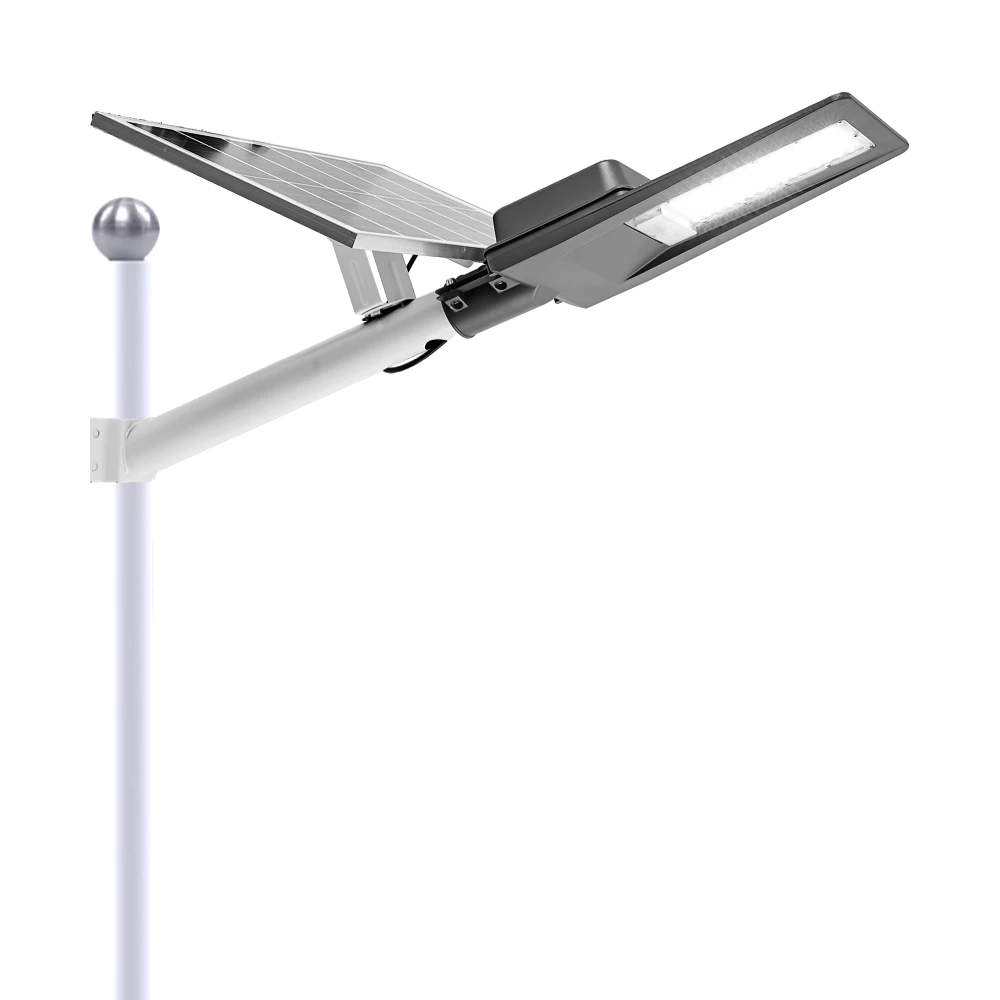
Alami pencahayaan luar yang boleh dipercayai dengan lampu jalan solar pintar kami, gabungan sempurna teknologi canggih dan reka bentuk yang mementingkan alam sekitar.
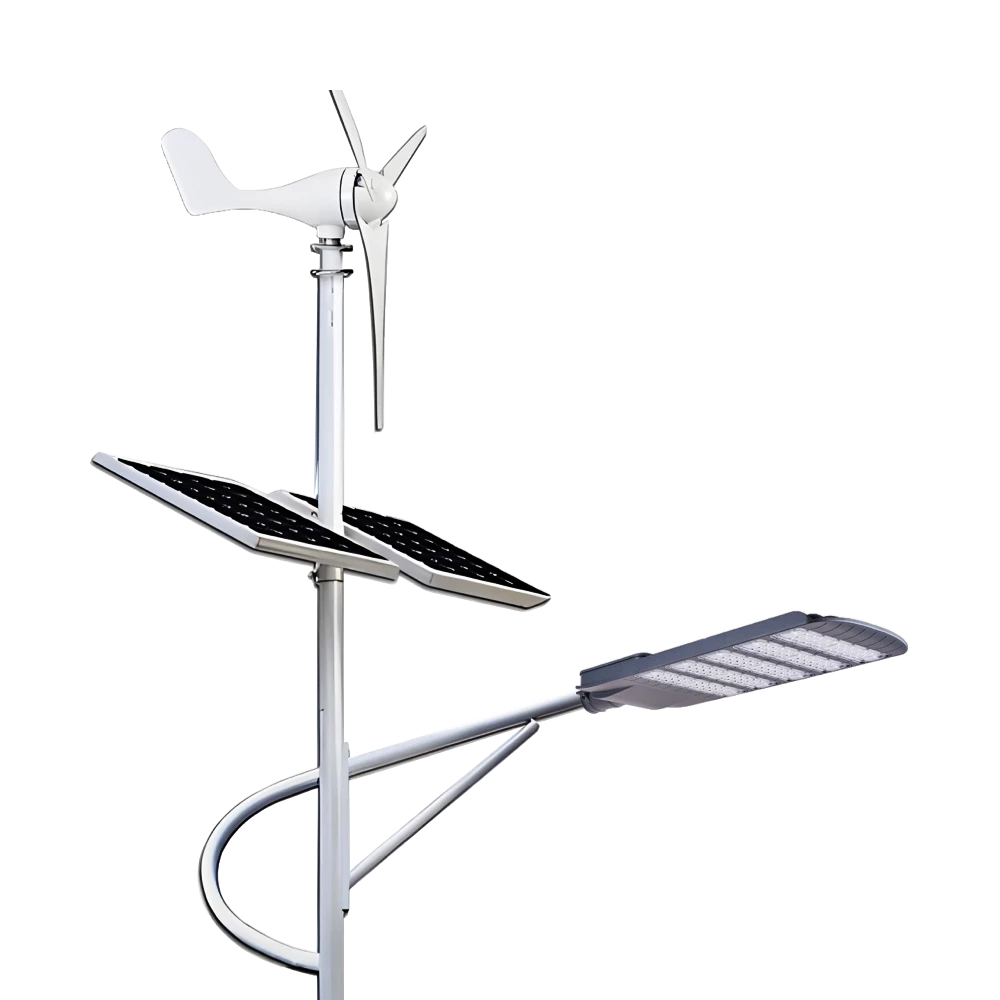
Lampu Jalan Suria Luaran LED Tenaga Angin Queneng Lufeng menawarkan pencahayaan mesra alam berprestasi tinggi. Lampu jalan LED yang cekap tenaga ini memanfaatkan tenaga suria dan tenaga angin untuk penyelesaian pencahayaan luar yang mampan dan kos efektif.
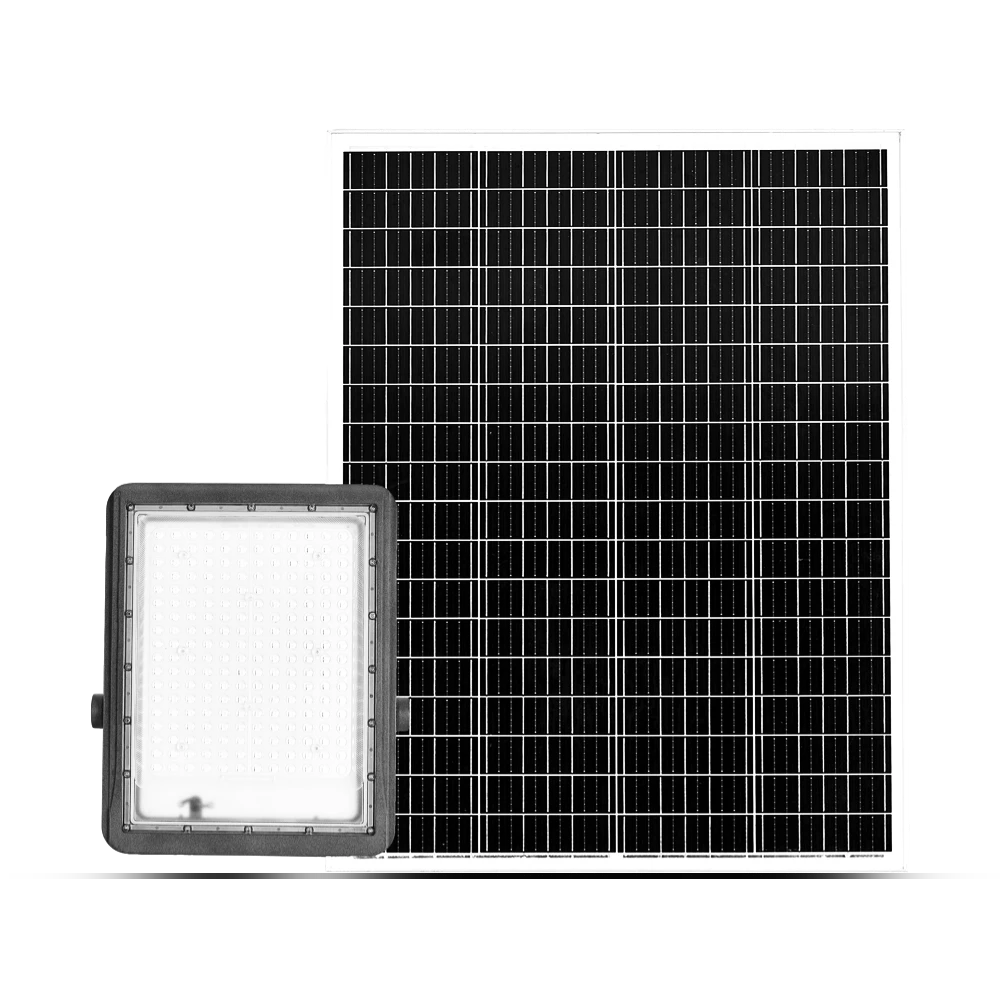
Lampu Jalan Suria Luxian Dipercayai Queneng menawarkan lampu LED penjimatan tenaga untuk kegunaan luaran. Lampu jalan berkuasa solar yang tahan lama ini memberikan pencahayaan yang boleh dipercayai, mengurangkan kos tenaga dan kesan alam sekitar. Penyelesaian yang sempurna untuk pencahayaan luaran yang mampan.
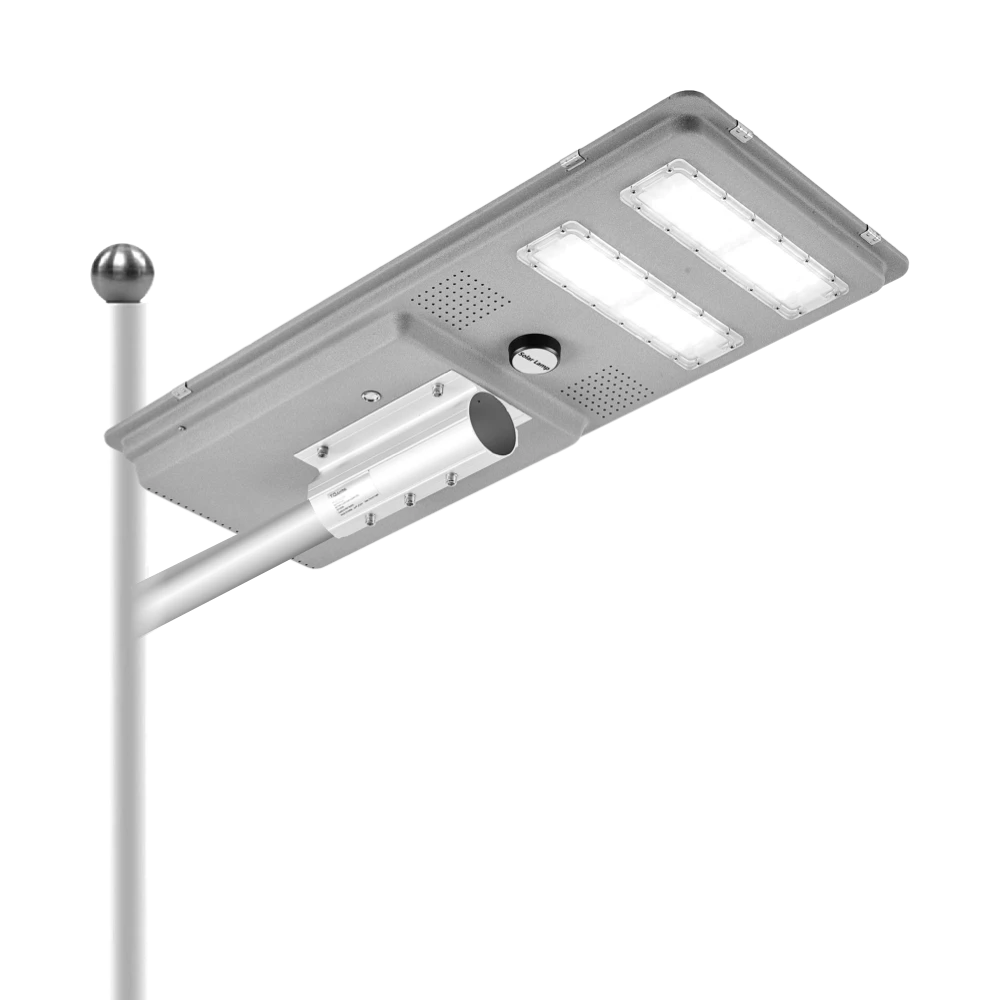
Lampu Jalan Suria Queneng direka untuk menyediakan pencahayaan yang boleh dipercayai dan cekap tenaga untuk jalan, taman dan ruang luar yang lain.
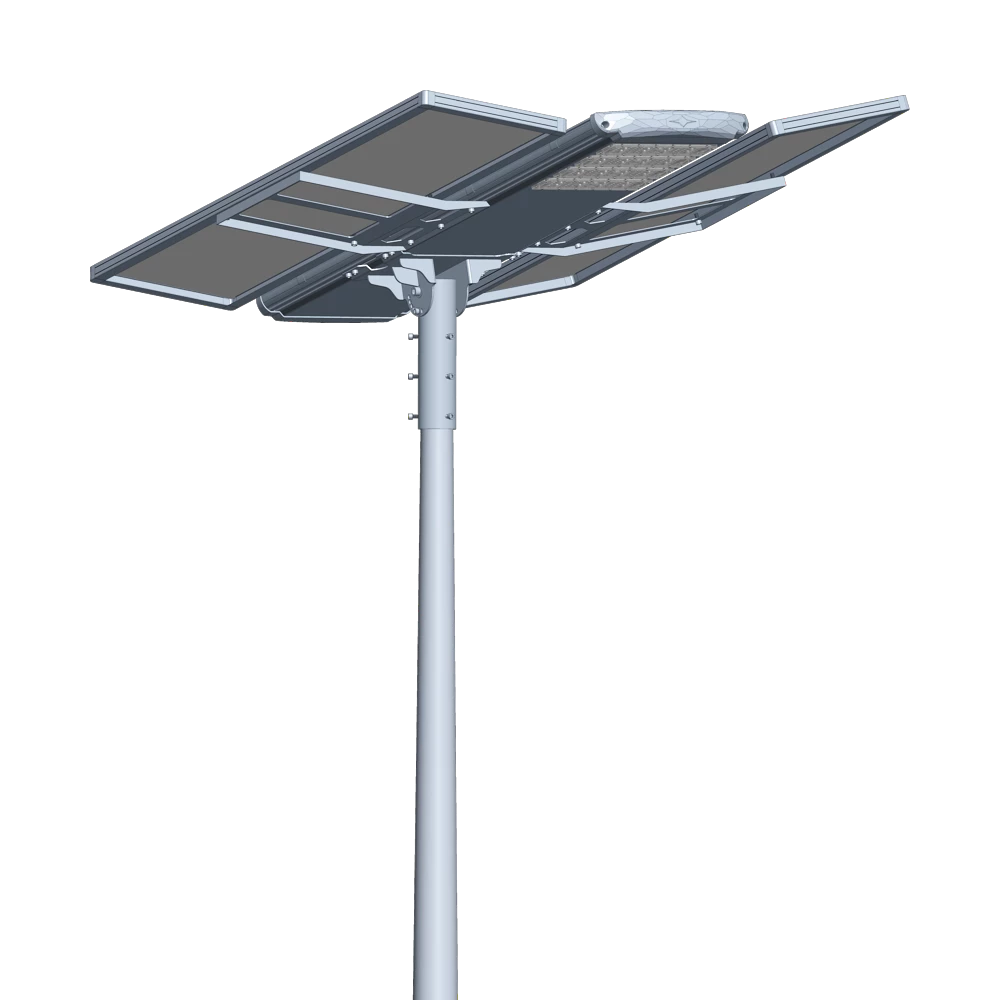
Memperkenalkan Lampu Jalan Suria Luqing oleh Queneng, Pencahayaan LED yang cekap dikuasakan oleh tenaga suria sesuai untuk menerangi kawasan luar. Manfaatkan kuasa tenaga suria untuk lampu jalan yang mampan dan boleh dipercayai. Ideal untuk penyelesaian pencahayaan luar yang mesra alam, kos efektif.
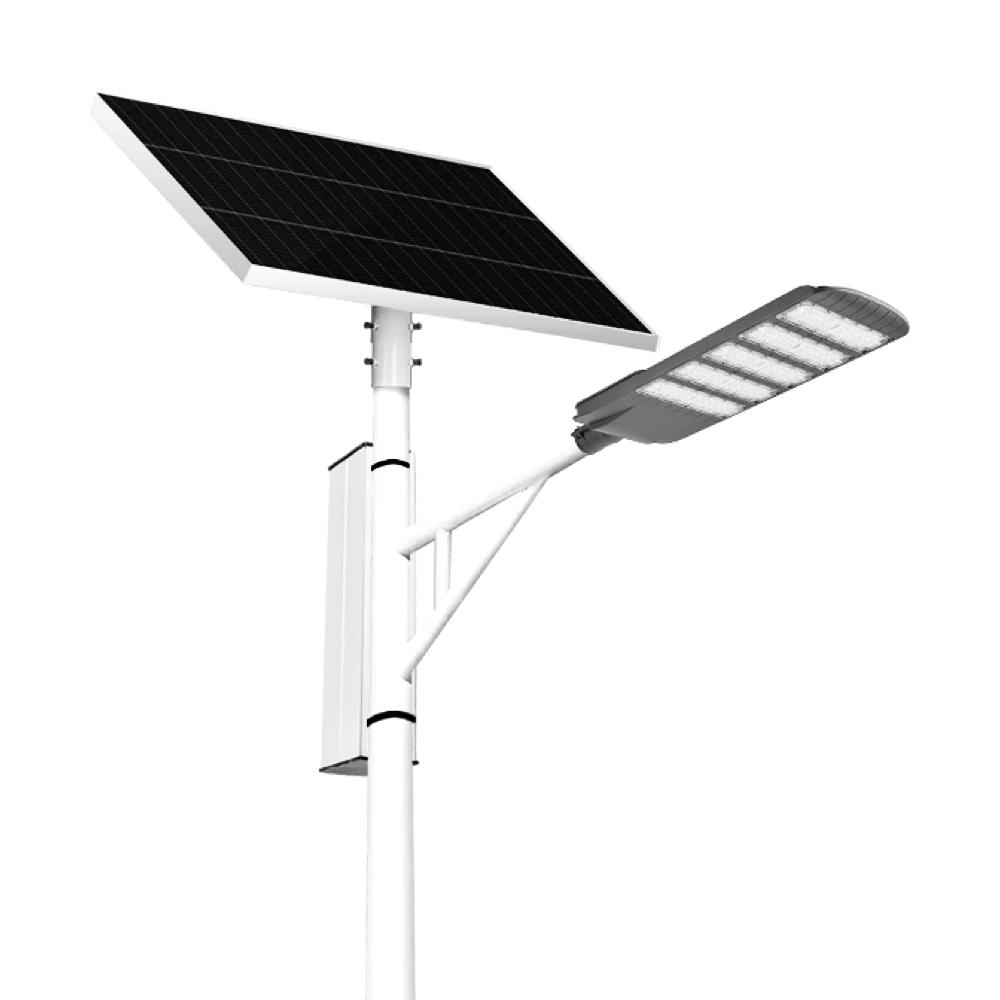
Lampu Jalan Suria Luhao untuk Perbandaran direka untuk memberikan penyelesaian pencahayaan awam yang boleh dipercayai, cekap tenaga dan kos efektif. Dilengkapi dengan teknologi LED termaju, bateri litium tahan lama dan panel suria berkecekapan tinggi, lampu jalan ini memberikan pencahayaan yang konsisten untuk jalan raya, taman, kawasan kediaman dan projek kerajaan.
Jika anda ingin maklumat lanjut tentang penyelesaian pencahayaan solar Queneng, sila hantar mesej kepada kami dengan mengisi borang di bawah. Pasukan profesional kami akan menghubungi anda semula dalam masa 24 jam!
Yakinlah bahawa privasi anda adalah penting bagi kami, dan semua maklumat yang diberikan akan dikendalikan dengan kerahsiaan sepenuhnya.
Jadualkan Mesyuarat
Tempah tarikh dan masa yang sesuai untuk anda dan kendalikan sesi lebih awal.
Ada lagi soalan tentang produk atau perkhidmatan kami?
Pengutus cahaya & penukaran kuasa
Perlindungan alam sekitar dan pembuatan pintar adalah falsafah jenama kami, dan jaminan kualiti serta pengalaman pengguna terbaik adalah janji abadi kami kepada pengguna.
HUBUNGI
No.9F, Bangunan F, Taman Logistik Cao San Xin Tian Hong, Bandar Guzhen, Bandar Zhongshan, Wilayah Guangdong, China.
atau menulis[e-mel dilindungi]
WhatsApp: +86 136 2270 1011


© 2026 Queneng Lighting. Hak Cipta Terpelihara. Dikuasakan oleh gooeyun.