













ROI comparison between traditional and LED solar lighting systems | Insights by Quenenglighting
Maximizing Your Investment: ROI Comparison Between Traditional and LED Solar Lighting Systems
For procurement professionals in the solar lighting industry, understanding the long-term value of different systems is paramount. While solar lighting itself offers undeniable benefits over grid-tied options, the choice between traditional and LED solar lighting systems significantly impacts your project's Return on Investment (ROI) and overall operational efficiency. This guide delves into the crucial factors that differentiate these technologies, providing data-driven insights to inform your purchasing decisions.
What's the Upfront Cost Difference, and How Does It Impact My Budget?
Initially, traditional solar lighting systems, often utilizing High-Pressure Sodium (HPS) or Metal Halide (MH) lamps, might appear to have a lower purchase price per unit compared to their LED counterparts. For example, a basic traditional solar street light might range from $300-$800, while a comparable LED solar street light could start from $500-$1500+, depending on wattage, battery capacity, and smart features. However, this initial cost difference has narrowed considerably in recent years as LED technology becomes more affordable. It's crucial to view this not as a standalone figure but in context with long-term operational savings.
How Much Can I Save on Energy and Operations with LED Solar Lighting?
This is where LED solar lighting truly shines. LEDs are inherently more energy-efficient. A 30W LED fixture can often provide equivalent or superior illumination to a 70-100W HPS/MH lamp. This means LED systems require smaller solar panels and batteries to achieve the same run time, translating to:
- Smaller, more efficient solar arrays: Reducing initial material costs for PV panels.
- Smaller battery banks: Significantly impacting the most expensive component in a solar lighting system.
- Extended run times: More reliable performance, especially during prolonged cloudy periods.
Which System Lasts Longer and Requires Less Frequent Replacement?
Longevity is a critical factor for ROI.
- LED Fixtures: LED luminaires boast an impressive lifespan of 50,000 to 100,000 operating hours or more, translating to 10-20+ years of typical night-time use. This drastically reduces the need for frequent light source replacement.
- Traditional Fixtures: HPS/MH bulbs typically last 10,000 to 24,000 hours, meaning they require replacement every 2-5 years. Their ballasts can also fail, adding to replacement costs.
- Batteries: Modern LiFePO4 batteries, commonly used with LED solar systems, offer 7-10 years of lifespan and thousands of charge cycles. Older lead-acid (Gel/AGM) batteries, still found in some traditional systems, typically last 3-5 years. This significant difference in battery lifespan alone can justify the initial higher cost of an LED system.
What Are the True Maintenance Costs Over the Lifetime of Traditional vs. LED Solar Lights?
Maintenance is a hidden cost that significantly impacts ROI.
- Traditional Systems: Require regular bulb replacements (every few years), which involves labor, equipment (e.g., lift trucks), and disposal costs. Ballast failures also add to maintenance.
- LED Systems: Maintenance is minimal. The primary tasks are periodic cleaning of the solar panel and occasional battery health checks. Bulb replacement is virtually eliminated for a decade or more.
Beyond Savings, What Are the Environmental and Performance Advantages of LED Solar?
While ROI often focuses on financial returns, environmental responsibility and superior performance also contribute to long-term value.
- Environmental Impact: LEDs contain no mercury or hazardous gasses, making them safer for disposal and more environmentally friendly. Their lower energy consumption also reduces the overall carbon footprint associated with manufacturing and power generation (even for solar, efficiency matters).
- Light Quality & Control: LEDs offer better color rendering (CRI), providing clearer and more natural light. Their directional light output minimizes light pollution compared to the omnidirectional nature of HPS/MH lamps, ensuring light is directed where needed.
- Durability: LEDs are solid-state devices, more resistant to vibration and impact than fragile traditional bulbs, making them ideal for outdoor environments.
What Is the Typical Return on Investment (ROI) and Payback Period for LED Solar Lighting?
Considering the factors above, LED solar lighting systems consistently demonstrate a superior ROI. While specific figures vary based on location, energy costs avoided, and system specifics, many analyses show that the payback period for investing in LED solar lighting can be as short as 3-5 years when compared to traditional solar or even longer grid-tied options, due to:
- Lower Operating Costs: Minimized energy draw from the battery.
- Reduced Maintenance: Fewer replacements and service calls.
- Longer Lifespan: Fewer system overhauls or replacements.
- Higher Reliability: Consistent performance and less downtime.
How Do Smart Technologies in LED Solar Lighting Contribute to Better ROI?
Modern LED solar lighting systems often integrate smart technologies that further enhance their ROI:
- Remote Monitoring & Control: Allows for real-time performance tracking, fault detection, and remote dimming/scheduling. This reduces the need for physical inspections, saving labor costs and improving system uptime.
- Motion Sensing & Adaptive Dimming: Lights can operate at a lower intensity when no one is present, brightening only when motion is detected. This significantly conserves battery power, extending battery life and allowing for smaller battery banks or longer autonomy.
- IoT Integration: Enables network-wide control and data analysis, optimizing overall system performance across an entire installation.
Conclusion: The Quenenglighting Advantage
When making procurement decisions for solar lighting, the long-term perspective clearly favors LED systems. While the initial investment might sometimes be marginally higher, the cumulative savings from reduced energy consumption, minimal maintenance, extended lifespan, and advanced smart features lead to a significantly lower Total Cost of Ownership and a much stronger Return on Investment.
At Quenenglighting, we specialize in high-quality, durable, and intelligent LED solar lighting solutions. Our systems are designed with efficiency, longevity, and low maintenance in mind, leveraging advanced LiFePO4 battery technology, high-efficiency LED drivers, and smart control systems. By choosing Quenenglighting, you invest in a solution that offers:
- Superior Energy Efficiency: Maximize light output with minimal power consumption.
- Extended Lifespan & Durability: Robust components designed for years of reliable, maintenance-free operation.
- Advanced Smart Features: Remote management, adaptive lighting, and motion sensing for optimized performance and energy savings.
- Exceptional ROI: Delivering a quick payback period and substantial long-term savings for your projects.
Data Reference Sources:
- Industry reports on LED lighting efficiency and lifespan (e.g., DOE, IEA).
- Manufacturers' specifications for solar street lights and components (LEDs, batteries).
- Market analysis and cost comparison studies for solar lighting systems.
- Energy efficiency guides for outdoor lighting.
- Reports on battery technology lifespan (e.g., LiFePO4 vs. Lead-Acid).

Have more questions about our products or services?
The latest hot news you might like

Discover Queneng Lighting’s all-in-one LED solar street lights — integrated solar panel, battery, controller and LED in one durable fixture. Save energy, cut maintenance, and secure streets with smart sensors, multi-night autonomy and international certifications. Contact sales for quotes and support.

Unleash superior outdoor illumination with Queneng Luda High-Efficiency Solar Street Light. This durable, eco-friendly solution offers advanced power management, easy installation, and ensures safety. Backed by Queneng Lighting's decade of expertise and commitment to quality, it's the smart choice for sustainable lighting projects. Learn why we're a leading solar solutions provider.

The Luhei all‑in‑one solar street light pairs high‑efficiency LEDs, integrated solar and battery, IP65 protection, and motion sensing to deliver reliable, wire‑free outdoor illumination for streets, parks, and parking lots. Backed by Queneng Lighting’s certifications and support.

FAQ
Battery and Analysis
What is overcharging and what effect does it have on battery performance?
Positive electrode: 4OH- - 4e → 2H2O + O2↑;①
Negative electrode: 2H2 + O2 → 2H2O②
Since the negative electrode capacity is higher than the positive electrode capacity during design, the oxygen generated by the positive electrode passes through the separator paper and combines with the hydrogen generated by the negative electrode. Therefore, under normal circumstances, the internal pressure of the battery will not increase significantly. However, if the charging current is too large, Or if the charging time is too long, the generated oxygen will not be consumed in time, which may cause the internal pressure to rise, battery deformation, leakage and other adverse phenomena. At the same time, its electrical properties will also be significantly reduced.
Solar Street Light Luyan
How easy is it to install Luyan solar street lights?
Luyan solar street lights are designed for easy installation. They require no external wiring or complex electrical setups. The installation typically involves mounting the pole, securing the light fixture, and positioning the solar panel for optimal sun exposure. This makes them ideal for both residential and commercial installations.
Industry
Will the solar street lights work effectively in winter or during low sunlight conditions?
Queneng’s solar lights are equipped with high-capacity batteries, ensuring normal illumination even in low-light conditions, making them ideal for regions with frequent winter or rainy weather.
OEM&ODM
Can I customize the product appearance and packaging?
Yes! We offer full customization on housing color, logo printing, battery configuration, controller type, and box design.
Sustainability
What is the wind resistance rating of Queneng solar street lights?
Our solar street lights are rigorously tested and can withstand wind speeds of up to 120 km/h. For areas with particularly strong winds, we offer customized solutions to enhance wind resistance.
Batteries and the environment
What is a green battery?
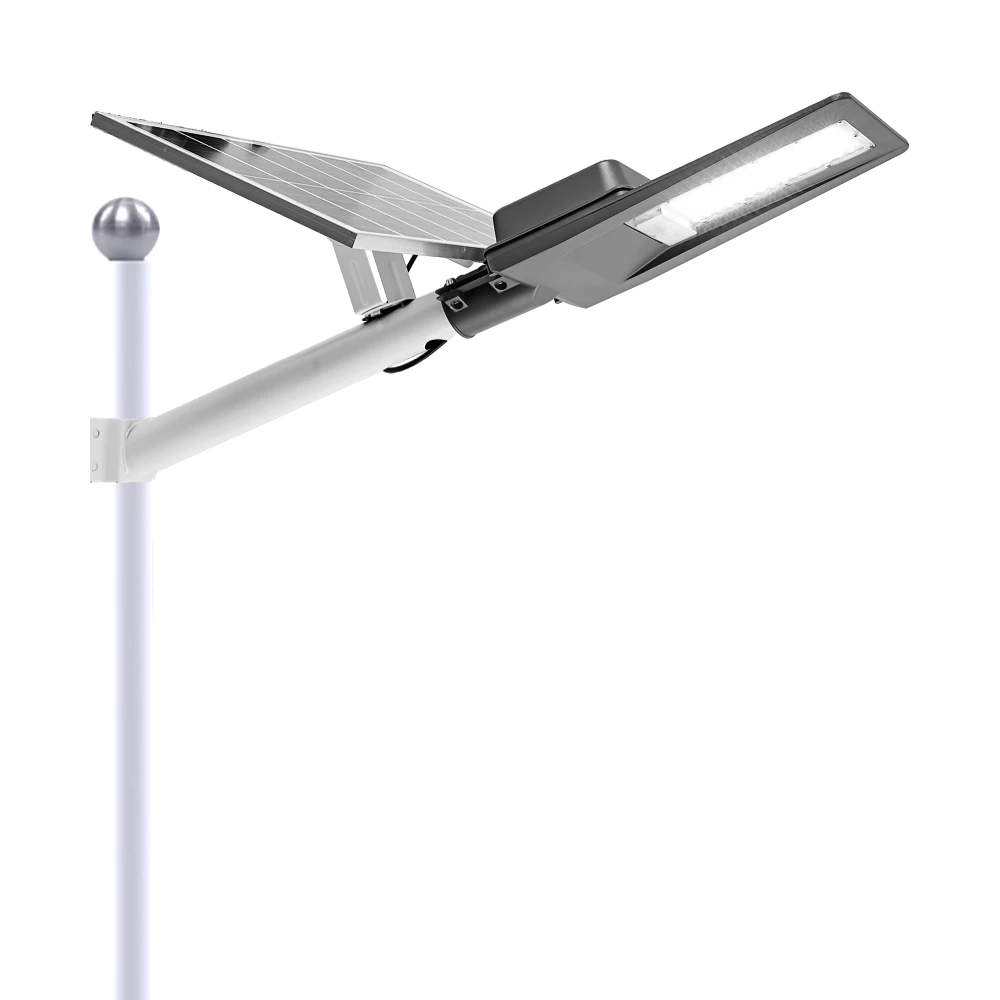
Experience reliable outdoor illumination with our smart solar street light, a perfect combination of advanced technology and eco-conscious design.
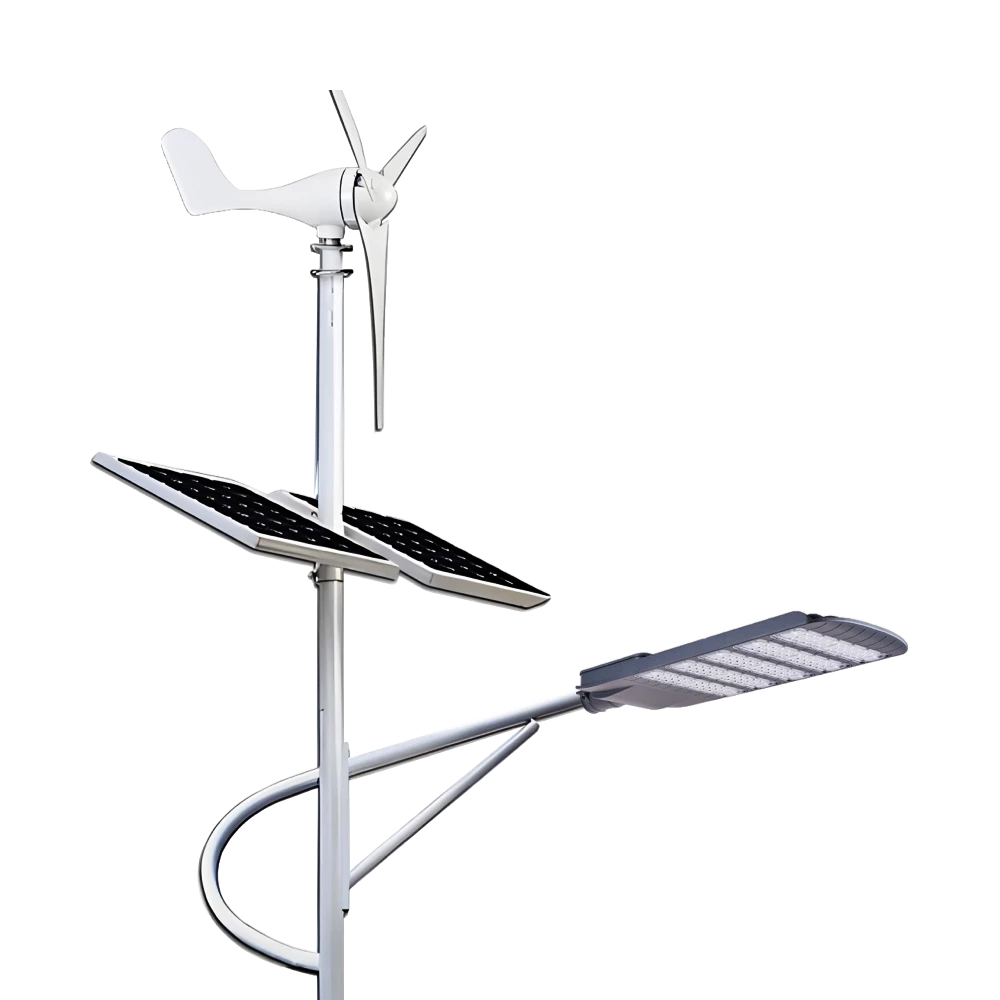
Queneng Lufeng Wind Energy LED Outdoor Solar Street Lights offer high-performance, eco-friendly illumination. These energy-efficient LED street lights harness solar power and wind energy for sustainable, cost-effective outdoor lighting solutions.
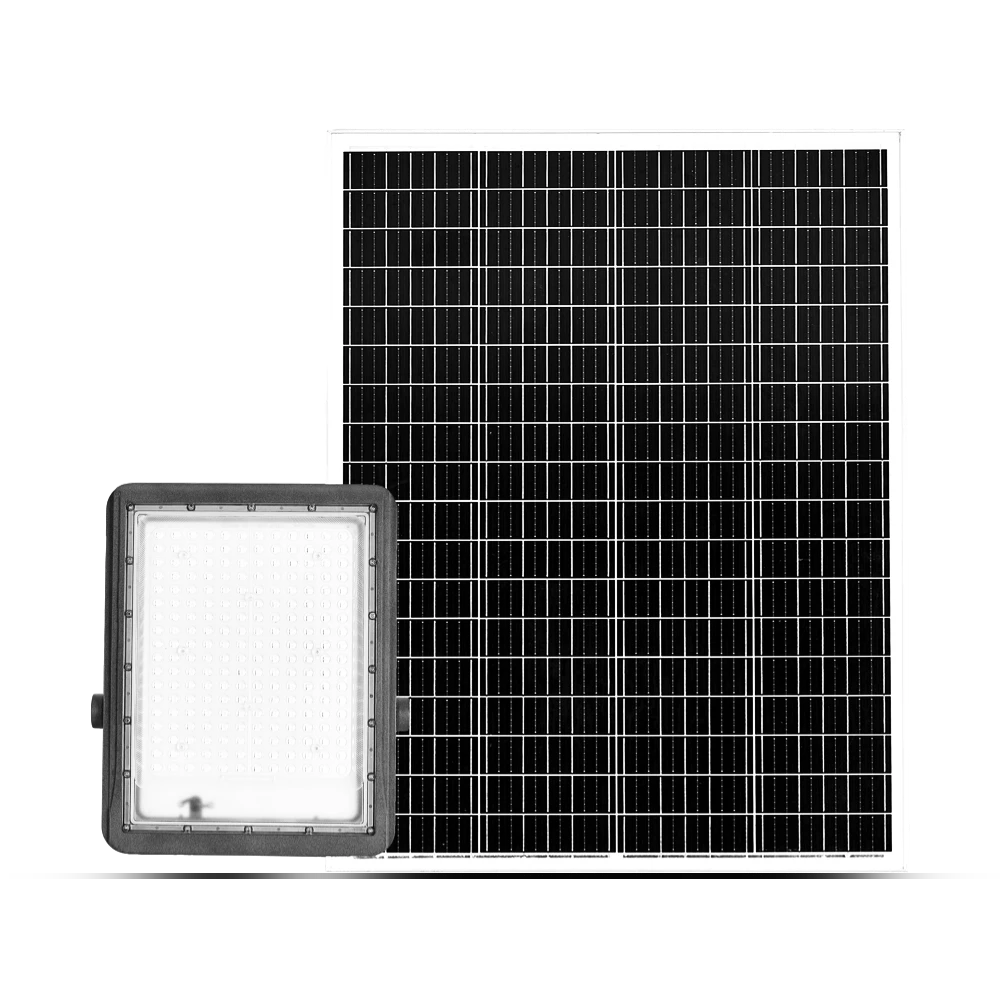
Queneng's Luxian Reliable Solar Street Light offers energy-saving LED lighting for outdoor use. This durable, solar-powered street light provides reliable illumination, reducing energy costs and environmental impact. A perfect solution for sustainable outdoor lighting.
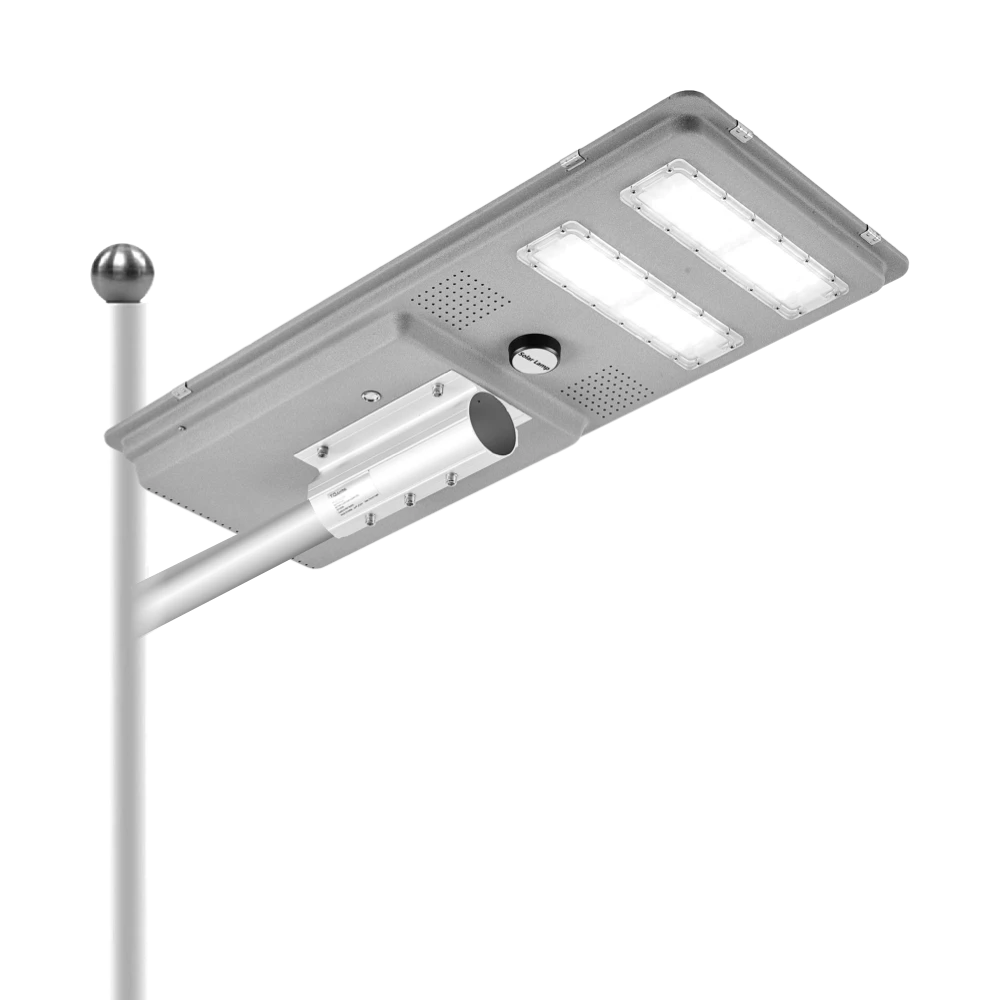
Queneng’s Solar Street Lights are designed to provide reliable, energy-efficient lighting for streets, parks, and other outdoor spaces.
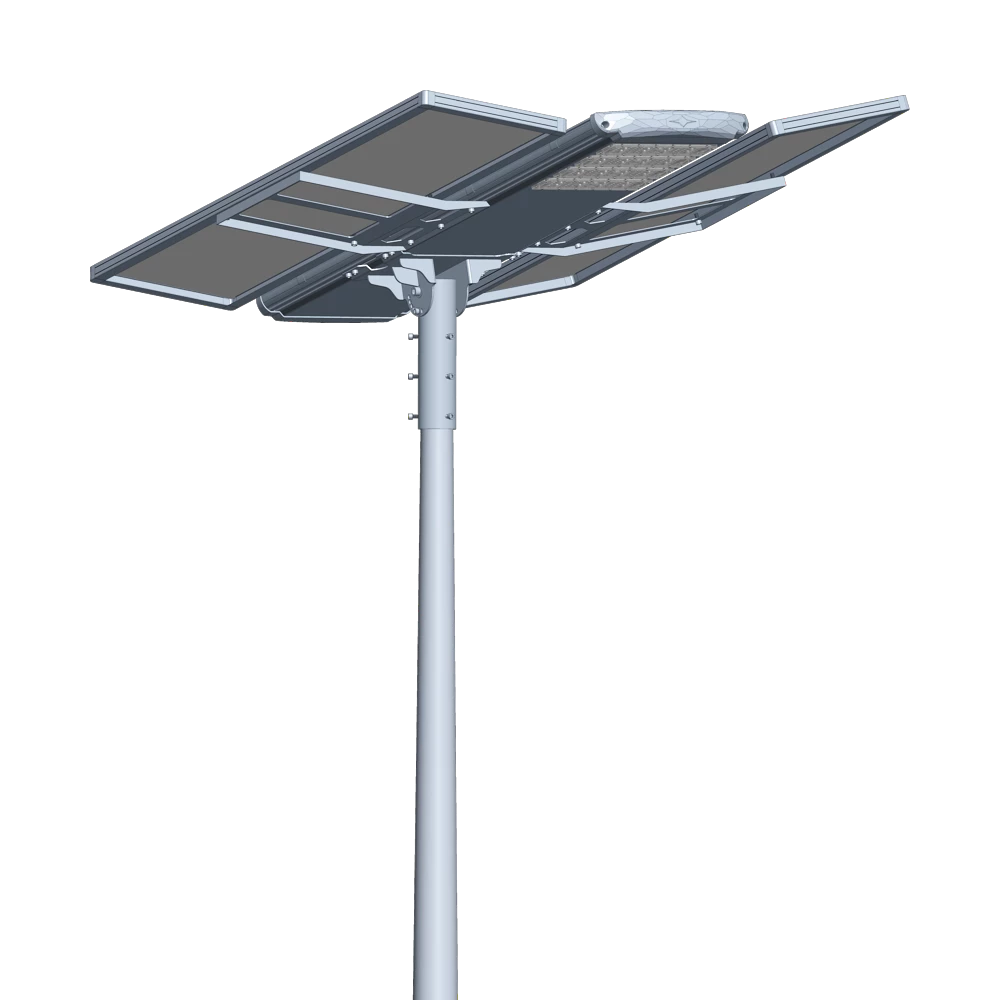
Introducing the Luqing Solar Street Light by Queneng, Efficient LED lighting powered by solar energy is perfect for illuminating outdoor areas. Harness the power of solar energy for sustainable, reliable street lighting. Ideal for eco-friendly, cost-effective outdoor illumination solutions.
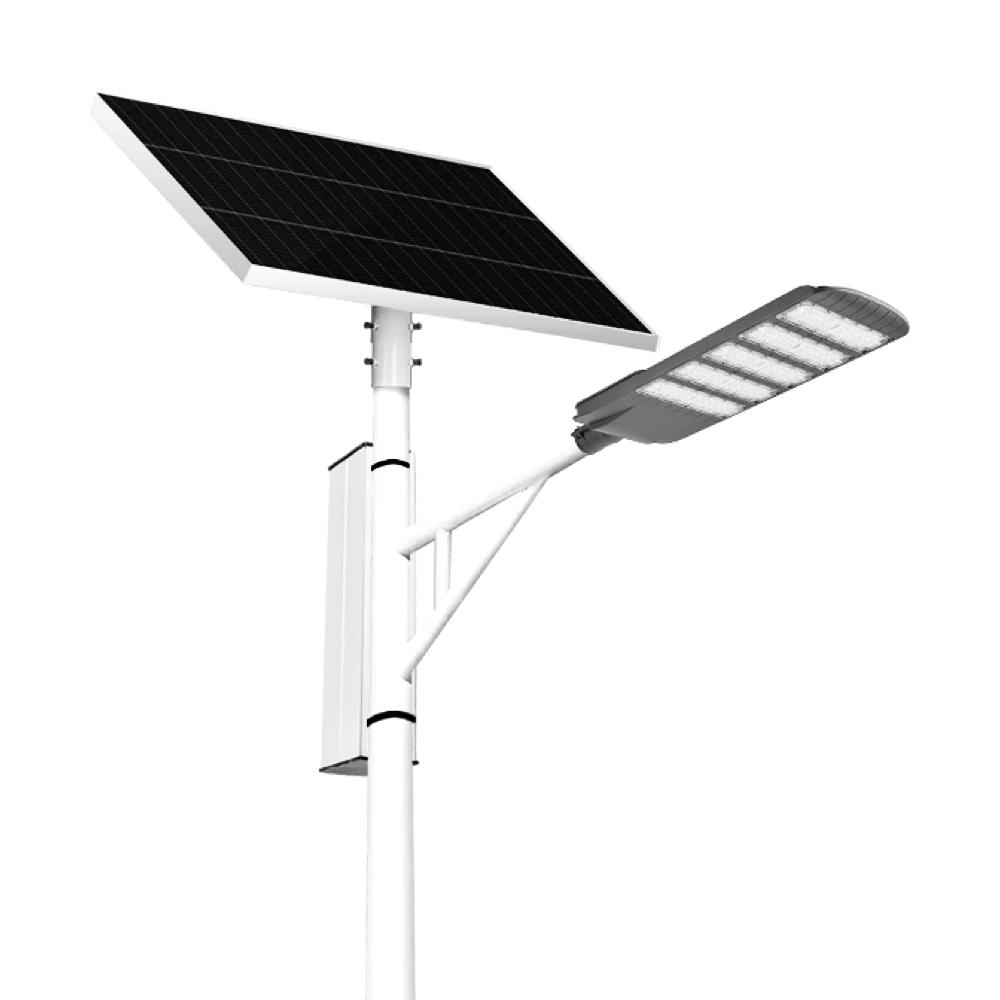
The Solar Streetlights of Luhao for Municipalities are designed to deliver reliable, energy-efficient, and cost-effective public lighting solutions. Equipped with advanced LED technology, durable lithium batteries, and high-efficiency solar panels, these streetlights provide consistent illumination for roads, parks, residential areas, and government projects.
If you would like more information about Queneng solar lighting solutions, please send us a message by filling out the form below. Our professional team will get back to you within 24 hours!
Rest assured that your privacy is important to us, and all information provided will be handled with the utmost confidentiality.
Schedule a Meeting
Book a date and time that is convenient for you and conduct the session in advance.
Have more questions about our products or services?
The messenger of light & power conversion
Environmental protection and intelligent manufacturing are our brand philosophy, and quality assurance and the best user experience are our eternal promises to users.
CONTACT
No.9F, Building F, Cao San Xin Tian Hong Logistics Park, Guzhen Town, Zhongshan City, Guangdong Province, China.
or write [email protected]
WhatsApp: +86 136 2270 1011


