






¿Cómo pueden los distribuidores nigerianos reducir los costos de adquisición de farolas solares?
Dominando las adquisiciones: Perspectivas para distribuidores nigerianos sobre alumbrado público solar
La demanda de soluciones de iluminación sostenibles y fiables crece rápidamente en Nigeria, lo que posiciona el alumbrado público solar como una tecnología clave. Para los distribuidores nigerianos, comprender los detalles del proceso de adquisición, desde los factores de coste hasta la selección del fabricante, es crucial para asegurar ventajas competitivas y ofrecer valor a sus clientes. Este artículo aborda preguntas clave para guiar sus decisiones de compra.
1. ¿Qué factores determinan principalmente el costo de una farola solar?
El precio de una farola solar es la suma de varios componentes y características esenciales. Comprender estos elementos es fundamental para evaluar su valor:
- Panel solar (módulo fotovoltaico):La potencia y el tipo (las monocristalinas suelen ser más eficientes) inciden directamente en el coste. Se necesita una mayor potencia para obtener luces más brillantes o una mayor autonomía.
- Batería:Este suele ser el componente más caro. Las baterías de fosfato de hierro y litio (LiFePO₄) son ahora el estándar de la industria, ofreciendo una mayor vida útil (normalmente de 8 a 10 años o de 2000 a 5000 ciclos de carga con una profundidad de descarga del 80 %) y un mejor rendimiento a altas temperaturas en comparación con las antiguas baterías de plomo-ácido. La capacidad (Ah) determina la autonomía (cuántas noches puede funcionar sin sol).
- Fuente de luz LED:La potencia (vatios), la eficacia luminosa (lúmenes por vatio) y la marca de los chips LED (p. ej., Philips, Cree, Osram) influyen significativamente en el brillo y la eficiencia energética. Los LED de mayor calidad ofrecen entre 150 y 180 lm/W.
- Controlador de carga:Los controladores MPPT (Maximum Power Point Tracking) son más eficientes que los PWM (Pulse Width Modulation), optimizando la carga de la batería y extendiendo su vida útil, aunque a un costo ligeramente mayor.
- Poste y accesorio:El material (acero galvanizado, aluminio), la altura y el diseño (integrado o dividido) influyen en los costos estructurales. La resistencia a la corrosión es vital para la longevidad.
- Funciones inteligentes:Los sensores de movimiento PIR, las capacidades de atenuación, la conectividad IoT y los sistemas de monitoreo remoto aumentan el costo pero mejoran la funcionalidad y el ahorro de energía.
- I+D del fabricante, reputación de marca y garantía:Los fabricantes establecidos con un fuerte esfuerzo en I+D, garantías integrales (por ejemplo, de 3 a 5 años para el sistema, de 5 a 10 años para los componentes clave) y un sólido soporte posventa exigen precios más altos, pero ofrecen mayor confiabilidad.
2. ¿Cuál es el rango de precios típico para las farolas solares en 2024 y cómo lo afecta la especificación?
A partir de 2024, el precio de una sola farola solar puede variar ampliamente, generalmente entreDe $200 a $1000+ USD, dependiendo de sus especificaciones y calidad:
- Nivel de entrada (15W-30W integrado):Estas unidades todo en uno, adecuadas para caminos o áreas residenciales, pueden costar entre$200 - $400Suelen contar con paneles solares y baterías de menor capacidad, proporcionando una autonomía de 1 a 2 noches.
- Gama media (40 W-60 W integrado/dividido):Para calles, estacionamientos o áreas comerciales que requieren una mejor iluminación y mayor autonomía, los precios suelen oscilar entre$400 - $700. Estos suelen tener baterías LiFePO4 más robustas y LED de mayor eficiencia.
- Alta gama (sistemas divididos de 80 W a 120 W o más):Diseñados para carreteras principales, autopistas o sitios industriales que necesitan una iluminación potente y constante durante varias noches, pueden costar$700 - $1000+Cuentan con paneles solares separados más grandes, baterías LiFePO4 de alta capacidad, controladores avanzados y, a menudo, funciones inteligentes.
Los precios se ven significativamente influenciados por el tipo y la capacidad de la batería elegida, la potencia del panel solar, la emisión de lúmenes del LED y la calidad de otros componentes. Comprar al por mayor a los fabricantes suele ofrecer mejores precios unitarios.
3. ¿Cómo pueden los distribuidores nigerianos identificar y evaluar eficazmente a fabricantes confiables de farolas solares?
Asociarse con un fabricante confiable es fundamental. A continuación, se detalla el proceso de selección:
- Experiencia y Especialización:Busque fabricantes con al menos 5 a 10 años de experiencia, específicamente en alumbrado público solar. La especialización suele indicar mayor experiencia y un mejor desarrollo de productos.
- Certificaciones:Exija evidencia de certificaciones internacionales de calidad como CE, RoHS, ISO 9001 (Sistema de Gestión de Calidad) e IP65/IP67 (Protección contra la entrada de polvo y agua). Las certificaciones de baterías como la UN38.3 (para transporte seguro) también son cruciales.
- Capacidades de I+D:Infórmese sobre sus esfuerzos de investigación y desarrollo. Un fabricante que invierte en I+D probablemente ofrecerá productos innovadores, eficientes y duraderos.
- Capacidad de producción y auditoría de fábrica:Evalúe su escala de producción y sus procesos de control de calidad. Si es posible, realice u organice una auditoría de fábrica (presencial o virtual) para inspeccionar las líneas de fabricación, las instalaciones de prueba y el suministro de componentes.
- Garantía y soporte posventa:Una garantía integral (por ejemplo, de 3 a 5 años para el sistema completo, de 5 a 10 años para paneles solares y baterías) y soporte técnico fácilmente disponible no son negociables.
- Referencias y reseñas:Solicite referencias de otros distribuidores internacionales o consulte reseñas independientes de la industria.
- Pedidos de muestra:Comience con un pedido de muestra pequeño para evaluar la calidad del producto, el empaque y la capacidad de respuesta de la comunicación antes de comprometerse con grandes volúmenes.
4. ¿Cuáles son las estrategias más efectivas para que los distribuidores nigerianos reduzcan sus costos de adquisición de farolas solares?
Reducir los costos de adquisición requiere planificación estratégica y negociación:
- Abastecimiento directo de los fabricantes:Evitar intermediarios (empresas comerciales) puede reducir significativamente los márgenes de beneficio. Establecer relaciones directas con las fábricas.
- Compras al por mayor:Los pedidos de mayor volumen casi siempre resultan en mejores precios unitarios gracias a las economías de escala en la fabricación y el envío. Negocie precios escalonados según la cantidad.
- Acuerdos de asociación a largo plazo:Comprometerse con un fabricante durante un período sostenido puede desbloquear precios preferenciales, condiciones de crédito y producción/envío prioritario.
- Logística y envíos optimizados:
- Transporte marítimo:Para pedidos al por mayor, el transporte marítimo es significativamente más rentable que el transporte aéreo, y permite ahorrar hasta un 80 % en costos de envío, aunque demora más (normalmente entre 4 y 6 semanas desde China a Nigeria).
- Envíos consolidados:Si es posible, combine pedidos de varios proveedores en un solo contenedor para maximizar el espacio del contenedor y reducir los costos de envío por unidad.
- Incoterms:Comprenda y negocie los Incoterms (p. ej., FOB, CIF, DDP) para definir las responsabilidades de costos. El método CIF (Costo, Seguro y Flete) a Lagos/Apapa/Puerto de Tin Can es común, pero el método DDP (Entrega con Derechos Pagados) simplifica los trámites aduaneros para el comprador si el fabricante lo ofrece.
- Estandarización vs. Personalización:Opte por modelos estándar o diseños estándar ligeramente modificados en lugar de soluciones totalmente personalizadas, que suelen ser más caras debido a las herramientas exclusivas y a las tiradas de producción más pequeñas.
- Selección de componentes:Colabore con el fabricante para encontrar el equilibrio entre la calidad y el precio de los componentes. Por ejemplo, si bien las marcas de LED de primera línea son excelentes, las alternativas de alta calidad pueden ofrecer un rendimiento similar a un precio más bajo sin comprometer la durabilidad.
- Comprensión de los derechos e impuestos de importación locales:Investigue los aranceles de importación, el IVA y otros gravámenes vigentes en Nigeria sobre los productos de energía renovable. Si bien pueden existir exenciones o tasas más bajas para ciertos componentes, estos costos deben calcularse con precisión para evitar sorpresas. Se recomienda contactar con un agente de aduanas local.
5. ¿Qué certificaciones y estándares de calidad son cruciales para garantizar farolas solares duraderas y de alto rendimiento?
Garantizar la calidad del producto es fundamental. Busque estas certificaciones esenciales y el cumplimiento de las normas:
- CE (Conformidad Europea):Obligatorio para los productos vendidos en el Espacio Económico Europeo, indicando conformidad con las normas de salud, seguridad y protección del medio ambiente.
- RoHS (Restricción de sustancias peligrosas):Los productos compatibles no contienen materiales peligrosos específicos, lo que garantiza la seguridad ambiental.
- ISO 9001:Certifica que el fabricante cuenta con un sólido Sistema de Gestión de Calidad, garantizando una calidad constante del producto.
- IP65/IP66/IP67 (Protección de entrada):Fundamental para la iluminación exterior, ya que es resistente al polvo y al agua. El grado de protección IP65 es hermético al polvo y a los chorros de agua; el grado de protección IP67 es hermético al polvo y puede soportar la inmersión temporal.
- Clasificación IK (resistencia al impacto):Mide la resistencia al impacto mecánico, importante para instalaciones públicas para prevenir el vandalismo.
- LM-79 y LM-80:Normas para probar el rendimiento fotométrico (salida de luz, distribución) y el mantenimiento del lúmen (cómo se degrada la salida de luz con el tiempo) de los productos LED.
- ONU38.3:Certificación específica para el transporte seguro de baterías de litio, críticas para el envío internacional.
6. ¿Cuáles son los beneficios a largo plazo de invertir en farolas solares en comparación con las soluciones de iluminación tradicionales?
Si bien la inversión inicial en farolas solares puede parecer mayor que la de las luces tradicionales conectadas a la red, los beneficios a largo plazo representan importantes ahorros de costos y ventajas operativas:
- Facturas de electricidad cero:Éste es el beneficio más significativo: eliminar los costos energéticos constantes durante décadas.
- Costos de instalación reducidos:Las farolas solares no requieren zanjas, cableado ni conexión a la red nacional, lo que reduce drásticamente los costos de mano de obra y materiales para su instalación.
- Menor mantenimiento:Con componentes de alta calidad como baterías LiFePO4 (vida útil de 8 a 10 años) y LED de larga duración (más de 50 000 horas), el mantenimiento se reduce significativamente en comparación con los sistemas tradicionales que requieren reemplazo de bombillas y mantenimiento de la infraestructura de la red.
- Beneficios ambientales y RSE:La reducción de la huella de carbono mejora la responsabilidad social corporativa y contribuye a los objetivos de energía renovable de Nigeria.
- Confiabilidad y autonomía:En áreas con red eléctrica inestable o inexistente, las farolas solares proporcionan una iluminación constante, mejorando la seguridad y la productividad sin depender de un suministro eléctrico poco confiable.
- Escalabilidad y flexibilidad:Más fácil de implementar en áreas remotas o como parte de un desarrollo por fases sin extensiones de infraestructura complejas.
7. ¿Qué errores comunes deben evitar los distribuidores nigerianos al comprar farolas solares?
Ser consciente de los posibles peligros puede ahorrar mucho tiempo y dinero:
- Priorizar el precio más bajo sobre la calidad:Los productos baratos suelen usar componentes de baja calidad (p. ej., baterías de baja calidad, paneles solares ineficientes), lo que provoca fallos prematuros, bajo rendimiento y mayores costes de sustitución a largo plazo. Concéntrese en la mejor relación calidad-precio, no solo en el precio más bajo.
- Ignorar la garantía y el servicio posventa:Un trato aparentemente bueno puede convertirse en una pesadilla si el fabricante no respeta las garantías o no brinda soporte técnico adecuado para los problemas.
- Especificación inadecuada para las condiciones locales:El alumbrado público solar debe estar diseñado para la irradiación solar específica de Nigeria, la temperatura ambiente y la autonomía requerida (número de días nublados). Una capacidad de batería o potencia del panel inferior a la especificada provocará que las luces fallen prematuramente o no permanezcan encendidas toda la noche.
- Falta de una investigación exhaustiva del fabricante:No verificar las certificaciones, las capacidades de producción y la confiabilidad puede llevar a recibir productos de calidad inferior o a tratar con proveedores poco confiables.
- Subestimar los costos de envío, aduanas y logística local:Estos pueden incrementar considerablemente el costo de la entrega. Solicite siempre presupuestos claros para todas las etapas de la entrega a Nigeria, incluyendo gastos portuarios, aranceles aduaneros y transporte local.
- Pasando por alto la compatibilidad e integración de productos:Si compra componentes por separado o para proyectos por fases, asegúrese de que sean compatibles. En el caso de sistemas inteligentes, asegúrese de que el software y el hardware se integren a la perfección.
Al considerar cuidadosamente estos factores, los distribuidores nigerianos pueden tomar decisiones de compra informadas, garantizando que suministran soluciones de iluminación solar pública de alta calidad, rentables y confiables que satisfagan la creciente demanda del país.
Quenenglighting: Su socio de confianza en alumbrado público solar
Como fabricante líder, Quenenglighting ofrece soluciones de alumbrado público solar robustas e innovadoras, diseñadas para diversas aplicaciones y entornos exigentes como Nigeria. Nuestro compromiso con la calidad se refleja en el uso de baterías LiFePO4 de alta calidad, chips LED de alta eficiencia y componentes duraderos, todos ellos respaldados por certificaciones exhaustivas (CE, RoHS, ISO9001, IP67). Priorizamos la I+D para ofrecer diseños inteligentes y energéticamente eficientes, y ofrecemos opciones de personalización flexibles que se adaptan a los requisitos específicos de cada proyecto. Con precios competitivos para pedidos al por mayor, sólidas políticas de garantía y soporte técnico especializado, Quenenglighting se posiciona como el socio ideal para los distribuidores nigerianos que buscan reducir los costos de adquisición, garantizando a la vez un rendimiento superior del producto y fiabilidad a largo plazo para sus clientes.
Referencias:
- IRENA (Agencia Internacional de Energías Renovables) - Costos de generación de energía renovable en 2020. (IRENA Energía Solar, Publicado 2021) - Tendencia general de reducción de costos de energía solar.
- Universidad de Baterías - BU-209: ¿Cómo funciona una batería LiFePO4? (Universidad de Battery, Consultado en junio de 2024) - Información sobre la vida útil y el ciclo de LiFePO4.
- Revista LED: ¿Qué hace que una luz LED sea buena? (Revista LEDs, Consultado en junio de 2024) - Datos de eficiencia LED.
- Servicio de Aduanas de Nigeria - Sitio web oficial (para obtener información general sobre los derechos de importación, las tarifas específicas requerirán una consulta directa o un agente de aduanas). (Servicio de Aduanas de Nigeria, Consultado en junio de 2024)
- Estimaciones de la industria y análisis de mercado para los costos de componentes y sistemas de alumbrado público solar (variaciones según el fabricante, el volumen y las características específicas).

¿Tiene más preguntas sobre nuestros productos o servicios?
Las últimas noticias que te pueden gustar

Descubra las farolas solares LED todo en uno de Queneng Lighting: panel solar, batería, controlador y LED integrados en una luminaria resistente. Ahorre energía, reduzca el mantenimiento y proteja sus calles con sensores inteligentes, autonomía multinoche y certificaciones internacionales. Contacte con el departamento de ventas para obtener presupuestos y asistencia.

Disfrute de una iluminación exterior superior con la farola solar de alta eficiencia Queneng Luda. Esta solución duradera y ecológica ofrece una gestión energética avanzada, es fácil de instalar y garantiza la seguridad. Con el respaldo de una década de experiencia y compromiso con la calidad de Queneng Lighting, es la opción inteligente para proyectos de iluminación sostenible. Descubra por qué somos un proveedor líder de soluciones solares.

La farola solar todo en uno Luhei combina LED de alta eficiencia, energía solar y batería integradas, protección IP65 y detección de movimiento para ofrecer una iluminación exterior fiable y sin cables para calles, parques y estacionamientos. Cuenta con el respaldo de las certificaciones y el soporte de Queneng Lighting.

Preguntas frecuentes
Sostenibilidad
¿Cuál es la clasificación de resistencia al viento de las farolas solares Queneng?
Nuestras farolas solares se someten a pruebas rigurosas y pueden soportar velocidades de viento de hasta 120 km/h. Para zonas con vientos especialmente fuertes, ofrecemos soluciones personalizadas para mejorar la resistencia al viento.
Quienes somos
¿Qué es Queneng?
Queneng es una empresa de alta tecnología fundada en 2011, especializada en soluciones de iluminación solar, baterías, paneles solares fotovoltaicos y sistemas completos de energía solar. Ofrecemos una gama completa de servicios, desde I+D hasta producción, ventas y soporte posventa.
Desarrollo rural en áreas remotas
¿Pueden las farolas solares integrarse con tecnologías inteligentes como la monitorización remota?
Sí, nuestros sistemas pueden incluir funciones de IoT para monitoreo y control en tiempo real.
Transporte y carreteras
¿Pueden las luces funcionar continuamente en condiciones de lluvia o nubosidad?
Sí, la batería está diseñada para almacenar suficiente energía para durar varios días sin luz solar.
Farola solar Luhao
¿Se puede utilizar la farola solar Luhao en zonas residenciales?
Sí, la farola solar Luhao es adecuada tanto para aplicaciones residenciales como comerciales. Es perfecta para iluminar caminos de acceso, jardines, senderos o cualquier área al aire libre que requiera una iluminación confiable y de bajo consumo.
Farola solar Luyi
¿Pueden las farolas solares Luyi funcionar en áreas con clima nublado o lluvioso?
Sí, las farolas solares de Luyi están diseñadas para funcionar de manera eficiente incluso en días nublados o lluviosos. Los paneles solares de alta eficiencia pueden capturar y almacenar energía en condiciones de poca luz, lo que garantiza que las luces permanezcan operativas durante toda la noche. El sistema está equipado con una batería lo suficientemente grande como para almacenar energía durante períodos prolongados, lo que las hace confiables incluso en días nublados.
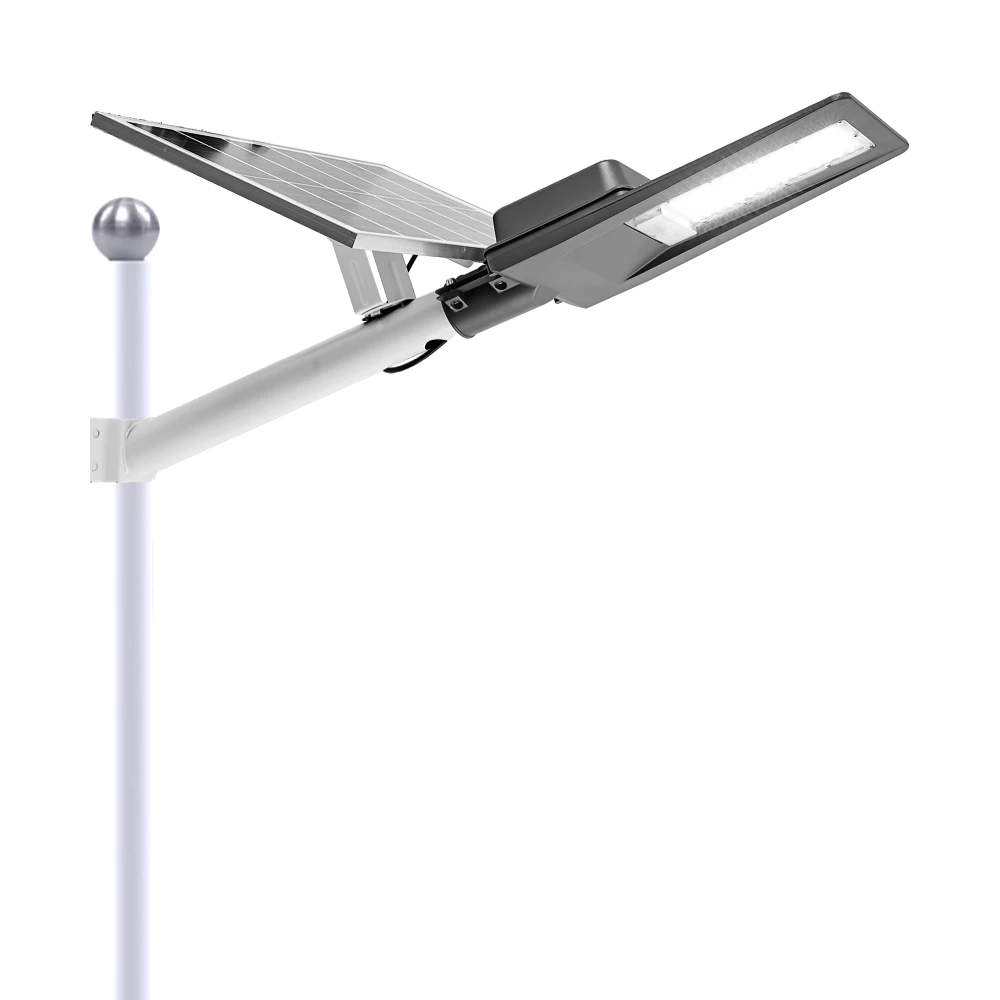
Experimente una iluminación exterior confiable con nuestra farola solar inteligente, una combinación perfecta de tecnología avanzada y diseño ecológico.
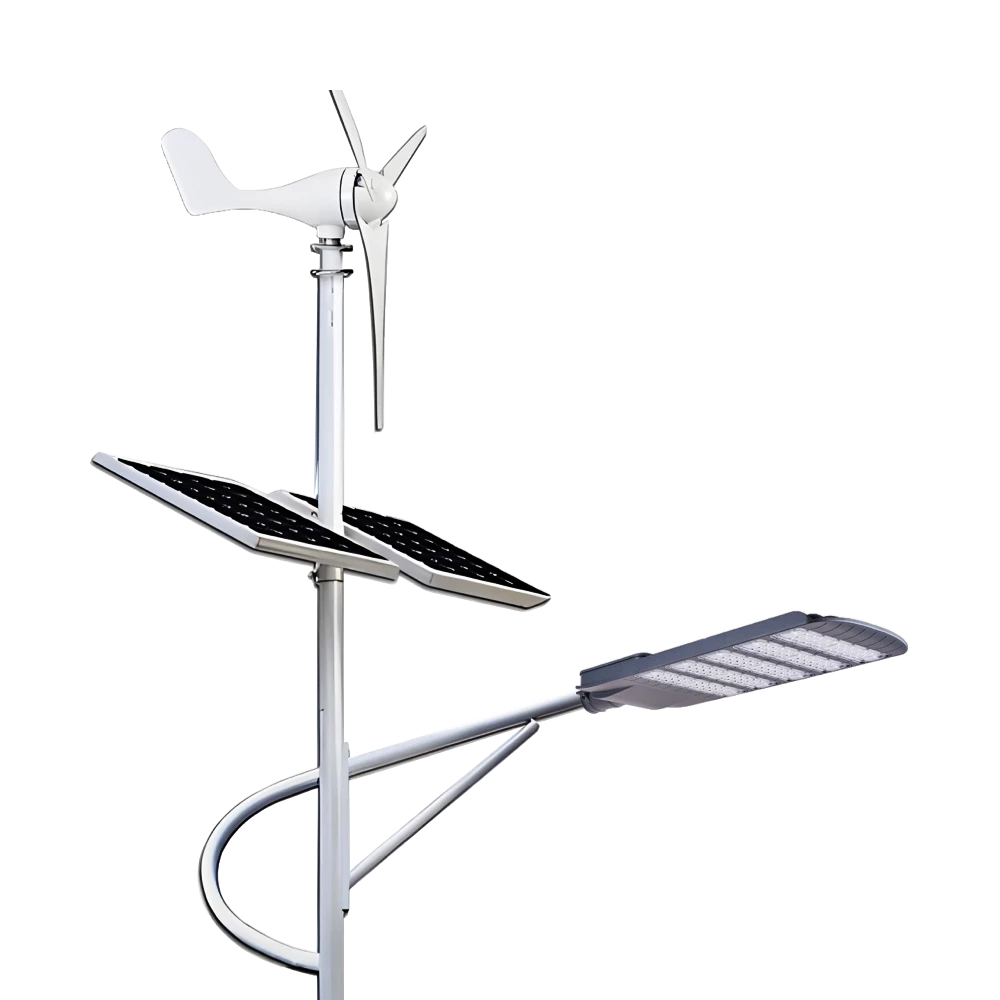
Las farolas solares LED para exteriores con energía eólica de Queneng Lufeng ofrecen iluminación ecológica y de alto rendimiento. Estas farolas LED de bajo consumo aprovechan la energía solar y eólica para ofrecer soluciones de iluminación para exteriores sostenibles y rentables.
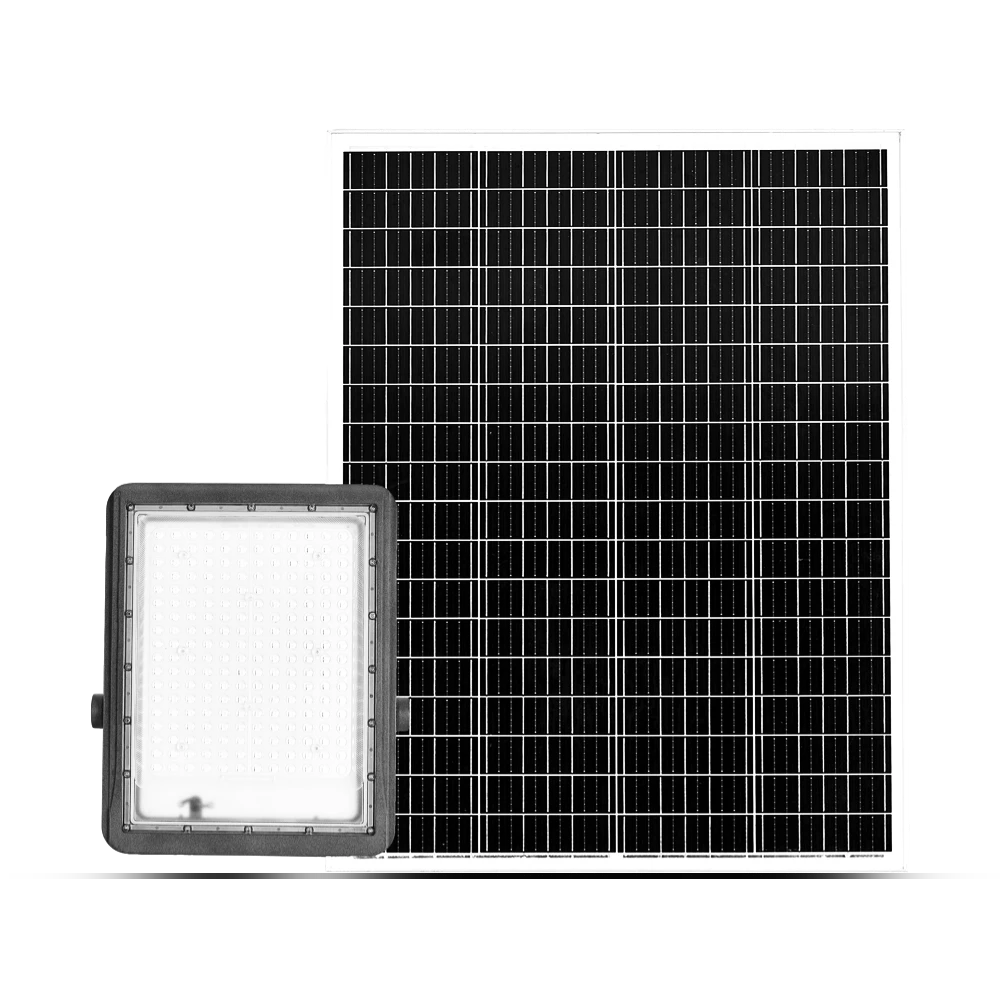
La farola solar confiable Luxian de Queneng ofrece iluminación LED de bajo consumo para uso en exteriores. Esta farola duradera alimentada por energía solar proporciona una iluminación confiable, lo que reduce los costos de energía y el impacto ambiental. Una solución perfecta para la iluminación sostenible en exteriores.
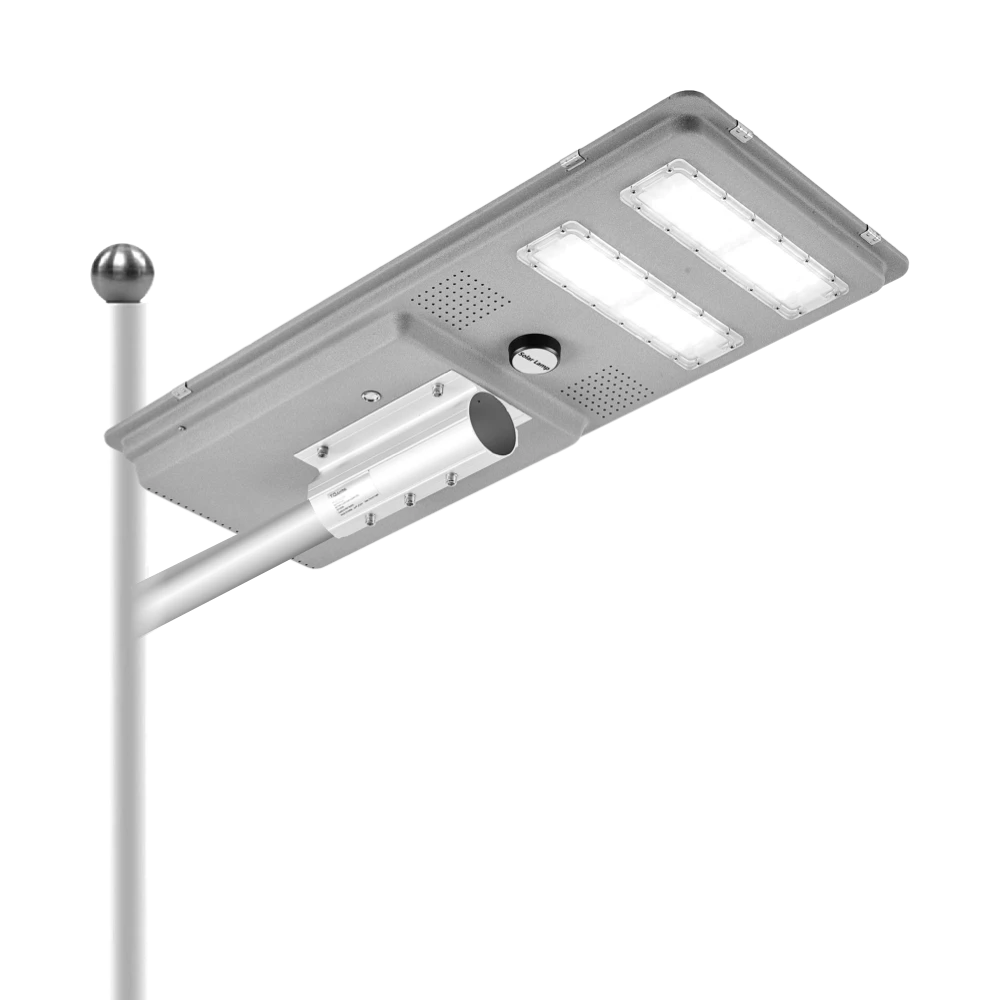
Las farolas solares de Queneng están diseñadas para proporcionar iluminación confiable y energéticamente eficiente para calles, parques y otros espacios al aire libre.
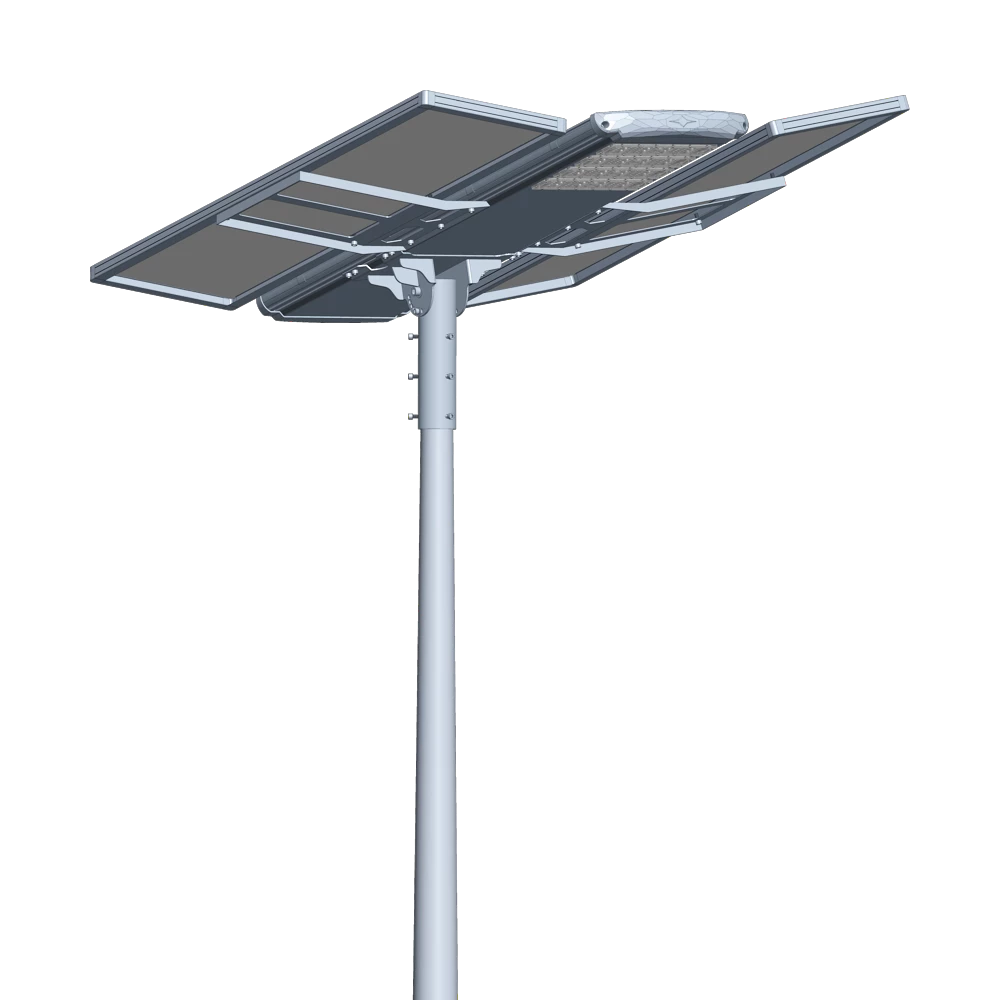
Presentamos la farola solar Luqing de Queneng. La iluminación LED eficiente alimentada por energía solar es perfecta para iluminar áreas al aire libre. Aproveche el poder de la energía solar para una iluminación de calles sostenible y confiable. Ideal para soluciones de iluminación exterior ecológicas y rentables.
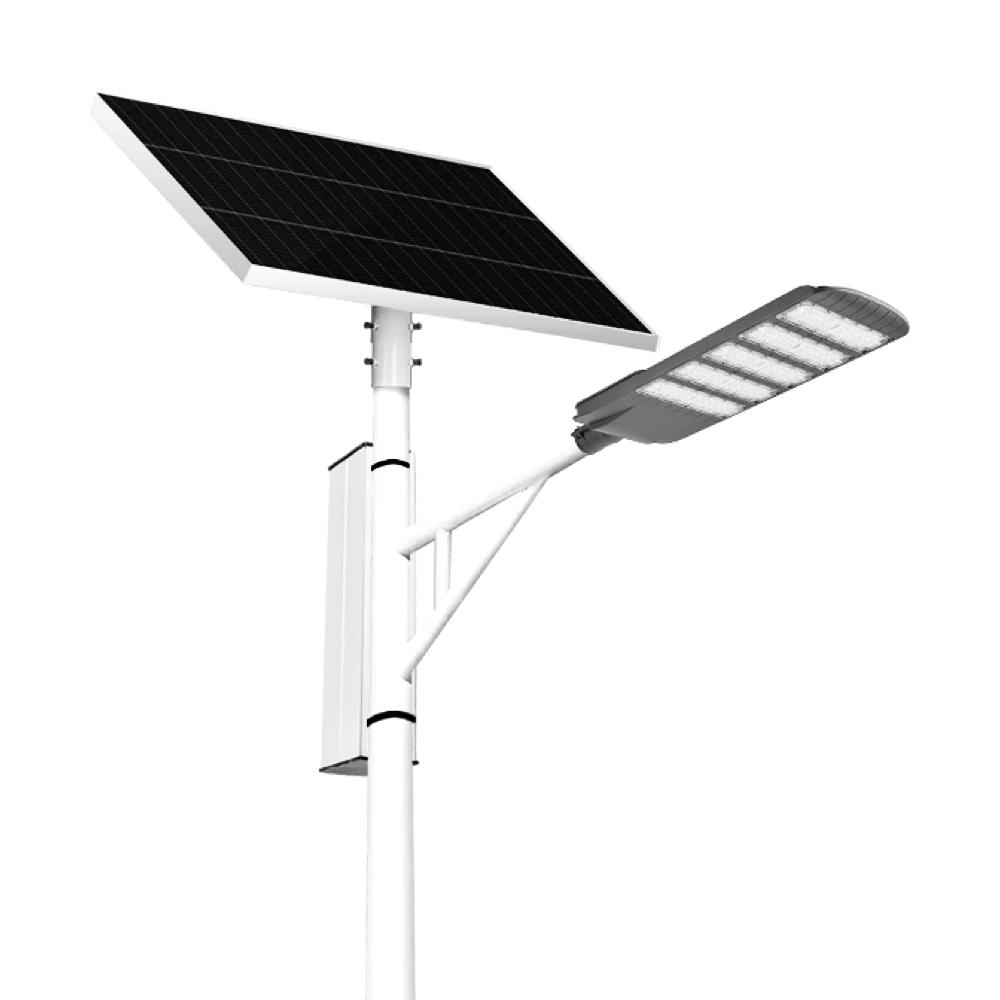
Las farolas solares de Luhao para municipios están diseñadas para ofrecer soluciones de alumbrado público fiables, energéticamente eficientes y rentables. Equipadas con tecnología LED avanzada, baterías de litio de larga duración y paneles solares de alta eficiencia, estas farolas proporcionan una iluminación uniforme en carreteras, parques, zonas residenciales y proyectos gubernamentales.
Si desea más información sobre las soluciones de iluminación solar de Queneng, envíenos un mensaje completando el formulario a continuación. Nuestro equipo de profesionales se pondrá en contacto con usted en 24 horas.
Tenga la seguridad de que su privacidad es importante para nosotros y que toda la información proporcionada será manejada con la máxima confidencialidad.
Programar una reunión
Reserve una fecha y hora que sea conveniente para usted y realice la sesión con antelación.
¿Tiene más preguntas sobre nuestros productos o servicios?
El mensajero de la luz y la conversión de poder.
La protección del medio ambiente y la fabricación inteligente son nuestra filosofía de marca, y la garantía de calidad y la mejor experiencia de usuario son nuestras promesas eternas a los usuarios.
CONTACTO
No. 9F, Edificio F, Parque Logístico Cao San Xin Tian Hong, Ciudad Guzhen, Ciudad Zhongshan, Provincia de Guangdong, China.
o escribe[correo electrónico protegido]
WhatsApp: +86 136 2270 1011


© 2026 Queneng Lighting. Todos los derechos reservados. Desarrollado por gooeyun.