














Faut-il installer un système IoT sur les lampadaires solaires ? Avantages, cas d'utilisation et guide 2025
Découvrez si l'intégration d'un système IoT (Internet des objets) aux lampadaires solaires est nécessaire. Découvrez les avantages, les défis, les applications et les perspectives des villes intelligentes dans ce guide 2025.
1. Qu'est-ce qu'un système IoT dans les lampadaires solaires ?
L'Internet des objets (IoT) permet aux lampadaires solaires de se connecter à des plateformes cloud via des capteurs et des contrôleurs. Il permet une surveillance à distance en temps réel, l'automatisation et le diagnostic afin d'améliorer l'efficacité, les performances et la maintenance.
2. Avantages des lampadaires solaires compatibles IoT
- Surveillance en temps réel :Consultez l'état de chaque lampe, notamment l'état de la batterie, le rendement du panneau solaire et la consommation d'énergie.
- Télécommande:Allumez/éteignez les lumières, réglez la luminosité ou programmez le temps via des applications ou des tableaux de bord.
- Maintenance prédictive :Détectez et signalez automatiquement les pannes, réduisant ainsi les temps d'arrêt.
- Optimisation énergétique :Utilisez les données de trafic ou de météo pour ajuster automatiquement la luminosité afin de prolonger la durée de vie de la batterie.
- Économies sur les coûts opérationnels :Moins de visites sur site et des inspections manuelles réduites permettent d'économiser de la main-d'œuvre.
- Données pour les villes intelligentes :Activer les réseaux d’éclairage intelligents dans le cadre d’écosystèmes IoT urbains plus vastes.
3. Inconvénients et défis
- Coût initial plus élevé :L’intégration du matériel et des logiciels IoT peut augmenter le prix par unité de 20 à 30 %.
- Dépendance à la connectivité :Nécessite une couverture réseau stable 4G/5G, LoRa ou Zigbee.
- Risque de cybersécurité :Nécessite un cryptage et des plateformes sécurisées pour empêcher tout accès non autorisé.
- Complexité technique :La maintenance peut nécessiter un support informatique spécialisé pour les mises à jour du micrologiciel et de la plate-forme.
4. Cas d'utilisation idéaux pour les lampadaires solaires IoT
- Villes intelligentes et projets de renouvellement urbain
- Zones industrielles et campus d'entreprise
- Pôles de transport (bus, train, aéroports)
- Autoroutes et voies rapides
- Communautés résidentielles avec plus de 50 lumières
- Zones d'intervention d'urgence et de catastrophe
5. L’IoT est-il nécessaire pour chaque lampadaire solaire ?
Pas nécessairement. Pour les petites installations, comme les routes rurales ou les propriétés privées, l'éclairage solaire traditionnel peut suffire. Cependant, l'IoT devient essentiel pour :
- Projets impliquant plus de 50 lumières
- Zones municipales nécessitant une gestion centralisée
- Les développeurs visent l'évolutivité à long terme et l'efficacité énergétique
6. Coût vs ROI (retour sur investissement)
Bien que le coût initial soit plus élevé, les systèmes d'éclairage solaire IoT sont généralement rentabilisés en 2 à 3 ans en raison de :
- Réduction du travail manuel et des inspections
- Économies d'énergie grâce à la gradation intelligente
- Moins d'interruptions de service grâce à la maintenance prédictive
- Prise de décision basée sur les données pour les futures mises à niveau des infrastructures
7. Comment choisir le bon système d'éclairage public solaire IoT ?
- Assurer la compatibilité avec l'infrastructure solaire existante
- Choisissez des plateformes cloud avec des tableaux de bord en temps réel
- Recherchez des systèmes prenant en charge les protocoles ouverts (MQTT, LoRaWAN, Modbus)
- Priorisez les systèmes avec le contrôle des applications mobiles pour les techniciens
- Vérifier les capacités de mise à niveau OTA (Over-the-Air) et le cryptage
8. Conclusion
L'installation d'un système IoT sur les lampadaires solaires est une décision stratégique pour toute ville, parc d'activités ou promoteur souhaitant assurer la durabilité et l'efficacité opérationnelle à long terme. Bien que cela ne soit pas indispensable dans tous les cas, l'intégration de technologies intelligentes est un atout majeur pour les réseaux d'éclairage de grande taille ou complexes.
GuangDong Queneng Lighting Technology Co., Ltd.Spécialisé dans l'éclairage public solaire et les solutions IoT, nous sommes certifiés ISO 9001, CE, UL et TÜV et proposons des systèmes d'éclairage intelligents fiables et évolutifs, adaptés à votre projet.
Contactez-nous dès aujourd’hui pour explorer des solutions d’éclairage solaire intelligentes qui correspondent à votre vision d’un avenir plus intelligent.
📌 FAQ :
Q1 : Qu'est-ce qu'un lampadaire solaire IoT ?
Il s'agit d'un système d'éclairage public solaire équipé de capteurs et de modules réseau connectés à une plateforme cloud centralisée. Ceci permet le contrôle à distance, la surveillance en temps réel et l'analyse des données pour une performance et une maintenance optimisées.
Q2 : Puis-je mettre à niveau les lampes solaires existantes vers l'IoT ?
Oui, de nombreux lampadaires solaires existants peuvent être équipés de modules IoT, selon la compatibilité du système. Il est important d'évaluer la batterie, le contrôleur et la configuration de la connectivité.
Q3 : Comment les lampes solaires IoT se connectent-elles à Internet ?
Les méthodes de connexion courantes incluent les réseaux cellulaires 4G/5G, LoRaWAN, Zigbee ou Wi-Fi, selon la zone de déploiement et la couverture du signal.
Q4 : Les données des lampes solaires IoT sont-elles sécurisées ?
Oui, si le système utilise des protocoles de communication chiffrés, des API sécurisées et des plateformes cloud fiables. Assurez-vous toujours du respect des règles de confidentialité des données dans votre région.
Q5 : Existe-t-il des incitations gouvernementales pour les lampes solaires IoT ?
Dans de nombreuses régions, les projets d'infrastructures énergétiques intelligentes sont éligibles à des subventions gouvernementales ou à des incitations en faveur des énergies vertes. Renseignez-vous auprès de vos services locaux de l'énergie ou de votre municipalité.


Vous avez d’autres questions sur nos produits ou services ?
Les dernières nouvelles qui pourraient vous intéresser

Découvrez les lampadaires solaires LED tout-en-un de Queneng Lighting : panneau solaire, batterie, contrôleur et LED intégrés dans un luminaire robuste. Réalisez des économies d’énergie, réduisez la maintenance et sécurisez vos rues grâce à des capteurs intelligents, une autonomie de plusieurs nuits et des certifications internationales. Contactez notre service commercial pour obtenir un devis et une assistance.

Illuminez vos espaces extérieurs avec le lampadaire solaire haute efficacité Queneng Luda. Durable et écologique, cette solution offre une gestion avancée de l'énergie, une installation facile et une sécurité optimale. Fort de l'expertise et de l'engagement qualité de Queneng Lighting depuis plus de dix ans, c'est le choix idéal pour vos projets d'éclairage durable. Découvrez pourquoi nous sommes un fournisseur leader de solutions solaires.

Le lampadaire solaire tout-en-un Luhei combine des LED haute efficacité, un système solaire et une batterie intégrés, une protection IP65 et un détecteur de mouvement pour offrir un éclairage extérieur fiable et sans fil pour les rues, les parcs et les parkings. Bénéficie des certifications et du support de Queneng Lighting.

FAQ
Transports et autoroutes
La luminosité peut-elle être ajustée en fonction des différentes conditions de circulation ?
Oui, les commandes intelligentes permettent de régler la luminosité en fonction de la densité du trafic.
Quel entretien est nécessaire pour les systèmes d’éclairage solaire des autoroutes ?
L'entretien de routine comprend le nettoyage des panneaux solaires, la vérification de l'état de la batterie et l'inspection des luminaires tous les 6 à 12 mois.
Lampadaire solaire Chuanqi
En quoi les lampadaires solaires Chuanqi diffèrent-ils des lampadaires traditionnels ?
Les lampadaires solaires Chuanqi sont alimentés par l'énergie solaire, ce qui en fait une alternative durable et écologique aux lampadaires traditionnels alimentés par le réseau électrique. Ils utilisent une technologie LED écoénergétique qui réduit la consommation d'électricité tout en offrant un éclairage fiable et lumineux. Contrairement aux lampadaires traditionnels, les lampadaires solaires Chuanqi fonctionnent indépendamment du réseau électrique, réduisant ainsi les coûts d'installation et de maintenance.
Batterie et analyse
N’importe quel chargeur peut-il être utilisé pour les batteries portables rechargeables ?
Lampadaire solaire divisé
L'installation de lampadaires solaires divisés est-elle plus compliquée ?
Un peu plus d'étapes, mais aucun outil spécial requis, et la flexibilité simplifie souvent les sites complexes.
Système APMS
Comment fonctionne le mode de gestion à double système dans le système APMS ?
Le système APMS utilise des algorithmes intelligents pour charger automatiquement la batterie le jour et la décharger la nuit. Le mode de gestion double système surveille l'état de la batterie en temps réel et ajuste le mode de charge/décharge pour garantir une efficacité optimale en toutes circonstances.
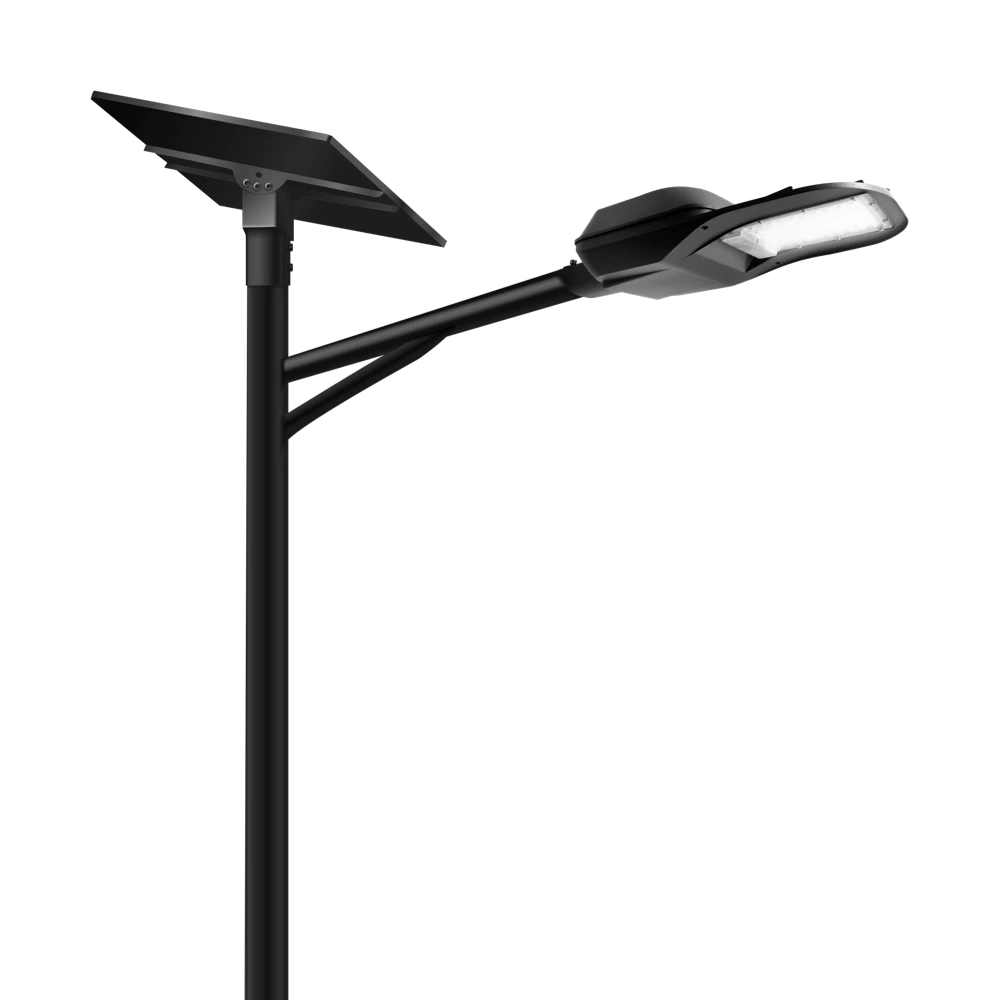
Pour plus d'informations sur les solutions d'éclairage solaire Queneng, veuillez nous contacter via le formulaire ci-dessous. Notre équipe de professionnels vous répondra sous 24 heures !
Soyez assuré que votre vie privée est importante pour nous et que toutes les informations fournies seront traitées avec la plus grande confidentialité.
Planifier une réunion
Réservez une date et une heure qui vous conviennent et effectuez la séance à l'avance.
Vous avez d’autres questions sur nos produits ou services ?
Le messager de la conversion de la lumière et de la puissance
La protection de l'environnement et la fabrication intelligente sont notre philosophie de marque, et l'assurance qualité et la meilleure expérience utilisateur sont nos promesses éternelles aux utilisateurs.
CONTACT
No. 9F, bâtiment F, parc logistique Cao San Xin Tian Hong, ville de Guzhen, ville de Zhongshan, province du Guangdong, Chine.
ou écrire[email protégé]
WhatsApp : +86 136 2270 1011


© 2026 Queneng Lighting. Tous droits réservés. Propulsé par gooeyun.