













Apa pengaruh sudut panel terhadap kinerja lampu jalan tenaga surya?
Memahami Pengadaan Lampu Jalan Tenaga Surya: Pengetahuan Penting bagi Pembeli
Seiring meningkatnya permintaan akan solusi pencahayaan berkelanjutan dan hemat energi, lampu jalan tenaga surya telah muncul sebagai pilihan utama bagi pemerintah kota, pengembang, dan bisnis di seluruh dunia. Namun, pembelian sistem canggih ini membutuhkan pemahaman mendalam tentang berbagai aspek teknis dan komersial. Panduan ini membahas pertanyaan-pertanyaan kunci yang sering diajukan pembeli, menawarkan wawasan tentang biaya, manufaktur, optimalisasi kinerja, dan banyak lagi.
Berapa Biaya Rata-Rata Lampu Jalan Tenaga Surya, dan Apa Saja Faktor Pendorongnya?
Biaya lampu jalan tenaga surya dapat sangat bervariasi, biasanya berkisar dari$300 hingga $3.000+ per unituntuk sistem kelas komersial, tidak termasuk instalasi. Rentang yang luas ini terutama didorong oleh beberapa faktor penting:
- Daya LED dan Lumen:LED berdaya watt lebih tinggi (misalnya, 30W hingga 120W+) memberikan kecerahan lebih besar, membutuhkan baterai dan panel surya lebih besar, sehingga meningkatkan biaya.
- Kapasitas Baterai:Kapasitas baterai (diukur dalam Watt-jam atau Amp-jam) menentukan berapa hari berawan lampu dapat beroperasi tanpa sinar matahari. Baterai Litium Besi Fosfat (LiFePO4) merupakan baterai standar dan biasanya berkisar antara 100 Wh hingga 600 Wh atau lebih.
- Tenaga Panel Surya:Daya panel (Wp) harus cukup untuk mengisi ulang baterai setiap hari. Panel berdaya lebih tinggi (misalnya, 50Wp hingga 250Wp) akan menambah biaya.
- Tinggi Tiang dan Material:Tiang yang lebih tinggi dan lebih kuat (baja galvanis atau aluminium) yang dirancang untuk beban angin tertentu lebih mahal.
- Fitur Cerdas:Integrasi sensor gerak (PIR), kemampuan peredupan, konektivitas IoT, dan sistem pemantauan jarak jauh dapat meningkatkan harga.
- Merek dan Kualitas:Produsen bereputasi baik yang menggunakan komponen berkualitas tinggi dan menawarkan garansi ekstensif umumnya memiliki titik harga yang lebih tinggi tetapi menawarkan nilai jangka panjang yang lebih baik.
- Volume Proyek:Pembelian dalam jumlah besar sering kali memenuhi syarat untuk mendapatkan diskon yang signifikan.
Titik Data:Lampu jalan tenaga surya terintegrasi LED 60W umum dengan panel surya 100W dan baterai LiFePO4 300Wh mungkin berharga antara $500 - $1500, tergantung pada kualitas, fitur, dan pemasok. (Sumber: Harga rata-rata industri, Q2 2024).
Mengapa Memilih Produsen Lampu Jalan Tenaga Surya Khusus Sangat Penting untuk Kualitas dan Keandalan?
Memilih produsen lampu jalan tenaga surya khusus, daripada pemasok penerangan umum, menawarkan beberapa keuntungan yang berbeda:
- Penelitian dan Pengembangan serta Rekayasa Khusus:Produsen yang berdedikasi berinvestasi dalam penelitian dan pengembangan, memastikan integrasi komponen yang optimal, sistem manajemen daya yang canggih, dan desain inovatif yang disesuaikan untuk aplikasi surya.
- Kontrol Kualitas yang Ketat:Mereka menerapkan proses kontrol kualitas yang ketat untuk setiap komponen (LED, panel, baterai, pengontrol) dan produk rakitan akhir, yang sering kali didukung oleh sertifikasi internasional (CE, RoHS, IP65/66).
- Solusi yang Disesuaikan:Seorang spesialis dapat memberikan solusi khusus berdasarkan persyaratan proyek tertentu, kondisi lingkungan, dan metrik kinerja yang diinginkan.
- Keandalan dan Garansi Jangka Panjang:Keahlian menghasilkan produk yang lebih tangguh, tahan lama, dan berkinerja konsisten sepanjang masa pakainya. Mereka juga cenderung menawarkan garansi komprehensif dan suku cadang yang mudah didapat.
- Dukungan Teknis Ahli:Produsen khusus menyediakan konsultasi pra-penjualan yang mendalam, panduan pemasangan, dan dukungan teknis purna jual yang andal.
Bagaimana Sudut Panel Surya Mempengaruhi Kinerja, dan Berapa Kemiringan Optimalnya?
Sudut kemiringan panel surya secara signifikan memengaruhi efisiensi pemanenan energinya. Panel yang salah sudut dapat mengurangi output hingga10-30% atau lebih, yang menyebabkan pengisian daya baterai tidak memadai dan kinerja pencahayaan terganggu.
- Aturan Umum:Untuk kinerja rata-rata sepanjang tahun, sudut kemiringan optimal untuk panel surya tetap umumnya sama dengan garis lintang lokasi pemasangan.
- Optimasi Lampu Jalan Tenaga Surya:Karena lampu jalan tenaga surya harus bekerja dengan andal selama hari-hari musim dingin yang lebih pendek ketika insolasi matahari berada pada titik terendah, produsen sering menyarankan untuk memiringkan panel sedikit lebih tinggi dari garis lintang (misalnya,lintang + 10 hingga 15 derajat). Ini mengoptimalkan penangkapan energi selama bulan-bulan musim dingin yang kritis, memastikan baterai menerima cukup daya untuk menyalakan lampu sepanjang malam yang panjang.
- Contoh:Untuk kota yang terletak di 35° Lintang Utara, sudut kemiringan panel surya 35-45° dapat dipilih, tergantung pada kebutuhan energi musiman tertentu. (Sumber: Solar Energy International (SEI), praktik terbaik NREL; Diakses: Mei 2024).
Komponen Utama Apa yang Menentukan Lampu Jalan Tenaga Surya Berkualitas Tinggi, dan Bagaimana Pengaruhnya terhadap Masa Pakai?
Kualitas dan umur lampu jalan tenaga surya secara keseluruhan ditentukan oleh jumlah bagian-bagiannya:
- Lampu LED:Carilah lampu dengan efikasi cahaya tinggi (biasanya >150 lm/W) dan merek chip yang bereputasi baik (misalnya, Philips, Osram, Cree). Perlengkapan LED berkualitas tinggi harus memiliki peringkat IP65 atau IP66 untuk ketahanan terhadap debu dan air. Masa pakai:50.000 - 100.000 jam operasi.
- Panel Surya:Panel silikon monokristalin lebih disukai karena efisiensinya yang lebih tinggi (biasanya 20-22%) dan ukurannya yang ringkas. Panel berkualitas dilengkapi garansi kinerja yang menjamin degradasi minimal. Masa pakai:20-25 tahun, dengan tingkat degradasi tahunan kurang dari 0,7%.
- Baterai: Litium Besi Fosfat (LiFePO4)Baterai merupakan standar industri karena siklus hidupnya yang panjang (2.000-4.000 siklus), stabilitas termal yang unggul, dan keamanannya dibandingkan baterai timbal-asam yang lebih tua. Masa pakai:7-10 tahundalam kondisi optimal.
- Pengontrol Muatan:Pengontrol MPPT (Maximum Power Point Tracking) sangat penting. Pengontrol ini memaksimalkan pemanenan energi dari panel surya hingga 15-30% dibandingkan dengan pengontrol PWM yang lebih sederhana. Pengontrol ini juga melindungi baterai dari pengisian daya berlebih, pengosongan daya berlebih, dan fluktuasi suhu. Masa pakai:5-10 tahun.
- Tiang dan Rumah:Terbuat dari baja galvanis atau aluminium, diberi perlakuan anti-korosi (misalnya, pelapisan bubuk), dan dirancang untuk menahan beban angin lokal. Rumah harus memiliki peringkat IP yang sesuai untuk semua komponen.
Apa Standar Industri untuk Garansi dan Dukungan Purnajual pada Penerangan Jalan Tenaga Surya?
Garansi yang kuat dan dukungan purna jual yang andal merupakan indikator kepercayaan produsen terhadap produk mereka dan komitmen terhadap kepuasan pelanggan:
- Periode Garansi:
- Sistem Penuh:Biasanya 2-5 tahun.
- Panel Surya:10-12 tahun untuk material dan pengerjaan, dan 20-25 tahun untuk keluaran daya 80-90%.
- Baterai (LiFePO4):3-5 tahun.
- Penggerak/Pengendali LED:2-5 tahun.
- Dukungan Purnajual:Produsen terkemuka menyediakan dukungan komprehensif, termasuk bantuan teknis, panduan pemecahan masalah, ketersediaan suku cadang, dan saluran komunikasi yang responsif. Hal ini memastikan waktu henti minimal dan memperpanjang masa pakai sistem secara keseluruhan.
Bagaimana Iklim Daerah dan Persyaratan Aplikasi Mempengaruhi Pemilihan Lampu Jalan Tenaga Surya?
Penerapan lampu jalan tenaga surya yang efektif sangat bergantung pada penyesuaian sistem dengan lingkungan dan tujuan spesifiknya:
- Tingkat Radiasi Matahari:Wilayah dengan rata-rata insolasi matahari harian yang lebih rendah (misalnya, lintang yang lebih tinggi, wilayah yang selalu berawan) memerlukan panel surya dan kapasitas baterai yang lebih besar untuk memastikan operasi yang andal.
- Suhu Ekstrem:Meskipun baterai LiFePO4 berkinerja baik di berbagai kondisi, suhu dingin yang ekstrem dapat mengurangi kapasitas penggunaannya untuk sementara, sementara suhu panas yang ekstrem dapat mempercepat degradasi. Sistem manajemen baterai dan desain termal yang tepat sangatlah penting.
- Beban Angin:Desain dan bahan tiang harus direkayasa untuk menahan kecepatan angin maksimum yang diharapkan di area pemasangan.
- Pencahayaan yang Diinginkan dan Jam Operasional:Tingkat lux yang dibutuhkan, jumlah jam lampu perlu beroperasi (misalnya, dari senja hingga fajar, profil malam terbagi), dan hari cadangan yang diperlukan (misalnya, 2-5 hari untuk pengoperasian berkelanjutan selama periode berawan) secara langsung menentukan ukuran LED, panel surya, dan baterai.
- Faktor Lingkungan:Area dengan tingkat debu, kelembapan, atau semprotan garam yang tinggi memerlukan peringkat IP yang lebih tinggi (misalnya, IP66) dan material yang lebih tahan korosi untuk semua komponen.
Quenenglighting: Mitra Anda untuk Solusi Penerangan Jalan Tenaga Surya yang Unggul
Quenenglighting berdiri sebagai produsen terkemuka yang berdedikasi untuk menyediakan solusi penerangan jalan tenaga surya mutakhir yang dirancang khusus untuk beragam kebutuhan global. Dengan keahlian mendalam kami, kami unggul dalam mengoptimalkan desain sistem untuk berbagai iklim dan aplikasi, memastikan efisiensi dan keandalan maksimum. Kami berkomitmen untuk hanya menggunakan komponen-komponen terbaik, termasuk panel monokristalin efisiensi tinggi, baterai LiFePO4 tahan lama, dan pengontrol MPPT canggih, yang menjamin kinerja superior, daya tahan, dan total biaya kepemilikan yang lebih rendah bagi klien kami. Proses kontrol kualitas kami yang ketat dan dukungan purna jual yang luar biasa menjamin ketenangan pikiran, menjadikan Quenenglighting pilihan tepercaya untuk proyek penerangan tenaga surya Anda.
Referensi:
- Solar Energy International (SEI). (Diakses: Mei 2024).Buku Pegangan Listrik Tenaga Surya.https://www.solarenergy.org/
- Laboratorium Energi Terbarukan Nasional (NREL). (Diakses: Mei 2024).Penelitian & Pengembangan Fotovoltaik.https://www.nrel.gov/pv/
- Universitas Baterai. (Diakses: Mei 2024).BU-205: Performa Bersepeda.https://batteryuniversity.com/artikel/bu-205-kinerja-bersepeda
- Harga rata-rata industri berdasarkan laporan pasar dan platform B2B. (Diakses: Mei 2024).
- Spesifikasi produsen LED utama (misalnya, Philips Lumileds, Osram Opto Semiconductors). (Diakses: Mei 2024).

Punya pertanyaan lebih lanjut tentang produk atau layanan kami?
Berita hangat terbaru yang mungkin Anda sukai

Temukan lampu jalan tenaga surya LED all-in-one dari Queneng Lighting — panel surya, baterai, pengontrol, dan LED terintegrasi dalam satu perangkat yang tahan lama. Hemat energi, kurangi perawatan, dan amankan jalanan dengan sensor pintar, daya tahan hingga beberapa malam, dan sertifikasi internasional. Hubungi bagian penjualan untuk penawaran harga dan dukungan.

Hadirkan penerangan luar ruangan yang unggul dengan Lampu Jalan Tenaga Surya Efisiensi Tinggi Queneng Luda. Solusi yang tahan lama dan ramah lingkungan ini menawarkan manajemen daya yang canggih, pemasangan yang mudah, dan menjamin keamanan. Didukung oleh keahlian Queneng Lighting selama satu dekade dan komitmen terhadap kualitas, ini adalah pilihan cerdas untuk proyek penerangan berkelanjutan. Pelajari mengapa kami adalah penyedia solusi tenaga surya terkemuka.

Lampu jalan tenaga surya all-in-one Luhei menggabungkan LED efisiensi tinggi, tenaga surya dan baterai terintegrasi, perlindungan IP65, dan sensor gerak untuk menghadirkan penerangan luar ruangan yang andal dan tanpa kabel untuk jalanan, taman, dan tempat parkir. Didukung oleh sertifikasi dan dukungan dari Queneng Lighting.

Tanya Jawab Umum
Baterai dan Analisis
Apa keuntungan baterai lithium-ion?
2) Tegangan kerja tinggi;
3) Tidak ada efek memori;
4) Siklus hidup panjang;
5) Tidak ada polusi;
6) Ringan;
7) Pelepasan muatan sendiri yang kecil.
Kinerja dan Pengujian Baterai
Apa saja item uji keamanan baterai?
2) Uji pengisian berlebih dan pengosongan berlebih
3) Tahan uji tegangan
4) Uji dampak
5) Uji getaran
6) Tes pemanasan
7) Uji api
9) Uji siklus perubahan suhu
10) Uji pengisian tetes
11) Uji jatuh gratis
12) Uji tekanan rendah
13) Uji pelepasan paksa
15) Uji pelat panas listrik
17) Uji kejut termal
19) Tes tusuk jarum
20) Uji ekstrusi
21) Uji benturan benda berat
Lampu Jalan Tenaga Surya Luhao
Berapa efisiensi energi lampu jalan tenaga surya Luhao?
Lampu jalan tenaga surya Luhao sangat hemat energi, menggunakan panel surya untuk mengubah sinar matahari menjadi listrik tanpa bergantung pada daya listrik dari jaringan listrik. Lampu LED menggunakan sangat sedikit energi dibandingkan dengan lampu jalan tradisional, sehingga hemat biaya dan ramah lingkungan.
Dasar-dasar dan istilah dasar baterai
Apa elektrokimia baterai NiMH?
Baterai nikel-metal hidrida menggunakan Ni oksida sebagai elektroda positif, logam penyimpan hidrogen sebagai elektroda negatif, dan larutan alkali (terutama KOH) sebagai elektrolit, saat mengisi daya baterai nikel-metal hidrida:
Reaksi positif: Ni(OH)2 + OH- → NiOOH + H2O-e-
Reaksi negatif: M+H2O +e-→ MH+ OH-
Pelepasan baterai nikel-metal hidrida:
Reaksi kutub positif: NiOOH + H2O + e- → Ni(OH)2 + OH-
Reaksi negatif: MH+OH- → M+H2O+e-
Lampu Jalan Tenaga Surya Luqing
Seberapa terang lampu jalan tenaga surya?
Lampu jalan tenaga surya dilengkapi dengan lampu LED efisiensi tinggi yang memberikan pencahayaan terang dan konsisten. Kecerahannya biasanya berkisar antara 2.000 hingga 12.000 lumen, tergantung pada modelnya, yang memberikan pencahayaan yang jelas dan efektif untuk jalan, taman, dan area publik.
Lampu Jalan Tenaga Surya Luan
Apa yang membuat lampu jalan tenaga surya Luan sangat efisien?
Lampu jalan tenaga surya Luan dilengkapi dengan panel surya canggih berefisiensi tinggi dan teknologi LED. Panel tersebut menangkap energi surya secara efektif, bahkan dalam kondisi cahaya redup, sementara LED hemat energi memberikan pencahayaan terang dengan konsumsi daya minimal, memastikan kinerja yang tahan lama.
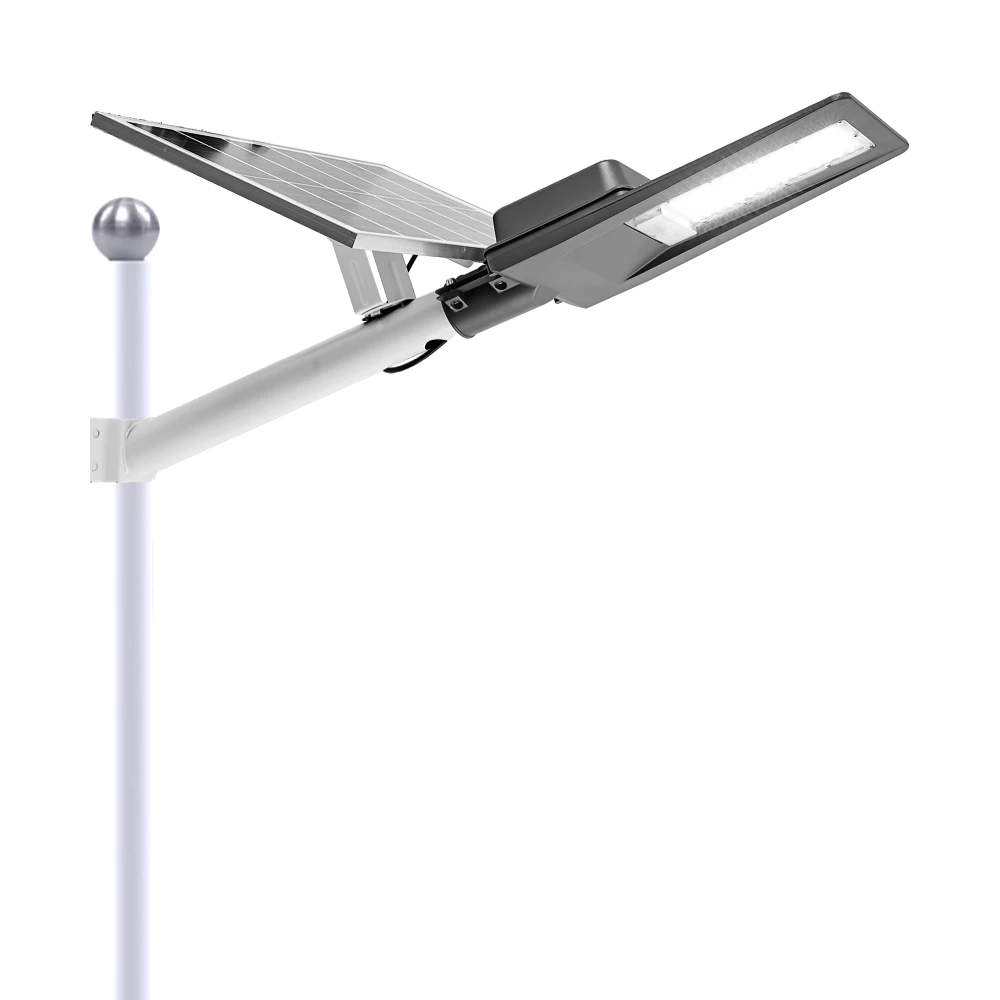
Nikmati pencahayaan luar ruangan yang andal dengan lampu jalan surya pintar kami, kombinasi sempurna antara teknologi canggih dan desain ramah lingkungan.
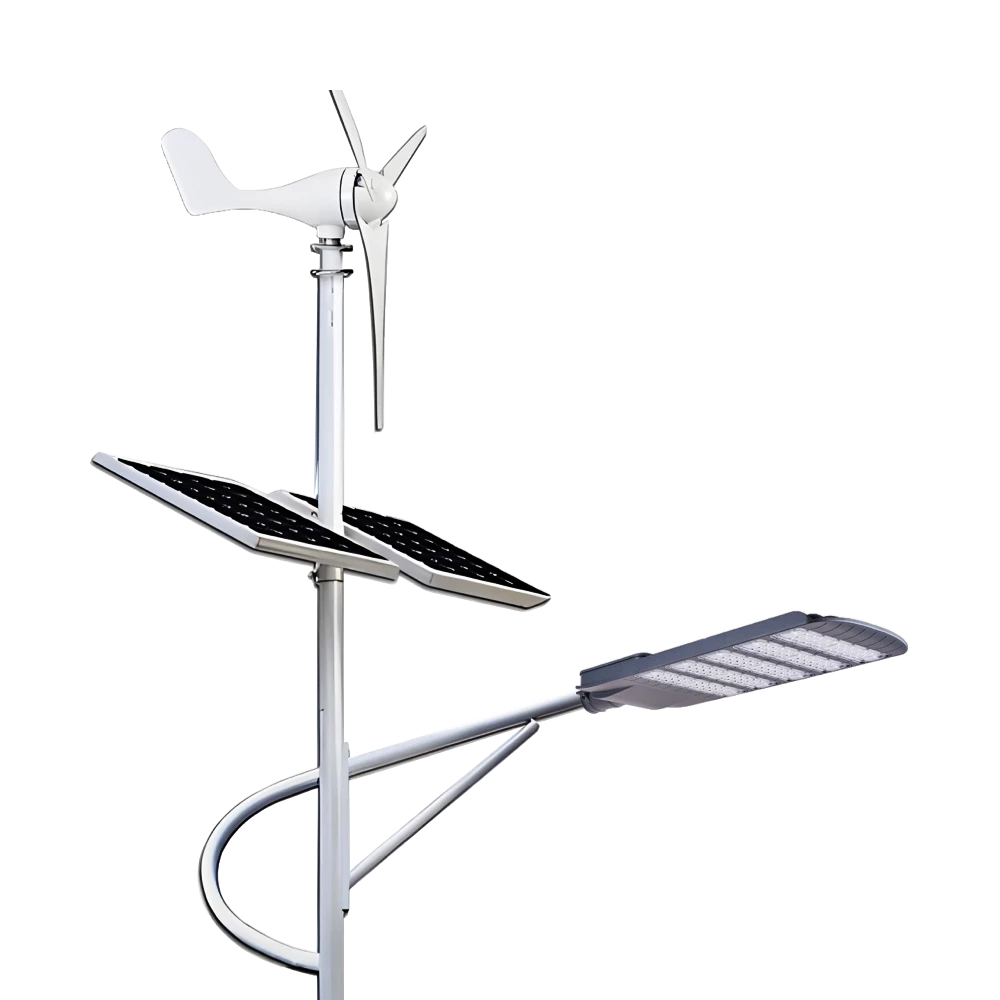
Lampu Jalan Tenaga Surya LED Luar Ruangan Queneng Lufeng Wind Energy menawarkan pencahayaan yang ramah lingkungan dan berkinerja tinggi. Lampu jalan LED hemat energi ini memanfaatkan tenaga surya dan energi angin untuk solusi pencahayaan luar ruangan yang berkelanjutan dan hemat biaya.
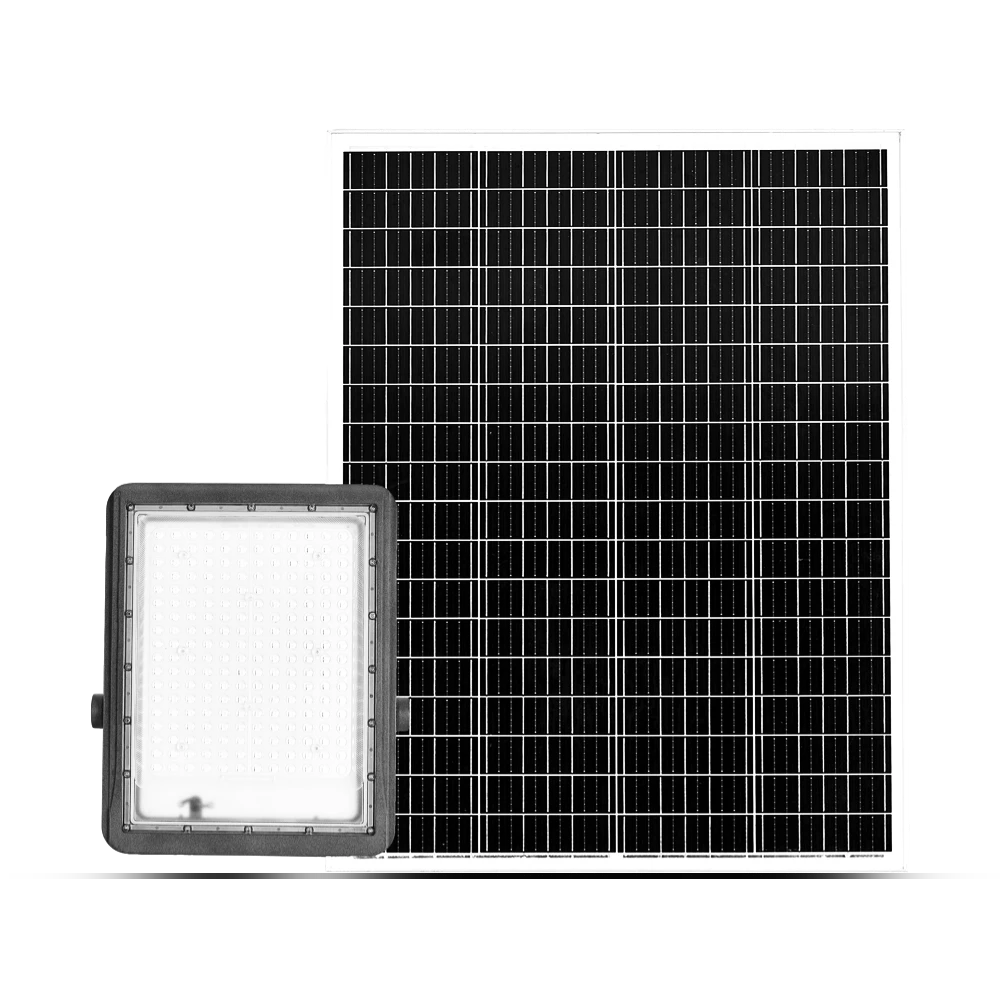
Lampu Jalan Tenaga Surya Andal Luxian dari Queneng menawarkan lampu LED hemat energi untuk penggunaan di luar ruangan. Lampu jalan bertenaga surya yang tahan lama ini memberikan penerangan yang andal, sehingga mengurangi biaya energi dan dampak lingkungan. Solusi sempurna untuk penerangan luar ruangan yang berkelanjutan.
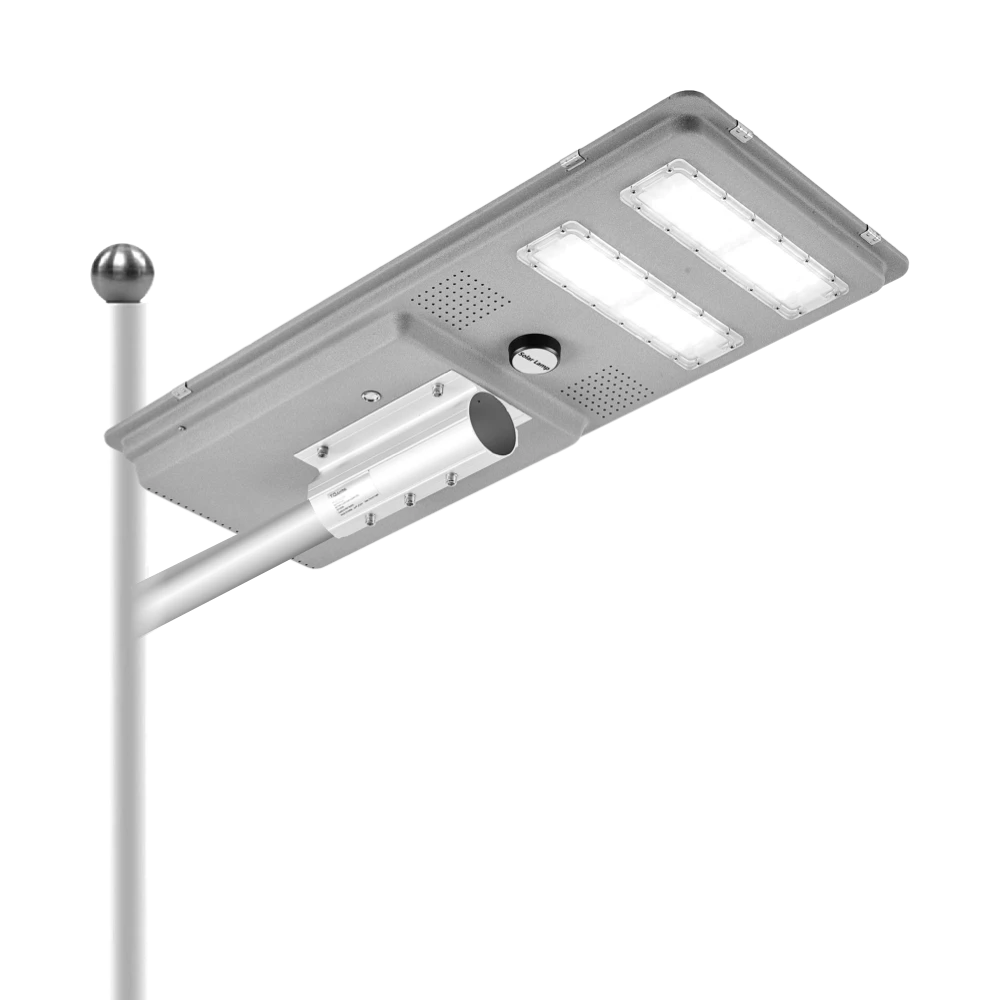
Lampu Jalan Tenaga Surya Queneng dirancang untuk menyediakan penerangan yang andal dan hemat energi untuk jalan, taman, dan ruang luar ruangan lainnya.
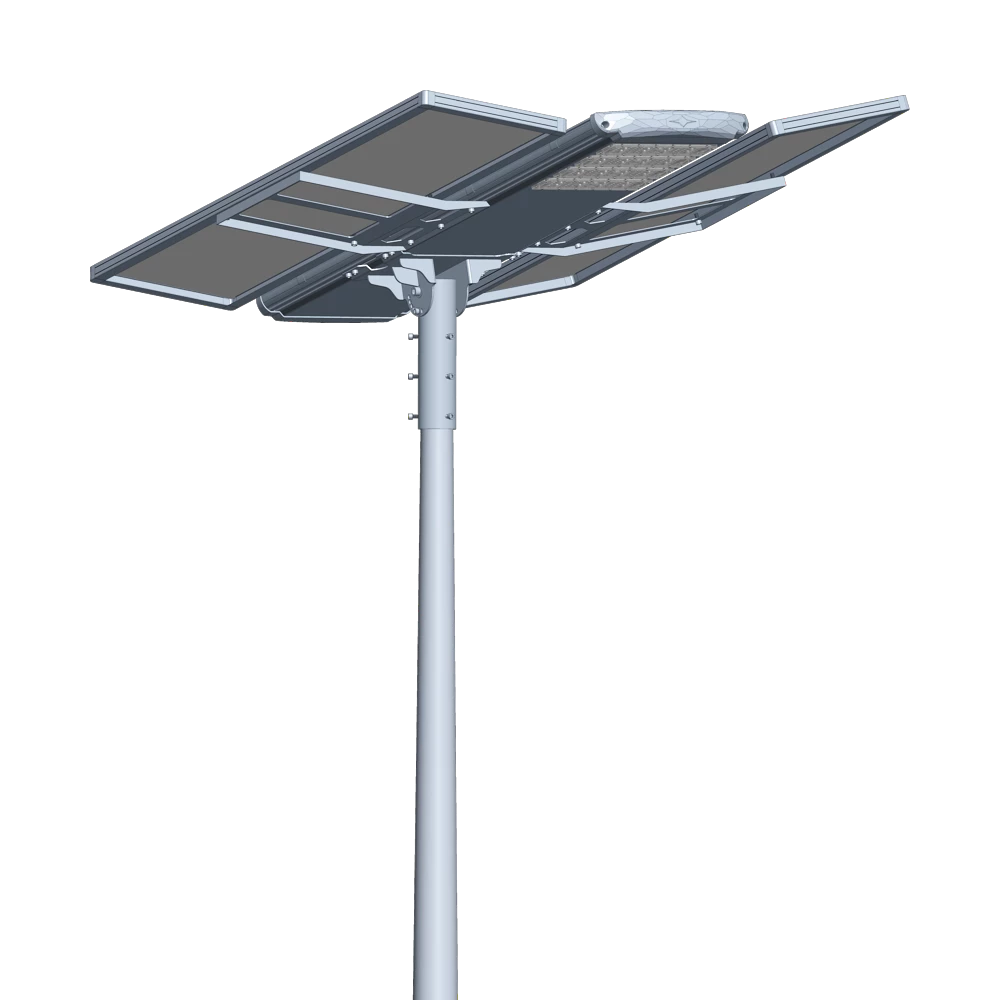
Memperkenalkan Lampu Jalan Tenaga Surya Luqing dari Queneng, Lampu LED yang efisien dengan tenaga surya sangat cocok untuk menerangi area luar ruangan. Manfaatkan tenaga surya untuk penerangan jalan yang berkelanjutan dan andal. Ideal untuk solusi penerangan luar ruangan yang ramah lingkungan dan hemat biaya.
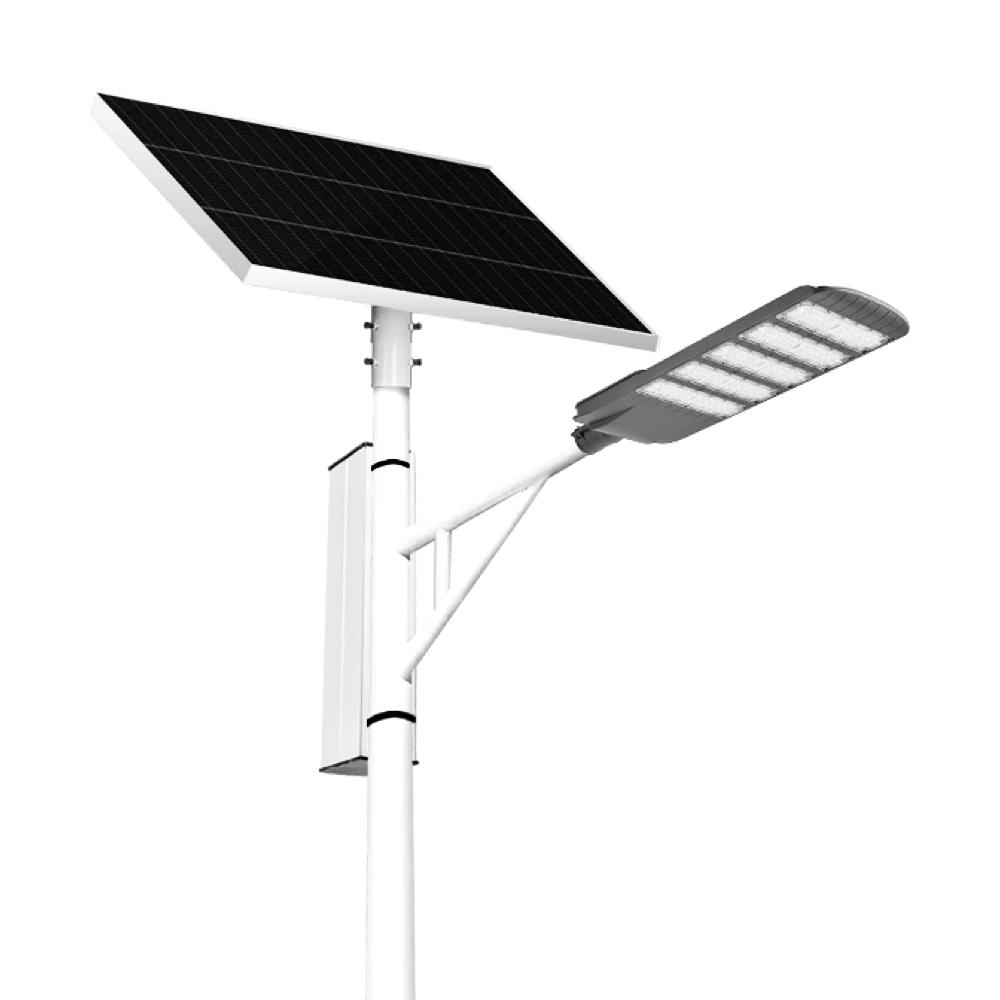
Lampu Jalan Tenaga Surya Luhao untuk Kotamadya dirancang untuk memberikan solusi penerangan umum yang andal, hemat energi, dan hemat biaya. Dilengkapi dengan teknologi LED canggih, baterai litium yang tahan lama, dan panel surya efisiensi tinggi, lampu jalan ini memberikan penerangan yang konsisten untuk jalan raya, taman, area perumahan, dan proyek pemerintah.
Jika Anda menginginkan informasi lebih lanjut tentang solusi pencahayaan tenaga surya Queneng, silakan kirimkan pesan kepada kami dengan mengisi formulir di bawah ini. Tim profesional kami akan menghubungi Anda dalam waktu 24 jam!
Yakinlah bahwa privasi Anda penting bagi kami, dan semua informasi yang diberikan akan ditangani dengan kerahasiaan maksimal.
Jadwalkan Pertemuan
Pesan tanggal dan waktu yang sesuai untuk Anda dan lakukan sesi terlebih dahulu.
Punya pertanyaan lebih lanjut tentang produk atau layanan kami?
Pembawa pesan cahaya & konversi kekuatan
Perlindungan lingkungan dan manufaktur cerdas adalah filosofi merek kami, dan jaminan kualitas serta pengalaman pengguna terbaik adalah janji abadi kami kepada pengguna.
KONTAK
No.9F, Gedung F, Taman Logistik Cao San Xin Tian Hong, Kota Guzhen, Kota Zhongshan, Provinsi Guangdong, Cina.
atau menulis[email dilindungi]
WhatsApp: +86 136 2270 1011


© 2026 Queneng Lighting. Semua Hak Dilindungi Undang-Undang. Didukung oleh gooeyun.