













What impact do panel angles have on solar street lamp performance?
Demystifying Solar Street Light Procurement: Essential Knowledge for Buyers
As the demand for sustainable and energy-efficient lighting solutions grows, solar street lights have emerged as a leading choice for municipalities, developers, and businesses worldwide. However, purchasing these advanced systems requires a deep understanding of various technical and commercial aspects. This guide delves into key questions buyers frequently ask, offering insights into costs, manufacturing, performance optimization, and more.
What is the Average Cost of Solar Street Lights, and What Factors Drive It?
The cost of solar street lights can vary significantly, typically ranging from $300 to $3,000+ per unit for commercial-grade systems, excluding installation. This wide range is primarily driven by several critical factors:
- LED Wattage and Lumens: Higher wattage LEDs (e.g., 30W to 120W+) provide greater brightness, requiring larger batteries and solar panels, thus increasing cost.
- Battery Capacity: The battery's capacity (measured in Watt-hours or Amp-hours) determines the number of cloudy days the light can operate without sunlight. Lithium Iron Phosphate (LiFePO4) batteries are standard and typically range from 100Wh to 600Wh or more.
- Solar Panel Power: The panel's wattage (Wp) must be sufficient to recharge the battery daily. Higher power panels (e.g., 50Wp to 250Wp) add to the cost.
- Pole Height and Material: Taller and more robust poles (galvanized steel or aluminum) designed for specific wind loads are more expensive.
- Smart Features: Integration of motion sensors (PIR), dimming capabilities, IoT connectivity, and remote monitoring systems can increase the price.
- Brand and Quality: Reputable manufacturers using high-quality components and offering extensive warranties generally have higher price points but offer better long-term value.
- Project Volume: Bulk purchases often qualify for significant discounts.
Data Point: A common 60W LED integrated solar street light with a 100W solar panel and a 300Wh LiFePO4 battery might cost between $500 - $1500, depending on quality, features, and supplier. (Source: Industry average pricing, Q2 2024).
Why is Choosing a Dedicated Solar Street Light Manufacturer Crucial for Quality and Reliability?
Opting for a specialized solar street light manufacturer, rather than a general lighting supplier, offers distinct advantages:
- Specialized R&D and Engineering: Dedicated manufacturers invest in research and development, ensuring optimal integration of components, advanced power management systems, and innovative designs tailored for solar applications.
- Rigorous Quality Control: They implement stringent quality control processes for each component (LEDs, panels, batteries, controllers) and the final assembled product, often backed by international certifications (CE, RoHS, IP65/66).
- Tailored Solutions: A specialist can provide customized solutions based on specific project requirements, environmental conditions, and desired performance metrics.
- Long-term Reliability and Warranty: Expertise leads to more robust, durable products that perform consistently over their lifespan. They are also more likely to offer comprehensive warranties and readily available spare parts.
- Expert Technical Support: Specialized manufacturers provide in-depth pre-sales consultation, installation guidance, and reliable after-sales technical support.
How Does Solar Panel Angle Impact Performance, and What's the Optimal Tilt?
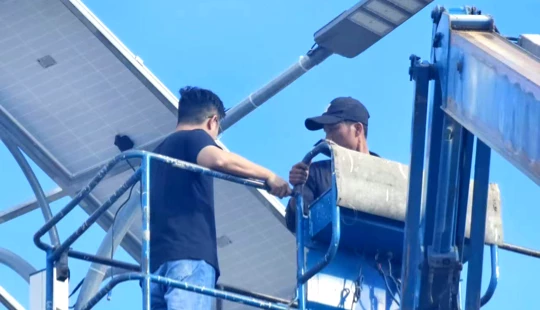
The tilt angle of a solar panel significantly affects its energy harvesting efficiency. An incorrectly angled panel can reduce output by 10-30% or more, leading to insufficient battery charging and compromised lighting performance.
- General Rule: For year-round average performance, the optimal tilt angle for a fixed solar panel is generally equal to the latitude of the installation site.
- Solar Street Light Optimization: Since solar street lights need to perform reliably through shorter winter days when solar insolation is at its lowest, manufacturers often recommend tilting the panel slightly higher than the latitude (e.g., latitude + 10 to 15 degrees). This optimizes energy capture during the critical winter months, ensuring the battery receives enough charge to power the light throughout the long nights.
- Example: For a city located at 35° North latitude, a solar panel tilt angle of 35-45° might be chosen, depending on specific seasonal energy requirements. (Source: Solar Energy International (SEI), NREL best practices; Accessed: May 2024).
What Key Components Define a High-Quality Solar Street Light, and How Do They Affect Lifespan?
The overall quality and lifespan of a solar street light are determined by the sum of its parts:
- LED Lamp: Look for high luminous efficacy (typically >150 lm/W) and reputable chip brands (e.g., Philips, Osram, Cree). A high-quality LED fixture should have an IP65 or IP66 rating for dust and water resistance. Lifespan: 50,000 - 100,000 operating hours.
- Solar Panel: Monocrystalline silicon panels are preferred for their higher efficiency (typically 20-22%) and compact size. Quality panels come with a performance warranty guaranteeing minimal degradation. Lifespan: 20-25 years, with an annual degradation rate of less than 0.7%.
- Battery: Lithium Iron Phosphate (LiFePO4) batteries are the industry standard due to their long cycle life (2,000-4,000 cycles), superior thermal stability, and safety compared to older lead-acid batteries. Lifespan: 7-10 years under optimal conditions.
- Charge Controller: An MPPT (Maximum Power Point Tracking) controller is crucial. It maximizes energy harvest from the solar panel by up to 15-30% compared to simpler PWM controllers. It also protects the battery from overcharge, over-discharge, and temperature fluctuations. Lifespan: 5-10 years.
- Pole and Housing: Constructed from galvanized steel or aluminum, treated for corrosion resistance (e.g., powder coating), and engineered to withstand local wind loads. The housing should maintain an appropriate IP rating for all components.
What are the Industry Standards for Warranty and After-Sales Support in Solar Street Lighting?
A robust warranty and reliable after-sales support are indicators of a manufacturer's confidence in their product and commitment to customer satisfaction:
- Warranty Periods:
- Full System: Typically 2-5 years.
- Solar Panel: 10-12 years for material and workmanship, and 20-25 years for 80-90% power output.
- Battery (LiFePO4): 3-5 years.
- LED Driver/Controller: 2-5 years.
- After-Sales Support: A reputable manufacturer provides comprehensive support, including technical assistance, troubleshooting guides, availability of spare parts, and responsive communication channels. This ensures minimal downtime and extends the overall useful life of the system.
How Do Regional Climate and Application Requirements Influence Solar Street Light Selection?
Effective solar street light deployment depends heavily on matching the system to its specific environment and purpose:
- Solar Irradiation Levels: Regions with lower average daily solar insolation (e.g., higher latitudes, consistently cloudy areas) require larger solar panels and battery capacities to ensure reliable operation.
- Temperature Extremes: While LiFePO4 batteries perform well across a wide range, extreme cold can temporarily reduce their usable capacity, and extreme heat can accelerate degradation. Proper battery management systems and thermal design are crucial.
- Wind Load: The design and material of the pole must be engineered to withstand the maximum expected wind speeds in the installation area.
- Desired Illumination and Operating Hours: The required lux levels, the number of hours the light needs to operate (e.g., dusk-to-dawn, split-night profiles), and the necessary backup days (e.g., 2-5 days for continuous operation during cloudy periods) directly dictate the sizing of the LED, solar panel, and battery.
- Environmental Factors: Areas with high dust, humidity, or salt spray require higher IP ratings (e.g., IP66) and more corrosion-resistant materials for all components.
Quenenglighting: Your Partner for Superior Solar Street Lighting Solutions
Quenenglighting stands as a premier manufacturer, dedicated to providing cutting-edge solar street lighting solutions tailored for diverse global needs. With our deep expertise, we excel in optimizing system design for various climates and applications, ensuring maximum efficiency and reliability. We commit to utilizing only top-tier components, including high-efficiency monocrystalline panels, long-life LiFePO4 batteries, and advanced MPPT controllers, guaranteeing superior performance, durability, and a lower total cost of ownership for our clients. Our rigorous quality control processes and exceptional after-sales support ensure peace of mind, making Quenenglighting the trusted choice for your solar lighting projects.
References:
- Solar Energy International (SEI). (Accessed: May 2024). Solar Electric Handbook. https://www.solarenergy.org/
- National Renewable Energy Laboratory (NREL). (Accessed: May 2024). Photovoltaic Research & Development. https://www.nrel.gov/pv/
- Battery University. (Accessed: May 2024). BU-205: Cycling Performance. https://batteryuniversity.com/article/bu-205-cycling-performance
- Industry average pricing based on market reports and B2B platforms. (Accessed: May 2024).
- Major LED manufacturer specifications (e.g., Philips Lumileds, Osram Opto Semiconductors). (Accessed: May 2024).

Have more questions about our products or services?
The latest hot news you might like

Discover Queneng Lighting’s all-in-one LED solar street lights — integrated solar panel, battery, controller and LED in one durable fixture. Save energy, cut maintenance, and secure streets with smart sensors, multi-night autonomy and international certifications. Contact sales for quotes and support.

Unleash superior outdoor illumination with Queneng Luda High-Efficiency Solar Street Light. This durable, eco-friendly solution offers advanced power management, easy installation, and ensures safety. Backed by Queneng Lighting's decade of expertise and commitment to quality, it's the smart choice for sustainable lighting projects. Learn why we're a leading solar solutions provider.

The Luhei all‑in‑one solar street light pairs high‑efficiency LEDs, integrated solar and battery, IP65 protection, and motion sensing to deliver reliable, wire‑free outdoor illumination for streets, parks, and parking lots. Backed by Queneng Lighting’s certifications and support.

FAQ
Schools and Educational Institutions
Do solar lights work year-round, even during winter?
Yes, solar lights can work year-round, even in winter. However, in areas with heavy snow, it’s important to ensure the solar panels are clear of snow for optimal performance.
Remote Areas Rural Development
Can the system operate in areas with limited sunlight?
Yes, advanced batteries store sufficient energy to function during cloudy days or extended low-sunlight periods.
What funding options are available for rural solar lighting projects?
We offer flexible financing options, including installment plans and partnerships with NGOs or government programs.
Distributors
Do you offer product training for distributors?
Yes, we provide in-depth product training, both online and in-person (when applicable), to ensure that you and your team are fully equipped with the knowledge needed to sell and support Queneng’s solar products.
Solar Street Light Luqiu
What is the expected lifespan of a Luqiu solar street light?
Luqiu solar street lights have a long lifespan, with LED lights lasting up to 50,000 hours and solar panels providing reliable power for over 20 years. The batteries typically last 3-5 years, depending on usage and mainten.
Solar Street Light Lufei
Can I adjust the brightness of the solar street light?
Some models of Queneng’s solar street lights come with adjustable brightness settings, allowing you to customize the light output based on your needs. Additionally, some models feature motion sensors that increase brightness when movement is detected.
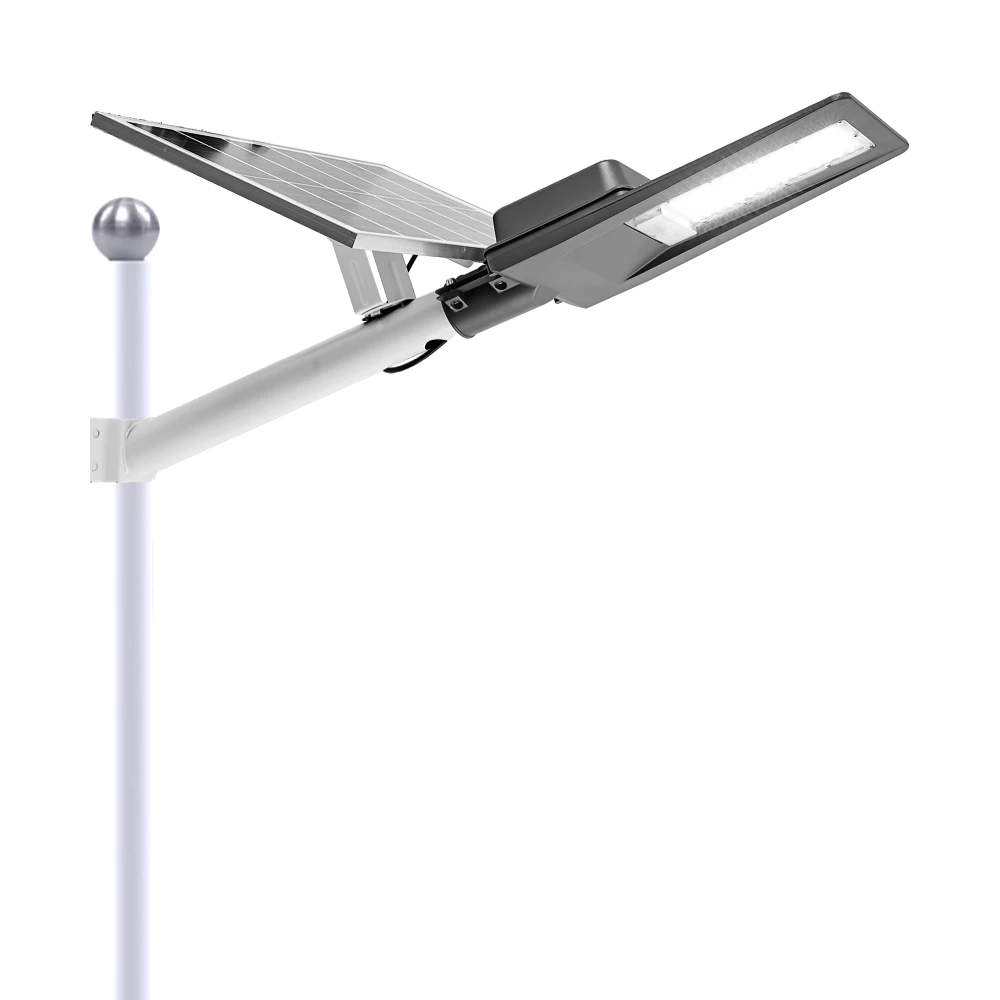
Experience reliable outdoor illumination with our smart solar street light, a perfect combination of advanced technology and eco-conscious design.
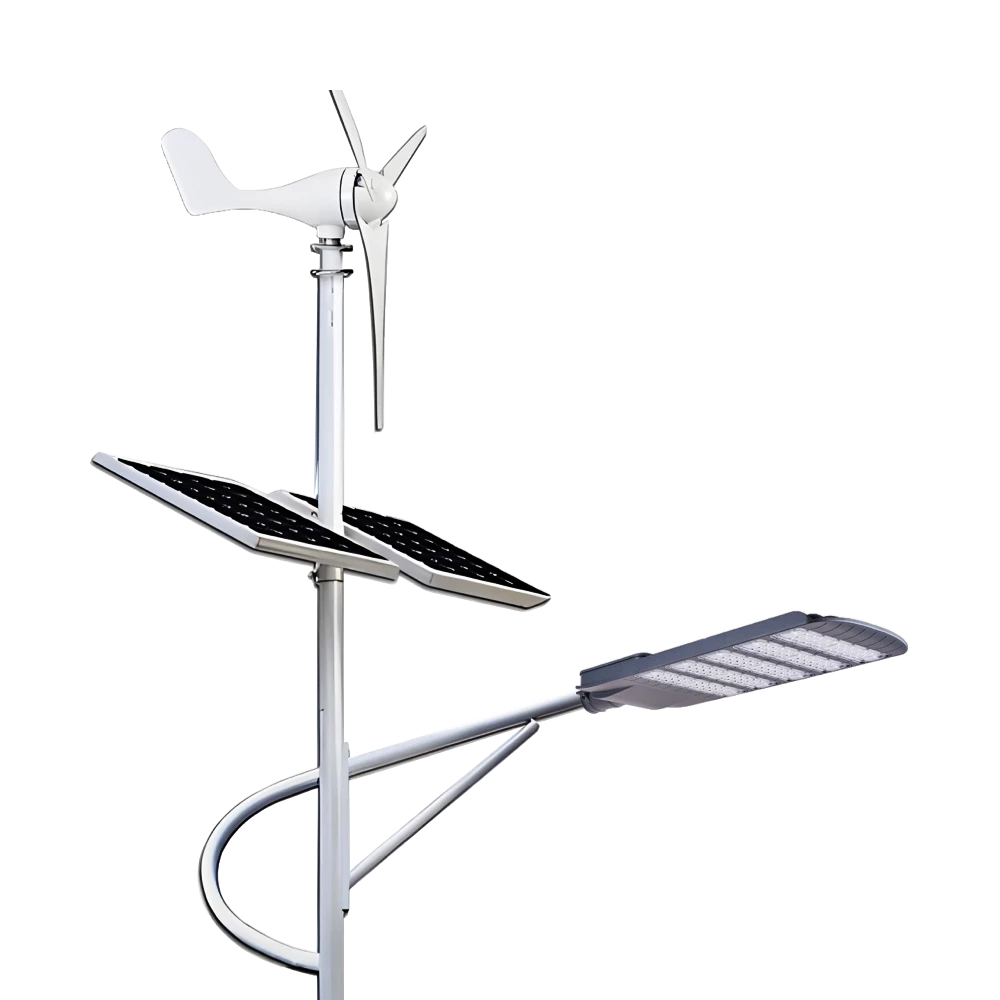
Queneng Lufeng Wind Energy LED Outdoor Solar Street Lights offer high-performance, eco-friendly illumination. These energy-efficient LED street lights harness solar power and wind energy for sustainable, cost-effective outdoor lighting solutions.
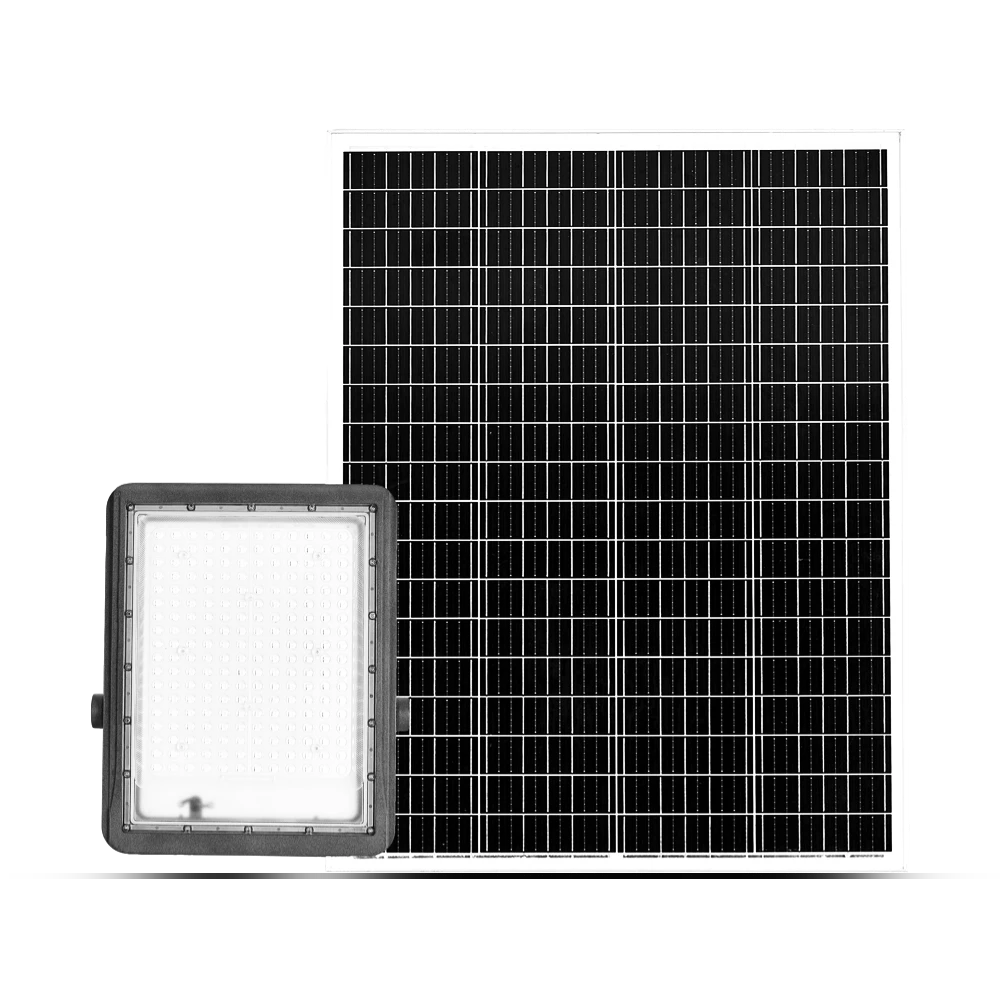
Queneng's Luxian Reliable Solar Street Light offers energy-saving LED lighting for outdoor use. This durable, solar-powered street light provides reliable illumination, reducing energy costs and environmental impact. A perfect solution for sustainable outdoor lighting.
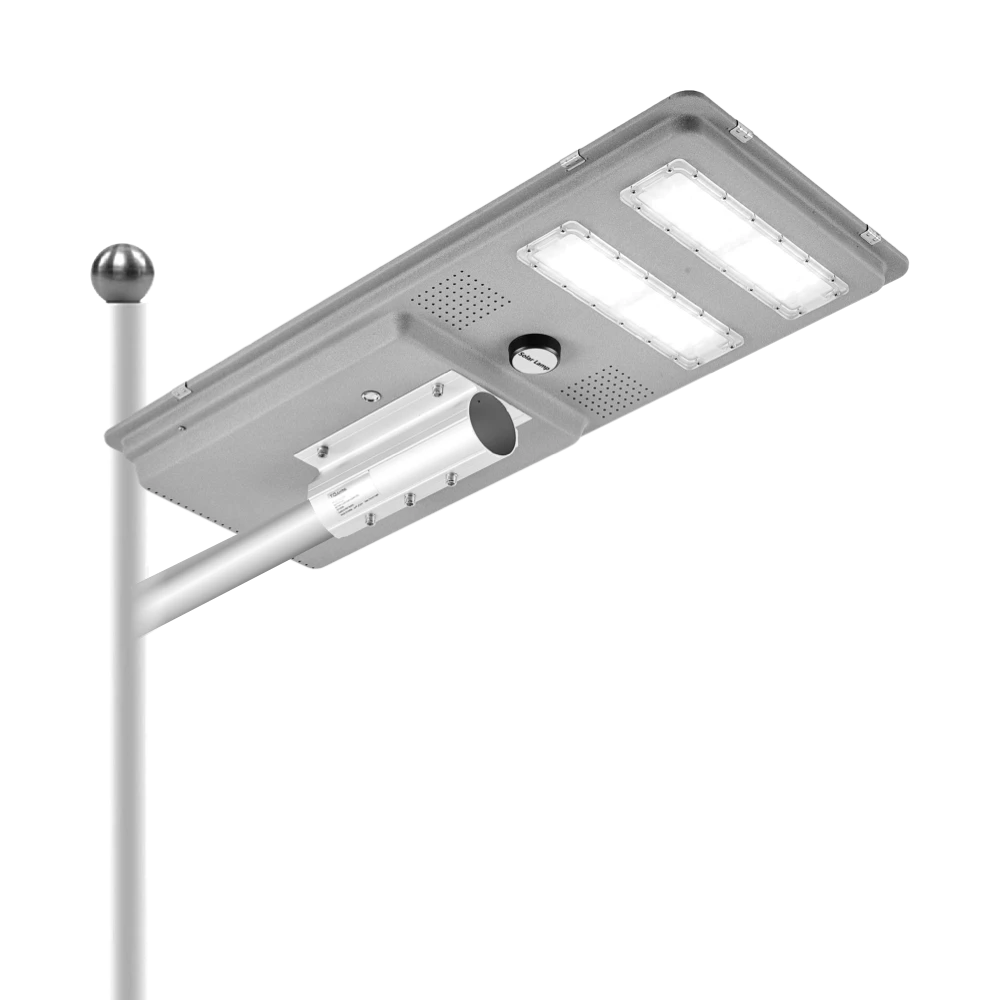
Queneng’s Solar Street Lights are designed to provide reliable, energy-efficient lighting for streets, parks, and other outdoor spaces.
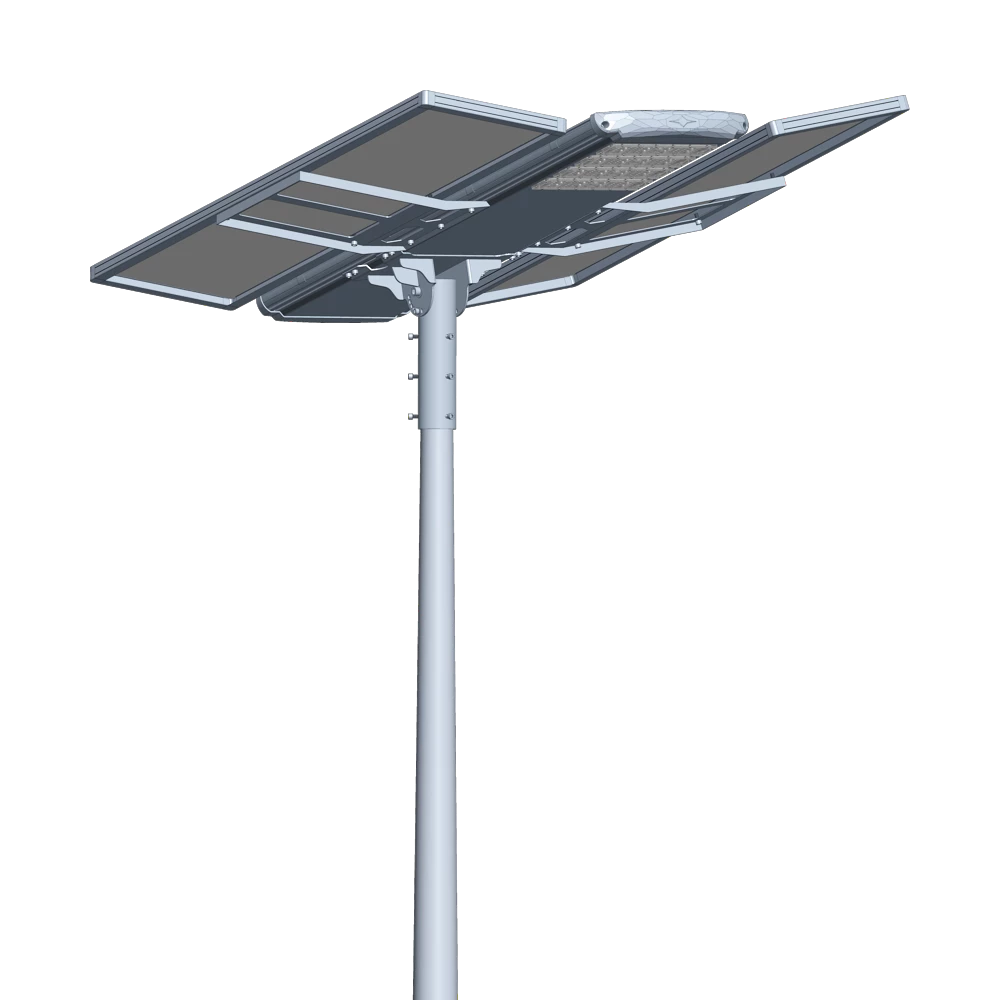
Introducing the Luqing Solar Street Light by Queneng, Efficient LED lighting powered by solar energy is perfect for illuminating outdoor areas. Harness the power of solar energy for sustainable, reliable street lighting. Ideal for eco-friendly, cost-effective outdoor illumination solutions.
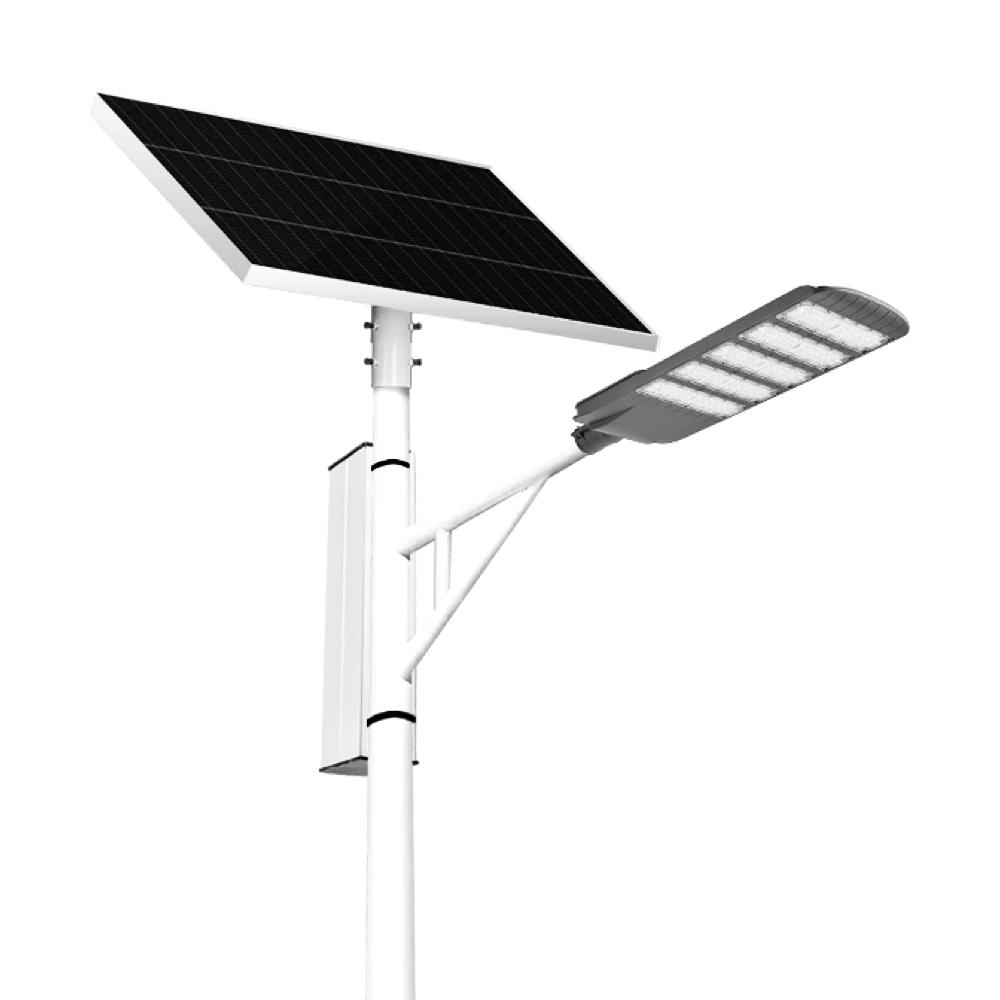
The Solar Streetlights of Luhao for Municipalities are designed to deliver reliable, energy-efficient, and cost-effective public lighting solutions. Equipped with advanced LED technology, durable lithium batteries, and high-efficiency solar panels, these streetlights provide consistent illumination for roads, parks, residential areas, and government projects.
If you would like more information about Queneng solar lighting solutions, please send us a message by filling out the form below. Our professional team will get back to you within 24 hours!
Rest assured that your privacy is important to us, and all information provided will be handled with the utmost confidentiality.
Schedule a Meeting
Book a date and time that is convenient for you and conduct the session in advance.
Have more questions about our products or services?
The messenger of light & power conversion
Environmental protection and intelligent manufacturing are our brand philosophy, and quality assurance and the best user experience are our eternal promises to users.
CONTACT
No.9F, Building F, Cao San Xin Tian Hong Logistics Park, Guzhen Town, Zhongshan City, Guangdong Province, China.
or write [email protected]
WhatsApp: +86 136 2270 1011


