

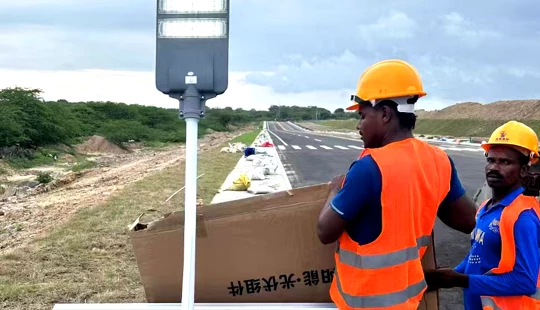
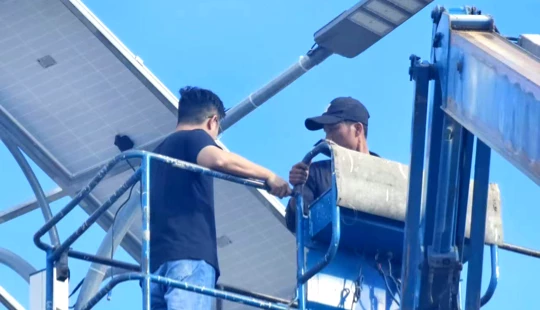













Why is LED quality important in solar-powered street lamps?
Demystifying Solar Street Light Procurement: A Professional Buyer's Handbook
As the world increasingly embraces sustainable solutions, solar-powered street lights have emerged as a leading choice for illuminating public spaces, roads, and commercial properties. For procurement professionals and project managers, understanding the intricacies of these systems – from initial cost to long-term performance – is paramount. This guide provides in-depth answers to critical questions to help you make informed decisions.
1. What are the primary factors influencing the cost of solar street lights, and what is the typical price range?
The cost of a solar street light system varies significantly based on several key factors. Understanding these helps in budgeting and evaluating proposals:
- LED Wattage & Lumen Output: Higher wattage LEDs providing greater illumination naturally increase cost. For example, a basic 30W LED solar street light might be significantly less than a 100W or 120W unit designed for highways.
- Battery Capacity & Type: The battery stores energy to power the light during the night. Lithium Iron Phosphate (LiFePO4) batteries are now the industry standard due to their longer lifespan (2000-5000 cycles at 80% Depth of Discharge), safety, and better temperature stability compared to lead-acid. Higher capacity (measured in Watt-hours or Amp-hours) for longer autonomy (days of backup) will increase the price.
- Solar Panel Size & Efficiency: The solar panel's wattage and efficiency dictate how quickly the battery recharges. Larger, more efficient monocrystalline panels (typically 18-22% efficiency) cost more than smaller, less efficient polycrystalline panels.
- Pole Height & Material: Taller poles (e.g., 6m vs. 12m) require more material and structural strength, impacting cost. Materials like galvanized steel or aluminum also play a role.
- Controller Technology: Advanced MPPT (Maximum Power Point Tracking) controllers, which optimize power transfer from the solar panel to the battery, are more efficient (15-30% more efficient than PWM) but also more expensive than basic PWM controllers.
- Smart Features: Motion sensors, dimming capabilities, remote monitoring, and IoT integration add to the system's complexity and cost.
- Brand & Quality of Components: Reputable manufacturers using high-grade components (e.g., Cree, Osram LEDs; branded batteries) will have higher initial costs but offer superior performance and longevity.
Typical Price Range:
- Basic All-in-One Systems (15W-40W): Generally range from $200 - $600 USD.
- Mid-Range All-in-One or Split Systems (50W-80W): Can range from $600 - $1,500 USD.
- High-Performance Split Systems (100W-150W+): Often range from $1,500 - $3,000+ USD, especially with taller poles and advanced features.
2. What is the Return on Investment (ROI) for solar street lights, and how does it compare to traditional lighting?
The ROI for solar street lights is compelling, primarily driven by significant operational savings and environmental benefits:
- No Electricity Bills: This is the most direct and substantial saving. Solar lights operate completely off-grid.
- Reduced Installation Costs: Eliminating the need for trenching, cabling, and connecting to the main power grid saves considerably on labor and material costs. Depending on the project, these savings alone can be substantial.
- Lower Maintenance: Modern solar street lights, especially those with high-quality LiFePO4 batteries and robust LED drivers, require minimal maintenance. Periodic cleaning of solar panels and occasional battery checks are usually sufficient.
- Environmental & CSR Benefits: While not directly monetary, reduced carbon footprint and improved sustainability contribute to corporate social responsibility goals and can enhance public image.
- Eligibility for Incentives: In many regions, governments offer subsidies, grants, or tax incentives for adopting renewable energy solutions, further improving ROI.
Comparison to Traditional Lighting:Traditional grid-tied street lights have lower upfront costs but incur continuous electricity bills, higher installation costs (due to trenching and wiring), and often more frequent bulb replacements (for older technologies like HPS). The payback period for solar street lights, considering energy savings and reduced infrastructure costs, often falls within 3 to 7 years, after which they provide virtually free illumination for their remaining lifespan (typically 10-15+ years for the system, with component lifespans extending beyond that).
3. How do I choose a reliable solar street light manufacturer? What key criteria should I look for?
Selecting the right manufacturer is crucial for a successful long-term investment. Look for:
- Experience & Reputation: A proven track record in the solar lighting industry, with a portfolio of successful projects and positive client testimonials.
- R&D and Innovation: Manufacturers who invest in research and development often offer more efficient, durable, and technologically advanced products (e.g., intelligent control systems).
- Quality Certifications: Ensure products comply with international standards such as CE, RoHS, FCC, and IP ratings (e.g., IP65/IP66 for dust and water resistance). The manufacturing facility should ideally be ISO 9001 certified for quality management.
- Component Sourcing: Inquire about the source of key components (LED chips, batteries, solar panels, controllers). Reputable manufacturers use components from well-known brands (e.g., Cree, Osram, Philips Lumileds for LEDs; A-grade LiFePO4 cells).
- Manufacturing Capabilities & QC: A dedicated production facility with stringent quality control processes at every stage, from component inspection to final product testing.
- Customization & Flexibility: The ability to tailor solutions to specific project requirements (e.g., light distribution patterns, autonomy days, pole heights, aesthetic design).
- Technical Support & After-Sales Service: Availability of skilled engineers for pre-sales consultation, installation guidance, and prompt post-sales support, including spare parts availability.
- Warranty Policy: A clear and comprehensive warranty for the entire system and individual components.
4. Why is the quality of LED chips critically important for the performance and longevity of solar street lights?
LEDs are the light source, and their quality directly impacts the entire system's efficiency, illumination performance, and lifespan:
- Lumen Efficacy (lm/W): High-quality LED chips offer superior lumen output per watt consumed (e.g., 150-180 lm/W). This means more light with less power, which directly translates to smaller battery and solar panel requirements, reducing overall system cost and improving energy autonomy. Lower quality LEDs often have significantly lower efficacy, leading to dim lighting or requiring larger, more expensive components to compensate.
- Lifespan (L70/B10): High Quality LEDs from brands like Cree, Osram, or Philips Lumileds are rated for 50,000 to 100,000+ hours to L70 (when light output degrades to 70% of initial lumens). This ensures consistent illumination for many years, minimizing replacement costs and maintenance. Inferior LEDs degrade much faster, leading to premature darkness and frequent replacements.
- Color Rendering Index (CRI): High-quality LEDs typically have a CRI of 70-80+, accurately rendering colors, which is important for safety and visibility. Poor quality LEDs can distort colors, making it harder to discern objects.
- Color Temperature (CCT): The right CCT (e.g., 4000K-5700K for street lighting) ensures comfortable and effective illumination. Quality LEDs offer consistent CCT.
- Thermal Management: High-quality LED packages and well-designed fixtures effectively dissipate heat, which is crucial for maintaining LED lifespan and performance. Overheating is the primary cause of premature LED failure and lumen depreciation in poorly designed systems.
Investing in quality LEDs ensures brilliant, long-lasting, and energy-efficient illumination, maximizing the ROI of your solar street light project.
5. What other key components (battery, solar panel, controller) are crucial for the overall performance and durability of a solar street light system?
While LEDs are vital, the other core components form the backbone of a reliable solar street light:
- Battery:
- Type: As mentioned, LiFePO4 (Lithium Iron Phosphate) batteries are standard for their safety, long cycle life (2000-5000 cycles at 80% DOD), and stability across a wide temperature range (-20°C to 60°C). Avoid lead-acid batteries for new installations due to their shorter lifespan and environmental concerns.
- Capacity: Determines the autonomy, or the number of days the light can operate without sufficient sunlight. A reputable manufacturer will size the battery to provide 3-5 days of autonomy, ensuring reliable operation even during extended cloudy periods.
- Solar Panel:
- Type: Monocrystalline silicon panels are preferred for their higher efficiency (typically 18-22%) and smaller footprint, making them ideal for integrated designs. Polycrystalline panels are less efficient (15-18%) but can be more cost-effective for larger, separate panel designs.
- Wattage: Must be appropriately sized to fully recharge the battery daily, considering local solar irradiance and energy consumption by the LED fixture.
- Durability: Look for tempered glass, robust aluminum frames, and an IP67 rating for weather resistance and longevity (typically 25-year power output warranty).
- Solar Charge Controller:
- Type: MPPT (Maximum Power Point Tracking) controllers are superior, extracting 15-30% more power from the solar panel compared to PWM (Pulse Width Modulation) controllers. This efficiency gain is critical, especially in low light conditions.
- Features: Essential features include overcharge/over-discharge protection, reverse polarity protection, short-circuit protection, temperature compensation, and intelligent dimming profiles (e.g., motion sensor integration, time-based dimming) to optimize energy usage and extend battery life.
- Mounting Hardware & Pole: Robust, corrosion-resistant materials (e.g., hot-dip galvanized steel, aluminum) are essential for structural integrity and long-term durability in various environmental conditions.
6. What kind of warranty and after-sales support should I expect from a reputable solar street light manufacturer?
A strong warranty and reliable after-sales support are indicators of a manufacturer's confidence in their product and commitment to customer satisfaction:
- System Warranty: Typically, expect a 3 to 5-year warranty covering the entire solar street light system (LED fixture, battery, solar panel, controller, pole).
- Component-Specific Warranties:
- Solar Panels: Often come with a 20-25 year linear power output warranty, guaranteeing a certain percentage of original power output (e.g., 80% after 25 years).
- Batteries: High-quality LiFePO4 batteries may have a separate 5-7 year warranty, or be covered under the main system warranty for 3-5 years, often with a specified number of cycles.
- LED Driver & Chips: Usually aligned with the system warranty, 3-5 years.
- Technical Support: Access to expert technicians for troubleshooting, installation guidance, and technical inquiries is crucial. This might include phone support, email, or online resources.
- Spare Parts Availability: A reliable manufacturer should ensure the availability of spare parts for at least 5-10 years post-purchase, allowing for easy repairs and extensions of product lifespan.
- Service Level Agreements (SLAs): For larger projects, inquire about specific SLAs for response times and resolution of issues.
7. What are the typical installation and maintenance considerations for solar street lights?
One of the significant advantages of solar street lights is their relatively straightforward installation and low maintenance requirements:
- Installation:
- Foundation: A robust concrete foundation is essential to securely anchor the pole against wind loads. Specifications will depend on pole height, weight, and local soil conditions.
- Orientation: The solar panel must be oriented correctly (typically facing the equator, South in the Northern Hemisphere, North in the Southern Hemisphere) and tilted at an optimal angle to maximize sun exposure throughout the year. Avoid shading from trees or buildings.
- Assembly: Most systems, especially all-in-one designs, are designed for quick assembly. The solar panel, battery, and controller are often pre-integrated with the light fixture.
- Wiring: Minimal wiring is required, primarily connecting the solar panel to the controller/battery and the light fixture.
- Maintenance:
- Solar Panel Cleaning: Periodically (every 3-6 months, or more often in dusty environments) clean the solar panel surface to remove dust, dirt, bird droppings, or snow that can reduce efficiency.
- Battery Inspection: While LiFePO4 batteries are low-maintenance, occasional checks (e.g., annually) for secure connections and physical damage are advisable.
- Fixture Inspection: Ensure the LED fixture and housing are free from debris or damage.
- Pole Stability: Periodically inspect the pole and foundation for any signs of corrosion, loosening, or structural integrity issues.
- No Fuel or Generator Maintenance: A major advantage is the absence of fuel requirements or complex engine maintenance associated with grid-tied lighting.
Quenenglighting: Your Partner for Superior Solar Street Lighting Solutions
At Quenenglighting, we understand the critical factors that drive successful solar street light projects. We pride ourselves on delivering robust, efficient, and reliable solar lighting solutions by integrating the highest quality components:
- High Quality Components: We exclusively use top-tier LED chips (e.g., from Cree, Osram), high-capacity LiFePO4 batteries with extended cycle life, and high-efficiency monocrystalline solar panels.
- Advanced Technology: Our systems feature MPPT charge controllers and intelligent lighting management systems, optimizing energy harvesting and consumption for maximum autonomy and lifespan.
- Robust Engineering: Designed for durability, our products withstand harsh environmental conditions, backed by rigorous testing and quality control processes (ISO 9001 certified).
- Customization Expertise: We offer tailored solutions to meet specific project requirements, from lumen output and light distribution to pole design and smart functionalities.
- Comprehensive Support: Quenenglighting provides extensive pre-sales consultation, technical support, and a strong warranty (typically 3-5 years on the entire system) to ensure your investment is protected and performs optimally for years to come.
- Competitive Value: We strike the perfect balance between High Quality quality and competitive pricing, ensuring you receive the best long-term value for your solar lighting investment.
Choose Quenenglighting for a sustainable, cost-effective, and high-performance lighting future.
References and Data Sources:
- Energy Sage. Monocrystalline vs Polycrystalline Solar Panels. https://www.energysage.com/solar-panels/monocrystalline-vs-polycrystalline/ (Accessed: June 15, 2024)
- Victron Energy. MPPT vs PWM Solar Charge Controllers. https://www.victronenergy.com/blog/2014/12/10/mppt-vs-pwm-solar-charge-controllers/ (Accessed: June 15, 2024)
- LED Magazine. Understanding LED L70 and B10 Lifetime Ratings. https://www.ledsmagazine.com/lighting-applications/article/14073809/understanding-led-l70-and-b10-lifetime-ratings (Accessed: June 15, 2024)
- Battery University. BU-205: Types of Lithium-ion. https://batteryuniversity.com/article/bu-205-types-of-lithium-ion (Accessed: June 15, 2024)
- Solar Power World Online. Comparing solar panel efficiencies from the top manufacturers. https://www.solarpowerworldonline.com/2024/02/comparing-solar-panel-efficiencies-from-the-top-manufacturers/ (Accessed: June 15, 2024)

Have more questions about our products or services?
The latest hot news you might like

Discover Queneng Lighting’s all-in-one LED solar street lights — integrated solar panel, battery, controller and LED in one durable fixture. Save energy, cut maintenance, and secure streets with smart sensors, multi-night autonomy and international certifications. Contact sales for quotes and support.

Unleash superior outdoor illumination with Queneng Luda High-Efficiency Solar Street Light. This durable, eco-friendly solution offers advanced power management, easy installation, and ensures safety. Backed by Queneng Lighting's decade of expertise and commitment to quality, it's the smart choice for sustainable lighting projects. Learn why we're a leading solar solutions provider.

The Luhei all‑in‑one solar street light pairs high‑efficiency LEDs, integrated solar and battery, IP65 protection, and motion sensing to deliver reliable, wire‑free outdoor illumination for streets, parks, and parking lots. Backed by Queneng Lighting’s certifications and support.

FAQ
Transportation and Highways
Are there options for aesthetic customization to match the local environment?
Yes, we offer customizable pole designs, color finishes, and lighting styles to blend seamlessly with the surrounding environment.
Battery and Analysis
What is the principle of charger? What are the main categories?
Battery Performance and Testing
What are the common charging methods?
1) Constant current charging: The charging current is a certain value during the entire charging process. This method is the most common;
2) Constant voltage charging: During the charging process, both ends of the charging power supply maintain a constant value, and the current in the circuit gradually decreases as the battery voltage increases;
3) Constant current and constant voltage charging: The battery is first charged with constant current (CC). When the battery voltage rises to a certain value, the voltage remains unchanged (CV), and the current in the circuit drops to very small, eventually tending to 0.
How to charge lithium battery:
Constant current and constant voltage charging: The battery is first charged with constant current (CC). When the battery voltage rises to a certain value, the voltage remains unchanged (CV), and the current in the circuit drops to very small, eventually tending to 0.
Solar Street Light Luqing
What are the main benefits of using Luqing solar street lights in urban areas?
In urban areas, Luqing solar street lights reduce dependency on the grid, cut down on electricity costs, and minimize environmental impact. They also offer easy installation, which reduces the need for extensive wiring and infrastructure changes.
Solar Street Light Luhao
What type of battery is used in the Luhao solar street light?
The Luhao solar street light uses high-quality lithium-ion batteries that store solar energy efficiently. These batteries offer long-lasting performance and can typically last for 3 to 5 years before needing replacement.
Public Gardens and Landscape Lighting
How long do solar-powered lights last in public spaces?
Our solar-powered lights are designed for durability and long-term use. The lights typically last for 5-10 years, depending on the quality of the solar panels and the local climate conditions. The batteries last around 2-3 years and can be replaced easily.
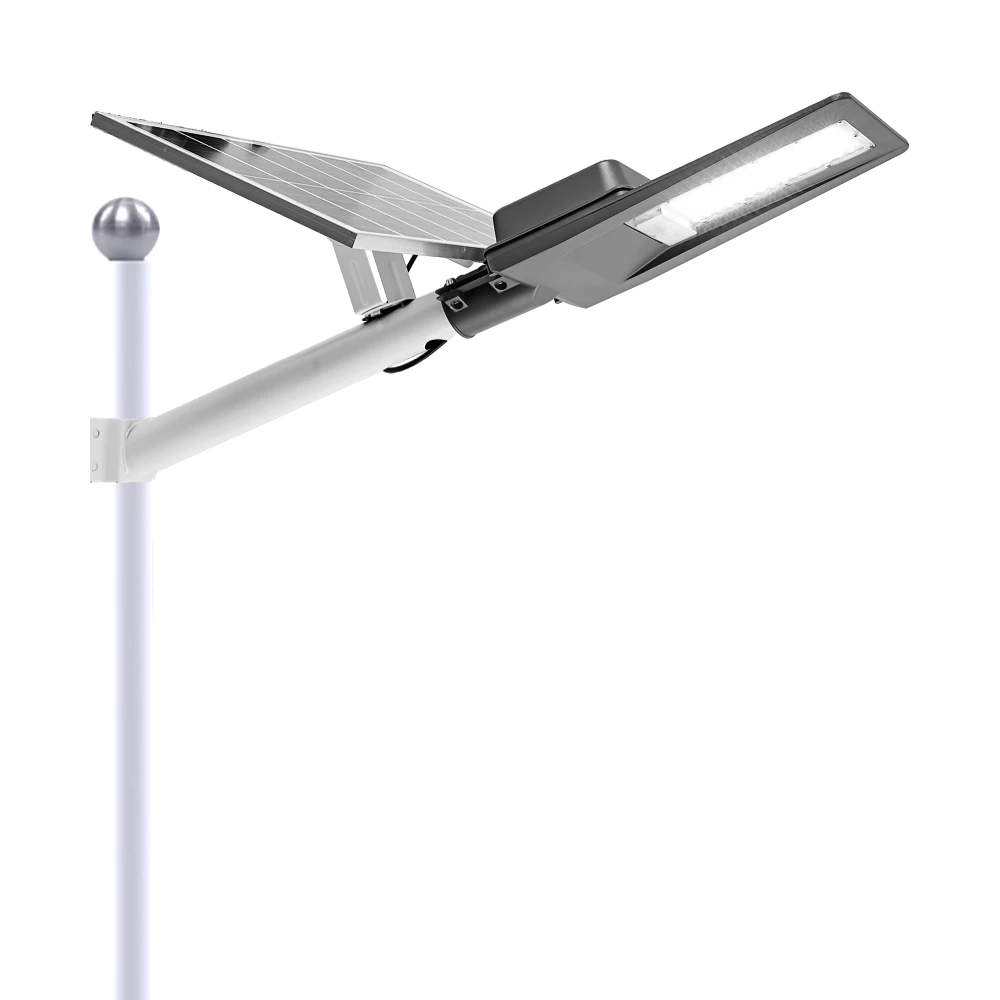
Experience reliable outdoor illumination with our smart solar street light, a perfect combination of advanced technology and eco-conscious design.
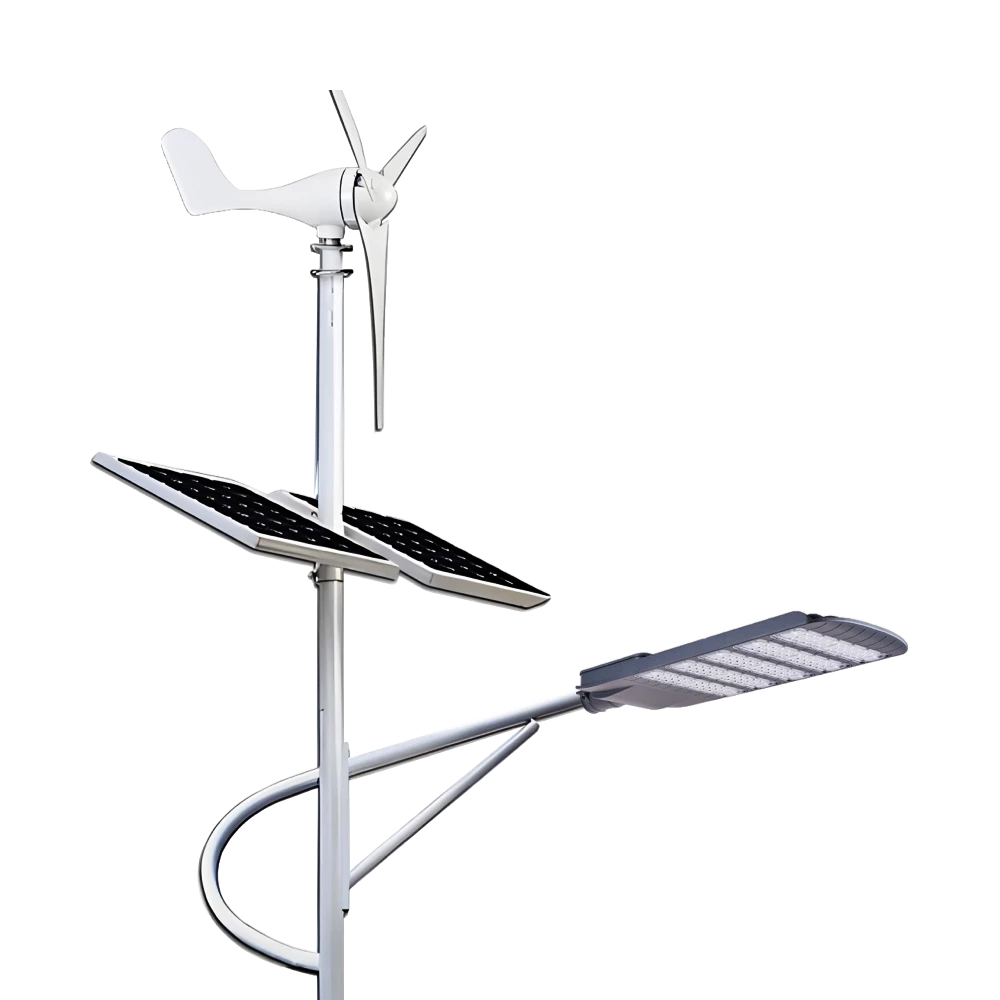
Queneng Lufeng Wind Energy LED Outdoor Solar Street Lights offer high-performance, eco-friendly illumination. These energy-efficient LED street lights harness solar power and wind energy for sustainable, cost-effective outdoor lighting solutions.
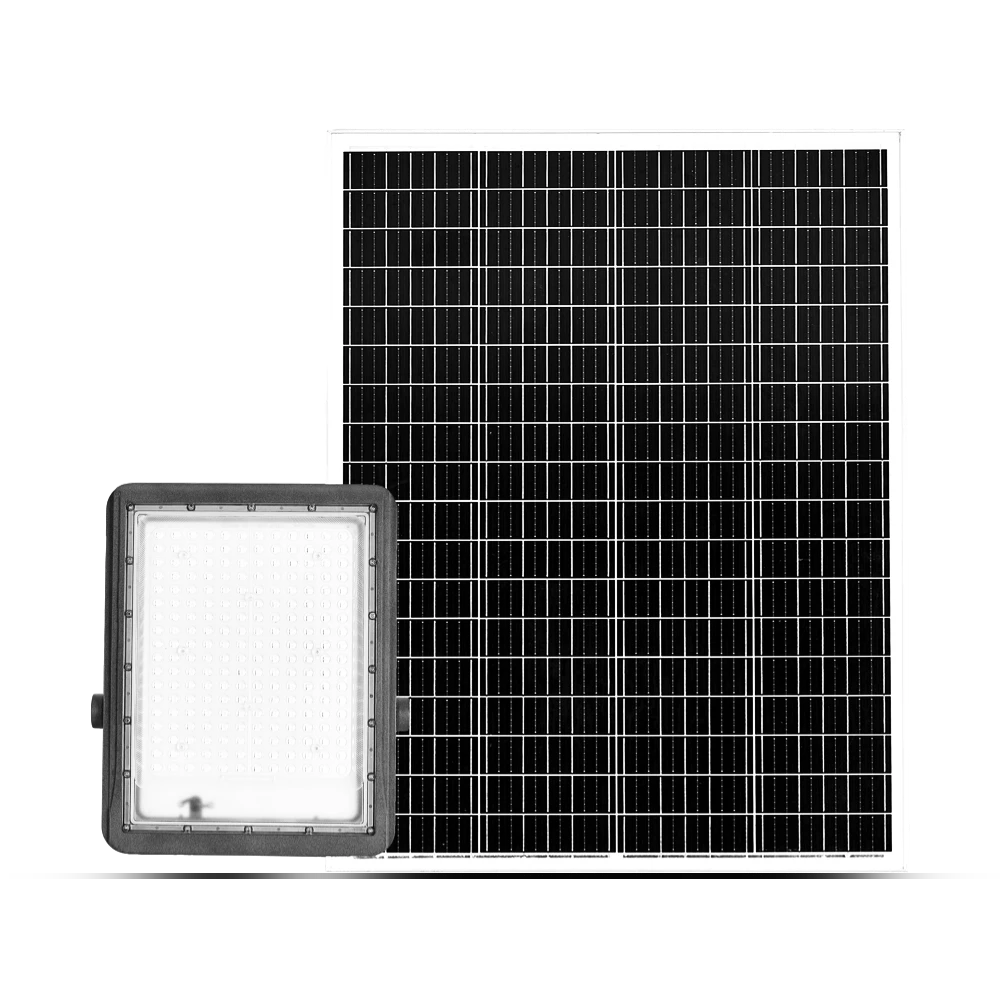
Queneng's Luxian Reliable Solar Street Light offers energy-saving LED lighting for outdoor use. This durable, solar-powered street light provides reliable illumination, reducing energy costs and environmental impact. A perfect solution for sustainable outdoor lighting.
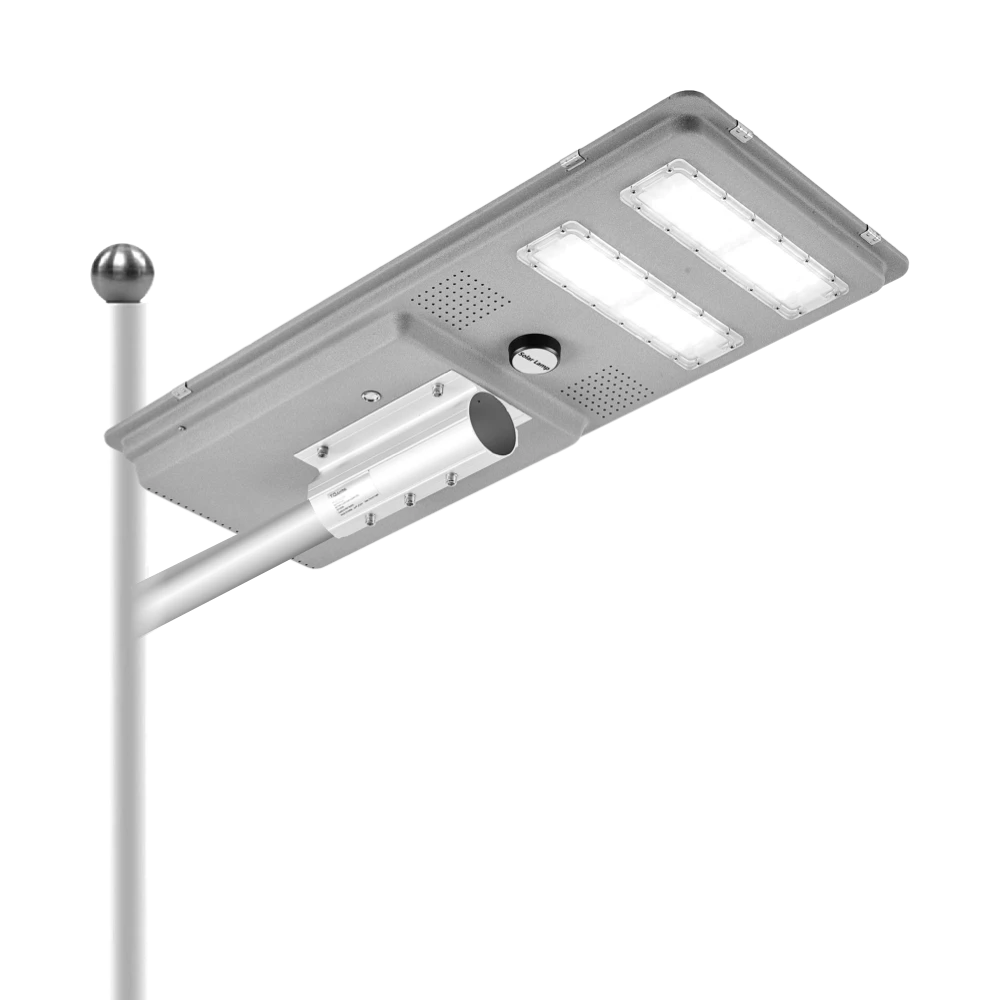
Queneng’s Solar Street Lights are designed to provide reliable, energy-efficient lighting for streets, parks, and other outdoor spaces.
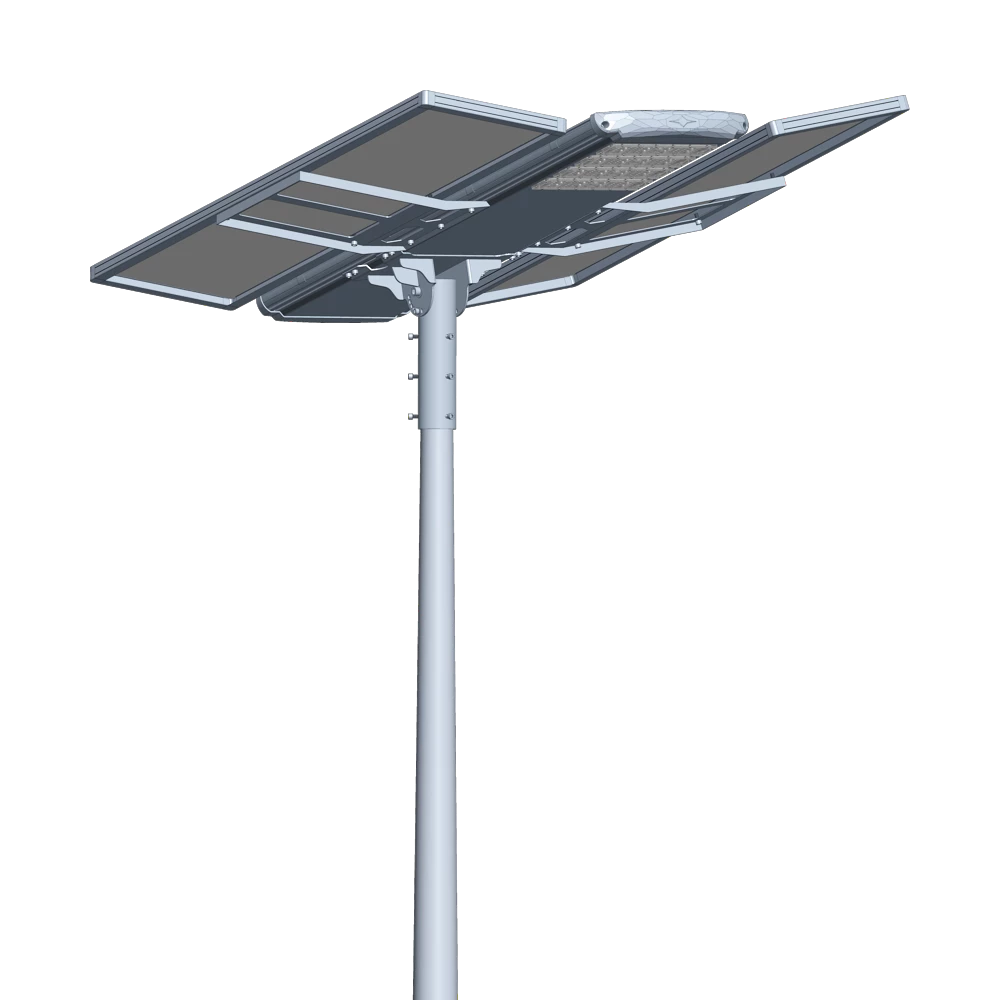
Introducing the Luqing Solar Street Light by Queneng, Efficient LED lighting powered by solar energy is perfect for illuminating outdoor areas. Harness the power of solar energy for sustainable, reliable street lighting. Ideal for eco-friendly, cost-effective outdoor illumination solutions.
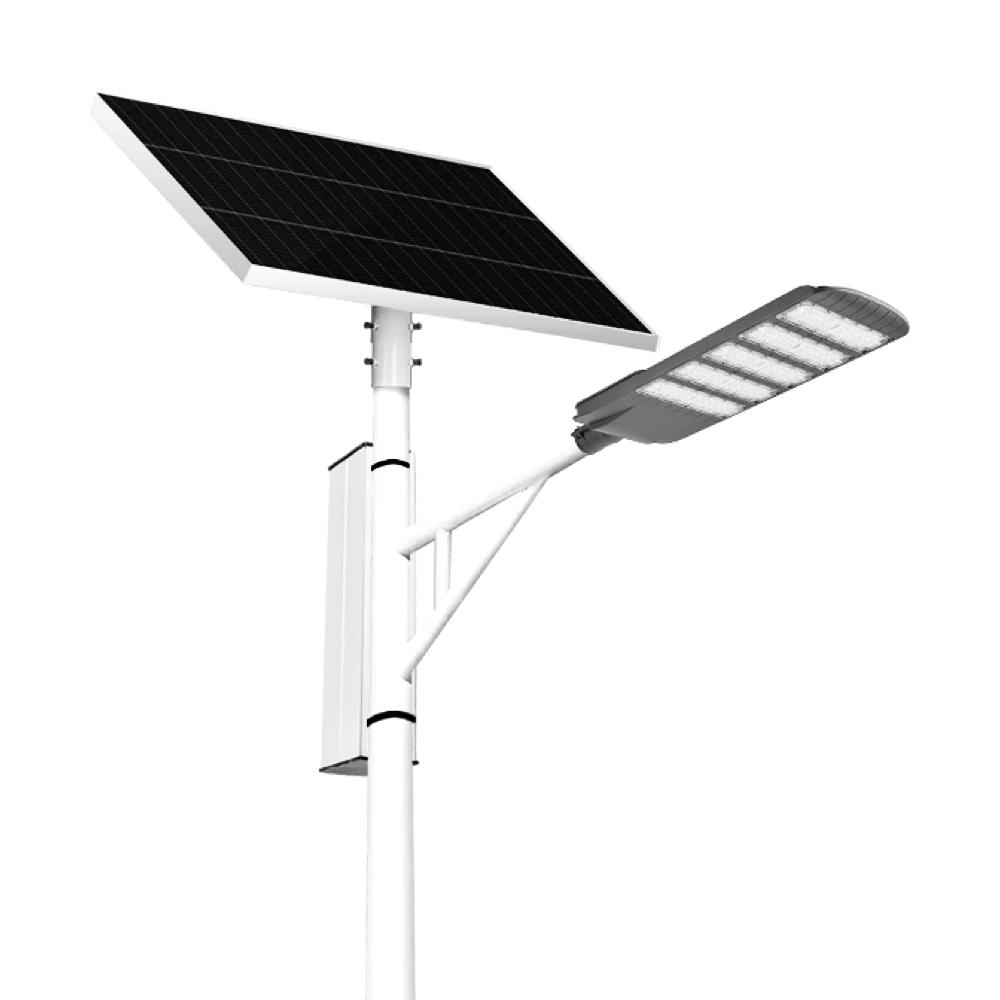
The Solar Streetlights of Luhao for Municipalities are designed to deliver reliable, energy-efficient, and cost-effective public lighting solutions. Equipped with advanced LED technology, durable lithium batteries, and high-efficiency solar panels, these streetlights provide consistent illumination for roads, parks, residential areas, and government projects.
If you would like more information about Queneng solar lighting solutions, please send us a message by filling out the form below. Our professional team will get back to you within 24 hours!
Rest assured that your privacy is important to us, and all information provided will be handled with the utmost confidentiality.
Schedule a Meeting
Book a date and time that is convenient for you and conduct the session in advance.
Have more questions about our products or services?
The messenger of light & power conversion
Environmental protection and intelligent manufacturing are our brand philosophy, and quality assurance and the best user experience are our eternal promises to users.
CONTACT
No.9F, Building F, Cao San Xin Tian Hong Logistics Park, Guzhen Town, Zhongshan City, Guangdong Province, China.
or write [email protected]
WhatsApp: +86 136 2270 1011


