













Mengapakah kualiti LED penting dalam lampu jalan berkuasa solar?
Menyahmistikan Perolehan Lampu Jalan Suria: Buku Panduan Pembeli Profesional
Ketika dunia semakin menerima pakai penyelesaian lestari, lampu jalan berkuasa solar telah muncul sebagai pilihan utama untuk menerangi ruang awam, jalan raya dan hartanah komersial. Bagi profesional perolehan dan pengurus projek, memahami selok-belok sistem ini – daripada kos awal hingga prestasi jangka panjang – adalah sangat penting. Panduan ini memberikan jawapan mendalam kepada soalan-soalan penting untuk membantu anda membuat keputusan termaklum.
1. Apakah faktor utama yang mempengaruhi kos lampu jalan suria, dan apakah julat harga biasa?
Kos sistem lampu jalan suria berbeza dengan ketara berdasarkan beberapa faktor utama. Memahami ini membantu dalam membuat belanjawan dan menilai cadangan:
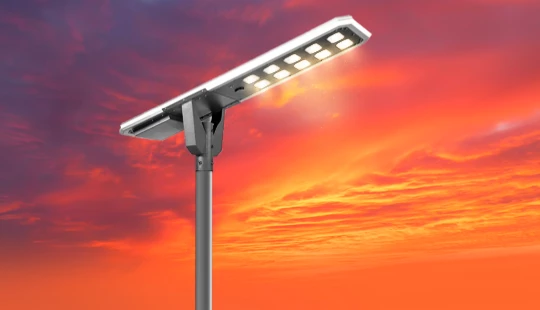
- Watt LED & Output Lumen:LED watt yang lebih tinggi memberikan pencahayaan yang lebih besar secara semula jadi meningkatkan kos. Contohnya, lampu jalan solar LED 30W asas mungkin kurang daripada unit 100W atau 120W yang direka untuk lebuh raya.
- Kapasiti & Jenis Bateri:Bateri menyimpan tenaga untuk menghidupkan cahaya pada waktu malam. Bateri Lithium Iron Phosphate (LiFePO4) kini menjadi standard industri kerana jangka hayatnya yang lebih lama (2000-5000 kitaran pada 80% Kedalaman Nyahcas), keselamatan dan kestabilan suhu yang lebih baik berbanding asid plumbum. Kapasiti yang lebih tinggi (diukur dalam Watt-hours atau Amp-hours) untuk autonomi yang lebih lama (hari sandaran) akan meningkatkan harga.
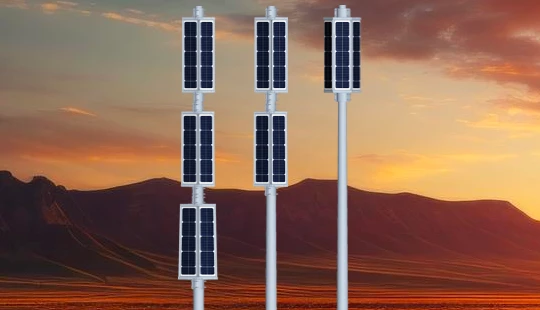
- Saiz & Kecekapan Panel Suria:Watt dan kecekapan panel solar menentukan seberapa cepat bateri dicas semula. Panel monohablur yang lebih besar dan lebih cekap (biasanya kecekapan 18-22%) lebih mahal daripada panel polihabluran yang lebih kecil dan kurang cekap.
- Tinggi & Bahan Tiang:Tiang yang lebih tinggi (cth, 6m lwn. 12m) memerlukan lebih banyak kekuatan bahan dan struktur, yang menjejaskan kos. Bahan seperti keluli tergalvani atau aluminium juga memainkan peranan.
- Teknologi Pengawal:Pengawal MPPT lanjutan (Penjejakan Titik Kuasa Maksimum), yang mengoptimumkan pemindahan kuasa daripada panel solar ke bateri, adalah lebih cekap (15-30% lebih cekap daripada PWM) tetapi juga lebih mahal daripada pengawal PWM asas.
- Ciri Pintar:Penderia gerakan, keupayaan peredupan, pemantauan jauh dan penyepaduan IoT menambah kerumitan dan kos sistem.
- Jenama & Kualiti Komponen:Pengeluar bereputasi yang menggunakan komponen gred tinggi (cth, Cree, Osram LED; bateri berjenama) akan mempunyai kos permulaan yang lebih tinggi tetapi menawarkan prestasi unggul dan jangka hayat yang panjang.
Julat Harga Biasa:
- Sistem Asas All-in-One (15W-40W):Biasanya berkisar antara $200 - $600 USD.
- Sistem All-in-One atau Split Julat Pertengahan (50W-80W):Boleh berkisar antara $600 - $1,500 USD.
- Sistem Split Berprestasi Tinggi (100W-150W+):Selalunya berkisar antara $1,500 - $3,000+ USD, terutamanya dengan tiang yang lebih tinggi dan ciri lanjutan.
2. Apakah Pulangan Pelaburan (ROI) untuk lampu jalan suria, dan bagaimana ia dibandingkan dengan pencahayaan tradisional?
ROI untuk lampu jalan solar adalah menarik, terutamanya didorong oleh penjimatan operasi yang ketara dan faedah alam sekitar:
- Tiada Bil Elektrik:Ini adalah penjimatan yang paling langsung dan besar. Lampu suria beroperasi sepenuhnya di luar grid.
- Mengurangkan Kos Pemasangan:Menghapuskan keperluan untuk parit, pengkabelan dan penyambungan ke grid kuasa utama menjimatkan banyak kos buruh dan bahan. Bergantung pada projek, penjimatan ini sahaja boleh menjadi besar.
- Penyelenggaraan yang lebih rendah:Lampu jalan suria moden, terutamanya yang mempunyai bateri LiFePO4 berkualiti tinggi dan pemacu LED yang teguh, memerlukan penyelenggaraan yang minimum. Pembersihan berkala panel solar dan pemeriksaan bateri sekali-sekala biasanya mencukupi.
- Faedah Alam Sekitar & CSR:Walaupun tidak secara langsung dari segi kewangan, pengurangan jejak karbon dan peningkatan kemampanan menyumbang kepada matlamat tanggungjawab sosial korporat dan boleh meningkatkan imej awam.
- Kelayakan untuk Insentif:Di banyak wilayah, kerajaan menawarkan subsidi, geran atau insentif cukai untuk menerima pakai penyelesaian tenaga boleh diperbaharui, seterusnya meningkatkan ROI.
Perbandingan dengan Pencahayaan Tradisional:Lampu jalan tradisional yang diikat grid mempunyai kos pendahuluan yang lebih rendah tetapi menanggung bil elektrik berterusan, kos pemasangan yang lebih tinggi (disebabkan oleh parit dan pendawaian), dan selalunya penggantian mentol yang lebih kerap (untuk teknologi lama seperti HPS). Tempoh bayaran balik untuk lampu jalan suria, dengan mengambil kira penjimatan tenaga dan mengurangkan kos infrastruktur, sering kali jatuh3 hingga 7 tahun, selepas itu mereka menyediakan pencahayaan hampir percuma untuk baki jangka hayat mereka (biasanya 10-15+ tahun untuk sistem, dengan jangka hayat komponen melangkaui itu).
3. Bagaimanakah saya memilih pengeluar lampu jalan suria yang boleh dipercayai? Apakah kriteria utama yang perlu saya cari?
Memilih pengeluar yang betul adalah penting untuk pelaburan jangka panjang yang berjaya. Cari:
- Pengalaman & Reputasi:Rekod prestasi yang terbukti dalam industri lampu solar, dengan portfolio projek yang berjaya dan testimoni pelanggan yang positif.
- R&D dan Inovasi:Pengeluar yang melabur dalam penyelidikan dan pembangunan selalunya menawarkan produk yang lebih cekap, tahan lama dan berteknologi maju (cth, sistem kawalan pintar).
- Pensijilan Kualiti:Pastikan produk mematuhi piawaian antarabangsa seperti penarafan CE, RoHS, FCC dan IP (cth, IP65/IP66 untuk rintangan habuk dan air). Kemudahan perkilangan sebaiknya diperakui ISO 9001 untuk pengurusan kualiti.
- Penyumberan Komponen:Tanya tentang sumber komponen utama (cip LED, bateri, panel solar, pengawal). Pengeluar bereputasi menggunakan komponen daripada jenama terkenal (cth, Cree, Osram, Philips Lumileds untuk LED; sel LiFePO4 gred A).
- Keupayaan Pengilangan & QC:Kemudahan pengeluaran khusus dengan proses kawalan kualiti yang ketat pada setiap peringkat, daripada pemeriksaan komponen hingga ujian produk akhir.
- Penyesuaian & Fleksibiliti:Keupayaan untuk menyesuaikan penyelesaian kepada keperluan projek tertentu (cth, corak pengedaran cahaya, hari autonomi, ketinggian tiang, reka bentuk estetik).
- Sokongan Teknikal & Perkhidmatan Selepas Jualan:Ketersediaan jurutera mahir untuk perundingan pra-jualan, panduan pemasangan dan sokongan segera selepas jualan, termasuk ketersediaan alat ganti.
- Polisi Waranti:Waranti yang jelas dan komprehensif untuk keseluruhan sistem dan komponen individu.
4. Mengapakah kualiti cip LED sangat penting untuk prestasi dan jangka hayat lampu jalan solar?
LED ialah sumber cahaya, dan kualitinya secara langsung memberi kesan kepada kecekapan keseluruhan sistem, prestasi pencahayaan dan jangka hayat:
- Keberkesanan Lumen (lm/W):Cip LED berkualiti tinggi menawarkan keluaran lumen unggul bagi setiap watt yang digunakan (cth, 150-180 lm/W). Ini bermakna lebih banyak cahaya dengan kurang kuasa, yang secara langsung diterjemahkan kepada keperluan bateri dan panel solar yang lebih kecil, mengurangkan kos keseluruhan sistem dan meningkatkan autonomi tenaga. LED berkualiti rendah selalunya mempunyai keberkesanan yang jauh lebih rendah, membawa kepada pencahayaan malap atau memerlukan komponen yang lebih besar dan lebih mahal untuk mengimbangi.
- Jangka hayat (L70/B10):LED Berkualiti Tinggi daripada jenama seperti Cree, Osram atau Philips Lumileds dinilai selama 50,000 hingga 100,000+ jam kepada L70 (apabila output cahaya merosot kepada 70% lumen awal). Ini memastikan pencahayaan yang konsisten selama bertahun-tahun, meminimumkan kos penggantian dan penyelenggaraan. LED inferior merosot dengan lebih cepat, membawa kepada kegelapan pramatang dan penggantian yang kerap.
- Indeks Rendering Warna (CRI):LED berkualiti tinggi biasanya mempunyai CRI 70-80+, menghasilkan warna dengan tepat, yang penting untuk keselamatan dan keterlihatan. LED berkualiti rendah boleh memesongkan warna, menjadikannya lebih sukar untuk membezakan objek.
- Suhu Warna (CCT):CCT yang betul (cth, 4000K-5700K untuk lampu jalan) memastikan pencahayaan yang selesa dan berkesan. LED berkualiti menawarkan CCT yang konsisten.
- Pengurusan Terma:Pakej LED berkualiti tinggi dan lekapan yang direka bentuk dengan berkesan menghilangkan haba, yang penting untuk mengekalkan jangka hayat dan prestasi LED. Terlalu panas adalah punca utama kegagalan LED pramatang dan susut nilai lumen dalam sistem yang direka dengan buruk.
Melabur dalam LED berkualiti memastikan pencahayaan yang cemerlang, tahan lama dan cekap tenaga, sekali gus memaksimumkan ROI projek lampu jalan solar anda.
5. Apakah komponen utama lain (bateri, panel solar, pengawal) yang penting untuk prestasi keseluruhan dan ketahanan sistem lampu jalan solar?
Walaupun LED adalah penting, komponen teras lain membentuk tulang belakang lampu jalan suria yang boleh dipercayai:
- Bateri:
- Jenis:Seperti yang dinyatakan, bateri LiFePO4 (Lithium Iron Phosphate) adalah standard untuk keselamatannya, hayat kitaran yang panjang (2000-5000 kitaran pada 80% DOD), dan kestabilan merentasi julat suhu yang luas (-20°C hingga 60°C). Elakkan bateri asid plumbum untuk pemasangan baharu kerana jangka hayatnya yang lebih pendek dan kebimbangan alam sekitar.
- kapasiti:Menentukan autonomi, atau bilangan hari cahaya boleh beroperasi tanpa cahaya matahari yang mencukupi. Pengilang yang bereputasi akan saiz bateri untuk menyediakan 3-5 hari autonomi, memastikan operasi yang boleh dipercayai walaupun semasa tempoh mendung yang panjang.
- Panel Suria:
- Jenis:Panel silikon monokristalin lebih disukai kerana kecekapannya yang lebih tinggi (biasanya 18-22%) dan jejak yang lebih kecil, menjadikannya sesuai untuk reka bentuk bersepadu. Panel polihabluran kurang cekap (15-18%) tetapi boleh menjadi lebih kos efektif untuk reka bentuk panel yang lebih besar dan berasingan.
- Watt:Mesti bersaiz sesuai untuk mengecas semula bateri sepenuhnya setiap hari, dengan mengambil kira sinaran suria tempatan dan penggunaan tenaga oleh lekapan LED.
- Ketahanan:Cari kaca terbaja, bingkai aluminium yang teguh dan penarafan IP67 untuk rintangan cuaca dan jangka hayat (biasanya waranti output kuasa 25 tahun).
- Pengawal Caj Suria:
- Jenis:Pengawal MPPT (Penjejakan Titik Kuasa Maksimum) lebih unggul, mengekstrak 15-30% lebih kuasa daripada panel solar berbanding pengawal PWM (Pulse Width Modulation). Keuntungan kecekapan ini adalah kritikal, terutamanya dalam keadaan cahaya malap.
- ciri-ciri:Ciri penting termasuk perlindungan cas berlebihan/lebihan, perlindungan kekutuban terbalik, perlindungan litar pintas, pampasan suhu dan profil pemalapan pintar (cth, penyepaduan sensor gerakan, pemalapan berasaskan masa) untuk mengoptimumkan penggunaan tenaga dan memanjangkan hayat bateri.
- Perkakasan & Tiang Pemasangan:Bahan yang teguh dan tahan kakisan (cth, keluli tergalvani celup panas, aluminium) adalah penting untuk integriti struktur dan ketahanan jangka panjang dalam pelbagai keadaan persekitaran.
6. Apakah jenis jaminan dan sokongan selepas jualan yang perlu saya harapkan daripada pengeluar lampu jalan solar yang bereputasi?
Waranti yang kukuh dan sokongan selepas jualan yang boleh dipercayai adalah penunjuk keyakinan pengeluar terhadap produk dan komitmen mereka terhadap kepuasan pelanggan:
- Jaminan Sistem:Biasanya, jangkakan jaminan 3 hingga 5 tahun yang meliputi keseluruhan sistem lampu jalan suria (lekapan LED, bateri, panel solar, pengawal, tiang).
- Waranti Khusus Komponen:
- Panel Suria:Selalunya disertakan dengan waranti output kuasa linear 20-25 tahun, menjamin peratusan tertentu output kuasa asal (cth, 80% selepas 25 tahun).
- Bateri:Bateri LiFePO4 berkualiti tinggi mungkin mempunyai waranti 5-7 tahun yang berasingan, atau dilindungi di bawah jaminan sistem utama selama 3-5 tahun, selalunya dengan bilangan kitaran tertentu.
- Pemacu & Cip LED:Biasanya sejajar dengan jaminan sistem, 3-5 tahun.
- Sokongan Teknikal:Akses kepada juruteknik pakar untuk menyelesaikan masalah, panduan pemasangan dan pertanyaan teknikal adalah penting. Ini mungkin termasuk sokongan telefon, e-mel atau sumber dalam talian.
- Ketersediaan Alat Ganti:Pengilang yang boleh dipercayai harus memastikan ketersediaan alat ganti untuk sekurang-kurangnya 5-10 tahun selepas pembelian, membolehkan pembaikan mudah dan lanjutan jangka hayat produk.
- Perjanjian Tahap Perkhidmatan (SLA):Untuk projek yang lebih besar, tanya tentang SLA khusus untuk masa respons dan penyelesaian isu.
7. Apakah pertimbangan pemasangan dan penyelenggaraan biasa untuk lampu jalan solar?
Salah satu kelebihan penting lampu jalan solar ialah pemasangannya yang agak mudah dan keperluan penyelenggaraan yang rendah:
- Pemasangan:
- Asas:Asas konkrit yang teguh adalah penting untuk melabuhkan tiang dengan selamat terhadap beban angin. Spesifikasi bergantung pada ketinggian tiang, berat dan keadaan tanah setempat.
- Orientasi:Panel solar mesti diorientasikan dengan betul (biasanya menghadap khatulistiwa, Selatan di Hemisfera Utara, Utara di Hemisfera Selatan) dan condong pada sudut optimum untuk memaksimumkan pendedahan matahari sepanjang tahun. Elakkan teduhan dari pokok atau bangunan.
- Perhimpunan:Kebanyakan sistem, terutamanya reka bentuk semua-dalam-satu, direka untuk pemasangan pantas. Panel solar, bateri dan pengawal selalunya telah disepadukan dengan lekapan lampu.
- Pendawaian:Pendawaian minimum diperlukan, terutamanya menyambungkan panel solar ke pengawal/bateri dan lekapan lampu.
- Penyelenggaraan:
- Pembersihan Panel Suria:Secara berkala (setiap 3-6 bulan, atau lebih kerap dalam persekitaran berdebu) bersihkan permukaan panel solar untuk mengeluarkan habuk, kotoran, najis burung atau salji yang boleh mengurangkan kecekapan.
- Pemeriksaan Bateri:Walaupun bateri LiFePO4 adalah rendah penyelenggaraan, pemeriksaan sekali-sekala (cth, setiap tahun) untuk sambungan selamat dan kerosakan fizikal adalah dinasihatkan.
- Pemeriksaan Lekapan:Pastikan lekapan dan perumah LED bebas daripada serpihan atau kerosakan.
- Kestabilan tiang:Periksa tiang dan asas secara berkala untuk sebarang tanda kakisan, longgar atau isu integriti struktur.
- Tiada Penyelenggaraan Bahan Api atau Penjana:Kelebihan utama ialah ketiadaan keperluan bahan api atau penyelenggaraan enjin yang kompleks yang dikaitkan dengan pencahayaan grid-terikat.
Quenenglighting: Rakan Kongsi Anda untuk Penyelesaian Pencahayaan Jalan Solar Superior
Di Quenenglighting, kami memahami faktor kritikal yang memacu projek lampu jalan solar yang berjaya. Kami berbangga untuk menyampaikan penyelesaian pencahayaan solar yang teguh, cekap dan boleh dipercayai dengan menyepadukan komponen kualiti tertinggi:
- Komponen Berkualiti Tinggi:Kami secara eksklusif menggunakan cip LED peringkat teratas (cth, dari Cree, Osram), bateri LiFePO4 berkapasiti tinggi dengan hayat kitaran yang dilanjutkan, dan panel solar monohabluran berkecekapan tinggi.
- Teknologi Lanjutan:Sistem kami menampilkan pengawal caj MPPT dan sistem pengurusan pencahayaan pintar, mengoptimumkan penuaian dan penggunaan tenaga untuk autonomi dan jangka hayat maksimum.
- Kejuruteraan Teguh:Direka bentuk untuk ketahanan, produk kami menahan keadaan persekitaran yang keras, disokong oleh ujian yang ketat dan proses kawalan kualiti (diperakui ISO 9001).
- Kepakaran Penyesuaian:Kami menawarkan penyelesaian yang disesuaikan untuk memenuhi keperluan projek khusus, daripada output lumen dan pengedaran cahaya kepada reka bentuk tiang dan fungsi pintar.
- Sokongan Komprehensif:Quenenglighting menyediakan perundingan pra-jualan yang meluas, sokongan teknikal dan jaminan yang kukuh (biasanya 3-5 tahun pada keseluruhan sistem) untuk memastikan pelaburan anda dilindungi dan berprestasi optimum untuk tahun-tahun akan datang.
- Nilai Kompetitif:Kami mencapai keseimbangan sempurna antara kualiti Berkualiti Tinggi dan harga yang kompetitif, memastikan anda menerima nilai jangka panjang terbaik untuk pelaburan lampu solar anda.
Pilih Quenenglighting untuk masa depan pencahayaan yang mampan, kos efektif dan berprestasi tinggi.
Rujukan dan Sumber Data:
- Bijak Tenaga. Panel Suria Monocrystalline vs Polycrystalline.https://www.energysage.com/solar-panels/monocrystalline-vs-polycrystalline/(Diakses: 15 Jun 2024)
- Tenaga Victron. Pengawal Caj Suria MPPT vs PWM.https://www.victronenergy.com/blog/2014/12/10/mppt-vs-pwm-solar-charge-controllers/(Diakses: 15 Jun 2024)
- Majalah LED. Memahami Penarafan Sepanjang Hayat LED L70 dan B10.https://www.ledsmagazine.com/lighting-applications/article/14073809/understanding-led-l70-and-b10-lifetime-ratings(Diakses: 15 Jun 2024)
- Universiti Bateri. BU-205: Jenis Litium-ion.https://batteryuniversity.com/article/bu-205-types-of-lithium-ion(Diakses: 15 Jun 2024)
- Dunia Tenaga Suria Dalam Talian. Membandingkan kecekapan panel solar daripada pengeluar terkemuka.https://www.solarpowerworldonline.com/2024/02/comparing-solar-panel-efficiencies-from-the-top-manufacturers/(Diakses: 15 Jun 2024)

Ada lagi soalan tentang produk atau perkhidmatan kami?
Berita hangat terkini yang mungkin anda suka

Panduan komprehensif 2026 untuk harga lampu jalan solar. Meliputi kos pemasangan komersial, trend bateri LiFePO₄, ciri IoT pintar dan perbandingan ROI terperinci terhadap pencahayaan grid tradisional.

Tinjauan komprehensif 2026 tentang lampu jalan solar bersepadu, menampilkan penanda aras prestasi seperti panel dwimuka, bateri LiFePO₄ dan integrasi IoT Bandar Pintar untuk ROI maksimum.

Temui cara panel solar menyalakan lampu jalan, meneroka teknologi di sebalik penukaran tenaga solar, sistem storan dan cara lampu jalan berkuasa solar merevolusikan penyelesaian pencahayaan bandar dan luar bandar.
Soalan Lazim
Lampu Jalan Suria Lufeng
Apakah yang menjadikan lampu jalan solar Lufeng mesra alam?
Lampu jalan suria Lufeng mesra alam kerana ia menggunakan tenaga suria boleh diperbaharui untuk menghidupkan LED, menghapuskan keperluan elektrik daripada grid. Ini mengurangkan pelepasan karbon dan pergantungan kepada bahan api fosil, menyumbang kepada persekitaran yang lebih hijau dan lebih mampan.
Taman Awam dan Pencahayaan Landskap
Adakah terdapat sebarang pilihan jaminan untuk lampu solar?
Ya, kami menawarkan waranti 2 tahun standard untuk semua produk lampu solar kami. Waranti meliputi kecacatan pembuatan dan isu prestasi di bawah penggunaan biasa. Untuk sebarang isu di luar tempoh jaminan, kami menyediakan perkhidmatan pembaikan dan penggantian.
Asas bateri dan istilah asas
Apakah bahan pembungkusan untuk bateri?
2. Filem PVC, tiub tanda dagangan
3. Lembaran sambungan: kepingan keluli tahan karat, kepingan nikel tulen, kepingan keluli bersalut nikel
4. kepingan plumbum: kepingan keluli tahan karat (mudah dipateri), Kepingan nikel tulen (kimpalan titik dengan kukuh)
5. jenis palam
6. komponen perlindungan seperti suis kawalan suhu, pelindung arus lebih, perintang pengehad arus
7. kotak kadbod, kadbod
8. Jenis cangkerang plastik
Lampu Jalan Suria Lulin
Apakah yang menjadikan lampu jalan solar Lulin berprestasi tinggi dan penjimatan tenaga?
Lampu jalan suria Lulin direka dengan panel solar berkecekapan tinggi dan teknologi LED termaju, memberikan kecerahan optimum dengan penggunaan tenaga yang minimum. Lampu LED menggunakan kurang kuasa sambil menawarkan pencahayaan yang unggul, dan panel solar menangkap dan menyimpan cahaya matahari dengan cekap, memastikan lampu berfungsi dengan baik walaupun dalam keadaan cahaya matahari yang rendah.
Prestasi dan Ujian Bateri
Apakah kadar nyahcas sendiri bagi pelbagai jenis bateri?
Lampu Jalan Suria Berpecah
Bagaimanakah saya memilih konfigurasi yang betul?
Kami menyediakan simulasi pencahayaan & tenaga percuma berdasarkan lokasi projek anda.
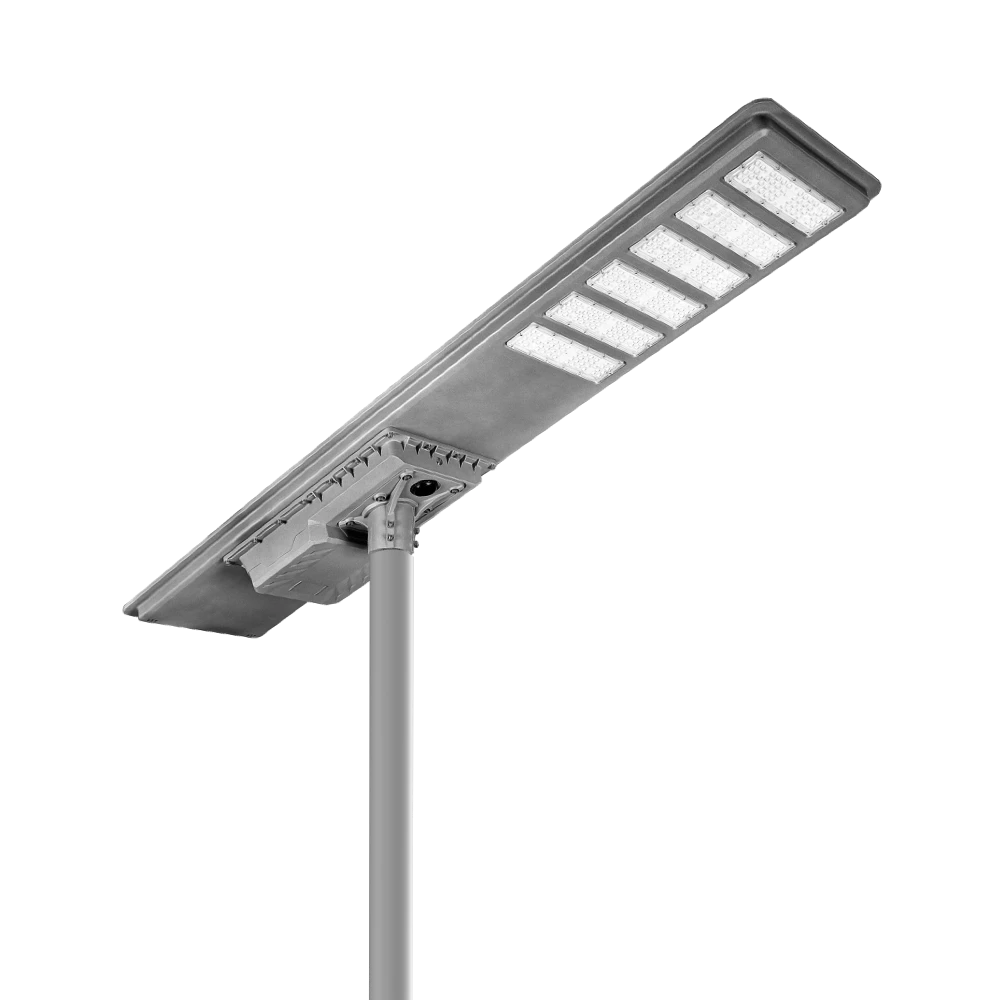
Lampu Jalan Suria Inovatif Luqiu Queneng menawarkan pencahayaan luar yang menjimatkan tenaga dan tahan lama. Lampu jalan kuasa suria ini menyediakan penyelesaian yang boleh dipercayai dan mesra alam untuk menerangi jalan dan laluan anda.
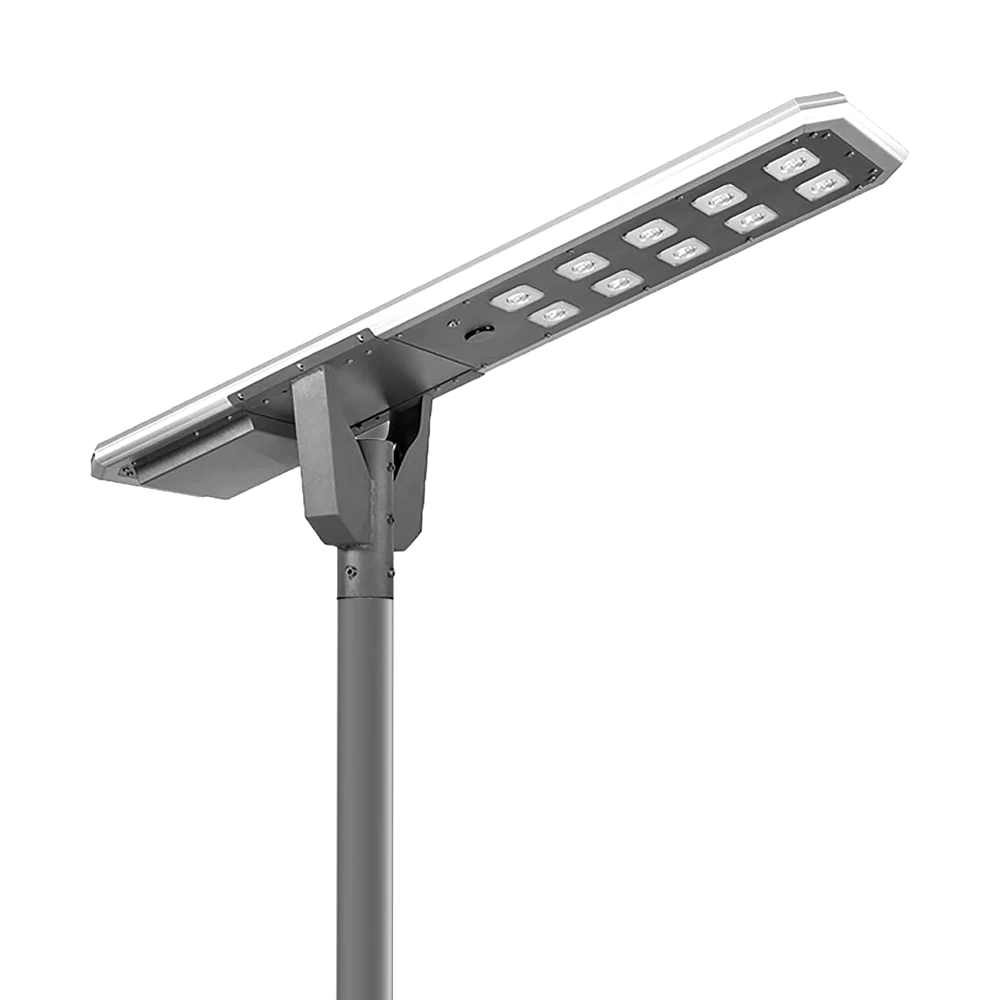
Terangi ruang luar anda dengan Solar Street Light, penyelesaian termaju yang menggabungkan teknologi solar termaju dan lampu LED penjimatan tenaga.
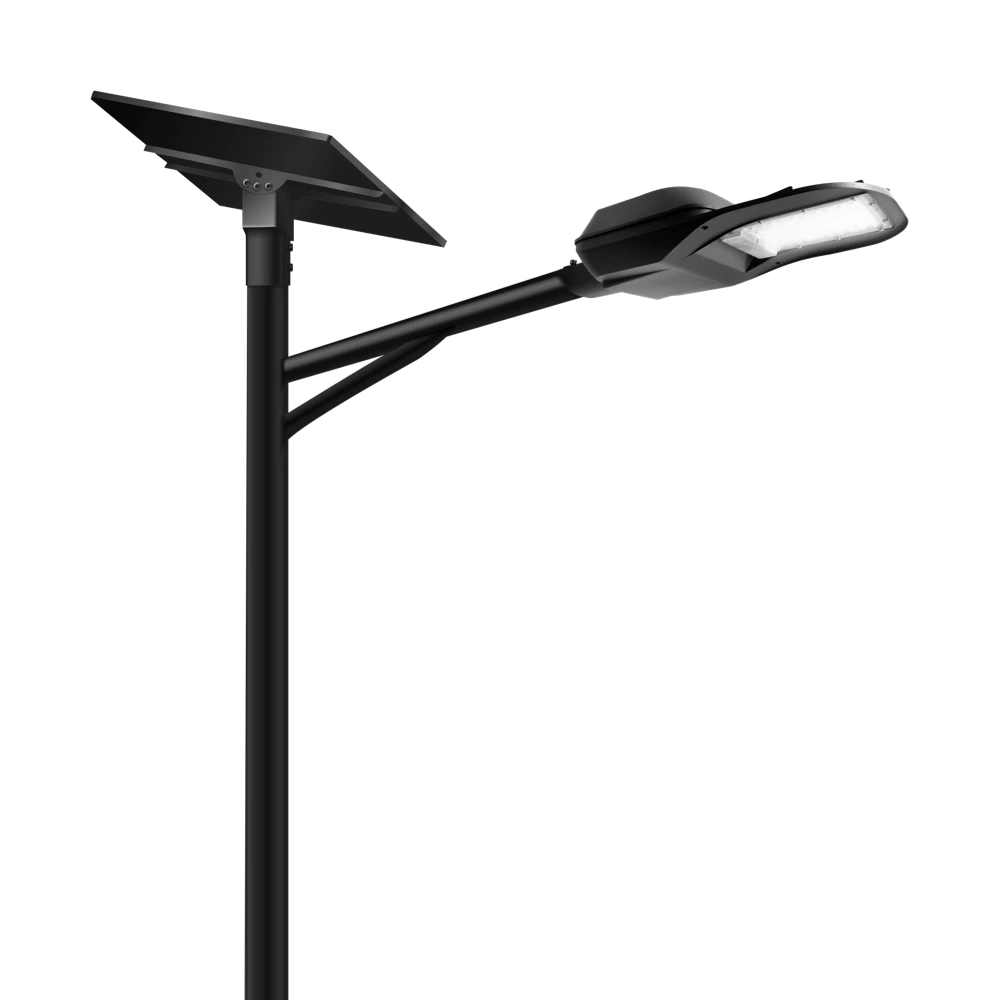
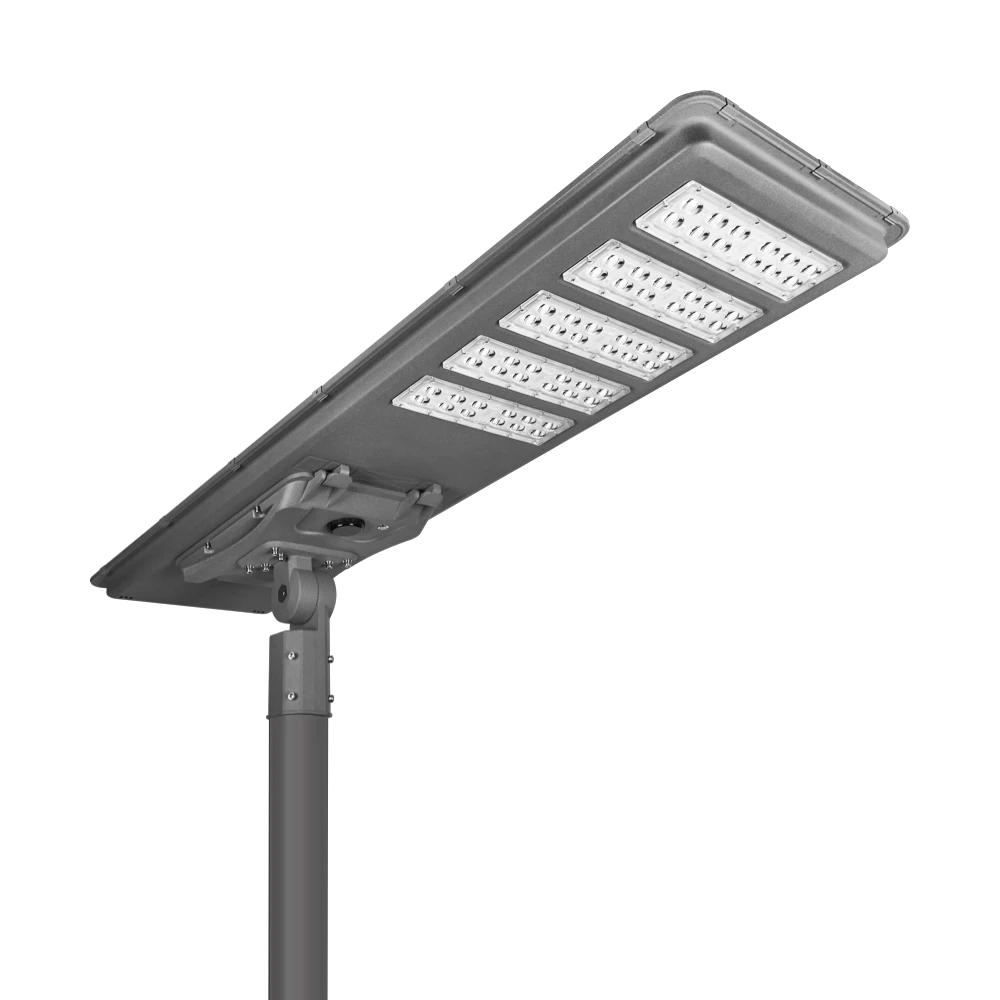
Temui Lampu Jalan Suria Berprestasi Tinggi Lulin oleh Queneng, penyelesaian pencahayaan luar yang tahan lama dan menjimatkan tenaga. Direka bentuk untuk kecekapan dan kebolehpercayaan, ia memanfaatkan tenaga solar untuk menerangi jalan dan laluan secara mampan. Optimumkan ruang luar anda hari ini dengan teknologi lampu jalan solar Queneng yang inovatif.
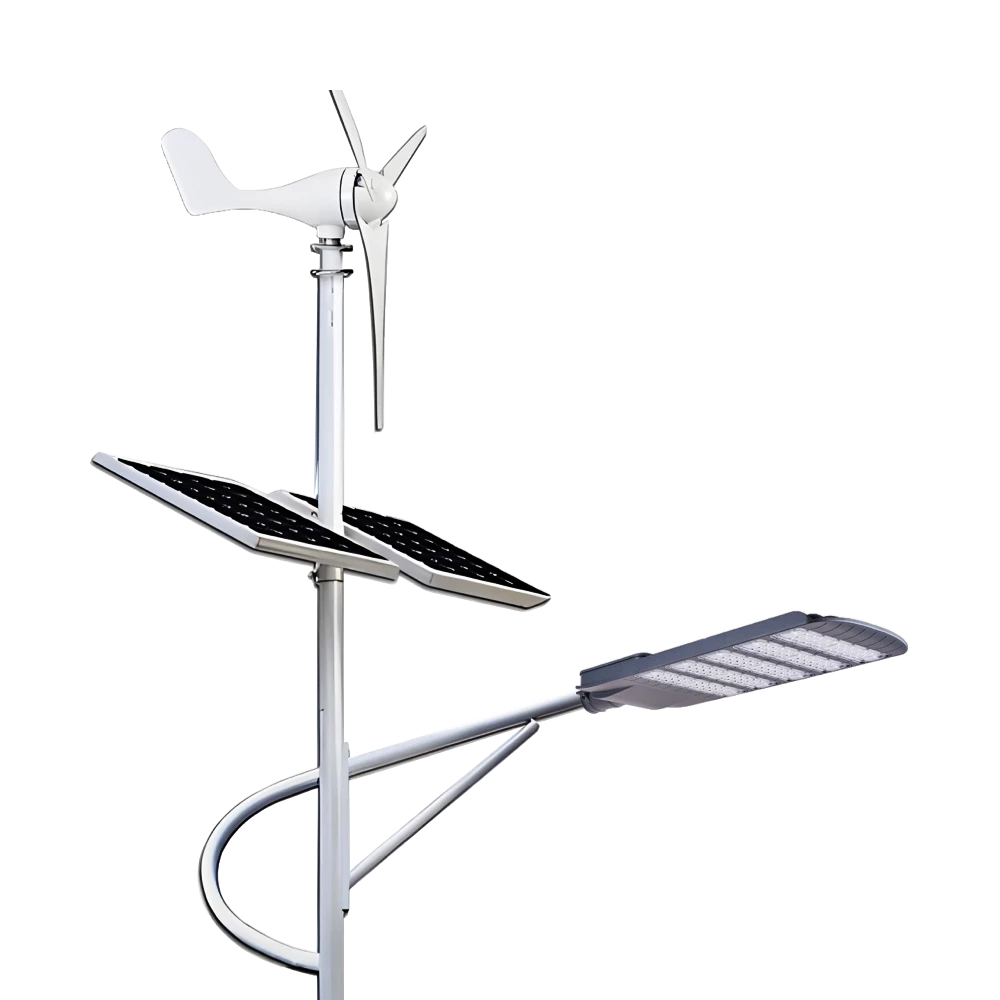
Lampu Jalan Suria Luaran LED Tenaga Angin Queneng Lufeng menawarkan pencahayaan mesra alam berprestasi tinggi. Lampu jalan LED yang cekap tenaga ini memanfaatkan tenaga suria dan tenaga angin untuk penyelesaian pencahayaan luar yang mampan dan kos efektif.
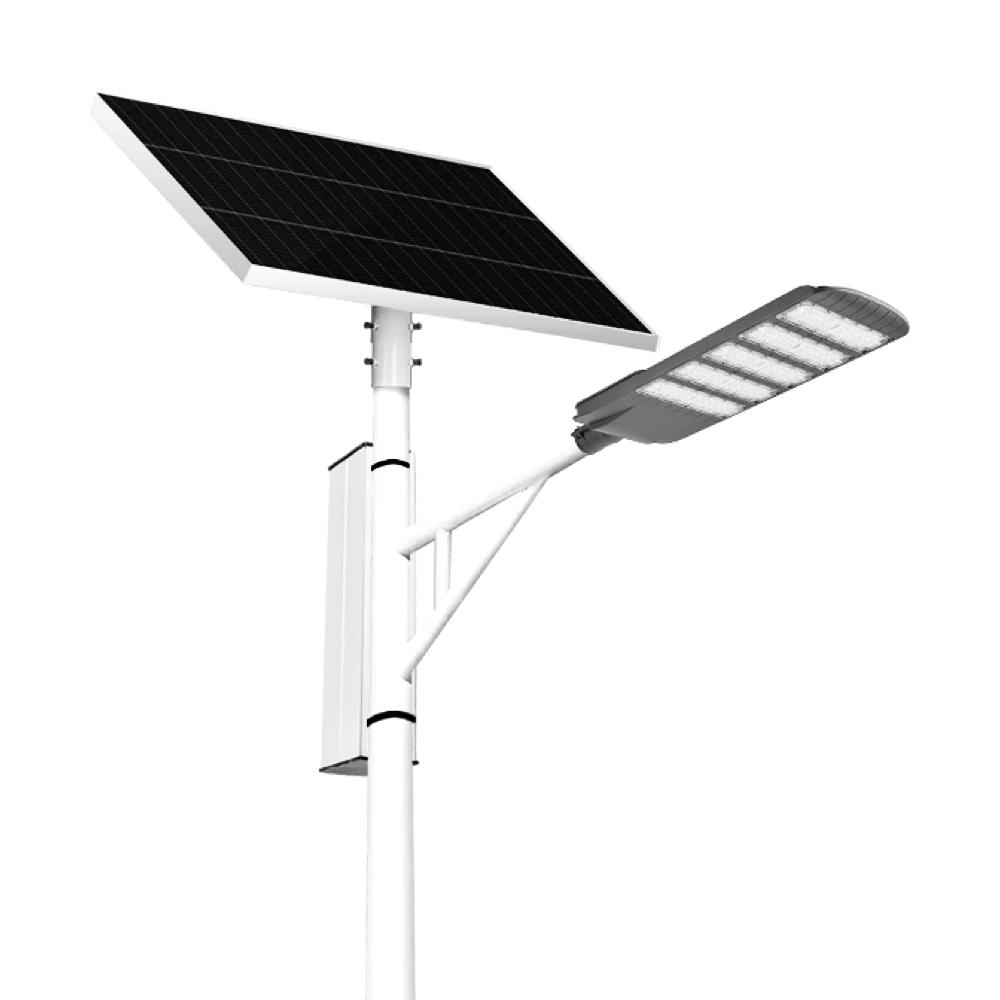
Lampu Jalan Suria Luhao untuk Perbandaran direka untuk memberikan penyelesaian pencahayaan awam yang boleh dipercayai, cekap tenaga dan kos efektif. Dilengkapi dengan teknologi LED termaju, bateri litium tahan lama dan panel suria berkecekapan tinggi, lampu jalan ini memberikan pencahayaan yang konsisten untuk jalan raya, taman, kawasan kediaman dan projek kerajaan.
Jika anda ingin maklumat lanjut tentang penyelesaian pencahayaan solar Queneng, sila hantar mesej kepada kami dengan mengisi borang di bawah. Pasukan profesional kami akan menghubungi anda semula dalam masa 24 jam!
Yakinlah bahawa privasi anda adalah penting bagi kami, dan semua maklumat yang diberikan akan dikendalikan dengan kerahsiaan sepenuhnya.
Jadualkan Mesyuarat
Tempah tarikh dan masa yang sesuai untuk anda dan kendalikan sesi lebih awal.
Ada lagi soalan tentang produk atau perkhidmatan kami?
Pengutus cahaya & penukaran kuasa
Perlindungan alam sekitar dan pembuatan pintar adalah falsafah jenama kami, dan jaminan kualiti serta pengalaman pengguna terbaik adalah janji abadi kami kepada pengguna.
HUBUNGI
No.9F, Bangunan F, Taman Logistik Cao San Xin Tian Hong, Bandar Guzhen, Bandar Zhongshan, Wilayah Guangdong, China.
atau menulis[e-mel dilindungi]
WhatsApp: +86 136 2270 1011


© 2026 Queneng Lighting. Hak Cipta Terpelihara. Dikuasakan oleh gooeyun.