

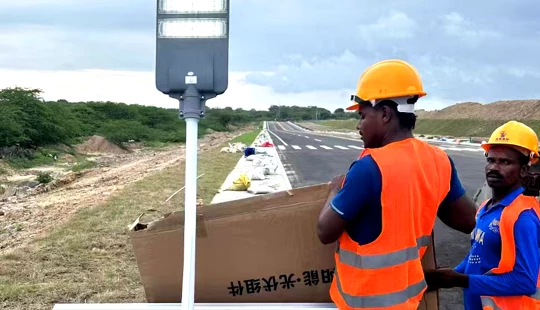
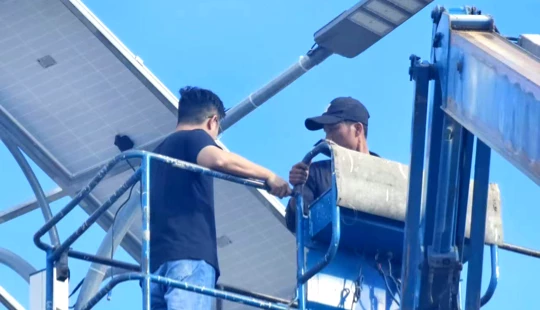













How do governments validate solar light design proposal specifications?
Decoding Solar Street Light Procurement: Essential Insights for Professionals
The global shift towards sustainable infrastructure has positioned solar street lighting as a vital solution for urban and rural development. For procurement professionals, understanding the intricacies of this technology is paramount to securing reliable, efficient, and cost-effective solutions. This guide addresses critical questions buyers often face, providing professional insights to navigate the market successfully.
What are the key cost drivers for solar street lights, and how can buyers achieve optimal ROI?
The total cost of a solar street light system is influenced by several critical components. Typically, prices for a single unit can range from $500 to $3,500+ USD, depending heavily on its power output, battery capacity, pole height, and smart features. The primary cost drivers include:
- Battery: Lithium Iron Phosphate (LiFePO4) batteries, while having a higher upfront cost than lead-acid, offer significantly longer lifespans (7-10 years or 2,000-5,000 cycles) and better performance in varying temperatures, leading to lower replacement costs over time.
- Solar Panel: The wattage and efficiency of the photovoltaic (PV) panel directly impact charging capability. Monocrystalline panels are generally more efficient (18-22%) but also pricier.
- LED Fixture: Lumens per watt, Correlated Color Temperature (CCT), and beam angle determine the lighting quality and efficiency. Higher lumen output often means higher cost.
- Pole: Material (galvanized steel, aluminum), height, and structural integrity for wind load resistance significantly affect pricing.
- Controller: MPPT (Maximum Power Point Tracking) controllers are more efficient (15-30% more charge) than PWM (Pulse Width Modulation) controllers, justifying their higher cost through improved battery life and overall system performance.
- Installation & Maintenance: While solar lights eliminate electricity bills, initial installation costs and minimal periodic maintenance (e.g., panel cleaning) should be factored in.
To achieve optimal ROI, buyers should focus on systems with high-quality, durable components (especially LiFePO4 batteries and efficient LEDs) that minimize maintenance and replacement needs over their lifespan. A well-designed system can offer a return on investment within 3-5 years due to zero energy costs and minimal operational expenses.
How can procurement professionals identify a reputable and reliable solar street light manufacturer?
Identifying a reliable manufacturer is crucial for long-term project success. Professionals should look for:
- Proven Track Record & Experience: A manufacturer with several years of experience and a portfolio of successful large-scale projects demonstrates reliability.
- R&D Capabilities: Companies that invest in research and development are more likely to offer innovative, efficient, and technologically advanced solutions.
- Certifications & Quality Management: Adherence to international standards like ISO 9001 (Quality Management) and ISO 14001 (Environmental Management) indicates a commitment to quality processes.
- In-house Production & Quality Control: Manufacturers with their own production facilities and stringent quality control protocols throughout the manufacturing process can better guarantee product consistency and performance.
- Comprehensive Warranty & After-Sales Support: A robust warranty (e.g., 5+ years for major components like batteries and solar panels, 3+ years for LED fixtures) and readily available technical support are essential.
- Customization Capabilities: The ability to tailor solutions to specific project requirements (e.g., differing illumination levels, autonomy days, pole heights) is a strong indicator of expertise.
- Transparent Data & Testing: Reputable manufacturers provide detailed product datasheets, photometric reports (IES files), and test certifications (e.g., LM-79, LM-80).
What are the critical technical specifications for solar street lights that buyers must thoroughly evaluate?
Detailed evaluation of technical specifications ensures the system meets project requirements and performs as expected:
- Lumen Output (lm) and Efficacy (lm/W): Specifies the total light emitted and its efficiency. Ensure it meets required illumination levels (lux) for the application area (e.g., main roads, pathways).
- Correlated Color Temperature (CCT): Typically 4000K-5000K for street lighting, providing clear visibility.
- Ingress Protection (IP) Rating: IP65 or IP66 is essential for outdoor environments, indicating protection against dust and water ingress.
- Battery Specifications: Type (LiFePO4 preferred), capacity (Wh or Ah), number of discharge cycles, and depth of discharge (DoD). Ensure sufficient autonomy (e.g., 3-5 days of backup power without sun).
- Solar Panel Specifications: Power (Wp), efficiency (%), and dimensions. Panel size should be optimized for local solar insolation.
- LED Driver/Controller: MPPT for optimal charging efficiency, operating temperature range, and protection features (overcharge, over-discharge, short circuit).
- Pole Specifications: Height, material, thickness, and certified wind load resistance appropriate for the installation location.
- Light Distribution (Optics): IES photometric distribution types (e.g., Type II, Type III) to ensure even illumination and minimize light pollution.
How do governments typically validate design proposals and specifications for solar street lighting projects?
Governmental validation processes are often rigorous to ensure public funds are wisely spent on reliable, safe, and effective solutions. Key validation steps include:
- Technical Compliance Review: Proposals are meticulously checked against tender specifications for illumination levels (lux), autonomy days, component quality, and system longevity.
- Photometric Analysis: Using software like AGI32 or DIALux with provided IES files to simulate light distribution, uniformity, and glare, ensuring it meets lighting standards (e.g., IESNA RP-8-18).
- Energy Autonomy & Battery Sizing Calculations: Verification of battery capacity and solar panel wattage based on local solar insolation data (e.g., from NASA's Surface meteorology and Solar Energy database or PVGIS) and daily load requirements to confirm the stated autonomy.
- Structural Engineering Reports: For poles, detailed reports on wind load resistance, material strength, and foundation design are required, often stamped by a certified engineer.
- Certification Verification: Demanding proof of international certifications for all major components (e.g., IEC for PV modules and batteries, LM-79/LM-80 for LEDs, CE, RoHS, IP ratings).
- Pilot Projects & Field Testing: For large-scale tenders, a small pilot installation might be required for on-site performance validation before full deployment.
- Manufacturer Audits: In some cases, governments may conduct or commission audits of the manufacturer's production facilities and quality control processes.
- Warranty & Service Level Agreements (SLAs): Thorough review of warranty terms and after-sales service agreements to ensure long-term support and maintenance.
What is the expected lifespan of major solar street light components, and what maintenance is typically required?
One of solar street lighting's advantages is its minimal maintenance, coupled with long component lifespans:
- LED Fixtures: High-quality LEDs can last 50,000 to 100,000 operating hours, translating to 10-20 years based on 12 hours of operation per day. They experience gradual lumen depreciation (L70 means 70% of initial lumen output remains).
- LiFePO4 Batteries: These batteries typically offer 2,000 to 5,000 charge/discharge cycles, resulting in a lifespan of 7-10 years, significantly outperforming traditional lead-acid batteries.
- Solar Panels: Monocrystalline solar panels are highly durable, with a performance warranty often guaranteeing 80% of original output after 20-25 years. They experience a degradation rate of approximately 0.5% per year.
- Controllers & Drivers: These electronic components typically have a lifespan of 5-10 years, depending on quality and environmental conditions.
Maintenance requirements are generally low:
- Solar Panel Cleaning: Periodic cleaning (every 6-12 months, or more frequently in dusty environments) is recommended to remove dirt, dust, and debris that can reduce charging efficiency.
- Visual Inspection: Annual checks for any physical damage, loose connections, or corrosion.
- Battery Health Check: Less frequent for LiFePO4, but for systems with older battery types, occasional voltage checks might be needed.
What certifications and international standards are essential to look for in high-quality solar street lights?
Certifications and standards provide objective evidence of product quality, safety, and performance:
- CE (Conformité Européenne) & RoHS (Restriction of Hazardous Substances): Mandatory for products sold in the European Economic Area, indicating compliance with health, safety, and environmental protection standards.
- IEC (International Electrotechnical Commission) Standards: Critical for solar components. For example, IEC 61215 for terrestrial photovoltaic (PV) modules, IEC 61730 for PV module safety, and IEC 62133 for secondary cells and batteries containing alkaline or other non-acid electrolytes for portable applications.
- IP (Ingress Protection) Rating: As mentioned, IP65 or IP66 is crucial for outdoor durability against dust and water.
- IESNA LM-79 & LM-80: LM-79 specifies the approved method for photometric measurement of solid-state lighting (SSL) products. LM-80 specifies the approved method for measuring lumen maintenance of LED light sources (LED packages, arrays, and modules). These are vital for verifying LED performance and lifespan.
- ISO 9001 & ISO 14001: For the manufacturer's quality management systems and environmental management systems, respectively.
- UL (Underwriters Laboratories): Particularly for North American markets, UL certification indicates product safety compliance.
Beyond initial investment, what are the long-term environmental and operational benefits of solar street lighting?
The advantages of solar street lighting extend far beyond immediate cost savings:
- Zero Electricity Bills: The most immediate operational benefit, eliminating recurring energy costs and providing long-term budgetary stability.
- Reduced Carbon Footprint: Operating entirely on renewable solar energy, these lights significantly decrease greenhouse gas emissions, contributing to climate change mitigation and corporate social responsibility goals.
- Grid Independence: Ideal for remote areas, new developments, or regions with unreliable grid infrastructure, offering lighting solutions without the high cost and complexity of trenching and cabling.
- Enhanced Public Safety: Reliable lighting improves visibility for pedestrians and drivers, reducing accidents and deterring criminal activity, making communities safer.
- Rapid Deployment & Flexibility: Installation is faster and less disruptive than traditional wired systems, allowing for flexible placement and scalability.
- Low Maintenance: As discussed, the minimal maintenance requirements translate into lower operational expenses over the system's lifespan.
- Potential for Smart City Integration: Many modern solar street lights can integrate with smart city platforms, offering features like adaptive lighting, remote monitoring, and environmental sensing.
Quenenglighting: Your Partner in Sustainable Illumination
At Quenenglighting, we understand the complexities and critical requirements of professional solar street light procurement. We commit to providing solutions that embody the highest standards of quality, performance, and reliability. Our products feature:
- High-Efficiency Components: Utilizing High Quality LiFePO4 batteries, monocrystalline solar panels, and high-lumen LEDs with MPPT controllers for maximum energy harvesting and extended lifespan.
- Robust Design: Engineered to withstand diverse environmental conditions, with certified IP ratings and structural integrity for various wind loads.
- Comprehensive Certifications: Adherence to international standards including CE, RoHS, IEC, LM-79, LM-80, and ISO-certified manufacturing processes, ensuring compliance and peace of mind.
- Customizable Solutions: Our expert team works closely with clients to design systems that precisely meet specific project requirements, from illumination levels to autonomy.
- Dedicated Support: We provide extensive warranties and responsive after-sales service, ensuring the long-term success and optimal performance of your investment.
Choose Quenenglighting for a partnership that illuminates your projects with sustainable, professional-grade solar street lighting solutions.
引用来源
- Solar Power World Online. The economics of solar street lighting. Retrieved from https://www.solarpowerworldonline.com/2016/09/the-economics-of-solar-street-lighting/ (Accessed: May 2024)
- Green Energy Times. Solar Street Lighting: The Facts and Figures. Retrieved from https://greenenergytimes.org/2021/03/01/solar-street-lighting-the-facts-and-figures/ (Accessed: May 2024)
- IESNA RP-8-18. Recommended Practice for Design and Maintenance of Roadway and Parking Facility Lighting. (Standard, specific publication link not generally free, but principles are widely cited by industry bodies). (Accessed: May 2024)
- NASA Prediction Of Worldwide Energy Resources (POWER) Project. Surface meteorology and Solar Energy (SSE). Retrieved from https://power.larc.nasa.gov/ (Accessed: May 2024)
- Various Manufacturer Datasheets and Industry Whitepapers for component lifespans and efficiency data (e.g., LiFePO4 battery cycle life, solar panel degradation rates). (Accessed: May 2024)

Have more questions about our products or services?
The latest hot news you might like

Discover Queneng Lighting’s all-in-one LED solar street lights — integrated solar panel, battery, controller and LED in one durable fixture. Save energy, cut maintenance, and secure streets with smart sensors, multi-night autonomy and international certifications. Contact sales for quotes and support.

Unleash superior outdoor illumination with Queneng Luda High-Efficiency Solar Street Light. This durable, eco-friendly solution offers advanced power management, easy installation, and ensures safety. Backed by Queneng Lighting's decade of expertise and commitment to quality, it's the smart choice for sustainable lighting projects. Learn why we're a leading solar solutions provider.

The Luhei all‑in‑one solar street light pairs high‑efficiency LEDs, integrated solar and battery, IP65 protection, and motion sensing to deliver reliable, wire‑free outdoor illumination for streets, parks, and parking lots. Backed by Queneng Lighting’s certifications and support.

FAQ
Battery and Analysis
Can any charger be used for rechargeable portable batteries?
Solar Street Light Lufei
How long does it take to install a solar street light?
Installation typically takes 1-2 hours, depending on the complexity of the setup. No external wiring is required, which makes installation faster and simpler compared to traditional street lighting.
Transportation and Highways
How does the system handle extreme weather conditions, such as snow or hurricanes?
Our systems are designed to withstand harsh weather, with components that are waterproof, wind-resistant, and capable of operating in temperatures ranging from -40°C to 60°C.
Public Gardens and Landscape Lighting
Do solar lights need wiring?
No, one of the main advantages of solar lights is that they do not require any wiring or electrical connections. They operate independently using solar energy, making installation quick, easy, and cost-effective.
How much sunlight do solar lights need to function properly?
Solar lights typically require 6-8 hours of direct sunlight during the day to charge fully and provide 8-12 hours of lighting during the night. However, our high-efficiency solar panels are designed to maximize energy capture even in less-than-ideal sunlight conditions.
Industry
How long is the expected lifespan of Queneng’s solar lighting system?
Under normal maintenance, our solar lighting systems can last over 10 years. High-quality materials and advanced technology contribute to their long-lasting durability and reliability.
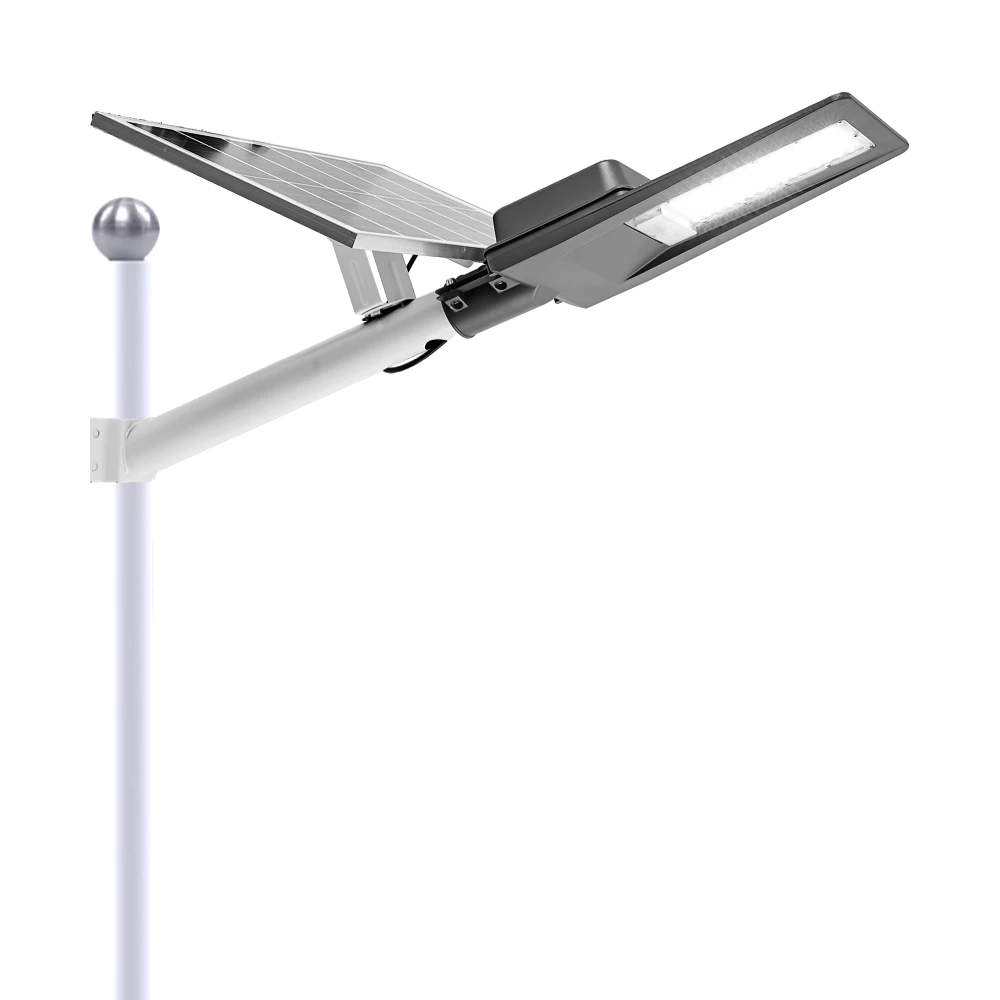
Experience reliable outdoor illumination with our smart solar street light, a perfect combination of advanced technology and eco-conscious design.
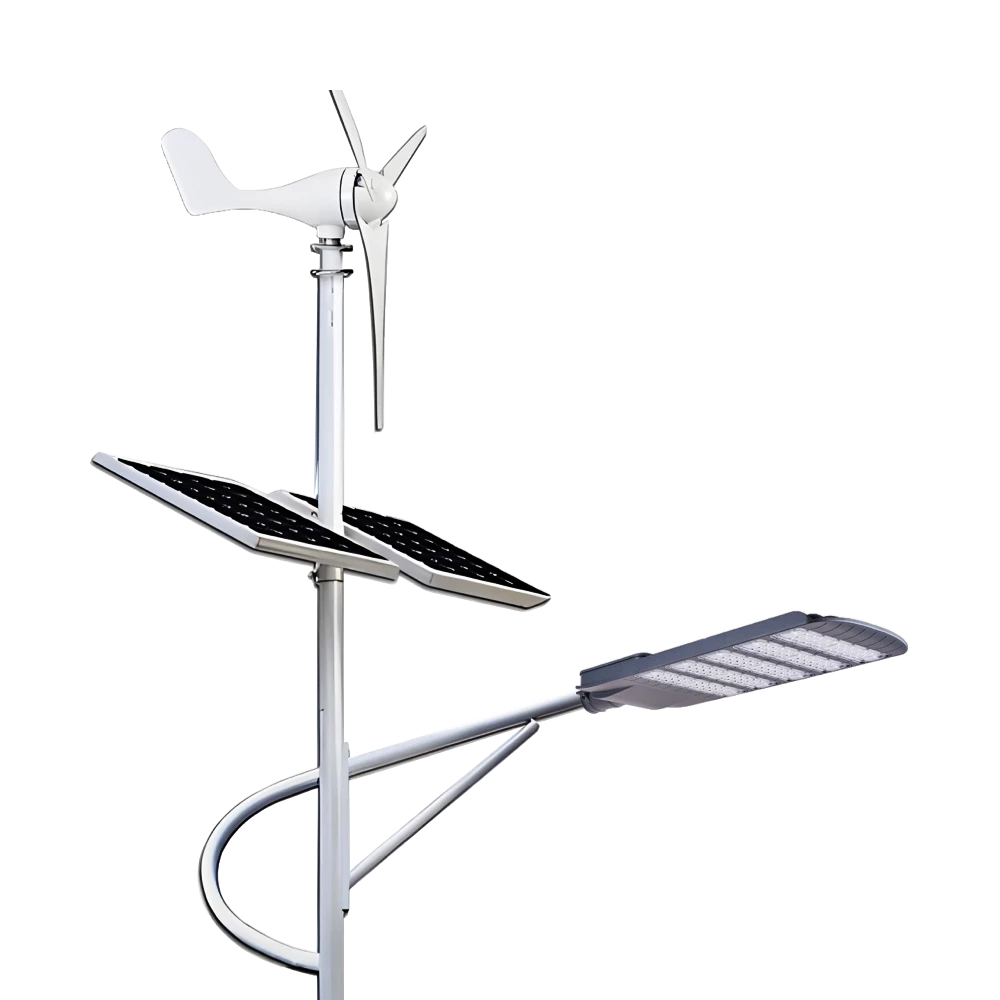
Queneng Lufeng Wind Energy LED Outdoor Solar Street Lights offer high-performance, eco-friendly illumination. These energy-efficient LED street lights harness solar power and wind energy for sustainable, cost-effective outdoor lighting solutions.
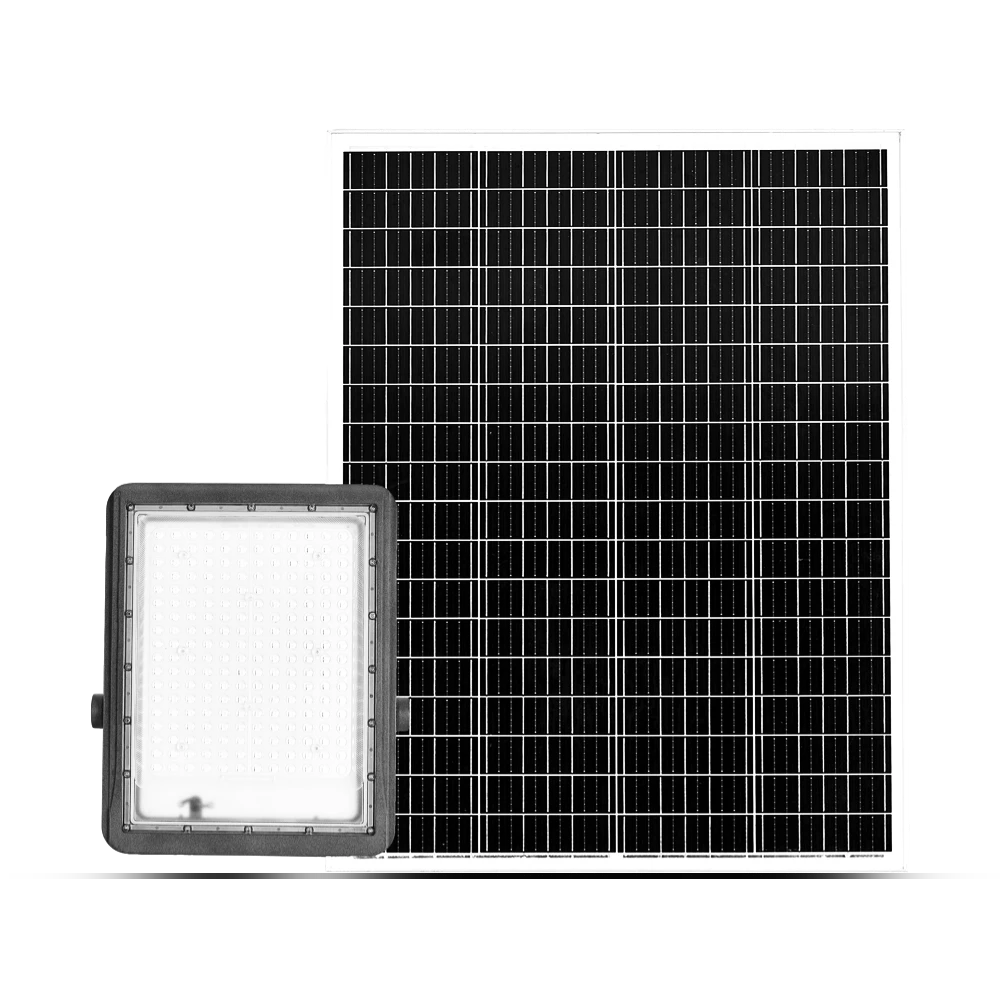
Queneng's Luxian Reliable Solar Street Light offers energy-saving LED lighting for outdoor use. This durable, solar-powered street light provides reliable illumination, reducing energy costs and environmental impact. A perfect solution for sustainable outdoor lighting.
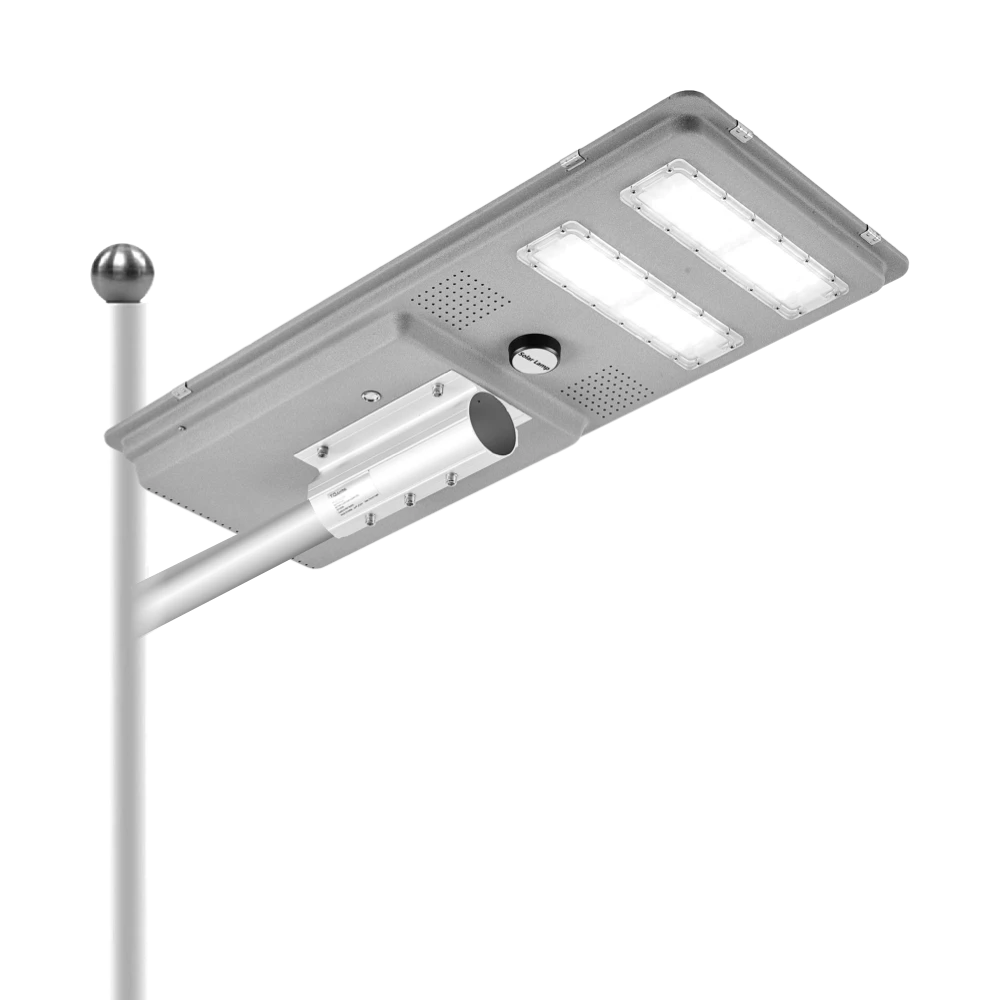
Queneng’s Solar Street Lights are designed to provide reliable, energy-efficient lighting for streets, parks, and other outdoor spaces.
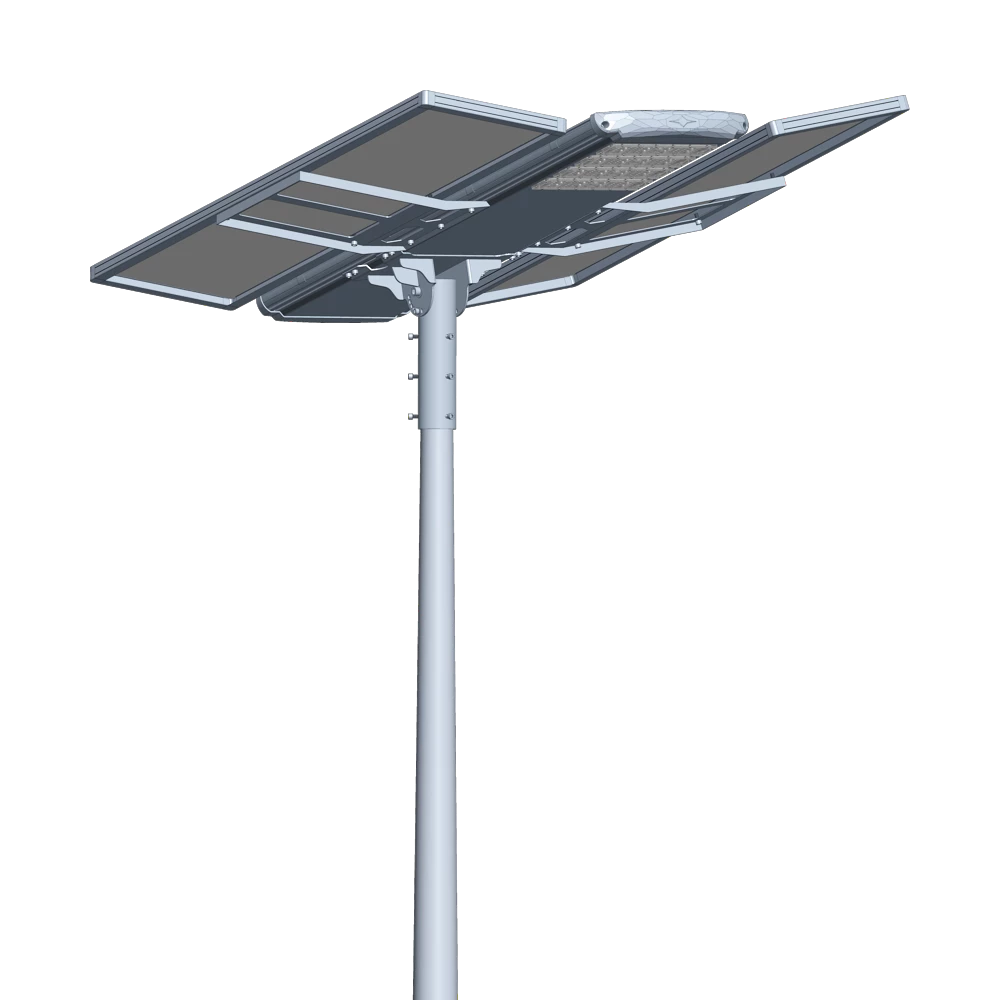
Introducing the Luqing Solar Street Light by Queneng, Efficient LED lighting powered by solar energy is perfect for illuminating outdoor areas. Harness the power of solar energy for sustainable, reliable street lighting. Ideal for eco-friendly, cost-effective outdoor illumination solutions.
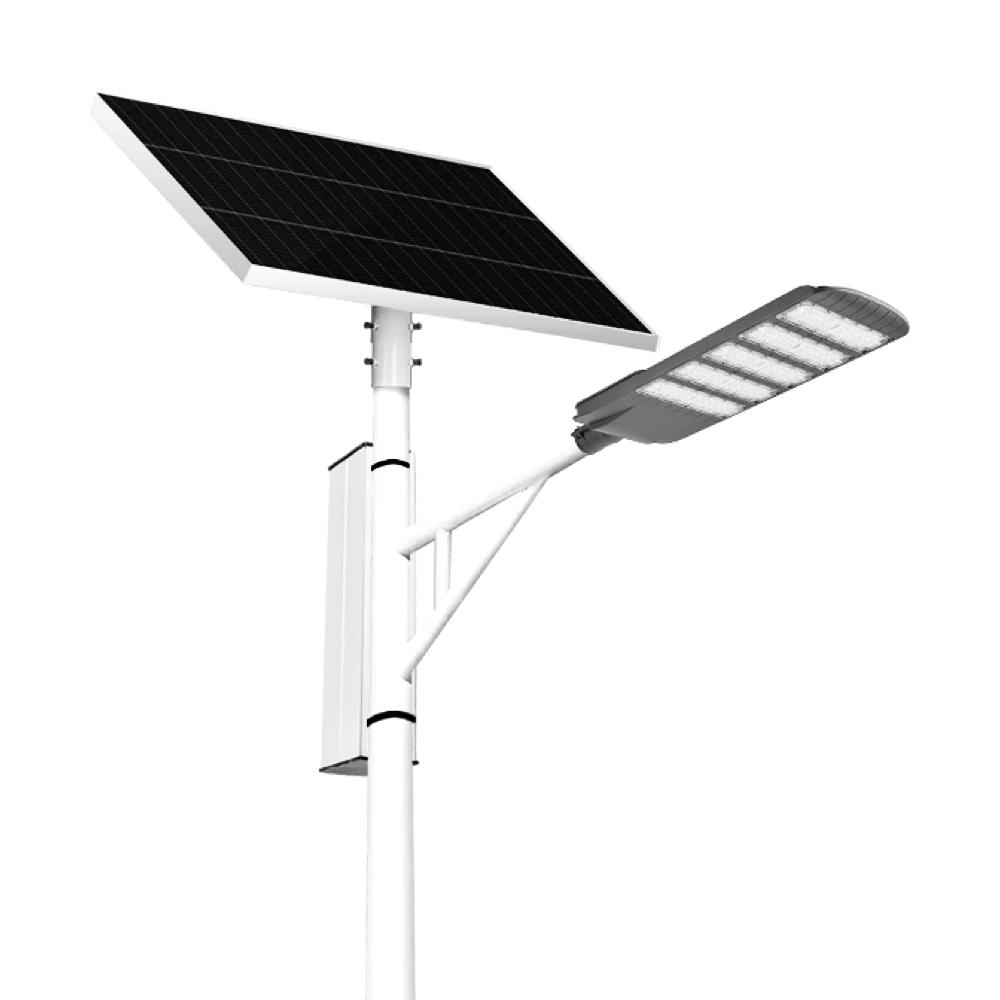
The Solar Streetlights of Luhao for Municipalities are designed to deliver reliable, energy-efficient, and cost-effective public lighting solutions. Equipped with advanced LED technology, durable lithium batteries, and high-efficiency solar panels, these streetlights provide consistent illumination for roads, parks, residential areas, and government projects.
If you would like more information about Queneng solar lighting solutions, please send us a message by filling out the form below. Our professional team will get back to you within 24 hours!
Rest assured that your privacy is important to us, and all information provided will be handled with the utmost confidentiality.
Schedule a Meeting
Book a date and time that is convenient for you and conduct the session in advance.
Have more questions about our products or services?
The messenger of light & power conversion
Environmental protection and intelligent manufacturing are our brand philosophy, and quality assurance and the best user experience are our eternal promises to users.
CONTACT
No.9F, Building F, Cao San Xin Tian Hong Logistics Park, Guzhen Town, Zhongshan City, Guangdong Province, China.
or write [email protected]
WhatsApp: +86 136 2270 1011


