

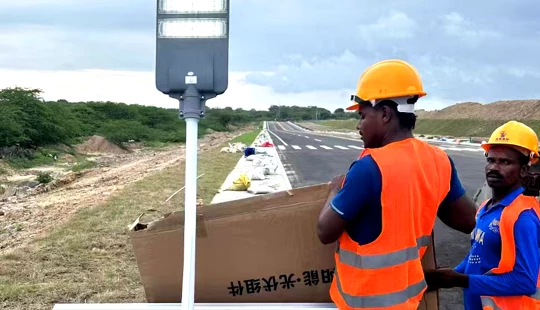
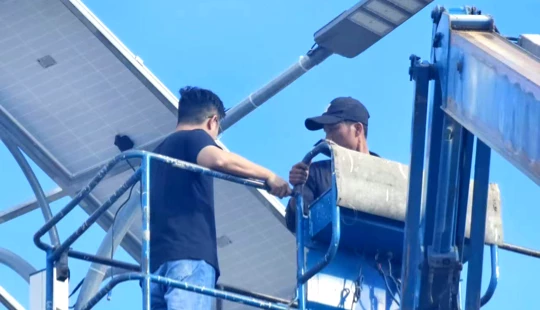













How does municipal solar street light scheme design improve safety?
Illuminating Decisions: A Comprehensive Buyer's Guide to Solar Street Lighting
Investing in solar street lights is a strategic move for municipalities, commercial entities, and developers seeking sustainable, cost-effective, and reliable outdoor illumination. However, making informed decisions requires a deep understanding of market dynamics, technical specifications, and design principles. This guide addresses your most pressing questions, providing professional insights to ensure successful procurement.
1. What is the average cost of a commercial-grade solar street light, and what factors influence its price?
The cost of a commercial-grade solar street light can vary significantly, typically ranging from $500 to $3,000+ per unit, excluding installation. This wide spectrum is influenced by several critical factors:
- Wattage & Lumen Output: Higher illumination requirements (e.g., 60W LED providing 9,000-10,000 lumens) necessitate larger, more powerful components.
- Battery Capacity & Type: The battery is a primary cost driver. LiFePO4 (Lithium Iron Phosphate) batteries are preferred for their superior longevity (8-10+ years) and cycle stability (2,000-4,000 cycles at 80% DOD), but are more expensive than older lead-acid options. Capacity (Ah or Wh) determines autonomy, with systems designed for 3-5 nights of backup being more robust and costly.
- Solar Panel Size & Efficiency: Larger, higher-efficiency monocrystalline solar panels (typically 20-22%+ efficiency) ensure consistent charging, especially in less sunny conditions, adding to the unit cost.
- Pole Height & Material: Hot-dip galvanized steel poles (ranging from 6 to 12 meters) are standard. Customized designs or ornamental poles increase the price.
- Charge Controller: MPPT (Maximum Power Point Tracking) controllers are more efficient than PWM (Pulse Width Modulation), optimizing energy harvest by 15-30% and thus adding value, though at a slightly higher initial cost.
- Smart Features: Integration of PIR motion sensors, remote monitoring (IoT), and adaptive lighting systems enhances functionality but contributes to the overall price.
- Component Quality: High Quality LED chips (e.g., from Philips, Osram), robust housing (IP65/IP67 rated), and high-quality wiring ensure durability and performance, reflecting in the price.
- R&D and Innovation: A manufacturer with strong R&D capabilities will offer more advanced, efficient, and reliable products, staying ahead of technological curves.
- Quality Control & Certifications: Verify adherence to international quality standards (e.g., ISO 9001) and product certifications such as CE, RoHS, FCC, and specific IP ratings (IP65/IP67 for outdoor durability). Ask about their internal quality assurance processes.
- Experience & Track Record: A long history in the industry and a portfolio of successful, large-scale projects (especially municipal or commercial deployments) indicates reliability and expertise. Request case studies and client references.
- Component Sourcing: Inquire about their suppliers for critical components like LED chips, batteries, solar panels, and controllers. Reputable sub-components guarantee better overall system performance and longevity.
- Warranty & After-Sales Support: A comprehensive warranty (e.g., 3-5 years for the system, 8-10 years for batteries) and responsive technical support are essential for peace of mind and operational continuity.
- Customization Capabilities: The ability to tailor solutions (e.g., specific pole designs, battery autonomy, lighting profiles) to your project's unique requirements is a significant advantage.
- Production Capacity: Ensure the manufacturer can meet your order volume and adhere to delivery timelines without compromising quality.
- Consistent & Reliable Illumination: High-quality solar street lights with ample battery backup (e.g., 3-5 days autonomy) ensure continuous lighting through the night, even during extended periods of cloudy weather or grid outages, eliminating dark spots that can harbor criminal activity.
- Optimal Lux Levels & Uniformity: Designs should adhere to specific lighting standards (e.g., IESNA recommendations for roadways, pathways) to provide adequate brightness (lux) and uniform light distribution. This minimizes glare and harsh shadows, improving visibility for pedestrians, cyclists, and drivers. For example, local roads might require an average of 15-20 lux.
- Adaptive Lighting & Motion Sensing: Integration of PIR (Passive Infrared) motion sensors allows lights to dim during low-traffic periods and brighten instantly upon detecting movement. This energy-saving feature also acts as a deterrent to potential wrongdoers by drawing attention to movement.
- Durable & Vandal-Resistant Construction: Robust materials, anti-theft designs, and appropriate pole heights make the lights less susceptible to vandalism or tampering, ensuring consistent operation.
- IoT Integration & Remote Monitoring: Smart systems enable real-time monitoring of light status, fault detection (e.g., battery issues, LED failures), and remote control. This proactive approach allows municipalities to address maintenance needs swiftly, preventing extended periods of darkness and ensuring operational reliability.
- Significant Cost Savings:
- Zero Electricity Bills: Completely eliminates recurring energy costs for the lifespan of the system (10-15+ years), offering immense long-term savings.
- Lower Installation Costs: Without the need for trenching, cabling, or connecting to the grid, installation is faster and significantly cheaper, especially in remote or underdeveloped areas. This can result in up to a 70% reduction in installation complexity and cost compared to traditional grid-tied systems.
- Reduced Maintenance: While not entirely maintenance-free, solar street lights typically require less intensive maintenance compared to grid-tied systems.
- Environmental Benefits:
- Reduced Carbon Footprint: Operating on 100% clean, renewable solar energy, these systems significantly reduce greenhouse gas emissions. A standard solar street light can prevent the emission of over 150 kg of CO2 annually, depending on local grid carbon intensity and system power.
- Reduced Light Pollution: Modern solar street light designs often feature directed illumination to minimize light spill, preserving nocturnal environments and reducing skyglow.
- Energy Independence & Resilience: Solar street lights are not reliant on the main power grid, providing reliable illumination even during blackouts or power disruptions, enhancing community resilience and safety.
- Eligibility for Green Incentives: Many governmental and regional programs offer grants, rebates, or tax incentives for adopting renewable energy technologies, further improving ROI.
- Enhanced Brand Image: For both municipalities and businesses, investing in solar technology demonstrates a commitment to sustainability, innovation, and corporate social responsibility.
- LED Luminous Efficacy & Wattage: High luminous efficacy (e.g., 150-180 lumens per watt) ensures maximum brightness with minimal power draw. The LED wattage should be appropriate for the desired lux levels and area coverage.
- Solar Panel Efficiency & Power (Wp): Opt for high-efficiency monocrystalline solar panels (typically 20-22%+ efficiency). The panel's Watt-peak (Wp) rating must be adequately sized, ideally with a 1.5-2x oversizing factor relative to the LED power consumption, to ensure sufficient charging even on cloudy days.
- Battery Type & Capacity (Ah/Wh): LiFePO4 batteries are the industry standard due to their long cycle life (2,000-4,000 cycles at 80% DOD), wider operating temperature range, and enhanced safety. Capacity (Amp-hours or Watt-hours) dictates autonomy – aim for 3-5 days of backup for robust reliability.
- Charge Controller (MPPT vs. PWM): MPPT controllers are superior, boosting charging efficiency by 15-30% over PWM, especially in varying weather conditions and for larger systems.
- IP Rating: An Ingress Protection rating of IP65 or IP67 is essential for all outdoor components (luminaire, battery enclosure, controller) to protect against dust, moisture, and water jet ingress.
- Pole Material & Height: Hot-dip galvanized steel is standard for its corrosion resistance and durability. Pole height directly impacts light spread and required wattage.
- Operating Temperature Range: Ensure the system's components (especially batteries) are rated to withstand your local climate extremes.
- Light Distribution Type: IESNA classifications (e.g., Type II, Type III, Type IV) define the light pattern, ensuring efficient and targeted illumination for different applications like roadways, pathways, or open areas.
- Maintenance:
- Low Frequency: Maintenance is significantly less demanding compared to traditional grid-tied lighting.
- Panel Cleaning: Periodic cleaning of solar panels (typically every 6-12 months, or more frequently in dusty, polluted, or snowy environments) is crucial to remove debris and ensure optimal energy absorption.
- Visual Inspections: Occasional checks for physical damage, loose connections, or obstructions are recommended.
- Battery Replacement: The primary component with a limited lifespan. High-quality LiFePO4 batteries typically last 8-10 years or more before needing replacement, depending on usage and environmental conditions.
- LED Module Check: LED modules boast an exceptionally long lifespan, often exceeding 50,000 to 100,000+ hours, meaning they generally outlast other system components.
- Expected Lifespan:
- Overall System: A well-engineered solar street light system from a reputable manufacturer can operate effectively for 10-15 years or even longer with minimal maintenance.
- Solar Panel: Typically warranted for 20-25 years, with a linear power degradation guarantee (e.g., 80% power output after 25 years).
- LED Luminaire: Rated for 50,000 - 100,000+ hours, translating to over 10-20 years of night-time operation.
- Battery (LiFePO4): 8-10+ years for high-quality models, depending on discharge cycles and operating temperature.
- Charge Controller: Generally lasts 5-10 years.
- Adaptive Lighting/Dimming: Automatically adjusts light output based on real-time environmental conditions, time of night, or traffic patterns. For instance, lights can dim to 30% during off-peak hours and brighten to 100% upon motion detection, significantly saving energy and extending battery life.
- Remote Monitoring & Control (IoT Platform): A centralized software platform allows operators to:
- Monitor individual light status (on/off, battery charge level, solar panel performance).
- Detect faults (e.g., LED failure, battery issues) in real-time, enabling proactive and efficient maintenance.
- Adjust lighting schedules and dimming profiles remotely.
- Access historical data for performance analysis, energy consumption tracking, and optimization.
- Motion Sensors (PIR): Integrated Passive Infrared sensors detect movement, triggering lights to full brightness only when needed, enhancing security and maximizing energy efficiency.
- Automatic Fault Reporting: Systems can automatically generate and send alerts to maintenance teams for detected issues, minimizing downtime and ensuring consistent illumination.
- Energy Consumption & Production Tracking: Detailed reporting on energy harvesting (solar panel) and consumption (LEDs) helps optimize system design, identify inefficiencies, and justify ROI.
- Geo-fencing & Asset Management: Lights can be pinpointed on a digital map, simplifying inventory management, maintenance routing, and deployment planning.
- Future-Proofing & Integration: Smart solar street lights are often designed with modularity, allowing for future integration with other smart city applications, such as environmental sensors, public Wi-Fi hotspots, or surveillance cameras.
- Grand View Research. (2023). Solar Street Lights Market Size, Share & Trends Analysis Report. .
- EnergySage. (2023). What are the Best Batteries for Solar Panels? .
- U.S. Environmental Protection Agency (EPA). (2022). Emissions & Generation Resource Integrated Database (eGRID). .
- Various LED and solar panel manufacturers' datasheets for efficiency and lumen efficacy.
2. How do I choose a reliable manufacturer for high-quality solar street lights?
Selecting a reputable manufacturer is crucial for the long-term success of your project. Consider the following aspects:
3. How does municipal solar street light scheme design improve public safety and security?
Thoughtful design of municipal solar street light schemes plays a vital role in enhancing public safety and security:
4. What are the key economic and environmental benefits of investing in solar street lights for municipal and commercial projects?
The investment in solar street lights yields substantial economic and environmental returns:
5. What are the critical technical specifications to consider for optimal solar street light performance and longevity?
Understanding key technical specifications is vital for selecting a high-performing and durable solar street light:
6. What are the maintenance requirements and expected lifespan of a quality solar street light system?
Solar street lights are celebrated for their low maintenance profile and long operational life:
7. What smart features and IoT capabilities can enhance solar street light efficiency and management?
Modern solar street lights leverage advanced technology to optimize performance, reduce operational costs, and improve safety:
At Quenenglighting, we pride ourselves on delivering cutting-edge solar street light solutions engineered for durability, efficiency, and intelligence. Our commitment to advanced LiFePO4 battery technology, high-efficiency monocrystalline solar panels (20%+ efficiency), and smart MPPT controllers ensures maximum performance and longevity. We offer robust, IP67-rated designs and integrate IoT-enabled remote monitoring and adaptive lighting to provide superior safety, energy savings, and ease of management for municipal and commercial clients worldwide. With a strong focus on quality control, comprehensive warranties, and bespoke design capabilities, Quenenglighting stands as your trusted partner for sustainable and reliable outdoor lighting.
References:

Have more questions about our products or services?
The latest hot news you might like

Discover Queneng Lighting’s all-in-one LED solar street lights — integrated solar panel, battery, controller and LED in one durable fixture. Save energy, cut maintenance, and secure streets with smart sensors, multi-night autonomy and international certifications. Contact sales for quotes and support.

Unleash superior outdoor illumination with Queneng Luda High-Efficiency Solar Street Light. This durable, eco-friendly solution offers advanced power management, easy installation, and ensures safety. Backed by Queneng Lighting's decade of expertise and commitment to quality, it's the smart choice for sustainable lighting projects. Learn why we're a leading solar solutions provider.

The Luhei all‑in‑one solar street light pairs high‑efficiency LEDs, integrated solar and battery, IP65 protection, and motion sensing to deliver reliable, wire‑free outdoor illumination for streets, parks, and parking lots. Backed by Queneng Lighting’s certifications and support.

FAQ
Remote Areas Rural Development
How durable are solar streetlights in extreme rural conditions?
They are designed to withstand harsh weather, including heavy rains, strong winds, and extreme temperatures.
Battery Performance and Testing
What are the main aspects of performance commonly referred to as secondary batteries?
Battery and Analysis
What certifications have the company's products passed?
Battery fundamentals and basic terms
What are the common standards for batteries?
Batteries commonly used national standards: nickel-metal hydride batteries standard GB/T15100_1994, GB/T18288_2000; lithium-ion batteries standard GB/T10077_1998, YD/T998_1999, GB/T18287_2000.
In addition, the common standards for batteries also have the Japanese Industrial Standard JIS C standard on batteries.
IEC is the International Electrotechnical Commission (International Electrical Commission), is a world-wide standardization organization composed of national electrical commissions, which aims to promote the standardization of the world electrical and electronic fields.The IEC standard is the standard developed by the International Electrotechnical Commission.
Battery Types and Applications
What devices are best used with rechargeable batteries?
Solar Street Light Lulin
How easy is it to install Lulin solar street lights?
Lulin solar street lights are designed for easy installation. They do not require any wiring to the power grid, making them perfect for areas without electrical infrastructure. The installation typically involves mounting the pole, securing the light fixture, and positioning the solar panel for maximum sunlight exposure. The lights can be installed quickly and efficiently, saving on installation costs.
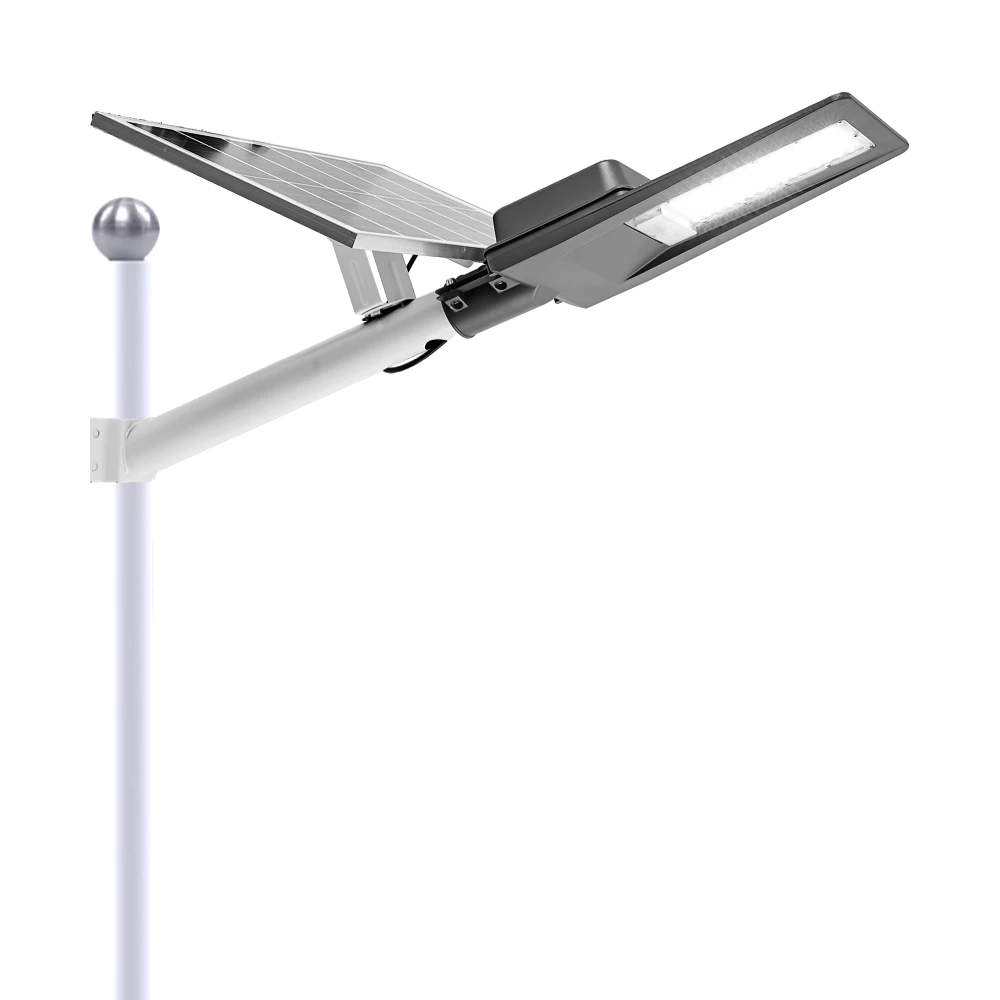
Experience reliable outdoor illumination with our smart solar street light, a perfect combination of advanced technology and eco-conscious design.
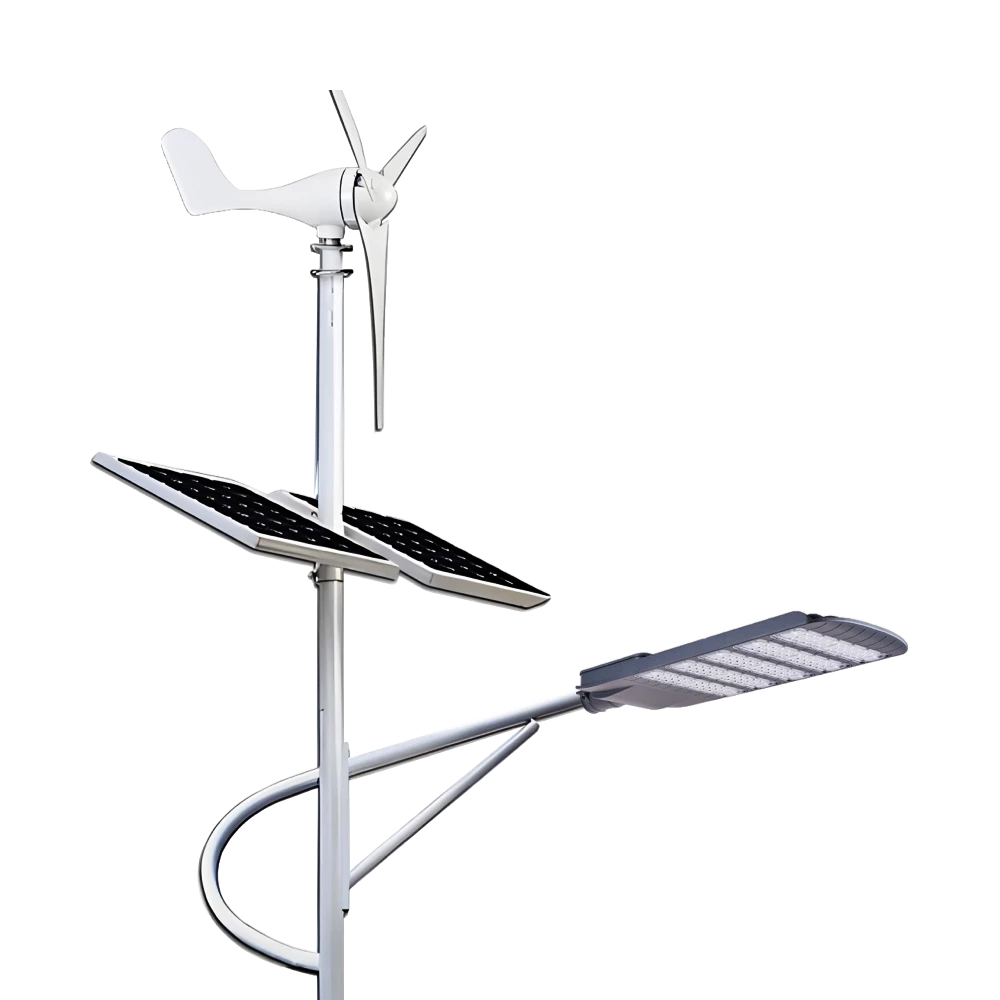
Queneng Lufeng Wind Energy LED Outdoor Solar Street Lights offer high-performance, eco-friendly illumination. These energy-efficient LED street lights harness solar power and wind energy for sustainable, cost-effective outdoor lighting solutions.
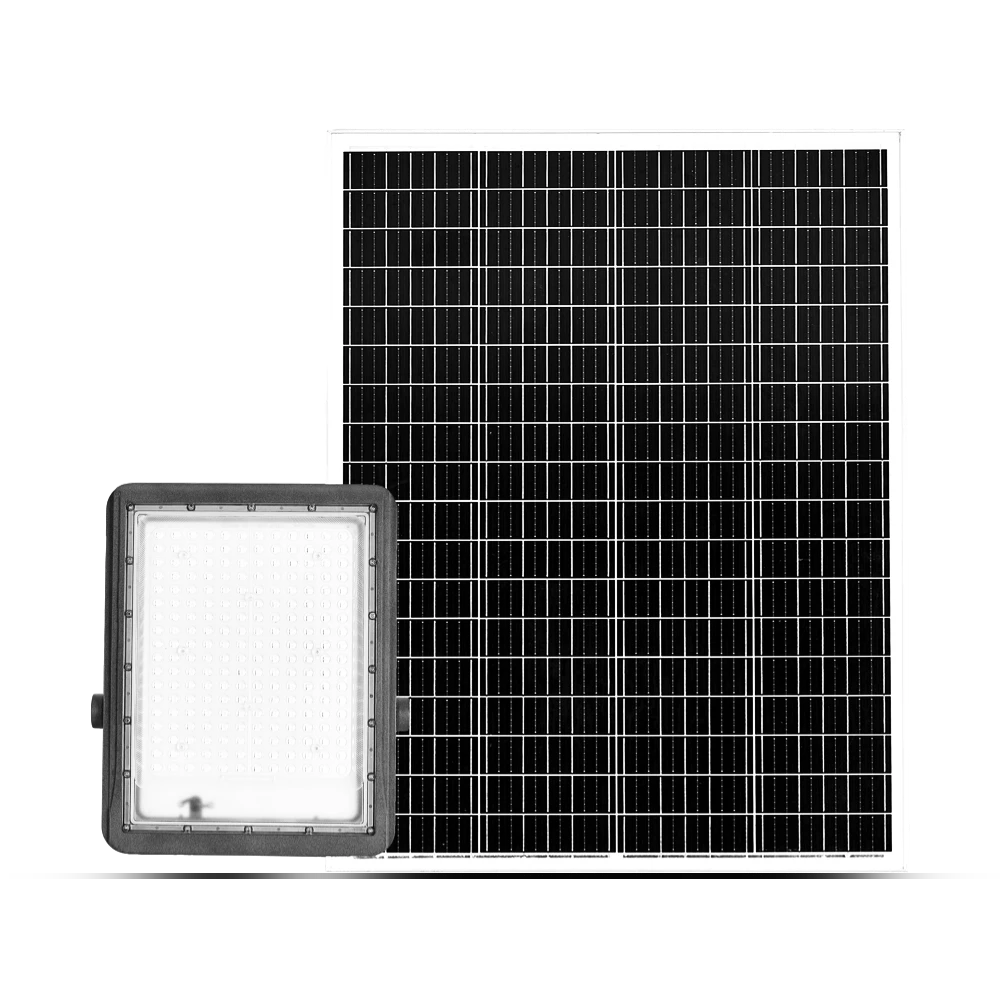
Queneng's Luxian Reliable Solar Street Light offers energy-saving LED lighting for outdoor use. This durable, solar-powered street light provides reliable illumination, reducing energy costs and environmental impact. A perfect solution for sustainable outdoor lighting.
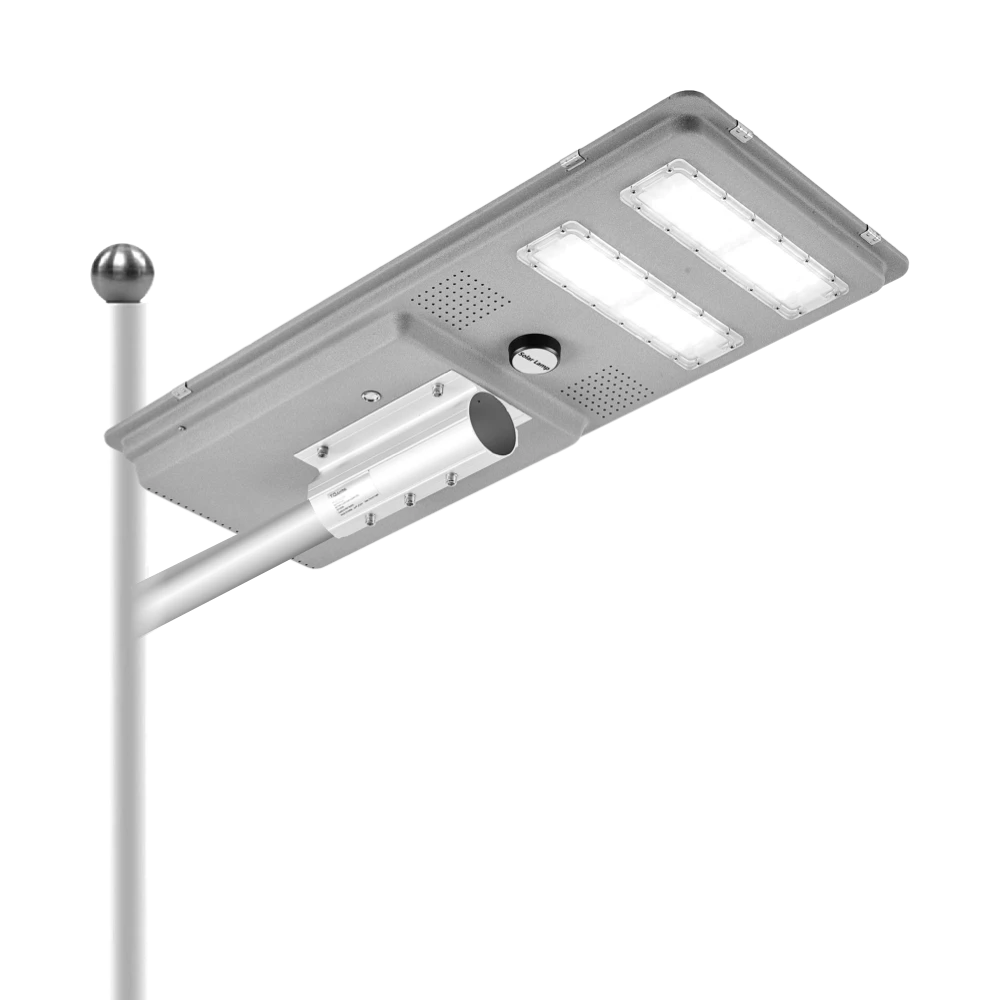
Queneng’s Solar Street Lights are designed to provide reliable, energy-efficient lighting for streets, parks, and other outdoor spaces.
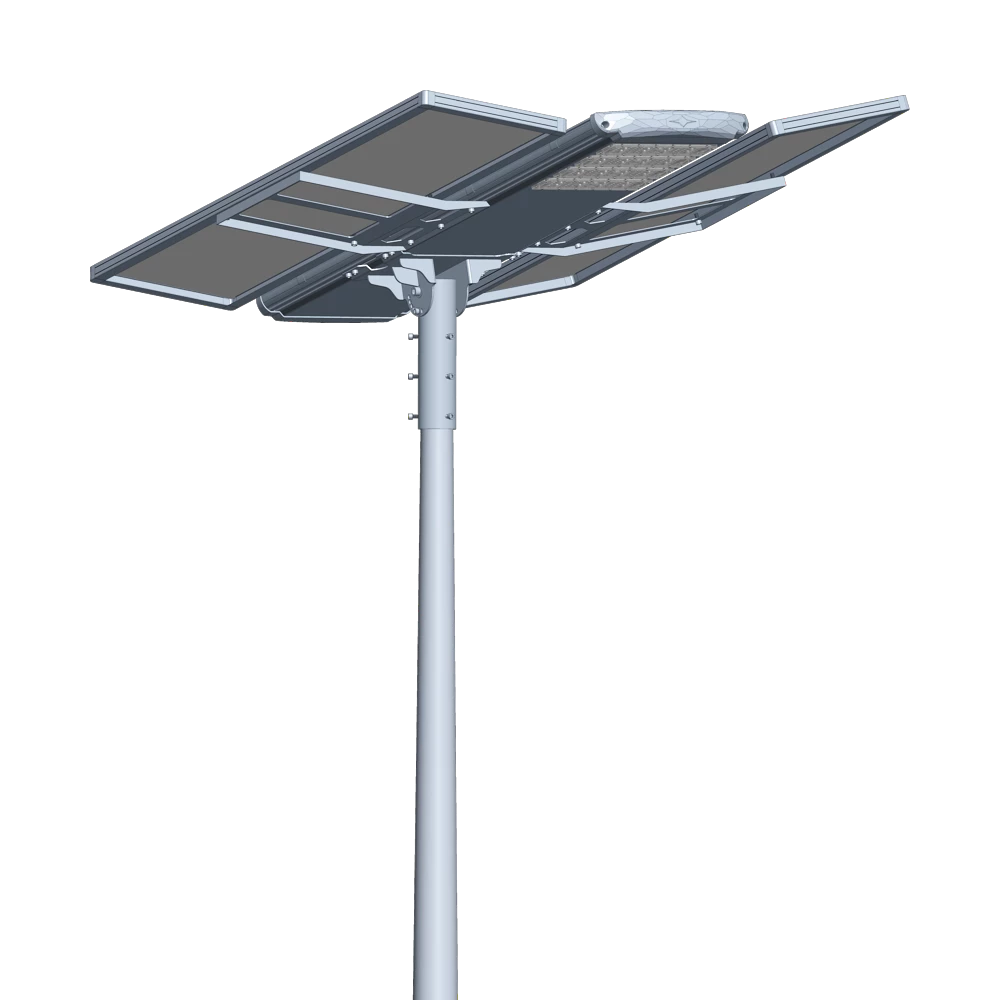
Introducing the Luqing Solar Street Light by Queneng, Efficient LED lighting powered by solar energy is perfect for illuminating outdoor areas. Harness the power of solar energy for sustainable, reliable street lighting. Ideal for eco-friendly, cost-effective outdoor illumination solutions.
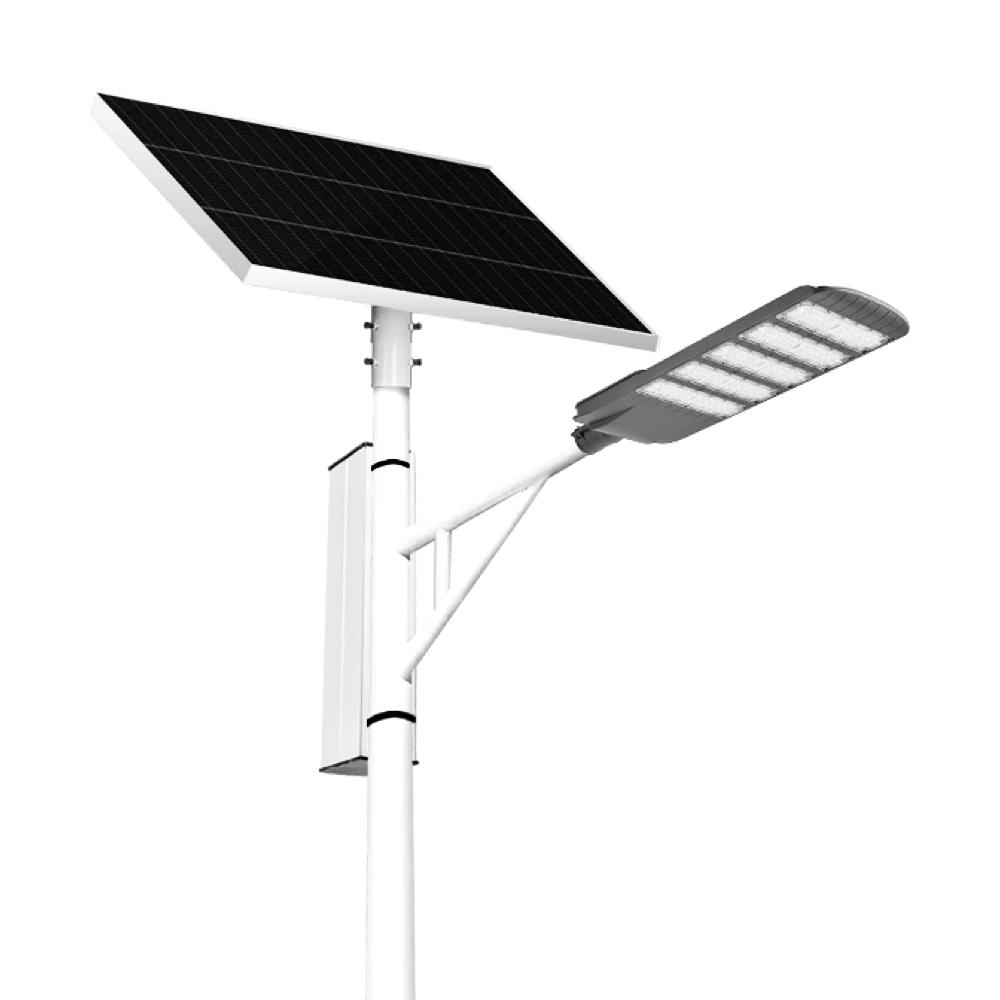
The Solar Streetlights of Luhao for Municipalities are designed to deliver reliable, energy-efficient, and cost-effective public lighting solutions. Equipped with advanced LED technology, durable lithium batteries, and high-efficiency solar panels, these streetlights provide consistent illumination for roads, parks, residential areas, and government projects.
If you would like more information about Queneng solar lighting solutions, please send us a message by filling out the form below. Our professional team will get back to you within 24 hours!
Rest assured that your privacy is important to us, and all information provided will be handled with the utmost confidentiality.
Schedule a Meeting
Book a date and time that is convenient for you and conduct the session in advance.
Have more questions about our products or services?
The messenger of light & power conversion
Environmental protection and intelligent manufacturing are our brand philosophy, and quality assurance and the best user experience are our eternal promises to users.
CONTACT
No.9F, Building F, Cao San Xin Tian Hong Logistics Park, Guzhen Town, Zhongshan City, Guangdong Province, China.
or write [email protected]
WhatsApp: +86 136 2270 1011


