













Mengapa beberapa lampu jalan tenaga surya memiliki efisiensi biaya per lumen yang lebih tinggi?
Mengelola Investasi: Apa yang Menentukan Biaya Lampu Jalan Tenaga Surya?
Seiring dunia semakin mengadopsi infrastruktur berkelanjutan, lampu jalan tenaga surya telah menjadi landasan pembangunan perkotaan dan pedesaan modern. Bagi pembeli profesional dan manajer proyek, memahami seluk-beluk biaya, efisiensi, dan nilai jangka panjangnya sangat penting. Panduan ini memberikan tinjauan mendalam tentang faktor-faktor kunci yang memengaruhi biaya lampu jalan tenaga surya dan menawarkan wawasan untuk membantu Anda membuat keputusan pembelian yang tepat.
Apa saja faktor utama yang memengaruhi biaya sistem lampu jalan tenaga surya?
Total biaya lampu jalan tenaga surya merupakan gabungan dari beberapa komponen berteknologi tinggi dan pertimbangan desain. Memahami elemen-elemen ini sangat penting untuk penganggaran yang akurat:
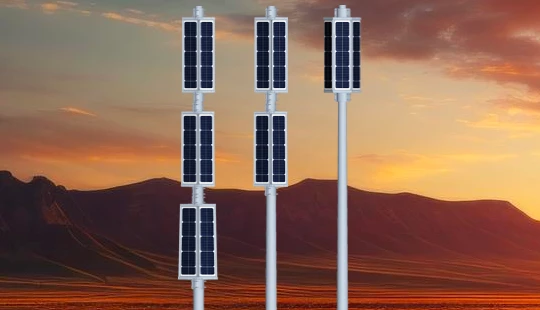
- Panel Surya:Ini adalah generator daya. Panel monokristalin (biasanya efisiensi 20-25%) lebih mahal tetapi menawarkan keluaran daya per meter persegi yang lebih tinggi daripada polikristalin (efisiensi 15-20%). Panel dengan watt yang lebih besar, yang dibutuhkan untuk keluaran lumen yang lebih tinggi atau otonomi yang lebih lama, meningkatkan biaya.
- Baterai:Unit penyimpanan energi. Baterai Lithium Iron Phosphate (LiFePO4) adalah standar industri karena masa pakainya yang lebih lama (2.000-6.000+ siklus, 5-10+ tahun), stabilitas termal yang unggul, dan kemampuan pengosongan daya yang dalam dibandingkan dengan baterai timbal-asam yang lebih tua (300-1000 siklus, 2-3 tahun). Kapasitas baterai (Ah) berkorelasi langsung dengan waktu cadangan dan biaya.
- Modul Lampu LED:Sumber cahaya. Chip LED berkualitas tinggi (misalnya, Philips, Cree, Osram) menawarkan output lumen per watt yang superior (saat ini mencapai 160-200 lm/W), rendering warna yang lebih baik, dan masa pakai yang lebih lama (50.000-100.000 jam). Jumlah lumen yang dibutuhkan untuk area tertentu menentukan daya LED, yang memengaruhi biaya.
- Pengontrol Muatan:Komponen ini mengatur aliran daya. Pengontrol MPPT (Maximum Power Point Tracking) (efisiensi 95-99%) lebih mahal tetapi jauh lebih efisien daripada pengontrol PWM (Pulse Width Modulation) (efisiensi 70-80%), terutama dalam kondisi cuaca yang berubah-ubah, mengoptimalkan pengisian daya baterai dan memperpanjang masa pakainya.
- Rumah Tiang dan Perlengkapan:Material (baja galvanis, paduan aluminium), tinggi, ketahanan terhadap angin, dan desain estetika semuanya berkontribusi pada biaya. Perlakuan anti-korosi dan peringkat IP yang kuat (misalnya, IP65, IP66) untuk lingkungan yang keras menambah daya tahan dan biaya.
- Fitur Cerdas:Sensor gerak, kemampuan peredupan cahaya, konektivitas IoT, dan sistem pemantauan jarak jauh menambah kecanggihan dan biaya, tetapi menawarkan penghematan operasional dan fleksibilitas yang signifikan.
Mengapa beberapa lampu jalan tenaga surya memiliki efisiensi biaya per lumen yang lebih tinggi, dan apa artinya bagi pembeli?
Efisiensi biaya per lumen mengacu pada investasi moneter yang dibutuhkan untuk mencapai jumlah keluaran cahaya tertentu selama masa pakai sistem. Efisiensi biaya per lumen yang lebih tinggi menunjukkan Anda mendapatkan lebih banyak cahaya untuk uang Anda, seringkali karena:
- Chip LED Berkualitas Tinggi:LED efisiensi tinggi (misalnya, >160 lm/W) menghasilkan lebih banyak cahaya dengan daya yang lebih rendah, memungkinkan penggunaan panel surya dan baterai yang lebih kecil, yang mengurangi biaya sistem secara keseluruhan dan meningkatkan otonomi.
- Teknologi Pengemudi Tingkat Lanjut:Driver LED yang efisien meminimalkan kehilangan energi, memastikan lebih banyak daya dari baterai diubah menjadi cahaya.
- Desain Optik yang Dioptimalkan:Lensa dan reflektor yang dirancang dengan baik memaksimalkan distribusi cahaya, mengurangi pemborosan cahaya, dan memungkinkan lebih sedikit lampu untuk menerangi area yang lebih luas secara efektif.
- Desain Sistem Terpadu:Desain holistik di mana setiap komponen (panel surya, baterai, pengontrol, LED) dipadukan dan dioptimalkan secara sempurna untuk bekerja secara harmonis, memaksimalkan pengumpulan dan pemanfaatan energi.
Bagi pembeli, berinvestasi pada efisiensi biaya per lumen yang lebih tinggi berarti biaya kepemilikan total (TCO) yang lebih rendah selama masa pakai sistem karena pengurangan konsumsi daya, masa pakai baterai yang lebih lama, dan potensi pengurangan jumlah unit yang dibutuhkan untuk suatu proyek.
Bagaimana teknologi baterai, khususnya LiFePO4, memengaruhi biaya dan kinerja jangka panjang?
Teknologi baterai merupakan terobosan penting untuk meningkatkan umur pakai dan efektivitas biaya lampu jalan tenaga surya. Baterai LiFePO4 menjadi pilihan utama karena:
- Umur Panjang:Menawarkan 2.000 hingga lebih dari 6.000 siklus pengisian/pengosongan, dibandingkan dengan 300-1000 untuk aki timbal-asam. Ini berarti masa pakai 5-10+ tahun, yang secara signifikan mengurangi biaya penggantian dan frekuensi perawatan.
- Keamanan:Secara inheren lebih stabil dan lebih aman daripada jenis baterai lithium-ion lainnya, sehingga mengurangi risiko pelepasan panas berlebih (thermal runaway).
- Performa pada Suhu Ekstrem:Performa yang lebih baik pada suhu tinggi maupun rendah dibandingkan dengan aki timbal-asam, sangat penting untuk berbagai iklim.
- Kemampuan Pembuangan Limbah Dalam:Dapat dikosongkan hingga tingkat yang jauh lebih rendah tanpa kerusakan yang signifikan, sehingga memberikan kapasitas yang lebih bermanfaat.
Meskipun baterai LiFePO4 memiliki biaya awal yang lebih tinggi daripada baterai timbal-asam, masa pakainya yang lebih lama dan kinerja yang unggul menghasilkan biaya kepemilikan total yang jauh lebih rendah dan lebih sedikit masalah operasional.
Apa saja pertimbangan penting saat memilih Produsen Lampu Jalan Tenaga Surya?
Memilih produsen yang tepat sangat penting untuk kualitas produk, keandalan, dan dukungan:
- Kemampuan R&D dan Kustomisasi:Tim R&D yang kuat menunjukkan inovasi dan kemampuan untuk menawarkan solusi yang disesuaikan dengan kebutuhan proyek tertentu.
- Kontrol Kualitas & Sertifikasi:Carilah produsen dengan proses QC yang ketat dan sertifikasi internasional seperti CE, RoHS, ISO 9001, peringkat IP65/IP66, yang menjamin standar keamanan dan kinerja produk.
- Garansi dan Dukungan Purnajual:Garansi yang kuat (misalnya, 3-5 tahun untuk seluruh sistem, 10-25 tahun untuk panel surya) dan dukungan teknis yang mudah diakses sangat penting untuk ketenangan pikiran jangka panjang.
- Pengalaman Proyek & Referensi:Rekam jejak proyek-proyek yang sukses, terutama yang serupa dengan proyek Anda, menunjukkan keahlian dan keandalan.
- Sumber Komponen:Produsen terkemuka menggunakan komponen berkualitas tinggi dan bermerek (misalnya, LED Bridgelux, Lumileds; sel surya Tier 1; sel baterai terkemuka) daripada alternatif generik dengan kualitas lebih rendah.
- Proses Pembuatan:Pahami fasilitas dan proses manufaktur mereka untuk memastikan konsistensi dan skala produksi.
Berapakah tingkat pengembalian investasi (ROI) tipikal untuk proyek lampu jalan tenaga surya?
Pengembalian investasi (ROI) untuk lampu jalan tenaga surya seringkali sangat menarik, didorong oleh penghematan operasional dan manfaat lingkungan:
- Penghapusan Tagihan Listrik:Penghematan paling langsung. Setelah terpasang, lampu jalan tenaga surya tidak mengonsumsi listrik dari jaringan PLN.
- Biaya Instalasi yang Berkurang:Tidak perlu penggalian parit, pemasangan kabel, atau penyambungan ke jaringan listrik, sehingga biaya instalasi awal jauh lebih rendah dibandingkan dengan penerangan kabel tradisional.
- Perawatan Rendah:Lampu jalan tenaga surya modern, terutama yang menggunakan baterai LiFePO4 dan memiliki desain yang kokoh, membutuhkan perawatan minimal, sehingga semakin mengurangi biaya operasional.
- Kredit dan Reputasi Lingkungan:Meskipun lebih sulit diukur secara finansial, manfaat ekologis dapat meningkatkan tanggung jawab sosial perusahaan dan citra publik.
Tergantung pada biaya listrik dan insentif lokal, periode pengembalian investasi untuk lampu jalan tenaga surya dapat berkisar antara 3 hingga 7 tahun, setelah itu lampu tersebut memberikan penerangan gratis selama sisa masa operasionalnya.
Apa saja kemajuan teknologi terbaru yang memengaruhi kinerja dan biaya lampu jalan tenaga surya?
Industri penerangan tenaga surya bersifat dinamis, dengan inovasi yang berkelanjutan:
- Sel Surya Efisiensi Tinggi:Teknologi PERC (Passivated Emitter Rear Cell) dan TOPCon mendorong efisiensi panel surya melampaui 22-25% untuk modul yang tersedia secara komersial, yang berarti panel yang lebih kecil dapat menghasilkan daya lebih besar.
- Sistem Kontrol Cerdas:Integrasi dengan platform IoT, pemantauan jarak jauh melalui 4G/5G, pencahayaan adaptif (peredupan berdasarkan gerakan atau waktu), dan algoritma pembelajaran mandiri mengoptimalkan penggunaan energi, memperpanjang masa pakai baterai, dan mengurangi kebutuhan daya.
- Peningkatan Efisiensi LED:Generasi baru chip LED mencapai 200 lm/W dan lebih tinggi, menawarkan cahaya yang lebih terang dengan konsumsi energi yang lebih rendah.
- Sistem Manajemen Baterai (BMS) yang Lebih Baik:Unit BMS yang lebih canggih untuk baterai LiFePO4 memastikan pengisian daya, pengosongan daya, dan penyeimbangan sel yang optimal, sehingga secara signifikan memperpanjang umur dan keamanan baterai.
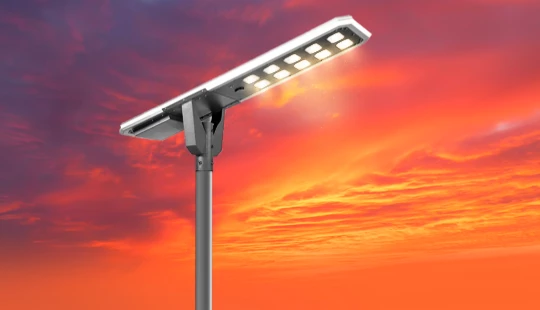
- Desain Terpadu:Desain all-in-one atau tipe terpisah semakin ramping, lebih mudah dipasang, dan lebih estetis.
Kesimpulannya, pengadaan lampu jalan tenaga surya membutuhkan pemahaman mendalam tentang biaya komponen, metrik efisiensi, dan keandalan produsen. Membuat pilihan yang tepat berdasarkan nilai jangka panjang, bukan hanya harga awal, memastikan solusi penerangan yang berkelanjutan dan hemat biaya.
Mengapa Memilih Quenenglighting untuk Proyek Lampu Jalan Tenaga Surya Anda?
Quenenglighting menonjol sebagai produsen terkemuka dengan memprioritaskan inovasi, kualitas, dan nilai pelanggan. Kami memanfaatkan kemajuan terbaru dalam teknologi surya, mengintegrasikan panel surya monokristalin efisiensi tinggi, baterai LiFePO4 mutakhir dengan BMS canggih, dan chip LED output lumen tinggi (hingga 190lm/W) dari merek-merek ternama. Pengontrol pengisian daya MPPT kami memastikan pemanenan energi maksimum, mengoptimalkan kinerja sistem dan masa pakai baterai.
Kami menawarkan desain yang kokoh dan berperingkat IP66 yang dirancang untuk lingkungan yang beragam dan menantang, didukung oleh garansi komprehensif dan dukungan purna jual yang berdedikasi. Keahlian Quenenglighting dalam solusi khusus, ditambah dengan kontrol kualitas yang ketat dan harga yang kompetitif berkat kemampuan manufaktur canggih kami, memastikan bahwa klien kami menerima lampu jalan tenaga surya yang menawarkan efisiensi biaya per lumen yang unggul dan ROI jangka panjang yang luar biasa. Bermitra dengan Quenenglighting untuk solusi pencahayaan yang andal, berkinerja tinggi, dan berkelanjutan yang memenuhi kebutuhan proyek Anda secara tepat.
Referensi & Sumber Data:
- Tren Efisiensi Panel Surya:Energy.gov - Kinerja Sel dan Modul PV Surya(Diakses: 25 April 2024)
- Siklus Hidup Baterai LiFePO4:Universitas Baterai - Jenis-Jenis Baterai Lithium-ion(Diakses: 25 April 2024)
- Khasiat LED:Energy.gov - Efisiensi LED dan Kualitas Pencahayaan(Diakses: 25 April 2024)
- Efisiensi MPPT vs. PWM:Blog Renogy - MPPT vs. PWM(Diakses: 25 April 2024)
- Rincian Biaya Umum Lampu Jalan Tenaga Surya: Laporan industri dan data produsen (misalnya, bersumber dari platform B2B terkemuka dan laporan analisis pasar yang tersedia pada awal tahun 2024).

Punya pertanyaan lebih lanjut tentang produk atau layanan kami?
Berita hangat terbaru yang mungkin Anda sukai

Temukan lampu jalan tenaga surya LED all-in-one dari Queneng Lighting — panel surya, baterai, pengontrol, dan LED terintegrasi dalam satu perangkat yang tahan lama. Hemat energi, kurangi perawatan, dan amankan jalanan dengan sensor pintar, daya tahan hingga beberapa malam, dan sertifikasi internasional. Hubungi bagian penjualan untuk penawaran harga dan dukungan.

Hadirkan penerangan luar ruangan yang unggul dengan Lampu Jalan Tenaga Surya Efisiensi Tinggi Queneng Luda. Solusi yang tahan lama dan ramah lingkungan ini menawarkan manajemen daya yang canggih, pemasangan yang mudah, dan menjamin keamanan. Didukung oleh keahlian Queneng Lighting selama satu dekade dan komitmen terhadap kualitas, ini adalah pilihan cerdas untuk proyek penerangan berkelanjutan. Pelajari mengapa kami adalah penyedia solusi tenaga surya terkemuka.

Lampu jalan tenaga surya all-in-one Luhei menggabungkan LED efisiensi tinggi, tenaga surya dan baterai terintegrasi, perlindungan IP65, dan sensor gerak untuk menghadirkan penerangan luar ruangan yang andal dan tanpa kabel untuk jalanan, taman, dan tempat parkir. Didukung oleh sertifikasi dan dukungan dari Queneng Lighting.

Tanya Jawab Umum
Kawasan Komersial dan Industri
Apakah lampu dapat disesuaikan untuk tata letak kawasan industri yang berbeda?
Ya, kami menyediakan solusi khusus yang disesuaikan dengan kebutuhan pencahayaan dan tata letak taman Anda.
Pembangunan Pedesaan Daerah Terpencil
Bisakah lampu jalan tenaga surya terintegrasi dengan teknologi pintar seperti pemantauan jarak jauh?
Ya, sistem kami dapat menyertakan fitur IoT untuk pemantauan dan kontrol waktu nyata.
Lampu Jalan Tenaga Surya Lufei
Bisakah saya mengatur kecerahan lampu jalan tenaga surya?
Beberapa model lampu jalan tenaga surya Queneng dilengkapi dengan pengaturan kecerahan yang dapat disesuaikan, sehingga Anda dapat menyesuaikan keluaran cahaya berdasarkan kebutuhan. Selain itu, beberapa model dilengkapi sensor gerak yang meningkatkan kecerahan saat gerakan terdeteksi.
Sistem APMS
Bagaimana cara kerja mode manajemen sistem ganda dalam sistem APMS?
Sistem APMS menggunakan algoritma cerdas untuk mengisi daya secara otomatis pada siang hari dan mengosongkan daya pada malam hari. Mode manajemen sistem ganda memantau status baterai secara real-time dan menyesuaikan mode pengisian/pengosongan daya untuk memastikan efisiensi optimal dalam kondisi apa pun.
Dasar-dasar dan istilah dasar baterai
Apa elektrokimia baterai lithium-ion?
Komponen utama elektroda positif baterai lithium-ion adalah LiCoO2 dan elektroda negatif terutama C. Saat pengisian,
Reaksi anoda: LiCoO2 → Li1-xCoO2 + xLi+ + xe-
Reaksi negatif: C + xLi+ + xe- → CLix
Reaksi total baterai: LiCoO2 + C → Li1-xCoO2 + CLix
Reaksi kebalikan dari reaksi di atas terjadi selama pembuangan.
Lampu Jalan Tenaga Surya Terpisah
Apakah lampu jalan tenaga surya terpisah lebih baik daripada yang terintegrasi?
Untuk proyek berskala besar atau profesional, ya. Sistem split menawarkan kapasitas daya yang lebih tinggi dan kemampuan adaptasi yang lebih baik.
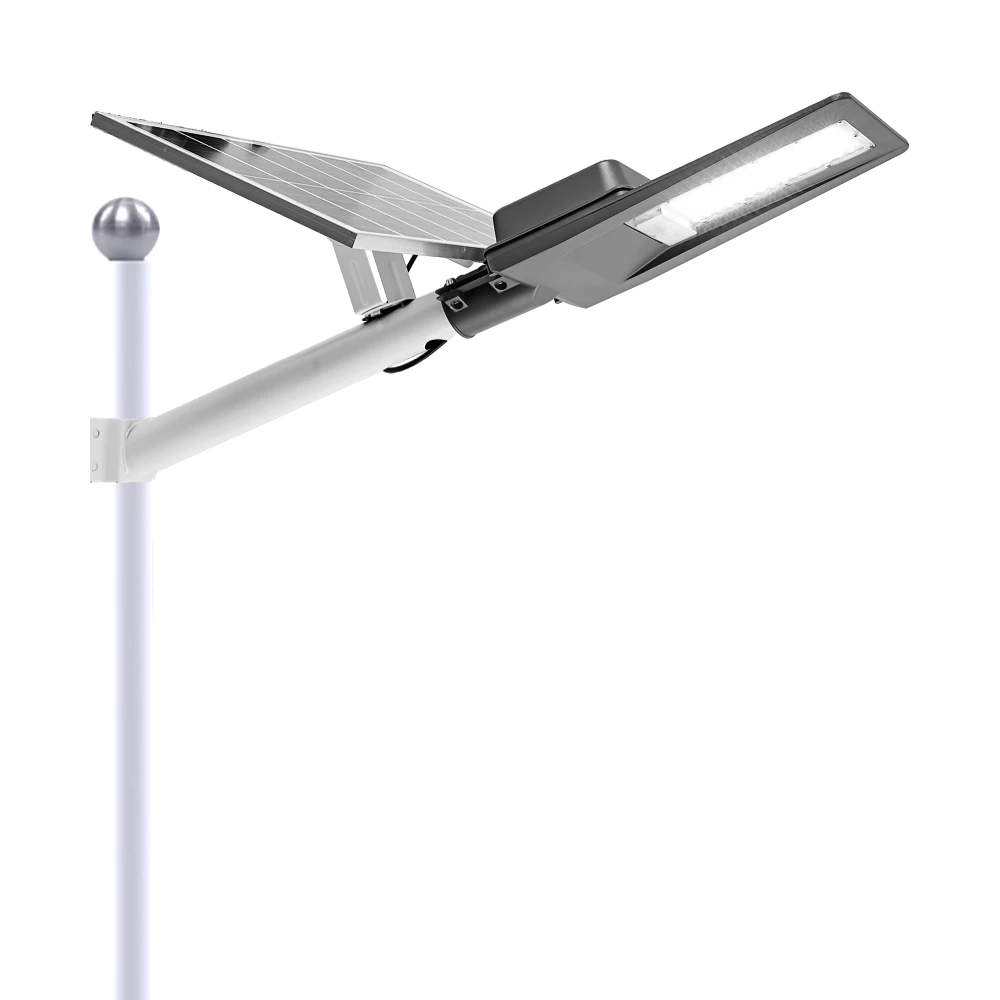
Nikmati pencahayaan luar ruangan yang andal dengan lampu jalan surya pintar kami, kombinasi sempurna antara teknologi canggih dan desain ramah lingkungan.
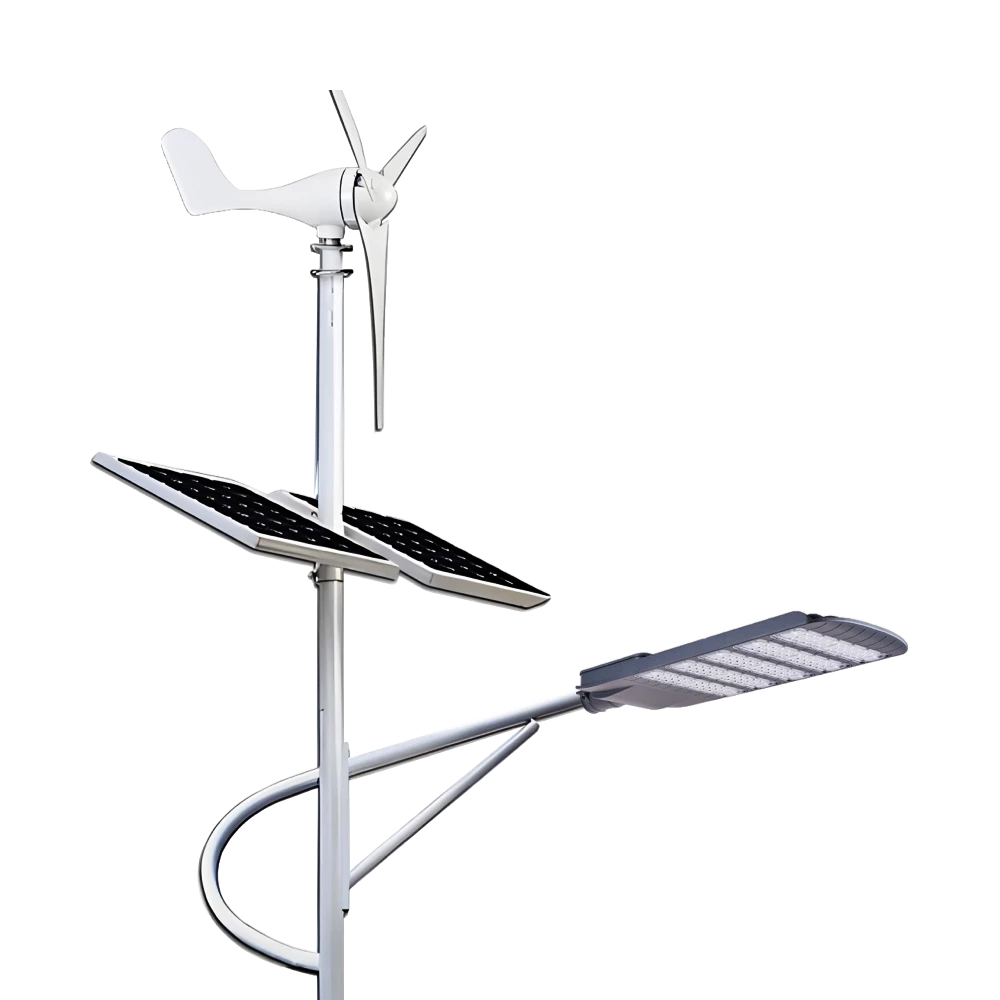
Lampu Jalan Tenaga Surya LED Luar Ruangan Queneng Lufeng Wind Energy menawarkan pencahayaan yang ramah lingkungan dan berkinerja tinggi. Lampu jalan LED hemat energi ini memanfaatkan tenaga surya dan energi angin untuk solusi pencahayaan luar ruangan yang berkelanjutan dan hemat biaya.
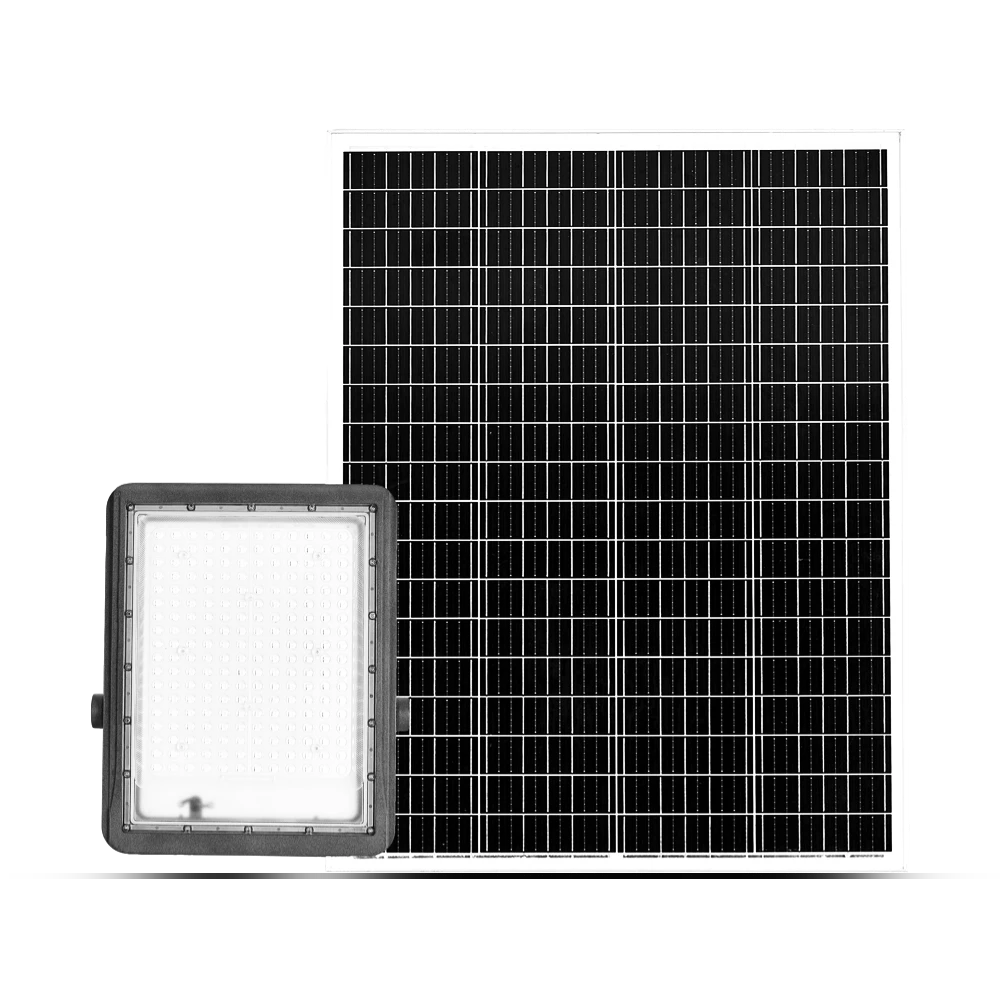
Lampu Jalan Tenaga Surya Andal Luxian dari Queneng menawarkan lampu LED hemat energi untuk penggunaan di luar ruangan. Lampu jalan bertenaga surya yang tahan lama ini memberikan penerangan yang andal, sehingga mengurangi biaya energi dan dampak lingkungan. Solusi sempurna untuk penerangan luar ruangan yang berkelanjutan.
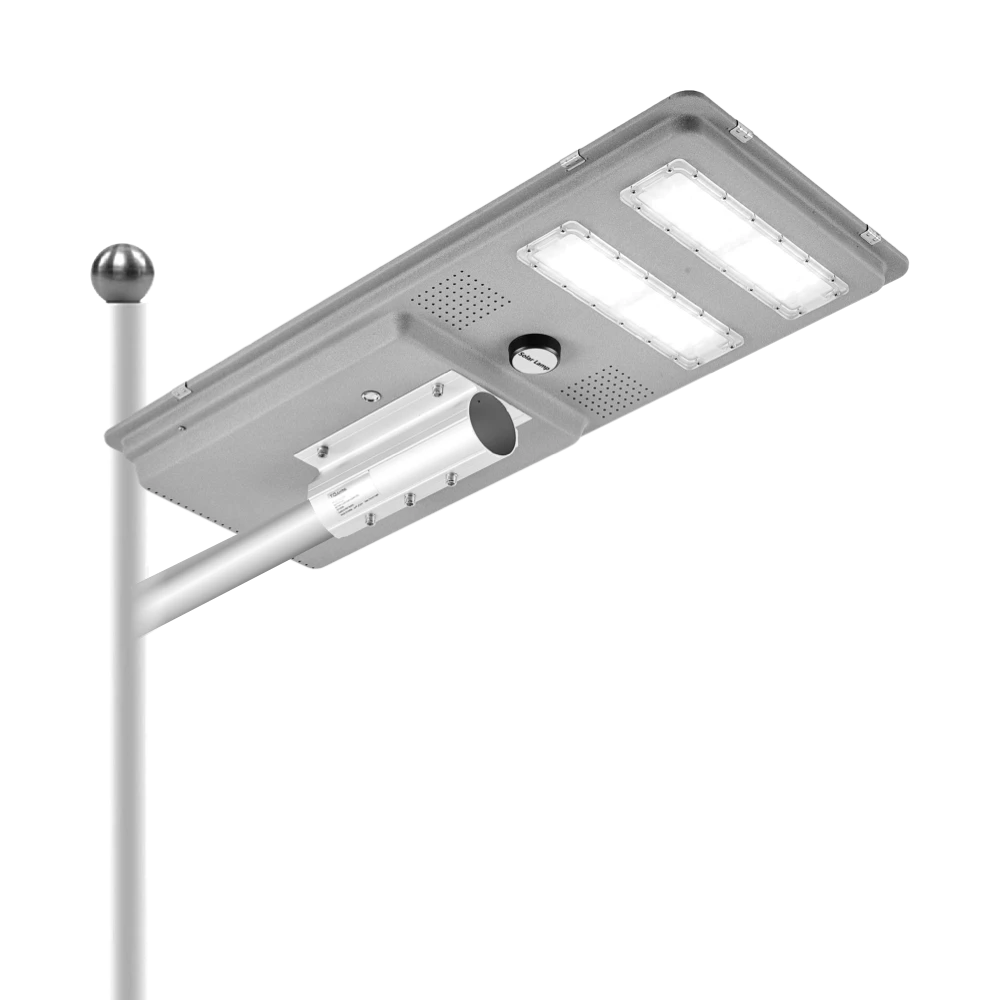
Lampu Jalan Tenaga Surya Queneng dirancang untuk menyediakan penerangan yang andal dan hemat energi untuk jalan, taman, dan ruang luar ruangan lainnya.
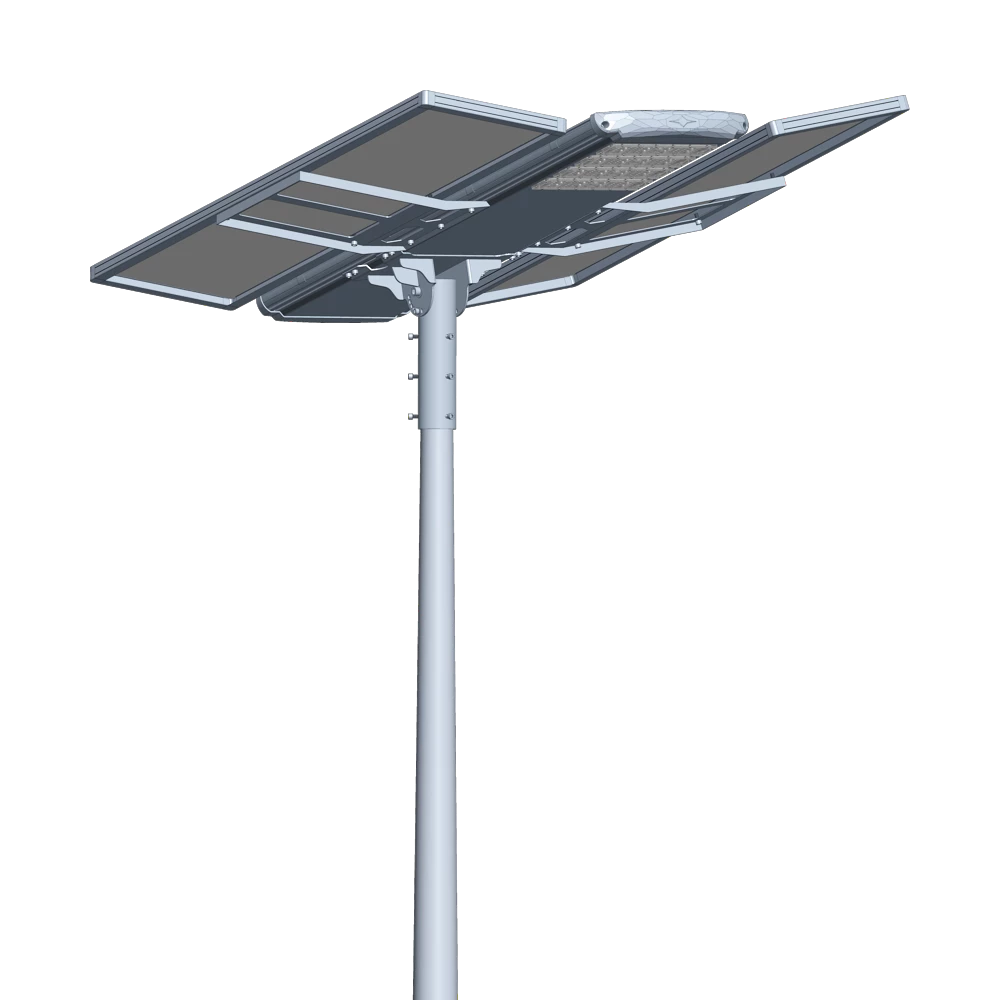
Memperkenalkan Lampu Jalan Tenaga Surya Luqing dari Queneng, Lampu LED yang efisien dengan tenaga surya sangat cocok untuk menerangi area luar ruangan. Manfaatkan tenaga surya untuk penerangan jalan yang berkelanjutan dan andal. Ideal untuk solusi penerangan luar ruangan yang ramah lingkungan dan hemat biaya.
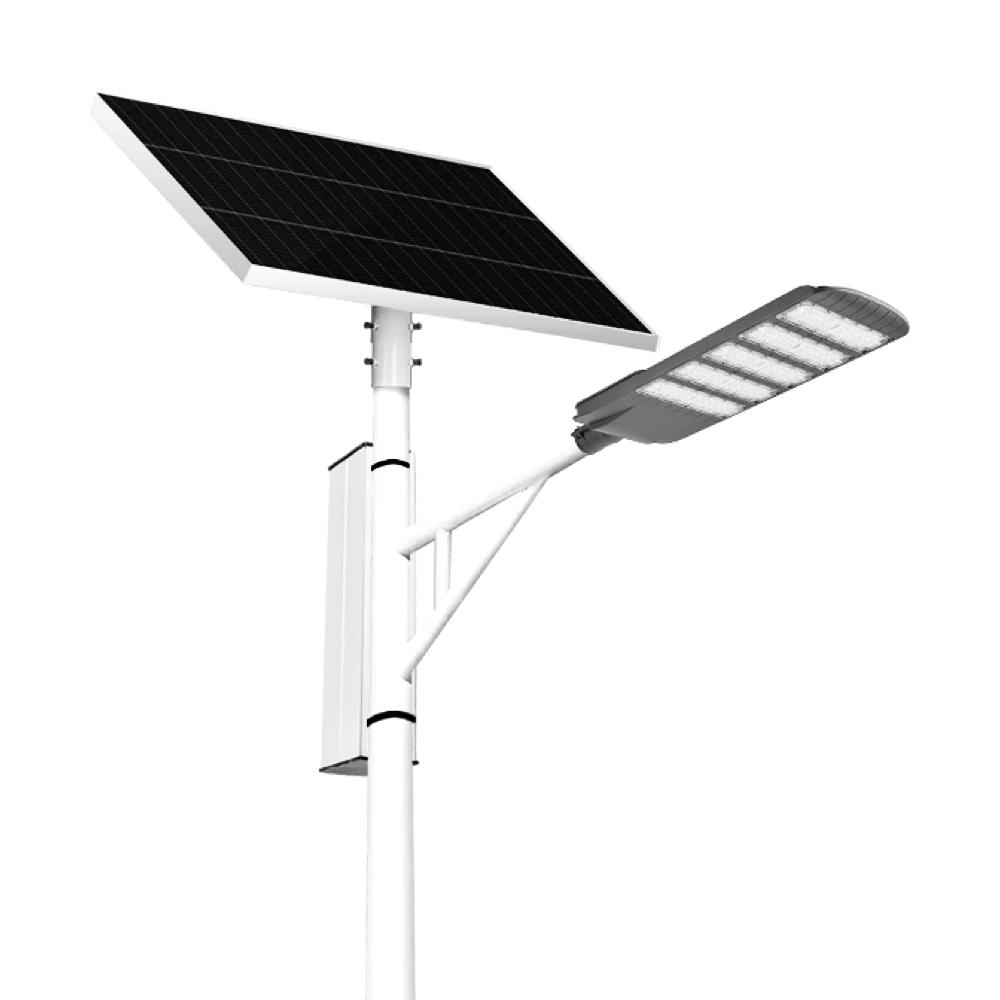
Lampu Jalan Tenaga Surya Luhao untuk Kotamadya dirancang untuk memberikan solusi penerangan umum yang andal, hemat energi, dan hemat biaya. Dilengkapi dengan teknologi LED canggih, baterai litium yang tahan lama, dan panel surya efisiensi tinggi, lampu jalan ini memberikan penerangan yang konsisten untuk jalan raya, taman, area perumahan, dan proyek pemerintah.
Jika Anda menginginkan informasi lebih lanjut tentang solusi pencahayaan tenaga surya Queneng, silakan kirimkan pesan kepada kami dengan mengisi formulir di bawah ini. Tim profesional kami akan menghubungi Anda dalam waktu 24 jam!
Yakinlah bahwa privasi Anda penting bagi kami, dan semua informasi yang diberikan akan ditangani dengan kerahasiaan maksimal.
Jadwalkan Pertemuan
Pesan tanggal dan waktu yang sesuai untuk Anda dan lakukan sesi terlebih dahulu.
Punya pertanyaan lebih lanjut tentang produk atau layanan kami?
Pembawa pesan cahaya & konversi kekuatan
Perlindungan lingkungan dan manufaktur cerdas adalah filosofi merek kami, dan jaminan kualitas serta pengalaman pengguna terbaik adalah janji abadi kami kepada pengguna.
KONTAK
No.9F, Gedung F, Taman Logistik Cao San Xin Tian Hong, Kota Guzhen, Kota Zhongshan, Provinsi Guangdong, Cina.
atau menulis[email dilindungi]
WhatsApp: +86 136 2270 1011


© 2026 Queneng Lighting. Semua Hak Dilindungi Undang-Undang. Didukung oleh gooeyun.