














Why do some solar street lights have higher cost-per-lumen efficiency?
Navigating the Investment: What Determines the Cost of Solar Street Lights?
As the world increasingly embraces sustainable infrastructure, solar street lights have become a cornerstone of modern urban and rural development. For professional buyers and project managers, understanding the intricacies of their cost, efficiency, and long-term value is paramount. This guide provides an in-depth look at key factors influencing solar street light costs and offers insights to help you make informed purchasing decisions.
What are the primary factors that influence the cost of a solar street light system?
The total cost of a solar street light is a culmination of several high-tech components and design considerations. Understanding these elements is crucial for accurate budgeting:
- Solar Panel: This is the power generator. Monocrystalline panels (typically 20-25% efficiency) are more expensive but offer higher power output per square meter than polycrystalline (15-20% efficiency). Larger wattage panels, required for higher lumen output or longer autonomy, increase cost.
- Battery: The energy storage unit. Lithium Iron Phosphate (LiFePO4) batteries are the industry standard due to their longer lifespan (2,000-6,000+ cycles, 5-10+ years), superior thermal stability, and deep discharge capabilities compared to older lead-acid batteries (300-1000 cycles, 2-3 years). Battery capacity (Ah) directly correlates with backup time and cost.
- LED Lamp Module: The light source. High-quality LED chips (e.g., Philips, Cree, Osram) offer superior lumen output per watt (currently reaching 160-200 lm/W), better color rendering, and longer operational life (50,000-100,000 hours). The number of lumens required for a given area dictates the LED wattage, affecting cost.
- Charge Controller: This component regulates power flow. MPPT (Maximum Power Point Tracking) controllers (95-99% efficiency) are more expensive but significantly more efficient than PWM (Pulse Width Modulation) controllers (70-80% efficiency), especially in varying weather conditions, optimizing battery charging and extending lifespan.
- Pole and Fixture Housing: Material (galvanized steel, aluminum alloy), height, wind resistance, and aesthetic design all contribute to the cost. Anti-corrosion treatments and robust IP ratings (e.g., IP65, IP66) for harsh environments add to durability and cost.
- Smart Features: Motion sensors, dimming capabilities, IoT connectivity, and remote monitoring systems add to the sophistication and cost but offer significant operational savings and flexibility.
Why do some solar street lights have higher cost-per-lumen efficiency, and what does it mean for buyers?
Cost-per-lumen efficiency refers to the monetary investment required to achieve a certain amount of light output over the system's lifetime. Higher cost-per-lumen efficiency indicates you're getting more light for your money, often due to:
- High Quality LED Chips: High-efficiency LEDs (e.g., >160 lm/W) produce more light with less power, allowing for smaller solar panels and batteries, which reduces overall system cost and increases autonomy.
- Advanced Driver Technology: Efficient LED drivers minimize energy loss, ensuring more power from the battery is converted into light.
- Optimized Optical Design: Well-designed lenses and reflectors maximize light distribution, reducing light wastage and allowing fewer fixtures to illuminate a larger area effectively.
- Integrated System Design: A holistic design where each component (solar panel, battery, controller, LED) is perfectly matched and optimized to work in harmony, maximizing energy harvesting and utilization.
For buyers, investing in higher cost-per-lumen efficiency means lower total cost of ownership (TCO) over the system's lifespan due to reduced power consumption, extended battery life, and potentially fewer units needed for a project.
How do battery technologies, particularly LiFePO4, impact the long-term cost and performance?
Battery technology is a game-changer for solar street lights' longevity and cost-effectiveness. LiFePO4 batteries are the preferred choice due to:
- Extended Lifespan: Offering 2,000 to over 6,000 charge/discharge cycles, compared to 300-1000 for lead-acid. This translates to 5-10+ years of operation, significantly reducing replacement costs and maintenance frequency.
- Safety: Inherently more stable and safer than other lithium-ion chemistries, reducing risks of thermal runaway.
- Performance in Extreme Temperatures: Better performance in both high and low temperatures compared to lead-acid, crucial for diverse climates.
- Deep Discharge Capability: Can be discharged to a much lower state without significant damage, providing more usable capacity.
While LiFePO4 batteries have a higher initial cost than lead-acid, their extended lifespan and superior performance lead to a significantly lower total cost of ownership and fewer operational headaches.
What are the critical considerations when selecting a Solar Street Light Manufacturer?
Choosing the right manufacturer is paramount for product quality, reliability, and support:
- R&D and Customization Capabilities: A strong R&D team indicates innovation and the ability to offer tailored solutions for specific project requirements.
- Quality Control & Certifications: Look for manufacturers with rigorous QC processes and international certifications like CE, RoHS, ISO 9001, IP65/IP66 ratings, ensuring product safety and performance standards.
- Warranty and After-Sales Support: A robust warranty (e.g., 3-5 years for the entire system, 10-25 years for solar panels) and accessible technical support are crucial for long-term peace of mind.
- Project Experience & References: A track record of successful projects, especially those similar to yours, indicates expertise and reliability.
- Component Sourcing: Reputable manufacturers use high-quality, branded components (e.g., Bridgelux, Lumileds LEDs; Tier 1 solar cells; reputable battery cells) rather than generic, lower-grade alternatives.
- Manufacturing Process: Understand their manufacturing facilities and processes to ensure consistency and scale.
What is the typical Return on Investment (ROI) for solar street light projects?
The ROI for solar street lights is often compelling, driven by operational savings and environmental benefits:
- Elimination of Electricity Bills: The most direct saving. Once installed, solar street lights consume no grid electricity.
- Reduced Installation Costs: No trenching, cabling, or connection to the grid significantly lowers initial installation expenses compared to traditional wired lighting.
- Low Maintenance: Modern solar street lights, especially those with LiFePO4 batteries and robust designs, require minimal maintenance, further reducing operational costs.
- Environmental Credits & Reputation: While harder to quantify financially, the ecological benefits can enhance corporate social responsibility and public image.
Depending on electricity costs and local incentives, the payback period for solar street lights can range from 3 to 7 years, after which they provide free illumination for the remainder of their operational life.
What are the latest technological advancements impacting solar street light performance and cost?
The solar lighting industry is dynamic, with continuous innovation:
- Higher Efficiency Solar Cells: PERC (Passivated Emitter Rear Cell) and TOPCon technologies are pushing solar panel efficiencies beyond 22-25% for commercially available modules, meaning smaller panels can generate more power.
- Smart Control Systems: Integration with IoT platforms, remote monitoring via 4G/5G, adaptive lighting (dimming based on motion or time), and self-learning algorithms optimize energy usage, extending battery life and reducing power requirements.
- Enhanced LED Efficacy: New generations of LED chips are reaching 200 lm/W and beyond, offering brighter light with less energy.
- Improved Battery Management Systems (BMS): More sophisticated BMS units for LiFePO4 batteries ensure optimal charging, discharging, and cell balancing, significantly prolonging battery life and safety.
- Integrated Designs: All-in-one or split-type designs are becoming more streamlined, easier to install, and aesthetically pleasing.
In conclusion, procuring solar street lights requires a deep understanding of component costs, efficiency metrics, and manufacturer reliability. Making an informed choice based on long-term value, rather than just initial price, ensures sustainable and cost-effective lighting solutions.
Why Choose Quenenglighting for Your Solar Street Light Projects?
Quenenglighting stands out as a leading manufacturer by prioritizing innovation, quality, and customer value. We leverage the latest advancements in solar technology, integrating high-efficiency monocrystalline solar panels, cutting-edge LiFePO4 batteries with advanced BMS, and high-lumen output LED chips (up to 190lm/W) from reputable brands. Our MPPT charge controllers ensure maximum energy harvesting, optimizing system performance and battery lifespan.
We offer robust, IP66-rated designs built for diverse and challenging environments, backed by comprehensive warranties and dedicated after-sales support. Quenenglighting’s expertise in custom solutions, coupled with stringent quality control and competitive pricing due to our advanced manufacturing capabilities, ensures that our clients receive solar street lights that offer superior cost-per-lumen efficiency and exceptional long-term ROI. Partner with Quenenglighting for reliable, high-performance, and sustainable lighting solutions that meet your project's precise needs.
References & Data Sources:
- Solar Panel Efficiency Trends: Energy.gov - Solar PV Cell and Module Performance (Accessed: April 25, 2024)
- LiFePO4 Battery Cycle Life: Battery University - Types of Lithium-ion (Accessed: April 25, 2024)
- LED Efficacy: Energy.gov - LED Efficacy and Lighting Quality (Accessed: April 25, 2024)
- MPPT vs. PWM Efficiency: Renogy Blog - MPPT vs. PWM (Accessed: April 25, 2024)
- General Solar Street Light Cost Breakdown: Industry reports and manufacturer data (e.g., sourced from reputable B2B platforms and market analysis reports available in early 2024).

Have more questions about our products or services?
The latest hot news you might like

Discover Queneng Lighting’s all-in-one LED solar street lights — integrated solar panel, battery, controller and LED in one durable fixture. Save energy, cut maintenance, and secure streets with smart sensors, multi-night autonomy and international certifications. Contact sales for quotes and support.

Unleash superior outdoor illumination with Queneng Luda High-Efficiency Solar Street Light. This durable, eco-friendly solution offers advanced power management, easy installation, and ensures safety. Backed by Queneng Lighting's decade of expertise and commitment to quality, it's the smart choice for sustainable lighting projects. Learn why we're a leading solar solutions provider.

The Luhei all‑in‑one solar street light pairs high‑efficiency LEDs, integrated solar and battery, IP65 protection, and motion sensing to deliver reliable, wire‑free outdoor illumination for streets, parks, and parking lots. Backed by Queneng Lighting’s certifications and support.

FAQ
Solar Street Light Luda
What are the installation requirements for Luda solar street lights?
Installing Luda solar street lights is straightforward and does not require complex wiring. The lights come with easy-to-follow installation instructions, typically involving mounting the pole, securing the light fixture, and positioning the solar panel for optimal sunlight exposure. Since they don’t require any electrical wiring, the installation is quick and cost-effective.
Remote Areas Rural Development
Can solar streetlights be relocated if community needs change?
Yes, they are designed to be portable and can be relocated to new sites with minimal adjustments.
Battery and Analysis
What are the control methods to prevent battery overcharging?
1) Peak voltage control: Determine the end of charging by detecting the peak voltage of the battery;
2) dT/dt control: determine the end point of charging by detecting the battery peak temperature change rate;
3) △T control: When the battery is fully charged, the difference between the temperature and the ambient temperature will reach the maximum;
4) -△V control: When the battery is fully charged and reaches a peak voltage, the voltage will drop by a certain value;
5) Timing control: Control the charging end point by setting a certain charging time. Generally, set the time required to charge 130% of the nominal capacity;
What are the characteristics of rechargeable portable batteries?
There are rechargeable portable batteries in different electrochemical types, such as lead-acid type (2V/unit), nickel-cadmium type (1.2V/unit), nickel-hydrogen type (1.2V/unit), lithium-ion battery (3.6V/unit) ), the typical characteristic of these types of batteries is that they have a relatively constant discharge voltage (there is a voltage platform during discharge), and the voltage decays quickly at the beginning and end of discharge.
Tourist Attractions and Resorts
Do solar lights require much maintenance?
Solar lights require minimal maintenance. Routine checks and occasional cleaning of the solar panels are enough to keep the system functioning efficiently. There are no wires or bulbs that need to be replaced frequently.
Battery Performance and Testing
What is pulse charging? What impact does it have on battery performance?
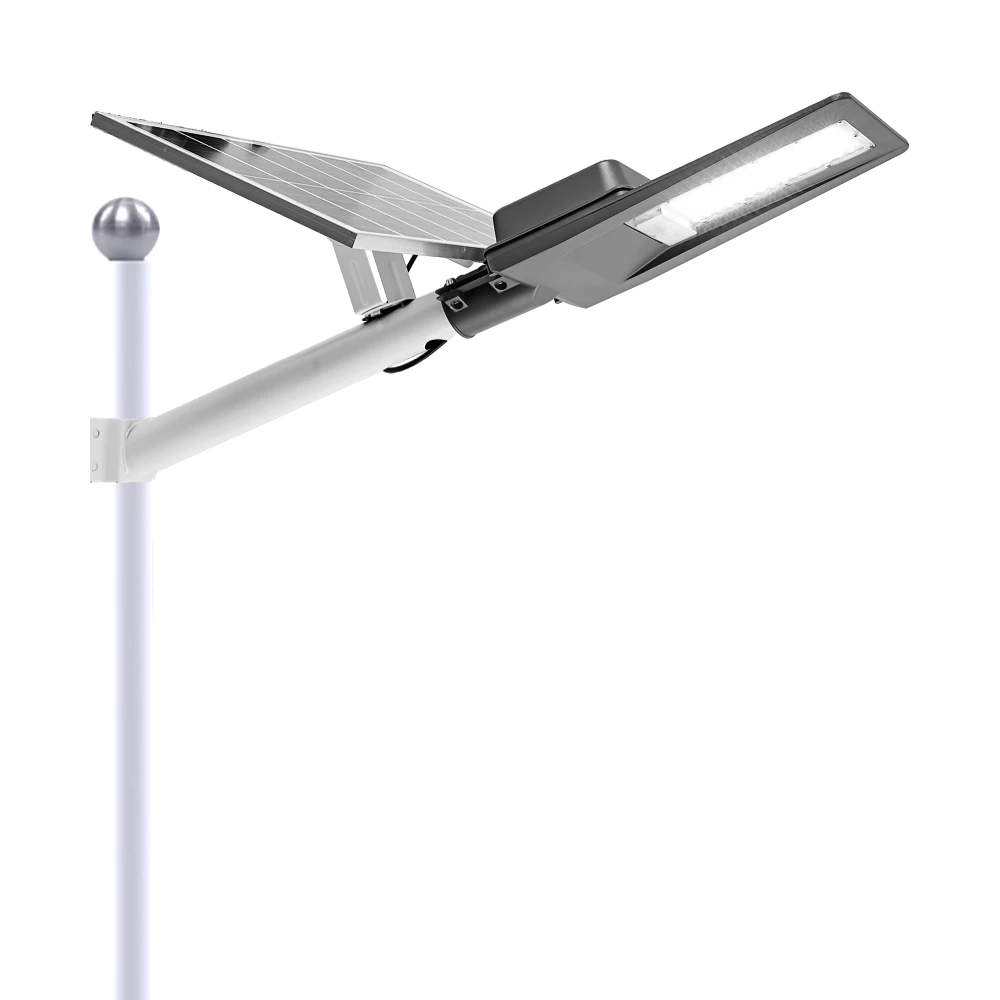
Experience reliable outdoor illumination with our smart solar street light, a perfect combination of advanced technology and eco-conscious design.
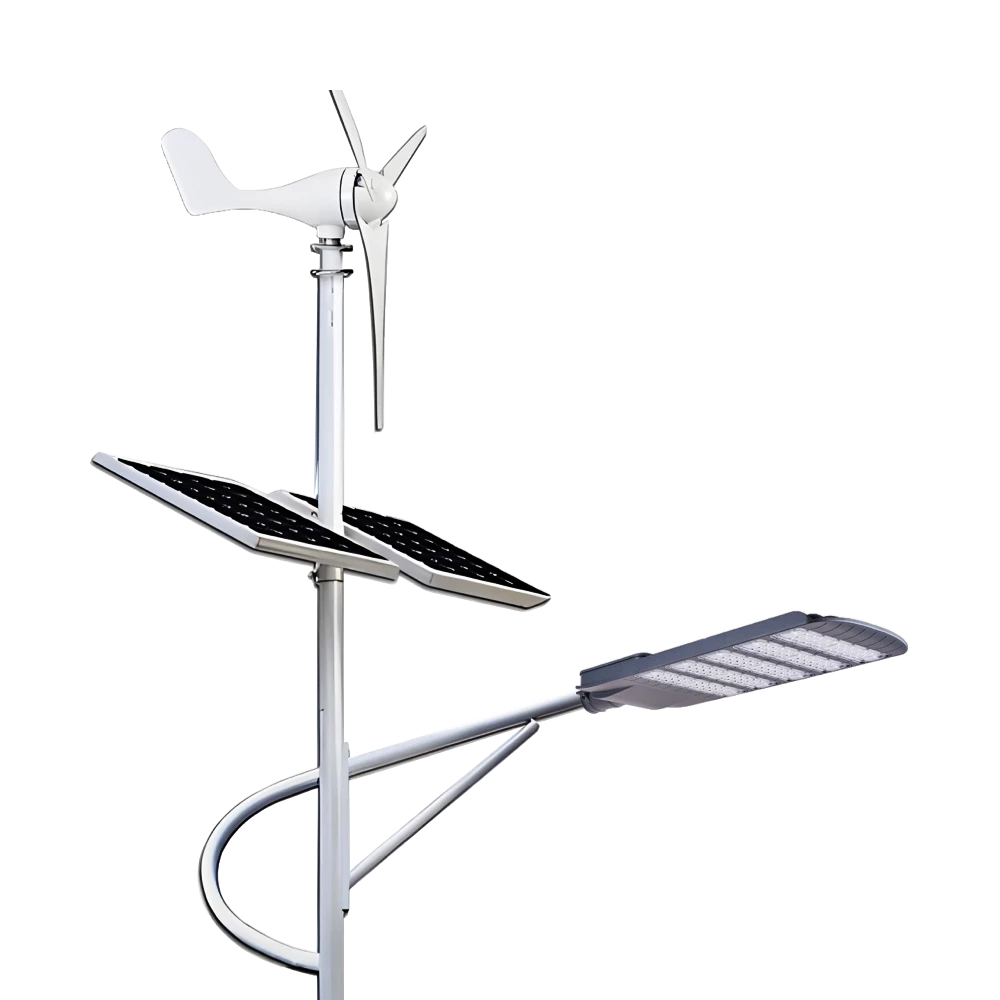
Queneng Lufeng Wind Energy LED Outdoor Solar Street Lights offer high-performance, eco-friendly illumination. These energy-efficient LED street lights harness solar power and wind energy for sustainable, cost-effective outdoor lighting solutions.
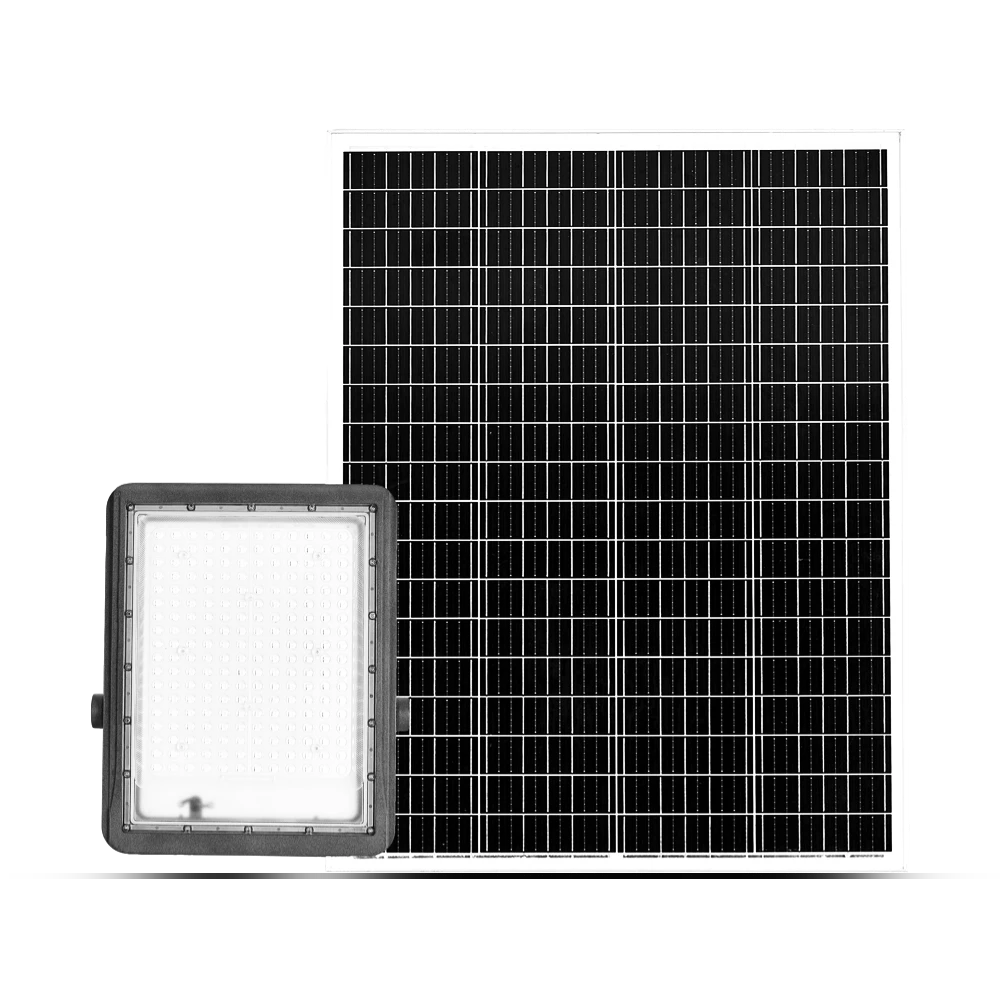
Queneng's Luxian Reliable Solar Street Light offers energy-saving LED lighting for outdoor use. This durable, solar-powered street light provides reliable illumination, reducing energy costs and environmental impact. A perfect solution for sustainable outdoor lighting.
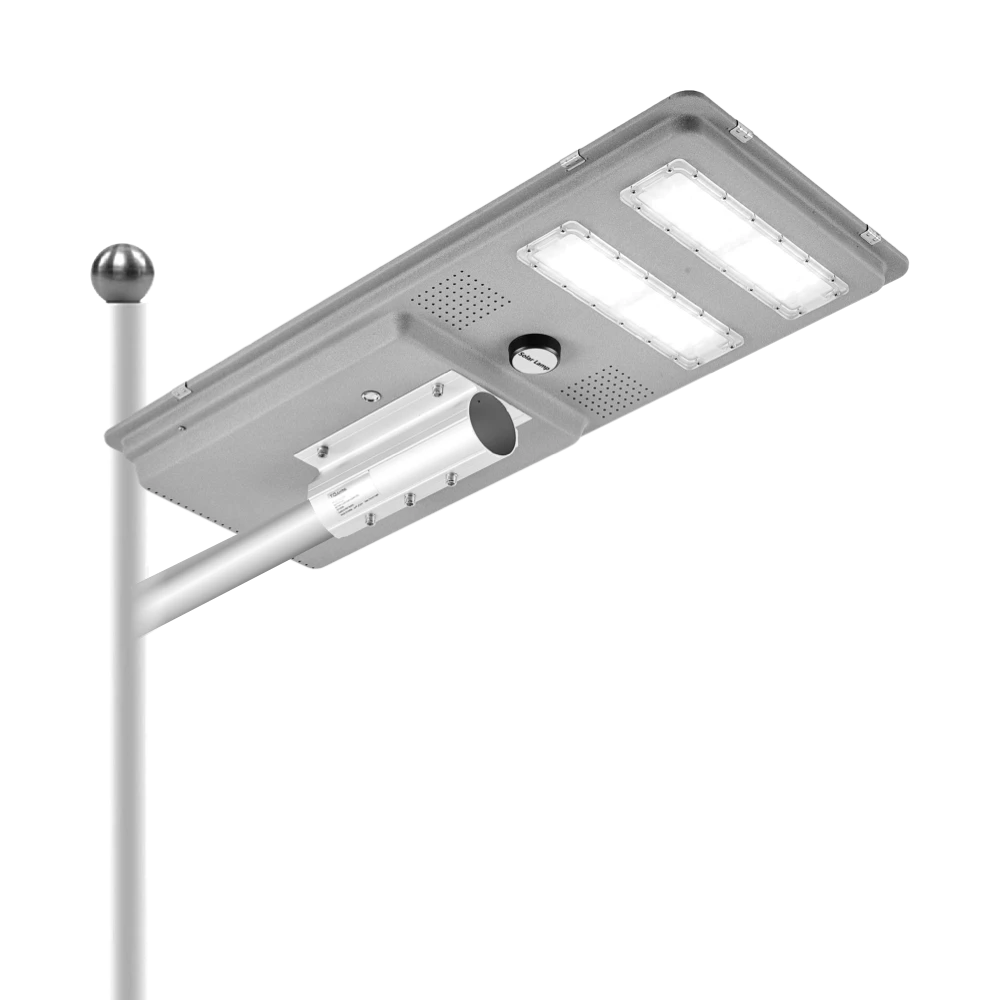
Queneng’s Solar Street Lights are designed to provide reliable, energy-efficient lighting for streets, parks, and other outdoor spaces.
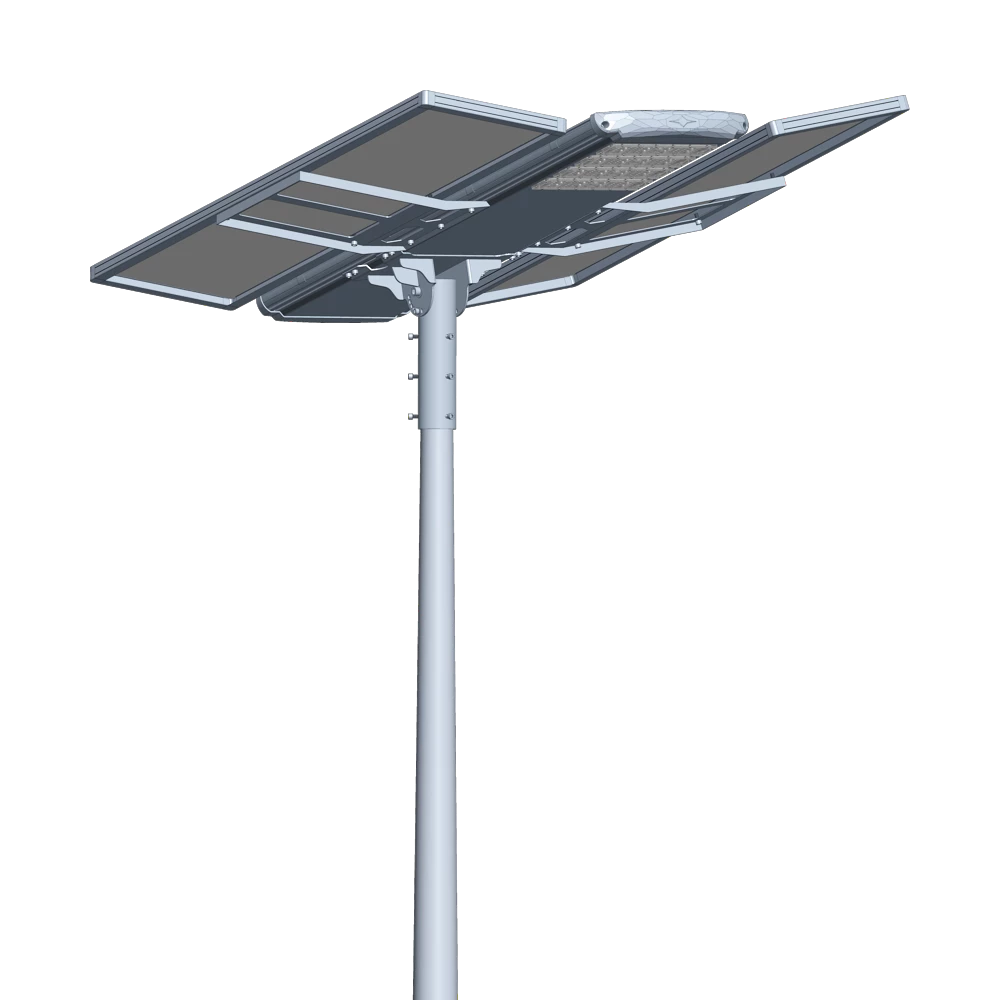
Introducing the Luqing Solar Street Light by Queneng, Efficient LED lighting powered by solar energy is perfect for illuminating outdoor areas. Harness the power of solar energy for sustainable, reliable street lighting. Ideal for eco-friendly, cost-effective outdoor illumination solutions.
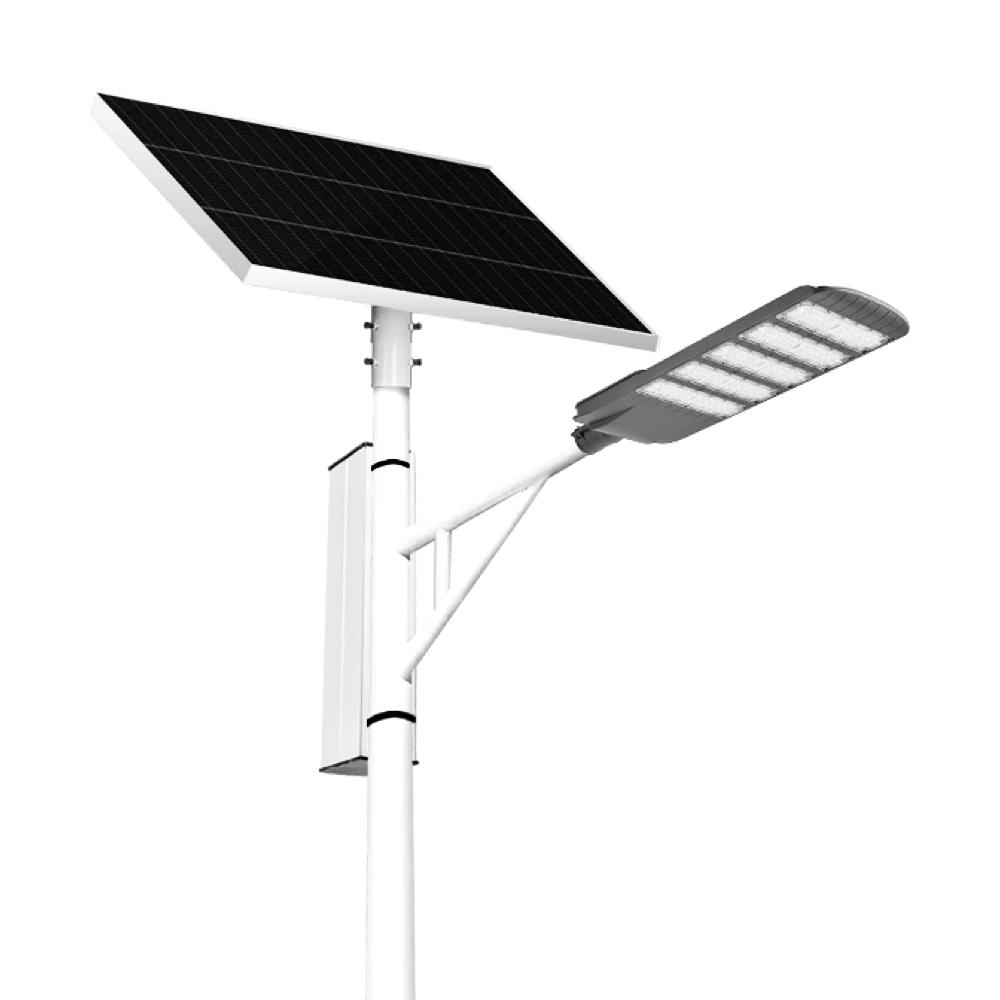
The Solar Streetlights of Luhao for Municipalities are designed to deliver reliable, energy-efficient, and cost-effective public lighting solutions. Equipped with advanced LED technology, durable lithium batteries, and high-efficiency solar panels, these streetlights provide consistent illumination for roads, parks, residential areas, and government projects.
If you would like more information about Queneng solar lighting solutions, please send us a message by filling out the form below. Our professional team will get back to you within 24 hours!
Rest assured that your privacy is important to us, and all information provided will be handled with the utmost confidentiality.
Schedule a Meeting
Book a date and time that is convenient for you and conduct the session in advance.
Have more questions about our products or services?
The messenger of light & power conversion
Environmental protection and intelligent manufacturing are our brand philosophy, and quality assurance and the best user experience are our eternal promises to users.
CONTACT
No.9F, Building F, Cao San Xin Tian Hong Logistics Park, Guzhen Town, Zhongshan City, Guangdong Province, China.
or write [email protected]
WhatsApp: +86 136 2270 1011


