













How should Nigeria evaluate suppliers for large municipal solar projects?
Navigating Solar Street Light Procurement: A Guide for Nigeria's Municipal Projects
Large-scale municipal solar lighting projects represent a significant investment and a commitment to sustainable development. For Nigeria, where consistent, reliable lighting can enhance safety, economic activity, and quality of life, selecting the right solar street light solutions and suppliers is paramount. This guide addresses key concerns, from cost considerations to detailed supplier evaluation, ensuring durable and effective installations.
Decoding the Cost: What Drives the Price of Solar Street Lights for Large Projects?
Understanding the “cost of solar street light” goes beyond the sticker price; it involves a holistic evaluation of various components and factors that influence the total cost of ownership (TCO) for large municipal projects. Key drivers include:
- Component Quality and Capacity: This is the primary determinant. Higher wattage LED lamps (e.g., 60W-120W for main roads), larger solar panels (to ensure adequate charging even on cloudy days, considering Nigeria's average 5-6 peak sun hours daily), and high-capacity LiFePO4 batteries (offering 3-5 days of autonomy) cost more but provide superior performance and longevity. LiFePO4 batteries, for instance, typically offer 2,000-4,000 charge cycles, equating to an 8-10 year lifespan, significantly impacting TCO.
- Technology and Features: Advanced features like Maximum Power Point Tracking (MPPT) controllers for efficient charging, intelligent dimming, motion sensors, and IoT connectivity for remote monitoring add to the cost but offer energy savings and enhanced management capabilities.
- Pole Design and Material: The pole's height, gauge, design (e.g., hot-dip galvanized for corrosion resistance, tapering for wind load), and anti-vandalism features (e.g., internal cabling, tamper-proof access panels) vary significantly in price. For municipal projects, poles must meet structural integrity standards for wind zones (e.g., withstand wind speeds up to 120-150 km/h).
- Installation and Foundation: Labor, equipment rental, and the complexity of foundation work (which varies with soil type) contribute to the overall project cost. For large projects, economies of scale can reduce per-unit installation costs.
- Freight, Customs, and Local Taxes: Importing solar street lights into Nigeria involves significant logistics, customs duties, and local taxes, all of which must be factored into the final project budget.
- Warranty and After-Sales Support: Extended warranties and comprehensive after-sales service packages, while an upfront cost, reduce long-term risks and maintenance expenses.
Beyond the Brochure: How to Select a Reputable Solar Street Light Manufacturer?
For large municipal projects, selecting a reliable Solar Street Light Manufacturer or Manufacturer of Solar Street Lights is crucial. Nigeria should evaluate potential suppliers based on:
- Proven Track Record and Experience: Look for manufacturers with a demonstrated history of delivering similar large-scale projects, especially in challenging environments or regions with comparable climates to Nigeria. Request project references and client testimonials.
- R&D and Innovation Capabilities: A strong R&D department indicates a commitment to product improvement, energy efficiency (modern LEDs boast >150 lumens per watt), and adopting the latest technologies (e.g., advanced battery management systems).
- Manufacturing Quality and Processes: Inquire about their manufacturing facilities, quality control procedures (e.g., ISO 9001 certification), and component sourcing. Vertical integration or strong supply chain management often leads to higher quality and better cost control.
- Technical Support and Engineering Expertise: The manufacturer should offer robust technical support, including site assessment, lighting design (using software like DIALux), and customized solutions tailored to Nigeria's specific requirements.
- Financial Stability: For multi-year projects, a financially stable manufacturer ensures project completion, warranty fulfillment, and long-term support.
Tailoring for Nigeria: Essential Technical Specifications for Municipal Solar Lighting
How should Nigeria evaluate suppliers for large municipal solar projects? demands a focus on specifications tailored to the local environment and operational needs:
- Battery Technology: Prioritize LiFePO4 (Lithium Iron Phosphate) batteries over lead-acid due to their superior lifespan (8-10 years), depth of discharge capability (up to 90%), safety, and performance in Nigeria's temperature ranges (typically -20°C to 60°C). Ensure sufficient battery autonomy (3-5 nights without sunlight) to guard against cloudy periods.
- Solar Panel Efficiency: High-efficiency monocrystalline silicon panels (18-22% efficiency) are recommended to maximize energy harvest from Nigeria's ample sunshine, ensuring consistent battery charging even with smaller panel footprints.
- LED Luminaire Performance: Specify LED luminaires with high luminous efficacy (>150 lm/W), appropriate Correlated Color Temperature (CCT) for street lighting (typically 4000K-5000K for good visibility without glare), and high Color Rendering Index (CRI >70). The housing should be robust, with an IP66 or IP67 rating for dust and water ingress protection.
- Smart Controller: MPPT controllers are essential for maximizing charging efficiency. They should also feature programmable dimming schedules (e.g., full brightness during peak hours, dimming during off-peak), intelligent battery management, and comprehensive protection against overcharge, over-discharge, and short circuits.
- Pole and Mounting Structure: Poles must be hot-dip galvanized to prevent corrosion, meet local wind load standards, and have sufficient height (e.g., 6-12 meters depending on road width) for optimal light distribution. Internal cabling and robust mounting hardware are critical for security.
Durability and Performance: Understanding Key Components of a High-Quality Solar Street Light
The longevity and effectiveness of a solar street light system hinge on the quality of its individual components:
- Solar Panel: Beyond efficiency, look for panels with good temperature coefficients, strong tempered glass, and sturdy frames to withstand environmental stress. A minimum 20-25 year warranty on power output is standard.
- Battery: As discussed, LiFePO4 is key. Ensure the battery capacity is sized correctly, not just for autonomy but also for daily discharge cycles, to maximize its lifespan.
- LED Lamp: The quality of the LED chips (e.g., Cree, Philips, Osram), the driver (meanwell, Inventronics), and the thermal management system directly impact the lamp's lifespan (typically L70 @ 50,000-100,000 hours) and consistent light output.
- Charge Controller: A well-designed controller protects the entire system, optimizes power flow, and often includes features for remote monitoring and diagnostics, crucial for large deployments.
- Cabling and Connectors: High-quality, UV-resistant cables and waterproof connectors (IP67/68) prevent electrical losses and premature system failures.
Longevity and ROI: Operational & Maintenance Considerations for Municipal Solar Lighting
While solar street lights are known for low maintenance, large municipal projects require strategic O&M planning to maximize return on investment (ROI):
- Minimal Routine Maintenance: Regular cleaning of solar panels (e.g., bi-annually or as needed to remove dust and debris that can reduce output by 15-25%) is often the most frequent task. Visual inspections for physical damage are also important.
- Battery Monitoring and Replacement: While LiFePO4 batteries have long lifespans, monitoring their health and planning for eventual replacement (after 8-10 years) is necessary. Smart controllers with battery health reporting can aid this.
- Spare Parts and Technical Training: Ensure the supplier can provide spare parts for common components and offer training to local technicians for basic troubleshooting and repairs, reducing downtime.
- Remote Monitoring Systems: For very large projects, IoT-enabled solar street lights allow for centralized monitoring of performance, battery status, and fault detection, significantly streamlining O&M efforts and reducing manual checks.
Mitigating Risks: Ensuring Anti-Vandalism and Robustness in Nigerian Deployments
In some regions of Nigeria, vulnerability to theft and vandalism is a critical concern that must be addressed during supplier evaluation and product design:
- Integrated Designs: All-in-one solar street lights, where the solar panel, battery, and LED are housed in a single compact unit, often offer better protection than split systems, as sensitive components are less accessible.
- Robust Materials and Secure Fasteners: Use of high-grade aluminum alloys and galvanized steel for housings and poles, along with tamper-proof screws and internal cabling, deters theft. Ensure battery compartments are securely locked or integrated into the pole structure.
- Higher Mounting Heights: While not a direct anti-vandalism feature, higher poles make components less accessible to casual tampering.
- Smart Security Features: Some advanced systems can integrate motion sensors with alarms or even small cameras (though this adds complexity and cost), which might be considered for high-risk areas.
Securing Your Investment: The Role of Certifications and Warranties in Supplier Evaluation
Certifications and warranties are non-negotiable for large municipal projects, offering quality assurance and risk mitigation:
- Product Certifications: Look for international standards such as CE (Conformité Européenne), RoHS (Restriction of Hazardous Substances), IEC (International Electrotechnical Commission) for solar PV modules, and IP (Ingress Protection) ratings (e.g., IP66/67 for luminaires and controllers) to ensure products meet safety, environmental, and performance benchmarks.
- Manufacturer Certifications: ISO 9001 (Quality Management System) and ISO 14001 (Environmental Management System) indicate a commitment to quality and responsible manufacturing practices.
- Comprehensive Warranties: A reliable manufacturer should offer a robust warranty package. Typically, this includes:
- Solar Panel: 20-25 years performance warranty (e.g., 80% power output after 25 years).
- Battery: 5-10 years on LiFePO4 batteries.
- LED Module: 3-5 years.
- Overall System: 3-5 years on the entire solar street light unit.
Quenenglighting: A Partner for Sustainable Urban Illumination
For large-scale municipal solar projects in Nigeria, choosing a manufacturer that embodies these principles is crucial. Quenenglighting, as a dedicated manufacturer of solar street lights, stands out by prioritizing robust design, high-performance components, and comprehensive customer support. Their commitment to R&D ensures innovative, energy-efficient solutions tailored for diverse environments. With stringent quality control processes and adherence to international certifications, Quenenglighting delivers durable and reliable solar lighting systems. Their focus on long-term value, combined with strong warranty backing and responsive after-sales service, positions them as a valuable partner for Nigeria's ambitious urban lighting initiatives, ensuring sustainable, safe, and well-lit communities.
References:
- IRENA (International Renewable Energy Agency) reports on solar PV costs and performance. (General knowledge, specific report links vary by year)
- Solar Energy Technologies Office (SETO) - U.S. Department of Energy. Insights on battery and LED lifespans.
- LEDs Magazine. Data on LED efficacy and lifespan.
- Various manufacturer specifications for solar street light components (e.g., LiFePO4 battery datasheets, solar panel efficiency ratings).
- International standards organizations: ISO (International Organization for Standardization), IEC (International Electrotechnical Commission).
- Nigeria Meteorological Agency (NiMet) for insolation data approximations. (General knowledge source)

Have more questions about our products or services?
The latest hot news you might like

Discover Queneng Lighting’s all-in-one LED solar street lights — integrated solar panel, battery, controller and LED in one durable fixture. Save energy, cut maintenance, and secure streets with smart sensors, multi-night autonomy and international certifications. Contact sales for quotes and support.

Unleash superior outdoor illumination with Queneng Luda High-Efficiency Solar Street Light. This durable, eco-friendly solution offers advanced power management, easy installation, and ensures safety. Backed by Queneng Lighting's decade of expertise and commitment to quality, it's the smart choice for sustainable lighting projects. Learn why we're a leading solar solutions provider.

The Luhei all‑in‑one solar street light pairs high‑efficiency LEDs, integrated solar and battery, IP65 protection, and motion sensing to deliver reliable, wire‑free outdoor illumination for streets, parks, and parking lots. Backed by Queneng Lighting’s certifications and support.

FAQ
Battery fundamentals and basic terms
What is open circuit voltage?
who we are
What sets Queneng apart from other solar lighting companies?
Our strong focus on innovation, quality, and customer satisfaction sets us apart. We have over a decade of experience in the solar industry and are committed to delivering high-quality, energy-efficient solutions that meet international standards. Our products are designed for durability, and our customer service ensures reliable support at every stage.
Battery and Analysis
What is over-discharge and what effect does it have on battery performance?
Solar Street Light Lufeng
How do Lufeng solar street lights help reduce energy consumption?
Lufeng solar street lights use solar power, which is a renewable and free energy source, significantly reducing energy consumption from traditional power grids. Additionally, they feature energy-efficient LEDs and smart controls that adjust brightness based on ambient light or motion detection, further conserving energy.
Solar Street Light Lufei
Can I adjust the brightness of the solar street light?
Some models of Queneng’s solar street lights come with adjustable brightness settings, allowing you to customize the light output based on your needs. Additionally, some models feature motion sensors that increase brightness when movement is detected.
Solar Street Light Luan
What is the lifespan of Luan solar street lights?
Luan solar street lights have an impressive lifespan. The LEDs can last up to 50,000 hours, and the solar panels can perform efficiently for 25 years or more. The batteries typically last 3 to 5 years, depending on usage and environmental conditions, ensuring long-term value.
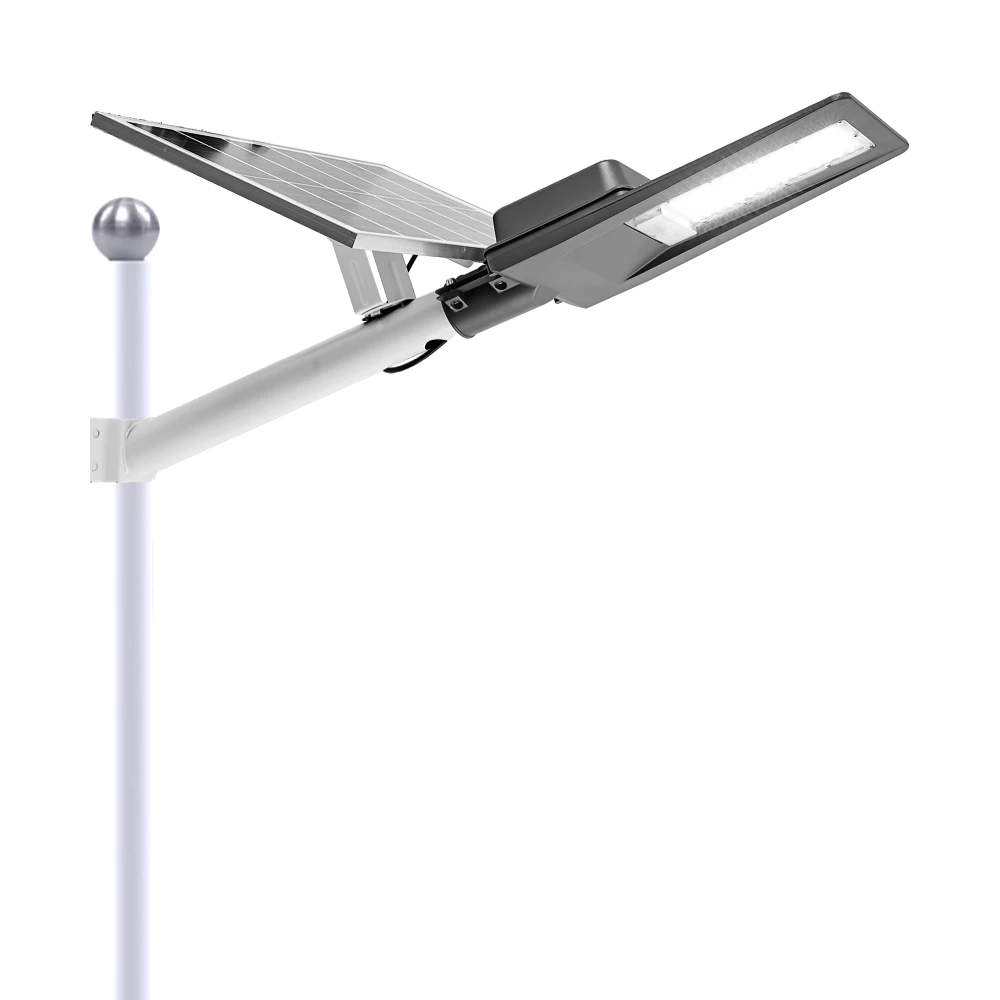
Experience reliable outdoor illumination with our smart solar street light, a perfect combination of advanced technology and eco-conscious design.
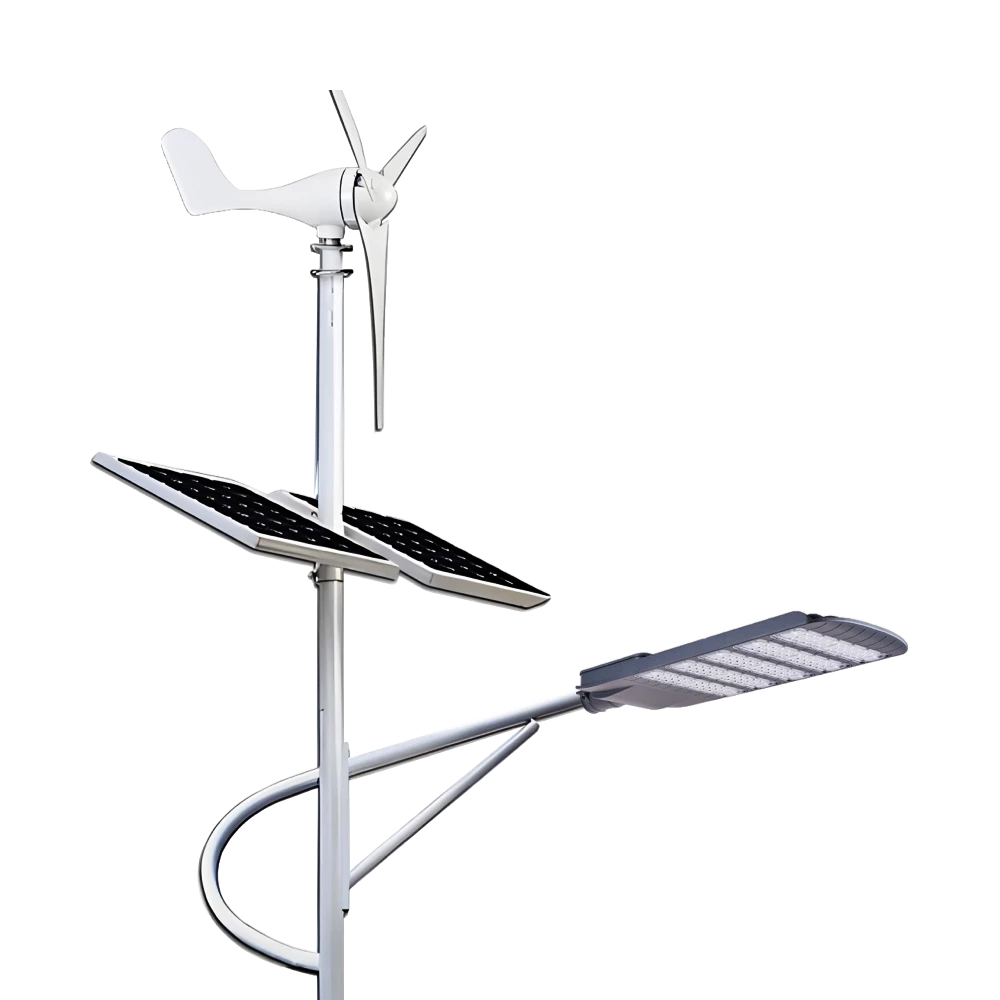
Queneng Lufeng Wind Energy LED Outdoor Solar Street Lights offer high-performance, eco-friendly illumination. These energy-efficient LED street lights harness solar power and wind energy for sustainable, cost-effective outdoor lighting solutions.
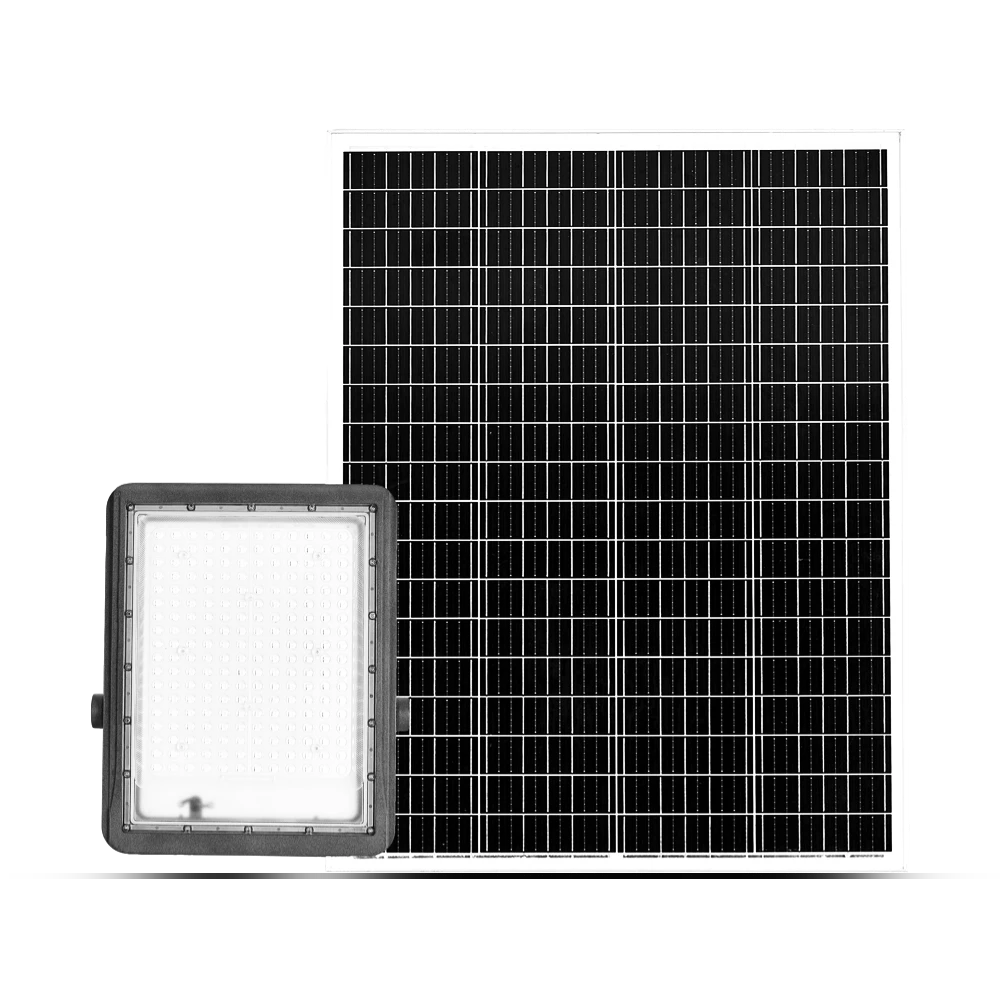
Queneng's Luxian Reliable Solar Street Light offers energy-saving LED lighting for outdoor use. This durable, solar-powered street light provides reliable illumination, reducing energy costs and environmental impact. A perfect solution for sustainable outdoor lighting.
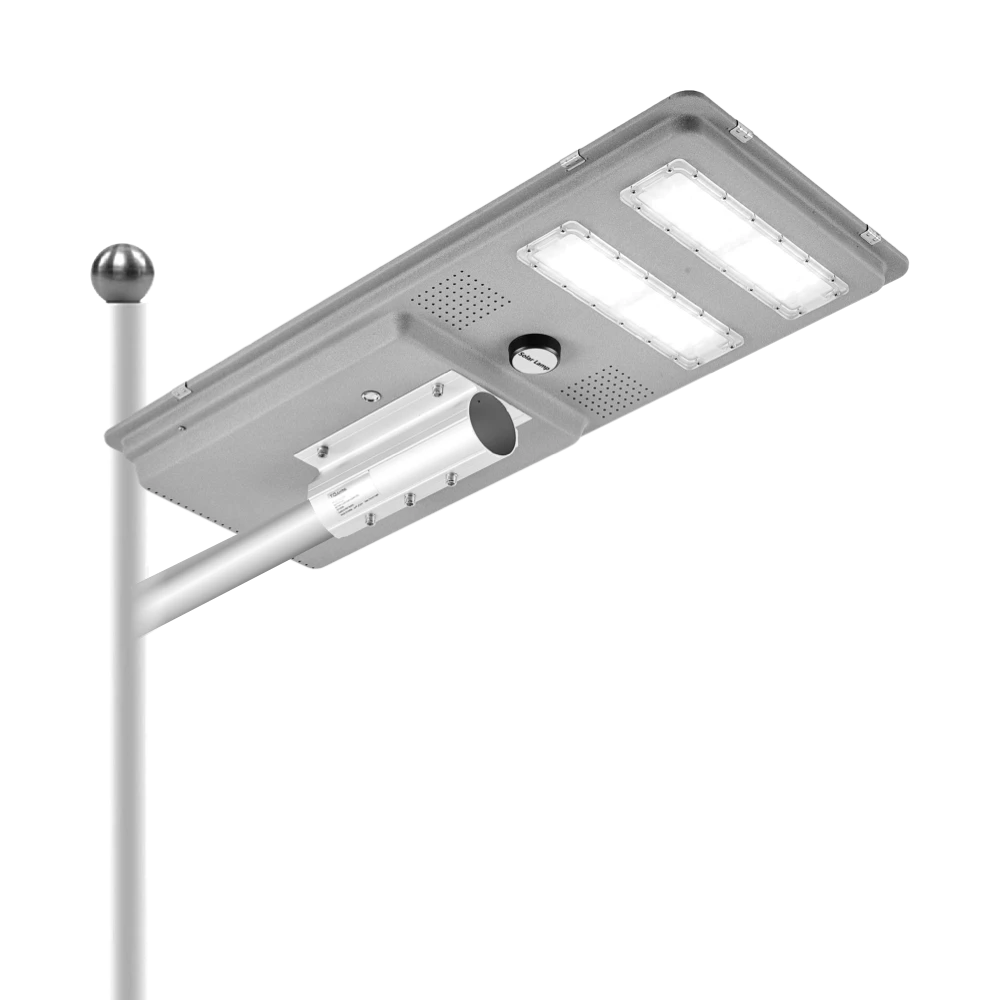
Queneng’s Solar Street Lights are designed to provide reliable, energy-efficient lighting for streets, parks, and other outdoor spaces.
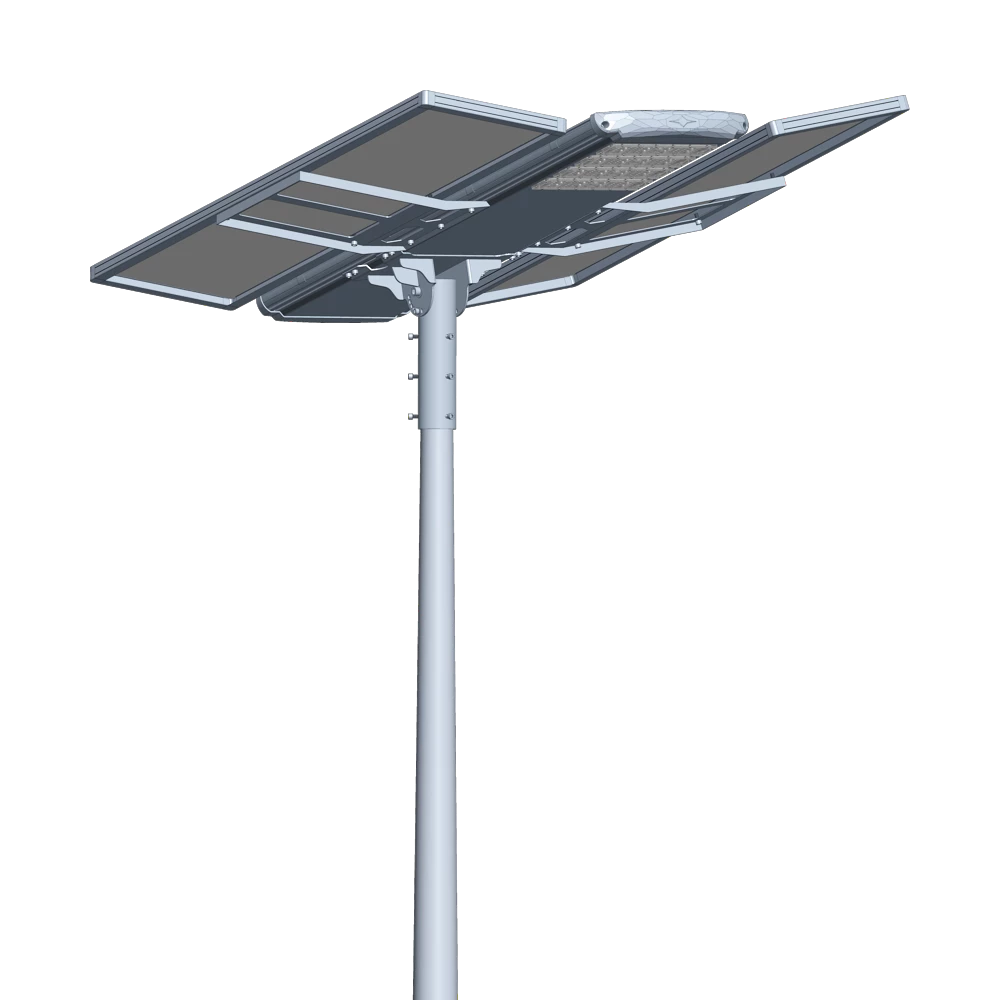
Introducing the Luqing Solar Street Light by Queneng, Efficient LED lighting powered by solar energy is perfect for illuminating outdoor areas. Harness the power of solar energy for sustainable, reliable street lighting. Ideal for eco-friendly, cost-effective outdoor illumination solutions.
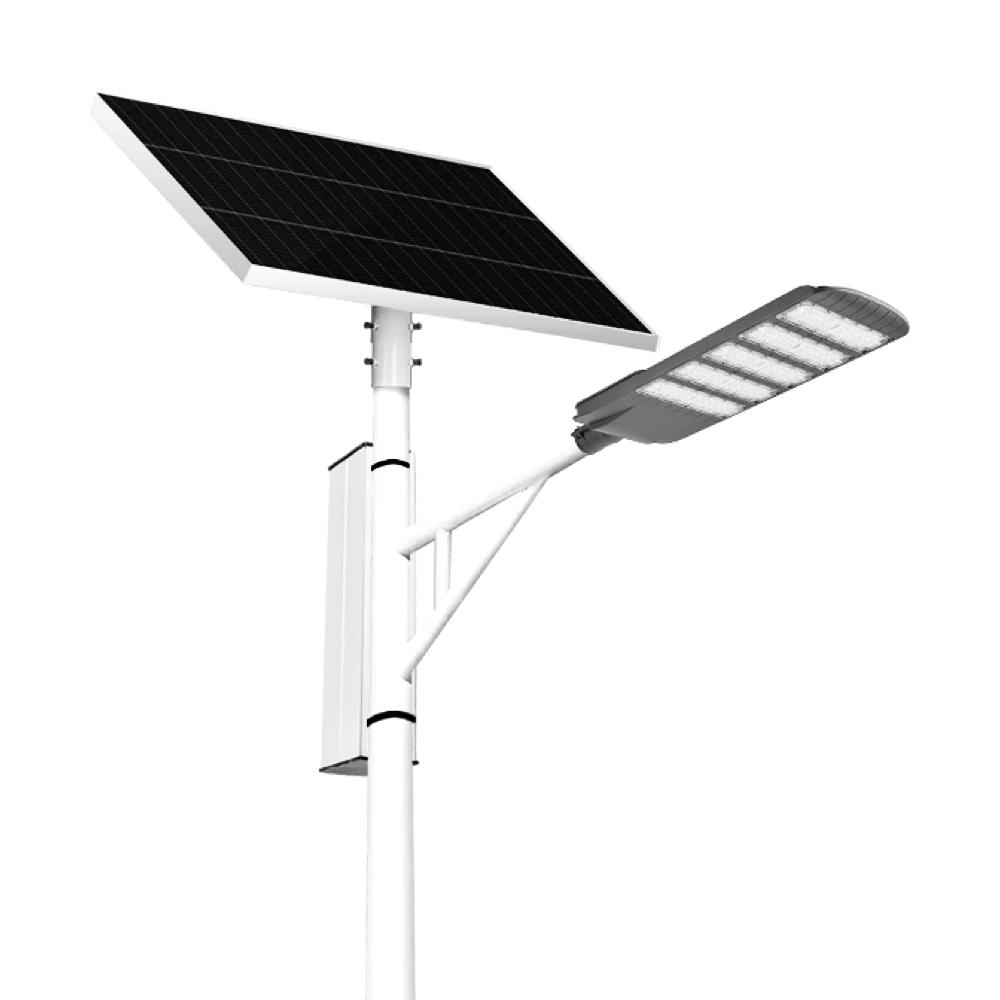
The Solar Streetlights of Luhao for Municipalities are designed to deliver reliable, energy-efficient, and cost-effective public lighting solutions. Equipped with advanced LED technology, durable lithium batteries, and high-efficiency solar panels, these streetlights provide consistent illumination for roads, parks, residential areas, and government projects.
If you would like more information about Queneng solar lighting solutions, please send us a message by filling out the form below. Our professional team will get back to you within 24 hours!
Rest assured that your privacy is important to us, and all information provided will be handled with the utmost confidentiality.
Schedule a Meeting
Book a date and time that is convenient for you and conduct the session in advance.
Have more questions about our products or services?
The messenger of light & power conversion
Environmental protection and intelligent manufacturing are our brand philosophy, and quality assurance and the best user experience are our eternal promises to users.
CONTACT
No.9F, Building F, Cao San Xin Tian Hong Logistics Park, Guzhen Town, Zhongshan City, Guangdong Province, China.
or write [email protected]
WhatsApp: +86 136 2270 1011


