














What are the common warranty terms for solar-powered street lamps?
Navigating the World of Solar Street Lights: Your Buyer's Guide
Investing in solar-powered street lights is a smart choice for sustainable urban development, remote area illumination, and cost-efficient infrastructure. However, potential buyers often face questions regarding pricing, product longevity, and manufacturer reliability. This guide aims to answer your most pressing questions, equipping you with the professional knowledge needed to make informed purchasing decisions.
What Factors Influence the Cost of a Solar Street Light System?
The cost of a solar street light system isn't just about the upfront price; it's a reflection of its quality, performance, and durability. Several key factors contribute to the overall expense:
- LED Light Output (Lumens/Wattage): Higher lumen output or wattage (e.g., 60W vs. 30W LED) requires more powerful components, increasing cost.
- Battery Technology and Capacity: Lithium Iron Phosphate (LiFePO4) batteries are preferred for their longer lifespan and better performance, but are more expensive than lead-acid. Higher capacity (Wh) for longer autonomy (days of backup power) also drives up the price.
- Solar Panel Power (Watt-peak - Wp): Larger and more efficient solar panels are needed to charge higher-capacity batteries and power brighter LEDs, adding to the cost.
- Pole Material and Height: Poles can be steel, aluminum, or galvanized. Taller poles and more robust materials (e.g., hot-dip galvanized steel for corrosion resistance) significantly increase costs due to material and shipping weight.
- Smart Features and Control Systems: PIR motion sensors, dimming capabilities, IoT connectivity, and sophisticated MPPT (Maximum Power Point Tracking) charge controllers enhance efficiency and functionality but come at a High Quality.
- Brand Reputation and Quality: Reputable manufacturers often use higher-grade components and adhere to stricter quality control, which can lead to a higher initial investment but lower long-term costs.
- Quantity and Customization: Bulk orders often receive discounts, while highly customized solutions tailored to specific project requirements might incur additional costs.
What is the Typical Price Range for a Quality Commercial Solar Street Light System?
For a quality commercial-grade solar street light system (including the LED fixture, solar panel, battery, charge controller, and typically a pole), prices can vary significantly based on the factors mentioned above. As of late 2023 to early 2024, you can generally expect a range of approximately USD 800 to USD 2,500+ per unit for a complete system, excluding installation costs.
For example, an integrated solar street light with a 30W-60W LED, a high-capacity LiFePO4 battery, and a standard 6-8 meter hot-dip galvanized pole, might fall into the USD 1,200 - USD 2,000 range. Smaller, lower-power residential units without poles can be significantly cheaper (e.g., USD 100-300), while high-power, highly customized systems for demanding environments can exceed USD 3,000 per unit. Remember, this initial investment is often offset by zero electricity bills and minimal maintenance costs over the system's lifespan.
What Are the Common Warranty Terms Offered by Solar Street Light Manufacturers?
Warranty terms are crucial for protecting your investment and ensuring long-term reliability. A reputable manufacturer will offer comprehensive warranties, typically broken down by component:
- Overall System: A common warranty for the entire solar street light system (excluding wear and tear parts) is typically 3 to 5 years. Some High Quality manufacturers might offer up to 7 years.
- Battery (LiFePO4): Given their critical role, LiFePO4 batteries usually come with a performance warranty of 5 to 10 years, or a specified number of charge/discharge cycles (e.g., 2,000-5,000 cycles at 80% Depth of Discharge - DOD), ensuring they retain a certain percentage of their original capacity.
- LED Light Engine/Chips: The LED module and driver typically carry a warranty of 5 to 7 years, reflecting their expected long operational life.
- Solar Panel: Solar panels usually have two types of warranties: a product workmanship warranty (e.g., 10-12 years) and a linear power output performance warranty, guaranteeing at least 80% of original power output after 20-25 years.
- Charge Controller: The charge controller, whether MPPT or PWM, generally has a warranty of 2 to 5 years.
Always review the specific terms and conditions, including coverage details, claim procedures, and whether the warranty is pro-rata or full replacement.
How Does Buying Directly from a Manufacturer Benefit the Buyer?
Engaging directly with a solar street light manufacturer offers several distinct advantages over purchasing through distributors or third parties:
- Cost-Effectiveness: Eliminating middlemen often results in better pricing, as you pay factory-direct rates without distributor markups.
- Customization and Flexibility: Manufacturers can offer tailored solutions to meet specific project requirements, from lumen output and battery capacity to pole design and smart features.
- Direct Technical Support: You gain access to the manufacturer's expert technical team for pre-sales consultation, installation guidance, and troubleshooting, ensuring accurate and prompt assistance.
- Quality Assurance: Direct purchase ensures you receive genuine products built to the manufacturer's standards, often with transparent component sourcing.
- Faster Issue Resolution: In case of warranty claims or technical issues, communication is streamlined, leading to quicker resolutions.
- Access to Innovation: Direct manufacturers are at the forefront of R&D, offering you access to the latest technologies and product improvements.
- Long-Term Partnership: Establishing a direct relationship can lead to better terms for future projects and ongoing support.
What Key Specifications Should I Look for When Comparing Solar Street Lights?
When evaluating different solar street light models, pay close attention to these critical specifications to ensure you choose the right product for your needs:
- Lumen Output (lm) and LED Efficacy (lm/W): Understand the actual light output and how efficiently the LED converts power into light. Higher lm/W is better.
- Battery Type and Capacity (Wh or Ah): Prioritize LiFePO4 batteries for longevity and stability. Ensure capacity is sufficient for 3-5 days of autonomy in your local climate.
- Solar Panel Wattage (Wp) and Efficiency: Higher Wp and efficiency mean faster charging and better performance, especially in less sunny conditions.
- Charge Controller Type: MPPT (Maximum Power Point Tracking) controllers are more efficient (15-30% more) than PWM (Pulse Width Modulation) controllers, especially in varying temperatures.
- IP Rating (Ingress Protection): Look for IP65 or IP66, indicating excellent protection against dust and water ingress, crucial for outdoor environments.
- Operating Temperature Range: Ensure the system can function reliably in your specific climatic conditions.
- Material Quality and Construction: Check for durable materials like aluminum alloy or hot-dip galvanized steel for the fixture and pole to prevent corrosion.
- Lighting Modes and Controls: Consider features like motion sensing, programmable dimming, and timed lighting to optimize energy use.
What is the Expected Lifespan of a Solar Street Light and Its Main Components?
The longevity of a solar street light system contributes significantly to its return on investment:
- LED Light Source: High-quality LED chips typically have an L70 lifespan of 50,000 to 100,000 hours. L70 means the light output will degrade to 70% of its initial value after this many hours.
- LiFePO4 Battery: With proper management, LiFePO4 batteries can last 5 to 10 years or more, enduring 2,000 to 5,000+ charge/discharge cycles to 80% DOD.
- Solar Panel: Reputable solar panels are designed to last 20 to 25 years, with a gradual degradation in power output (e.g., 0.5% - 0.7% per year).
- Charge Controller and Electronics: These components typically have a lifespan of 5 to 10 years, depending on quality and environmental conditions.
- Pole and Fixture Housing: Made from durable materials like galvanized steel or aluminum, these can easily last 20 to 30 years or more with minimal maintenance.
The overall system lifespan is often dictated by the component with the shortest lifespan, usually the battery, making battery quality and management critical.
What Certifications and Standards Should a Reputable Solar Street Light Manufacturer Adhere To?
Adherence to international standards and certifications is a strong indicator of a manufacturer's commitment to quality, safety, and performance:
- CE (Conformité Européenne): Essential for products sold in the European Economic Area, indicating compliance with health, safety, and environmental protection standards.
- RoHS (Restriction of Hazardous Substances): Ensures the product is free from certain hazardous materials.
- IP Rating (Ingress Protection): Specifies the level of protection against solids and liquids (e.g., IP65, IP66).
- ISO 9001: Certifies that the manufacturer has a robust Quality Management System (QMS) in place.
- IEC Standards: For solar panels (e.g., IEC 61215 for crystalline silicon terrestrial PV modules), indicating reliability and performance.
- UL/ETL: Relevant for certain markets (e.g., North America), signifying product safety compliance.
- CIE Standards: For photometric performance and light measurement.
Always ask manufacturers for their relevant certificates and verify their authenticity when possible.
Quenenglighting: Your Trusted Partner in Solar Street Lighting
At Quenenglighting, we pride ourselves on being a leading manufacturer of high-quality, reliable, and innovative solar street light solutions. Our advantages include:
- Uncompromised Quality: We utilize only High Quality components, including high-efficiency solar panels, long-life LiFePO4 batteries, and top-tier LED chips, ensuring superior performance and durability.
- Robust Warranties: We stand by our products with comprehensive warranty terms that offer peace of mind and long-term security for your investment.
- Customization Expertise: Our R&D team works closely with clients to design bespoke lighting solutions tailored to specific project requirements, environmental conditions, and aesthetic preferences.
- Direct Factory Pricing: As a direct manufacturer, we offer competitive pricing without the added costs of middlemen, providing excellent value.
- Advanced Technology: We integrate the latest advancements in solar power, LED efficiency, and smart control systems to deliver cutting-edge lighting solutions.
- Dedicated Support: From initial consultation to after-sales service, our experienced team provides professional and responsive support.
Choose Quenenglighting for sustainable, efficient, and reliable outdoor lighting that powers a brighter future.
References
- Solar Street Light Market Analysis & Forecasts (General industry reports suggest cost ranges based on components and system size). Grand View Research - Solar Street Lighting Market Size (Accessed: November 15, 2023)
- LiFePO4 Battery Lifespan Information. LithiumHub - LiFePO4 Battery Lifespan (Accessed: November 15, 2023)
- LED Lifespan and L70 standards. LEDinside - What is L70 in LED lighting? (Accessed: November 15, 2023)
- Solar Panel Warranty & Degradation Rates (Information commonly found on Tier 1 manufacturer websites like Jinko Solar, LONGi Solar). Example: Jinko Solar Warranty (Accessed: November 15, 2023)
- Industry Certification Standards (CE, RoHS, IP Ratings). General knowledge and standards bodies. International Electrotechnical Commission (IEC) (Accessed: November 15, 2023)

Have more questions about our products or services?
The latest hot news you might like

Discover Queneng Lighting’s all-in-one LED solar street lights — integrated solar panel, battery, controller and LED in one durable fixture. Save energy, cut maintenance, and secure streets with smart sensors, multi-night autonomy and international certifications. Contact sales for quotes and support.

Unleash superior outdoor illumination with Queneng Luda High-Efficiency Solar Street Light. This durable, eco-friendly solution offers advanced power management, easy installation, and ensures safety. Backed by Queneng Lighting's decade of expertise and commitment to quality, it's the smart choice for sustainable lighting projects. Learn why we're a leading solar solutions provider.

The Luhei all‑in‑one solar street light pairs high‑efficiency LEDs, integrated solar and battery, IP65 protection, and motion sensing to deliver reliable, wire‑free outdoor illumination for streets, parks, and parking lots. Backed by Queneng Lighting’s certifications and support.

FAQ
Battery fundamentals and basic terms
What are the differences between primary and secondary batteries?
What are the main structural components of a NiMH battery?
Municipal and Public Infrastructure
Can solar streetlights be integrated with smart city solutions?
Yes, our solar streetlights can be integrated with IoT systems for smart monitoring, remote control, and data analytics, making them ideal for modern smart cities.
Battery Types and Applications
What type of batteries can be used in remote controls?
In principle, recharged secondary batteries can also be used, but when actually used in remote control devices, secondary batteries have a high self-discharge rate and need to be charged repeatedly, so this type of battery is not practical.
What types of rechargeable batteries are there? Which devices are they suitable for?
Features: High capacity, environmentally friendly (no mercury, lead, cadmium), overcharge protection
Application equipment: audio equipment, video recorders, mobile phones, cordless phones, emergency lights, notebook computers
Ni-MH prismatic battery
Features: High capacity, environmentally friendly, overcharge protection
Application equipment: audio equipment, video recorders, mobile phones, cordless phones, emergency lights, notebook computers
NiMH button battery
Features: High capacity, environmentally friendly, overcharge protection
Application equipment: mobile phones, cordless phones
Nickel cadmium round battery
Features: High load capacity
Application equipment: audio equipment, power tools
Nickel cadmium button battery
Features: High load capacity
Application equipment: Cordless phones, memory
Lithium Ion Battery
Features: High load capacity, high energy density
Application equipment: mobile phones, laptops, video recorders
Lead-acid batteries
Features: Cheap, easy to process, short life, heavy weight
Application equipment: ships, automobiles, miner's lamps, etc.
Solar Street Light Chuanqi
How do Chuanqi solar street lights differ from traditional street lights?
Chuanqi solar street lights are powered by solar energy, making them a sustainable and eco-friendly alternative to traditional street lights that rely on the electrical grid. They use energy-efficient LED technology that reduces electricity consumption while providing reliable, bright lighting. Unlike traditional lights, Chuanqi solar street lights operate independently of the grid, reducing installation costs and maintenance.
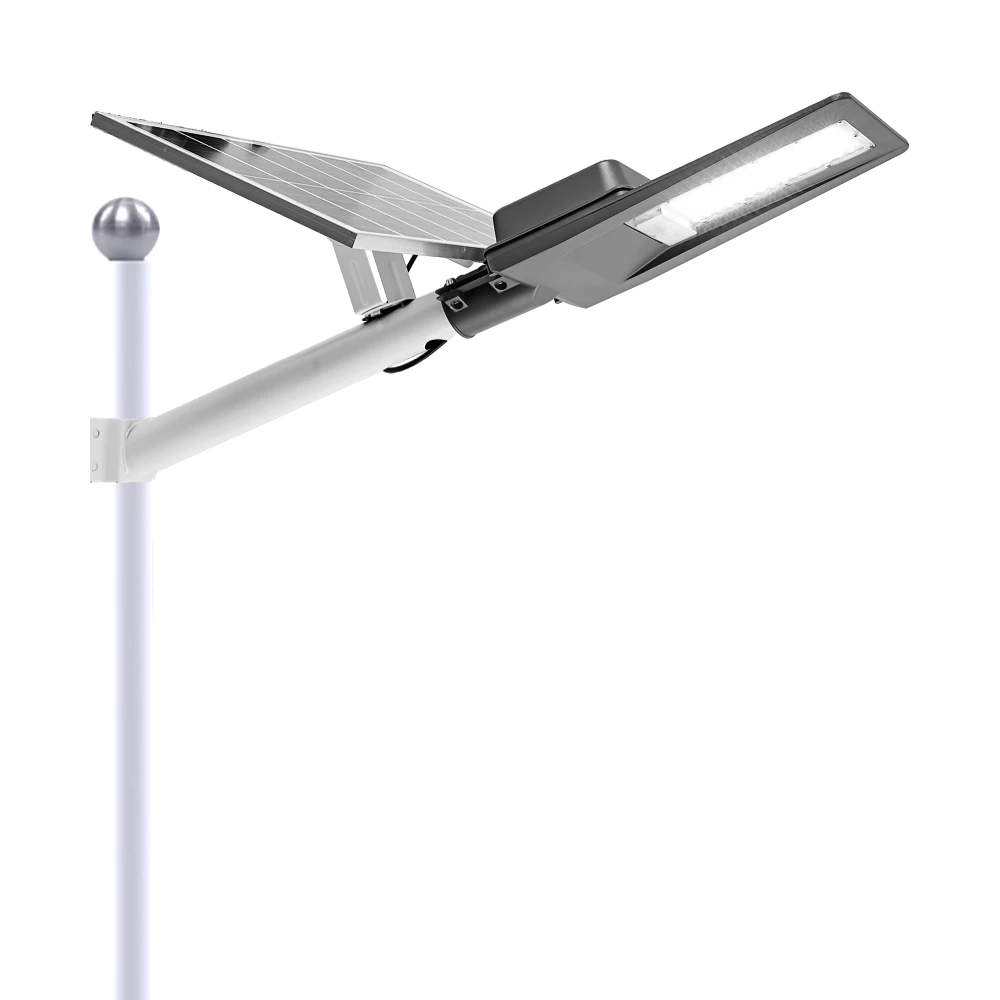
Experience reliable outdoor illumination with our smart solar street light, a perfect combination of advanced technology and eco-conscious design.
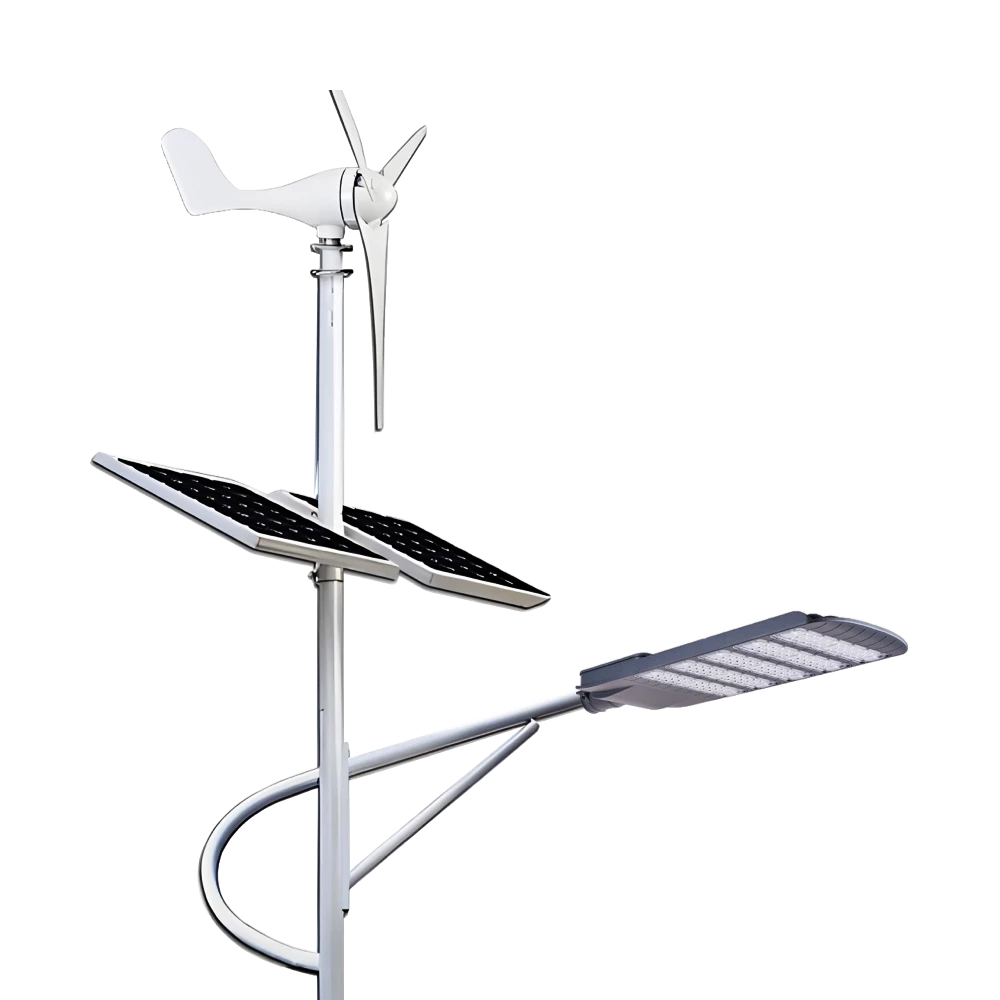
Queneng Lufeng Wind Energy LED Outdoor Solar Street Lights offer high-performance, eco-friendly illumination. These energy-efficient LED street lights harness solar power and wind energy for sustainable, cost-effective outdoor lighting solutions.
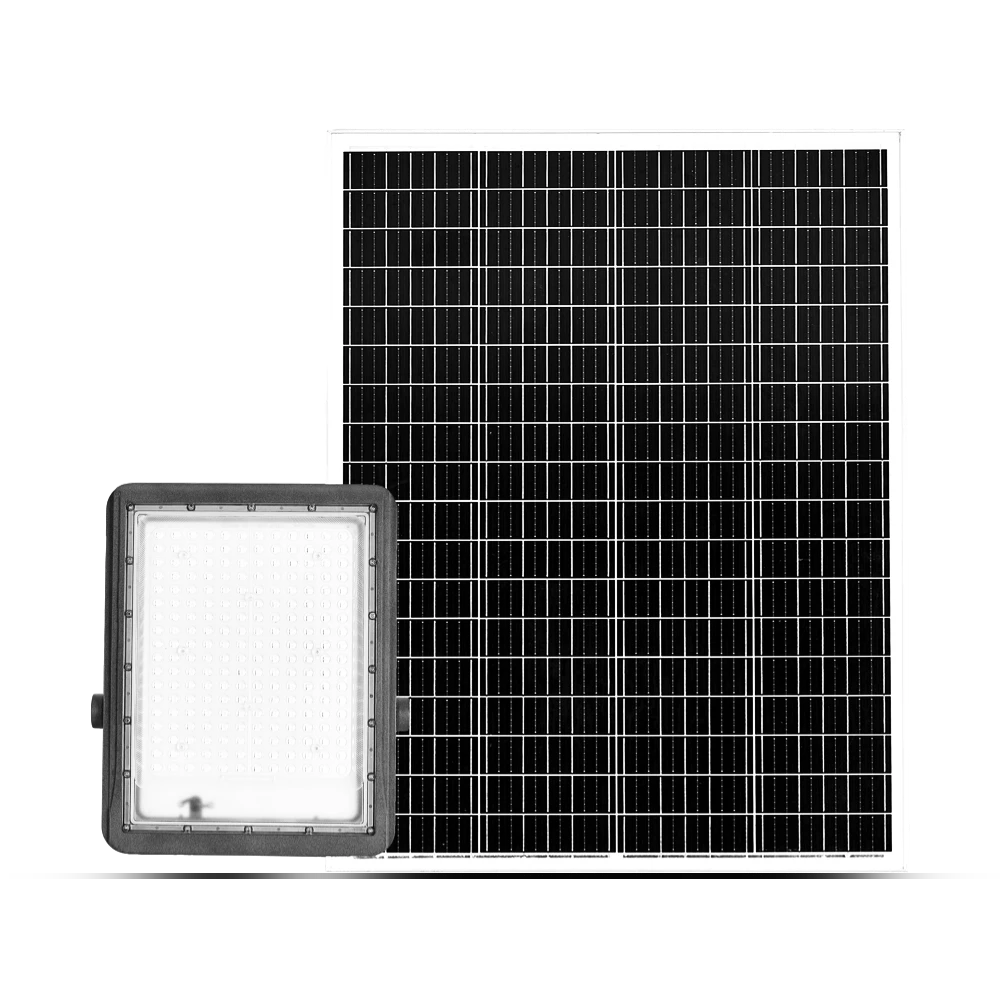
Queneng's Luxian Reliable Solar Street Light offers energy-saving LED lighting for outdoor use. This durable, solar-powered street light provides reliable illumination, reducing energy costs and environmental impact. A perfect solution for sustainable outdoor lighting.
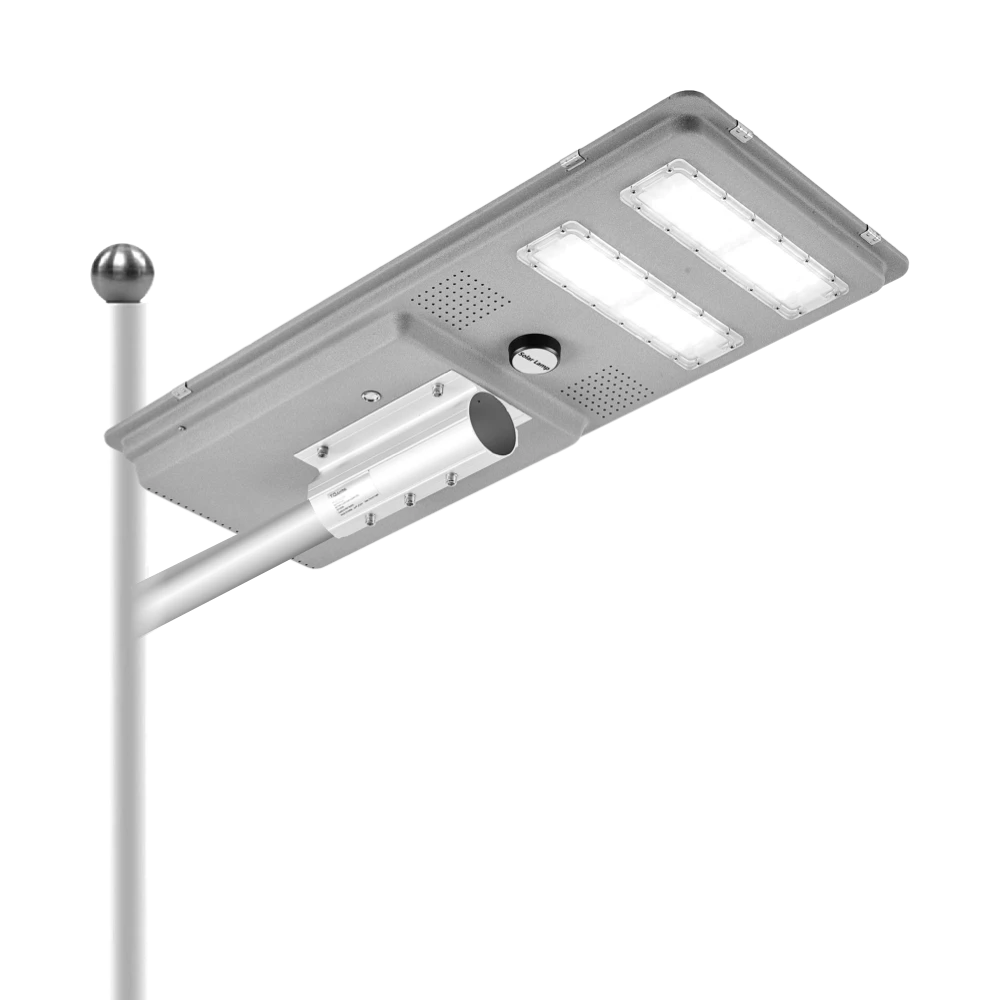
Queneng’s Solar Street Lights are designed to provide reliable, energy-efficient lighting for streets, parks, and other outdoor spaces.
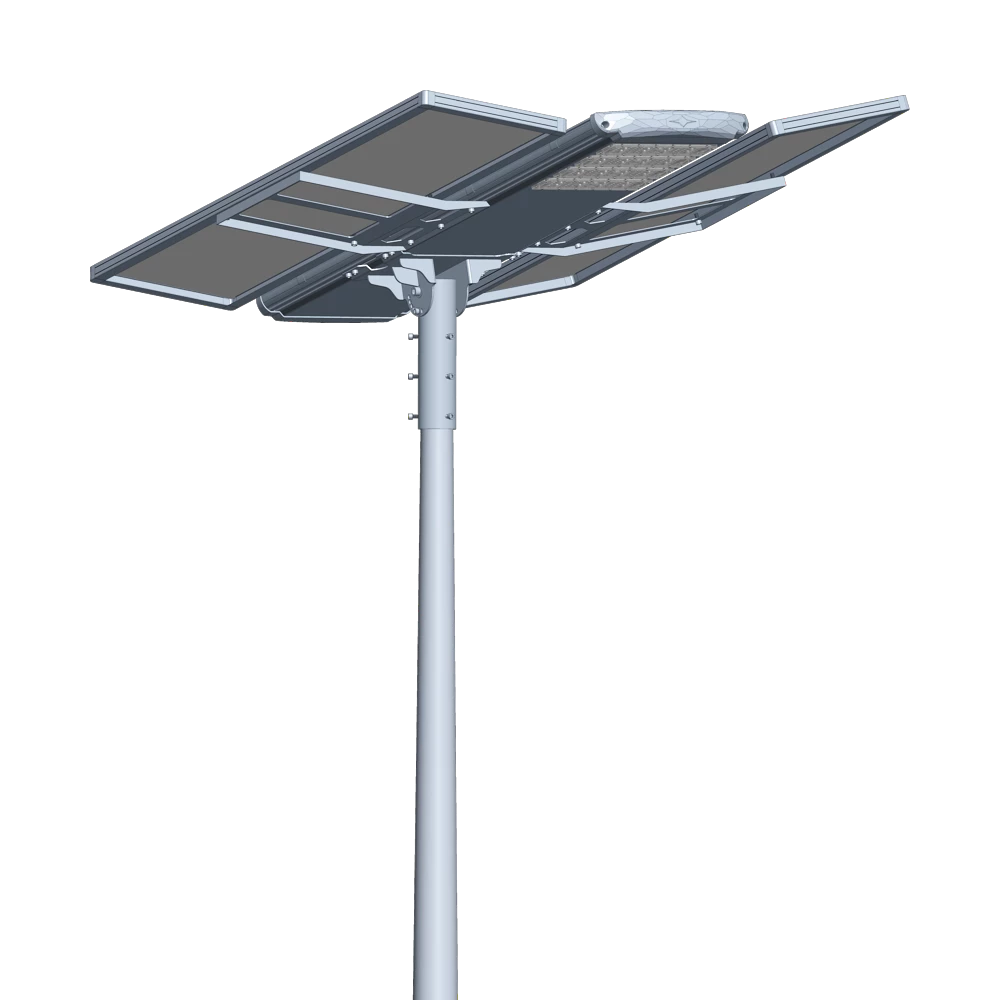
Introducing the Luqing Solar Street Light by Queneng, Efficient LED lighting powered by solar energy is perfect for illuminating outdoor areas. Harness the power of solar energy for sustainable, reliable street lighting. Ideal for eco-friendly, cost-effective outdoor illumination solutions.
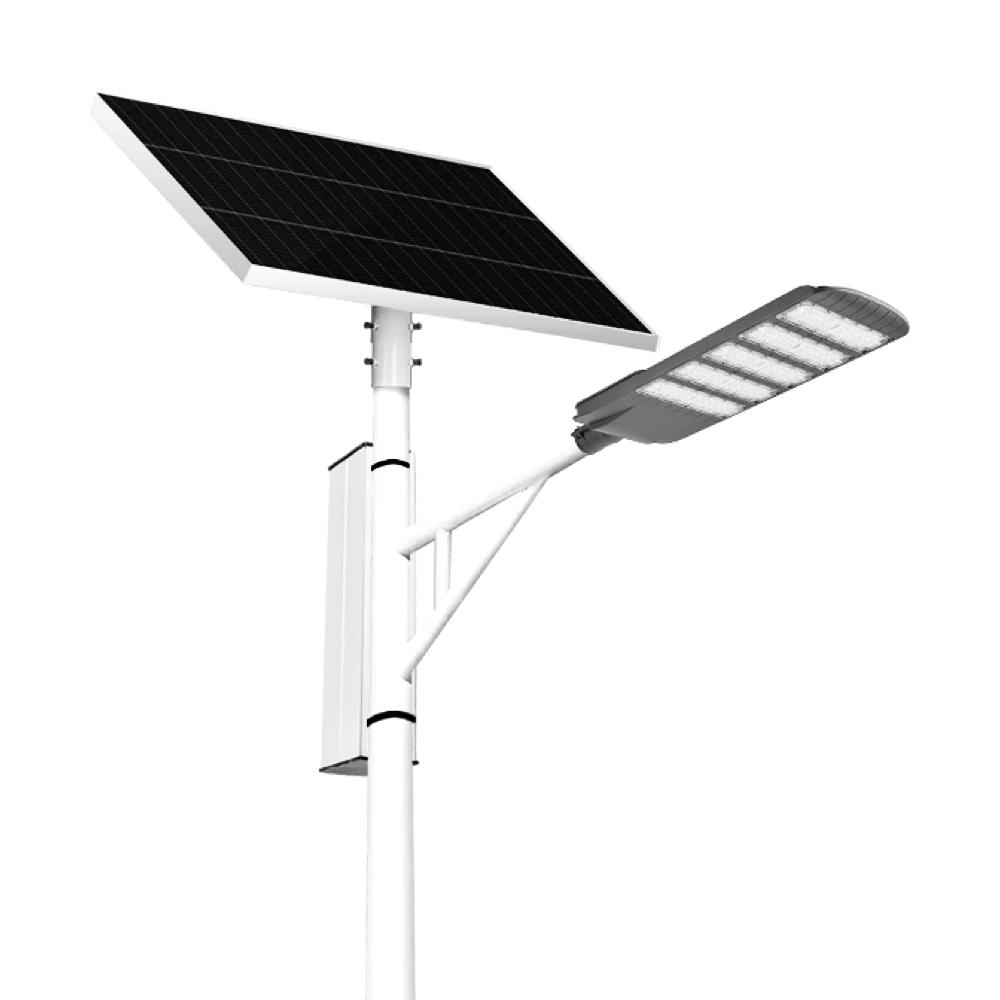
The Solar Streetlights of Luhao for Municipalities are designed to deliver reliable, energy-efficient, and cost-effective public lighting solutions. Equipped with advanced LED technology, durable lithium batteries, and high-efficiency solar panels, these streetlights provide consistent illumination for roads, parks, residential areas, and government projects.
If you would like more information about Queneng solar lighting solutions, please send us a message by filling out the form below. Our professional team will get back to you within 24 hours!
Rest assured that your privacy is important to us, and all information provided will be handled with the utmost confidentiality.
Schedule a Meeting
Book a date and time that is convenient for you and conduct the session in advance.
Have more questions about our products or services?
The messenger of light & power conversion
Environmental protection and intelligent manufacturing are our brand philosophy, and quality assurance and the best user experience are our eternal promises to users.
CONTACT
No.9F, Building F, Cao San Xin Tian Hong Logistics Park, Guzhen Town, Zhongshan City, Guangdong Province, China.
or write [email protected]
WhatsApp: +86 136 2270 1011


