

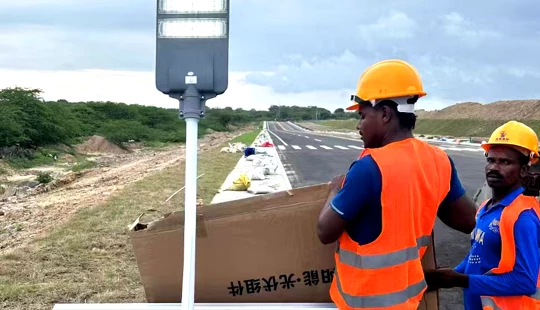
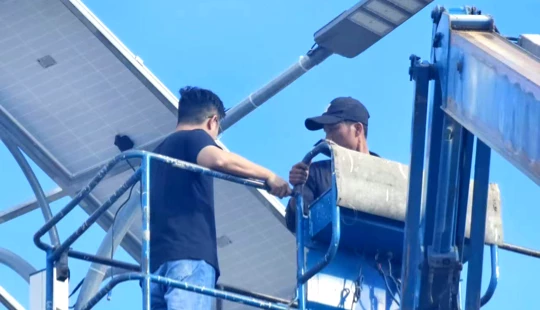













How do government solar light design proposals ensure lighting compliance?
Navigating Solar Street Light Procurement: A Professional's Guide
As governments and private entities increasingly turn to sustainable infrastructure, solar street lighting has emerged as a compelling solution. However, navigating the procurement process, understanding costs, identifying reliable manufacturers, and ensuring compliance can be complex. This guide addresses key questions for professionals involved in purchasing and designing solar street lighting systems.
Understanding the Cost of Solar Street Lights: What Factors Drive Pricing?
The cost of solar street lights can vary significantly, typically ranging from $150 for basic residential units to over $3,000 for high-performance commercial or industrial applications. This wide range is influenced by several critical factors:
- Wattage and Lumen Output: Higher lumen output (brightness) requires larger LED fixtures, more powerful solar panels, and higher-capacity batteries, directly increasing cost.
- Battery Technology and Capacity: Lithium Iron Phosphate (LiFePO4) batteries are now standard due to their longer lifespan (typically 2000-5000 cycles, or 5-10+ years) and better performance compared to older lead-acid options. Larger battery capacity (measured in Ah or Wh) for extended autonomy (days of backup) will increase costs.
- Solar Panel Efficiency and Size: Monocrystalline silicon panels are generally more efficient (typically 18-22%) and compact, but can be pricier than polycrystalline. Larger wattage panels are needed for higher energy demand and shorter charging times.
- Pole Height and Material: Taller poles (e.g., 6-12 meters) require more robust materials (steel, aluminum, often galvanized for corrosion resistance) and specialized designs to withstand wind loads, adding to the overall cost.
- Controller Type: Maximum Power Point Tracking (MPPT) controllers are more efficient (up to 98% efficiency) than Pulse Width Modulation (PWM) controllers, especially in varying light conditions, but are more expensive.
- Smart Features and Connectivity: Features like dimming schedules, motion sensors, remote monitoring (LoRa, Zigbee, GSM/4G), and central management systems (CMS) add sophistication and cost.
- Brand and Warranty: Reputable manufacturers offering extensive warranties (e.g., 3-5 years for the entire system, 10-25 years for solar panels) often have higher initial prices but provide greater long-term reliability and support.
How to Select a Reputable Solar Street Light Manufacturer for Your Project?
Choosing the right manufacturer is paramount for the success and longevity of your solar street light project. Key considerations include:
- Experience and Track Record: Look for manufacturers with a proven history of successful installations, particularly in projects similar to yours (e.g., large-scale government initiatives, specific climate zones).
- R&D and Innovation: A strong R&D department indicates a commitment to improving technology, efficiency, and product reliability. They should be aware of and integrate the latest advancements in LED, battery, and solar panel technologies.
- Quality Control and Certifications: Verify their manufacturing processes adhere to international quality standards (e.g., ISO 9001). Request data sheets and test reports for components (e.g., LM-79 for LED luminaires, LM-80 for LED lumen maintenance).
- Component Sourcing: Inquire about the quality and origin of their key components (LED chips from Cree, Philips, Osram; batteries from CATL, BYD; controllers from reputable brands). High-quality components are crucial for durability and performance.
- Customization Capabilities: Can they tailor solutions to specific project requirements, such as unique pole designs, varying light distribution patterns, or integration with existing infrastructure?
- Warranty and After-Sales Support: A comprehensive warranty covering the entire system, along with accessible technical support and spare parts availability, is essential for long-term operational peace of mind.
- Project References and Case Studies: Request references and detailed case studies to assess their project management capabilities and the performance of their installed systems.
What Industry Standards and Certifications Are Crucial for Solar Street Lights, Especially for Government Proposals?
Adherence to industry standards and certifications ensures product quality, safety, and performance, which is vital for government procurement:
- International Electrotechnical Commission (IEC) Standards: Key standards include IEC 60598 (Luminaires – General requirements and tests), IEC 62108 (Concentrator photovoltaic (CPV) modules and assemblies – Design qualification and type approval), and IEC 61215 (Crystalline silicon terrestrial photovoltaic (PV) modules – Design qualification and type approval).
- Safety Certifications: Look for UL (Underwriters Laboratories) certification for North American markets, CE (Conformité Européenne) for European markets, and RoHS (Restriction of Hazardous Substances) compliance globally.
- IP Rating (Ingress Protection): Specifies the degree of protection against dust and water. For outdoor street lights, an IP rating of IP65 or higher is typically required to ensure durability in harsh weather conditions.
- Photometric Testing (IESNA LM-79, LM-80): LM-79 provides standardized methods for measuring the electrical and photometric characteristics of LED products. LM-80 measures lumen maintenance of LED packages, arrays, and modules, crucial for predicting fixture lifespan.
- Environmental Standards: ISO 14001 (Environmental Management Systems) demonstrates a manufacturer's commitment to environmental responsibility.
- Local Electrical Codes: Compliance with specific national or regional electrical codes (e.g., National Electrical Code - NEC in the USA) is mandatory.
Ensuring Lighting Compliance: How Do Government Solar Light Design Proposals Meet Standards?
Government design proposals for solar street lighting must meet stringent compliance requirements to ensure public safety, appropriate illumination levels, and efficient resource use:
- Photometric Design and Analysis: This is critical. Designers use specialized software to generate photometric layouts, ensuring specified light levels (lux), uniformity ratios, and glare control are met according to standards like IESNA RP-8-18 (Recommended Practice for Roadway Lighting). These reports demonstrate how the proposed lighting will perform on the ground.
- System Sizing and Autonomy: The solar panel and battery system must be precisely sized based on the local solar insolation data (e.g., from NASA’s Surface meteorology and Solar Energy database), the fixture's power consumption, and the required autonomy (number of consecutive cloudy days the light must operate without recharging). A typical design often aims for 3-5 days of autonomy.
- Structural Integrity: Pole designs must comply with local building codes and engineering standards for wind loading (e.g., ASCE 7 in the US) and seismic activity to ensure stability and safety.
- Energy Efficiency: Proposals should highlight the energy-saving benefits and often include calculations for annual energy consumption reduction compared to traditional lighting.
- Dark Sky Compliance: In certain areas, proposals may need to demonstrate compliance with 'dark sky' initiatives, minimizing upward light spill and glare to reduce light pollution, often achieved with full cut-off or Type II/III light distributions.
- Maintenance and Monitoring Plans: A comprehensive plan detailing regular inspection, cleaning of solar panels, battery health checks, and potential remote monitoring capabilities contributes to long-term compliance and operational efficiency.
Calculating ROI and TCO: Is Solar Street Lighting a Cost-Effective Long-Term Investment?
While the initial capital expenditure for solar street lighting can be higher than traditional grid-powered systems, its long-term financial benefits, measured through Return on Investment (ROI) and Total Cost of Ownership (TCO), often make it a superior choice:
- ROI (Return on Investment): Solar street lights offer significant ROI primarily through eliminated electricity costs. Depending on local electricity rates and the initial system cost, the payback period for a well-designed system can range from 3 to 7 years. Additional benefits include avoided trenching and cabling costs, particularly in remote areas, and potential eligibility for green energy incentives or carbon credits.
- TCO (Total Cost of Ownership): TCO for solar street lighting includes the initial purchase and installation cost, but dramatically lower operational costs. Key factors in TCO analysis include:
- No Electricity Bills: This is the most substantial ongoing saving.
- Reduced Installation Costs: No need for complex grid connections, trenching, or extensive wiring, which can significantly reduce labor and material costs, especially for new developments or remote locations.
- Lower Maintenance: While batteries need replacement (typically every 5-10 years), and panels need occasional cleaning, the overall maintenance for a self-contained solar unit is often simpler and less frequent than managing grid infrastructure. LEDs themselves have a long lifespan (50,000 to 100,000 hours).
- Longer Lifespan: High-quality solar street lights are designed to operate for 20-25 years, with core components like solar panels often guaranteed for that period.
- Environmental Benefits: Reduced carbon footprint and contribution to sustainability goals are increasingly valued, although harder to quantify monetarily directly in TCO.
When evaluated over a 15-20 year lifecycle, solar street lighting often presents a compellingly lower TCO than traditional wired alternatives, providing energy independence and predictable costs.
Conclusion: The Quenenglighting Advantage
For discerning professionals in procurement and project management, partnering with a reliable manufacturer like Quenenglighting ensures that your solar street light investments meet the highest standards of quality, performance, and compliance. Quenenglighting excels in offering robust, efficient, and intelligent solar street lighting solutions designed for diverse applications. Our commitment to utilizing High Quality components, advanced MPPT charge controllers, high-efficiency LiFePO4 batteries, and top-tier LED drivers guarantees superior reliability and an extended lifespan. With a strong emphasis on R&D, stringent quality control (ISO 9001 certified), comprehensive warranties, and customizable designs, Quenenglighting empowers your projects with sustainable, cost-effective, and environmentally friendly lighting. We provide detailed photometric studies and adhere to international standards, ensuring your government proposals meet all compliance requirements and deliver optimal illumination with exceptional ROI and low TCO over the long term.
References
- U.S. Department of Energy (DOE) – Office of Energy Efficiency and Renewable Energy: For general information on solar technologies and energy efficiency.
(https://www.energy.gov/eere/solar/solar-energy, Accessed: April 2024) - International Electrotechnical Commission (IEC): For standards related to electrical technologies, including solar PV and luminaires.
(https://www.iec.ch/, Accessed: April 2024) - Illuminating Engineering Society (IES): For lighting standards and recommended practices like IESNA RP-8.
(https://www.ies.org/, Accessed: April 2024) - Solar Power World Online: Industry news and insights on solar market trends and technology.
(https://www.solarpowerworldonline.com/, Accessed: April 2024) - Various industry reports on solar street lighting market size and forecasts (e.g., from Grand View Research, MarketsandMarkets). Specific figures like payback periods and component costs are synthesized from recent market analyses within these reports (e.g., Solar Street Lighting Market Size, Share & Trends Analysis Report by Grand View Research, 2023-2030, or similar, accessed late 2023/early 2024).

Have more questions about our products or services?
The latest hot news you might like

Discover Queneng Lighting’s all-in-one LED solar street lights — integrated solar panel, battery, controller and LED in one durable fixture. Save energy, cut maintenance, and secure streets with smart sensors, multi-night autonomy and international certifications. Contact sales for quotes and support.

Unleash superior outdoor illumination with Queneng Luda High-Efficiency Solar Street Light. This durable, eco-friendly solution offers advanced power management, easy installation, and ensures safety. Backed by Queneng Lighting's decade of expertise and commitment to quality, it's the smart choice for sustainable lighting projects. Learn why we're a leading solar solutions provider.

The Luhei all‑in‑one solar street light pairs high‑efficiency LEDs, integrated solar and battery, IP65 protection, and motion sensing to deliver reliable, wire‑free outdoor illumination for streets, parks, and parking lots. Backed by Queneng Lighting’s certifications and support.

FAQ
Sustainability
What is the lifespan of the solar street light battery?
Queneng solar street light batteries typically last 5–8 years, depending on usage frequency and environmental conditions. The batteries are replaceable, and regular maintenance can help extend their lifespan.
Solar Street Light Lufeng
How do Lufeng solar street lights help reduce energy consumption?
Lufeng solar street lights use solar power, which is a renewable and free energy source, significantly reducing energy consumption from traditional power grids. Additionally, they feature energy-efficient LEDs and smart controls that adjust brightness based on ambient light or motion detection, further conserving energy.
Are Lufeng solar street lights compatible with different outdoor environments?
Yes, Lufeng solar street lights are highly versatile and can be used in a variety of outdoor environments. They are perfect for urban streets, residential areas, rural roads, parks, and recreational spaces. Their durable design ensures they can function reliably in diverse weather conditions and geographical locations.
What makes Lufeng solar street lights eco-friendly?
Lufeng solar street lights are eco-friendly because they use renewable solar energy to power the LEDs, eliminating the need for electricity from the grid. This reduces carbon emissions and dependence on fossil fuels, contributing to a greener, more sustainable environment.
Solar Street Light Luqing
What are the main benefits of using Luqing solar street lights in urban areas?
In urban areas, Luqing solar street lights reduce dependency on the grid, cut down on electricity costs, and minimize environmental impact. They also offer easy installation, which reduces the need for extensive wiring and infrastructure changes.
Solar Street Light Luhui
Are Luhui solar street lights adjustable for different lighting needs?
Yes, many models feature adjustable settings, including dimming or motion sensor options, allowing you to customize the lighting based on the specific needs of the area being illuminated.
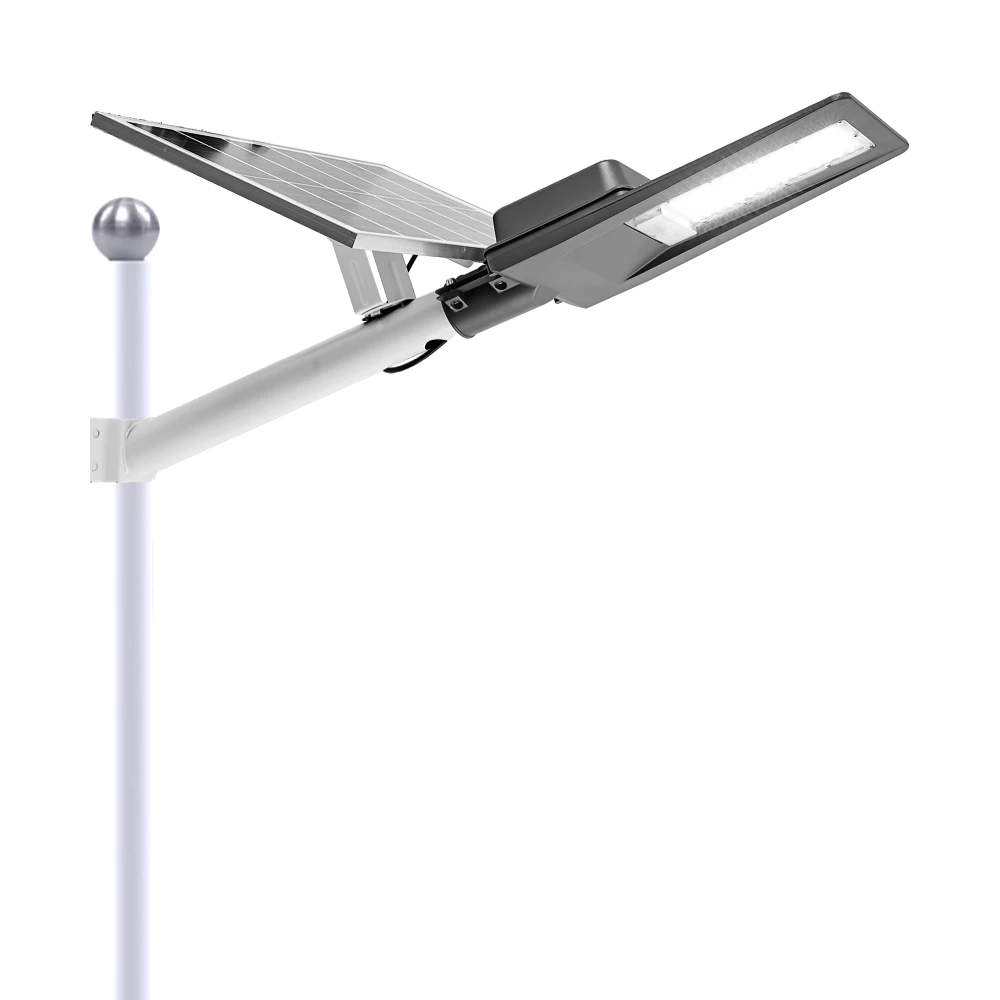
Experience reliable outdoor illumination with our smart solar street light, a perfect combination of advanced technology and eco-conscious design.
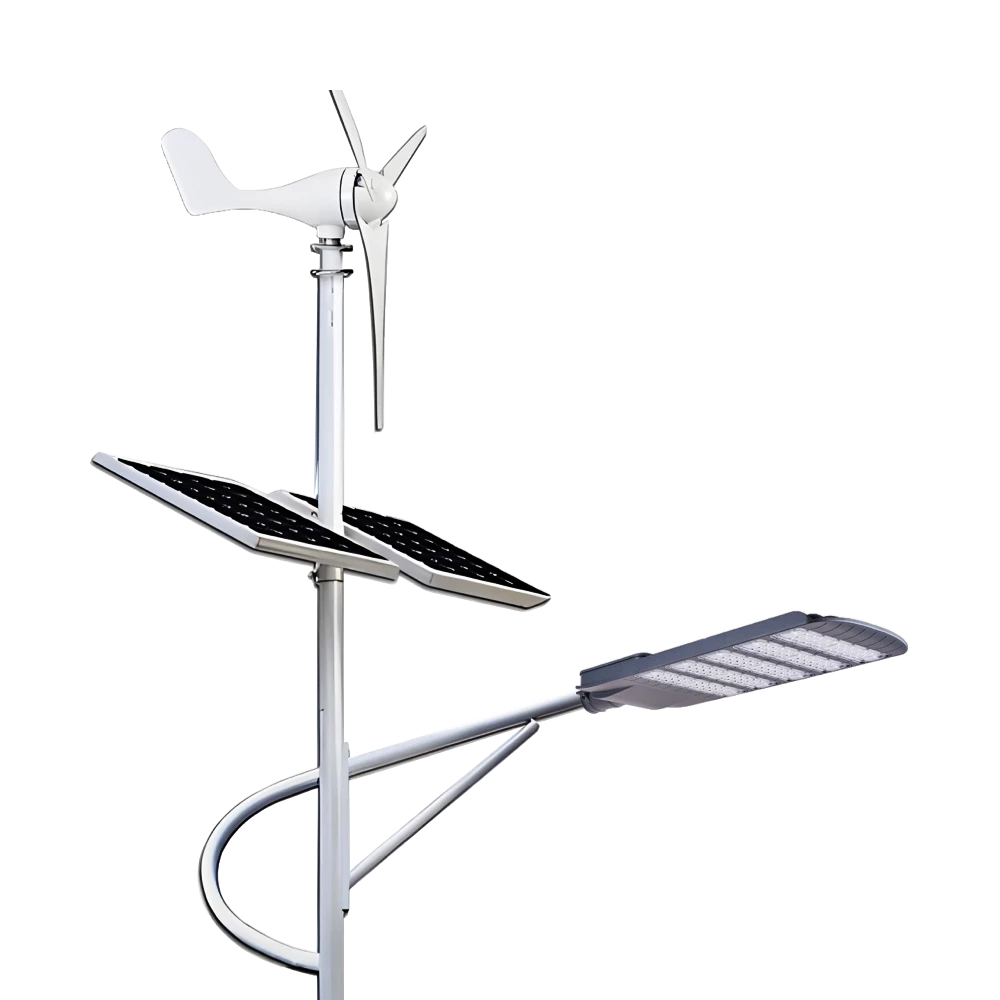
Queneng Lufeng Wind Energy LED Outdoor Solar Street Lights offer high-performance, eco-friendly illumination. These energy-efficient LED street lights harness solar power and wind energy for sustainable, cost-effective outdoor lighting solutions.
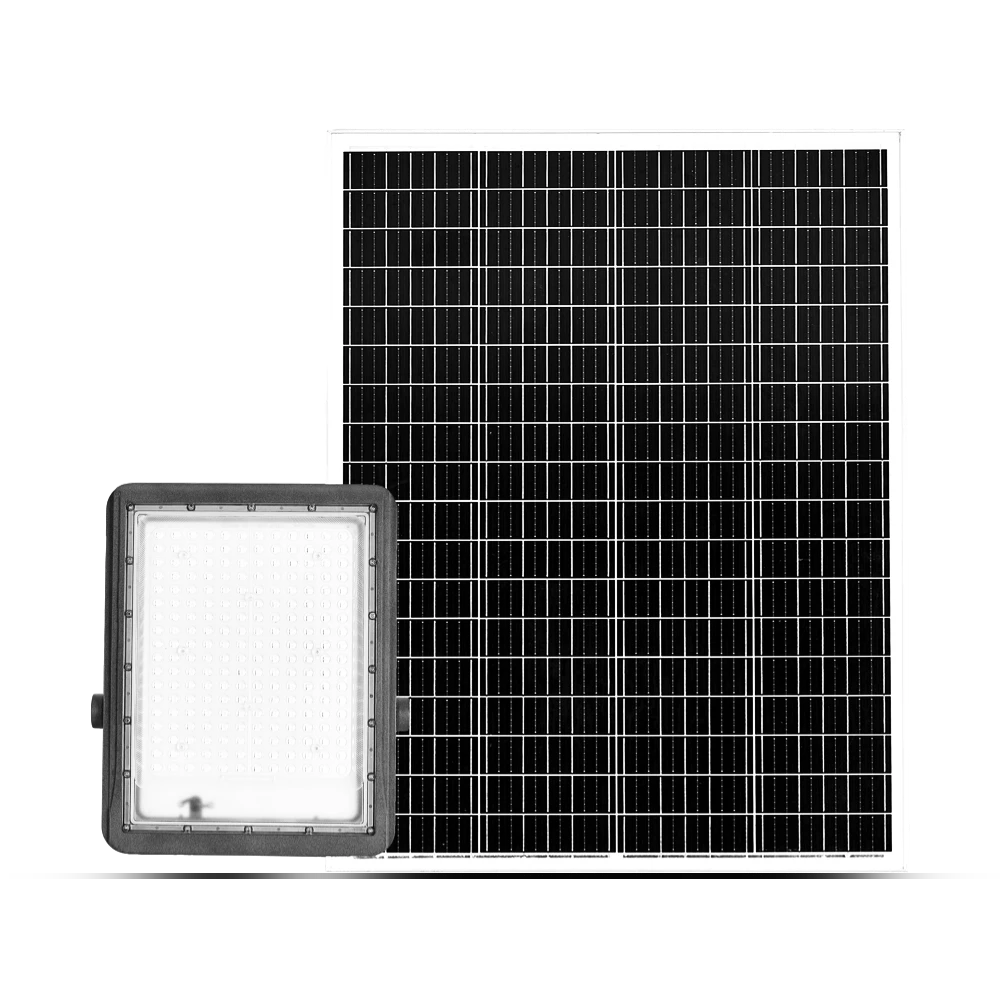
Queneng's Luxian Reliable Solar Street Light offers energy-saving LED lighting for outdoor use. This durable, solar-powered street light provides reliable illumination, reducing energy costs and environmental impact. A perfect solution for sustainable outdoor lighting.
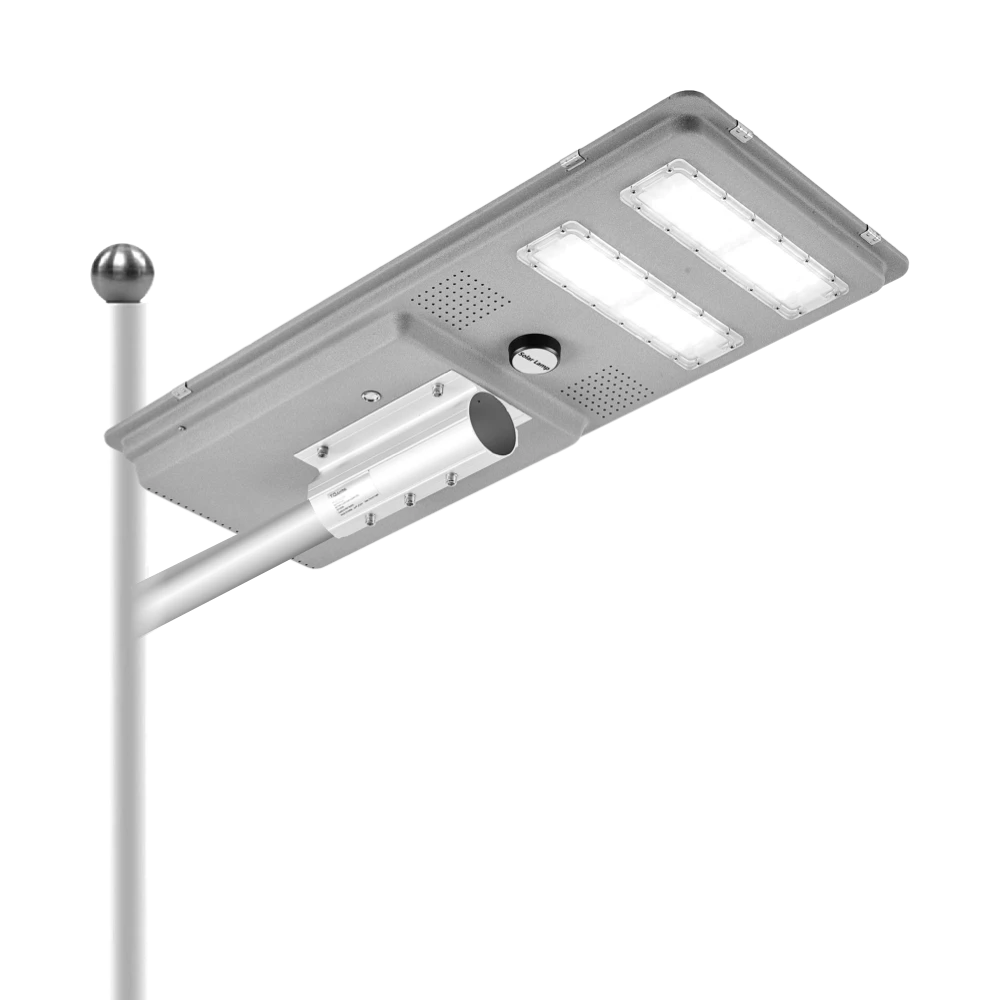
Queneng’s Solar Street Lights are designed to provide reliable, energy-efficient lighting for streets, parks, and other outdoor spaces.
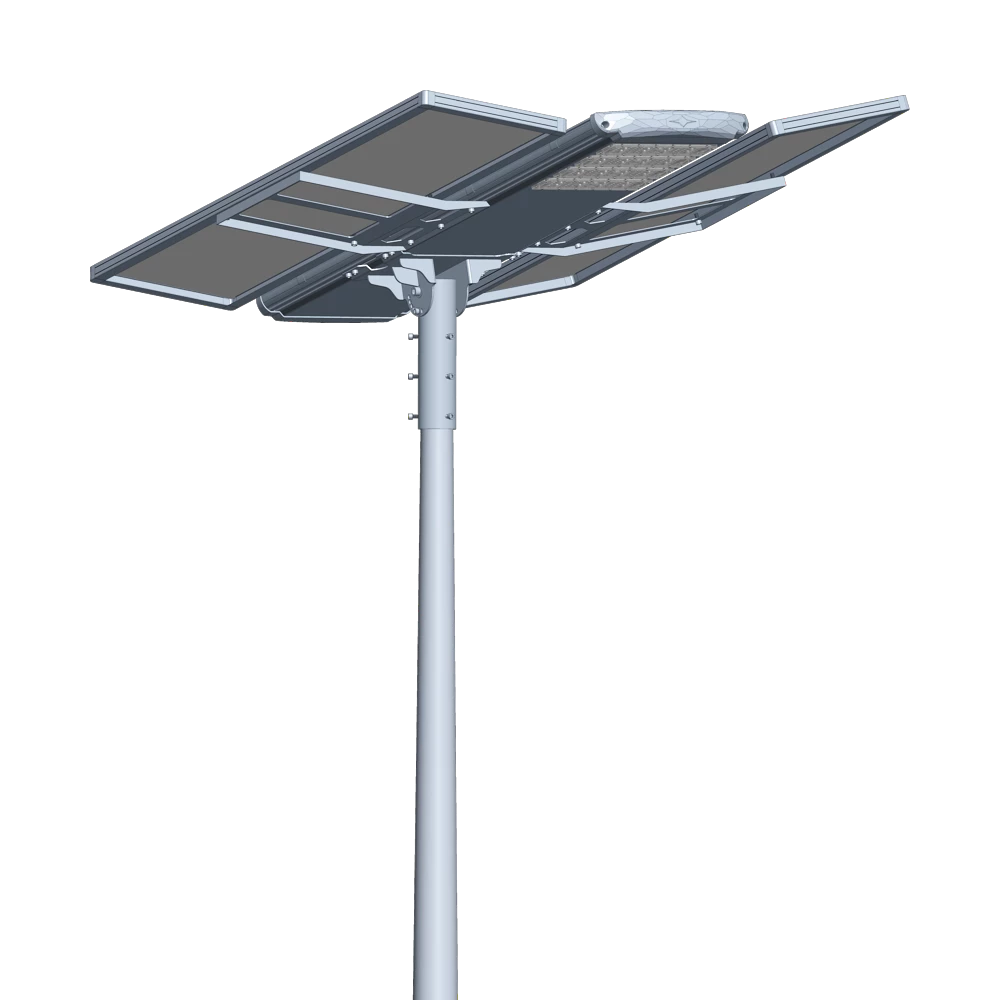
Introducing the Luqing Solar Street Light by Queneng, Efficient LED lighting powered by solar energy is perfect for illuminating outdoor areas. Harness the power of solar energy for sustainable, reliable street lighting. Ideal for eco-friendly, cost-effective outdoor illumination solutions.
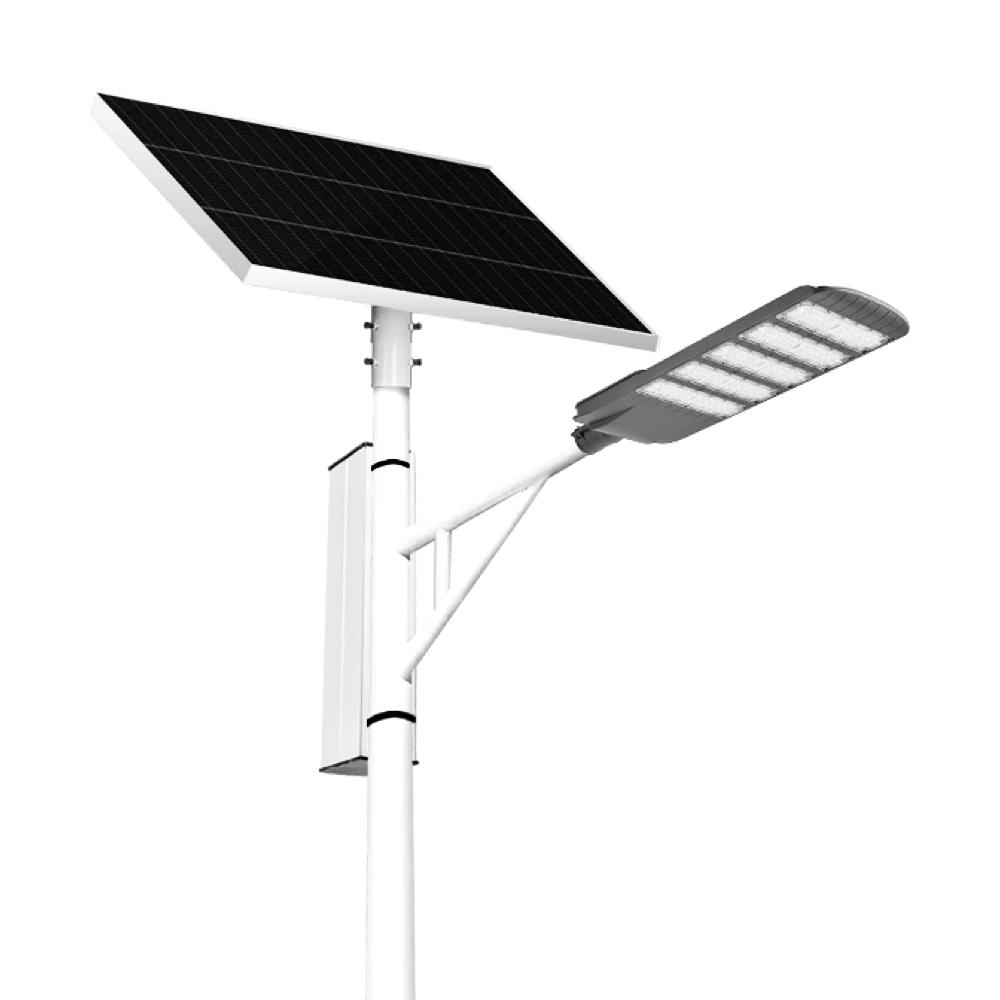
The Solar Streetlights of Luhao for Municipalities are designed to deliver reliable, energy-efficient, and cost-effective public lighting solutions. Equipped with advanced LED technology, durable lithium batteries, and high-efficiency solar panels, these streetlights provide consistent illumination for roads, parks, residential areas, and government projects.
If you would like more information about Queneng solar lighting solutions, please send us a message by filling out the form below. Our professional team will get back to you within 24 hours!
Rest assured that your privacy is important to us, and all information provided will be handled with the utmost confidentiality.
Schedule a Meeting
Book a date and time that is convenient for you and conduct the session in advance.
Have more questions about our products or services?
The messenger of light & power conversion
Environmental protection and intelligent manufacturing are our brand philosophy, and quality assurance and the best user experience are our eternal promises to users.
CONTACT
No.9F, Building F, Cao San Xin Tian Hong Logistics Park, Guzhen Town, Zhongshan City, Guangdong Province, China.
or write [email protected]
WhatsApp: +86 136 2270 1011


