













What corrosion-resistant materials are best for coastal installations?
Navigating the Solar Street Light Market: Costs, Manufacturers, and Coastal Durability
Investing in solar street lighting is a smart decision for sustainable and cost-effective illumination. However, understanding the intricacies of the market, from pricing to material science, is crucial for making an informed purchase. This guide addresses common questions and professional knowledge buyers need when sourcing solar street lights.
What is the Average Cost of a Solar Street Light, and What Factors Influence It?
The cost of a solar street light varies significantly, ranging from approximately $150 to over $1,500 USD per unit, excluding installation costs for the pole foundation. This broad range is due to several critical factors:
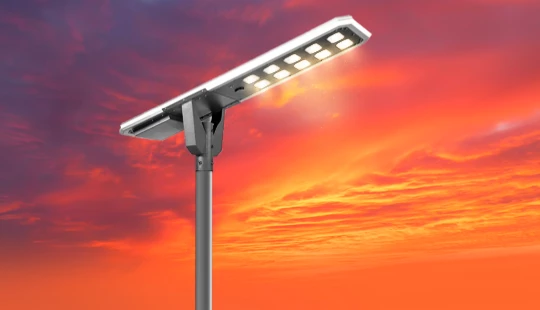
- LED Wattage and Lumen Output: Higher wattage LEDs providing more illumination naturally cost more. A typical residential light might be 20W-40W, while a commercial or roadway light could be 80W-120W or more.
- Battery Technology and Capacity: Lithium Iron Phosphate (LiFePO4) batteries are now the industry standard, offering superior lifespan and performance compared to older lead-acid options. Larger battery capacity (measured in Ampere-hours, Ah) ensures longer runtime and multiple days of autonomy, directly increasing the price.
- Solar Panel Wattage: The size and wattage (Wp) of the solar panel must be adequate to charge the battery efficiently, especially in less sunny conditions. Higher wattage panels mean higher costs.
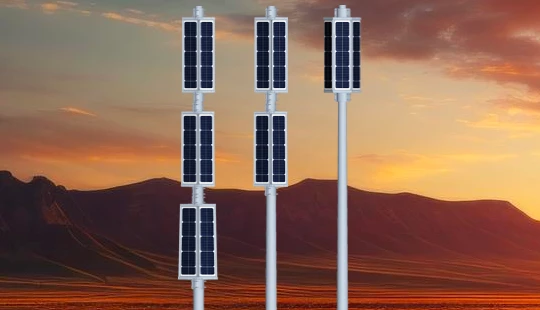
- Pole Material and Height: Poles can range from 3 meters to 12 meters or more. Materials like hot-dip galvanized steel or marine-grade aluminum, especially for taller poles, significantly impact the overall system price.
- Smart Features and Controls: Integrated PIR motion sensors, programmable dimming, remote monitoring (IoT), and adaptive lighting systems add to the complexity and cost but offer significant energy savings and operational flexibility.
- Brand and Warranty: Reputable manufacturers offering extensive warranties (e.g., 5 years for the entire system, 10+ for solar panels) often have higher initial prices but provide better long-term reliability and support.
How Do You Identify a Reputable and High-Quality Solar Street Light Manufacturer?
Choosing the right manufacturer is paramount to the success and longevity of your solar lighting project. Look for these key indicators:
- Certifications: Verify international quality management certifications like ISO 9001. Product safety and environmental compliance certifications such as CE, RoHS, and FCC are also crucial. Look for IP ratings (e.g., IP65, IP66) indicating dust and water resistance.
- R&D Capabilities: A manufacturer with a strong R&D department is more likely to offer innovative, efficient, and technologically advanced solutions, including advanced battery management systems (BMS) and efficient LED drivers.
- Production Quality Control: Inquire about their manufacturing process and quality control checks. A robust QC system ensures consistent product quality and reduces defect rates.
- Warranty and After-Sales Service: A comprehensive warranty (e.g., 3-5 years for the complete system, 10-25 years for solar panels) and accessible after-sales support are non-negotiable for long-term peace of mind.
- Project References and Reputation: Request case studies or references from previous large-scale projects. Online reviews and industry reputation can also provide valuable insights.
- Customization and Technical Support: The ability to customize solutions to specific project requirements (e.g., light distribution, pole design, autonomy days) and provide detailed technical support demonstrates expertise.
Which Corrosion-Resistant Materials Are Best for Solar Street Lights in Coastal Installations?
Coastal environments pose significant challenges due to salt spray, high humidity, and strong winds, accelerating corrosion. Selecting the right materials is critical for durability:
- Poles:
- Hot-Dip Galvanized (HDG) Steel with Marine-Grade Powder Coating: HDG provides a robust zinc layer for cathodic protection. Adding a high-quality marine-grade powder coating (e.g., polyester-based with UV inhibitors) creates an additional barrier against salt and moisture. This is a common and effective solution.
- Marine-Grade Aluminum Alloys (e.g., 6061, 6063): Aluminum naturally forms a passive oxide layer, offering good corrosion resistance. Anodizing or powder coating further enhances this. It's lighter than steel, reducing transport and installation costs, and excellent for coastal areas.
- Luminaire Housings and Enclosures:
- Die-Cast Aluminum with Multi-Stage Powder Coating: High-pressure die-cast aluminum is often used for LED fixtures. For coastal use, it must undergo a multi-stage pre-treatment (e.g., chromate conversion or zirconium coating) followed by a durable marine-grade powder coat to withstand salt exposure.
- Stainless Steel (Grade 316/316L): For critical components or decorative elements, 316 or 316L stainless steel offers superior corrosion resistance, especially against chlorides found in salt spray.
- Fasteners and Hardware:
- Stainless Steel (A4/316 Grade): All bolts, nuts, screws, and washers must be A4/316 grade stainless steel. Lesser grades (like A2/304) will corrode rapidly in a marine environment.
- Cabling and Connectors: Use UV-resistant, waterproof cables (IP67/68 rated) and connectors with proper sealing to prevent ingress of moisture and salt.
- Solar Panels: High-quality tempered glass, robust aluminum frames, and durable encapsulation materials (e.g., EVA, POE) ensure resistance to environmental stressors.
What are the Key Components of a Solar Street Light and Their Expected Lifespans?
Understanding the lifespan of individual components helps in assessing the long-term value and maintenance schedule:
- Solar Panel (Photovoltaic Module): High-quality monocrystalline or polycrystalline panels typically have a lifespan of 20-25 years, maintaining at least 80% of their initial power output.
- LED Light Fixture: Modern LED chips are incredibly durable, with a lifespan often quoted as 50,000 to 100,000 hours. Operating 10-12 hours a day, this translates to 10-20 years.
- Battery (LiFePO4): Lithium Iron Phosphate (LiFePO4) batteries are rated for 2,000 to 4,000 cycles, which typically means 5-8 years of reliable operation under normal conditions and proper depth of discharge management. Factors like extreme temperatures and frequent deep discharges can affect this.
- Charge Controller: Responsible for managing battery charging and discharging, a good quality charge controller can last 5-10 years.
- Pole and Mounting Hardware: A properly hot-dip galvanized steel pole or marine-grade aluminum pole can last 20+ years with minimal maintenance. Fasteners (if 316 stainless steel) will also last for decades.
What are the Long-Term Benefits and Return on Investment (ROI) of Solar Street Lights?
While the initial cost might be higher than traditional grid-powered lights, solar street lights offer compelling long-term benefits and a strong ROI:
- Zero Electricity Bills: Once installed, solar street lights operate completely off-grid, eliminating ongoing electricity costs.
- Reduced Installation Costs: No trenching, cabling, or connection to the main grid significantly lowers civil works expenses and installation time.
- Environmental Sustainability: Utilizing renewable energy reduces carbon footprint and reliance on fossil fuels.
- Enhanced Safety and Security: Reliable, consistent lighting improves visibility and security in public and private spaces.
- Low Maintenance: Modern solar street lights are designed for minimal maintenance, primarily requiring periodic cleaning of solar panels.
- Rapid ROI: Depending on local electricity rates, government incentives, and initial system cost, the payback period for solar street lights typically ranges from 3 to 5 years. After this period, the lighting provides free illumination for the remainder of its lifespan.
- Grid Independence: Ideal for remote locations, areas with unstable grid power, or as a resilient lighting solution during power outages.
What Specific Features Should You Look For When Purchasing Solar Street Lights for Challenging Environments?
For areas with harsh weather, high pollution, or extreme temperatures, specific features are essential to ensure reliability and longevity:
- High IP Rating: Look for an Ingress Protection (IP) rating of IP66 or IP67 for both the luminaire and battery enclosure, indicating complete protection against dust and strong jets of water or even temporary immersion.
- Robust Material Selection: As discussed for coastal installations, prioritize hot-dip galvanized steel with marine-grade powder coating, marine-grade aluminum, and A4/316 stainless steel fasteners.
- Advanced Battery Management System (BMS): A sophisticated BMS is crucial for protecting the battery from overcharging, over-discharging, short-circuiting, and managing temperature, prolonging battery life in extreme conditions.
- Temperature Resistance: Ensure the components (especially the battery and electronics) are rated for the anticipated ambient temperature range of the installation site (e.g., -20°C to +60°C).
- Wind Load Resistance: For areas prone to high winds, ensure the pole design and mounting brackets are engineered to withstand local wind speed requirements.
- Smart Energy Management: Features like adaptive lighting, programmable dimming, and motion sensors can optimize energy consumption, ensuring sufficient power autonomy during prolonged periods of bad weather.
- Anti-Theft Design: Integrated designs or specialized anti-theft screws can deter vandalism and theft of valuable components.
Quenenglighting: Your Partner in Professional Solar Lighting Solutions
At Quenenglighting, we specialize in delivering high-quality, durable solar street lighting solutions designed to meet the most demanding project requirements. We understand the professional knowledge crucial for purchasing, and our products reflect this commitment:
- Robust Construction: Utilizing hot-dip galvanized steel, marine-grade aluminum, and A4/316 stainless steel fasteners, our lights are engineered for exceptional corrosion resistance and longevity, especially in coastal and challenging environments.
- Advanced Technology: We integrate high-efficiency monocrystalline solar panels, long-life LiFePO4 batteries with intelligent BMS, and high-lumen LED fixtures for optimal performance and extended lifespan.
- Certified Quality: Our manufacturing processes adhere to international standards, ensuring products with verified IP ratings and compliance certifications.
- Customization and Support: Quenenglighting offers tailored solutions to match specific illumination needs, pole heights, and autonomy requirements, backed by expert technical support and comprehensive warranties.
- Proven Reliability: With a focus on R&D and stringent quality control, Quenenglighting provides reliable, low-maintenance solar lighting that delivers exceptional long-term value and ROI.
Choose Quenenglighting for sustainable, high-performance solar street lights that stand the test of time and environment.
Sources:
- Renewable Energy World. (2023, November 15). Solar Street Light Pricing Trends. .
- Solar Power World Online. (2024, February 20). Guide to Selecting a Solar Lighting Manufacturer. .
- Lighting Global, World Bank Group. (2023, September 10). Product Quality Standards for Solar Lighting. . https://www.lightgaps.org/wp-content/uploads/2023/10/Lighting-Global-Quality-Standards-v-3-2.pdf
- Solar Energy International (SEI). (2024, January 05). Solar PV System Component Lifespans. . https://www.solarenergy.org/
- U.S. Department of Energy. (2023, October 01). Benefits of Solar Lighting. . https://www.energy.gov/eere/solar/solar-energy-technologies

Have more questions about our products or services?
The latest hot news you might like

Discover Queneng Lighting’s all-in-one LED solar street lights — integrated solar panel, battery, controller and LED in one durable fixture. Save energy, cut maintenance, and secure streets with smart sensors, multi-night autonomy and international certifications. Contact sales for quotes and support.

Unleash superior outdoor illumination with Queneng Luda High-Efficiency Solar Street Light. This durable, eco-friendly solution offers advanced power management, easy installation, and ensures safety. Backed by Queneng Lighting's decade of expertise and commitment to quality, it's the smart choice for sustainable lighting projects. Learn why we're a leading solar solutions provider.

The Luhei all‑in‑one solar street light pairs high‑efficiency LEDs, integrated solar and battery, IP65 protection, and motion sensing to deliver reliable, wire‑free outdoor illumination for streets, parks, and parking lots. Backed by Queneng Lighting’s certifications and support.

FAQ
Tourist Attractions and Resorts
How do I choose the right solar lighting solution for my resort or tourist attraction?
When choosing solar lighting, consider factors such as the size of the area to be illuminated, the level of brightness required, the design and aesthetic preferences, and the local climate. Our experts can help you select the best solar lighting solution for your needs.
Solar Street Light Lufeng
How do Lufeng solar street lights help reduce energy consumption?
Lufeng solar street lights use solar power, which is a renewable and free energy source, significantly reducing energy consumption from traditional power grids. Additionally, they feature energy-efficient LEDs and smart controls that adjust brightness based on ambient light or motion detection, further conserving energy.
Sustainability
If the light or battery fails, can it be replaced individually?
Yes. Queneng’s solar street lights are designed with a modular structure, so components such as photovoltaic panels, batteries, lights, and controllers can be replaced individually, making maintenance convenient and cost-effective.
Battery and Analysis
What are the main causes of rechargeable battery swelling?
2) The battery has no protection function and the cell expands;
3) The charger has poor performance and excessive charging current causes the battery to swell;
4) The battery is continuously overcharged by high rate and large current;
5) The battery is forced to over-discharge;
6) Issues with the design of the battery itself.
Split Solar Street Light
Is split solar street light installation more complicated?
Slightly more steps, but no special tools required, and flexibility often simplifies complex sites.
who we are
How can I contact Queneng for inquiries or product support?
You can contact us through our website, where you can find contact forms, customer service phone numbers, and email addresses. Our support team is available to assist with any inquiries, product information, or technical support you may need.
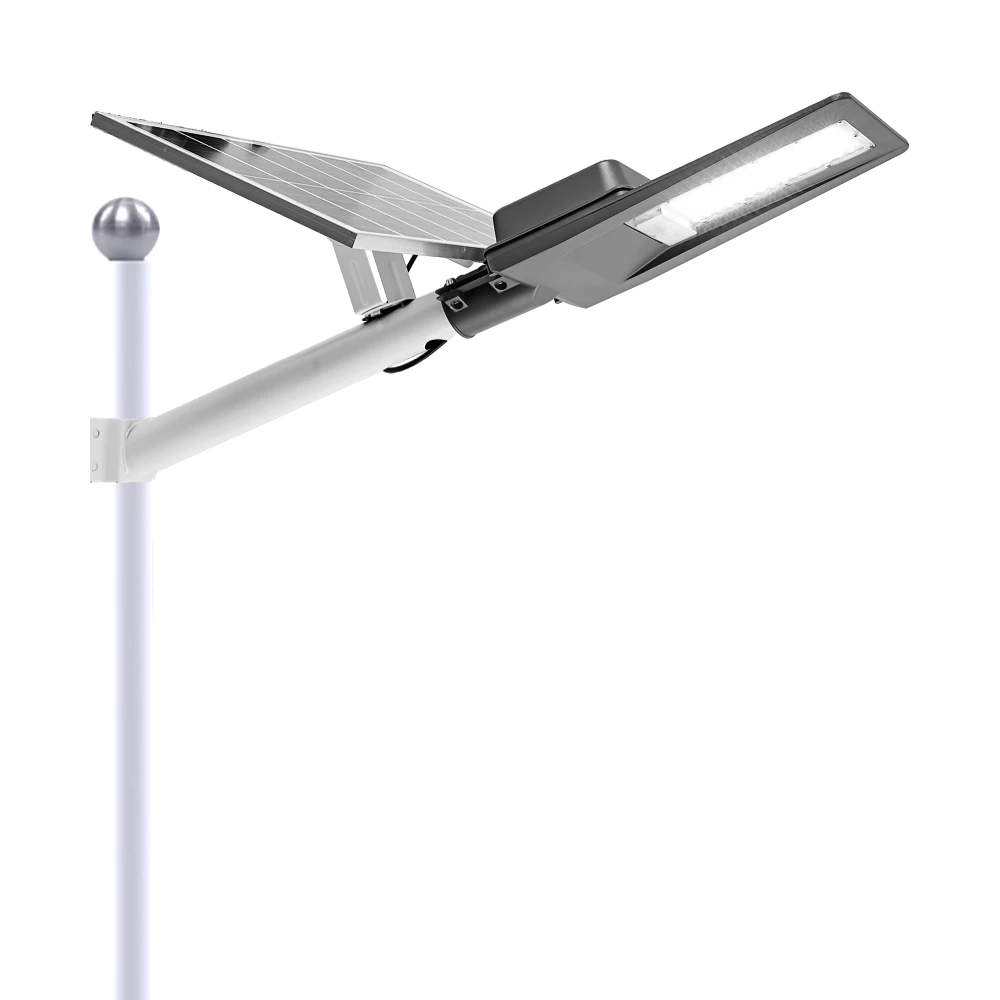
Experience reliable outdoor illumination with our smart solar street light, a perfect combination of advanced technology and eco-conscious design.
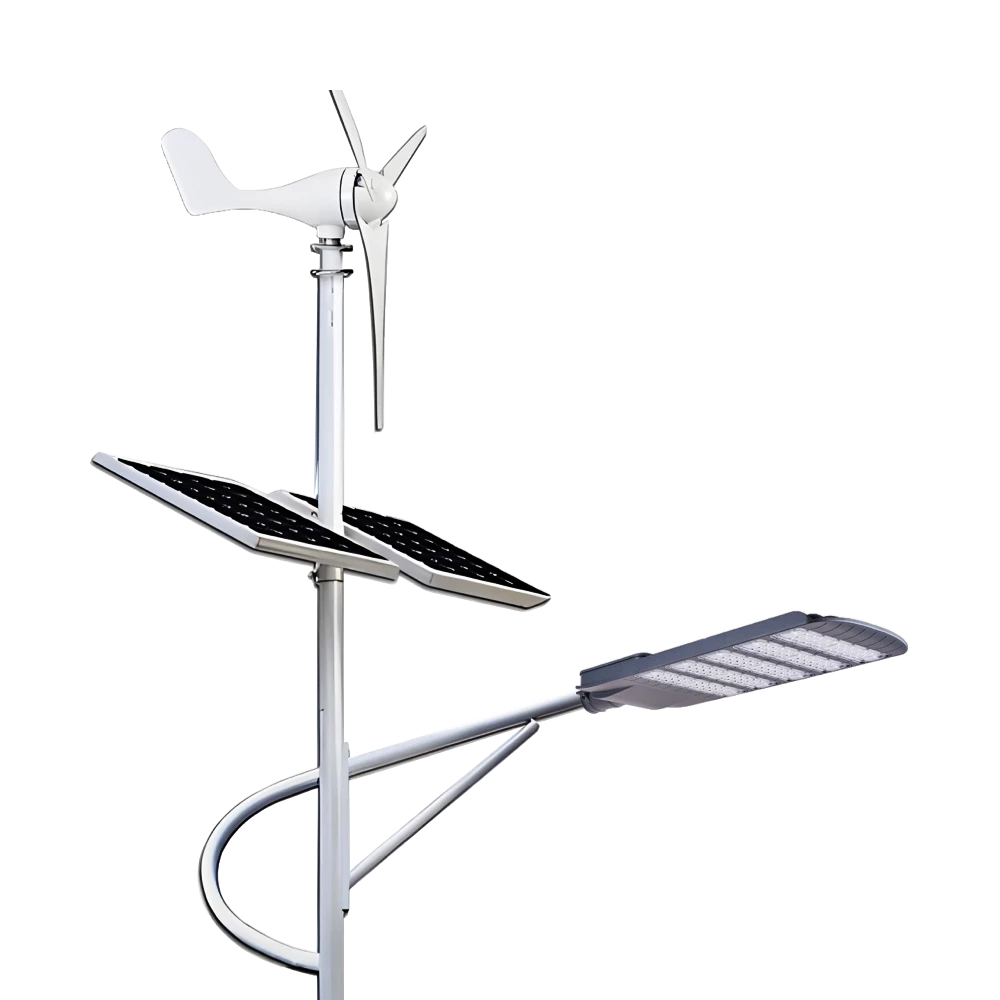
Queneng Lufeng Wind Energy LED Outdoor Solar Street Lights offer high-performance, eco-friendly illumination. These energy-efficient LED street lights harness solar power and wind energy for sustainable, cost-effective outdoor lighting solutions.
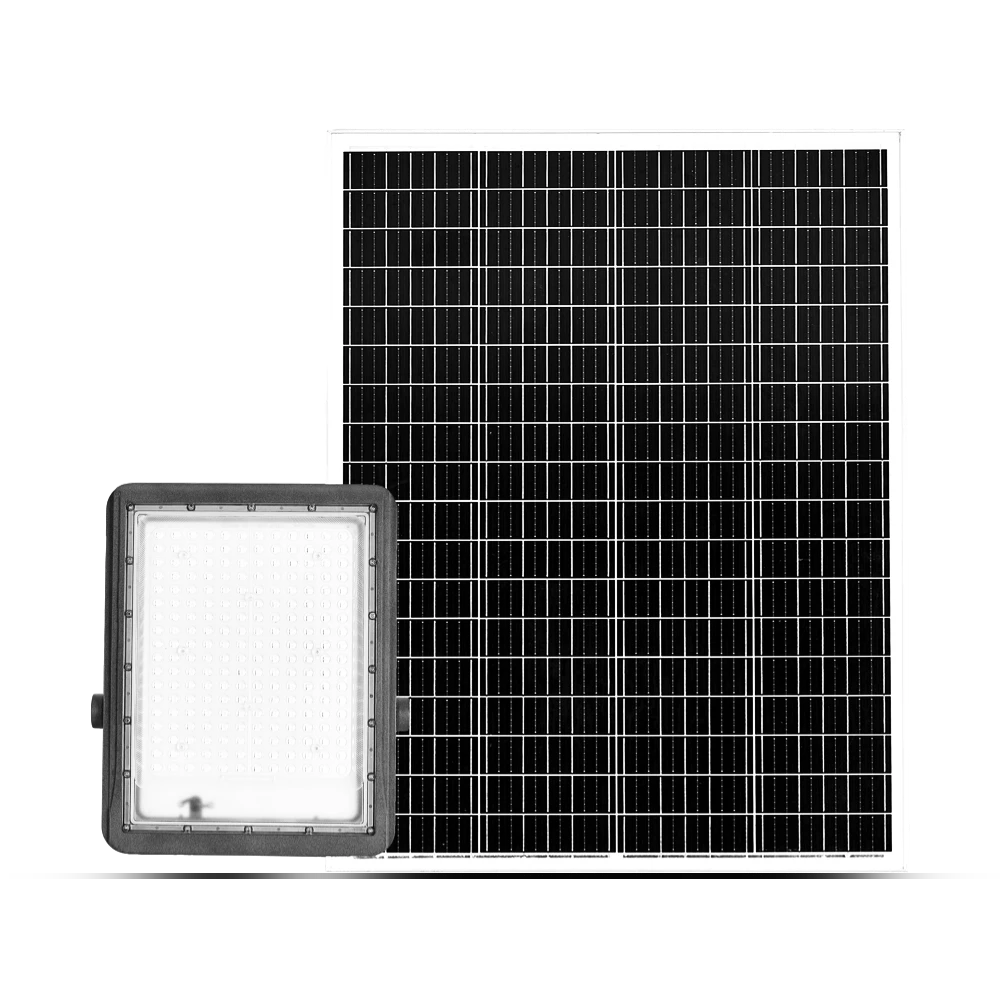
Queneng's Luxian Reliable Solar Street Light offers energy-saving LED lighting for outdoor use. This durable, solar-powered street light provides reliable illumination, reducing energy costs and environmental impact. A perfect solution for sustainable outdoor lighting.
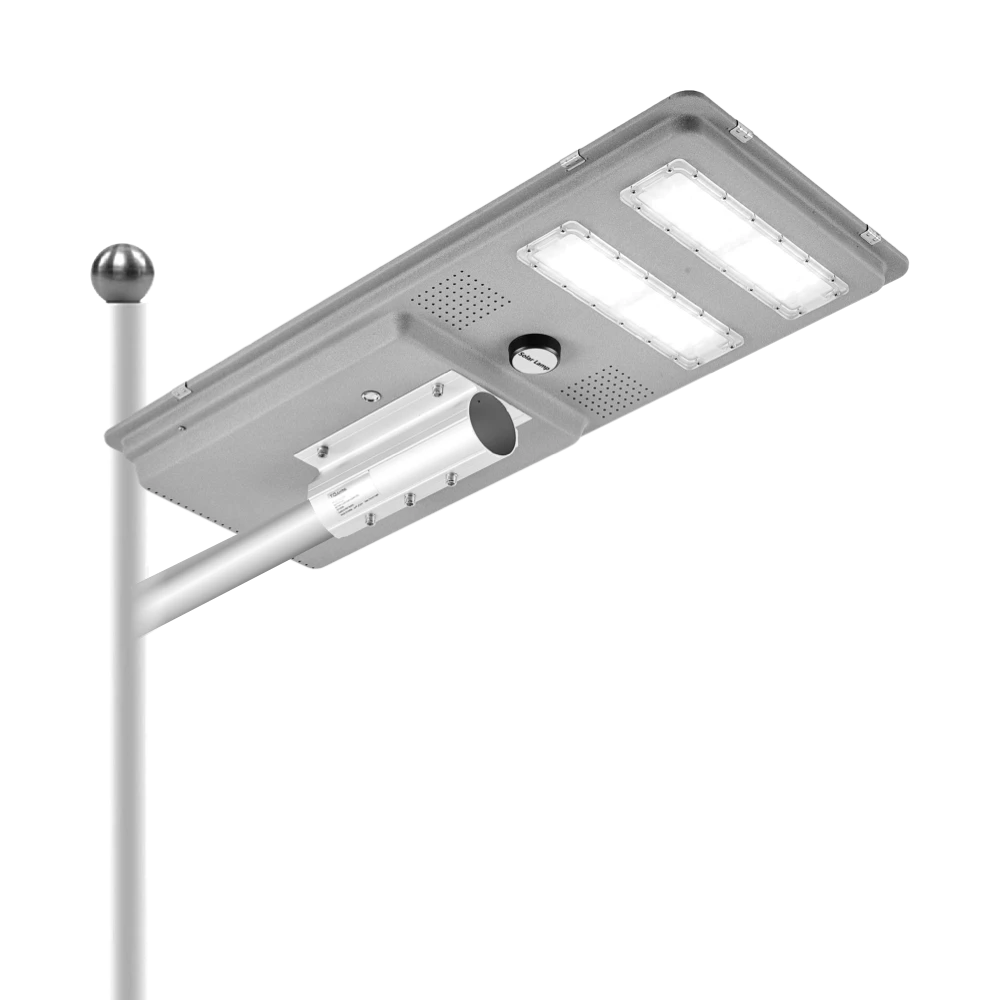
Queneng’s Solar Street Lights are designed to provide reliable, energy-efficient lighting for streets, parks, and other outdoor spaces.
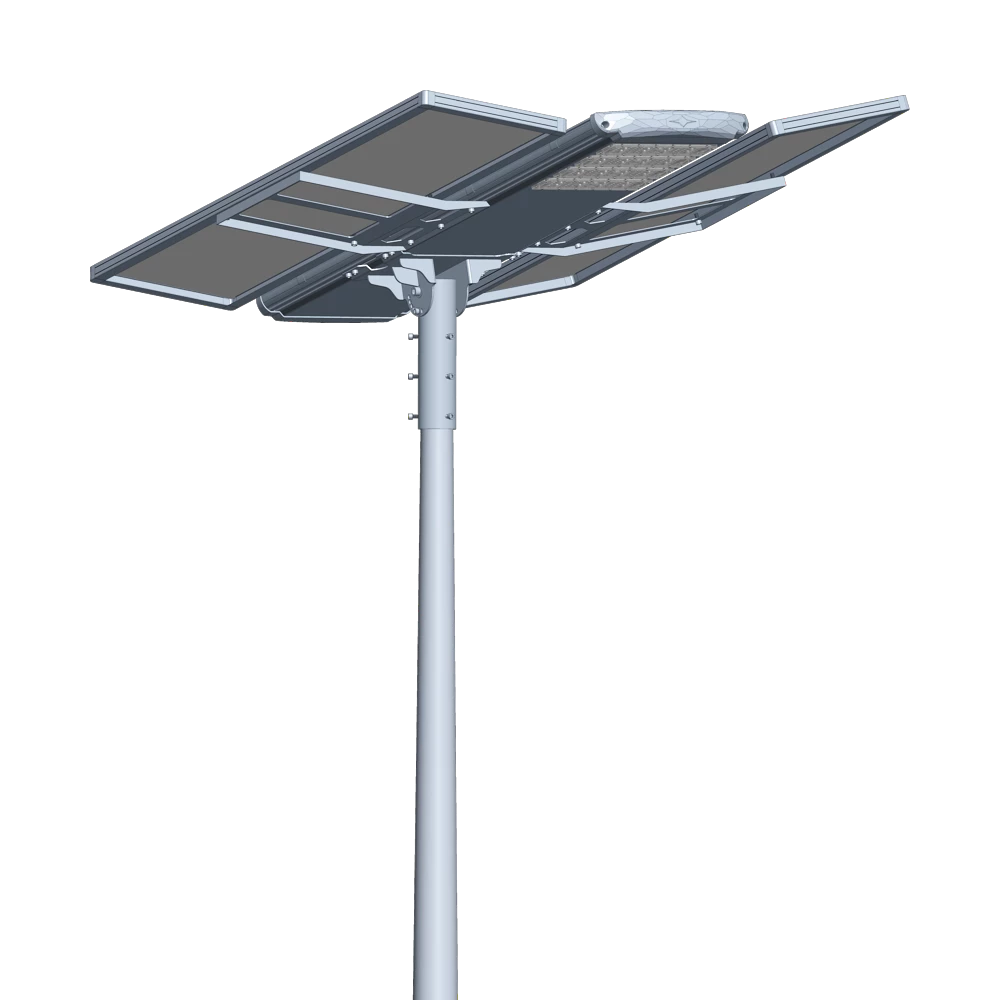
Introducing the Luqing Solar Street Light by Queneng, Efficient LED lighting powered by solar energy is perfect for illuminating outdoor areas. Harness the power of solar energy for sustainable, reliable street lighting. Ideal for eco-friendly, cost-effective outdoor illumination solutions.
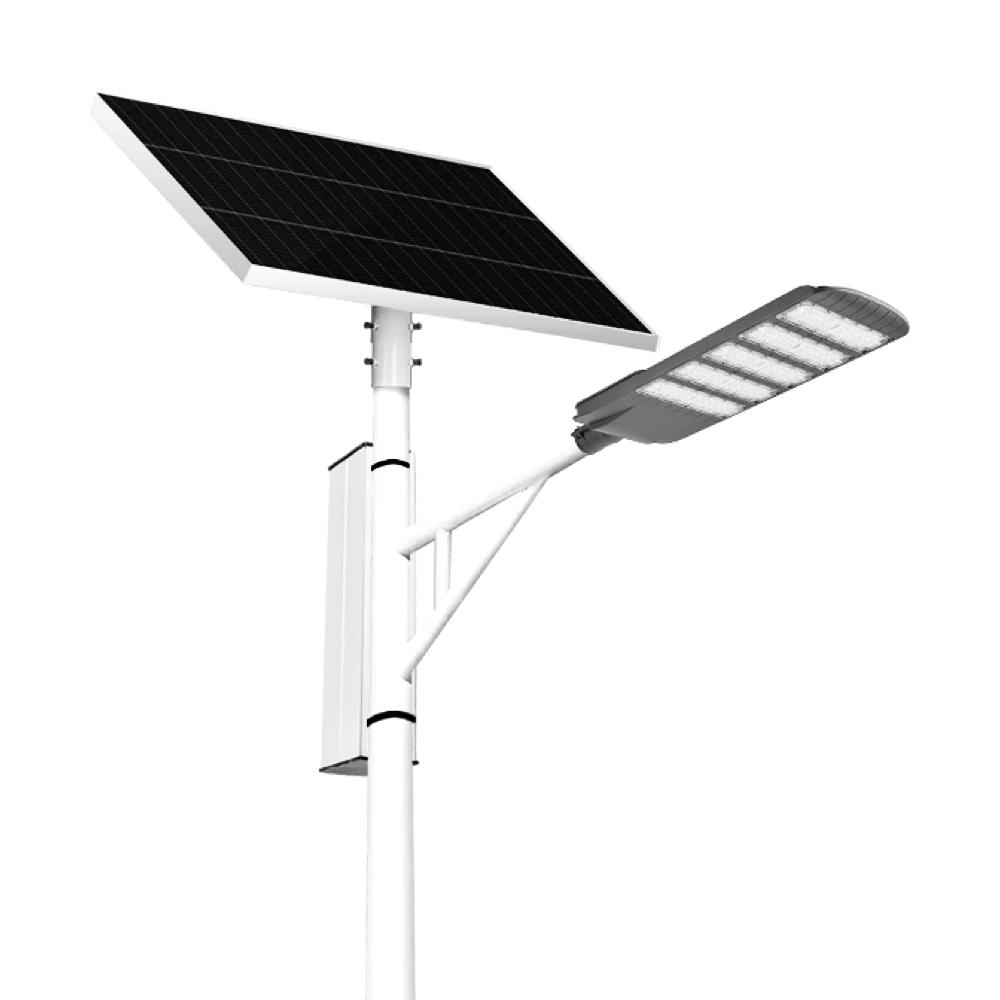
The Solar Streetlights of Luhao for Municipalities are designed to deliver reliable, energy-efficient, and cost-effective public lighting solutions. Equipped with advanced LED technology, durable lithium batteries, and high-efficiency solar panels, these streetlights provide consistent illumination for roads, parks, residential areas, and government projects.
If you would like more information about Queneng solar lighting solutions, please send us a message by filling out the form below. Our professional team will get back to you within 24 hours!
Rest assured that your privacy is important to us, and all information provided will be handled with the utmost confidentiality.
Schedule a Meeting
Book a date and time that is convenient for you and conduct the session in advance.
Have more questions about our products or services?
The messenger of light & power conversion
Environmental protection and intelligent manufacturing are our brand philosophy, and quality assurance and the best user experience are our eternal promises to users.
CONTACT
No.9F, Building F, Cao San Xin Tian Hong Logistics Park, Guzhen Town, Zhongshan City, Guangdong Province, China.
or write [email protected]
WhatsApp: +86 136 2270 1011


