













What are the logistics requirements for bulk solar street light distribution?
Navigating the Solar Street Light Market: A Comprehensive Buyer's Guide
The global shift towards sustainable infrastructure has put solar street lights at the forefront of modern urban and rural development. As a professional buyer or project manager, understanding the nuances of procuring these systems in bulk is critical for success. This guide addresses your most pressing questions, from cost implications to logistics, ensuring you make informed decisions.
What Factors Influence the Cost of Solar Street Lights, and How Can I Optimize Value?
The cost of a solar street light system is primarily determined by its components and overall system design. While prices can vary significantly based on wattage, features, and quality, a typical integrated solar street light (e.g., 20W-60W LED) might range from $150 to $500+ per unit, whereas a high-power split system (e.g., 80W-150W LED) requiring a separate pole could range from $500 to $1500+ per unit (excluding pole costs in some cases). Key influencing factors include:
- Battery Type and Capacity: Lithium Iron Phosphate (LiFePO4) batteries are preferred for their longer lifespan (typically 2000+ charge cycles, 5-8 years) and better temperature stability compared to lead-acid batteries, though they come at a higher initial cost. Higher capacity (measured in Ah or Wh) for extended autonomy (e.g., 3-5 rainy days) also increases cost.
- Solar Panel Efficiency and Wattage: Monocrystalline silicon panels are generally more efficient (18-22%) and compact than polycrystalline panels, contributing to higher costs. The panel's wattage (Wp) must be appropriately sized to sufficiently charge the battery.
- LED Chip Quality and Lumen Output: High Quality LED chips (e.g., Philips, Osram, Bridgelux) offer higher luminous efficacy (lumens per watt), longer lifespans (50,000+ hours), and better light uniformity, impacting the overall cost.
- Controller Technology: Maximum Power Point Tracking (MPPT) controllers are more efficient (up to 99% tracking efficiency, 15-30% better charging than PWM controllers) but more expensive. They are crucial for optimizing energy harvest.
- Pole Material and Design: Hot-dip galvanized steel poles are durable but add significantly to the overall cost, especially for taller poles (6-12 meters) required for higher wattage lights.
- Smart Features: PIR (Passive Infrared) or microwave motion sensors, dimming capabilities, and IoT connectivity for remote monitoring can add to the system's complexity and price.
To optimize value, prioritize reputable manufacturers offering a balance of quality components, robust design, and comprehensive warranties. Focus on total cost of ownership (TCO) rather than just initial purchase price, considering longevity, maintenance, and energy savings.
How Do I Choose a Reliable Solar Street Light Manufacturer for Bulk Orders?
Selecting the right manufacturer is paramount for bulk procurement. Look for the following indicators of reliability:
- Certifications and Standards: Ensure products meet international standards such as CE, RoHS (environmental compliance), and IP ratings (e.g., IP65 or IP66 for dust and water resistance). Manufacturers with ISO 9001 (quality management) and ISO 14001 (environmental management) demonstrate commitment to quality and sustainability.
- Experience and Track Record: Prioritize manufacturers with a proven history in the solar lighting industry, especially those with a portfolio of successful large-scale projects.
- R&D and Customization Capabilities: A strong R&D department indicates innovation and the ability to customize solutions to specific project requirements (e.g., different pole heights, specific lumen outputs, integration with smart city systems).
- Production Capacity and Quality Control: Verify the manufacturer's capacity to handle your bulk order within reasonable lead times. Inquire about their quality control processes, including incoming material inspection, in-process checks, and final product testing.
- Warranty and After-Sales Support: A robust warranty (typically 3-5 years for main components like LED fixture, solar panel, and battery) and readily available spare parts are crucial for long-term project viability. Reliable technical support is also essential.
- Transparency: A reputable manufacturer will be transparent about their component sourcing, testing procedures, and production facilities.
What Key Technical Specifications Should I Prioritize When Evaluating Solar Street Lights?
Beyond the components, specific technical specs dictate performance and suitability for your project:
- Lumen Output and Luminous Efficacy: This measures the total light produced (lumens) and how efficiently it's produced (lumens per watt). Higher lumens per watt indicate better energy efficiency.
- Color Temperature (CCT) and Color Rendering Index (CRI): Common CCTs for street lights are 4000K (neutral white) to 5000K (cool white). A CRI above 70 is generally acceptable for outdoor lighting, indicating good color accuracy.
- Beam Angle/Light Distribution: Crucial for effective illumination. Different optics are designed for various road widths and pole heights to achieve uniform light distribution and minimize glare.
- Autonomy (Days of Backup): Specifies how many consecutive cloudy or rainy days the light can operate without charging. A common standard is 3-5 days.
- Working Temperature Range: Ensure the system can operate reliably within the extreme temperatures of your project location. LiFePO4 batteries generally perform better in wider temperature ranges.
- Charge and Discharge Efficiency: Indicates how efficiently the battery charges from the solar panel and discharges to power the LED.
What are the Logistics Requirements for Bulk Solar Street Light Distribution?
Logistics for bulk solar street light distribution involve several critical considerations:
- Incoterms: Understand your chosen Incoterm (e.g., FOB, CIF, DDP). For bulk orders, FOB (Free On Board) is common, meaning the seller delivers goods to the designated port, and the buyer assumes risk and arranges main freight. CIF (Cost, Insurance, and Freight) means the seller covers freight and insurance to the destination port. DDP (Delivered Duty Paid) is comprehensive, with the seller handling everything to your door, including customs duties, but is often more expensive.
- Packaging: Solar street lights, especially split systems, comprise fragile and bulky components (solar panels, batteries, LED fixtures, poles). Robust packaging is essential: strong cartons, wooden crates for fragile items, palletization for stability during transit, and shock-absorbing materials. Custom packaging may be required for poles.
- Lead Time: For bulk orders, lead times can range from 15 to 45 days, depending on the order size, customization, and manufacturer's production schedule. Plan accordingly.
- Shipping Method: For cost-effectiveness in bulk, sea freight is the most common method. For urgent, smaller shipments, air freight is an option but significantly more expensive.
- Documentation: Essential documents include commercial invoice, packing list, bill of lading (for sea freight) or air waybill (for air freight), certificate of origin, CE/RoHS certificates, and any specific testing reports required by your country's customs.
- Customs Clearance and Duties: Be prepared for import duties, taxes, and customs clearance procedures in the destination country. Engaging a reliable customs broker is highly recommended.
- Insurance: Always ensure adequate shipping insurance is in place to protect against damage or loss during transit, regardless of the Incoterm.
How Important is Warranty and After-Sales Support for Bulk Solar Street Light Projects?
Extremely important. Solar street lights are long-term investments. A comprehensive warranty and reliable after-sales support mitigate risks and reduce the total cost of ownership. Look for:
- Warranty Period: Standard warranties typically range from 3-5 years for the LED fixture, solar panel, and battery, and 1-2 years for the controller. Some manufacturers offer extended warranties.
- Warranty Coverage: Understand what components are covered and the conditions for claims.
- Spare Parts Availability: Ensure the manufacturer can supply spare parts for a reasonable period after purchase (e.g., 5-10 years), which is crucial for long-term maintenance and repairs.
- Technical Support: Access to technical assistance for troubleshooting, installation guidance, or system optimization is invaluable. This could include online support, dedicated account managers, or even on-site training for large projects.
- Service Level Agreements (SLAs): For very large projects, consider negotiating SLAs that define response times and resolution procedures for issues.
What are the Long-Term Benefits and ROI of Investing in Bulk Solar Street Lights?
Investing in bulk solar street lights offers substantial long-term benefits and a compelling return on investment (ROI):
- Significant Energy Savings: Eliminates electricity bills associated with conventional street lighting, leading to substantial operational cost reductions over the system's lifespan.
- Reduced Carbon Footprint: Utilizes clean, renewable energy, contributing to environmental sustainability and meeting corporate social responsibility (CSR) goals.
- Lower Installation Costs: No trenching or grid-tie infrastructure is required, simplifying installation and reducing labor costs, especially in remote areas.
- Grid Independence: Provides reliable lighting even during power outages, enhancing safety and security.
- Low Maintenance: Modern solar street lights are designed for minimal maintenance, primarily requiring periodic cleaning of solar panels.
- Increased Property Value/Attractiveness: Enhances the aesthetic appeal and safety of public spaces, commercial properties, and residential communities.
The ROI period typically ranges from 3-7 years, depending on electricity costs and initial investment, with systems lasting 10-20 years or more with proper maintenance.
Quenenglighting's Advantage:
Quenenglighting stands out as a premier manufacturer of solar street lights, offering robust solutions for bulk procurement. We leverage advanced LiFePO4 battery technology, high-efficiency monocrystalline solar panels, and intelligent MPPT controllers to ensure maximum performance and longevity. Our products meet rigorous international standards (CE, RoHS, IP66) and come with comprehensive warranties and dedicated after-sales support, including readily available spare parts. With extensive experience in large-scale projects and flexible customization options, Quenenglighting ensures your investment delivers superior value and sustainable, reliable illumination.
References:
- Grand View Research. (2023, August). Solar Street Lighting Market Size, Share & Trends Analysis Report, 2023 - 2030. Link (Accessed: November 15, 2023).
- National Renewable Energy Laboratory (NREL). (Various Dates). Information on solar panel efficiency and battery technologies. Link (Accessed: November 15, 2023).
- International Chamber of Commerce (ICC). (Current Incoterms® 2020 Rules). Link (Accessed: November 15, 2023).

Have more questions about our products or services?
The latest hot news you might like

Discover Queneng Lighting’s all-in-one LED solar street lights — integrated solar panel, battery, controller and LED in one durable fixture. Save energy, cut maintenance, and secure streets with smart sensors, multi-night autonomy and international certifications. Contact sales for quotes and support.

Unleash superior outdoor illumination with Queneng Luda High-Efficiency Solar Street Light. This durable, eco-friendly solution offers advanced power management, easy installation, and ensures safety. Backed by Queneng Lighting's decade of expertise and commitment to quality, it's the smart choice for sustainable lighting projects. Learn why we're a leading solar solutions provider.

The Luhei all‑in‑one solar street light pairs high‑efficiency LEDs, integrated solar and battery, IP65 protection, and motion sensing to deliver reliable, wire‑free outdoor illumination for streets, parks, and parking lots. Backed by Queneng Lighting’s certifications and support.

FAQ
Schools and Educational Institutions
Can solar lights be installed in remote locations without easy access to power sources?
Yes, solar lights are perfect for remote locations where it is difficult to lay electrical wiring. They provide autonomous lighting without the need for external power sources.
Sustainability
Do Queneng solar street lights require a power connection?
No, our solar street lights operate independently of the power grid. They rely entirely on photovoltaic panels that charge the built-in battery, making an electrical connection unnecessary.
Distributors
What types of products do Queneng distributors offer?
Queneng offers a range of solar lighting solutions, including street lights, garden lights, floodlights, and customized lighting systems for residential, commercial, and infrastructure applications.
Battery Performance and Testing
What is a fire experiment?
Solar Street Light Luxian
How do Luxian solar street lights contribute to reducing carbon emissions?
By using solar power as their energy source, Luxian solar street lights reduce reliance on fossil fuels for electricity generation. This contributes to lower carbon emissions, helping mitigate climate change and promoting environmental sustainability. Their energy efficiency further reduces the overall carbon footprint of lighting systems.
Solar Street Light Lufei
What is the warranty on the solar street light?
Queneng offers a warranty of 2-5 years on our solar street lights, covering defects in material and workmanship. The warranty duration may vary based on the model and product components.
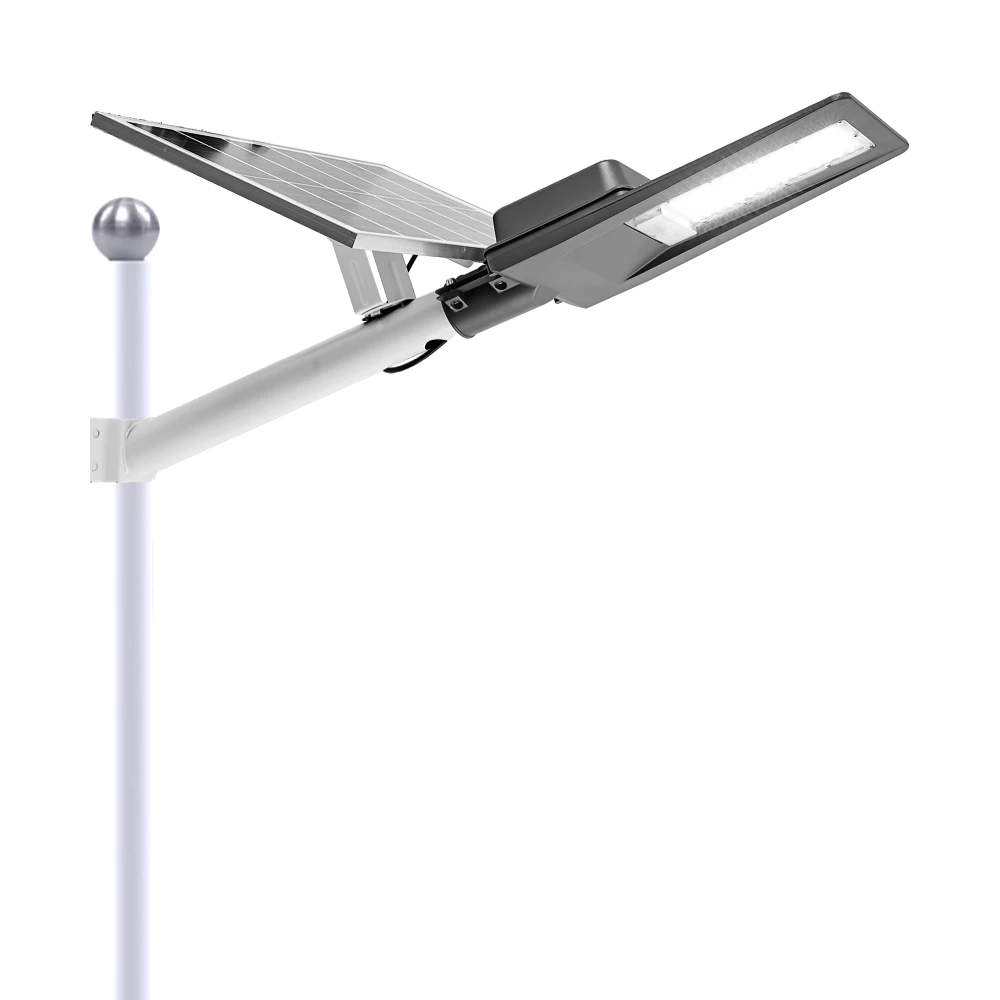
Experience reliable outdoor illumination with our smart solar street light, a perfect combination of advanced technology and eco-conscious design.
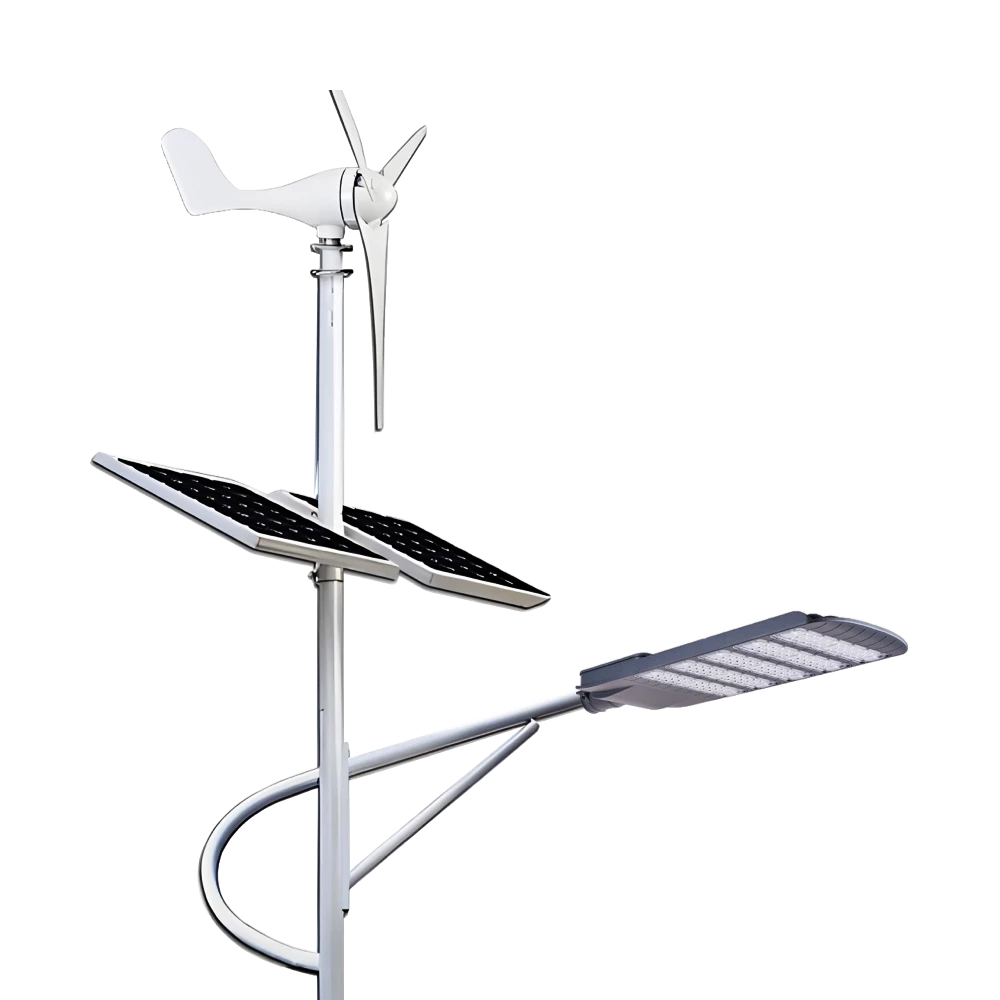
Queneng Lufeng Wind Energy LED Outdoor Solar Street Lights offer high-performance, eco-friendly illumination. These energy-efficient LED street lights harness solar power and wind energy for sustainable, cost-effective outdoor lighting solutions.
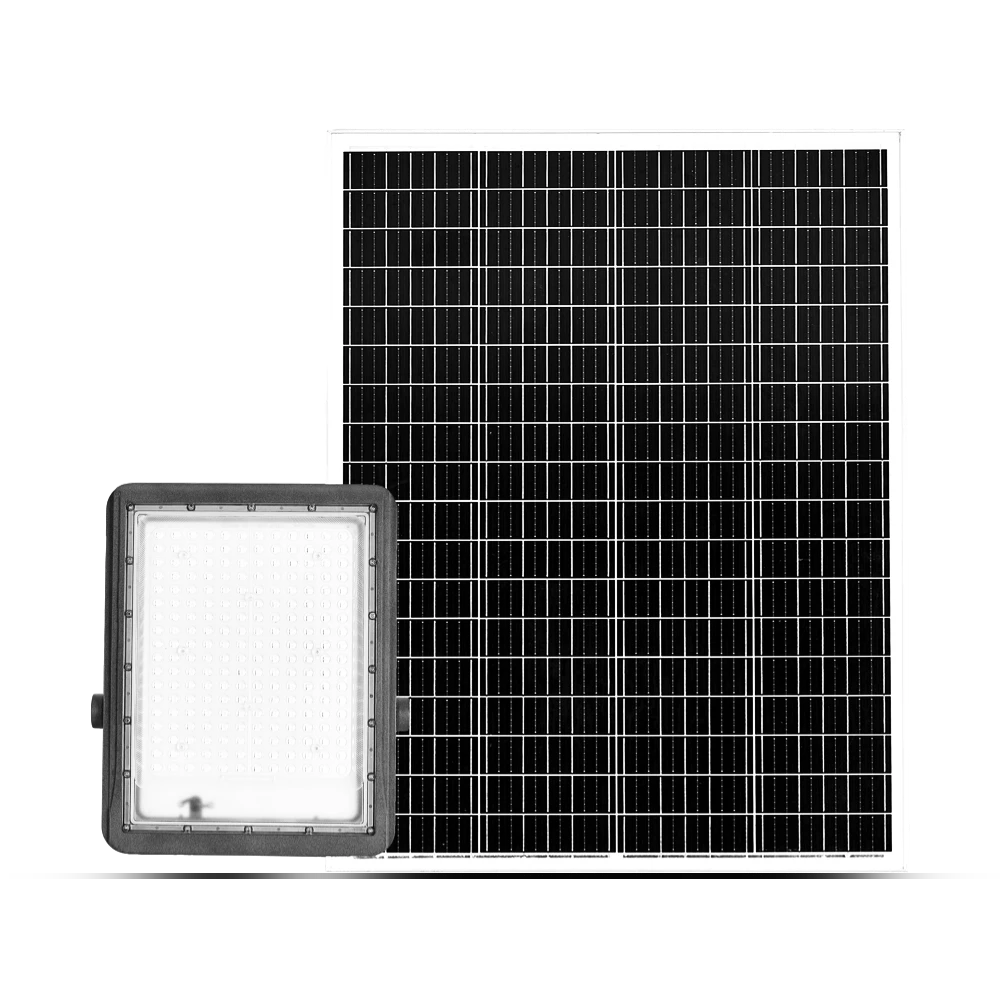
Queneng's Luxian Reliable Solar Street Light offers energy-saving LED lighting for outdoor use. This durable, solar-powered street light provides reliable illumination, reducing energy costs and environmental impact. A perfect solution for sustainable outdoor lighting.
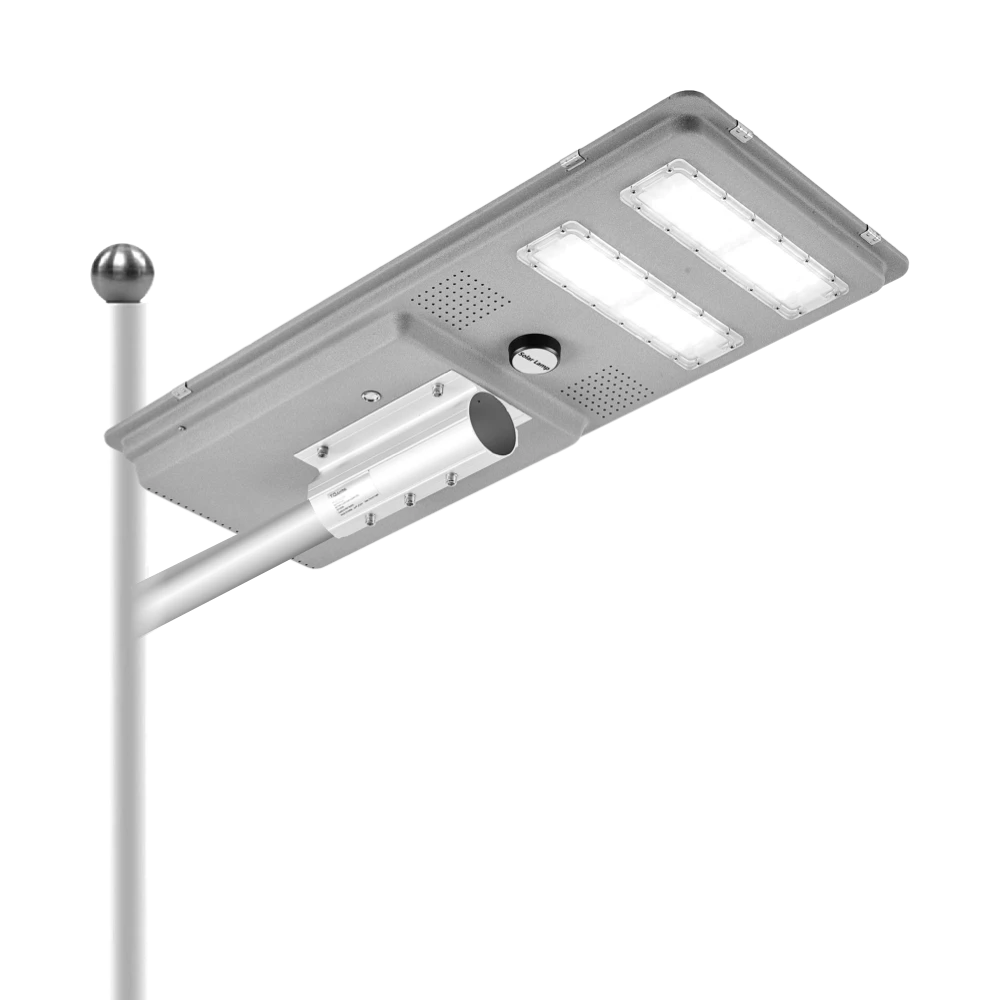
Queneng’s Solar Street Lights are designed to provide reliable, energy-efficient lighting for streets, parks, and other outdoor spaces.
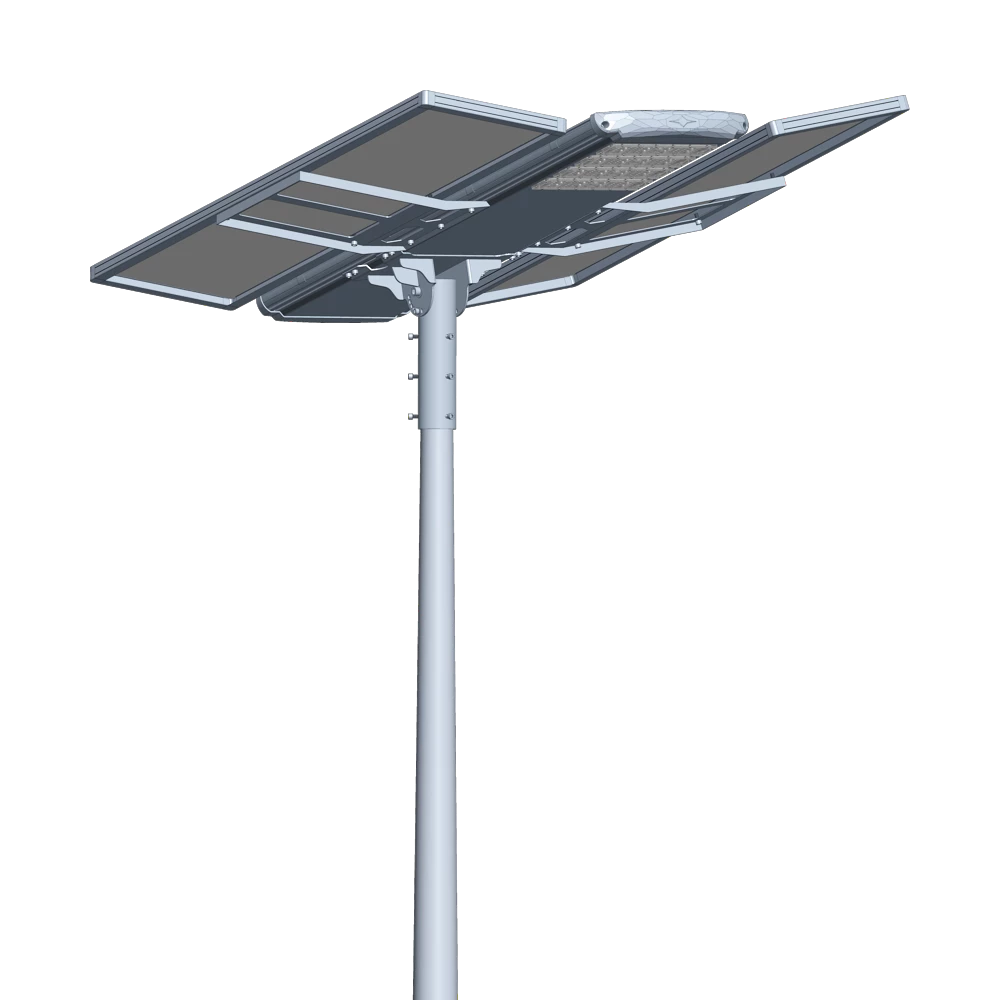
Introducing the Luqing Solar Street Light by Queneng, Efficient LED lighting powered by solar energy is perfect for illuminating outdoor areas. Harness the power of solar energy for sustainable, reliable street lighting. Ideal for eco-friendly, cost-effective outdoor illumination solutions.
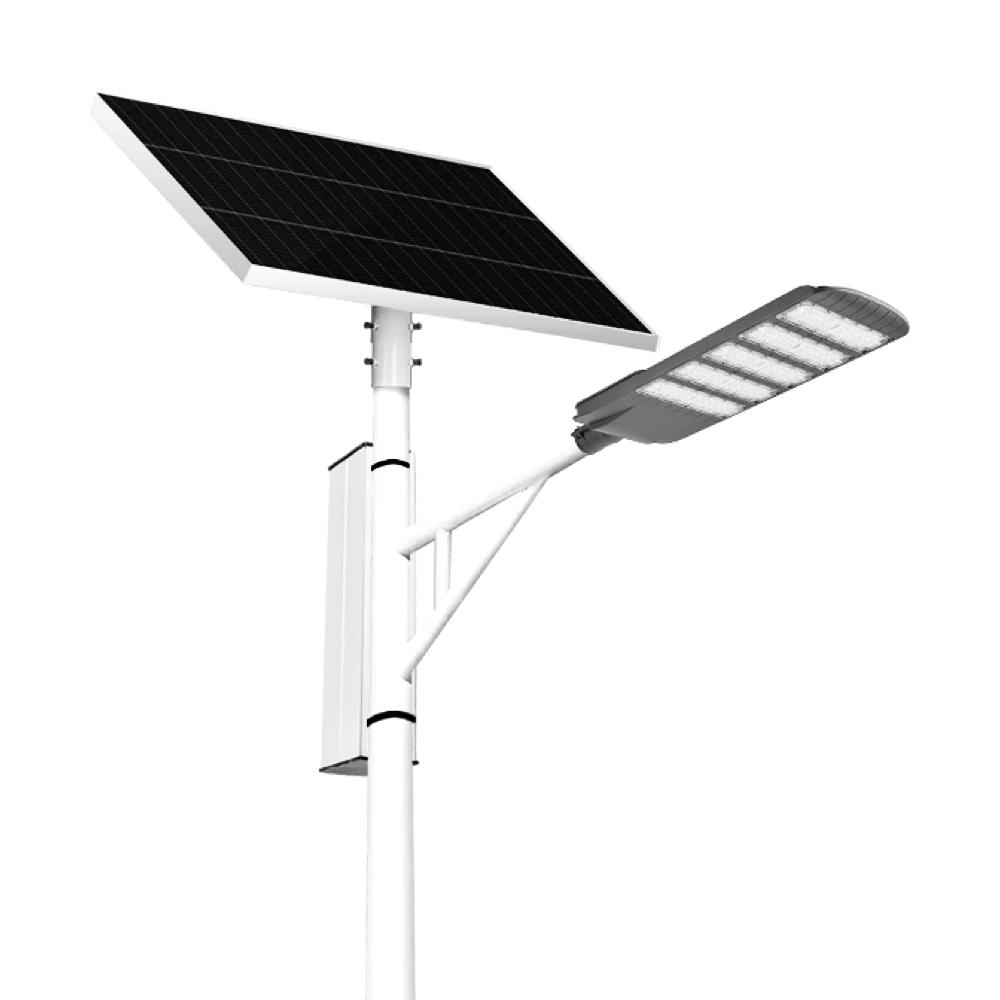
The Solar Streetlights of Luhao for Municipalities are designed to deliver reliable, energy-efficient, and cost-effective public lighting solutions. Equipped with advanced LED technology, durable lithium batteries, and high-efficiency solar panels, these streetlights provide consistent illumination for roads, parks, residential areas, and government projects.
If you would like more information about Queneng solar lighting solutions, please send us a message by filling out the form below. Our professional team will get back to you within 24 hours!
Rest assured that your privacy is important to us, and all information provided will be handled with the utmost confidentiality.
Schedule a Meeting
Book a date and time that is convenient for you and conduct the session in advance.
Have more questions about our products or services?
The messenger of light & power conversion
Environmental protection and intelligent manufacturing are our brand philosophy, and quality assurance and the best user experience are our eternal promises to users.
CONTACT
No.9F, Building F, Cao San Xin Tian Hong Logistics Park, Guzhen Town, Zhongshan City, Guangdong Province, China.
or write [email protected]
WhatsApp: +86 136 2270 1011


