

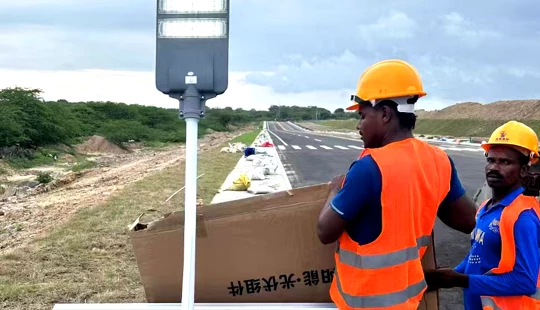
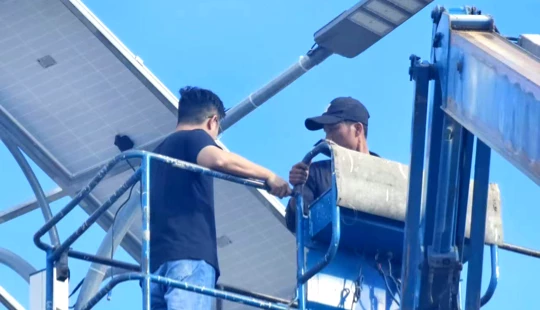













How can urban planners integrate solar-powered street lights into smart city systems?
The Definitive Guide to Solar Street Lights: Costs, Manufacturers, and Smart City Integration
Solar street lighting is rapidly transforming urban landscapes, offering sustainable, cost-effective, and intelligent illumination solutions. For urban planners, municipal authorities, and procurement managers, understanding the intricacies of solar street lights – from their initial investment to their integration into smart city ecosystems – is crucial. This guide provides an in-depth look into the key considerations when exploring solar street lighting projects.
What is the Typical Cost Range for Solar Street Lights, and What Factors Influence It?
The cost of a solar street light system can vary significantly, typically ranging from $300 to $3,000+ per unit, excluding installation. This wide range is primarily due to the specific features, power output, and quality of components. Key factors influencing the cost include:
- LED Wattage: Higher wattage LEDs (e.g., 30W, 60W, 100W) for brighter illumination over larger areas will increase the cost.
- Solar Panel Capacity: The size and efficiency of the solar panel, determined by the required power generation and local sunlight conditions, directly impact the price.
- Battery Capacity and Type: High-quality Lithium Iron Phosphate (LiFePO4) batteries, known for their longer lifespan (typically 8-10+ years) and superior performance, are more expensive than older lead-acid alternatives but offer better long-term value. Battery capacity determines autonomy (how many nights the light can operate without sun).
- Pole Height and Material: Taller poles and those made from robust materials (e.g., galvanized steel, aluminum) designed to withstand harsh weather conditions will add to the overall cost.
- Controller Technology: Advanced Maximum Power Point Tracking (MPPT) controllers optimize solar energy harvesting, leading to higher efficiency but also a slightly higher cost than simpler Pulse Width Modulation (PWM) controllers.
- Smart Features: Integration of IoT sensors (PIR motion, ambient light, temperature), remote monitoring capabilities, dimming functions, and central management systems adds to the complexity and price.
How to Identify a Reliable Solar Street Light Manufacturer?
Choosing the right manufacturer is paramount for a successful and long-lasting solar street light project. Look for manufacturers that demonstrate:
- Proven Track Record and Experience: A history of successful projects, especially those similar in scope to yours, indicates reliability.
- Quality Certifications: Ensure they hold international quality standards such as ISO 9001, along with product-specific certifications like CE, RoHS, and FCC, which guarantee safety and performance.
- Strong R&D Capabilities: Manufacturers investing in research and development are more likely to offer cutting-edge technology, improved efficiency, and innovative smart features.
- Comprehensive Warranty and Support: A substantial warranty (e.g., 3-5 years for the entire system, 8-10 years for batteries) and responsive customer service for technical support and spare parts are crucial.
- Customization Options: The ability to tailor solutions to specific project requirements, such as unique pole designs, varying power needs, or specialized smart functions.
- Transparent Component Sourcing: Reputable manufacturers use high-quality, branded components (e.g., Philips/Osram LEDs, high-efficiency solar cells, LiFePO4 batteries).
What are the Essential Components of a High-Performance Solar Street Light System?
A high-performance solar street light system is more than just a light on a pole. It comprises several integrated components:
- LED Luminaires: Energy-efficient LEDs provide bright, long-lasting illumination with lifespans often exceeding 50,000 hours.
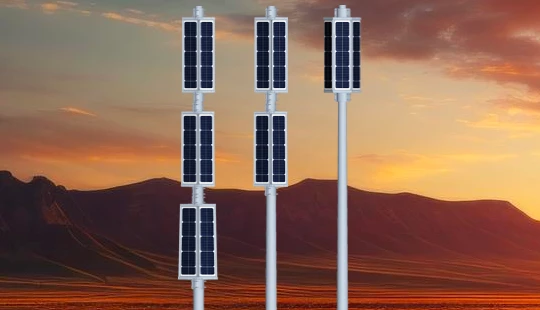
- Solar Panel: Converts sunlight into electricity. Monocrystalline panels are generally preferred for their higher efficiency and smaller footprint.
- Rechargeable Battery: Stores the energy generated by the solar panel for use at night. LiFePO4 batteries are the industry standard due to their durability, deep cycle capability, and temperature stability.
- Charge Controller: Manages the charging and discharging of the battery, protecting it from overcharge/over-discharge and optimizing power transfer from the solar panel (MPPT controllers are best).
- Pole: Supports all components and is typically made of galvanized steel or aluminum, designed for structural integrity and aesthetics.
- Mounting Hardware: Securely fastens the solar panel and luminaire to the pole.
- Smart Features (Optional but Recommended): Motion sensors (PIR), ambient light sensors, timers, remote monitoring modules, and communication units (e.g., LoRaWAN, NB-IoT).
How Can Urban Planners Integrate Solar Street Lights into Smart City Systems?
Solar street lights are natural enablers for smart city initiatives, offering a decentralized, green infrastructure backbone:
- IoT Connectivity: Integrated IoT modules allow street lights to become nodes in a larger smart city network. They can transmit data on energy consumption, operational status, and even environmental parameters.
- Adaptive Lighting: Motion sensors can dim lights when no activity is detected and brighten them upon approach, saving energy and extending battery life. This also enhances safety in low-traffic areas.
- Centralized Management Platforms: Urban planners can monitor, control, and manage an entire fleet of solar street lights from a central dashboard. This enables remote dimming schedules, fault detection, and performance analytics.
- Multi-functional Poles: Solar street light poles can be designed to host additional smart city sensors (e.g., air quality monitors, noise sensors, traffic cameras), Wi-Fi hotspots, or EV charging stations, creating a dense network of urban intelligence.
- Data-Driven Urban Planning: Data collected from smart solar street lights (e.g., traffic flow, pedestrian patterns, air quality) can inform urban planning decisions, improve resource allocation, and enhance public services.
What are the ROI and Environmental Benefits of Investing in Solar Street Lights?
The investment in solar street lights yields significant returns and contributes positively to environmental sustainability:
- Rapid Return on Investment (ROI): While initial costs might be higher than conventional lights, the absence of electricity bills and significantly reduced maintenance costs often lead to an ROI period of 3-5 years. Government incentives and subsidies can further accelerate this.
- Zero Electricity Bills: Operating entirely on renewable solar energy, these lights eliminate ongoing utility expenses.
- Reduced Installation Costs: No trenching or complex grid connections are needed, simplifying installation and lowering civil engineering costs, especially in remote or off-grid areas.
- Lower Maintenance: Modern solar street lights, especially those with LiFePO4 batteries and robust components, require minimal maintenance compared to traditional grid-tied systems.
- Reduced Carbon Footprint: By utilizing clean solar energy, they significantly reduce greenhouse gas emissions, contributing to climate change mitigation and improving local air quality.
- Enhanced Energy Independence: Provides reliable lighting independent of the grid, crucial during power outages or in areas with unreliable electricity supply.
What are the Latest Technological Advancements in Solar Street Lighting?
The solar street lighting industry is dynamic, with continuous innovation:
- Higher Efficiency Solar Panels: Advances in photovoltaic technology are leading to more efficient solar cells that generate more power from smaller surface areas.
- Longer-Lasting, Denser Batteries: Improvements in LiFePO4 battery chemistry are increasing energy density and cycle life, making batteries smaller, lighter, and more durable.
- Advanced IoT Integration: Seamless integration with smart city platforms using communication protocols like LoRaWAN, NB-IoT, and even 5G for real-time monitoring and control.
- Predictive Maintenance & AI: Systems capable of self-diagnosis and predicting potential failures, allowing for proactive maintenance and reducing downtime.
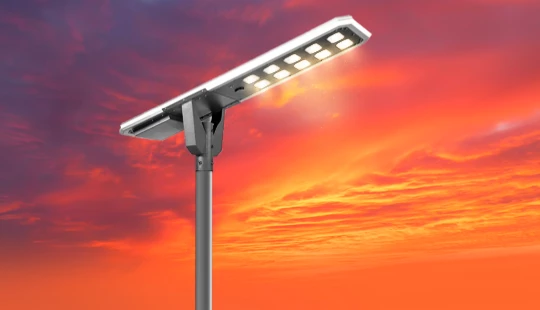
- Integrated Design: All-in-one designs where the solar panel, battery, and LED are integrated into a single compact unit for easier installation and sleeker aesthetics.
- Adaptive Beam Patterns: Smart optics that can adjust light distribution based on environmental conditions or detected activity.
What Maintenance is Required for Solar Street Lights to Ensure Longevity?
While solar street lights are low-maintenance, some routine care ensures optimal performance and extends their lifespan:
- Solar Panel Cleaning: Periodically clean solar panels (every 6-12 months, or more frequently in dusty environments) to remove dirt, dust, and debris that can hinder energy absorption.
- Battery Inspection: Modern LiFePO4 batteries are sealed and require minimal direct maintenance. However, regular monitoring through smart systems can flag performance degradation. Replacement typically occurs after 8-10+ years.
- LED Luminaire Check: Ensure the LED light fixture is clean and free from obstructions. Check for any flickering or dimming that might indicate an issue with the LED driver or connections.
- Structural Integrity Check: Periodically inspect the pole and mounting hardware for corrosion, loose fittings, or structural damage, especially after severe weather events.
- Controller Diagnostics: Smart controllers often have diagnostic features. Regularly check for error codes or abnormal operating parameters if a remote monitoring system is in place.
Quenenglighting: Your Partner in Sustainable Urban Illumination
As a leading manufacturer of solar street lights, Quenenglighting stands at the forefront of sustainable urban development. We pride ourselves on:
- Cutting-Edge Technology: Utilizing the latest in high-efficiency solar panels, long-life LiFePO4 batteries, and advanced MPPT charge controllers.
- Robust & Reliable Solutions: Our products are engineered for durability, designed to perform optimally in diverse environmental conditions with minimal maintenance.
- Smart City Integration Expertise: We offer comprehensive smart lighting solutions, enabling seamless integration with IoT platforms for intelligent control and data insights.
- Customization & Support: From initial design to after-sales service, Quenenglighting provides tailored solutions and dedicated support to ensure the success of your project.
- Commitment to Quality: Adhering to stringent international quality standards, our products guarantee performance, safety, and a long operational lifespan, delivering exceptional value and a rapid ROI for our clients.
Partner with Quenenglighting to illuminate your city sustainably, intelligently, and efficiently.
References:
- Grand View Research. (2024). Solar Street Lighting Market Size, Share & Trends Analysis Report, 2024-2030. Retrieved from https://www.grandviewresearch.com/industry-analysis/solar-street-lighting-market (Accessed: May 29, 2024).
- Various Industry Sources (e.g., major solar street light manufacturers' websites, energy efficiency blogs, smart city technology providers) for cost ranges, ROI estimates, and component lifespans, reflecting general industry consensus. (Accessed: May 29, 2024).

Have more questions about our products or services?
The latest hot news you might like

Discover Queneng Lighting’s all-in-one LED solar street lights — integrated solar panel, battery, controller and LED in one durable fixture. Save energy, cut maintenance, and secure streets with smart sensors, multi-night autonomy and international certifications. Contact sales for quotes and support.

Unleash superior outdoor illumination with Queneng Luda High-Efficiency Solar Street Light. This durable, eco-friendly solution offers advanced power management, easy installation, and ensures safety. Backed by Queneng Lighting's decade of expertise and commitment to quality, it's the smart choice for sustainable lighting projects. Learn why we're a leading solar solutions provider.

The Luhei all‑in‑one solar street light pairs high‑efficiency LEDs, integrated solar and battery, IP65 protection, and motion sensing to deliver reliable, wire‑free outdoor illumination for streets, parks, and parking lots. Backed by Queneng Lighting’s certifications and support.

FAQ
Batteries and the environment
What impact do batteries have on the environment?
Public Gardens and Landscape Lighting
Are solar lights safe for use in public spaces?
Yes, solar lights are safe for public spaces. They use low-voltage LED lights that do not pose any electrical hazards. Additionally, our lights are designed with weather-resistant and durable materials to withstand outdoor conditions, making them reliable and safe for public use.
All-in-one solar street lights
How long is the battery lifespan?
Typically 5–8 years depending on battery type and usage.
Battery and Analysis
What certifications have the company's products passed?
Battery fundamentals and basic terms
What are the main structural components of a lithium-ion battery?
Solar Street Light Lufei
Can I adjust the brightness of the solar street light?
Some models of Queneng’s solar street lights come with adjustable brightness settings, allowing you to customize the light output based on your needs. Additionally, some models feature motion sensors that increase brightness when movement is detected.
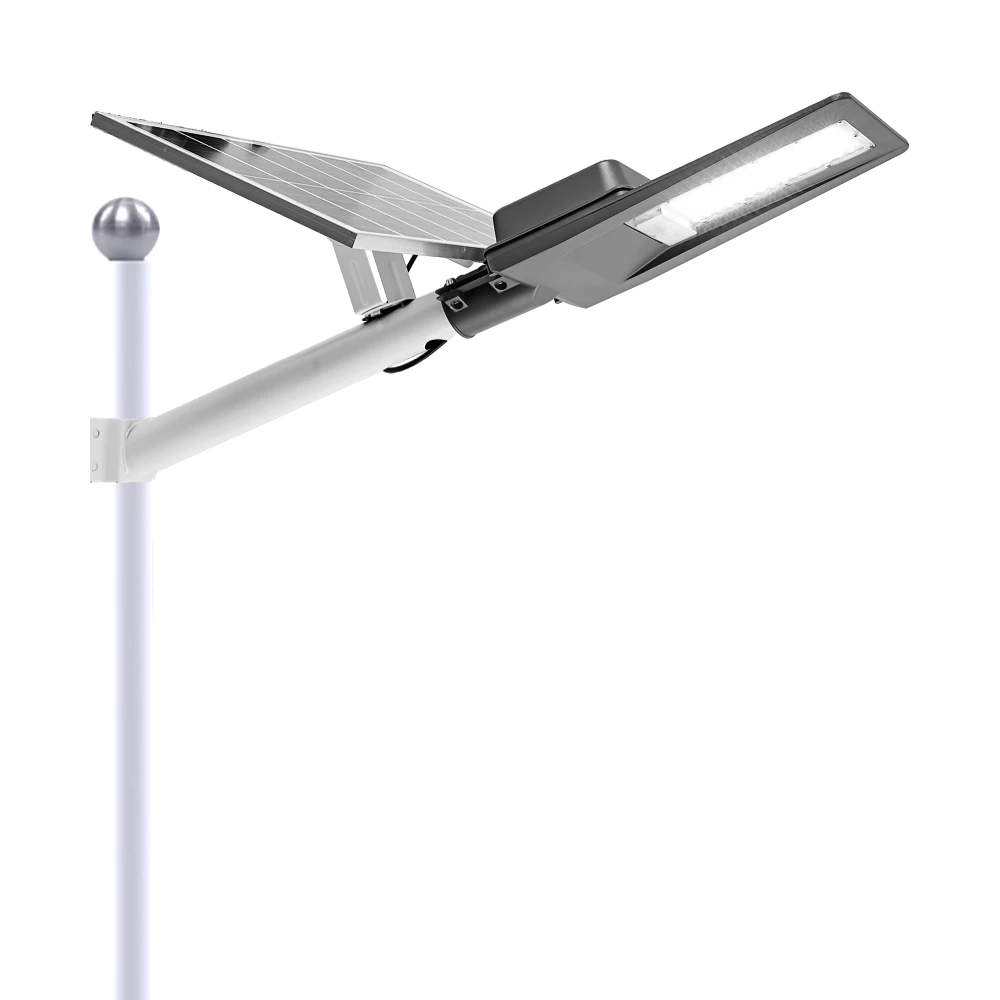
Experience reliable outdoor illumination with our smart solar street light, a perfect combination of advanced technology and eco-conscious design.
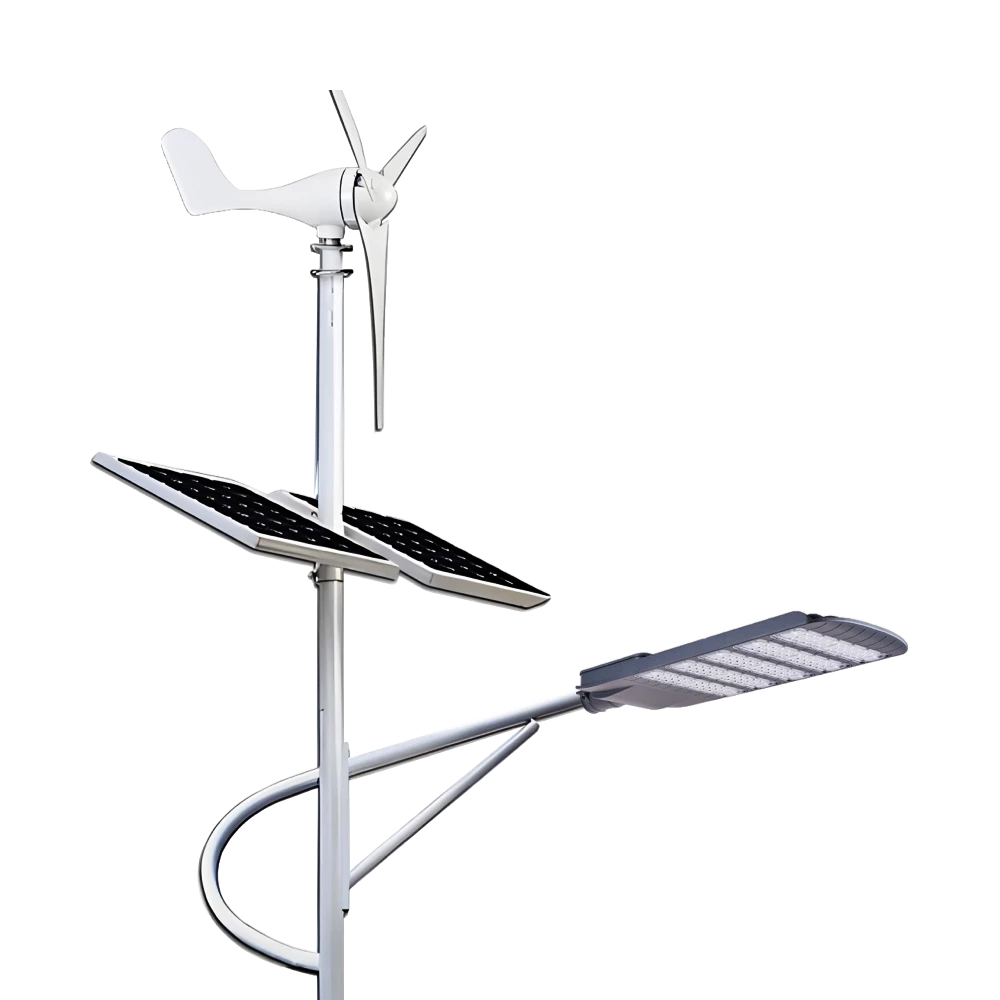
Queneng Lufeng Wind Energy LED Outdoor Solar Street Lights offer high-performance, eco-friendly illumination. These energy-efficient LED street lights harness solar power and wind energy for sustainable, cost-effective outdoor lighting solutions.
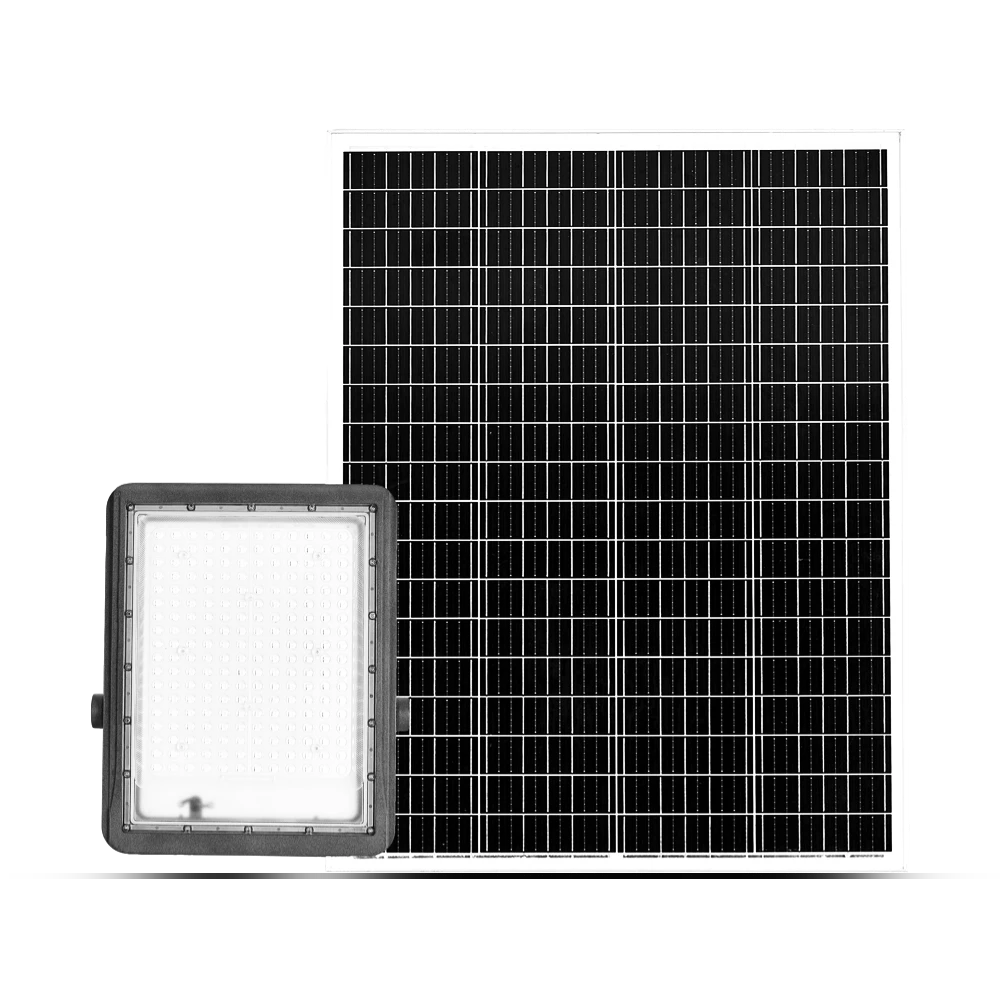
Queneng's Luxian Reliable Solar Street Light offers energy-saving LED lighting for outdoor use. This durable, solar-powered street light provides reliable illumination, reducing energy costs and environmental impact. A perfect solution for sustainable outdoor lighting.
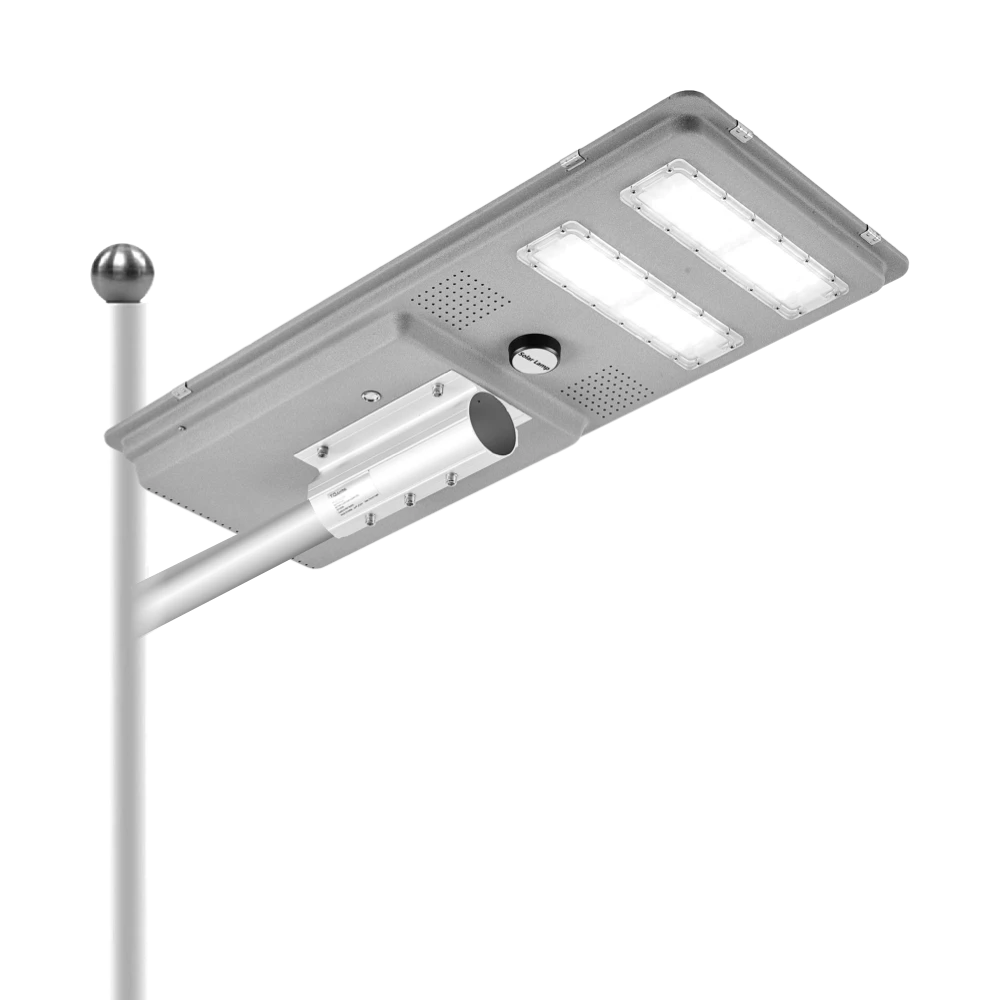
Queneng’s Solar Street Lights are designed to provide reliable, energy-efficient lighting for streets, parks, and other outdoor spaces.
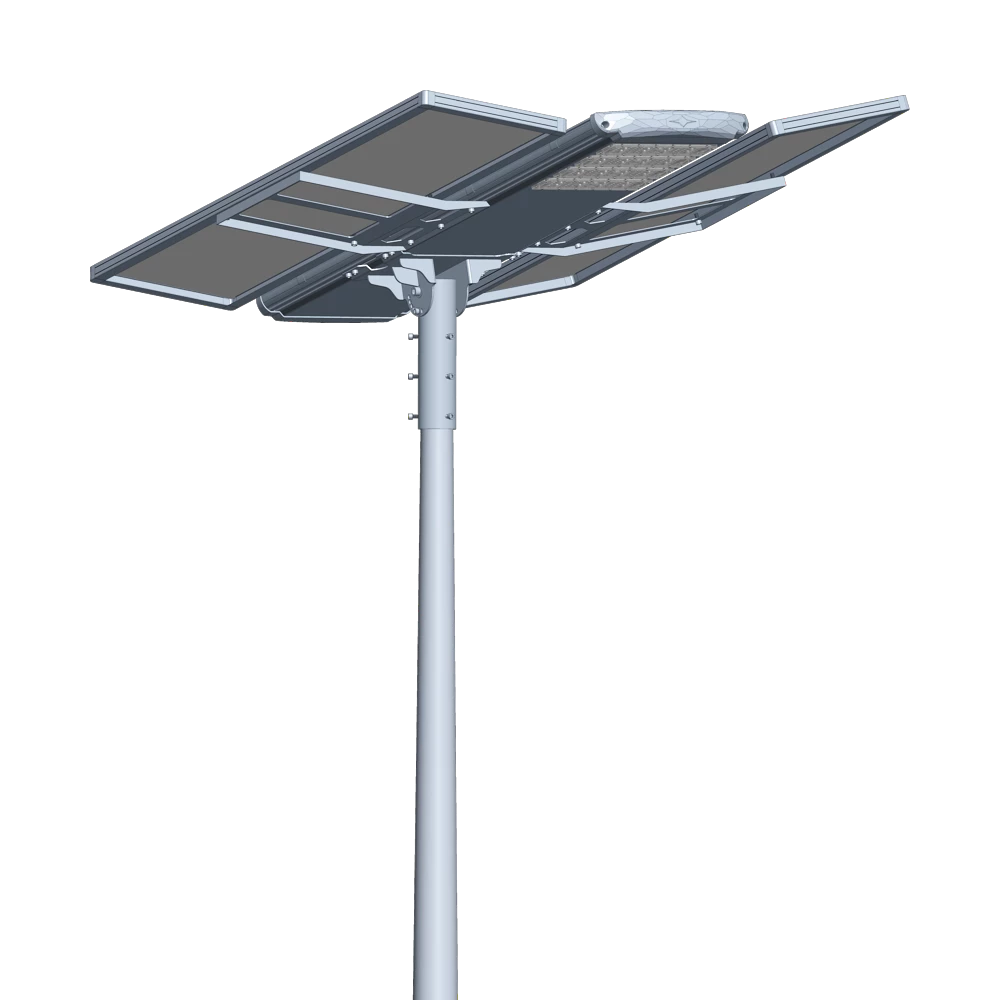
Introducing the Luqing Solar Street Light by Queneng, Efficient LED lighting powered by solar energy is perfect for illuminating outdoor areas. Harness the power of solar energy for sustainable, reliable street lighting. Ideal for eco-friendly, cost-effective outdoor illumination solutions.
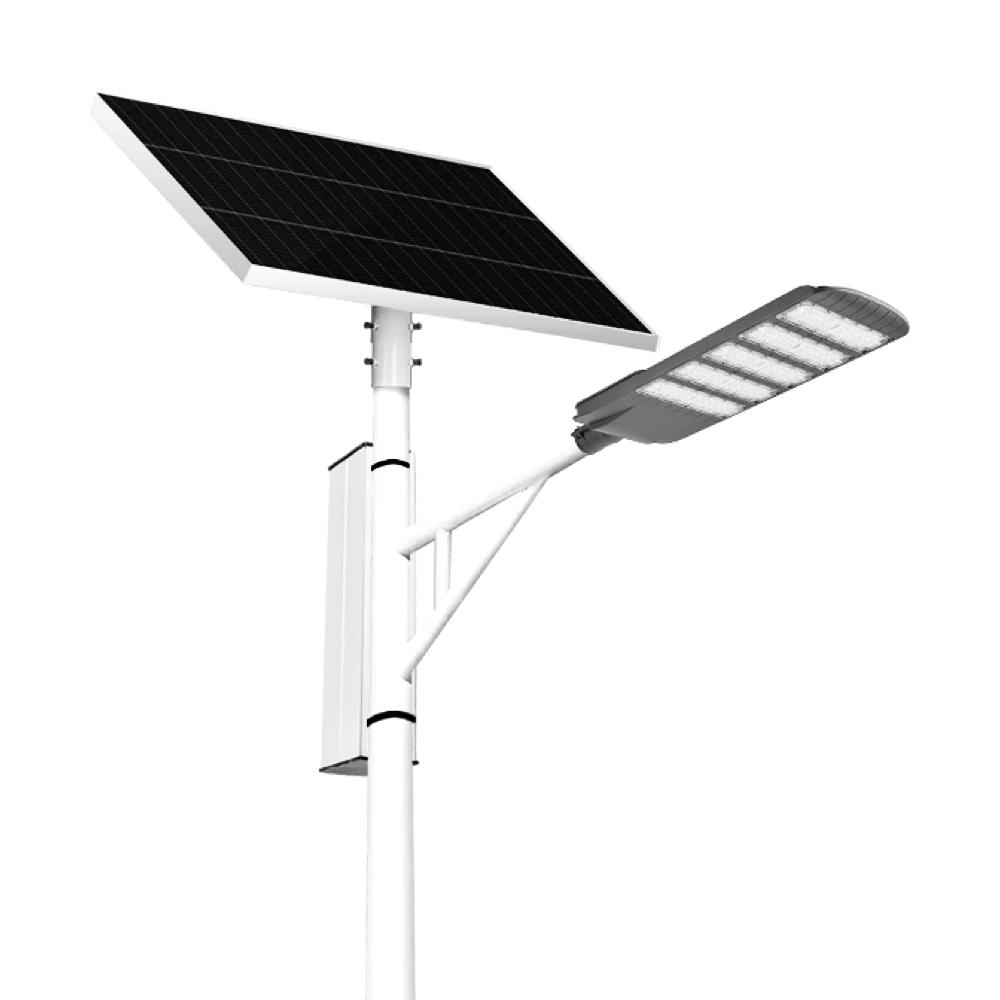
The Solar Streetlights of Luhao for Municipalities are designed to deliver reliable, energy-efficient, and cost-effective public lighting solutions. Equipped with advanced LED technology, durable lithium batteries, and high-efficiency solar panels, these streetlights provide consistent illumination for roads, parks, residential areas, and government projects.
If you would like more information about Queneng solar lighting solutions, please send us a message by filling out the form below. Our professional team will get back to you within 24 hours!
Rest assured that your privacy is important to us, and all information provided will be handled with the utmost confidentiality.
Schedule a Meeting
Book a date and time that is convenient for you and conduct the session in advance.
Have more questions about our products or services?
The messenger of light & power conversion
Environmental protection and intelligent manufacturing are our brand philosophy, and quality assurance and the best user experience are our eternal promises to users.
CONTACT
No.9F, Building F, Cao San Xin Tian Hong Logistics Park, Guzhen Town, Zhongshan City, Guangdong Province, China.
or write [email protected]
WhatsApp: +86 136 2270 1011


