













What cleaning schedule improves solar panel efficiency in dusty areas?
Understanding the Cost of Solar Street Lights: A Comprehensive Guide
The cost of a solar street light system varies significantly, influenced by numerous factors. A basic all-in-one residential unit might start from $100-$300, while a high-performance commercial or industrial-grade system can range from $400 to over $2,500 per unit, excluding pole and installation. Key factors impacting the price include:
- LED Luminaire Wattage & Lumen Output: Higher brightness (lumens) and wattage mean more powerful LEDs, which increase cost.
- Solar Panel Wattage & Efficiency: Larger, more efficient (e.g., monocrystalline with 20%+ efficiency) panels cost more.
- Battery Type & Capacity: Lithium Iron Phosphate (LiFePO4) batteries, preferred for their longer lifespan and performance, are more expensive than lead-acid but offer better long-term value. Higher capacity (Ah) batteries for extended autonomy also drive up costs.
- Charge Controller Type: Maximum Power Point Tracking (MPPT) controllers are more efficient (10-30% more charge) and thus pricier than Pulse Width Modulation (PWM) controllers.
- Pole Material & Height: Galvanized steel or aluminum poles, especially those designed for higher wind loads, add to the overall expense.
- Smart Features: Motion sensors, dimming capabilities, remote monitoring (IoT), and integrated cameras increase complexity and cost.
- Brand Reputation & Warranty: Established manufacturers offering robust warranties often have higher price points reflective of their quality and support.
How to Select a Reliable Solar Street Light Manufacturer
Choosing the right manufacturer is paramount for a successful solar street light project. Look for companies that demonstrate:
- Experience & Reputation: A proven track record in manufacturing and deploying solar lighting solutions. Check their project portfolios and client testimonials.
- R&D Capabilities: Manufacturers committed to innovation often produce more efficient and durable products.
- Quality Control & Certifications: Ensure they adhere to international quality standards such as ISO 9001. Product-specific certifications like CE, RoHS, and IP ratings (e.g., IP65, IP66 for dust and water resistance) are critical indicators of product quality and safety.
- Customization Options: The ability to tailor designs (e.g., pole height, battery capacity, LED wattage) to specific project requirements.
- After-Sales Support & Warranty: Comprehensive technical support, spare parts availability, and transparent warranty policies are crucial for long-term operational success.
- Production Capacity: Ensure the manufacturer can meet your project's volume and timeline.
Key Components Defining a High-Quality Solar Street Light System
The longevity and performance of a solar street light are largely determined by the quality of its individual components:
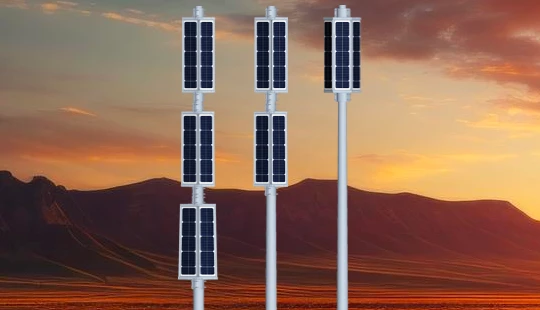
- Solar Panel: High-efficiency monocrystalline silicon panels (typically 20% or higher efficiency) are preferred for their superior power generation in smaller footprints and better low-light performance.
- Battery: Lithium Iron Phosphate (LiFePO4) batteries are the industry standard for their long cycle life (2,000 to 4,000+ cycles, equating to 7-10 years of life), thermal stability, and deep discharge capability, significantly outperforming lead-acid batteries.
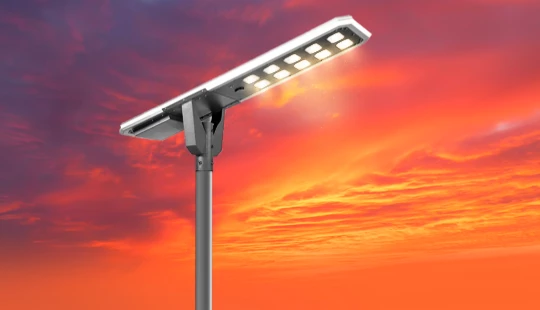
- LED Luminaire: Features high luminous efficacy (e.g., >150 lumens per watt), excellent thermal management to ensure LED lifespan, and a robust IP65/IP66 enclosure for environmental protection. Optics should provide appropriate light distribution.
- Charge Controller: An MPPT (Maximum Power Point Tracking) controller is essential. It optimizes the power output from the solar panel, increasing charging efficiency by 10-30% compared to simpler PWM (Pulse Width Modulation) controllers. Advanced controllers also manage battery health, dimming functions, and motion sensing.
- Pole & Fixture: Constructed from hot-dip galvanized steel or aluminum alloy for corrosion resistance, with designs engineered to withstand local wind loads and environmental conditions.
Optimizing Solar Panel Efficiency in Dusty Areas: Your Cleaning Schedule Guide
Dust accumulation is a significant impediment to solar panel efficiency, particularly in arid regions, construction sites, or high-traffic areas. Research, including studies from institutions like the University of California San Diego, indicates that dust can reduce solar panel output by 15-25% in moderately dusty conditions, and over 30% in very severe cases, if left uncleaned. Regular cleaning is vital to maintain optimal performance.
- Cleaning Frequency: This depends heavily on local environmental conditions:
- Very Dusty/Arid Regions (Deserts, Industrial Zones): Monthly, or even bi-weekly during peak dust seasons.
- Moderately Dusty Areas (Urban, Light Industrial): Quarterly (every 3 months) or bi-annually.
- Low Dust/Regular Rainfall Areas: Biannually or as needed, as rain can help wash away some dust.
- Cleaning Method:
- Use soft brushes, sponges, or cloths to avoid scratching the panel surface.
- Utilize clean water, ideally de-ionized or filtered water to prevent mineral deposits.
- For stubborn grime, a mild, non-abrasive, pH-neutral soap can be used, followed by a thorough rinse.
- Avoid high-pressure washers directly on the panels, as this can damage seals or cells.
- Clean panels in the early morning or late evening when they are cool, to prevent thermal shock and rapid drying of water, which can leave streaks.
The Long-Term ROI and Environmental Impact of Solar Street Lighting
Investing in solar street lights offers compelling long-term economic and environmental benefits:
- Significant ROI: While the initial investment might be higher than traditional grid-powered lights, solar street lights eliminate electricity bills entirely. With average electricity rates, the return on investment (ROI) is typically achieved within 3-5 years, after which the operational savings are substantial.
- Reduced Installation Costs: Without the need for extensive trenching, cabling, and grid connections, installation costs can be significantly lower, especially in remote or difficult-to-access locations.
- Environmental Stewardship: Solar street lights operate entirely on clean, renewable energy, producing zero carbon emissions and reducing reliance on fossil fuels. This contributes to a healthier environment and helps achieve sustainability goals. Each deployed solar street light can offset several tons of CO2 over its lifespan.
- Energy Independence & Reliability: They provide lighting independent of the electrical grid, enhancing energy security and ensuring illumination even during grid outages.
- Long Lifespan: Quality solar panels have a lifespan of 20-25 years, while LiFePO4 batteries typically last 7-10 years, and LED luminaires 3-5 years, ensuring many years of reliable, cost-free operation.
Essential Warranties and Certifications for Solar Street Light Procurement
When purchasing solar street lights, always scrutinize the warranties and certifications provided by the manufacturer. These guarantee product quality, performance, and compliance with safety and environmental standards:
- Key Certifications:
- ISO 9001: Confirms the manufacturer has a robust quality management system.
- CE (Conformité Européenne) & RoHS (Restriction of Hazardous Substances): Indicates compliance with European health, safety, and environmental protection standards.
- IP (Ingress Protection) Rating: Essential for outdoor lighting, indicating resistance to dust and water (e.g., IP65 or IP66 for the luminaire and battery enclosure).
- IEC Standards (e.g., IEC 61215/61730 for solar panels, IEC 62133 for batteries): International Electrotechnical Commission standards for performance and safety.
- Typical Warranties:
- Solar Panels: A performance warranty of 20-25 years (guaranteeing, for instance, 80% output after 25 years) and a product warranty of 5-10 years.
- LiFePO4 Batteries: Typically 3-5 years, given their robust cycle life.
- LED Luminaires: Commonly 3-5 years.
- Charge Controllers & Overall System: Usually 2-3 years.
Conclusion: Why Choose Quenenglighting for Your Solar Street Light Needs
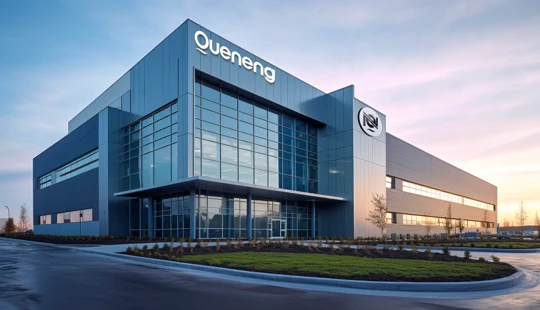
Quenenglighting stands as a premier manufacturer in the solar street lighting industry, dedicated to delivering superior quality and exceptional value. We leverage state-of-the-art technology and adhere to stringent quality control processes to ensure every product meets the highest standards. Our advantages include:
- High Quality Components: Utilizing only top-tier components such as high-efficiency monocrystalline solar panels, long-life LiFePO4 batteries, ultra-bright LED luminaires, and advanced MPPT controllers.
- Customization Expertise: Offering bespoke solutions tailored to the unique demands of diverse projects, from urban landscapes to remote industrial sites.
- Robust Certifications & Warranties: All products are backed by comprehensive certifications (ISO, CE, RoHS, IP ratings) and extensive warranties, ensuring peace of mind and long-term reliability.
- Unwavering Quality Control: Our commitment to R&D and meticulous manufacturing processes guarantees durable, high-performance lighting solutions.
- Dedicated Support: Providing excellent pre-sales consultation and responsive after-sales service, ensuring a seamless experience from inquiry to installation and beyond.
Choose Quenenglighting for sustainable, efficient, and reliable solar street lighting that illuminates your future.
References & Data Sources:
- Solar Street Light Cost Ranges: Based on aggregated industry reports and manufacturer data, reflecting general market trends. (Accessed: May 2024)
- Solar Panel Dust Efficiency Loss: Studies from National Renewable Energy Laboratory (NREL) and academic research. Example: University of California San Diego research on soiling impact. https://ucsdnews.ucsd.edu/feature/dust_on_solar_panels_dramatically_reduces_output (Accessed: May 2024)
- LiFePO4 Battery Lifespan: General industry specifications from battery manufacturers and solar lighting component suppliers. (Accessed: May 2024)
- MPPT Controller Efficiency: Industry technical guides and comparisons of charge controller technologies. (Accessed: May 2024)
- Certifications (ISO, CE, RoHS, IP, IEC): International standards bodies and product certification requirements. https://www.iso.org/home., https://ec.europa.eu/growth/single-market/ce-marking_en, https://www.iec.ch/ (Accessed: May 2024)

Have more questions about our products or services?
The latest hot news you might like

Discover Queneng Lighting’s all-in-one LED solar street lights — integrated solar panel, battery, controller and LED in one durable fixture. Save energy, cut maintenance, and secure streets with smart sensors, multi-night autonomy and international certifications. Contact sales for quotes and support.

Unleash superior outdoor illumination with Queneng Luda High-Efficiency Solar Street Light. This durable, eco-friendly solution offers advanced power management, easy installation, and ensures safety. Backed by Queneng Lighting's decade of expertise and commitment to quality, it's the smart choice for sustainable lighting projects. Learn why we're a leading solar solutions provider.

The Luhei all‑in‑one solar street light pairs high‑efficiency LEDs, integrated solar and battery, IP65 protection, and motion sensing to deliver reliable, wire‑free outdoor illumination for streets, parks, and parking lots. Backed by Queneng Lighting’s certifications and support.

FAQ
Battery Performance and Testing
What is a temperature cycling experiment?
1) The battery is changed from normal temperature to 66±3℃ and 15±5% for 1 hour.
2) Place it for 1 hour at a temperature of 33±3℃ and a humidity of 90±5℃.
3) Change the condition to -40±3℃ and leave it for 1 hour
4) Leave the battery at 25℃ for 0.5 hours
These 4 steps complete a cycle. After these 27 cycle experiments, the battery should have no leakage, alkali creep, rust or other abnormal conditions.
Split Solar Street Light
How do I choose the right configuration?
We provide free lighting & energy simulations based on your project location.
Distributors
Are there any minimum order requirements?
Yes, there are minimum order quantities depending on the product and region. However, we offer flexible solutions to help you meet the needs of your market. Contact us directly to discuss specific requirements for your region.
Solar Street Light Luda
What are the installation requirements for Luda solar street lights?
Installing Luda solar street lights is straightforward and does not require complex wiring. The lights come with easy-to-follow installation instructions, typically involving mounting the pole, securing the light fixture, and positioning the solar panel for optimal sunlight exposure. Since they don’t require any electrical wiring, the installation is quick and cost-effective.
who we are
Can Queneng provide custom solar lighting solutions?
Yes, we specialize in providing customized solar lighting systems based on your specific needs. Whether it’s for residential, commercial, or industrial applications, our team works with you to design and deliver tailored solutions that meet your requirements.
Battery fundamentals and basic terms
What is battery internal resistance?
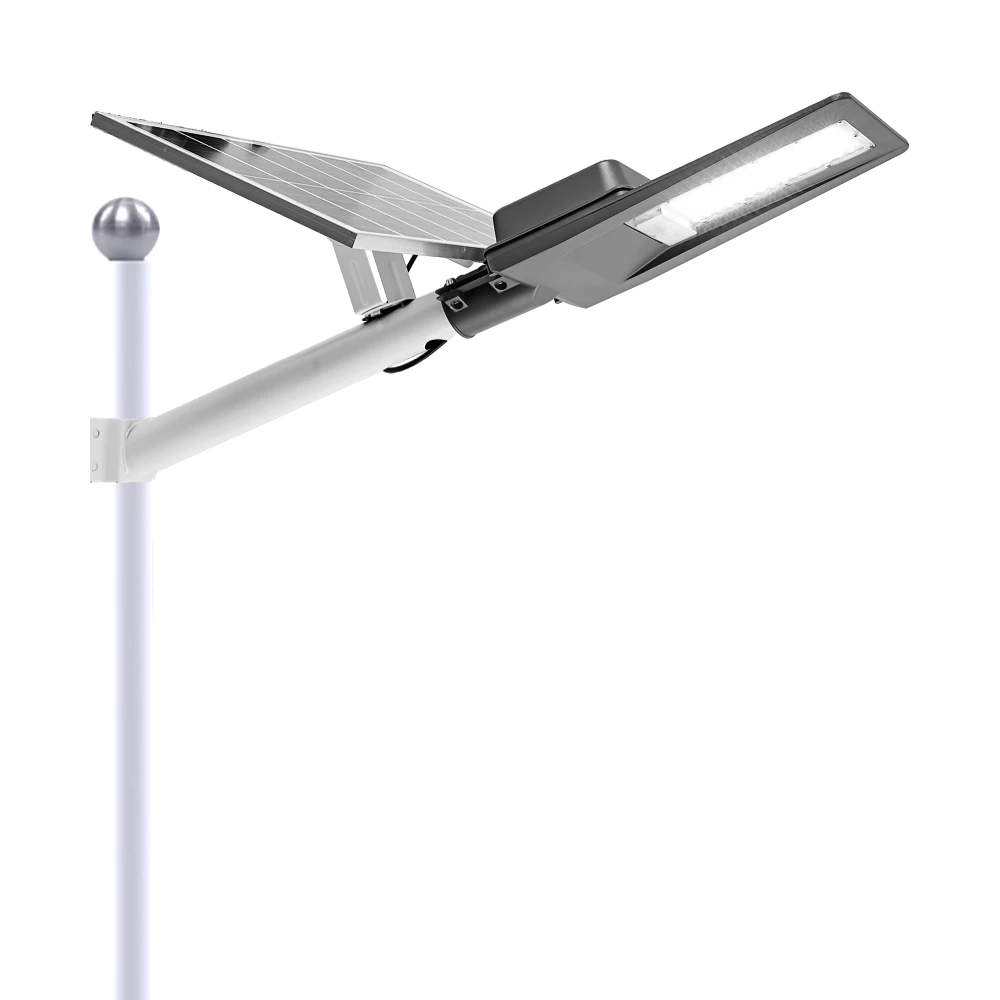
Experience reliable outdoor illumination with our smart solar street light, a perfect combination of advanced technology and eco-conscious design.
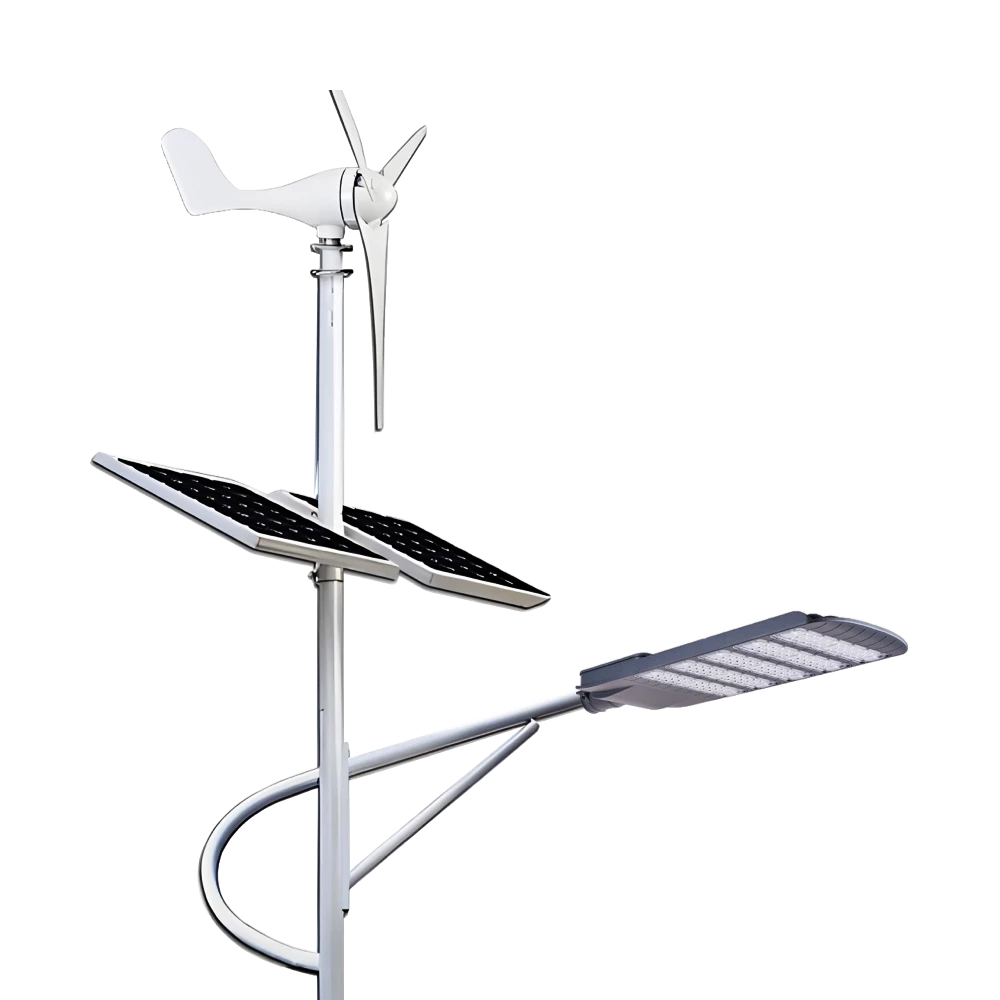
Queneng Lufeng Wind Energy LED Outdoor Solar Street Lights offer high-performance, eco-friendly illumination. These energy-efficient LED street lights harness solar power and wind energy for sustainable, cost-effective outdoor lighting solutions.
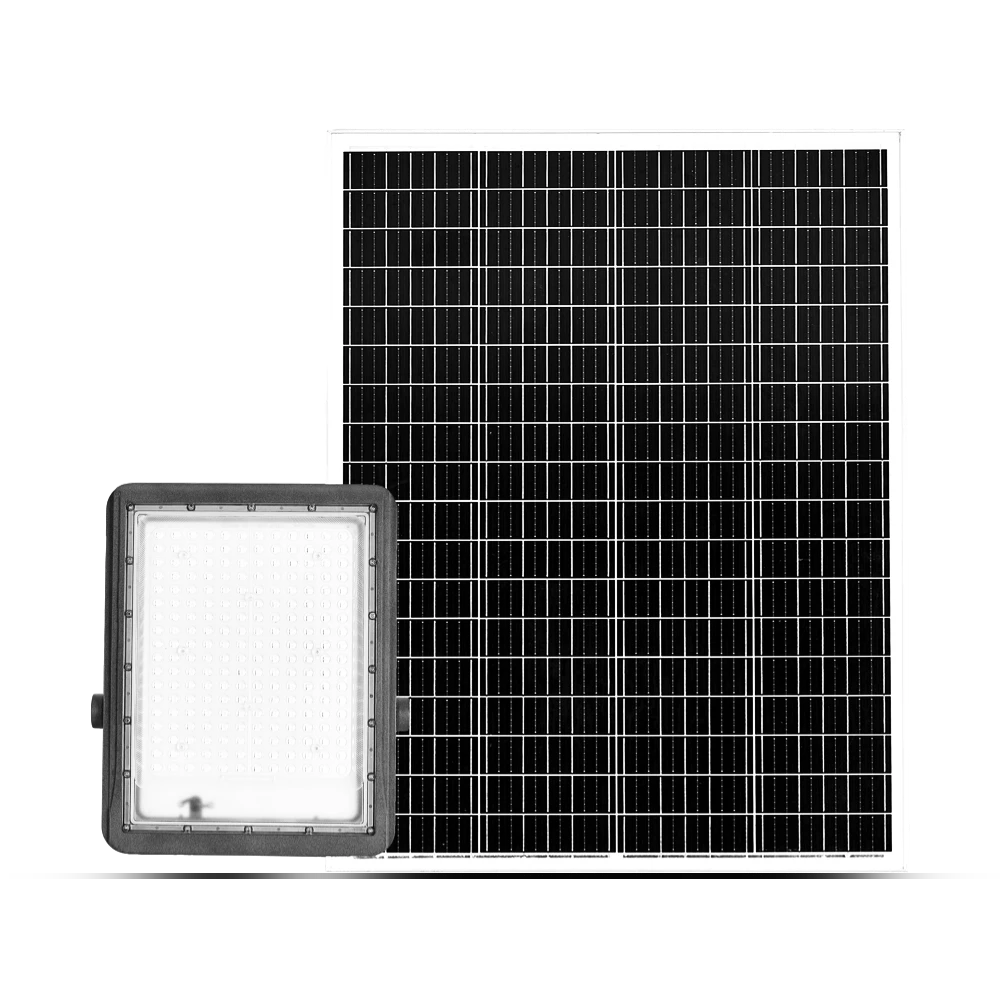
Queneng's Luxian Reliable Solar Street Light offers energy-saving LED lighting for outdoor use. This durable, solar-powered street light provides reliable illumination, reducing energy costs and environmental impact. A perfect solution for sustainable outdoor lighting.
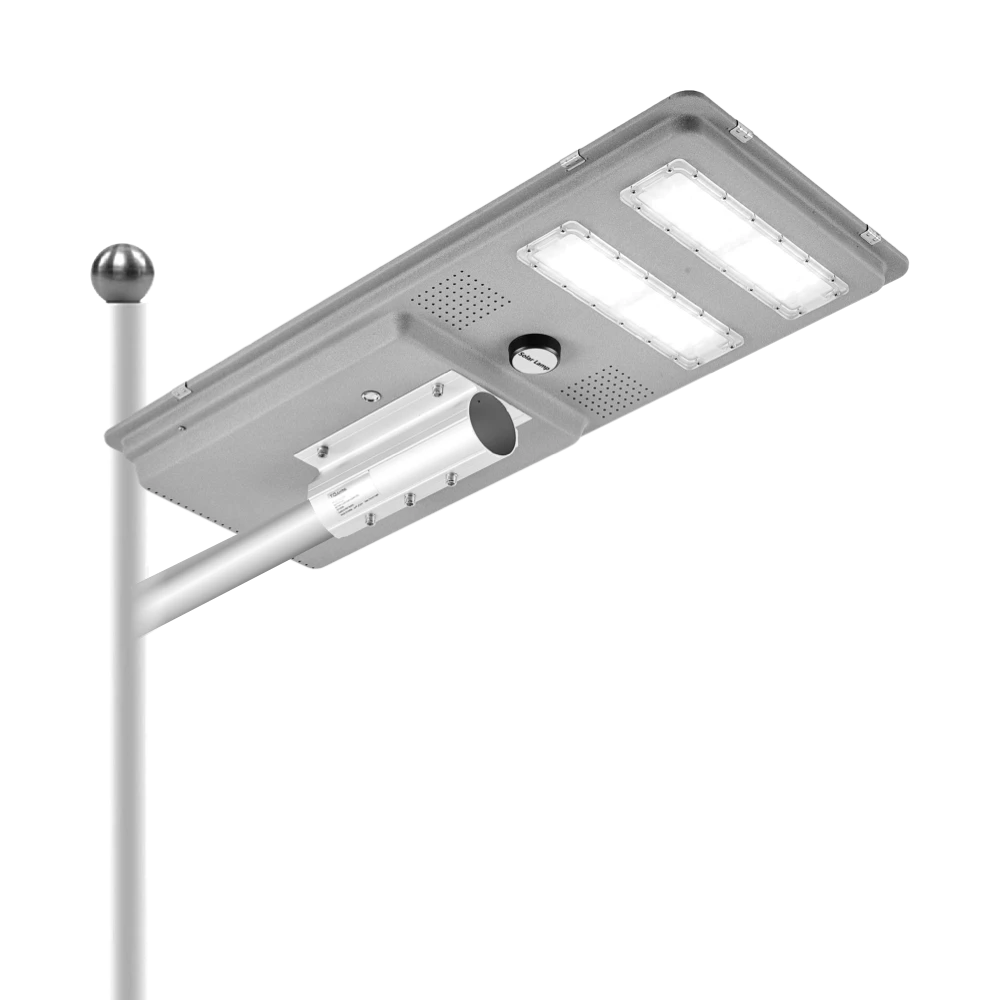
Queneng’s Solar Street Lights are designed to provide reliable, energy-efficient lighting for streets, parks, and other outdoor spaces.
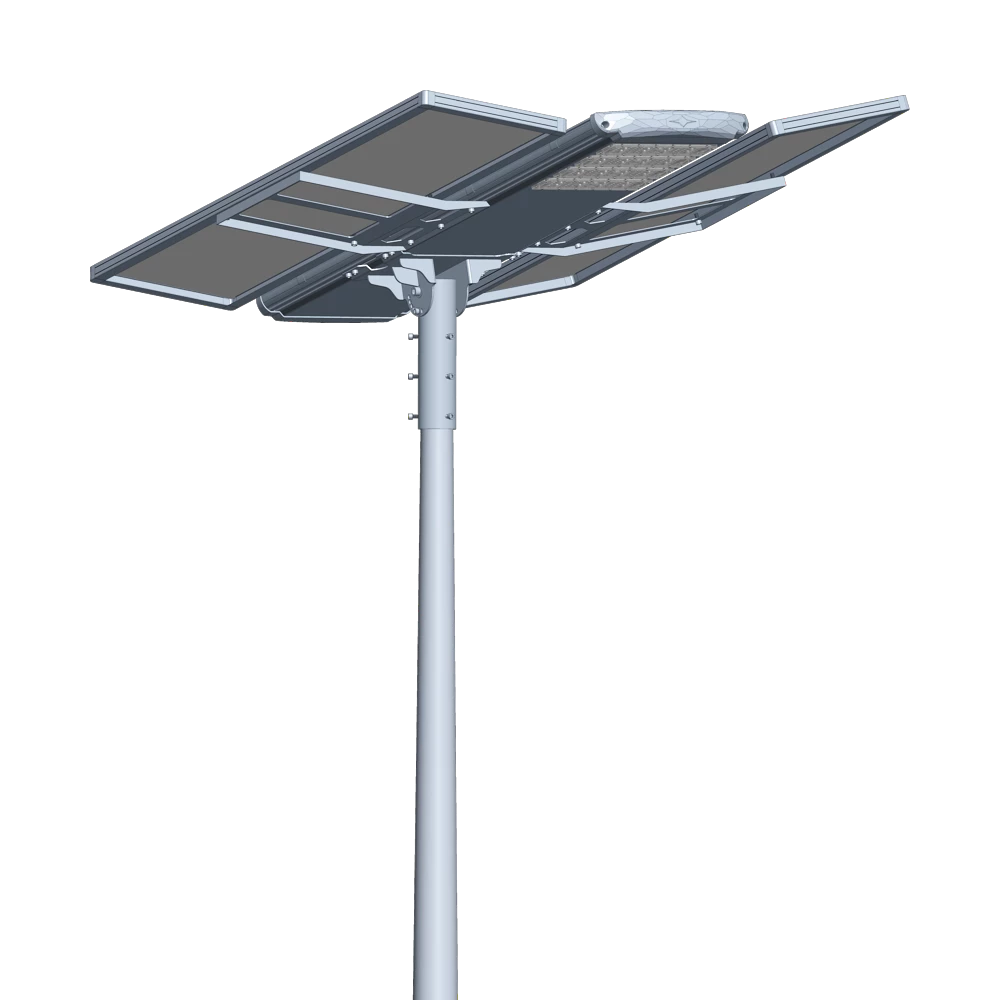
Introducing the Luqing Solar Street Light by Queneng, Efficient LED lighting powered by solar energy is perfect for illuminating outdoor areas. Harness the power of solar energy for sustainable, reliable street lighting. Ideal for eco-friendly, cost-effective outdoor illumination solutions.
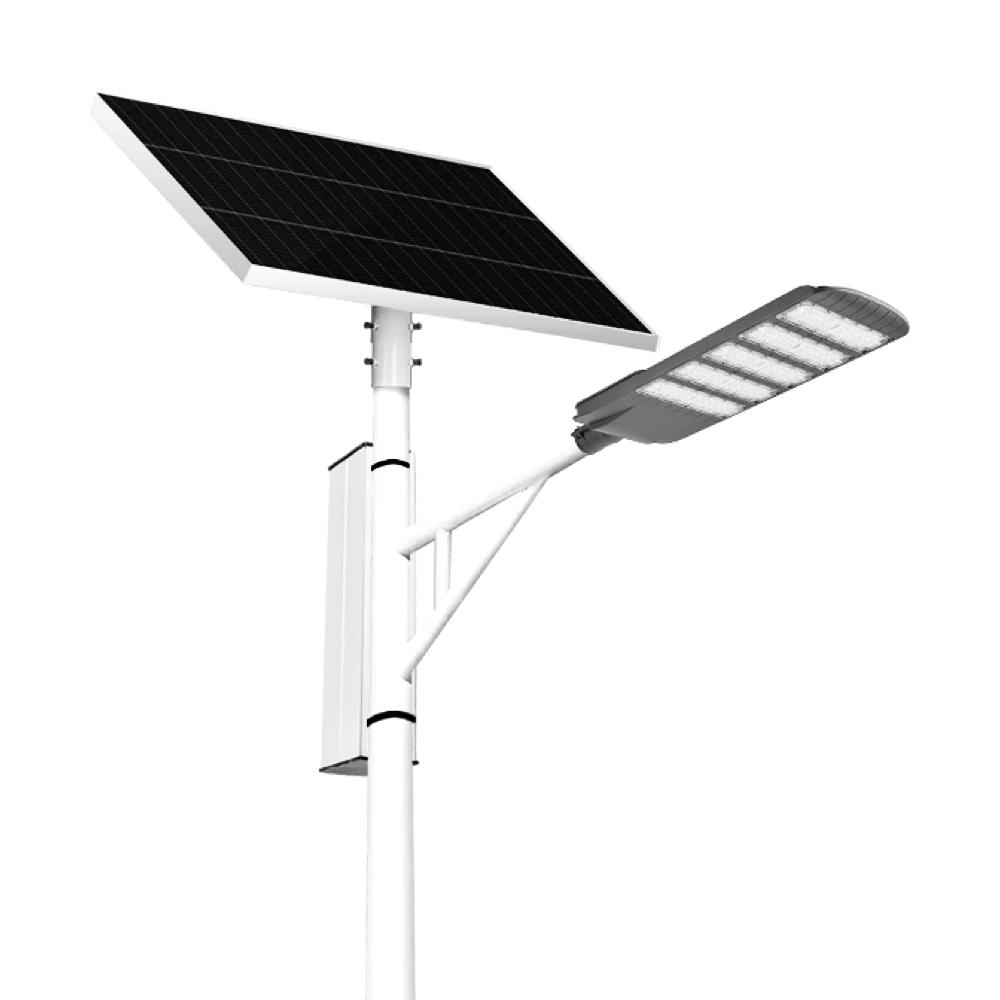
The Solar Streetlights of Luhao for Municipalities are designed to deliver reliable, energy-efficient, and cost-effective public lighting solutions. Equipped with advanced LED technology, durable lithium batteries, and high-efficiency solar panels, these streetlights provide consistent illumination for roads, parks, residential areas, and government projects.
If you would like more information about Queneng solar lighting solutions, please send us a message by filling out the form below. Our professional team will get back to you within 24 hours!
Rest assured that your privacy is important to us, and all information provided will be handled with the utmost confidentiality.
Schedule a Meeting
Book a date and time that is convenient for you and conduct the session in advance.
Have more questions about our products or services?
The messenger of light & power conversion
Environmental protection and intelligent manufacturing are our brand philosophy, and quality assurance and the best user experience are our eternal promises to users.
CONTACT
No.9F, Building F, Cao San Xin Tian Hong Logistics Park, Guzhen Town, Zhongshan City, Guangdong Province, China.
or write [email protected]
WhatsApp: +86 136 2270 1011


