














How do municipalities assess long-term savings from solar lighting?
Mastering Solar Street Lighting Procurement: Costs, Savings, and Manufacturer Insights for Municipalities
As cities and urban planners increasingly prioritize sustainability, energy efficiency, and smart infrastructure, solar street lighting has emerged as a compelling solution. For professional buyers, procurement managers, and municipal decision-makers, understanding the intricacies of solar street light costs, long-term savings, and manufacturer reliability is paramount. This guide provides in-depth answers to your most pressing questions, equipping you with the professional knowledge to make informed decisions.
What is the average cost of a solar street light, and what factors influence it?
The cost of a solar street light can vary significantly, typically ranging from $500 to $3,000+ per unit, excluding installation. This wide range is influenced by several critical factors:
- LED Wattage and Lumens: Higher light output (e.g., 60W vs. 30W LED) requires larger components, increasing cost. A typical 30W LED street light might deliver around 4,500-5,400 lumens.
- Battery Capacity and Type: The battery determines the system's autonomy (how many nights it can operate without sunlight). Lithium Iron Phosphate (LiFePO4) batteries are High Quality due to their longer lifespan (7-10 years) and better performance in varying temperatures, costing more than traditional lead-acid batteries. Capacity is measured in Amp-hours (Ah) or Watt-hours (Wh).
- Solar Panel Size and Efficiency: Larger solar panels (measured in watts) are needed for higher wattage LEDs and longer autonomy. Monocrystalline panels (typically 18-22% efficiency) are more expensive but more compact and efficient than polycrystalline.
- Pole Height and Material: Taller poles (e.g., 6-10 meters) and more robust materials (e.g., galvanized steel with specific wind load ratings) contribute to the overall cost.
- Charge Controller Technology: MPPT (Maximum Power Point Tracking) controllers are more efficient (15-30% more power harvest) and costly than PWM (Pulse Width Modulation) controllers.
- Smart Features: Integrated motion sensors, dimming capabilities, remote monitoring (IoT solutions), and programmable controls add to the system's complexity and price.
- Brand and Warranty: Reputable manufacturers offering extended warranties (e.g., 5-10 years on major components) often have higher initial pricing but offer better long-term reliability and support.
- Project Scale: Bulk orders typically benefit from economies of scale, reducing the per-unit cost.
Installation costs can add an additional 15-30% but are often lower than traditional lighting due to no trenching or cabling requirements.
How do municipalities assess long-term savings from solar lighting?
Municipalities primarily assess long-term savings through a Total Cost of Ownership (TCO) analysis, focusing on operational savings over the system's lifespan. Key areas of savings include:
- Zero Electricity Bills: This is the most significant saving. Solar street lights are self-powered, eliminating monthly electricity charges that can be substantial for a network of traditional lights. A single 100W conventional street light operating 12 hours a day can consume roughly 438 kWh annually, costing over $50-70+ per year depending on electricity rates.
- Reduced Installation Costs: For new installations, solar street lights eliminate the need for costly trenching, cabling, and grid connections, significantly lowering initial infrastructure expenses. This can save thousands of dollars per pole in areas far from existing power lines.
- Lower Maintenance Costs: Modern solar street lights, especially those with LiFePO4 batteries and long-life LEDs, require minimal maintenance. There are no bulbs to change frequently, no wires to check, and diagnostic issues can often be managed remotely. This significantly reduces labor costs associated with routine maintenance and repairs compared to traditional systems.
- Extended Component Lifespan: High-quality solar panels last 20-25 years, LiFePO4 batteries 7-10 years, and LED luminaires 50,000-100,000 hours (10-15 years). This long lifespan reduces the frequency and cost of component replacement.
- Grants and Incentives: Many governments offer incentives, grants, and tax credits for renewable energy projects, further reducing the initial capital outlay and improving the Return on Investment (ROI).
- Environmental Benefits: While harder to quantify financially, the reduction in carbon emissions aligns with sustainability goals and can contribute to a municipality's green credentials, attracting investment and improving quality of life.
The typical payback period for a high-quality solar street lighting system for municipalities ranges from 3 to 7 years, depending on electricity rates, installation costs, and initial system cost.
What should buyers look for when choosing a reliable Solar Street Light Manufacturer?
Selecting the right manufacturer is crucial for a successful long-term investment. Professional buyers should evaluate manufacturers based on:
- R&D Capabilities and Innovation: A manufacturer with strong R&D ensures they offer cutting-edge technology, such as highly efficient MPPT controllers, advanced battery management systems (BMS), and smart IoT features.
- Quality Control and Certifications: Look for ISO 9001 certification for quality management. Products should have CE, RoHS, and FCC certifications, along with appropriate IP ratings (e.g., IP65 or IP66) for dust and water resistance. Reputable manufacturers perform rigorous testing (e.g., salt spray tests, vibration tests, temperature cycling).
- Component Sourcing and Quality: Inquire about their supply chain. Do they use high-grade components from reputable brands for LEDs (Cree, Philips, Osram), batteries (CATL, BYD), and solar cells?
- Manufacturing Capacity and Experience: A manufacturer with a robust production line can handle large orders efficiently. Their experience in successfully delivering municipal or large-scale projects is a strong indicator of reliability.
- Warranty and After-Sales Support: A comprehensive warranty (e.g., 5 years for the entire system, 10 years for solar panels) and a responsive after-sales service team are vital for addressing any issues over the system's lifespan.
- Customization and Design Flexibility: Municipal projects often have specific requirements (e.g., light distribution patterns, pole aesthetics, integration with existing smart city platforms). A manufacturer capable of customization is invaluable.
- Financial Stability: Partnering with a financially stable company ensures they will be around to honor warranties and provide support for the long term.
What constitutes a high-quality solar street light system, and how do component choices affect its efficiency and durability?
A high-quality solar street light system is defined by the synergy and robustness of its core components:
- Solar Panel: Monocrystalline silicon panels are preferred for their higher efficiency (typically 18-22% conversion rate), allowing for a smaller panel size to generate the required power. Their durability ensures a lifespan of 20-25 years with minimal degradation. Poor quality panels will have lower efficiency and degrade faster.
- Battery: Lithium Iron Phosphate (LiFePO4) batteries are the gold standard. They offer superior cycle life (2000-4000+ cycles, translating to 7-10 years lifespan), excellent thermal stability (safer), and better performance in varying temperatures compared to cheaper lead-acid options. Their capacity (measured in Ah or Wh) directly dictates the system's autonomy.
- LED Luminaire: High-efficacy LEDs (150-180 lumens per watt or higher) from reputable chip manufacturers (e.g., Philips, Cree, Osram) ensure bright, energy-efficient illumination. Proper heat dissipation design is crucial for an LED lifespan of 50,000 to 100,000 hours (10-15 years). Optimal light distribution optics ensure uniform illumination without glare.
- Charge Controller: An MPPT (Maximum Power Point Tracking) controller is essential for maximizing power harvest from the solar panel, typically 15-30% more efficient than older PWM controllers. It also protects the battery from overcharging, deep discharging, and reverse current, significantly extending battery life.
- Pole and Fixture: Galvanized steel poles offer corrosion resistance and structural integrity against wind loads. The fixture design should be robust, with an IP65 or IP66 rating to protect against dust and water ingress.
- Smart Features: Integrated PIR motion sensors can dim lights when no activity is detected, saving energy. Remote monitoring systems (e.g., via LoRaWAN or NB-IoT) allow municipalities to track performance, diagnose issues, and adjust settings from a central platform, enhancing operational efficiency.
Choosing sub-standard components leads to frequent breakdowns, premature battery failure, reduced light output, and ly, higher TCO and a poor ROI.
What are the typical maintenance requirements and expected lifespan of modern solar street lights?
One of the significant advantages of modern solar street lighting is its low maintenance profile compared to traditional grid-tied systems. However, some routine checks are recommended:
- Solar Panel Cleaning: Annually or bi-annually, depending on local environmental conditions (dust, pollen, bird droppings). Cleaning ensures optimal sunlight absorption, which directly impacts charging efficiency.
- Visual Inspection: Periodic checks for any physical damage to the pole, panel, luminaire, or cables.
- Battery Health Check: For LiFePO4 batteries, checks are far less frequent than for lead-acid. Remote monitoring systems can provide real-time battery status, eliminating the need for on-site visits until a specific issue is flagged.
- Firmware Updates: For smart systems, occasional firmware updates may be required for controllers or communication modules.
Expected Lifespan of Key Components:
- Solar Panels: 20-25 years (with 80% efficiency retention after 25 years).
- LiFePO4 Batteries: 7-10 years (or 2000-4000+ charge/discharge cycles).
- LED Luminaires: 50,000 - 100,000 operating hours (equivalent to 10-15 years of typical night-time operation).
- Charge Controllers: 5-10 years.
- Poles and Fixtures: 20+ years (with proper galvanization and material choice).
This long lifespan and minimal maintenance significantly contribute to the long-term cost savings for municipalities.
What are common challenges in solar street light deployment, and how can they be mitigated?
While offering numerous benefits, solar street light deployment can present certain challenges:
- High Initial Capital Cost: The upfront investment for solar street lights can be higher than traditional grid-tied alternatives.
- Battery Degradation and Replacement: Although LiFePO4 batteries offer excellent longevity, they are still the component with the shortest lifespan and will eventually require replacement.
- Theft and Vandalism: Components like solar panels and batteries can be targets in some regions.
- Shading Issues: Obstructions like trees or buildings can reduce solar panel efficiency, leading to insufficient charging.
- Improper Sizing: If the system is not correctly sized for local solar irradiance and desired autonomy, performance will be poor.
- Weather Variability: Extended periods of cloudy weather can deplete batteries, especially if autonomy days are underestimated.
- Lack of Technical Expertise: Municipalities may lack in-house expertise for installation, troubleshooting, or maintenance.
Mitigation Strategies:
- Strategic Procurement: Focus on TCO and long-term savings rather than just initial cost. Explore grants and financing options.
- Quality Components: Invest in high-quality LiFePO4 batteries and MPPT controllers to maximize battery lifespan and performance.
- Robust Design: Manufacturers can incorporate anti-theft designs (e.g., integrated batteries within the pole, tamper-proof fasteners) and durable materials.
- Professional Site Assessment: Conduct thorough site surveys to identify potential shading issues and ensure optimal pole placement.
- Accurate Sizing: Work with experienced manufacturers to correctly size systems based on local solar insolation data, required light levels, and desired autonomy days.
- Smart Monitoring and Control: Remote monitoring systems allow for proactive maintenance, performance tracking, and adjustment of lighting schedules to optimize energy use and extend battery life during prolonged bad weather.
- Comprehensive Training and Support: Choose manufacturers that offer installation training and robust after-sales technical support.
Quenenglighting: Your Partner in Smart, Sustainable Solar Lighting
As a leading manufacturer of solar street lights, Quenenglighting is committed to empowering municipalities and businesses with high-quality, reliable, and intelligent lighting solutions. We distinguish ourselves through:
- Unwavering Quality: Utilizing only top-tier components like high-efficiency monocrystalline solar panels, long-lasting LiFePO4 batteries, high-lumen LEDs from reputable brands, and advanced MPPT charge controllers. Every product undergoes rigorous testing to meet international standards (CE, RoHS, IP66).
- Innovative R&D: Our dedicated R&D team continuously innovates, offering cutting-edge smart features, IoT connectivity for remote management, and customized lighting solutions tailored to specific project requirements.
- Proven Expertise: With years of experience in large-scale municipal and commercial projects worldwide, we understand the unique challenges and requirements of professional buyers.
- Comprehensive Support: From initial consultation and custom design to installation guidance and extensive after-sales service, including robust warranties (e.g., 5-10 years on major components), Quenenglighting ensures a seamless and successful deployment.
- Sustainable Impact: We are dedicated to promoting environmentally friendly and energy-efficient lighting, helping our clients achieve their sustainability goals while significantly reducing operational costs.
Choose Quenenglighting for a partner that delivers not just lights, but a complete, sustainable, and cost-effective lighting infrastructure solution.

Have more questions about our products or services?
The latest hot news you might like

Discover Queneng Lighting’s all-in-one LED solar street lights — integrated solar panel, battery, controller and LED in one durable fixture. Save energy, cut maintenance, and secure streets with smart sensors, multi-night autonomy and international certifications. Contact sales for quotes and support.

Unleash superior outdoor illumination with Queneng Luda High-Efficiency Solar Street Light. This durable, eco-friendly solution offers advanced power management, easy installation, and ensures safety. Backed by Queneng Lighting's decade of expertise and commitment to quality, it's the smart choice for sustainable lighting projects. Learn why we're a leading solar solutions provider.

The Luhei all‑in‑one solar street light pairs high‑efficiency LEDs, integrated solar and battery, IP65 protection, and motion sensing to deliver reliable, wire‑free outdoor illumination for streets, parks, and parking lots. Backed by Queneng Lighting’s certifications and support.

FAQ
APMS system
What should I do if I encounter a system malfunction?
QUENENG offers 24-hour remote technical support, allowing clients to contact the after-sales team at any time for assistance. The system also includes intelligent self-diagnosis capabilities to detect and alert potential issues automatically.
Solar Street Light Luqing
Are solar street lights easy to install?
Yes, solar street lights are easy to install. They do not require external wiring or connections to the electrical grid. The installation process is straightforward and typically involves mounting the light pole, positioning the solar panel, and securing the battery and lighting unit.
Solar Street Light Luyi
How do Luyi solar street lights save energy compared to traditional street lights?
Luyi solar street lights save energy by using solar power, a renewable energy source, to operate. Unlike traditional street lights that rely on the electrical grid, Luyi lights harness the sun’s energy during the day, which is stored in the battery for nighttime use. The energy-efficient LEDs provide bright illumination while consuming less power than conventional lighting options, significantly lowering electricity costs.
Battery and Analysis
What are the control methods to prevent battery overcharging?
1) Peak voltage control: Determine the end of charging by detecting the peak voltage of the battery;
2) dT/dt control: determine the end point of charging by detecting the battery peak temperature change rate;
3) △T control: When the battery is fully charged, the difference between the temperature and the ambient temperature will reach the maximum;
4) -△V control: When the battery is fully charged and reaches a peak voltage, the voltage will drop by a certain value;
5) Timing control: Control the charging end point by setting a certain charging time. Generally, set the time required to charge 130% of the nominal capacity;
Batteries and the environment
What effect does ambient temperature have on battery performance?
Municipal and Public Infrastructure
How long do solar streetlights last?
Our solar streetlights typically last for 5-10 years with minimal maintenance.
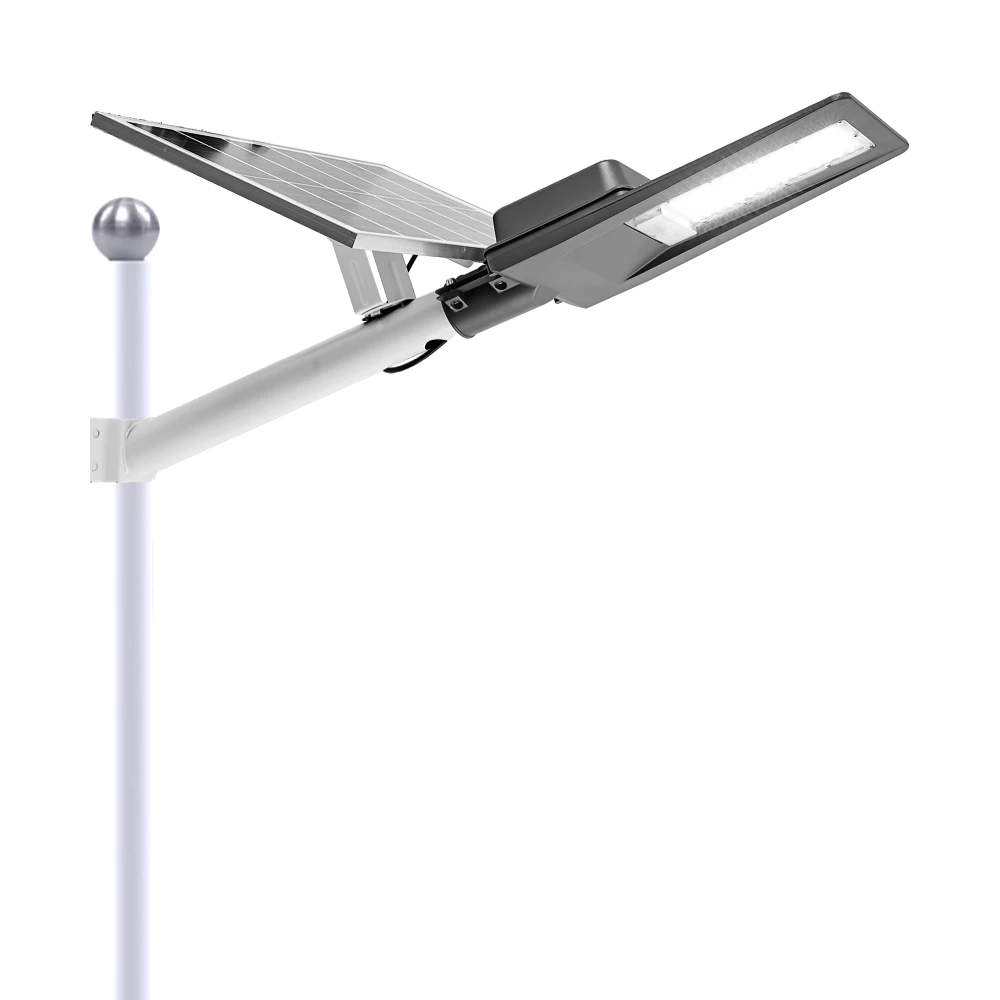
Experience reliable outdoor illumination with our smart solar street light, a perfect combination of advanced technology and eco-conscious design.
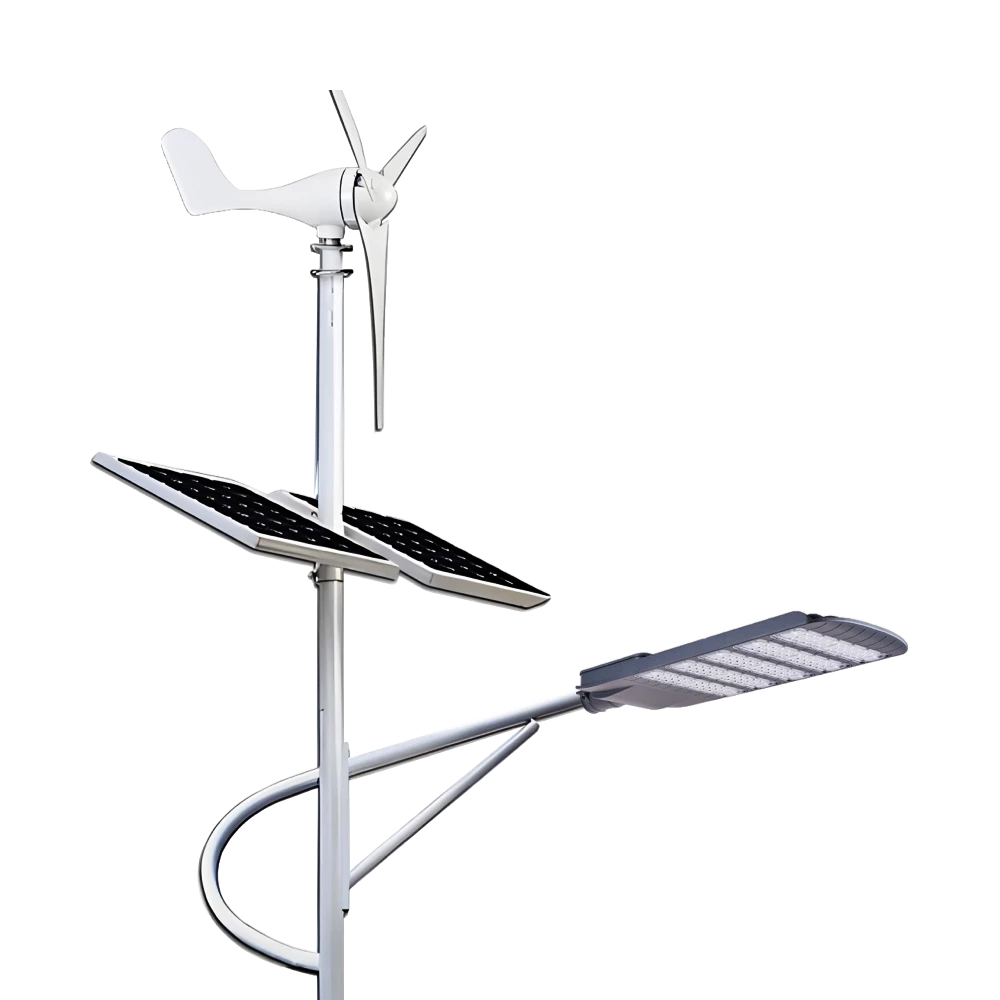
Queneng Lufeng Wind Energy LED Outdoor Solar Street Lights offer high-performance, eco-friendly illumination. These energy-efficient LED street lights harness solar power and wind energy for sustainable, cost-effective outdoor lighting solutions.
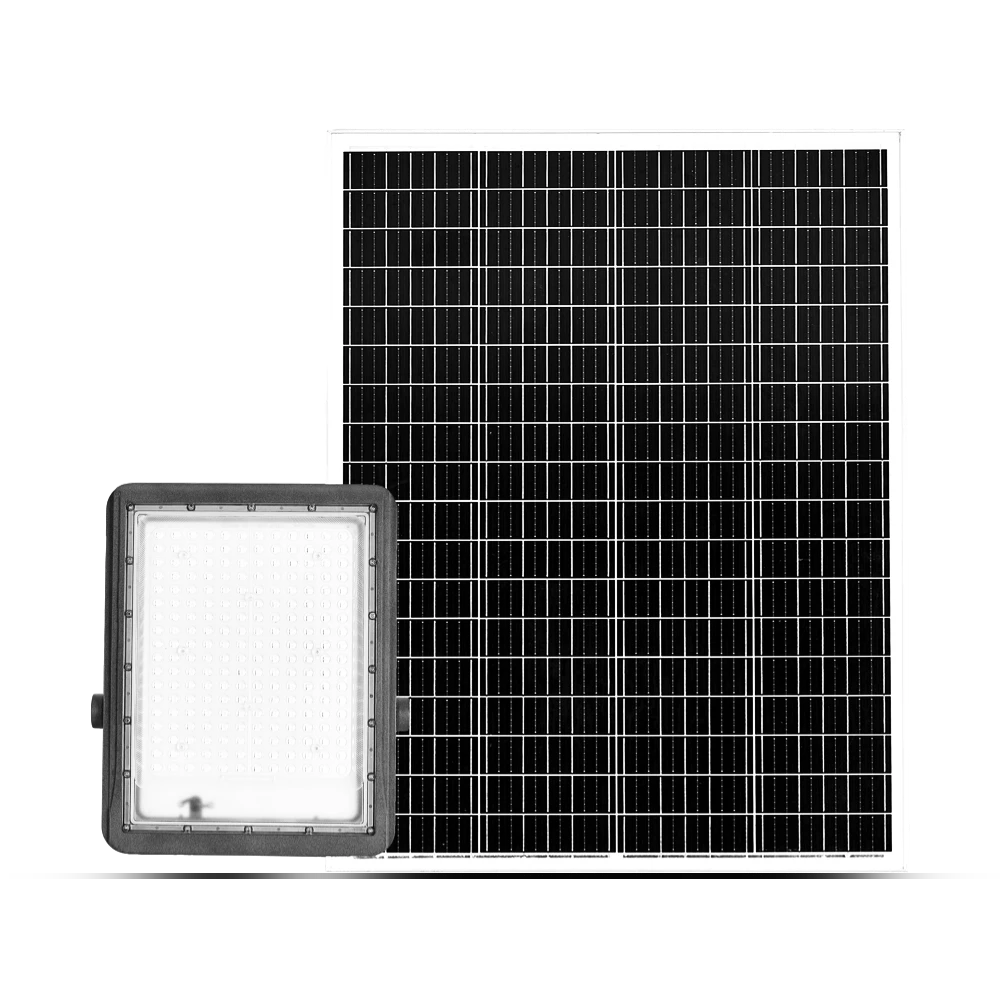
Queneng's Luxian Reliable Solar Street Light offers energy-saving LED lighting for outdoor use. This durable, solar-powered street light provides reliable illumination, reducing energy costs and environmental impact. A perfect solution for sustainable outdoor lighting.
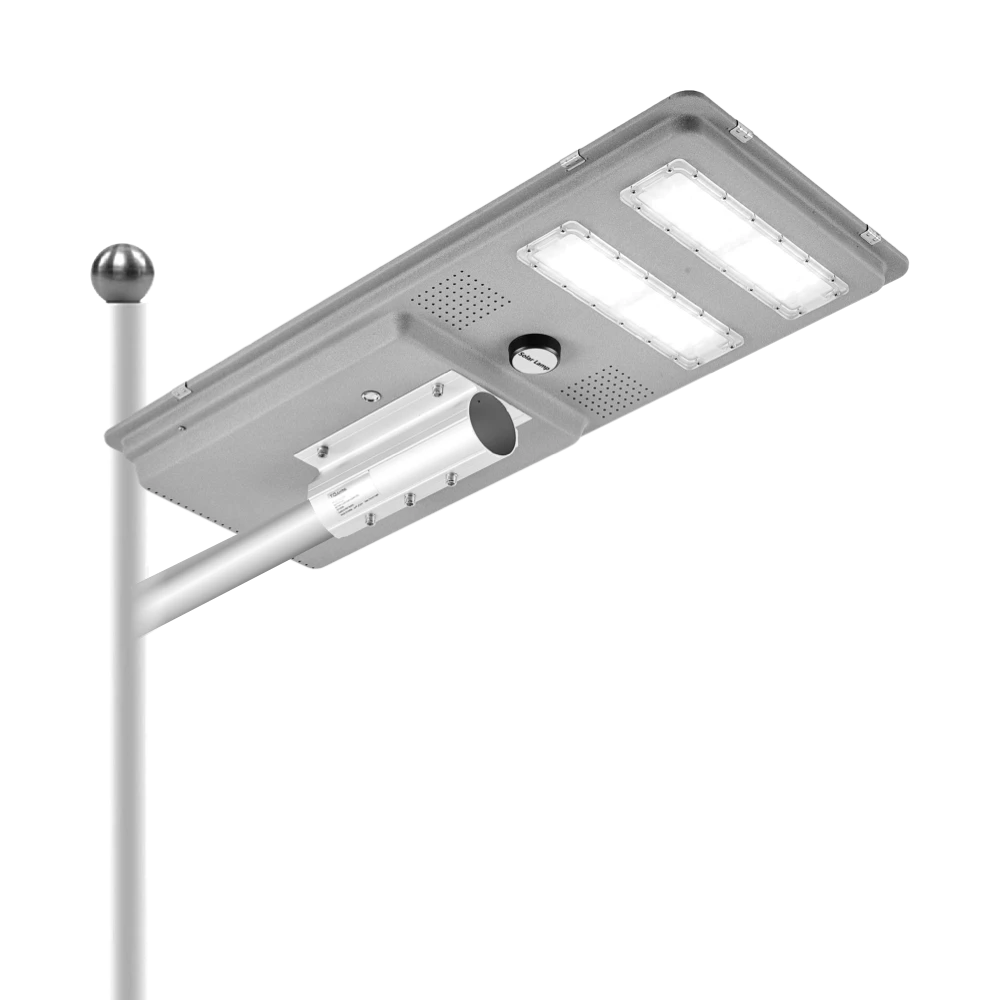
Queneng’s Solar Street Lights are designed to provide reliable, energy-efficient lighting for streets, parks, and other outdoor spaces.
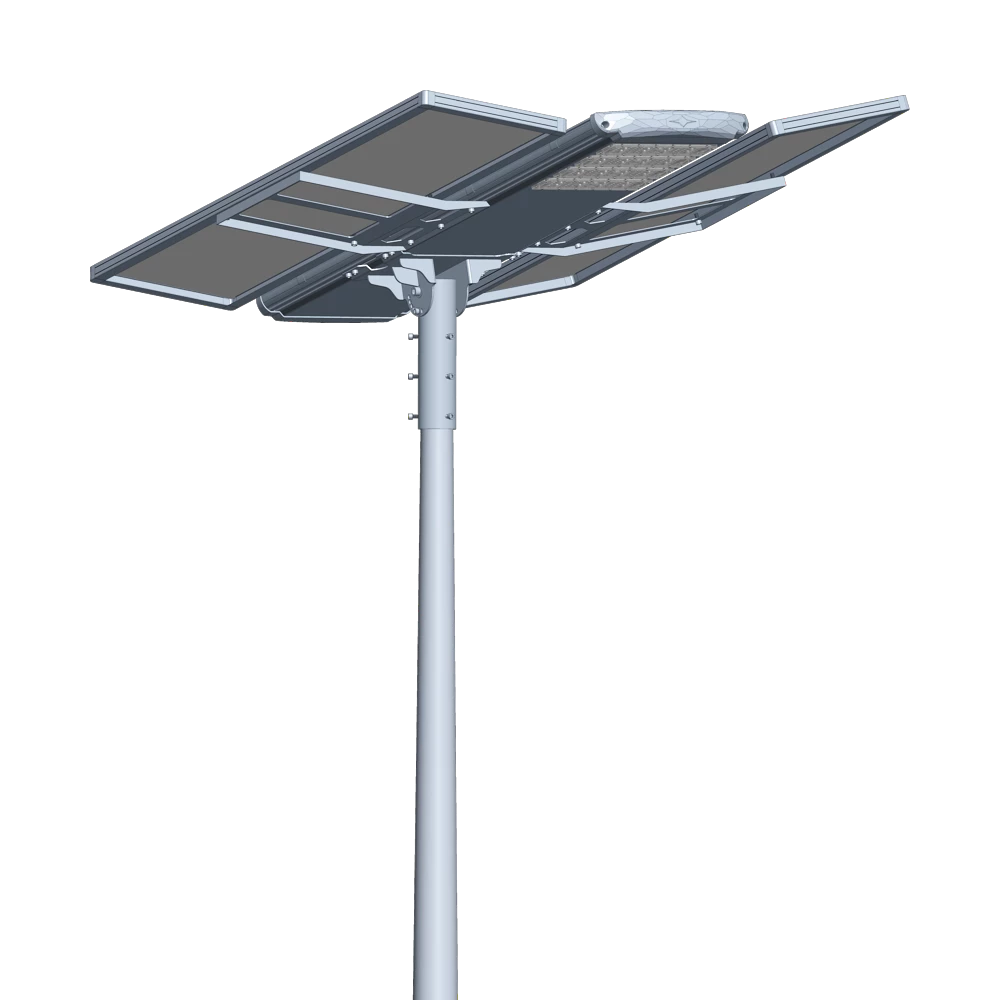
Introducing the Luqing Solar Street Light by Queneng, Efficient LED lighting powered by solar energy is perfect for illuminating outdoor areas. Harness the power of solar energy for sustainable, reliable street lighting. Ideal for eco-friendly, cost-effective outdoor illumination solutions.
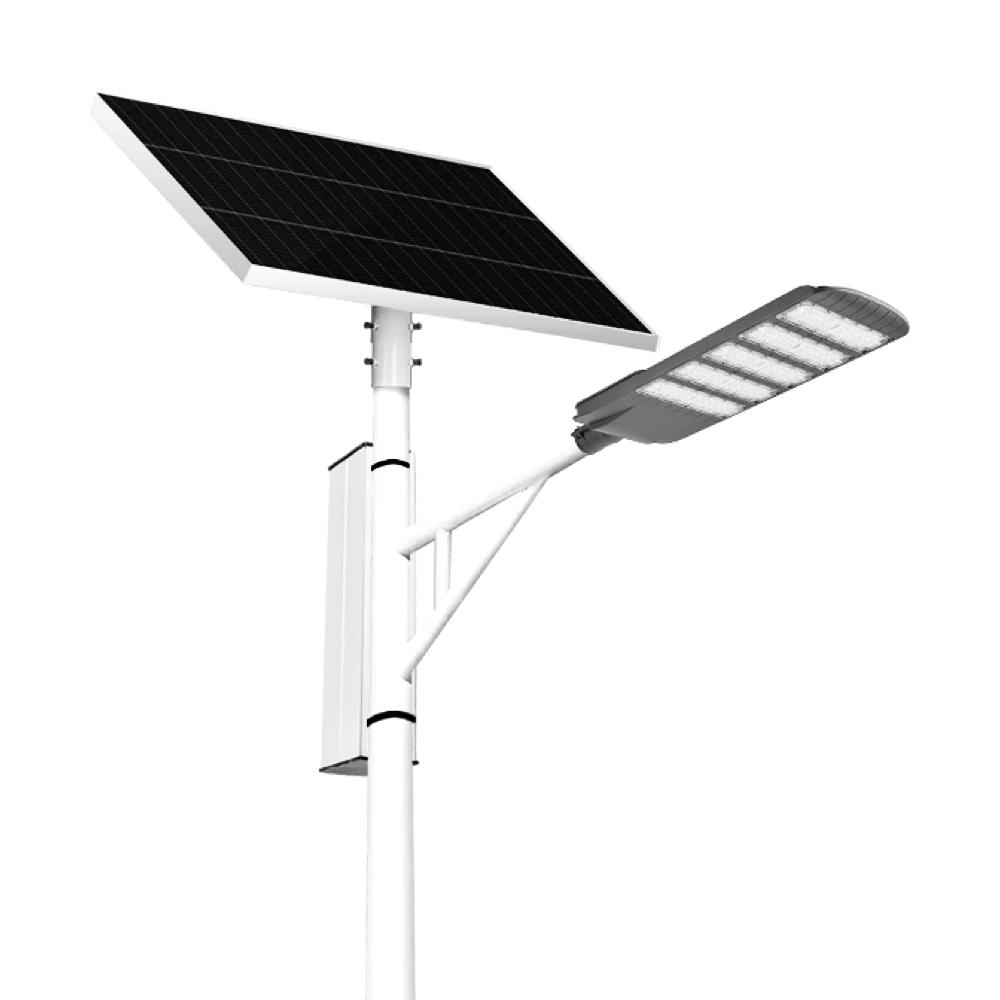
The Solar Streetlights of Luhao for Municipalities are designed to deliver reliable, energy-efficient, and cost-effective public lighting solutions. Equipped with advanced LED technology, durable lithium batteries, and high-efficiency solar panels, these streetlights provide consistent illumination for roads, parks, residential areas, and government projects.
If you would like more information about Queneng solar lighting solutions, please send us a message by filling out the form below. Our professional team will get back to you within 24 hours!
Rest assured that your privacy is important to us, and all information provided will be handled with the utmost confidentiality.
Schedule a Meeting
Book a date and time that is convenient for you and conduct the session in advance.
Have more questions about our products or services?
The messenger of light & power conversion
Environmental protection and intelligent manufacturing are our brand philosophy, and quality assurance and the best user experience are our eternal promises to users.
CONTACT
No.9F, Building F, Cao San Xin Tian Hong Logistics Park, Guzhen Town, Zhongshan City, Guangdong Province, China.
or write [email protected]
WhatsApp: +86 136 2270 1011


