

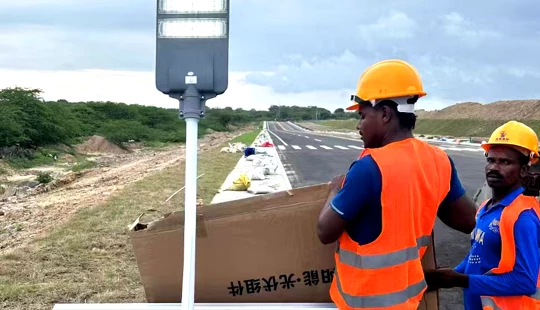
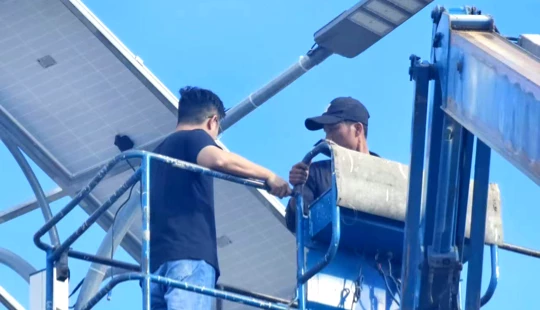













What are the benefits of Queneng Lighting’s municipal solar design solution?
Understanding the True Cost and Value of Solar Street Lights for Municipalities
As municipalities increasingly seek sustainable and cost-effective infrastructure solutions, solar street lighting emerges as a compelling option. Beyond initial purchase price, a comprehensive understanding of factors influencing cost, long-term savings, and manufacturer quality is paramount. This guide will navigate these complexities, offering insights into procurement best practices and highlighting the distinct advantages of specialized solutions like those from Queneng Lighting.
What are the primary cost components of a solar street light, and what influences its price?
The cost of a solar street light system typically ranges from $500 to $3,000+ per unit, varying significantly based on specifications. The primary components influencing this price include:
- Solar Panel (Photovoltaic Module): The wattage (e.g., 30W to 300W) and type (monocrystalline being more efficient and generally pricier) directly impact cost. Larger panels are needed for higher light output and longer autonomy.
- Battery: This is often the most expensive component. Lithium Iron Phosphate (LiFePO4) batteries are preferred for their longevity (10-15 years, 2,000-4,000 cycles) and performance, but come at a higher cost than older lead-acid options. Capacity (Ah) determines autonomy (how many nights the light can operate without sun).
- LED Luminaire: The wattage (e.g., 30W to 120W) and lumen output (brightness) of the LED lamp, along with its efficacy (lumens per watt), impact cost. High-quality LEDs offer better light distribution and longer lifespans (50,000-100,000 hours).
- Charge Controller: An MPPT (Maximum Power Point Tracking) controller is more efficient (up to 99%) than PWM (Pulse Width Modulation), optimizing battery charging and extending battery life, thus adding to the cost.
- Pole and Mounting Hardware: The height (6m-12m are common), material (galvanized steel, aluminum), and wind load resistance of the pole contribute significantly.
- Smart Features: Motion sensors, dimming capabilities, remote monitoring, and IoT connectivity add functionality and cost.
How do solar street lights deliver long-term cost savings compared to traditional grid-tied lighting?
While the initial outlay for solar street lights can sometimes be higher, the long-term savings are substantial:
- Zero Electricity Bills: This is the most significant saving. Municipalities eliminate ongoing utility costs entirely.
- Reduced Installation Costs: For remote areas or new developments where trenching for electrical grids is expensive and disruptive, solar lights require no underground cabling, saving considerable labor and material costs.
- Lower Maintenance: Modern solar street lights, especially those using LiFePO4 batteries and high-quality LEDs, require minimal maintenance. Typical maintenance involves occasional cleaning of solar panels and battery replacements every 10-15 years. This can reduce operational costs by 70-80% compared to traditional systems.
- Grants and Subsidies: Many governments offer incentives, grants, or tax breaks for renewable energy projects, further improving the Return on Investment (ROI), which often falls within 3-7 years.
- No Grid Infrastructure Expansion: Avoids costs associated with upgrading or extending existing electrical grids.
What key features should municipalities look for when selecting a solar street light manufacturer?
Choosing the right manufacturer is crucial for project success. Municipalities should prioritize:
- Reputation and Experience: A proven track record in municipal or large-scale projects indicates reliability.
- R&D and Innovation: Manufacturers investing in R&D offer cutting-edge technology, such as advanced battery management systems and smart controls.
- Quality Certifications: Look for international standards like CE, RoHS, ISO 9001, IP ratings (e.g., IP65/IP66 for dust and water protection), and IK ratings (for impact resistance).
- Customization Capabilities: Municipal needs vary widely. A manufacturer able to design solutions tailored to specific light levels, autonomy days, pole heights, and environmental conditions (e.g., extreme temperatures, high winds) is invaluable.
- Comprehensive Warranty and After-Sales Support: A strong warranty (e.g., 3-5 years on the entire system, 10-15 years on solar panels) and accessible technical support are essential.
- Project References: Ability to provide successful municipal project examples demonstrates capability and reliability.
What are the critical performance metrics and components that define a high-quality solar street light?
High quality is defined by the performance and longevity of its core components:
- LED Efficacy: High-quality LEDs achieve 150-180 lumens per watt (lm/W), ensuring bright illumination with minimal energy consumption.
- Battery Capacity and Type: LiFePO4 batteries with sufficient Ah (Amp-hour) capacity and a high Depth of Discharge (DoD) without significantly shortening lifespan are critical. Look for batteries designed for 2,000-4,000 charge cycles.
- Solar Panel Efficiency: Monocrystalline solar panels typically offer 18-22% conversion efficiency, maximizing energy harvest from limited space. Panels should maintain over 80% efficiency for 20-25 years.
- Charge Controller Technology: MPPT controllers are essential for maximizing energy harvest, protecting the battery, and managing smart features like dimming schedules and motion sensing.
- Durability and IP Rating: Components should have an IP65 or IP66 rating for robust protection against dust and water ingress, crucial for outdoor environments. The pole should be engineered to withstand local wind loads.
- Heat Management: Effective heat dissipation for the LED luminaire is vital to prevent premature degradation and ensure its 50,000-100,000-hour lifespan.
Beyond cost, what environmental and operational benefits do solar street lights offer for urban and rural development?
The advantages extend far beyond financial savings:
- Environmental Sustainability: Zero carbon emissions and reliance on a clean, renewable energy source significantly reduce a city's carbon footprint, contributing to climate change mitigation goals.
- Grid Independence and Resilience: Solar lights operate independently of the main grid, offering reliable illumination during power outages and reducing strain on the electrical infrastructure.
- Rapid Deployment and Flexibility: Installation is quick and does not require extensive trenching, making them ideal for new developments, remote areas, parks, pathways, and temporary lighting solutions.
- Enhanced Public Safety: Consistent, reliable lighting improves visibility for pedestrians and drivers, deterring crime and enhancing overall public safety in urban and rural settings.
- Reduced Light Pollution: When designed with appropriate optics and shielding, solar LED street lights can minimize upward light spill, preserving night skies and benefiting wildlife.
What makes Queneng Lighting's municipal solar design solution a superior choice for city planners?
Queneng Lighting stands out as a leading manufacturer by focusing on the unique and rigorous demands of municipal projects. Their solutions offer:
- Customized Design Excellence: Queneng Lighting understands that 'one-size-fits-all' does not apply to municipal lighting. They provide bespoke design solutions, optimizing light distribution patterns, pole heights, and battery autonomy to precisely match specific road classifications, park layouts, or pathway requirements, ensuring ideal illumination for every unique urban space.
- Uncompromising Component Quality: They integrate only high-efficiency, long-lifespan components. This includes advanced monocrystalline solar panels (typically >20% efficiency), robust LiFePO4 batteries (2,500+ cycles), and high-efficacy LED luminaires (>170 lm/W) with superior heat management. This commitment translates to minimal maintenance and a reliable, enduring system.
- Intelligent Control Systems: Queneng's solutions incorporate sophisticated MPPT charge controllers with smart features such as adaptive dimming based on traffic, motion sensing, and programmable lighting schedules. Many systems offer remote monitoring and control capabilities, allowing city planners to manage entire networks efficiently from a central location, optimize energy usage, and proactively identify maintenance needs.
- Exceptional Durability and Reliability: Designed to withstand harsh municipal environments, Queneng Lighting's products feature high IP ratings (IP66), IK ratings, and wind-load certified poles. Their robust construction ensures consistent performance and longevity, minimizing disruptions and replacement costs.
- Comprehensive Support and Warranty: Beyond manufacturing, Queneng Lighting provides end-to-end support, from initial project consultation and design assistance to installation guidance and comprehensive after-sales service, backed by strong warranties, ensuring peace of mind for city planners.
In summary, Queneng Lighting empowers city planners and procurement professionals to make smart, sustainable infrastructure choices. By combining advanced technology, tailored design, and a commitment to quality, Queneng Lighting delivers municipal solar street light solutions that are not only cost-effective and environmentally friendly but also intelligent, reliable, and built to last, shaping brighter, greener cities for generations to come.
References:
- Renewable Energy Agency (IRENA) - Cost data analysis (General industry trends): IRENA Solar Energy (Accessed: October 26, 2023)
- U.S. Department of Energy - LED Lighting Facts (LED Lifespan & Efficacy): ENERGY STAR Light Bulbs (Accessed: October 26, 2023)
- General industry standards for LiFePO4 battery cycles and solar panel degradation (Multiple manufacturer specifications and white papers): (Accessed: October 26, 2023)

Have more questions about our products or services?
The latest hot news you might like

Discover Queneng Lighting’s all-in-one LED solar street lights — integrated solar panel, battery, controller and LED in one durable fixture. Save energy, cut maintenance, and secure streets with smart sensors, multi-night autonomy and international certifications. Contact sales for quotes and support.

Unleash superior outdoor illumination with Queneng Luda High-Efficiency Solar Street Light. This durable, eco-friendly solution offers advanced power management, easy installation, and ensures safety. Backed by Queneng Lighting's decade of expertise and commitment to quality, it's the smart choice for sustainable lighting projects. Learn why we're a leading solar solutions provider.

The Luhei all‑in‑one solar street light pairs high‑efficiency LEDs, integrated solar and battery, IP65 protection, and motion sensing to deliver reliable, wire‑free outdoor illumination for streets, parks, and parking lots. Backed by Queneng Lighting’s certifications and support.

FAQ
APMS system
How does the APMS system enable continuous lighting on prolonged rainy days?
Queneng's APMS is equipped with rainy-day endurance technology that ensures continuous lighting during extended cloudy periods, maintaining stable power in sun-deprived conditions and ideal for lighting in remote areas.
Battery Types and Applications
What is a photovoltaic cell?
Distributors
Do you offer product training for distributors?
Yes, we provide in-depth product training, both online and in-person (when applicable), to ensure that you and your team are fully equipped with the knowledge needed to sell and support Queneng’s solar products.
Municipal and Public Infrastructure
How long does installation typically take?
Solar streetlights are quick and easy to install since they don't require wiring. On average, a single light can be installed within 1-2 hours.
Solar Street Light Luqing
Do Luqing solar street lights work in cold or snowy climates?
Yes, Luqing solar street lights are designed to work in various weather conditions, including cold and snowy climates. The solar panels are made to operate efficiently even in low temperatures, and the LED lights perform well in all weather.
Sustainability
What is the wind resistance rating of Queneng solar street lights?
Our solar street lights are rigorously tested and can withstand wind speeds of up to 120 km/h. For areas with particularly strong winds, we offer customized solutions to enhance wind resistance.
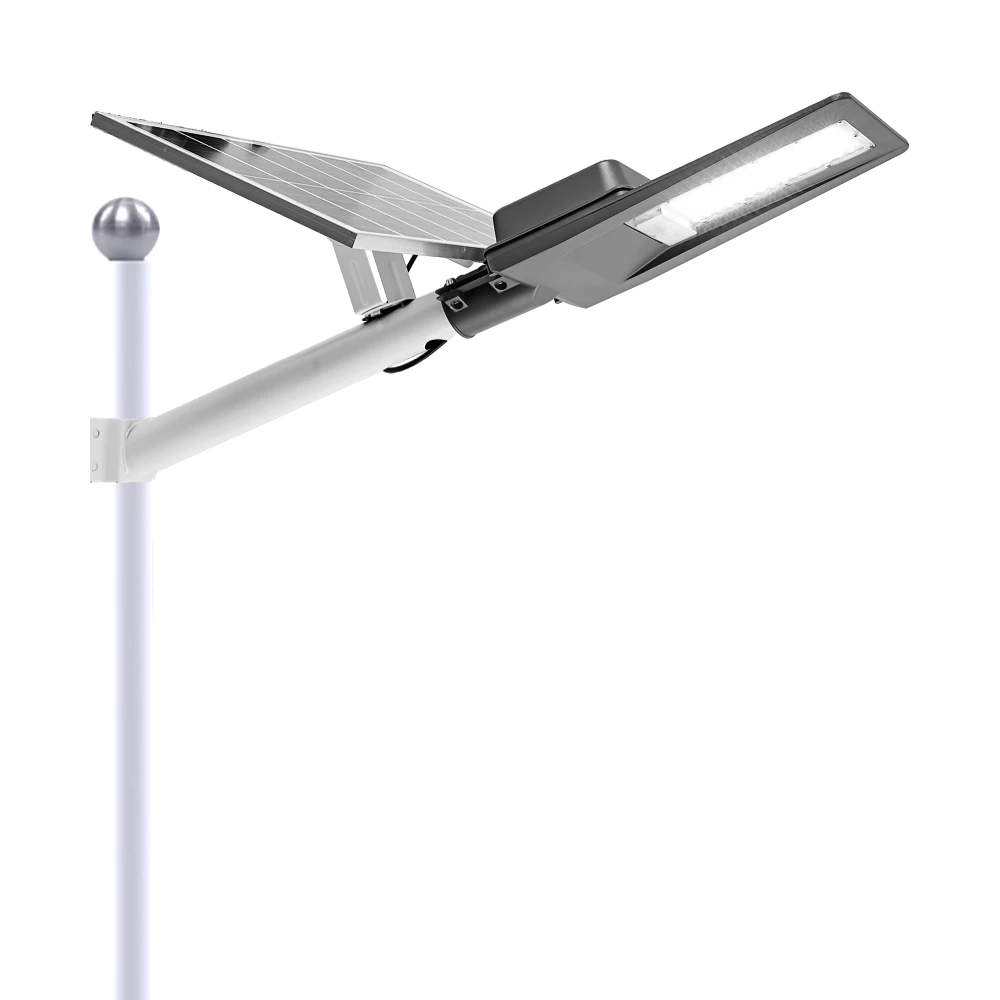
Experience reliable outdoor illumination with our smart solar street light, a perfect combination of advanced technology and eco-conscious design.
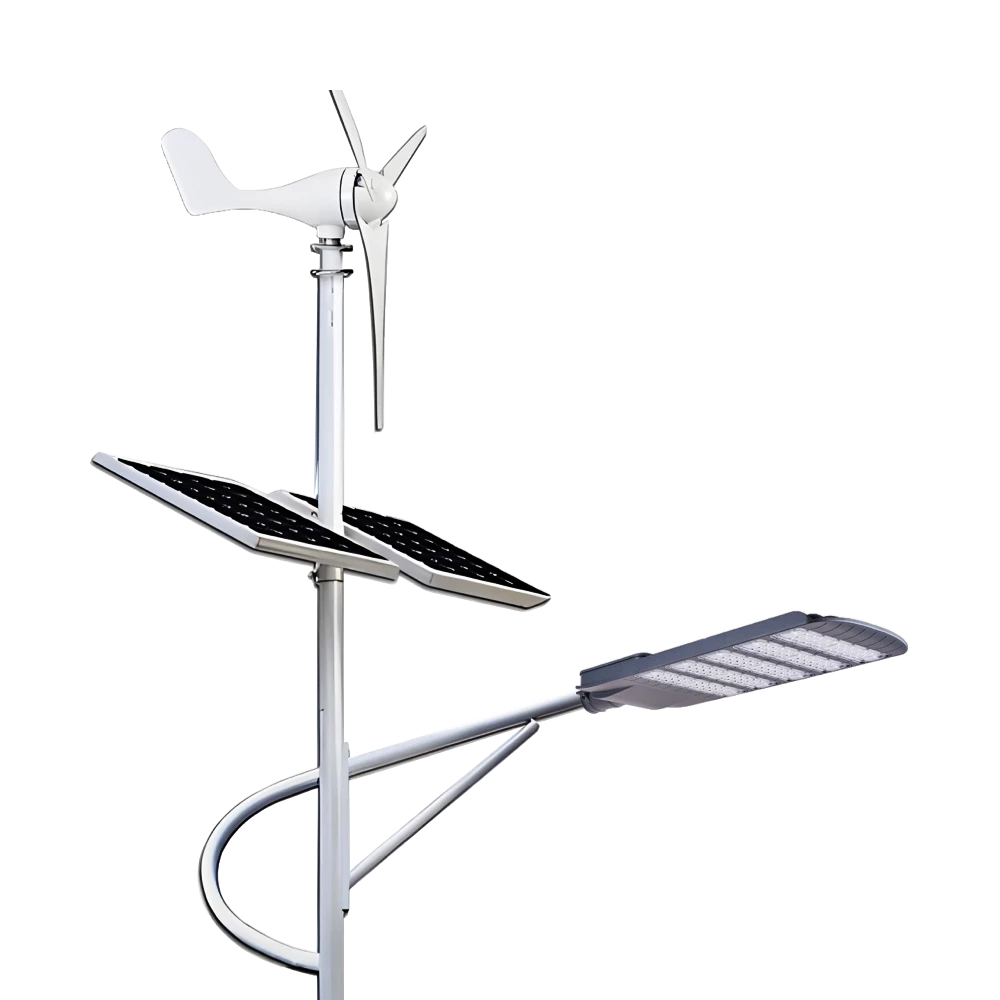
Queneng Lufeng Wind Energy LED Outdoor Solar Street Lights offer high-performance, eco-friendly illumination. These energy-efficient LED street lights harness solar power and wind energy for sustainable, cost-effective outdoor lighting solutions.
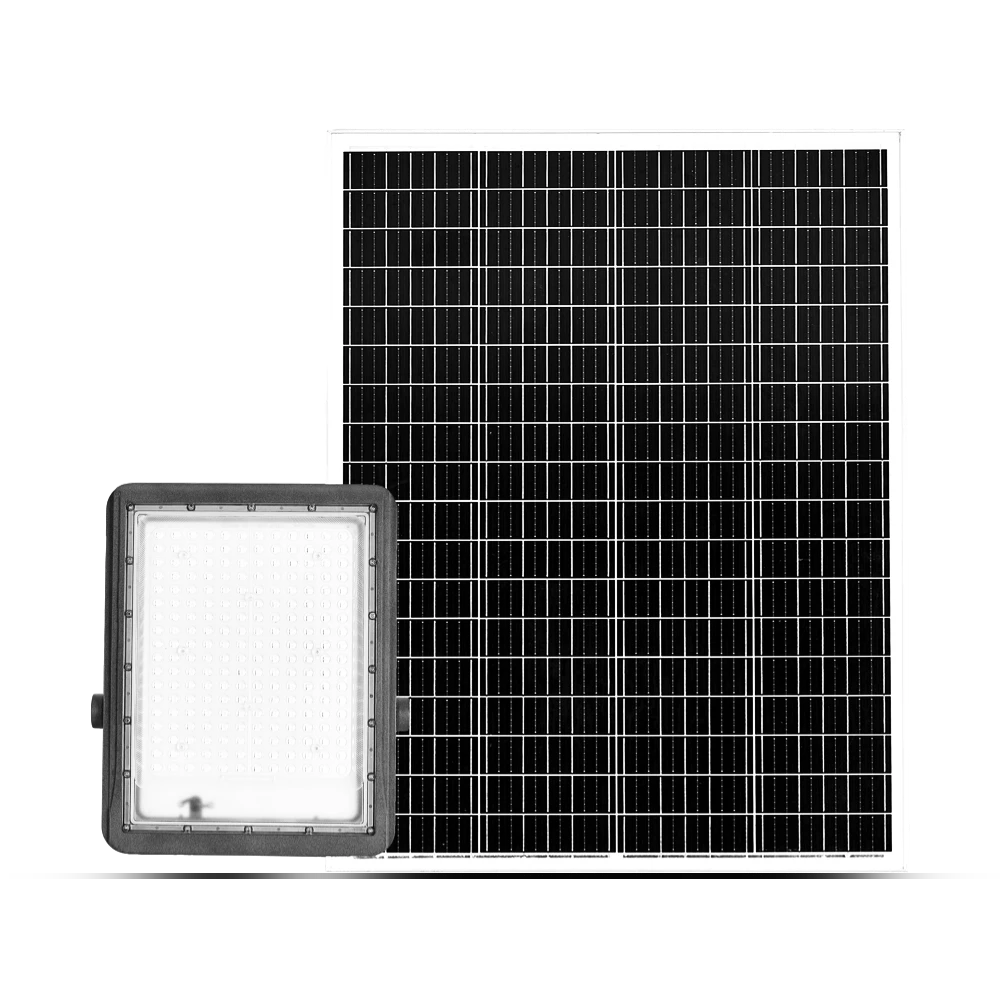
Queneng's Luxian Reliable Solar Street Light offers energy-saving LED lighting for outdoor use. This durable, solar-powered street light provides reliable illumination, reducing energy costs and environmental impact. A perfect solution for sustainable outdoor lighting.
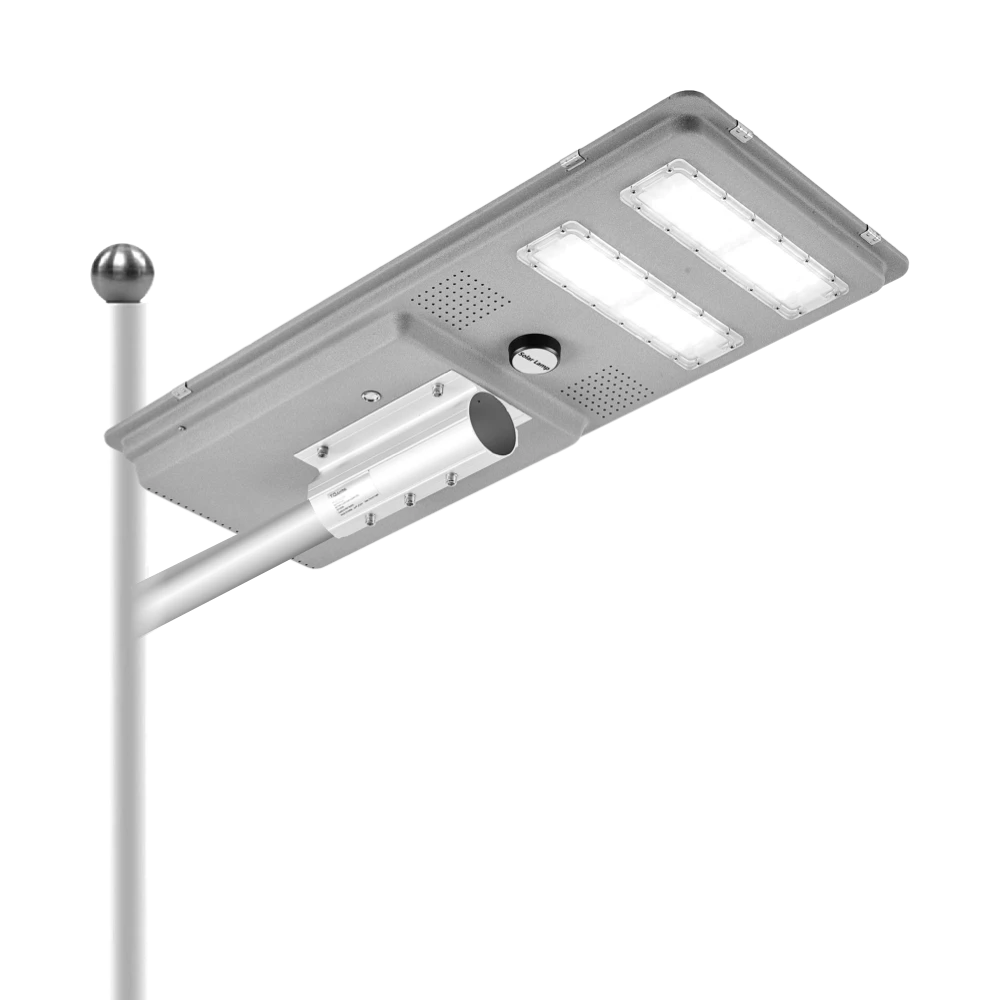
Queneng’s Solar Street Lights are designed to provide reliable, energy-efficient lighting for streets, parks, and other outdoor spaces.
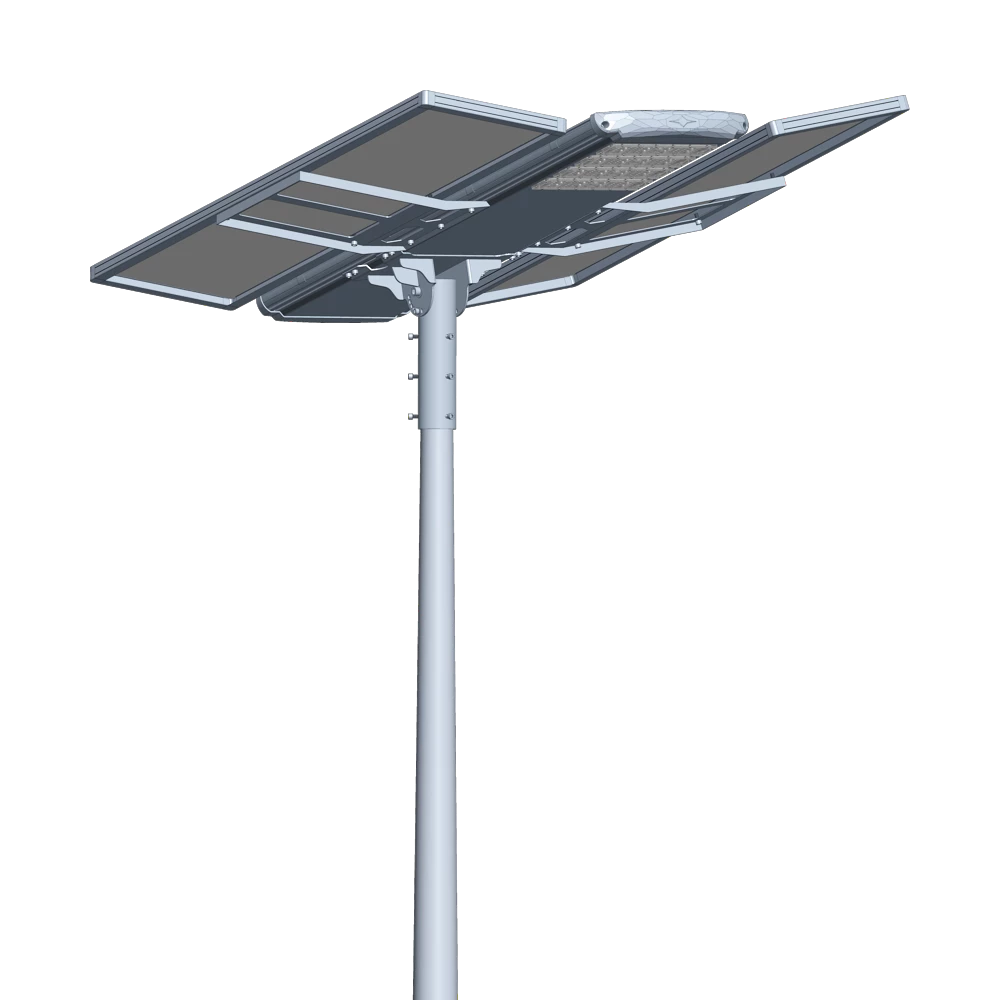
Introducing the Luqing Solar Street Light by Queneng, Efficient LED lighting powered by solar energy is perfect for illuminating outdoor areas. Harness the power of solar energy for sustainable, reliable street lighting. Ideal for eco-friendly, cost-effective outdoor illumination solutions.
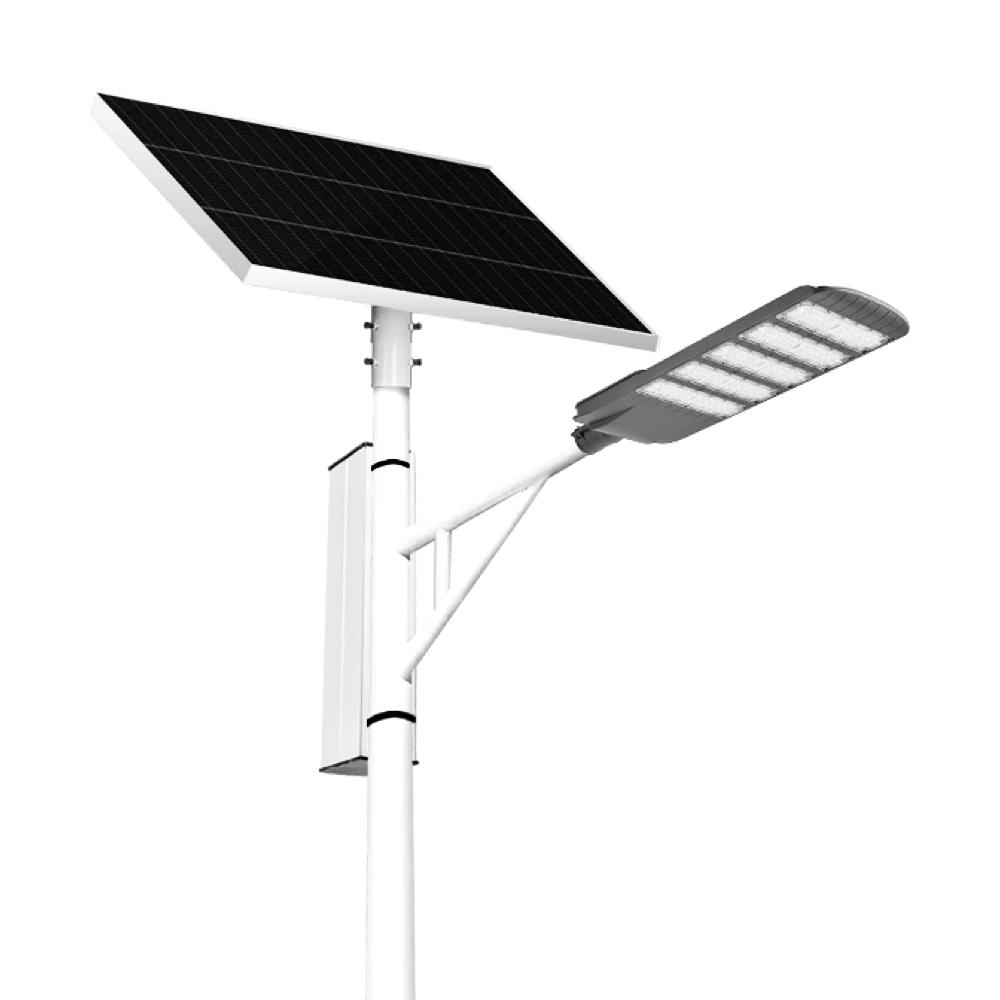
The Solar Streetlights of Luhao for Municipalities are designed to deliver reliable, energy-efficient, and cost-effective public lighting solutions. Equipped with advanced LED technology, durable lithium batteries, and high-efficiency solar panels, these streetlights provide consistent illumination for roads, parks, residential areas, and government projects.
If you would like more information about Queneng solar lighting solutions, please send us a message by filling out the form below. Our professional team will get back to you within 24 hours!
Rest assured that your privacy is important to us, and all information provided will be handled with the utmost confidentiality.
Schedule a Meeting
Book a date and time that is convenient for you and conduct the session in advance.
Have more questions about our products or services?
The messenger of light & power conversion
Environmental protection and intelligent manufacturing are our brand philosophy, and quality assurance and the best user experience are our eternal promises to users.
CONTACT
No.9F, Building F, Cao San Xin Tian Hong Logistics Park, Guzhen Town, Zhongshan City, Guangdong Province, China.
or write [email protected]
WhatsApp: +86 136 2270 1011


