













Why is local UV exposure important when choosing solar street light panels?
Mastering Solar Street Light Procurement: Insights for Professional Buyers
Buying solar street lights involves more than just picking a design; it requires a deep understanding of technology, costs, and environmental factors. For professionals, making an informed decision is crucial for project success and long-term performance. This guide addresses common questions to equip you with the knowledge needed for smart procurement.
What Factors Influence the Overall Cost of a Solar Street Light, and What's the Typical ROI?
The cost of a solar street light is a blend of several key components and associated services. Understanding these helps in budgeting and evaluating long-term value:
- Solar Panel: The wattage, efficiency (e.g., monocrystalline panels often offer 20-22% efficiency but come at a higher cost than polycrystalline), and brand impact the price.
- Battery: The type (LiFePO4 being the most durable and popular choice due to its long cycle life of 2,000-4,000 cycles and enhanced safety), capacity (measured in Ah or Wh), and battery management system (BMS) are significant cost drivers.
- LED Luminaire: Lumens per watt (efficiency, typically 150-180 lm/W for quality LEDs), brand of LED chips (e.g., Philips, Osram), color temperature, and beam angle affect pricing.
- Controller: Advanced Maximum Power Point Tracking (MPPT) controllers, which can increase charging efficiency by 15-30% compared to Pulse Width Modulation (PWM) controllers, are more expensive but offer superior performance.
- Pole & Fixtures: Material (galvanized steel, aluminum), height, design, and wind load rating contribute substantially to the total cost.
- Installation & Freight: These vary based on location and project scale.
While the upfront cost of a solar street light might be higher than a traditional grid-powered light, the Return on Investment (ROI) is primarily realized through significant long-term savings. These include:
- Zero Electricity Bills: Eliminating monthly utility costs.
- Reduced Installation Costs: No trenching, cabling, or grid connection fees.
- Minimal Maintenance: Lower operational expenses over the system's lifespan.
Depending on local electricity rates and installation complexities, the typical ROI period for a well-designed solar street light system can range from 3 to 7 years. After this period, the system essentially provides free lighting for the remainder of its operational life.
How Do I Choose a Reliable Solar Street Light Manufacturer?
Selecting the right manufacturer is paramount for the success and longevity of your solar street light project. Look for these critical attributes:
- Experience and Reputation: A manufacturer with a proven track record (e.g., 10+ years in the industry) and a strong portfolio of successful projects demonstrates reliability. Check client testimonials and case studies.
- R&D and Innovation: The ability to innovate and integrate the latest technologies (e.g., advanced battery chemistry, efficient LED drivers, intelligent control systems) indicates a forward-thinking and competitive manufacturer.
- Quality Control and Certifications: Ensure the manufacturer adheres to international quality standards such as ISO 9001 (Quality Management) and ISO 14001 (Environmental Management). Individual product certifications like CE, RoHS, and specific IEC standards for solar panels (e.g., IEC 61215 for crystalline silicon terrestrial PV modules) are crucial. A high ingress protection (IP) rating (e.g., IP65 or IP66) for the luminaire and battery enclosure is also essential for outdoor durability.
- Component Sourcing: Reliable manufacturers use high-quality, branded components (e.g., Bridgelux/Philips/Osram LEDs, reputable solar cells, LiFePO4 batteries from known suppliers) rather than generic parts.
- Customization Capabilities: The ability to tailor solutions to specific project needs (e.g., varying lumen output, pole heights, autonomy days, smart features) is vital for complex installations.
- Warranty and After-Sales Support: A comprehensive warranty (e.g., 3-5 years for the whole system, 10-25 years for solar panels) and accessible technical support are indicators of a manufacturer's confidence in their product and commitment to client satisfaction.
- Transparent Communication: A reliable manufacturer will provide clear specifications, detailed datasheets, and honest advice, avoiding inflated claims.
Why Is Local UV Exposure a Critical Factor When Choosing Solar Street Light Panels?
Ultraviolet (UV) radiation, a component of sunlight, can significantly impact the long-term performance and lifespan of solar panels if not adequately addressed in their design. This phenomenon is known as UV degradation or photodegradation.
- Material Degradation: The encapsulant (often Ethylene Vinyl Acetate or EVA) and the backsheet materials in solar panels are particularly susceptible to UV radiation. Prolonged exposure can cause:
- Yellowing/Discoloration: Leading to reduced light transmission to the solar cells, thereby decreasing power output. Studies have shown that EVA yellowing can reduce module power by up to 10-20% over 10-15 years, especially in high-UV regions.
- Cracking/Delamination: Compromising the structural integrity of the module and allowing moisture ingress, which further accelerates degradation and corrosion of internal components.
- Reduced Efficiency and Lifespan: As these materials degrade, the overall efficiency of the solar panel decreases. This directly translates to less power generated, potentially leading to insufficient charging for the street light's battery and compromised autonomy, especially during extended cloudy periods. Over time, severe degradation can drastically shorten the effective lifespan of the panel, undermining the system's long-term viability.
- Regional Variation: The intensity of UV radiation varies significantly by geographic location. Regions closer to the equator, at higher altitudes, or with consistently clear skies experience higher average daily UV indexes. Therefore, a panel designed for a low-UV environment might fail prematurely in a high-UV region.
- Importance of UV-Resistant Materials: Manufacturers must use UV-stabilized encapsulants, highly durable backsheets (e.g., with superior UV-blocking additives), and sometimes even specialized anti-reflective coatings that offer enhanced UV protection. Reputable manufacturers perform accelerated aging tests (e.g., UV exposure tests as part of IEC 61215 certification) to simulate decades of UV exposure and ensure material resilience.
When procuring, understanding your project's local UV index and ensuring the chosen solar panels are specifically rated and tested for such conditions is crucial for guaranteeing optimal performance and a long operational lifespan.
What Key Technical Specifications Should I Prioritize When Evaluating Solar Street Lights?
A robust solar street light system relies on a harmonious balance of its core components. Prioritize these specifications:
- Solar Panel:
- Wattage (Wp): Must be adequately sized to charge the battery daily, considering local solar insolation (peak sun hours) and desired autonomy.
- Efficiency: Higher efficiency (e.g., 20-22% for monocrystalline) means more power generation from a smaller panel area.
- Degradation Rate: Quality panels typically have a degradation rate of around 0.5% per year after the first year, ensuring sustained performance over their 20-25 year warranty.
- Battery:
- Type: LiFePO4 (Lithium Iron Phosphate) is generally preferred for street lights due to its high cycle life (2,000-4,000 cycles at 80% Depth of Discharge or DoD), wide operating temperature range (-20°C to 60°C), and enhanced safety profile.
- Capacity (Ah or Wh): Determines the autonomy or how many nights the light can operate without sufficient solar charging (typically 2-5 days for reliability).
- Depth of Discharge (DoD): The percentage of the battery that can be safely used. LiFePO4 batteries allow for higher DoD (e.g., 80-90%) without significant impact on lifespan compared to other chemistries.
- LED Luminaire:
- Lumen Output (lm) & Efficacy (lm/W): Specifies brightness and how efficiently electrical power is converted into light. Aim for high efficacy (e.g., 150-180 lm/W) for energy efficiency.
- Color Temperature (CCT): Typically 3000K (warm white) for residential areas or 4000K-5000K (neutral to cool white) for general street lighting, depending on aesthetic and visibility requirements.
- Beam Angle/Light Distribution: Important for uniform illumination across the street area without glare. IES files should be available for photometric analysis.
- Charge Controller:
- Type: MPPT (Maximum Power Point Tracking) controllers are superior, optimizing power extraction from the solar panel by up to 30% compared to PWM controllers, especially in varying weather conditions.
- Features: Look for intelligent dimming functions, overcharge/over-discharge protection, reverse polarity protection, and temperature compensation for battery longevity.
- Pole & Mounting:
- Material & Finish: Hot-dip galvanized steel or aluminum for corrosion resistance.
- Wind Resistance: Must be engineered to withstand local maximum wind speeds.
- Height: Appropriate for desired light coverage and intensity.
What Is the Expected Lifespan of Solar Street Lights, and What Maintenance Do They Require?
One of the significant advantages of modern solar street lights is their long lifespan and minimal maintenance requirements.
Expected Lifespan:
- Solar Panel: High-quality monocrystalline or polycrystalline solar panels typically come with a performance warranty of 20-25 years, guaranteeing around 80% of their initial output after this period.
- LED Luminaire: The LED light source itself has an exceptionally long lifespan, often rated for 50,000 to 100,000 operating hours. This translates to 10-20 years of typical night-time operation.
- Battery: LiFePO4 batteries, commonly used in quality systems, are designed for 5-10 years of service life, or 2,000-4,000 charge/discharge cycles, before their capacity significantly diminishes (typically below 80% of original capacity).
- Charge Controller & Wiring: These components generally have a lifespan similar to the battery or longer, often exceeding 10-15 years, provided they are well-protected from elements and surges.
- Pole: A hot-dip galvanized steel pole can last 20-30 years or more with proper galvanization.
Maintenance Requirements:
Solar street lights are largely self-sufficient, requiring minimal upkeep compared to traditional lighting:
- Panel Cleaning: The most frequent maintenance task is cleaning the solar panel surface, typically once or twice a year, to remove dust, dirt, bird droppings, or snow that can obstruct sunlight and reduce charging efficiency. In very dusty environments, more frequent cleaning might be necessary.
- Visual Inspection: Periodically inspect the entire system for any visible damage, loose connections, or signs of wear and tear. This can be done annually.
- Battery Monitoring/Replacement: While batteries have a long cycle life, they are the component most likely to require replacement first. Modern systems often include remote monitoring, allowing performance to be tracked. Battery replacement is typically needed after 5-10 years, depending on usage and environmental conditions.
- No Wiring Checks or Bulb Replacements: Unlike traditional lights, there are no underground wires to check for faults or frequent bulb replacements.
Overall, the low maintenance cost significantly contributes to the attractive total cost of ownership (TCO) of solar street lights.
Can Solar Street Lights Be Customized for Specific Project Requirements?
Absolutely. One of the significant advantages of working with experienced solar street light manufacturers is their capability for extensive customization. Standard models are a starting point, but most professional-grade projects demand tailored solutions to meet unique environmental, aesthetic, and functional needs.
Customization options typically include:
- Lumen Output and Light Distribution: Adjusting the brightness (lumens) and the light beam pattern (e.g., Type II, Type III, Type IV distributions) to achieve precise illumination levels and coverage areas for different road widths, pathways, or public spaces.
- Pole Height and Design: Custom pole heights (e.g., 3 meters to 12 meters or more), materials (galvanized steel, aluminum, even decorative options), and aesthetic designs to integrate seamlessly with urban or landscape architecture.
- Battery Capacity and Autonomy: Increasing or decreasing battery size to provide more days of autonomy (e.g., 5-7 cloudy days) for regions with less consistent sunlight, or to ensure specific operating hours.
- Solar Panel Wattage and Orientation: Sizing the solar panel specifically to the light's power consumption and local peak sun hours, with options for adjustable tilt angles for optimal sun exposure.
- Smart Control Systems: Integration of advanced features like:
- Motion Sensors (PIR): To dim lights when no presence is detected, conserving power.
- IoT Connectivity: For remote monitoring, diagnostics, and control of individual lights or groups.
- Timers and Dimming Schedules: Pre-programmed operational modes to adjust brightness throughout the night.
- Color Temperature (CCT): Selecting specific Kelvin ratings (e.g., 3000K, 4000K, 5000K) to match project aesthetics or comply with local regulations (e.g., dark sky friendly lighting).
- Additional Features: Integration of CCTV cameras, Wi-Fi hotspots, EV charging points, or environmental sensors into the pole structure, transforming a street light into a 'smart pole'.
- Ingress Protection (IP) and Wind Load Ratings: Tailoring these specifications to withstand specific harsh environmental conditions (e.g., coastal areas with high humidity, regions with strong winds).
When engaging with a manufacturer, clearly articulating your project's specific requirements will allow them to propose the most efficient and cost-effective customized solution.
What Certifications Should I Look for in a Solar Street Light and Its Manufacturer?
Certifications are crucial indicators of product quality, safety, environmental compliance, and the manufacturer's operational integrity. For solar street lights, prioritize the following:
Manufacturer Certifications:
- ISO 9001:2015 (Quality Management System): This is fundamental. It indicates that the manufacturer has a robust quality management system in place, ensuring consistent product quality, customer satisfaction, and continuous improvement throughout the production process.
- ISO 14001:2015 (Environmental Management System): Demonstrates the manufacturer's commitment to minimizing their environmental footprint and complying with environmental regulations.
- OHSAS 18001 (Occupational Health and Safety Assessment Series) or ISO 45001: While less about the product directly, it reflects responsible manufacturing practices and employee welfare.
Product Certifications:
- CE Mark (Conformité Européenne): Essential for products sold within the European Economic Area. It signifies that the product meets EU safety, health, and environmental protection requirements.
- RoHS (Restriction of Hazardous Substances): Complements CE, restricting the use of certain hazardous materials in electrical and electronic products, ensuring environmental friendliness.
- IEC Standards for Solar Panels (e.g., IEC 61215, IEC 61730):
- IEC 61215: Specifies the design qualification and type approval for crystalline silicon terrestrial PV modules, ensuring they meet rigorous performance and durability standards.
- IEC 61730: Outlines safety requirements for PV modules, covering electrical, mechanical, fire, and thermal aspects.
- IP Rating (Ingress Protection): Crucial for outdoor lighting.
- IP65: Fully protected against dust ingress and low-pressure water jets from any direction. Often the minimum for luminaires.
- IP66: Protected against dust ingress and powerful water jets. Ideal for harsh environments.
- IP67/IP68: For components submerged in water (e.g., some battery enclosures).
- UL Listing (Underwriters Laboratories): Common in North America, indicating that products have been tested and found to meet specific safety standards.
- Photometric Data (IES Files): While not a certification, it's a critical technical document. Reputable manufacturers provide IES files, which allow lighting designers to perform accurate simulations and verify light distribution and intensity using specialized software.
Always request copies of these certifications and verify their validity to ensure you are investing in reliable, safe, and compliant solar street lighting solutions.
Conclusion: Quenenglighting – Your Partner in Sustainable Illumination
When navigating the complexities of solar street light procurement, choosing a manufacturer that combines innovation, quality, and dedicated support is paramount. Quenenglighting stands as a leader in this field, offering distinct advantages for professional buyers:
- High Quality Component Integration: We exclusively utilize high-performance LiFePO4 batteries, high-efficiency monocrystalline solar panels (e.g., 20%+ efficiency), and advanced MPPT controllers, ensuring superior energy conversion and system longevity.
- Robust R&D and Customization: Our strong R&D capabilities allow us to not only stay at the forefront of solar lighting technology but also to offer extensive customization options, tailoring solutions precisely to your project's specific environmental, aesthetic, and functional requirements, including optimized UV-resistant panel designs for any climate.
- Uncompromising Quality and Certification: Quenenglighting products are manufactured under strict ISO 9001 and ISO 14001 standards, carrying essential certifications like CE, RoHS, and high IP ratings (e.g., IP66), validating our commitment to global quality and safety benchmarks.
- Exceptional Lifespan and Minimal Maintenance: Engineered for durability, our systems boast extended operational lifespans for all components, coupled with minimal maintenance needs, translating to a low total cost of ownership and sustained performance.
- Comprehensive Support and Warranty: We stand behind our products with robust warranties and dedicated after-sales support, ensuring peace of mind and long-term satisfaction for all our clients.
Partner with Quenenglighting to illuminate your projects with reliable, efficient, and sustainable solar street lighting solutions designed for excellence.
Sources:
- Solar Panel Efficiency & Degradation: Based on industry standards and research from organizations like NREL (National Renewable Energy Laboratory) and PV Magazine data. (e.g., NREL's PV Degradation Rate Studies - Access Date: October 26, 2023)
- LiFePO4 Battery Cycle Life & Characteristics: General data from battery manufacturers' specifications and industry reports on energy storage solutions. (e.g., Various LiFePO4 battery manufacturer datasheets - Access Date: October 26, 2023)
- LED Luminaire Efficacy & Lifespan: Industry benchmarks from LED manufacturers (e.g., Philips, Osram, Bridgelux) and lighting research bodies. (e.g., DOE Solid-State Lighting Program reports - Access Date: October 26, 2023)
- MPPT Controller Efficiency: Technical specifications provided by leading charge controller manufacturers. (e.g., Victron Energy or Morningstar technical documentation - Access Date: October 26, 2023)
- UV Degradation of Solar Panels: Research papers and articles on solar panel material science and performance in high-UV environments. (e.g., Solar Energy Materials and Solar Cells Journal articles on EVA degradation - Access Date: October 26, 2023)
- Certifications (ISO, CE, RoHS, IEC, IP, UL): International and regional standards bodies' guidelines. (e.g., Official ISO website, IEC website, EU Commission directives - Access Date: October 26, 2023)
- ROI & Cost Factors: Industry reports and analyses on solar street light economics and total cost of ownership. (e.g., Market research reports on renewable energy lighting solutions - Access Date: October 26, 2023)

Have more questions about our products or services?
The latest hot news you might like

Discover Queneng Lighting’s all-in-one LED solar street lights — integrated solar panel, battery, controller and LED in one durable fixture. Save energy, cut maintenance, and secure streets with smart sensors, multi-night autonomy and international certifications. Contact sales for quotes and support.

Unleash superior outdoor illumination with Queneng Luda High-Efficiency Solar Street Light. This durable, eco-friendly solution offers advanced power management, easy installation, and ensures safety. Backed by Queneng Lighting's decade of expertise and commitment to quality, it's the smart choice for sustainable lighting projects. Learn why we're a leading solar solutions provider.

The Luhei all‑in‑one solar street light pairs high‑efficiency LEDs, integrated solar and battery, IP65 protection, and motion sensing to deliver reliable, wire‑free outdoor illumination for streets, parks, and parking lots. Backed by Queneng Lighting’s certifications and support.

FAQ
Solar Street Light Luqing
What kind of battery is used in Luqing solar street lights?
Luqing solar street lights typically use lithium-ion batteries, known for their efficiency, long life, and ability to handle high numbers of charge cycles compared to other battery types like lead-acid.
How long does the solar street light last?
The lifespan of a solar street light depends on the quality of the components, but typically, the solar panels can last up to 25 years, and the LED lights last 50,000 hours or more. The battery generally lasts between 3-5 years, after which it may need to be replaced.
Battery and Analysis
What are the possible reasons for zero or low voltage in a single battery?
2) The battery is continuously overcharged by high-rate and large current, causing the battery core to expand and the positive and negative electrodes to directly contact and short-circuit, etc.;
3) There is an internal short circuit or micro-short circuit in the battery, such as improper placement of the positive and negative electrode plates, resulting in a short circuit between the electrode plates, or contact between the positive and negative electrode plates, etc.
Battery Performance and Testing
What is the internal resistance in charging state and what is the difference between internal resistance in discharging state?
Industry
Can Queneng’s solar street lighting system operate in harsh weather conditions?
Yes, Queneng’s solar street lighting systems are specially designed to function well in extreme weather. Our equipment is waterproof, corrosion-resistant, and windproof, making it suitable for a variety of climates.
Tourist Attractions and Resorts
What is the lifespan of solar lighting systems for tourist attractions and resorts?
The lifespan of solar lighting systems typically ranges from 5 to 10 years, depending on the quality of the materials and the environment in which they are used. Proper maintenance can extend the lifespan significantly.
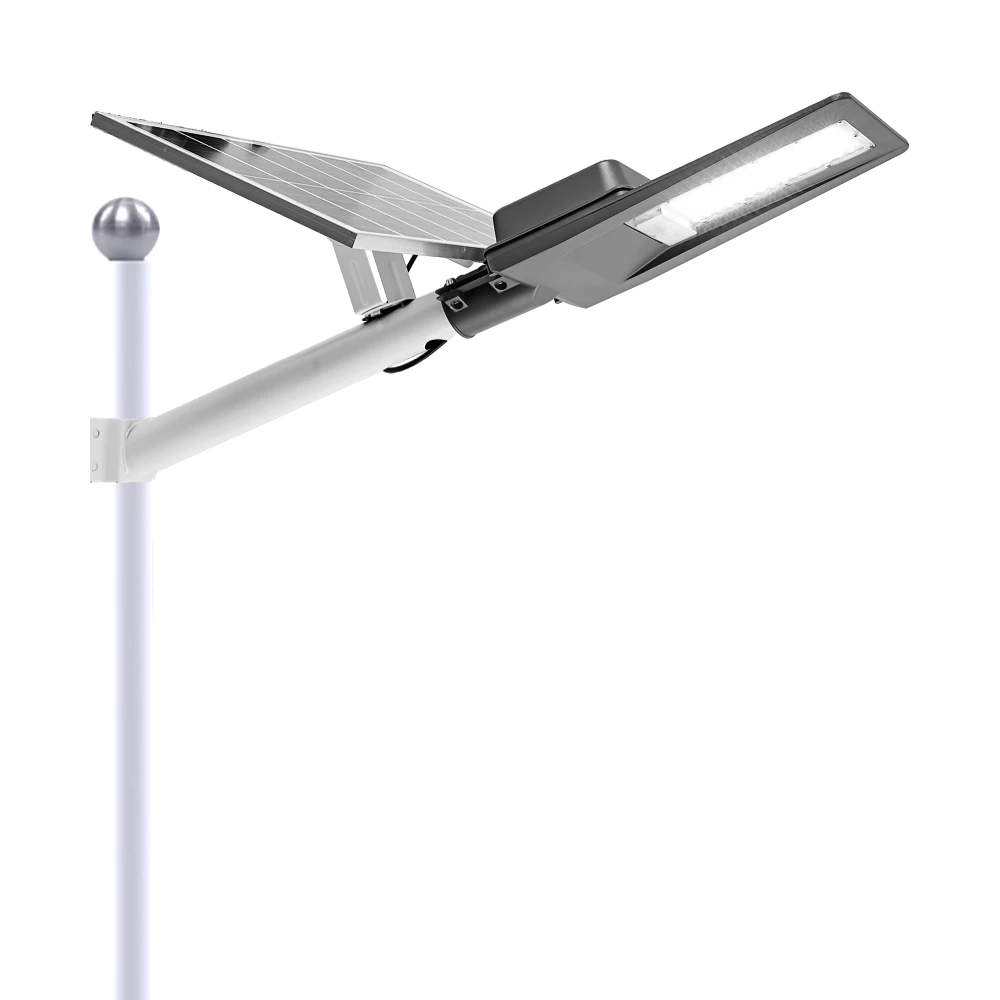
Experience reliable outdoor illumination with our smart solar street light, a perfect combination of advanced technology and eco-conscious design.
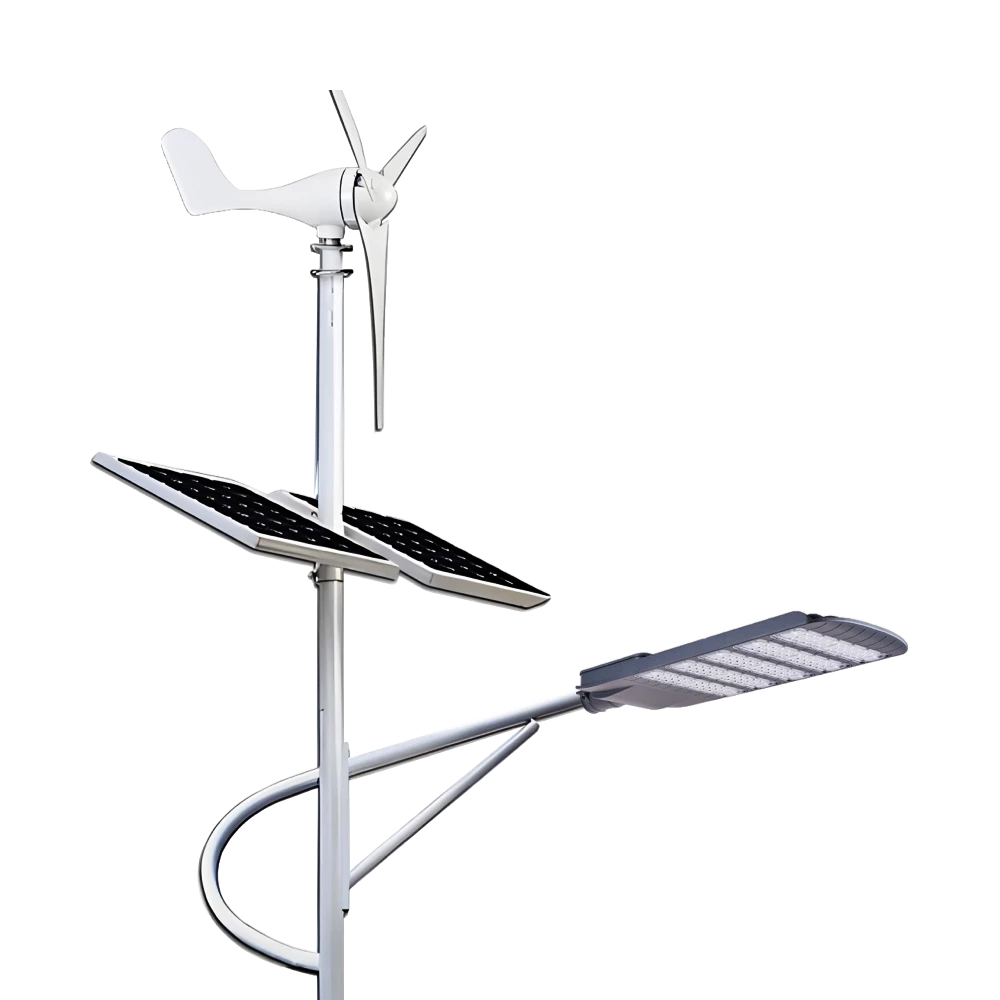
Queneng Lufeng Wind Energy LED Outdoor Solar Street Lights offer high-performance, eco-friendly illumination. These energy-efficient LED street lights harness solar power and wind energy for sustainable, cost-effective outdoor lighting solutions.
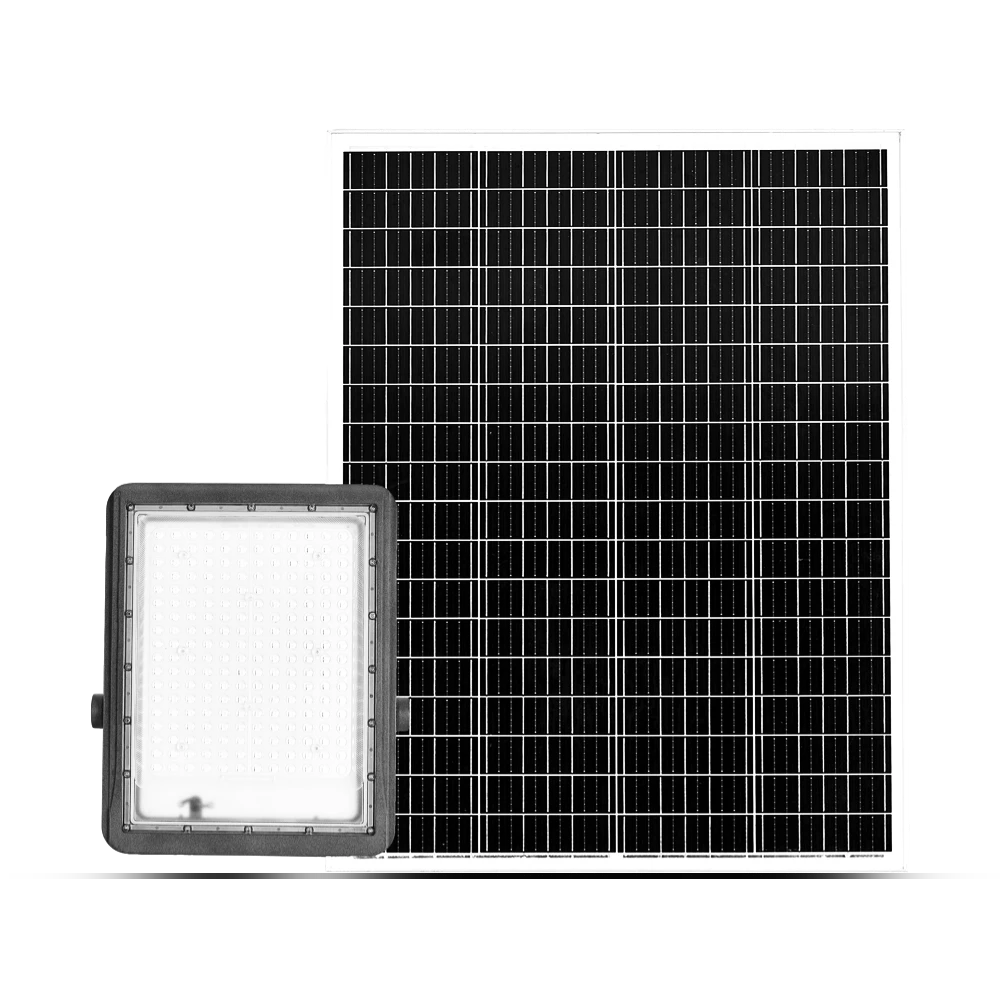
Queneng's Luxian Reliable Solar Street Light offers energy-saving LED lighting for outdoor use. This durable, solar-powered street light provides reliable illumination, reducing energy costs and environmental impact. A perfect solution for sustainable outdoor lighting.
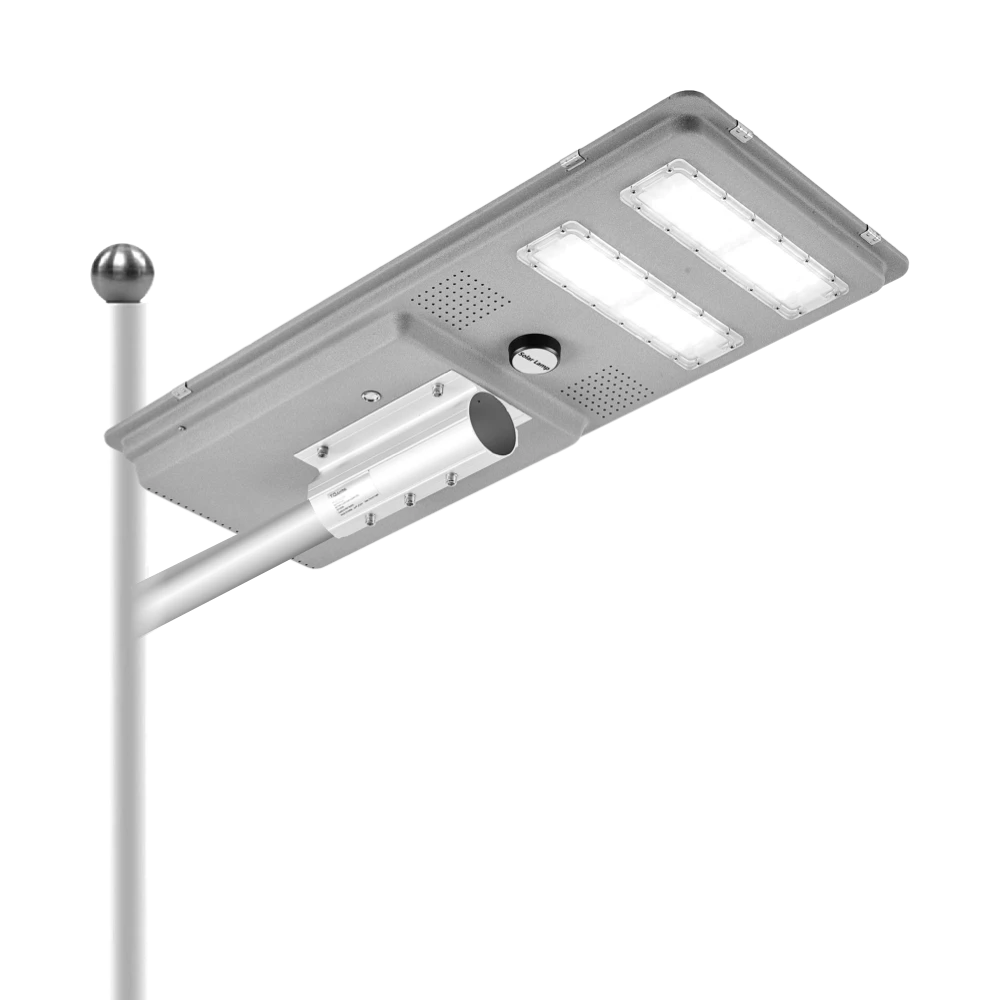
Queneng’s Solar Street Lights are designed to provide reliable, energy-efficient lighting for streets, parks, and other outdoor spaces.
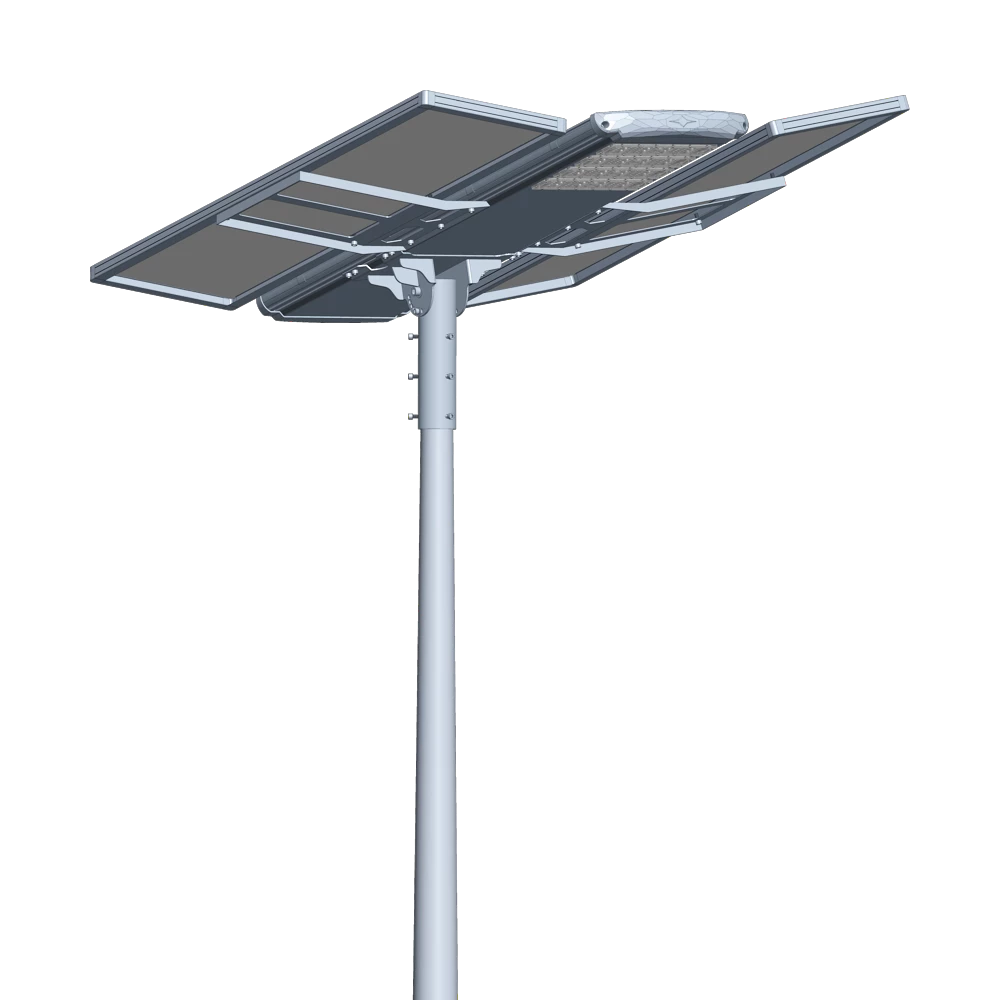
Introducing the Luqing Solar Street Light by Queneng, Efficient LED lighting powered by solar energy is perfect for illuminating outdoor areas. Harness the power of solar energy for sustainable, reliable street lighting. Ideal for eco-friendly, cost-effective outdoor illumination solutions.
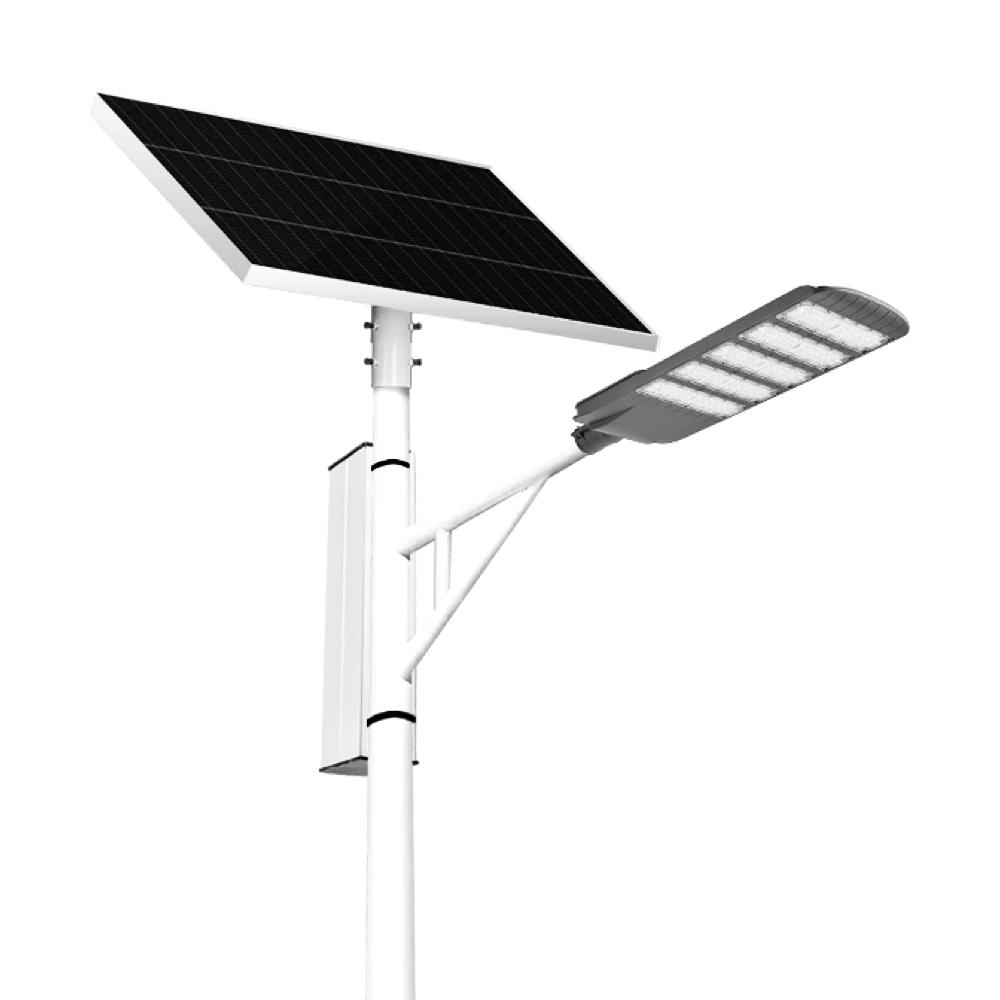
The Solar Streetlights of Luhao for Municipalities are designed to deliver reliable, energy-efficient, and cost-effective public lighting solutions. Equipped with advanced LED technology, durable lithium batteries, and high-efficiency solar panels, these streetlights provide consistent illumination for roads, parks, residential areas, and government projects.
If you would like more information about Queneng solar lighting solutions, please send us a message by filling out the form below. Our professional team will get back to you within 24 hours!
Rest assured that your privacy is important to us, and all information provided will be handled with the utmost confidentiality.
Schedule a Meeting
Book a date and time that is convenient for you and conduct the session in advance.
Have more questions about our products or services?
The messenger of light & power conversion
Environmental protection and intelligent manufacturing are our brand philosophy, and quality assurance and the best user experience are our eternal promises to users.
CONTACT
No.9F, Building F, Cao San Xin Tian Hong Logistics Park, Guzhen Town, Zhongshan City, Guangdong Province, China.
or write [email protected]
WhatsApp: +86 136 2270 1011


