

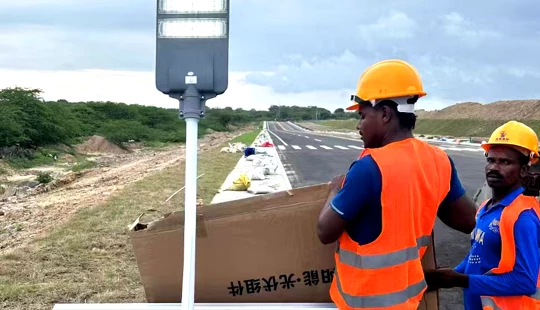
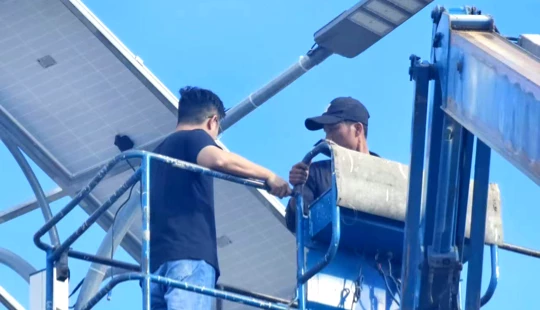













What certifications are required for government solar lighting projects?
Navigating Solar Street Light Procurement: Costs, Manufacturers & Certifications
As the demand for sustainable and energy-efficient infrastructure grows, solar street lights have become a popular choice for municipalities, developers, and private organizations worldwide. However, purchasing these advanced lighting solutions requires a clear understanding of various factors, from initial costs and manufacturing quality to critical certifications for government projects. This guide aims to answer your most pressing questions, equipping you with the professional knowledge needed for smart procurement.
1. What is the typical cost range for solar street lights, and what factors influence it?
The cost of solar street lights can vary significantly, generally ranging from $200 to over $3000 per unit, excluding installation. This wide range is influenced by several key factors:
- LED Wattage & Lumen Output: Higher brightness (e.g., 60W LED producing 6,000-8,000 lumens) demands more powerful components.
- Battery Capacity & Type: Lithium Iron Phosphate (LiFePO4) batteries are preferred for their longer lifespan and performance, but are more expensive than lead-acid batteries. Capacity (Ah or Wh) determines autonomy (how many nights it can operate without sunlight). A system with 3-5 nights autonomy will be costlier.
- Solar Panel Wattage: The size and power (Wp) of the solar panel must match the system's energy consumption and local solar irradiance levels. Larger panels mean higher costs.
- Controller Features: Advanced MPPT controllers with dimming functions, motion sensors, and smart city connectivity (LoRaWAN, Zigbee) add to the cost but optimize performance and energy saving.
- Pole Material & Height: Galvanized steel or aluminum poles are standard, with height (e.g., 6m vs. 9m) and structural design (wind load resistance) impacting price.
- Brand & Quality: Reputable manufacturers using high-quality components (e.g., Bridgelux, Philips LEDs; A-grade LiFePO4 cells) often have higher initial costs but offer better reliability and longer lifespans.
- Integrated vs. Split Design: All-in-one designs can sometimes be more cost-effective due to simpler installation, but split systems offer greater flexibility in component sizing.
While the upfront cost might seem higher than traditional lighting, solar street lights offer significant long-term savings by eliminating electricity bills and reducing trenching/cabling costs during installation.
2. How do I choose a reliable solar street light manufacturer?
Selecting the right manufacturer is crucial for a successful project. Consider the following:
- Experience & Track Record: Look for manufacturers with several years of experience in solar lighting and a portfolio of successful projects, especially in similar climates or applications.
- Certifications: Verify that the manufacturer holds relevant quality management certifications (e.g., ISO 9001) and that their products meet international standards (CE, RoHS, IP rating).
- Component Quality: Inquire about the brands and specifications of key components (LED chips, solar cells, battery cells, controller). Reputable component suppliers indicate a commitment to quality.
- R&D and Innovation: A manufacturer committed to R&D ensures access to the latest technologies, such as advanced battery management systems, intelligent controls, and higher efficiency components.
- Customization Capabilities: Can they tailor solutions to your specific lumen requirements, autonomy needs, pole heights, or aesthetic preferences?
- After-Sales Support & Warranty: A comprehensive warranty (e.g., 3-5 years for the system, 10-25 years for solar panels) and accessible technical support are vital.
- Production Capacity & Lead Time: Ensure they can meet your project's volume and timeline requirements.
- Factory Audits: If possible, conducting a factory audit or requesting a third-party audit report can provide insight into their production processes and quality control.
3. What key certifications are essential for solar street lights, especially for government projects?
Government solar lighting projects often have stringent requirements to ensure quality, safety, and environmental compliance. Essential certifications include:
- ISO 9001 (Quality Management System): Demonstrates a manufacturer's commitment to quality processes and continuous improvement.
- ISO 14001 (Environmental Management System): Indicates responsible environmental practices in manufacturing.
- CE (Conformité Européenne): Mandatory for products sold within the European Economic Area, ensuring they meet health, safety, and environmental protection standards.
- RoHS (Restriction of Hazardous Substances): Certifies that the product is free from specific hazardous materials (e.g., lead, mercury).
- IP Rating (Ingress Protection): Critical for outdoor products, IP65 (dust tight and protected against water jets) or IP66 (dust tight and protected against powerful water jets) are common requirements for solar luminaires and battery enclosures.
- IEC Standards (International Electrotechnical Commission): Various standards for solar PV modules (e.g., IEC 61215 for crystalline silicon terrestrial PV modules), luminaires (e.g., IEC 60598 series), and batteries.
- UL (Underwriters Laboratories): A widely recognized safety certification in North America for electrical products. Often required for projects in the US and Canada.
- FCC (Federal Communications Commission): For products sold in the US that may emit radio frequency energy, ensuring they do not interfere with other devices.
- IESNA (Illuminating Engineering Society of North America): While not a certification, adherence to IESNA guidelines for lighting design (e.g., light distribution, uniformity) is often specified in project tenders.
- Country-Specific Certifications: Depending on the project location, local certifications like BIS (India), SASO (Saudi Arabia), or other regional standards might be necessary.
Always verify the validity and scope of these certifications with the manufacturer and ensure they are applicable to the specific products being procured.
4. What is the expected lifespan and maintenance requirement for solar street lights?
Modern solar street lights are designed for long-term, low-maintenance operation:
- LED Light Engine: High-quality LED chips typically have a lifespan of 50,000 to 100,000 hours, equating to 10-20 years of operation at 10-12 hours per night.
- LiFePO4 Battery: These batteries offer 2000-4000 charge/discharge cycles, translating to an operational lifespan of 5-10 years before significant capacity degradation.
- Solar Panel: Crystalline silicon solar panels come with a performance warranty of 20-25 years, guaranteeing at least 80% of their original output.
- Controller: Advanced controllers can last 5-10 years.
- Poles & Fixtures: Galvanized poles can last 20+ years, while aluminum fixtures are highly durable.
Maintenance: Solar street lights are largely maintenance-free. Key activities include:
- Annual Panel Cleaning: Removing dust, dirt, or debris to ensure optimal solar energy harvesting.
- Battery Check: Monitoring battery health and performance, typically after 5-7 years.
- Fixture Cleaning: Periodically cleaning the LED lens for optimal light output.
- Pole Inspection: Checking for structural integrity or corrosion every few years.
5. What are the advantages of LiFePO4 batteries in solar street lights?
LiFePO4 (Lithium Iron Phosphate) batteries have become the gold standard for solar street lights due to several compelling advantages over traditional lead-acid batteries:
- Longer Cycle Life: LiFePO4 batteries offer significantly more charge/discharge cycles (2000-4000+) compared to lead-acid (300-1000 cycles), leading to a much longer lifespan and lower total cost of ownership.
- Higher Energy Density: They are lighter and more compact for the same energy capacity, making them ideal for all-in-one solar street light designs.
- Better Performance in Extreme Temperatures: LiFePO4 batteries perform well in a wider temperature range (e.g., -20°C to 60°C) with less capacity loss, crucial for varied outdoor environments.
- Enhanced Safety: They are inherently more stable and less prone to thermal runaway or explosion risks compared to other lithium-ion chemistries.
- Faster Charging: LiFePO4 batteries can accept a higher charge current, leading to quicker full charges on sunny days.
- Consistent Output Voltage: They maintain a relatively stable output voltage throughout their discharge cycle, ensuring consistent light brightness.
- Environmentally Friendly: They do not contain toxic heavy metals like lead.
6. How do I determine the right wattage and brightness for my solar street lighting project?
Determining the correct wattage and brightness (lumen output) is critical for effective illumination and cost-efficiency. It involves several considerations:
- Application Area: Different areas require different light levels:
- Residential Streets/Pathways: Typically 15-30W LED, 1,500-3,000 lumens.
- Main Roads/Highways: 40-80W+ LED, 4,000-10,000+ lumens.
- Parking Lots/Squares: Similar to main roads, depending on size and activity.
- Parks/Gardens: Lower wattage, often for ambiance or safety (e.g., 10-20W LED).
- Pole Height & Spacing: Taller poles and wider spacing require higher lumen output to achieve adequate light uniformity on the ground. For example, a 6m pole might use a 30W LED, while a 9m pole might need a 60W LED for the same ground illumination.
- Required Illuminance Level (Lux): Consult relevant lighting standards (e.g., IESNA, local municipal codes) which specify minimum average lux levels for different road types. For instance, a residential street might require 5-10 lux, while a main road could need 15-20 lux.
- Light Distribution Pattern: The type of LED lens (Type II, Type III, Type IV) influences how light spreads. A good manufacturer will provide photometric data (IES files) to simulate light distribution.
- Local Environment: Consider ambient light pollution and whether overly bright lights are necessary or could cause glare.
- Autonomy Requirements: The chosen wattage directly impacts energy consumption, which in turn dictates the required battery capacity and solar panel size for desired autonomy (e.g., 3-5 cloudy days).
It's highly recommended to consult with the manufacturer's lighting engineers or use lighting design software to perform a photometric analysis for optimal results.
7. What kind of warranty should I expect from a solar street light manufacturer?
A robust warranty provides peace of mind and reflects the manufacturer's confidence in their product. Typically, you should expect:
- Full System Warranty: 2-5 years for the entire solar street light unit, covering manufacturing defects in the luminaire, battery, controller, and internal wiring.
- LED Light Source Warranty: Often longer, 5-10 years, reflecting the extended lifespan of quality LED chips.
- Solar Panel Performance Warranty: Industry standard is 20-25 years, guaranteeing a certain percentage of original power output (e.g., 90% in the first 10 years, 80% in 25 years).
- Battery Warranty: For LiFePO4 batteries, expect 3-7 years, often tied to a minimum capacity retention (e.g., 70-80% of original capacity).
Always review the warranty terms and conditions carefully, including what is covered, the process for claims, and who bears the cost of shipping or replacement parts. A clear, easily accessible warranty policy is a hallmark of a reliable manufacturer.
Quenenglighting: Your Partner in Sustainable Lighting
At Quenenglighting, we understand the complexities of solar street light procurement. With years of expertise in research, development, and manufacturing, we are committed to providing high-quality, reliable, and intelligent solar lighting solutions. Our products leverage cutting-edge LiFePO4 battery technology, high-efficiency solar panels, and smart control systems to deliver superior performance and longevity. We adhere to stringent international quality standards, holding certifications like ISO 9001, CE, and RoHS, ensuring our products meet the demanding requirements of government and large-scale projects. We offer comprehensive customization options, robust warranties, and dedicated after-sales support, making us the ideal partner for your next sustainable lighting initiative.
References:
- Solar Street Light Pricing Trends. (Date: June 2023). Industry Analysis,
- International Electrotechnical Commission (IEC) Standards Overview. (Date: Ongoing). https://www.iec.ch/standards
- Underwriters Laboratories (UL) Certification. (Date: Ongoing). https://www.ul.com/
- Illuminating Engineering Society (IES) Lighting Handbook. (Date: Latest Edition, e.g., 2023).
- Lithium Iron Phosphate (LiFePO4) Battery Technology Review. (Date: 2022).
- General LED Lifespan and Luminous Efficacy Data. (Date: 2023).

Have more questions about our products or services?
The latest hot news you might like

Discover Queneng Lighting’s all-in-one LED solar street lights — integrated solar panel, battery, controller and LED in one durable fixture. Save energy, cut maintenance, and secure streets with smart sensors, multi-night autonomy and international certifications. Contact sales for quotes and support.

Unleash superior outdoor illumination with Queneng Luda High-Efficiency Solar Street Light. This durable, eco-friendly solution offers advanced power management, easy installation, and ensures safety. Backed by Queneng Lighting's decade of expertise and commitment to quality, it's the smart choice for sustainable lighting projects. Learn why we're a leading solar solutions provider.

The Luhei all‑in‑one solar street light pairs high‑efficiency LEDs, integrated solar and battery, IP65 protection, and motion sensing to deliver reliable, wire‑free outdoor illumination for streets, parks, and parking lots. Backed by Queneng Lighting’s certifications and support.

FAQ
Solar Street Light Chuanqi
How do Chuanqi solar street lights differ from traditional street lights?
Chuanqi solar street lights are powered by solar energy, making them a sustainable and eco-friendly alternative to traditional street lights that rely on the electrical grid. They use energy-efficient LED technology that reduces electricity consumption while providing reliable, bright lighting. Unlike traditional lights, Chuanqi solar street lights operate independently of the grid, reducing installation costs and maintenance.
Solar Street Light Luan
What is the lifespan of Luan solar street lights?
Luan solar street lights have an impressive lifespan. The LEDs can last up to 50,000 hours, and the solar panels can perform efficiently for 25 years or more. The batteries typically last 3 to 5 years, depending on usage and environmental conditions, ensuring long-term value.
Public Gardens and Landscape Lighting
Can solar lights be customized for specific landscaping needs?
Yes, we offer customizable solar lighting solutions to meet the unique needs of different landscaping projects. From adjusting the brightness to selecting the appropriate lighting style and design, we can tailor our products to fit your vision.
Battery Types and Applications
What is a fuel cell? How to classify?
The most common classification method is according to the type of electrolyte. Based on this, fuel cells can be divided into alkaline fuel cells, which generally use potassium hydroxide as the electrolyte; phosphoric acid fuel cells, which use concentrated phosphoric acid as the electrolyte; proton exchange membrane fuel cells, which use concentrated phosphoric acid as the electrolyte. A fully fluorinated or partially fluorinated sulfonic acid proton exchange membrane is used as the electrolyte; a molten carbonate fuel cell uses molten lithium-potassium carbonate or lithium-sodium carbonate as an electrolyte; a solid oxide fuel cell, Solid oxides are used as oxygen ion conductors, such as yttria-stabilized zirconium oxide films as electrolytes. Batteries are sometimes classified according to battery temperature and are divided into low-temperature fuel cells (operating temperature below 100°C), including alkaline fuel cells and proton exchange membrane fuel cells; medium-temperature fuel cells (operating temperature between 100-300°C), including Bacon-type alkaline fuel cells and phosphoric acid-type fuel cells; high-temperature fuel cells (operating temperature between 600-1000°C), including molten carbonate fuel cells and solid oxide fuel cells.
APMS system
How is the ultra-low temperature control function of the APMS system achieved?
The APMS system uses a specially designed control module that maintains stable operation at extremely low temperatures, ensuring reliability even at -50°C.
Battery Performance and Testing
What is a vibration experiment?
After the battery is discharged to 1.0V at 0.2C, charge it at 0.1C for 16 hours. After leaving it aside for 24 hours, it vibrates according to the following conditions:
Amplitude: 0.8mm
Make the battery vibrate between 10HZ-55HZ, increasing or decreasing at a vibration rate of 1HZ every minute.
The battery voltage change should be within ±0.02V, and the internal resistance change should be within ±5mΩ. (Vibration time is 90min)
The lithium battery vibration experiment method is:
After the battery is discharged to 3.0V at 0.2C, charge it to 4.2V with 1C constant current and constant voltage, with a cut-off current of 10mA. After leaving it aside for 24 hours, it vibrates according to the following conditions:
The vibration experiment was carried out with the vibration frequency from 10 Hz to 60 Hz and then to 10 Hz within 5 minutes as a cycle with an amplitude of 0.06 inches. The battery vibrates in three axes, each axis vibrating for half an hour.
The battery voltage change should be within ±0.02V, and the internal resistance change should be within ±5mΩ.
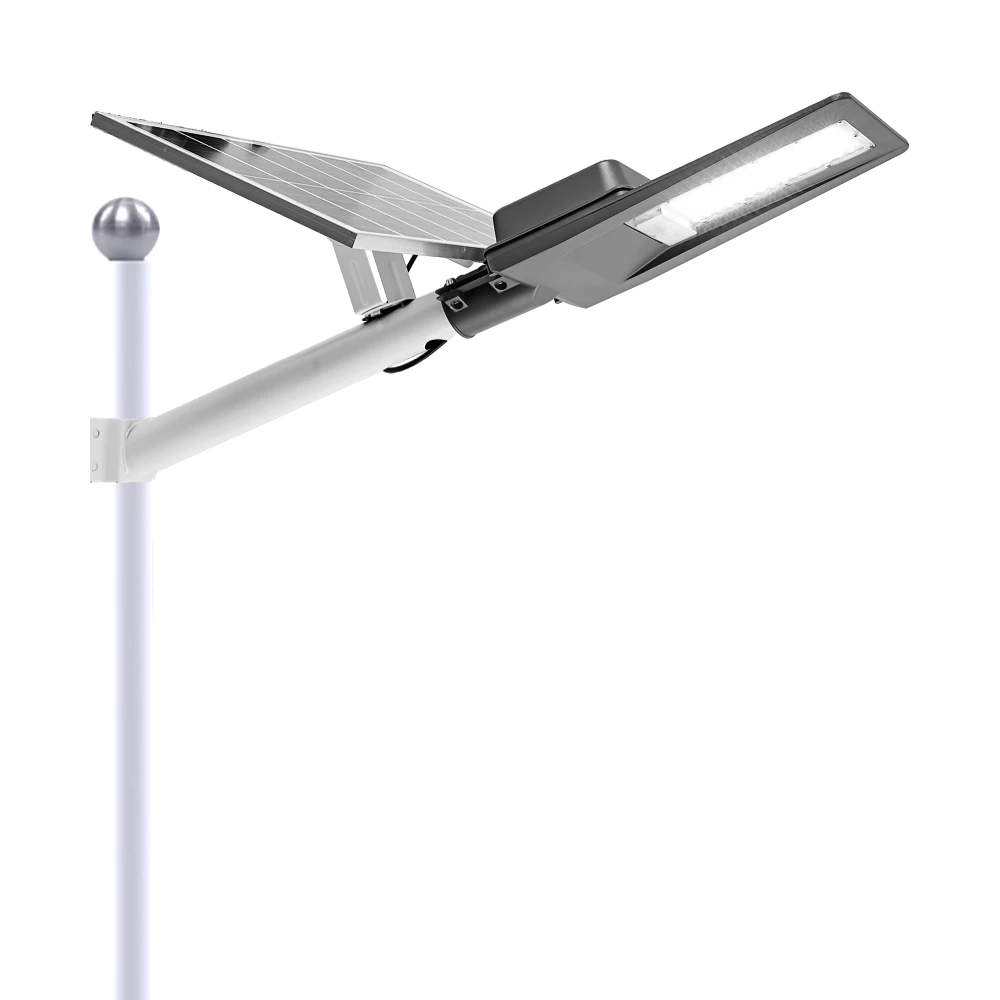
Experience reliable outdoor illumination with our smart solar street light, a perfect combination of advanced technology and eco-conscious design.
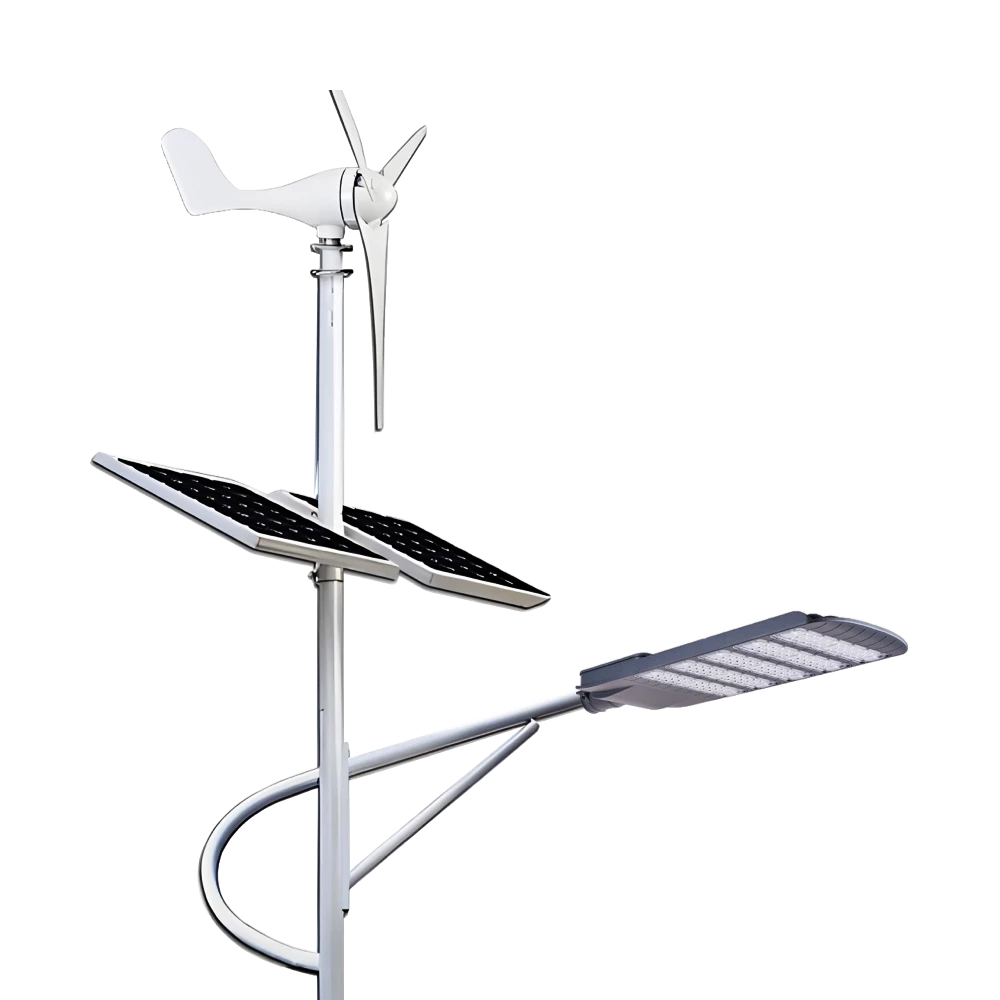
Queneng Lufeng Wind Energy LED Outdoor Solar Street Lights offer high-performance, eco-friendly illumination. These energy-efficient LED street lights harness solar power and wind energy for sustainable, cost-effective outdoor lighting solutions.
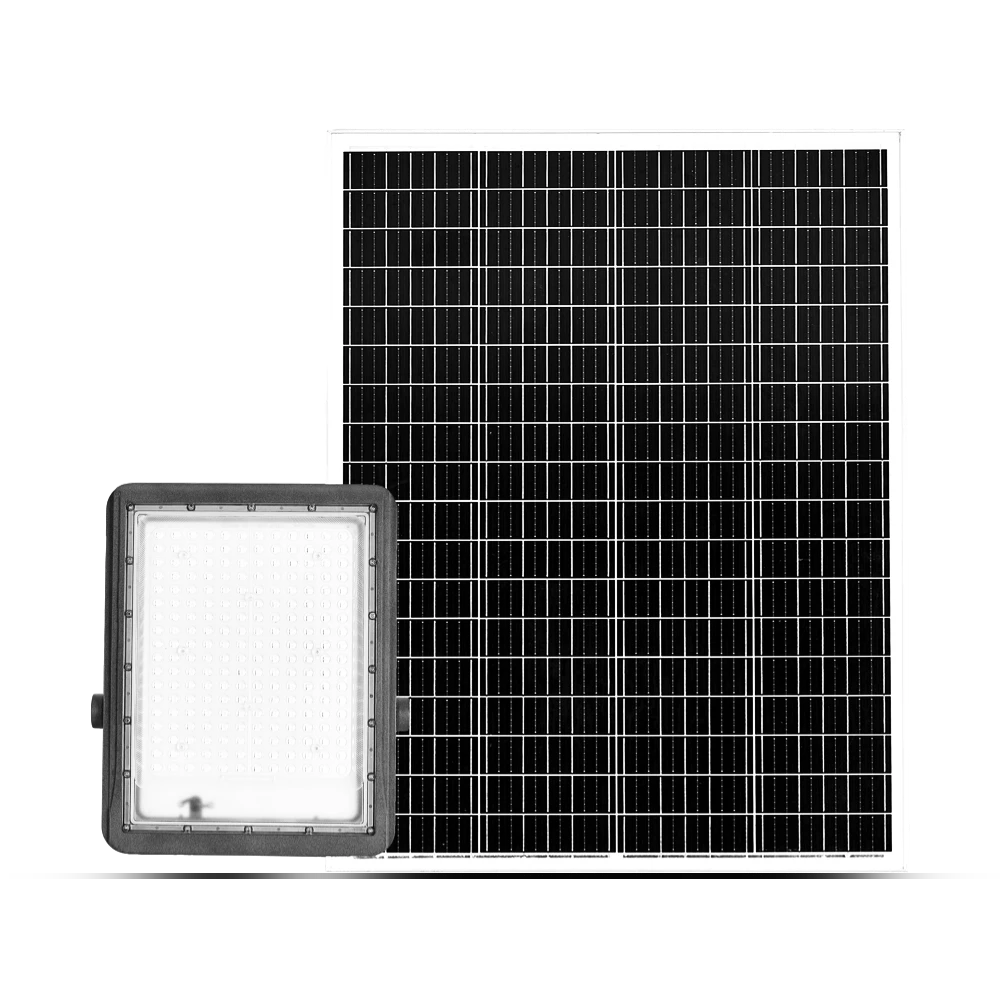
Queneng's Luxian Reliable Solar Street Light offers energy-saving LED lighting for outdoor use. This durable, solar-powered street light provides reliable illumination, reducing energy costs and environmental impact. A perfect solution for sustainable outdoor lighting.
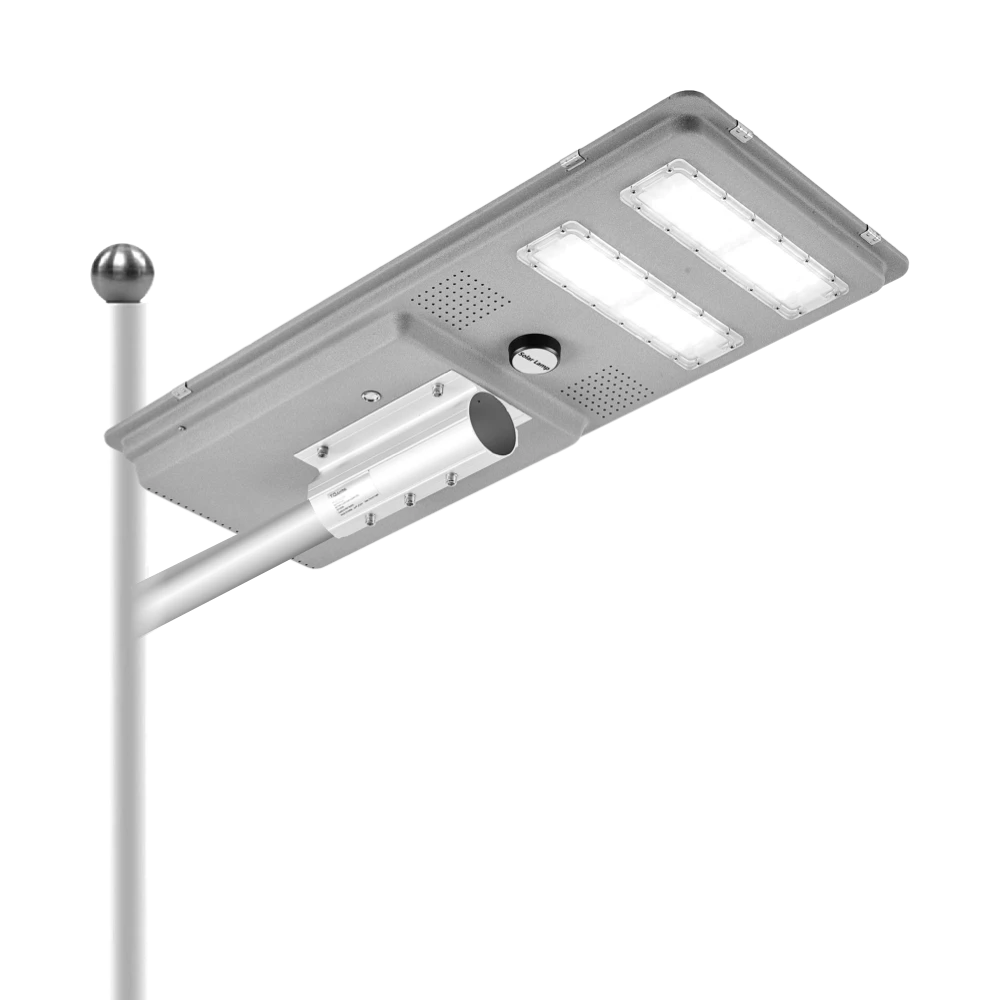
Queneng’s Solar Street Lights are designed to provide reliable, energy-efficient lighting for streets, parks, and other outdoor spaces.
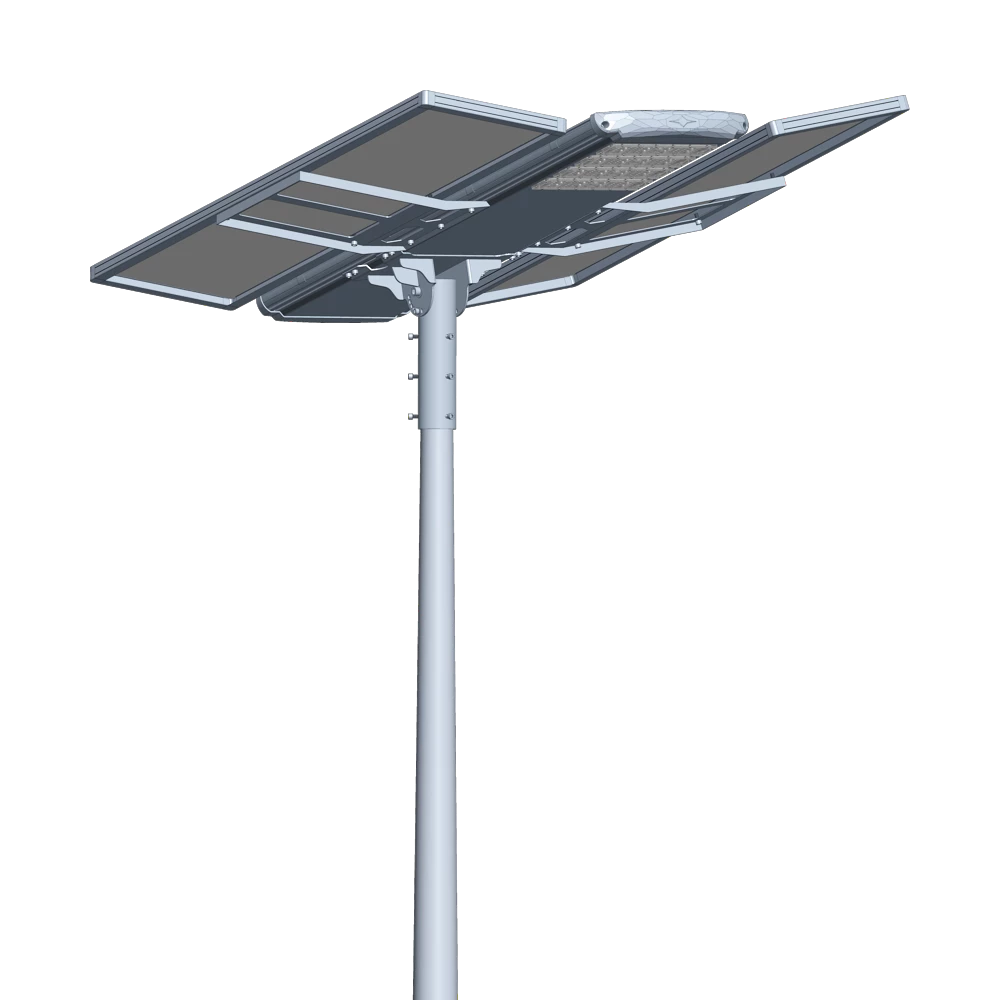
Introducing the Luqing Solar Street Light by Queneng, Efficient LED lighting powered by solar energy is perfect for illuminating outdoor areas. Harness the power of solar energy for sustainable, reliable street lighting. Ideal for eco-friendly, cost-effective outdoor illumination solutions.
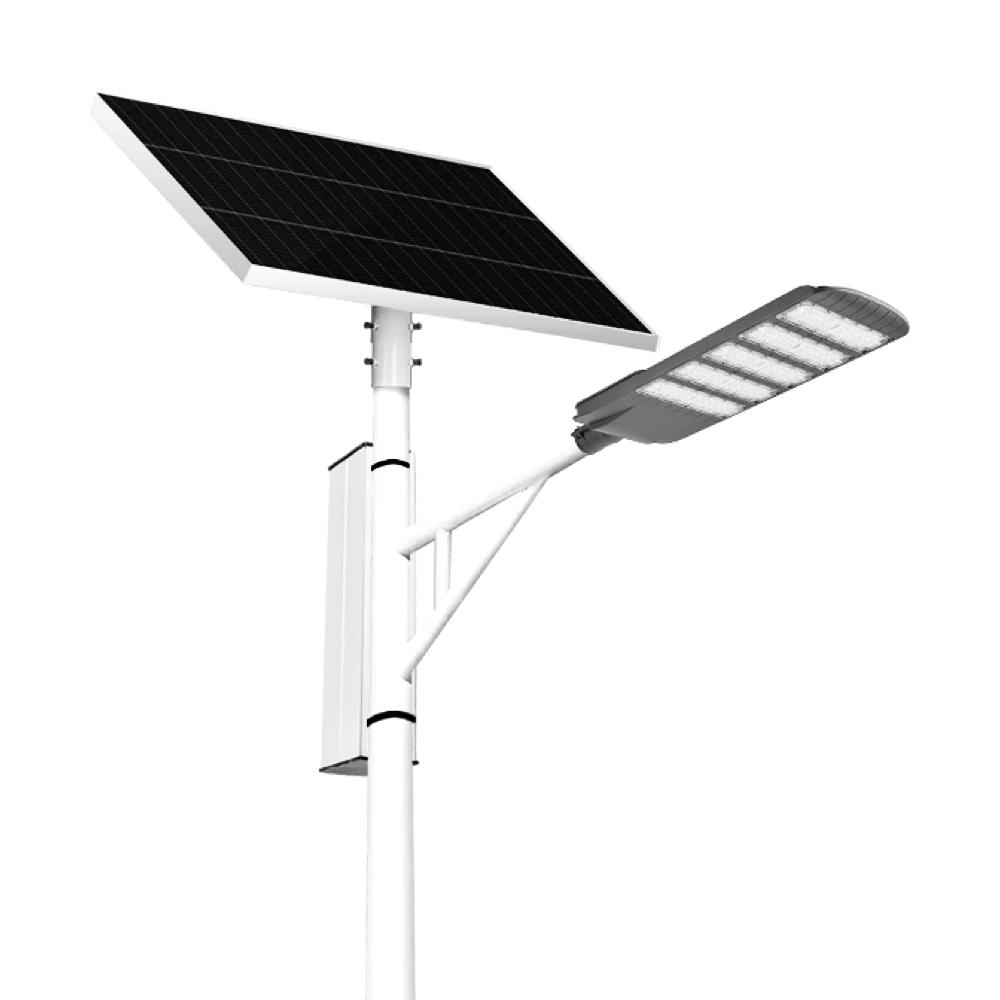
The Solar Streetlights of Luhao for Municipalities are designed to deliver reliable, energy-efficient, and cost-effective public lighting solutions. Equipped with advanced LED technology, durable lithium batteries, and high-efficiency solar panels, these streetlights provide consistent illumination for roads, parks, residential areas, and government projects.
If you would like more information about Queneng solar lighting solutions, please send us a message by filling out the form below. Our professional team will get back to you within 24 hours!
Rest assured that your privacy is important to us, and all information provided will be handled with the utmost confidentiality.
Schedule a Meeting
Book a date and time that is convenient for you and conduct the session in advance.
Have more questions about our products or services?
The messenger of light & power conversion
Environmental protection and intelligent manufacturing are our brand philosophy, and quality assurance and the best user experience are our eternal promises to users.
CONTACT
No.9F, Building F, Cao San Xin Tian Hong Logistics Park, Guzhen Town, Zhongshan City, Guangdong Province, China.
or write [email protected]
WhatsApp: +86 136 2270 1011


