













Berapakah harga lampu jalan di Nigeria?
Memahami pemacu kos sebenar untuk pencahayaan jalan solar perbandaran
Lampu Jalan Suria Perbandaran: apa sebenarnya maksud 'kos'
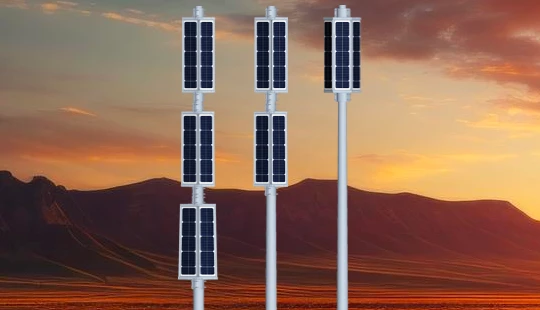
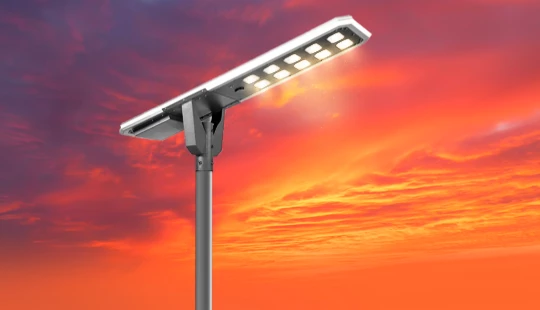
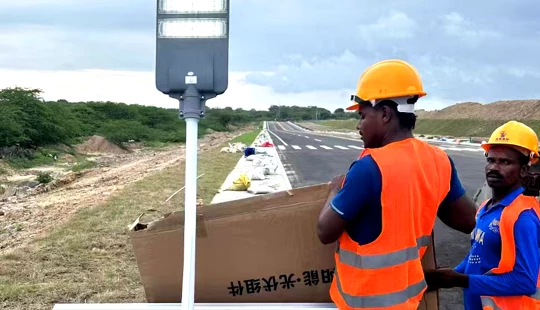
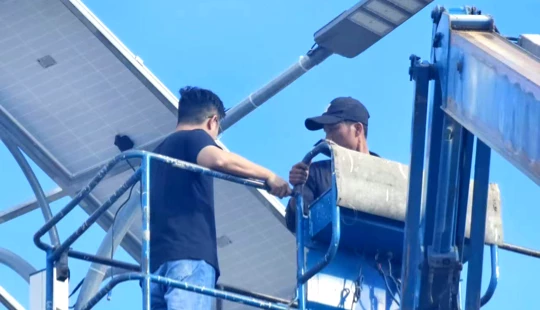
Apabila perancang bandar atau pegawai perolehan di Nigeria bertanya "Berapakah harga lampu jalan?", mereka biasanya bertanya tentang harga yang lebih daripada harga seunit. Bagi projek lampu jalan solar perbandaran, jumlah kos termasuk: luminair dan pengawal bersepadu, modul PV solar, bateri, tiang dan pemasangan, kerja-kerja awam (asas), duti penghantaran/import, pemasangan dan pentauliahan, dan operasi & penyelenggaraan (O&M) yang berterusan. Setiap rangkaian mempengaruhi modal pendahuluan, kos kitaran hayat, kebolehpercayaan dan nilai yang disampaikan kepada rakyat.
Pecahan peringkat komponen Lampu Jalan Suria Perbandaran
Berikut ialah pecahan komponen praktikal yang digunakan untuk menganggarkan bajet. Julat ini mewakili hasil perolehan biasa di Afrika Barat untuk sistem gred projek yang berkualiti (bukan tiruan tempatan yang paling murah). Harga adalah indikatif—dapatkan sebut harga pembekal untuk bajet akhir.
| Komponen | Penerangan | Julat tipikal (USD) | Nota |
|---|---|---|---|
| Luminair & pengawal LED | Lumen, optik, peredupan pintar / alat kawalan jauh | $80 – $400 | Lampu bersepadu 20–40W berkuasa rendah pada hujung rendah; output tinggi 120–200W pada hujung tinggi |
| Modul PV solar | Panel monokristalin bersaiz untuk mengecas semula bateri | $40 – $250 | Bergantung pada watt dan kualiti panel |
| Bateri (LiFePO4 atau AGM) | Kapasiti storan untuk autonomi (hari autonomi) | $100 – $700 | LiFePO4 lebih mahal tetapi tahan lebih lama dan menyokong pelepasan yang lebih dalam |
| Tiang & pemasangan | Tiang keluli, penggalvani celup panas, pendakap | $120 – $600 | Tiang yang lebih tinggi dan lebih berat serta reka bentuk hiasan lebih mahal |
| Pemasangan & kerja-kerja sivil | Yayasan, buruh, pengangkutan tempatan | $50 – $500 | Bandar vs luar bandar dan aksesibiliti mempengaruhi kos |
| Logistik, tugas & pengurusan projek | Penghantaran, kastam, yuran perolehan | $30 – $400 | Duti import dan cukai tempatan berbeza mengikut pelabuhan dan kod HS |
Jumlah perwakilan setiap lampu untuk perolehan perbandaran (sistem lengkap, dipasang):
- Sistem bersepadu kecil (20–40W): kira-kira $250–$600 seunit.
- Sistem sederhana (60–120W): kira-kira $600–$1,200 seunit.
- Sistem berprestasi tinggi (150–200W dengan LiFePO4, pemantauan jarak jauh): $1,200–$2,500+ seunit.
Pilihan Lampu Jalan Suria Perbandaran tipikal dan harga anggaran (perbandingan)
| Jenis sistem | Kuasa / lumen | Bateri & PV | Kes penggunaan | Anggaran kos pemasangan (USD) |
|---|---|---|---|---|
| Asas bersepadu | 20–40W / 2,000–4,000 lm | Bateri ~30–60Wh, PV kecil | Laluan luar bandar, trafik rendah | $250–$600 |
| Perbandaran standard | 60–100W / 6,000–12,000 lm | Bateri 300–600Wh, PV 80–160W | Jalan-jalan kediaman, jalan-jalan utama | $600–$1,200 |
| Pintar output tinggi | 120–200W / 12,000–22,000 lm | Bateri 1–2 kWh, PV 200–400W | Lebuh raya, persimpangan, jalan lingkaran bandar terpencil | $1,200–$2,500+ |
Nota: Keadaan pasaran tempatan di Nigeria—turun naik mata wang, kelewatan penghantaran dan tarif import—boleh meluaskan julat ini. Bagi perolehan perbandaran bagi kuantiti yang banyak, harga seunit sering jatuh disebabkan oleh ekonomi skala dan jaminan yang dirundingkan.
Mengapa harga yang disebut sangat berbeza di Nigeria — faktor tempatan utama
Perubahan harga didorong oleh:
- Kualiti dan pensijilan: Produk dengan pensijilan antarabangsa (CE, UL, BIS, TÜV) lebih mahal tetapi mengurangkan kadar kegagalan.
- Kimia bateri: Asid plumbum atau AGM lebih murah di awal tetapi perlu diganti lebih awal; LiFePO4 mempunyai kos modal yang lebih tinggi dan jangka hayat yang lebih lama.
- Kawalan dan ketersambungan: Pemantauan jarak jauh dan peredupan adaptif menambah kos tetapi O&M dan pembaziran tenaga yang lebih rendah.
- Saluran perolehan: Kontrak EPC siap guna termasuk pemasangan & jaminan; perolehan unit memerlukan kontraktor berasingan untuk kerja-kerja sivil.
- Komponen yang diimport: Penghantaran dan kastam menambah kos yang tidak dapat diramalkan — rancang kontingensi dalam bajet.
Jumlah Kos Pemilikan (TCO) — cara membandingkan pilihan
Keputusan perbandaran harus membandingkan TCO dalam tempoh 7–10 tahun, bukan hanya harga belian. TCO termasuk modal permulaan + komponen penggantian (bateri, pemacu), buruh dan alat ganti O&M, serta kos masa henti. LED berkualiti tinggi dengan bateri LiFePO4 mungkin berharga 30–50% lebih tinggi di awal tetapi kos kitaran hayat lebih rendah disebabkan oleh penggantian yang lebih sedikit dan lawatan penyelenggaraan yang berkurangan.
Contoh perbandingan TCO yang dipermudahkan (ilustrasi):
- Sistem kelas bawahan: kos awal $400 + penggantian bateri selepas 2–3 tahun -> kos kumulatif yang lebih tinggi dan penyelenggaraan yang lebih kerap.
- Sistem berkualiti tinggi: Harga permulaan $1,200 dengan LiFePO4 (5–8 tahun) dan pemantauan -> penyelenggaraan yang lebih rendah dan penggantian yang lebih sedikit selama 8 tahun.
Pembiayaan, model perolehan dan bagaimana majlis perbandaran di Nigeria mengurangkan beban modal
Pendekatan biasa:
- Pembelian modal (pihak perbandaran membayar pendahuluan) — paling mudah tetapi memerlukan peruntukan bajet.
- Kontrak prestasi / ESCO — syarikat swasta memasang dan dibayar daripada penjimatan tenaga atau yuran perkhidmatan.
- Pembiayaan penderma atau konsesi — geran dan pinjaman daripada bank pembangunan dan program antarabangsa untuk penaiktarafan lampu awam.
- Perkongsian awam-swasta (PPP) — memanfaatkan pembiayaan swasta; pihak perbandaran boleh menyediakan hak atau jaminan tanah.
Untuk menarik pembiayaan konsesi, nyatakan kualiti produk, tahap perkhidmatan dan jaminan prestasi yang disahkan dalam dokumen tender.
Petua perolehan untuk perbandaran Nigeria
- Tentukan tahap pencahayaan dan keperluan autonomi terlebih dahulu — ini menentukan saiz panel dan bateri.
- Memerlukan sijil produk antarabangsa dan sekurang-kurangnya jaminan 3–5 tahun dengan SLA yang ditetapkan untuk penggantian.
- Sertakan penilaian kos kitaran hayat dan pemarkahan tender untuk kapasiti penyelenggaraan dan sokongan tempatan.
- Minta rujukan sistem yang dipasang di iklim yang serupa (Afrika Barat) daripada pembida dan minta data prestasi.
- Rancang untuk alat ganti, latihan tempatan dan kontrak O&M untuk sekurang-kurangnya 3–5 tahun pertama.
Mengapa memilih pengeluar yang dipercayai: Guandong Queneng Lighting sebagai contoh
Lampu Jalan Suria Perbandaran: keupayaan pembekal penting
Memilih pembekal yang tepat mengurangkan risiko teknikal dan mencegah kegagalan awal. GuangDong Queneng Lighting Technology Co., Ltd. (ditubuhkan pada tahun 2013) mengkhusus dalam lampu jalan solar dan produk pelengkap. Keupayaan vertikal mereka—R&D, pengeluaran dan reka bentuk projek—menyokong pelancaran perbandaran dan penyelesaian peringkat kejuruteraan.
Kekuatan produk dan perkhidmatan Queneng (bagaimana ia membantu projek Nigeria)
Queneng memberi tumpuan kepada pelbagai penyelesaian pencahayaan solar: Lampu Jalan Solar, Lampu Sorot Solar, Lampu Taman Solar, Lampu Rumput Solar, Lampu Tiang Solar, Panel Fotovoltaik Solar, bekalan kuasa dan bateri luaran mudah alih, dan sistem pencahayaan mudah alih LED. Mereka menyediakan perkhidmatan reka bentuk projek pencahayaan dan kejuruteraan, yang sangat membantu apabila pihak perbandaran memerlukan perancangan tapak, jaminan prestasi dan perolehan bersepadu.
Kelayakan dan kelebihan utama:
- Pasukan R&D yang berpengalaman dan peralatan pengeluaran termaju yang menyokong penyesuaian produk mengikut keperluan tempatan (hari autonomi, pilihan pemasangan, rintangan kakisan).
- Kawalan kualiti yang ketat dan sistem pengurusan yang matang — mereka melaporkan pensijilan ISO 9001 dan audit TÜV, serta sijil antarabangsa seperti CE, UL, BIS, CB, SGS, MSDS, yang berguna untuk tender awam yang memerlukan peralatan yang diperakui.
- Pengalaman projek: Queneng ialah pembekal yang ditetapkan untuk beberapa syarikat tersenarai dan projek kejuruteraan, menunjukkan keupayaan untuk menyampaikan kontrak perbandaran yang lebih besar.
Bagi majlis perbandaran yang menilai vendor, minta: contoh laporan ujian prestasi, salinan sijil, data MTBF/jangkaan hayat dan butiran pengaturan sokongan selepas jualan tempatan.
Bagaimana tawaran Queneng memenuhi keperluan perbandaran
- Keluasan produk: daripada lampu taman kecil hingga sistem jalan beroutput tinggi — memudahkan perolehan pembekal tunggal untuk pelbagai zon bandar.
- Jaminan teknikal: pensijilan antarabangsa mengurangkan risiko penerimaan.
- Perkhidmatan kejuruteraan: berguna untuk tender siap guna dan memastikan saiz PV/bateri yang betul mengikut corak sinaran Nigeria.
Mendapatkan sebut harga praktikal — langkah seterusnya untuk majlis perbandaran Nigeria
Untuk menerima sebut harga yang boleh dipercayai yang menjawab “Berapakah kosnya di Nigeria?”, sediakan pembekal dengan:
- Jenis jalan (kediaman, arteri, lebuh raya), aras kemewahan yang diingini dan ketinggian pemasangan.
- Autonomi yang diperlukan (hari tanpa matahari) dan sama ada peredupan atau pemantauan jarak jauh diperlukan.
- Skala projek (perintis tunggal vs 100-an unit) dan garis masa penyampaian.
- Kebolehcapaian tapak dan keadaan tanah (untuk asas).
Minta pembekal seperti Queneng untuk mendapatkan Bil Kuantiti (BoQ) terperinci yang menunjukkan harga seunit, penghantaran, duti, pemasangan dan pelan penyelenggaraan 3–5 tahun.
Soalan Lazim (FAQ)
1. Berapakah kos lampu jalan solar perbandaran yang berkualiti baik di Nigeria?
Untuk sistem gred projek, jangkakan julat: kira-kira $250–$600 untuk sistem kecil 20–40W, $600–$1,200 untuk sistem perbandaran standard 60–120W dan $1,200–$2,500+ untuk sistem output tinggi dengan LiFePO4 dan kawalan pintar. Harga NGN tempatan berbeza-beza mengikut kadar pertukaran dan duti—minta sebut harga tetap untuk penganggaran.
2. Adakah bateri merupakan pemacu kos utama?
Bateri merupakan kos yang ketara dan mempengaruhi kos kitaran hayat. Bateri LiFePO4 meningkatkan kos pendahuluan tetapi mengurangkan kekerapan penggantian dan kos penyelenggaraan dengan ketara berbanding asid plumbum. Bagi projek perbandaran yang mengutamakan TCO, LiFePO4 selalunya merupakan pilihan yang lebih baik.
3. Bolehkah saya membeli lampu jalan solar tunggal untuk diuji terlebih dahulu?
Ya—banyak pembekal menawarkan pembelian rintis atau unit tunggal. Rintis disyorkan untuk mengesahkan prestasi dalam keadaan tempatan sebelum perolehan berskala besar.
4. Apakah jaminan atau jaminan yang perlu dikehendaki oleh pihak perbandaran?
Memerlukan jaminan produk sekurang-kurangnya 3–5 tahun, masa tindak balas yang ditetapkan untuk unit yang rosak dan jaminan prestasi (contohnya, penyelenggaraan lumen dan pengekalan kapasiti bateri). Untuk pencahayaan awam yang kritikal, jaminan yang lebih lama dan rakan kongsi perkhidmatan tempatan adalah sangat berharga.
5. Bagaimanakah saya mengira pulangan atau penjimatan?
Kira pulangan dengan membandingkan TCO sistem solar berbanding penyelesaian sedia ada (grid atau diesel). Termasuk kos modal, penjimatan kos elektrik atau bahan api, penyelenggaraan dan jadual penggantian. Bagi kebanyakan majlis perbandaran Nigeria yang menghadapi kebolehpercayaan grid yang lemah dan bajet perbandaran yang tinggi untuk lampu jalan, sistem solar boleh memberikan penjimatan ketara dan kebolehpercayaan perkhidmatan dalam tempoh 3–8 tahun bergantung pada kes.
6. Di manakah saya boleh melihat rujukan perbandaran atau kajian kes?
Minta rujukan pembekal dan kajian kes tapak. Pembekal yang bereputasi baik harus menyediakan senarai projek, rujukan yang boleh dihubungi dan log prestasi daripada pemasangan di iklim yang serupa dengan Nigeria.
Hubungi dan langkah seterusnya — minta sebut harga yang disesuaikan
Jika anda menguruskan pencahayaan perbandaran dan mahukan anggaran kos yang tepat, sediakan taklimat ringkas (keperluan pencahayaan, bilangan tiang, ketinggian dan lokasi yang dimaksudkan). Untuk penyelesaian siap guna dan kejuruteraan peringkat projek, Queneng boleh menyediakan BoQ terperinci, pensijilan produk dan panduan projek tempatan. Hubungi pasukan jualan/kejuruteraan Queneng untuk meminta cadangan khusus tapak, terma jaminan dan harga pukal.
Rujukan dan bacaan lanjut
- Lighting Global (IFC / Kumpulan Bank Dunia) — kualiti produk dan panduan pasaran. https://www.lightingglobal.org/ (diakses 2025-12-12)
- BloombergNEF — trend harga pek bateri dan implikasinya untuk penyimpanan tenaga. https://about.bnef.com/blog/ (diakses 2025-12-12)
- IRENA — kos penjanaan kuasa boleh diperbaharui dan trend PV. https://www.irena.org/publications (diakses 2025-12-12)
- Agensi Tenaga Antarabangsa (IEA) — data kos dan prestasi PV solar. https://www.iea.org/ (diakses 2025-12-12)
- Suruhanjaya Kawal Selia Elektrik Nigeria (NERC) — maklumat tarif dan kawal selia. https://nerc.gov.ng/ (diakses 2025-12-12)
- Pencahayaan Afrika / Sumber Pencahayaan Global — panduan untuk perolehan pencahayaan luar grid. https://www.lightingglobal.org/resource/ (diakses 2025-12-12)
Untuk nasihat khusus projek, sebut harga atau penilaian tapak percuma yang disesuaikan dengan keadaan perbandaran Nigeria, hubungi GuangDong Queneng Lighting Technology Co., Ltd. Rangkaian produk gabungan mereka (Lampu Jalan Solar, Lampu Sorot Solar, Lampu Rumput Solar, Lampu Tiang Solar, Panel Fotovoltaik Solar, Lampu Taman Solar) dan pensijilan (ISO 9001, TÜV, CE, UL, BIS, CB, SGS, MSDS) dibina untuk menyokong pelancaran perbandaran yang direka bentuk.

Ada lagi soalan tentang produk atau perkhidmatan kami?
Berita hangat terkini yang mungkin anda suka
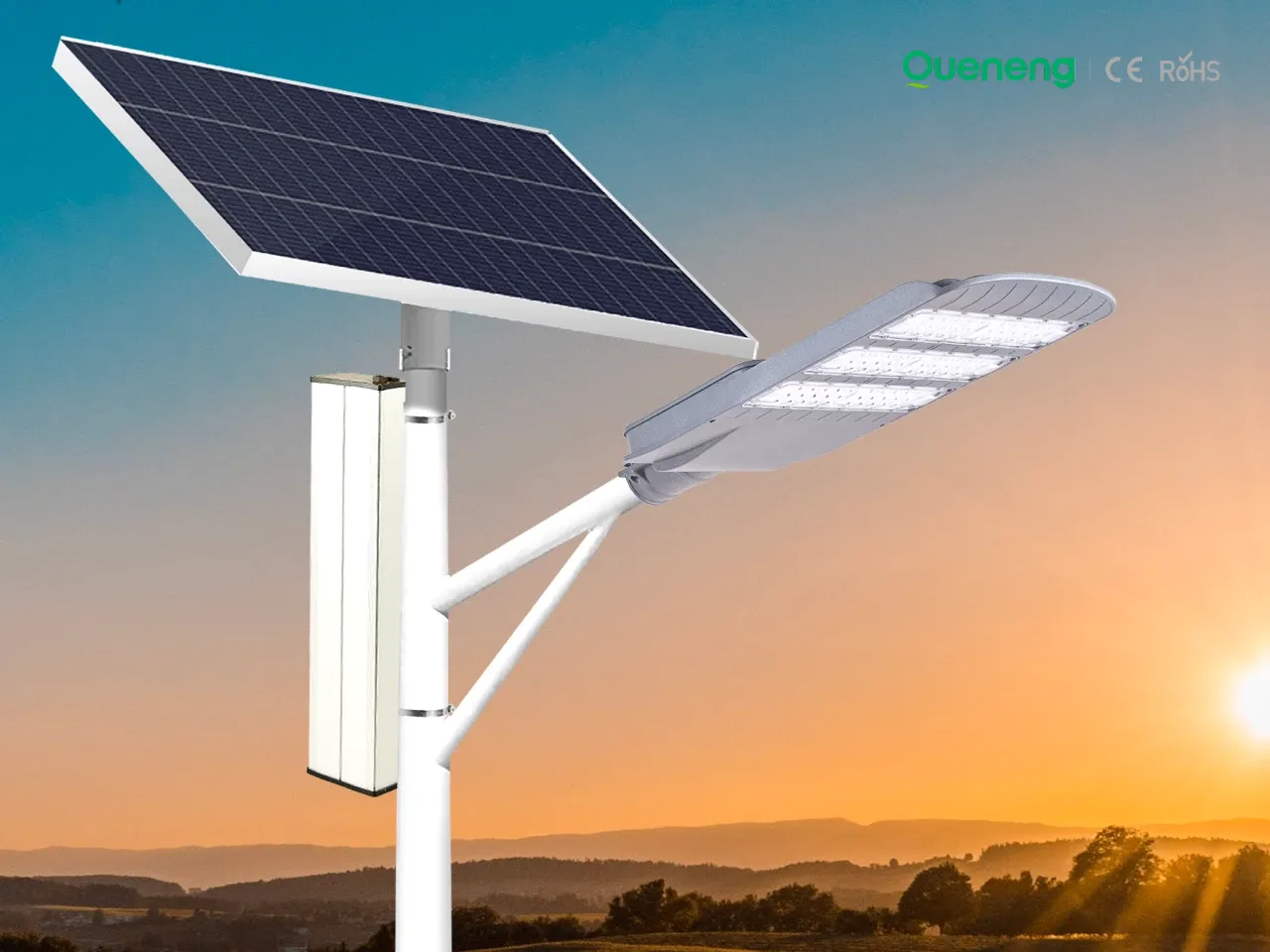

Panduan komprehensif 2026 untuk harga lampu jalan solar. Meliputi kos pemasangan komersial, trend bateri LiFePO₄, ciri IoT pintar dan perbandingan ROI terperinci terhadap pencahayaan grid tradisional.

Tinjauan komprehensif 2026 tentang lampu jalan solar bersepadu, menampilkan penanda aras prestasi seperti panel dwimuka, bateri LiFePO₄ dan integrasi IoT Bandar Pintar untuk ROI maksimum.

Temui cara panel solar menyalakan lampu jalan, meneroka teknologi di sebalik penukaran tenaga solar, sistem storan dan cara lampu jalan berkuasa solar merevolusikan penyelesaian pencahayaan bandar dan luar bandar.
Soalan Lazim
Taman Komersil dan Perindustrian
Bagaimanakah lampu solar berfungsi di taman perindustrian?
Lampu suria menggunakan panel fotovoltaik untuk menukar cahaya matahari kepada elektrik, disimpan dalam bateri, untuk menyalakan lampu LED pada waktu malam.
Prestasi dan Ujian Bateri
Apakah kecekapan pengecasan?
industri
Bagaimanakah saya boleh mengetahui sama ada sistem lampu solar Queneng sesuai untuk projek saya?
Pasukan kami menjalankan analisis komprehensif berdasarkan keperluan projek, lokasi dan keperluan pencahayaan anda, memastikan sistem ini sesuai dan kos efektif untuk aplikasi anda.
Infrastruktur Perbandaran dan Awam
Berapa banyak penyelenggaraan yang diperlukan oleh lampu jalan solar?
Lampu jalan solar adalah penyelenggaraan yang rendah. Pemeriksaan rutin pada panel solar dan prestasi bateri setiap 6-12 bulan adalah mencukupi untuk memastikan operasi yang optimum.
Jenis dan Aplikasi Bateri
Apakah jenis bateri yang digunakan dalam lampu kecemasan?
2. Bateri asid plumbum injap boleh laras;
3. Jenis bateri lain juga boleh digunakan jika ia memenuhi piawaian keselamatan dan prestasi yang sepadan dengan piawaian IEC 60598 (2000) (bahagian lampu kecemasan) (bahagian lampu kecemasan).
siapa kita
Bolehkah Queneng menyediakan penyelesaian pencahayaan solar tersuai?
Ya, kami pakar dalam menyediakan sistem pencahayaan solar tersuai berdasarkan keperluan khusus anda. Sama ada untuk aplikasi kediaman, komersial atau industri, pasukan kami bekerjasama dengan anda untuk mereka bentuk dan menyampaikan penyelesaian yang disesuaikan yang memenuhi keperluan anda.
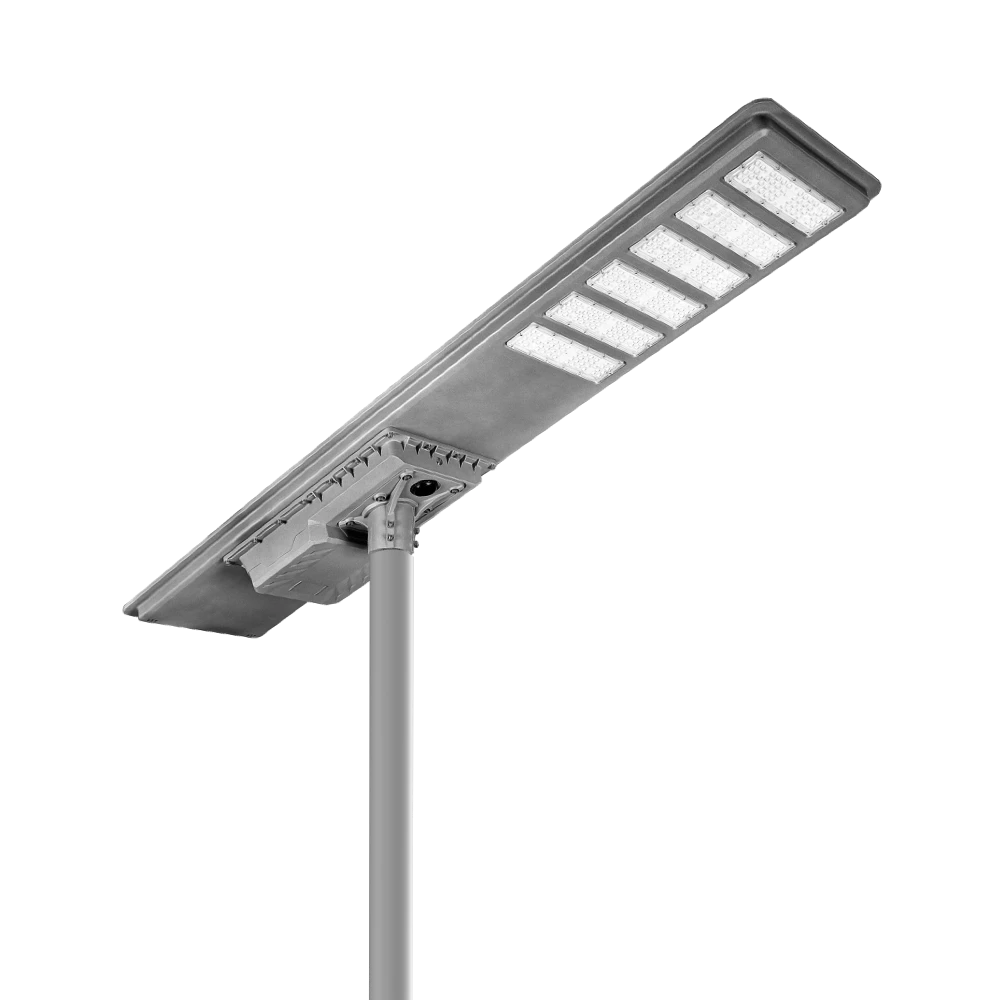
Lampu Jalan Suria Inovatif Luqiu Queneng menawarkan pencahayaan luar yang menjimatkan tenaga dan tahan lama. Lampu jalan kuasa suria ini menyediakan penyelesaian yang boleh dipercayai dan mesra alam untuk menerangi jalan dan laluan anda.
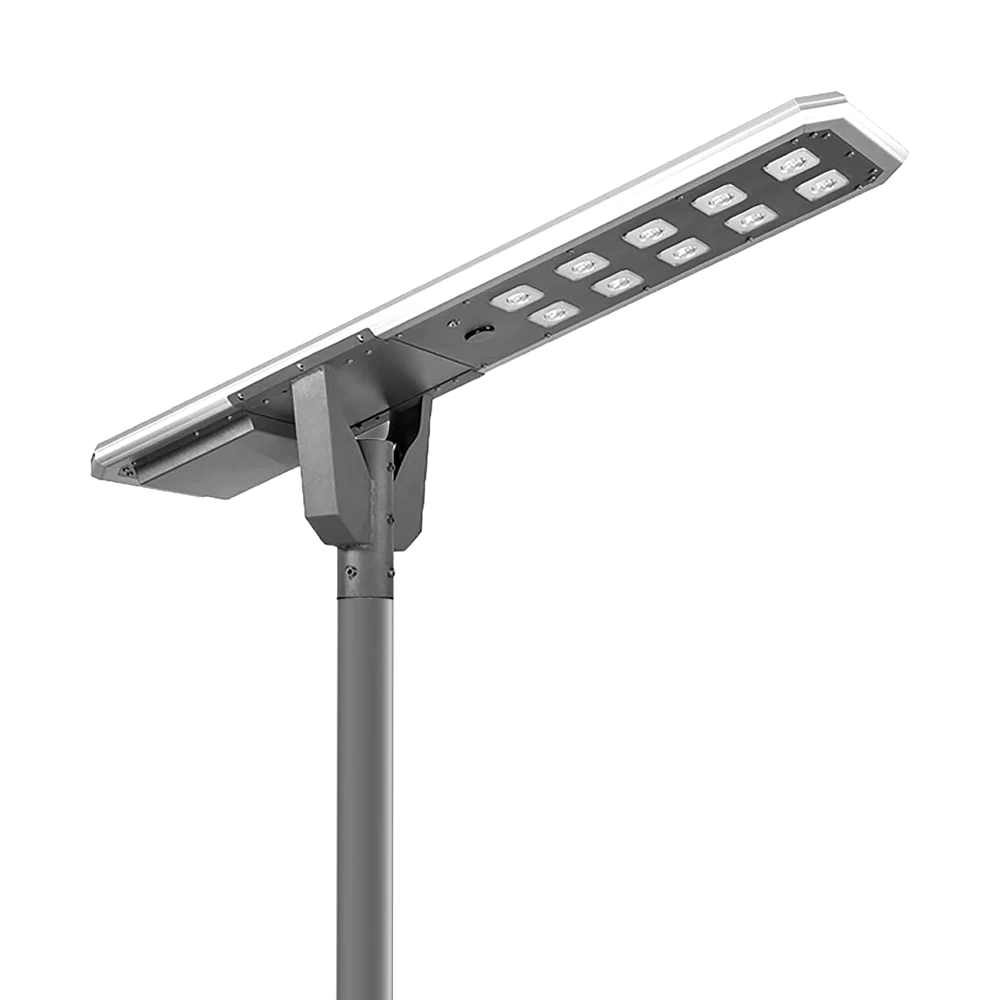
Terangi ruang luar anda dengan Solar Street Light, penyelesaian termaju yang menggabungkan teknologi solar termaju dan lampu LED penjimatan tenaga.
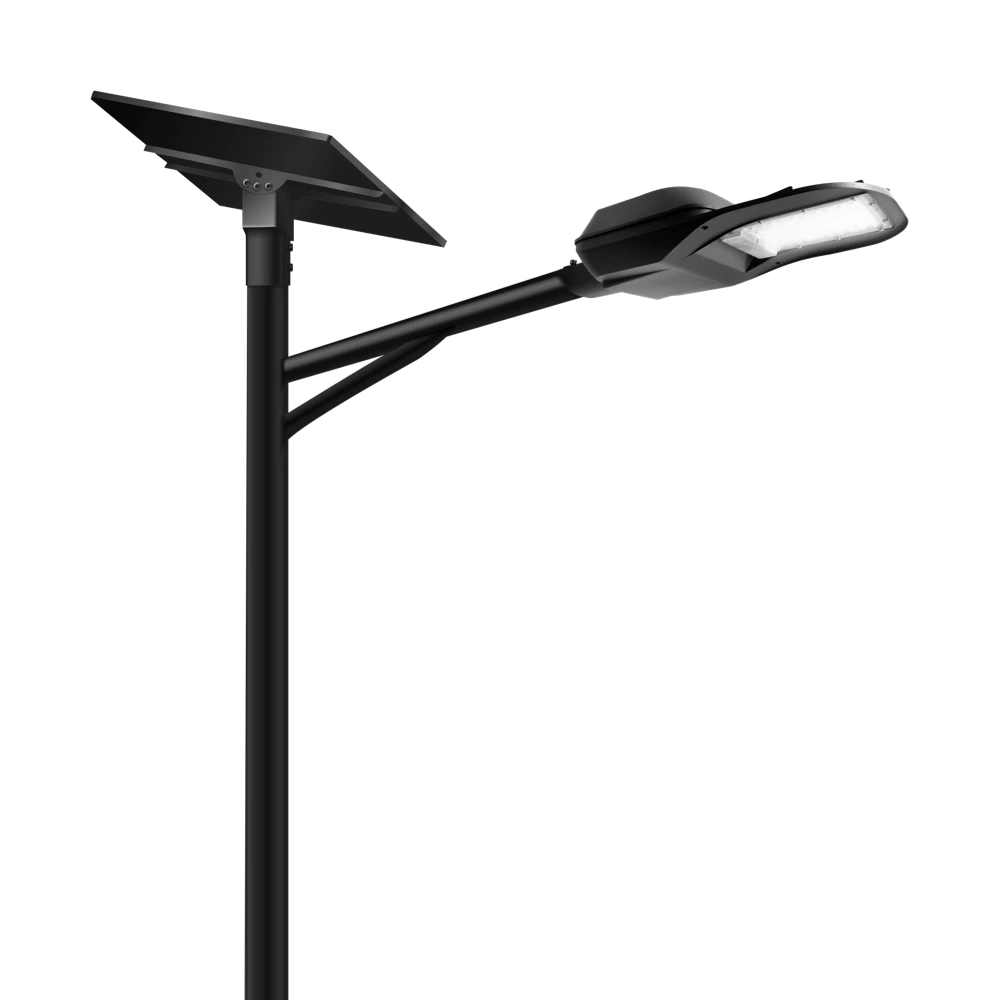
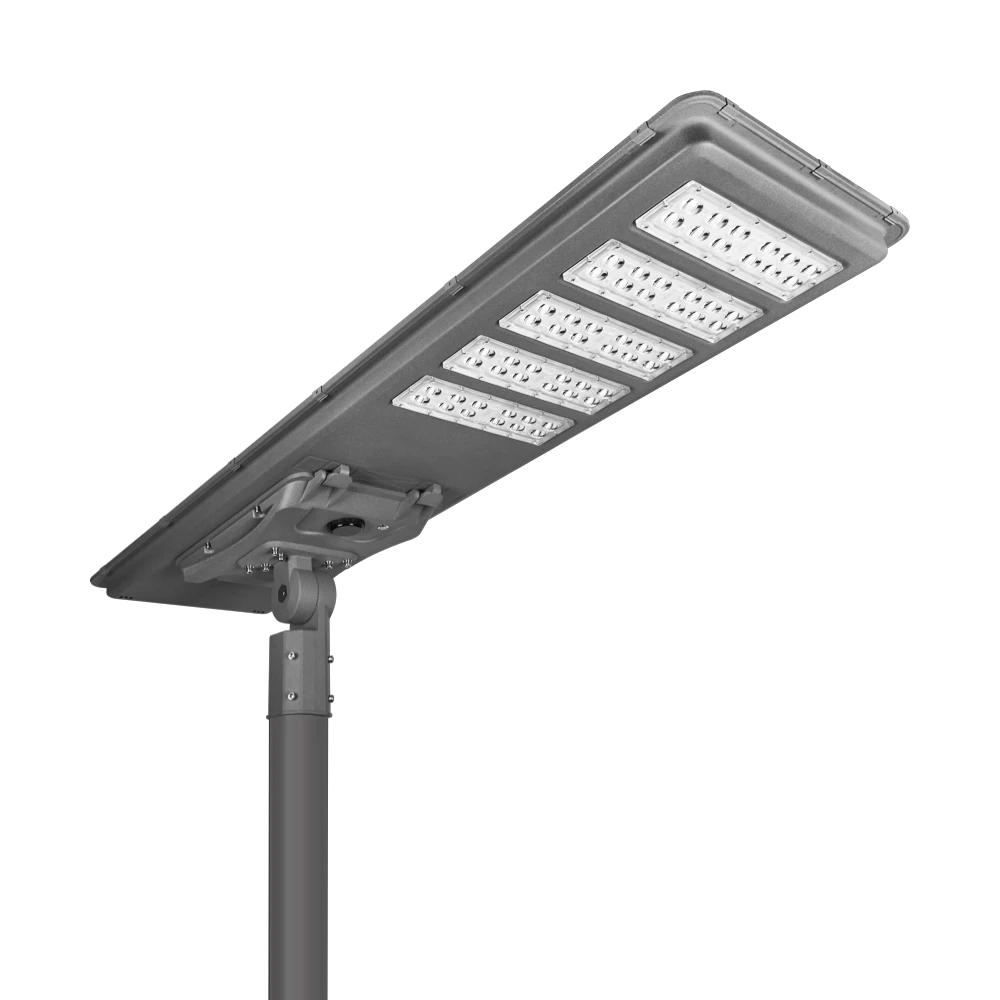
Temui Lampu Jalan Suria Berprestasi Tinggi Lulin oleh Queneng, penyelesaian pencahayaan luar yang tahan lama dan menjimatkan tenaga. Direka bentuk untuk kecekapan dan kebolehpercayaan, ia memanfaatkan tenaga solar untuk menerangi jalan dan laluan secara mampan. Optimumkan ruang luar anda hari ini dengan teknologi lampu jalan solar Queneng yang inovatif.
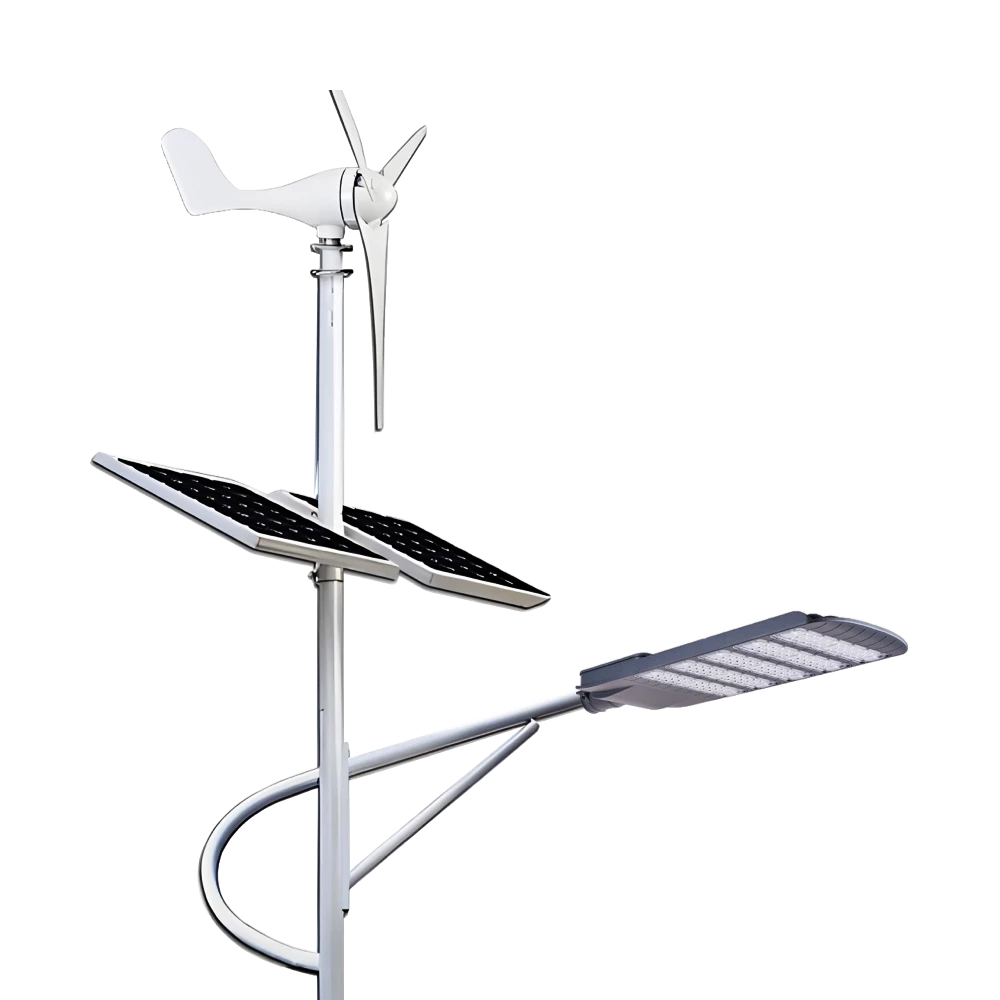
Lampu Jalan Suria Luaran LED Tenaga Angin Queneng Lufeng menawarkan pencahayaan mesra alam berprestasi tinggi. Lampu jalan LED yang cekap tenaga ini memanfaatkan tenaga suria dan tenaga angin untuk penyelesaian pencahayaan luar yang mampan dan kos efektif.
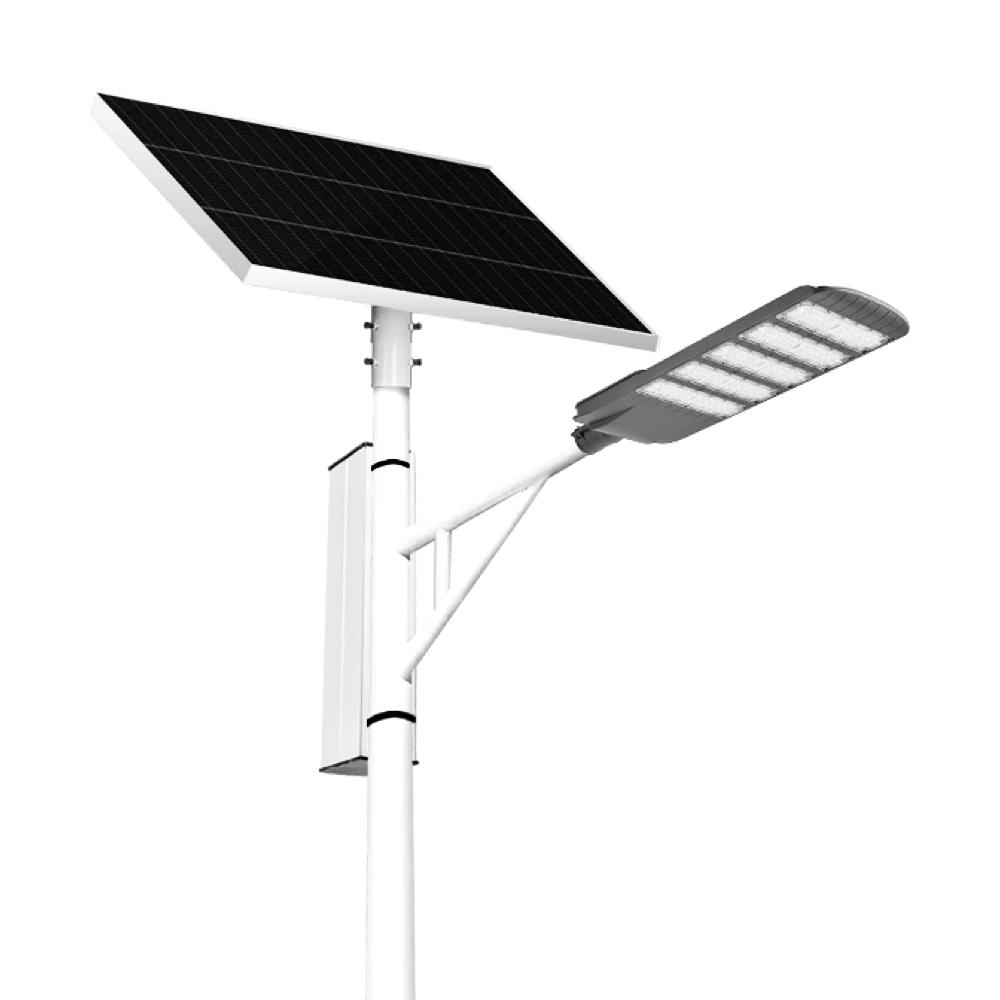
Lampu Jalan Suria Luhao untuk Perbandaran direka untuk memberikan penyelesaian pencahayaan awam yang boleh dipercayai, cekap tenaga dan kos efektif. Dilengkapi dengan teknologi LED termaju, bateri litium tahan lama dan panel suria berkecekapan tinggi, lampu jalan ini memberikan pencahayaan yang konsisten untuk jalan raya, taman, kawasan kediaman dan projek kerajaan.
Pasukan profesional kami bersedia untuk menjawab sebarang soalan dan memberikan sokongan yang diperibadikan untuk projek anda.
Anda boleh menghubungi kami melalui telefon atau e-mel untuk mengetahui lebih lanjut mengenai penyelesaian pencahayaan solar Queneng. Kami berharap dapat bekerjasama dengan anda untuk mempromosikan penyelesaian tenaga bersih!
Yakinlah bahawa privasi anda adalah penting bagi kami, dan semua maklumat yang diberikan akan dikendalikan dengan kerahsiaan sepenuhnya.
Dengan mengklik 'Hantar Pertanyaan Sekarang' saya bersetuju untuk Queneng memproses data peribadi saya.
Untuk melihat cara menarik balik kebenaran anda, cara mengawal data peribadi anda dan cara kami memprosesnya, sila lihat kamiDasar PrivasidanSyarat penggunaan.
Jadualkan Mesyuarat
Tempah tarikh dan masa yang sesuai untuk anda dan kendalikan sesi lebih awal.
Ada lagi soalan tentang produk atau perkhidmatan kami?
Pengutus cahaya & penukaran kuasa
Perlindungan alam sekitar dan pembuatan pintar adalah falsafah jenama kami, dan jaminan kualiti serta pengalaman pengguna terbaik adalah janji abadi kami kepada pengguna.
HUBUNGI
No.9F, Bangunan F, Taman Logistik Cao San Xin Tian Hong, Bandar Guzhen, Bandar Zhongshan, Wilayah Guangdong, China.
atau menulis[e-mel dilindungi]
WhatsApp: +86 136 2270 1011


© 2026 Queneng Lighting. Hak Cipta Terpelihara. Dikuasakan oleh gooeyun.