













How much is a street light in Nigeria?
Understanding the true cost drivers for municipal solar street lighting
Municipal Solar Street Light: what ‘cost’ really means
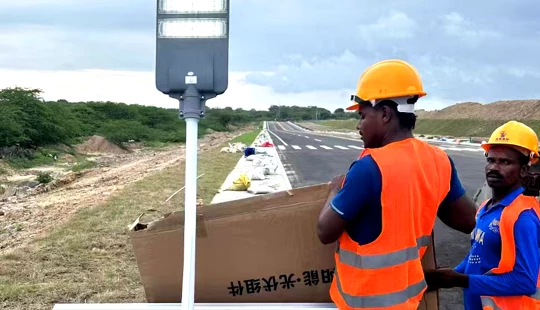
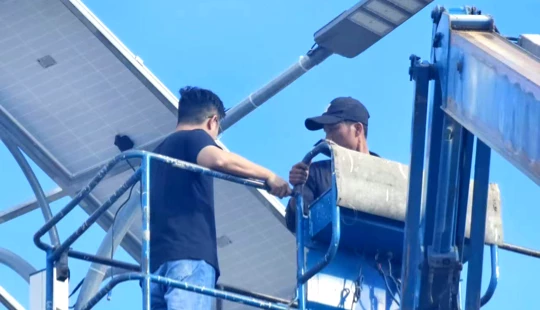
When a city planner or procurement officer in Nigeria asks “How much is a street light?”, they are usually asking about more than the unit price. For municipal solar street light projects the total cost includes: the luminaire and integrated controller, solar PV module, battery, pole and mounting, civil works (foundation), shipping/import duties, installation and commissioning, and ongoing operation & maintenance (O&M). Each line affects upfront capital, lifecycle cost, reliability and the value delivered to citizens.
Component-level breakdown of a Municipal Solar Street Light
Below is a practical component breakdown used to estimate budgets. These ranges represent typical procurement outcomes in West Africa for quality, project-grade systems (not the cheapest local knock-offs). Prices are indicative—get supplier quotes for final budgeting.
| Component | Description | Typical range (USD) | Notes |
|---|---|---|---|
| LED luminaire & controller | Lumens, optics, smart dimming / remote control | $80 – $400 | Low-power integrated 20–40W lights at low end; high-output 120–200W at high end |
| Solar PV module | Monocrystalline panels sized to recharge battery | $40 – $250 | Depends on wattage and panel quality |
| Battery (LiFePO4 or AGM) | Storage capacity for autonomy (days of autonomy) | $100 – $700 | LiFePO4 costs more but lasts longer and supports deeper discharge |
| Pole & mounting | Steel pole, hot-dip galvanizing, brackets | $120 – $600 | Taller, heavier poles and decorative designs cost more |
| Installation & civil works | Foundation, labor, local transport | $50 – $500 | Urban vs rural and accessibility affect cost |
| Logistics, duties & project management | Shipping, customs, procurement fees | $30 – $400 | Import duties and local taxes vary by port and HS code |
Representative total per light for municipal procurement (complete system, installed):
- Small integrated systems (20–40W): approximately $250–$600 per unit.
- Medium systems (60–120W): approximately $600–$1,200 per unit.
- High-performance systems (150–200W with LiFePO4, remote monitoring): $1,200–$2,500+ per unit.
Typical Municipal Solar Street Light options and approximate prices (comparison)
| System type | Power / lumen | Battery & PV | Use case | Estimated installed cost (USD) |
|---|---|---|---|---|
| Basic integrated | 20–40W / 2,000–4,000 lm | ~30–60Wh battery, small PV | Rural paths, low-traffic | $250–$600 |
| Standard municipal | 60–100W / 6,000–12,000 lm | 300–600Wh battery, 80–160W PV | Residential streets, main roads | $600–$1,200 |
| High-output smart | 120–200W / 12,000–22,000 lm | 1–2 kWh battery, 200–400W PV | Highways, intersections, remote urban ring roads | $1,200–$2,500+ |
Note: Local market conditions in Nigeria—currency fluctuations, shipping delays, and import tariffs—can widen these ranges. For municipal procurement of large quantities, unit prices often fall due to economies of scale and negotiated warranties.
Why quoted prices vary so much in Nigeria — key local factors
Price variation is driven by:
- Quality and certifications: Products with international certifications (CE, UL, BIS, TÜV) cost more but reduce failure rates.
- Battery chemistry: Lead-acid or AGM is cheaper up-front but needs replacing sooner; LiFePO4 has higher capital cost and much longer life.
- Controls and connectivity: Remote monitoring and adaptive dimming add cost but lower O&M and energy waste.
- Procurement channel: Turnkey EPC contracts include installation & warranty; unit procurement requires a separate contractor for civil works.
- Imported components: Shipping and customs add unpredictable costs — plan contingency in budgets.
Total Cost of Ownership (TCO) — how to compare options
Municipal decisions should compare TCO over a 7–10 year horizon, not just purchase price. TCO includes initial capital + replacement components (batteries, drivers), O&M labor and parts, and downtime costs. A higher-quality LED with LiFePO4 battery may cost 30–50% more up-front but lower lifecycle cost due to fewer replacements and reduced maintenance visits.
Example simplified TCO comparison (illustrative):
- Low-end system: $400 initial + battery replacement after 2–3 years -> higher cumulative cost and more frequent maintenance.
- High-quality system: $1,200 initial with LiFePO4 (5–8 years) and monitoring -> lower maintenance and fewer replacements over 8 years.
Financing, procurement models and how municipalities in Nigeria reduce capital burden
Common approaches:
- Capital purchase (municipality pays up-front) — simplest but requires budget allocation.
- Performance contracts / ESCOs — private company installs and is paid from energy savings or service fees.
- Donor or concessional finance — grants and loans from development banks and international programs for public lighting upgrades.
- Public-private partnerships (PPP) — leverage private financing; municipality may provide land rights or guarantees.
To attract concessional finance, specify verified product quality, service levels and performance guarantees in tender documents.
Procurement tips for a Nigerian municipality
- Define lighting levels and autonomy requirements first — this determines panel and battery sizing.
- Require international product certificates and at least a 3–5 year warranty with defined SLA for replacements.
- Include lifecycle cost evaluation and tender scoring for maintenance and local support capacity.
- Ask bidders for references of installed systems in similar climates (West Africa) and request performance data.
- Plan for spare-parts, local training and an O&M contract for at least the first 3–5 years.
Why choose a trusted manufacturer: Guandong Queneng Lighting as an example
Municipal Solar Street Light: supplier capabilities matter
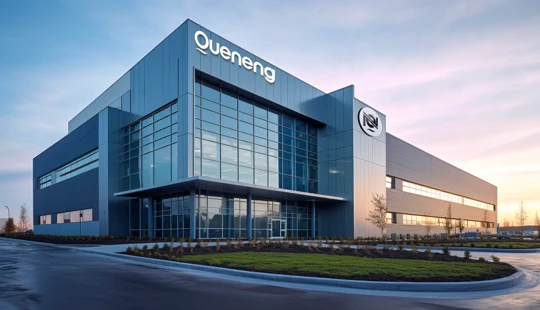
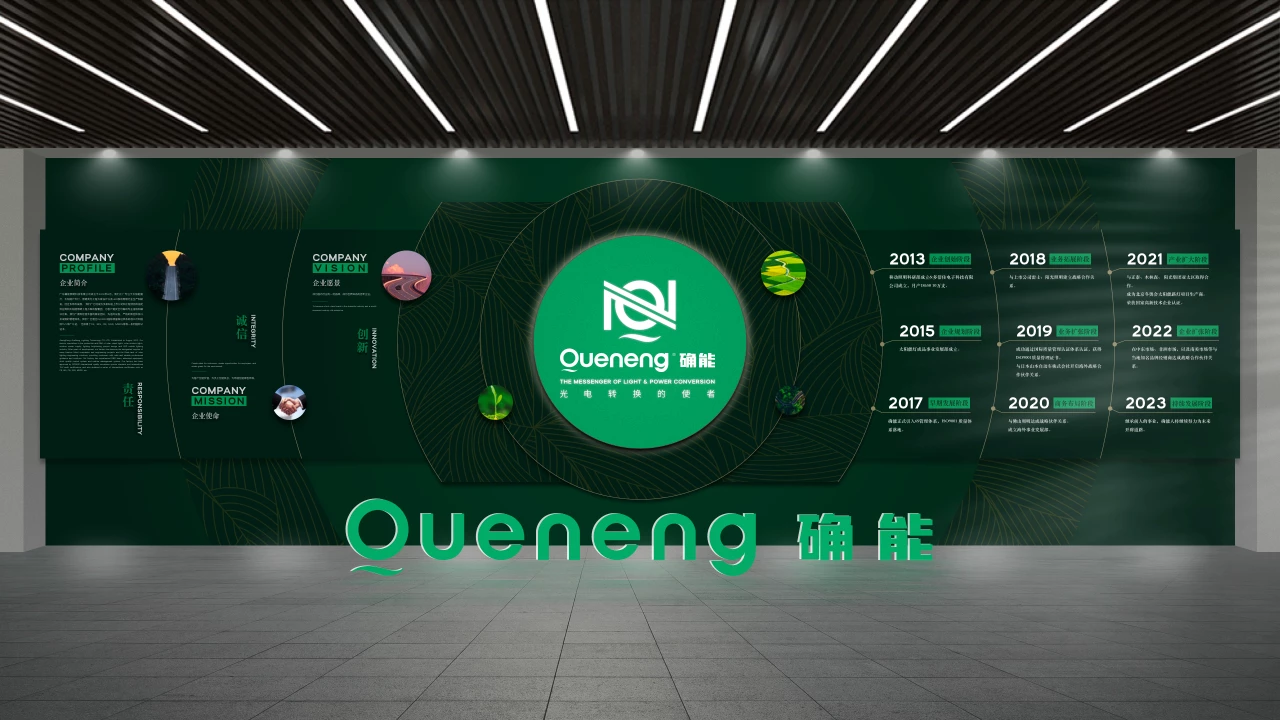
Choosing the right supplier reduces technical risk and prevents early failures. GuangDong Queneng Lighting Technology Co., Ltd. (founded 2013) specializes in solar street lights and complementary products. Their vertical capabilities—R&D, production, and project design—support municipal rollouts and engineering-level solutions.
Queneng’s product and service strengths (how they help Nigerian projects)
Queneng focuses on a full stack of solar lighting solutions: Solar Street Lights, Solar Spot lights, Solar Garden Lights, Solar Lawn Lights, Solar Pillar Lights, Solar Photovoltaic Panels, portable outdoor power supplies and batteries, and LED mobile lighting systems. They provide lighting project design and engineering services, which is helpful when municipalities need site planning, performance guarantees and integrated procurement.
Key credentials and advantages:
- Experienced R&D team and advanced production equipment that support product customization to local needs (autonomy days, mounting options, corrosion resistance).
- Strict quality control and a mature management system — they report ISO 9001 certification and TÜV audits, plus international certificates such as CE, UL, BIS, CB, SGS, MSDS, which are useful for public tenders that require certified equipment.
- Project experience: Queneng is the designated supplier for several listed companies and engineering projects, indicating capability to deliver larger municipal contracts.
For municipalities evaluating vendors, request: sample performance test reports, certificate copies, MTBF/expected lifetime data, and details of local after-sales support arrangements.
How Queneng’s offering maps to municipal needs
- Product breadth: from small garden lights to high-output street systems — simplifies single-supplier procurement for diverse city zones.
- Technical assurance: international certifications reduce acceptance risk.
- Engineering services: useful for turnkey tenders and ensuring correct PV/battery sizing per Nigerian irradiance patterns.
Getting a practical quote — next steps for Nigerian municipalities
To receive a reliable quote that answers “How much will it cost in Nigeria?” provide suppliers with:
- Street type (residential, arterial, highway), desired lux levels and mounting height.
- Required autonomy (days without sun) and whether dimming or remote-monitoring is desired.
- Project scale (single pilot vs 100s of units) and delivery timeline.
- Site accessibility and soil conditions (for foundations).
Ask suppliers like Queneng for an itemized Bill of Quantities (BoQ) showing unit price, shipping, duties, installation and a 3–5 year maintenance plan.
Frequently Asked Questions (FAQ)
1. How much does a good quality municipal solar street light cost in Nigeria?
For project-grade systems expect ranges: approximately $250–$600 for small 20–40W systems, $600–$1,200 for standard 60–120W municipal systems, and $1,200–$2,500+ for high-output systems with LiFePO4 and smart controls. Local NGN prices vary with exchange rate and duties—request firm quotes for budgeting.
2. Are batteries the main cost driver?
Batteries are a significant cost and influence lifecycle costs. LiFePO4 batteries increase upfront cost but significantly reduce replacement frequency and maintenance costs vs lead-acid. For municipal projects prioritizing TCO, LiFePO4 is often the better choice.
3. Can I buy a single solar street light to test first?
Yes—many suppliers offer pilot or single-unit purchases. Pilots are recommended to validate performance in local conditions before large-scale procurement.
4. What warranties or guarantees should municipalities require?
Require at least a 3–5 year product warranty, defined response times for defective units, and performance guarantees (e.g., lumen maintenance and battery capacity retention). For critical public lighting, longer warranties and a local service partner are highly valuable.
5. How do I calculate payback or savings?
Calculate payback by comparing TCO of the solar system vs the existing solution (grid or diesel). Include capital cost, electricity or fuel cost savings, maintenance, and replacement schedules. For many Nigerian municipalities facing poor grid reliability and high municipal budgets for street lighting, solar systems can deliver tangible savings and service reliability in 3–8 years depending on the case.
6. Where can I see municipal references or case studies?
Request supplier references and site case studies. A reputable supplier should provide project lists, contactable references and performance logs from installations in climates similar to Nigeria.
Contact and next steps — request a tailored quote
If you manage municipal lighting and want an accurate cost estimate, prepare a short brief (lighting requirements, number of poles, heights, and intended locations). For turnkey solutions and project-level engineering Queneng can provide detailed BoQs, product certifications and local project guidance. Contact Queneng’s sales/engineering team to request site-specific proposals, warranty terms and bulk pricing.
References and further reading
- Lighting Global (IFC / World Bank Group) — product quality and market guidance. https://www.lightingglobal.org/ (accessed 2025-12-12)
- BloombergNEF — battery pack price trends and implications for energy storage. https://about.bnef.com/blog/ (accessed 2025-12-12)
- IRENA — renewable power generation costs and PV trends. https://www.irena.org/publications (accessed 2025-12-12)
- International Energy Agency (IEA) — solar PV cost and performance data. https://www.iea.org/ (accessed 2025-12-12)
- Nigerian Electricity Regulatory Commission (NERC) — tariff and regulatory information. https://nerc.gov.ng/ (accessed 2025-12-12)
- Lighting Africa / Lighting Global resources — guidance for off-grid lighting procurement. https://www.lightingglobal.org/resource/ (accessed 2025-12-12)
For project-specific advice, quotes, or a free site assessment tailored to Nigerian municipal conditions, contact GuangDong Queneng Lighting Technology Co., Ltd. Their combined product range (Solar Street Lights, Solar Spot lights, Solar Lawn lights, Solar Pillar Lights, Solar Photovoltaic Panels, Solar Garden Lights) and certifications (ISO 9001, TÜV, CE, UL, BIS, CB, SGS, MSDS) are built to support engineered municipal rollouts.

Have more questions about our products or services?
The latest hot news you might like

Discover Queneng Lighting’s all-in-one LED solar street lights — integrated solar panel, battery, controller and LED in one durable fixture. Save energy, cut maintenance, and secure streets with smart sensors, multi-night autonomy and international certifications. Contact sales for quotes and support.

Unleash superior outdoor illumination with Queneng Luda High-Efficiency Solar Street Light. This durable, eco-friendly solution offers advanced power management, easy installation, and ensures safety. Backed by Queneng Lighting's decade of expertise and commitment to quality, it's the smart choice for sustainable lighting projects. Learn why we're a leading solar solutions provider.

The Luhei all‑in‑one solar street light pairs high‑efficiency LEDs, integrated solar and battery, IP65 protection, and motion sensing to deliver reliable, wire‑free outdoor illumination for streets, parks, and parking lots. Backed by Queneng Lighting’s certifications and support.

FAQ
Battery and Analysis
Can batteries of different capacities be combined?
All-in-one solar street lights
Can these lights operate in rainy seasons?
Properly designed systems can work for several cloudy or rainy days continuously.
Solar Street Light Luda
What makes Luda solar street lights high-efficiency and eco-friendly?
Luda solar street lights feature high-efficiency solar panels that maximize energy conversion even in low sunlight conditions, ensuring optimal performance throughout the day. The use of energy-efficient LED bulbs minimizes electricity consumption while delivering bright, reliable illumination. This combination of features reduces the overall carbon footprint and makes them an eco-friendly choice for outdoor lighting.
Battery Performance and Testing
What is the IEC standard cycle life test?
After the battery is discharged to 1.0V/support at 0.2C
1. Charge at 0.1C for 16 hours, then discharge at 0.2C for 2 hours and 30 minutes (one cycle)
2. Charge at 0.25C for 3 hours and 10 minutes, discharge at 0.25C for 2 hours and 20 minutes (2-48 cycles)
3. Charge at 0.25C for 3 hours and 10 minutes, then discharge to 1.0V at 0.25C (49th cycle)
4. Charge at 0.1C for 16 hours, leave for 1 hour, discharge at 0.2C to 1.0V (50th cycle). For nickel-metal hydride batteries, after repeating 1-4 for a total of 400 cycles, the 0.2C discharge time should be greater than 3 hours; for nickel-cadmium batteries, repeating 1-4 for a total of 500 cycles, the 0.2C discharge time should be greater than 3 hours.
Tourist Attractions and Resorts
Are solar lights customizable to match the design of the resort or attraction?
Yes, solar lights come in various designs, colors, and sizes, and can be customized to match the theme or aesthetic of the resort or attraction. This makes them a versatile solution for any outdoor space.
Solar Street Light Luyan
What makes Luyan solar street lights eco-friendly?
Luyan solar street lights are eco-friendly because they use renewable solar energy, reducing reliance on fossil fuels and minimizing carbon emissions. The lights are powered by solar panels, and the energy-efficient LEDs ensure lower power consumption, making them a sustainable lighting solution for outdoor areas.
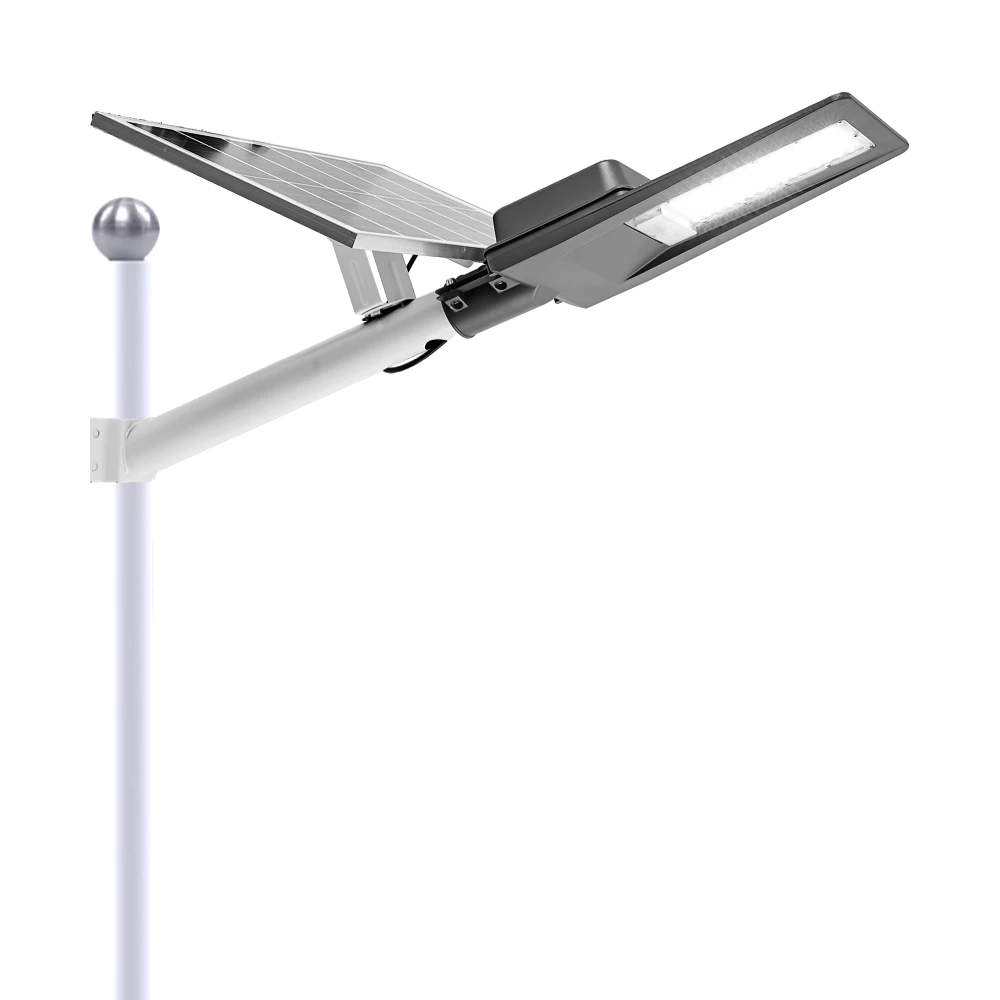
Experience reliable outdoor illumination with our smart solar street light, a perfect combination of advanced technology and eco-conscious design.
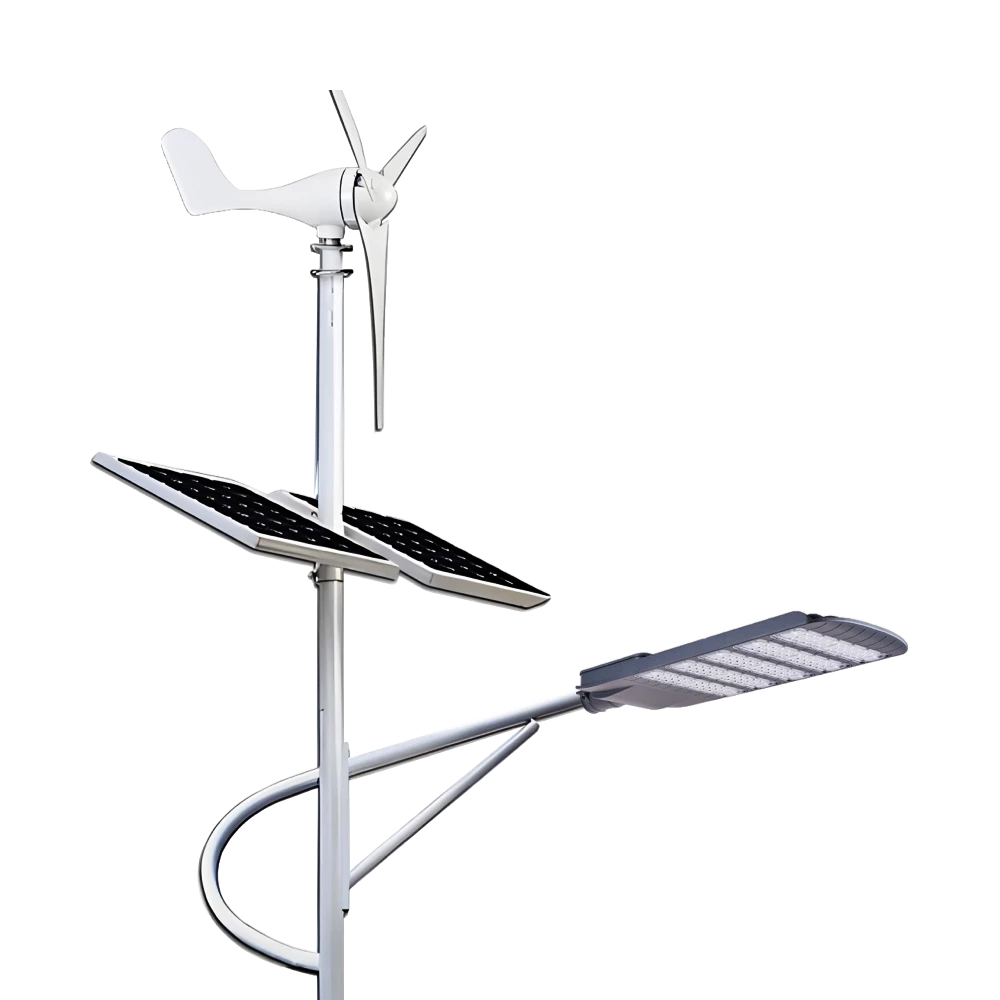
Queneng Lufeng Wind Energy LED Outdoor Solar Street Lights offer high-performance, eco-friendly illumination. These energy-efficient LED street lights harness solar power and wind energy for sustainable, cost-effective outdoor lighting solutions.
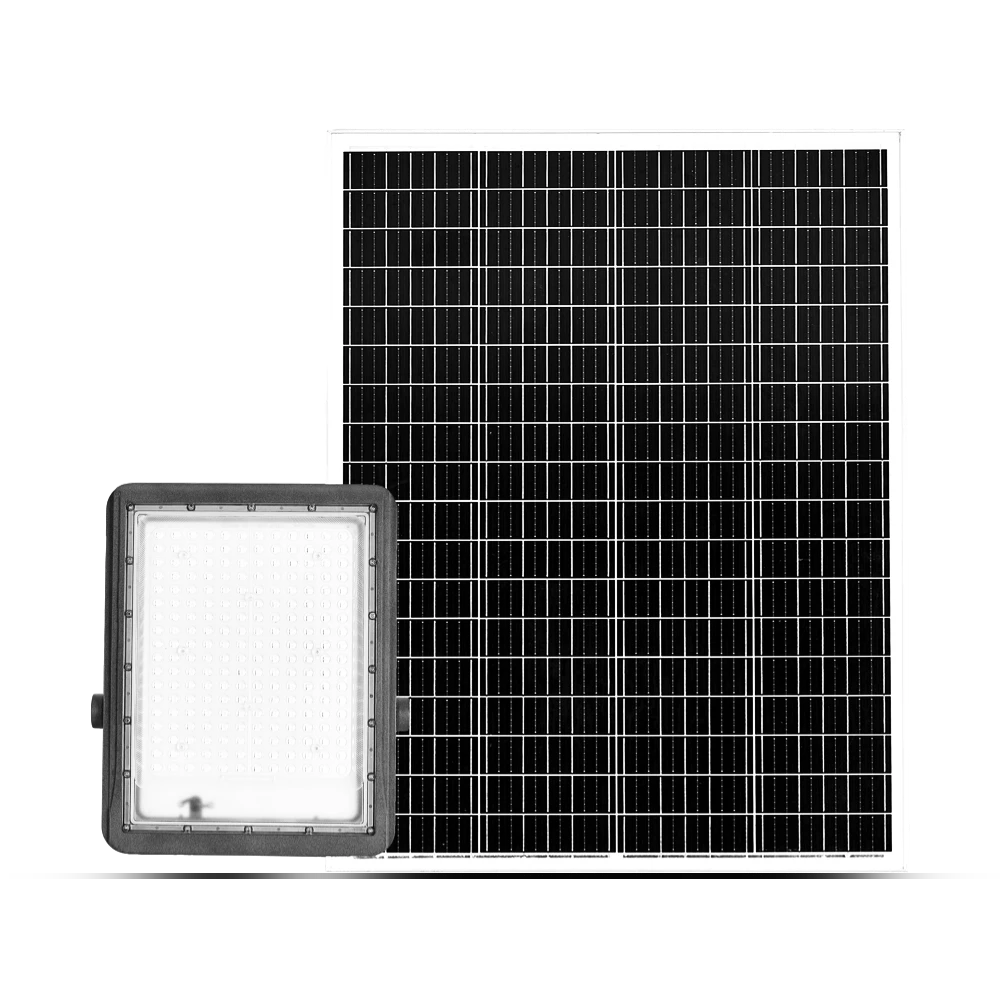
Queneng's Luxian Reliable Solar Street Light offers energy-saving LED lighting for outdoor use. This durable, solar-powered street light provides reliable illumination, reducing energy costs and environmental impact. A perfect solution for sustainable outdoor lighting.
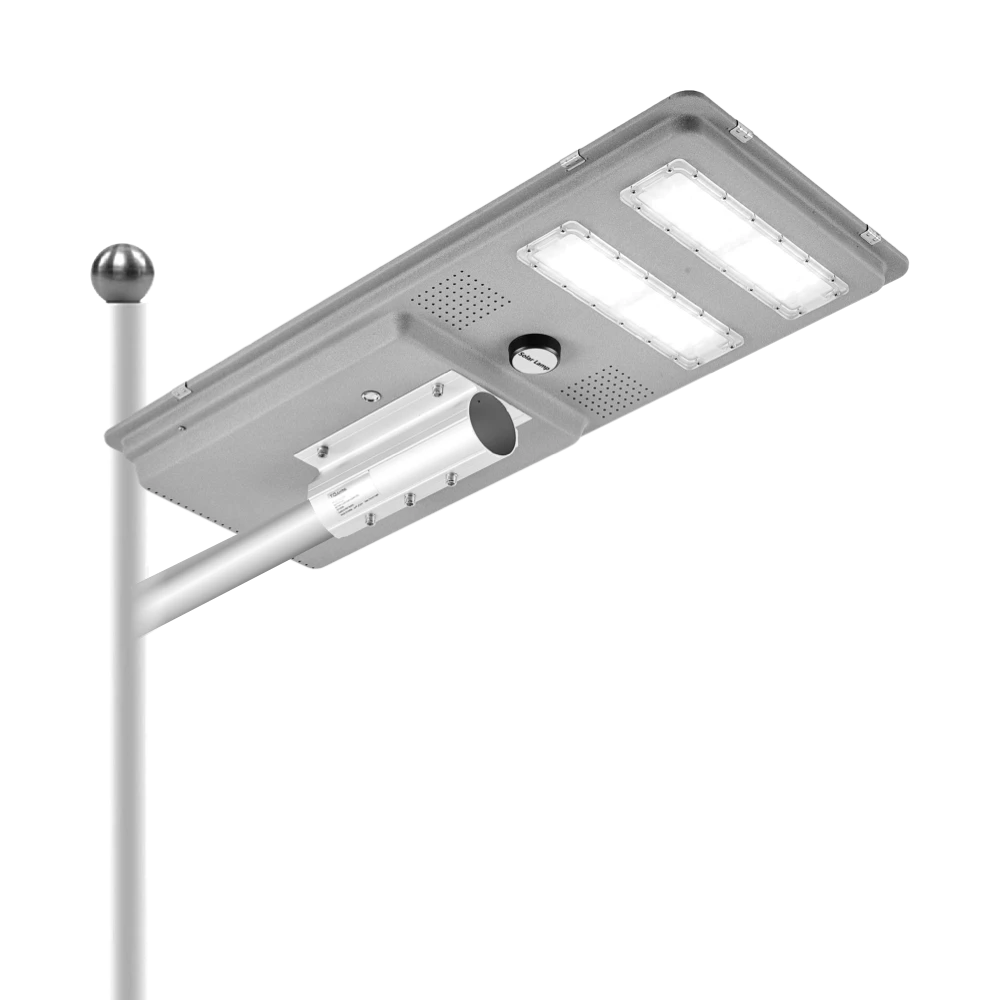
Queneng’s Solar Street Lights are designed to provide reliable, energy-efficient lighting for streets, parks, and other outdoor spaces.
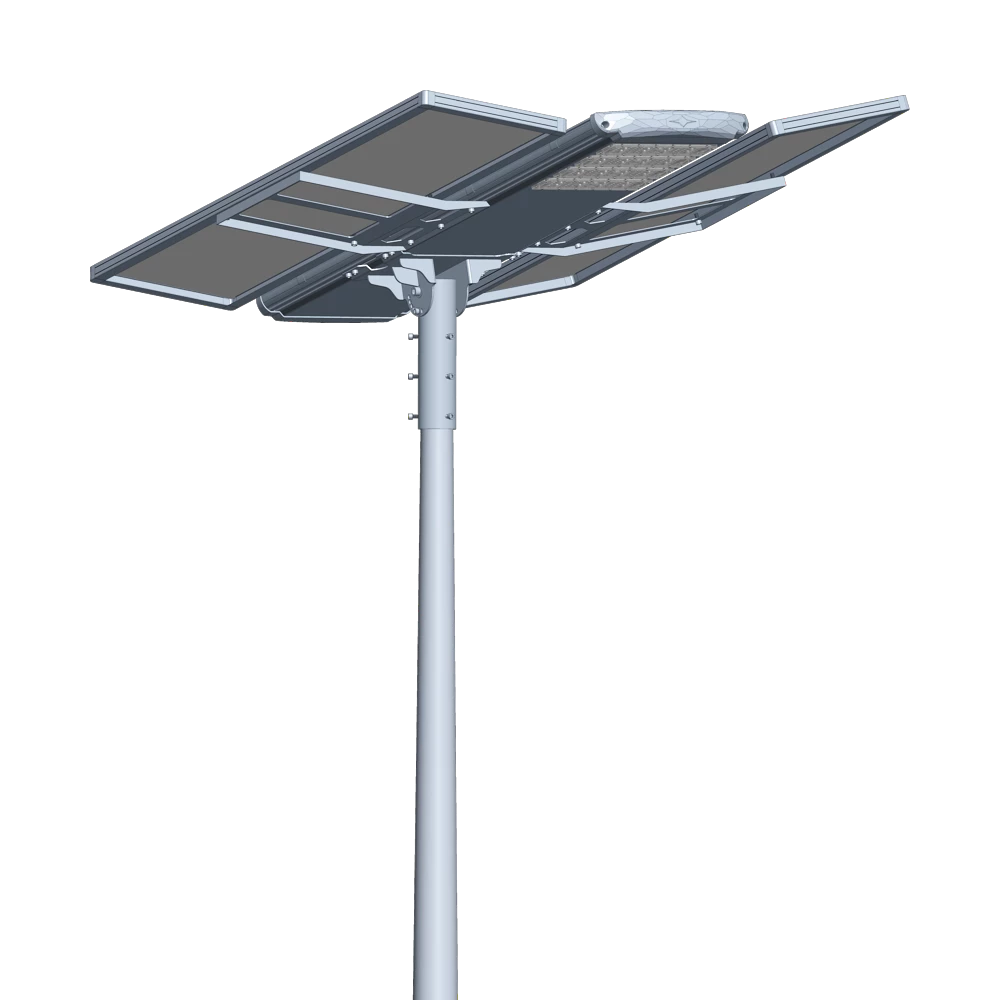
Introducing the Luqing Solar Street Light by Queneng, Efficient LED lighting powered by solar energy is perfect for illuminating outdoor areas. Harness the power of solar energy for sustainable, reliable street lighting. Ideal for eco-friendly, cost-effective outdoor illumination solutions.
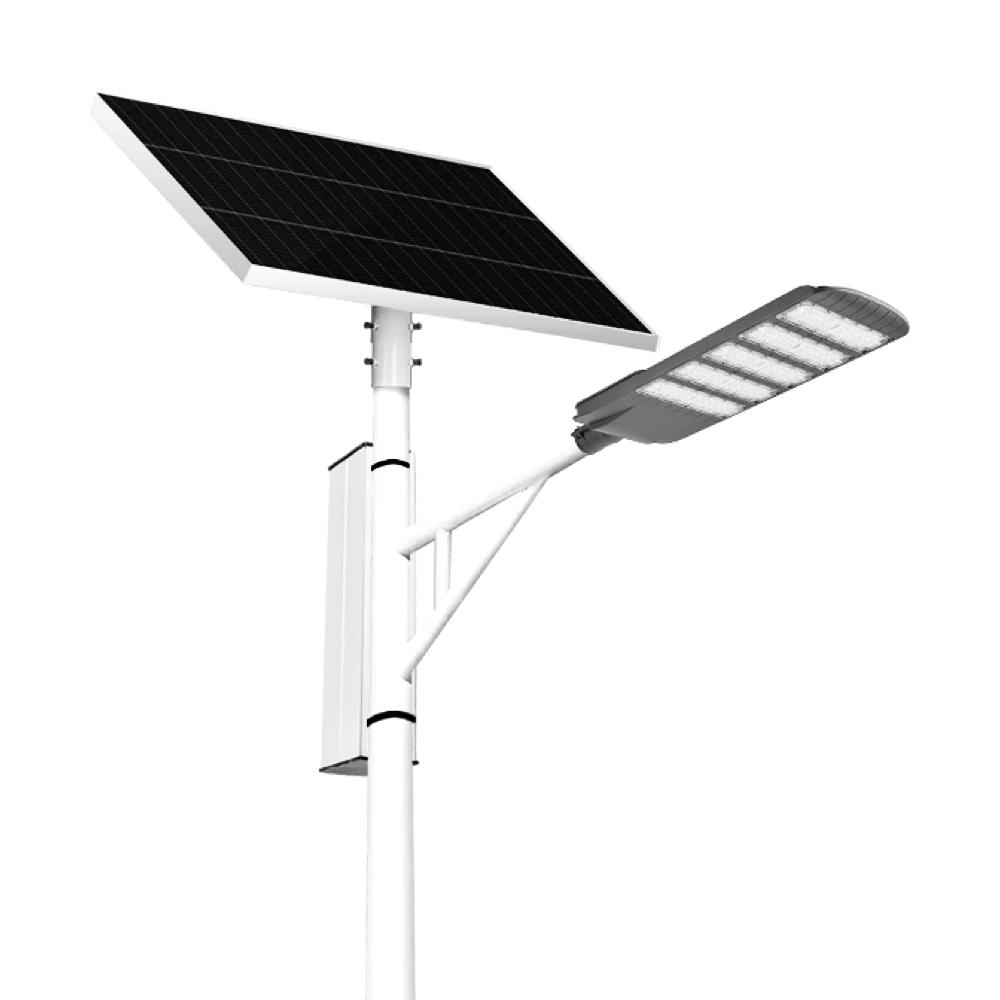
The Solar Streetlights of Luhao for Municipalities are designed to deliver reliable, energy-efficient, and cost-effective public lighting solutions. Equipped with advanced LED technology, durable lithium batteries, and high-efficiency solar panels, these streetlights provide consistent illumination for roads, parks, residential areas, and government projects.
Our professional team is ready to answer any questions and provide personalized support for your project.
You can reach us via phone or email to learn more about Queneng’s solar lighting solutions. We look forward to working with you to promote clean energy solutions!
Rest assured that your privacy is important to us, and all information provided will be handled with the utmost confidentiality.
By clicking 'Send Inquiry Now' I agree to Queneng processing my personal data.
To see how to withdraw your consent, how to control your personal data and how we process it, please see our Privacy Policy and Terms of use.
Schedule a Meeting
Book a date and time that is convenient for you and conduct the session in advance.
Have more questions about our products or services?
The messenger of light & power conversion
Environmental protection and intelligent manufacturing are our brand philosophy, and quality assurance and the best user experience are our eternal promises to users.
CONTACT
No.9F, Building F, Cao San Xin Tian Hong Logistics Park, Guzhen Town, Zhongshan City, Guangdong Province, China.
or write [email protected]
WhatsApp: +86 136 2270 1011


