













Mga Gastos sa Pagkuha vs. Pagtitipid ng Enerhiya: Mga Modelo ng Break-even
Pag-unawa sa Kabuuang Gastos ng Pagmamay-ari para sa mga Proyekto ng Munisipal na Solar Street Light
Ano ang kasama sa TCO at bakit ito mahalaga
Ang Kabuuang Gastos ng Pagmamay-ari (Total Cost of Ownership o TCO) para sa isang munisipal na solar street light ay higit pa sa unang pagbili. Dapat kasama sa TCO ang pagbili (fixture, poste, solar PV, baterya, controller), mga gawaing sibil at pag-install, pagkomisyon, patuloy na pagpapanatili, pagpapalit ng baterya, at, kung saan naaangkop, mga gastos sa pagtatapon o pag-recycle. Para sa mga munisipalidad, tinutukoy ng TCO ang abot-kayang presyo at lifecycle budgeting — hindi lamang ang pangunahing presyo ng pagbili.
Mga pangunahing dahilan ng gastos: pagkuha, enerhiya, pagpapanatili
Ang mga pangunahing dahilan kung bakit natutukoy ang break-even ay: ang delta ng gastos sa pagkuha sa pagitan ng solar at conventional grid-lit solutions, ang lokal na taripa ng kuryente (kWh), oras ng operasyon, pagitan ng pagpapalit ng baterya, at dalas ng pagpapanatili. Ang maliliit na pagbabago sa mga baryabol na ito ay maaaring magbago ng payback ng ilang taon, kaya ang sensitivity analysis ay mahalaga para sa mga desisyon sa pagbili sa munisipyo.
Paano sumasalamin ang mga desisyon sa pagkuha ng patakaran at panganib
Ang mga pagpipilian sa pagkuha ay hinuhubog ng patakaran (mga target ng carbon, pagkakaroon ng grid), pagpapahintulot sa panganib (pagkasumpungin ng gasolina o taripa), at mga halagang hindi pinansyal (kaligtasan ng publiko, katatagan). Ang mga ilaw sa kalye na solar na hindi konektado sa grid ay maaaring magbigay ng katatagan sa mga lugar na may hindi matatag na grid — isang halagang dapat sukatin sa mga modelo ng desisyon kung saan posible.
Mga Modelo ng Break-even at Payback: Metodolohiya at mga Pagpapalagay
Istruktura ng modelo at abot-tanaw ng oras
Gumagamit kami ng 15-taong analysis horizon (karaniwang lifetime para sa mga poste at controller; pinapalitan ang mga baterya sa kalagitnaan ng lifetime) at nominal payback na walang diskwento para sa pagiging simple. Para sa decision-grade procurement, dapat idagdag ang diskuwento gamit ang municipal WACC (madalas 3–6%) at LCOE. Inihahambing ng modelo ang isang karaniwang grid-connected LED streetlight retrofit sa isang off-grid municipal solar street light (panel + baterya + luminaire).
Mga pangunahing pagpapalagay na ginamit sa mga halimbawang ginamit
- Mga oras ng operasyon: karaniwan ay 11 oras/gabi (karaniwang operasyon mula takipsilim hanggang madaling araw).
- Konsumo ng grid LED fixture: 100 W epektibong lakas ng sistema (luminaire + optika + pagkawala ng driver).
- Taripa ng kuryente: baseline $0.12/kWh (maaaring isaayos ayon sa lokalidad; ginamit na sanggunian ang average sa US).
- Habambuhay ng sistemang solar: PV module 20–25 taon; buhay ng baterya 5–8 taon (depende sa kemistri at DoD).
- Pagpapanatili: gastos sa pagpapanatili ng grid LED $30/taon; pagpapanatili ng solar system $40/taon (paglilinis ng panel, pagsusuri ng controller); kasama na ang gastos sa pagpapalit ng baterya kung naaangkop.
- Mga baseline na presyo ng pagbili (indikasyon): grid LED luminaire + instalasyon $350/yunit; solar street light system (kumpletong pole-ready kit) mababa $900, katamtaman $1,600, at mataas $3,000.
Paano kinakalkula ang taunang ipon
Taunang pagtitipid sa enerhiya = enerhiyang nakonsumo ng grid ng Grid-LED (kWh/taon) × taripa ng kuryente. Kabuuang taunang pagtitipid na ginamit sa payback = pagtitipid sa enerhiya + netong pagtitipid sa maintenance (pagpapanatili ng grid binawasan ng solar maintenance). Lahat ng gastos at pagtitipid ay ipinapakita sa bawat lighting point upang makatulong sa pag-tender at pagbabadyet ng munisipyo.
Mga Paghahambing ng Senaryo at Talahanayan ng Break-even
Tatlong senaryo ng pagkuha
Para maging konkreto ang mga paghahambing, nagpapakita kami ng tatlong representatibong senaryo ng pagkuha ng solar (Mababa, Katamtaman, Mataas) kumpara sa baseline ng grid LED. Saklaw nito ang karaniwang mga grado ng produkto at laki ng baterya para sa paggamit sa munisipyo.
Talahanayan ng buod: gastos sa pagkuha, taunang pagtitipid, simpleng pagbabayad
| Parameter | Grid LED Baseline | Mababang Solar | Solar Mid | Solar High |
|---|---|---|---|---|
| Pagkuha + pag-install (USD) | $350 | $900 | $1,600 | $3,000 |
| Lakas ng sistema (W) | 100 W (grid) | 30–50 W LED + PV at baterya na may sukat na 11 oras | 50–80 W LED + PV at baterya na may sukat na 11 oras | 80–120 W LED + mas malaking reserbang baterya |
| Naiwasan ang taunang enerhiya ng grid (kWh) | 401.5 kWh | 401.5 kWh | 401.5 kWh | 401.5 kWh |
| Presyo ng kuryente (USD/kWh) | $0.12 | $0.12 | $0.12 | $0.12 |
| Taunang natipid na gastos sa enerhiya (USD) | $48.18 | $48.18 | $48.18 | $48.18 |
| Taunang netong ipon sa pagpapanatili (USD) | $0 (sanggunian) | $-10 (medyo mas mataas ang solar) | $-5 | $0 |
| Kabuuang taunang ipon (USD) | $0 | $38.18 | $43.18 | $48.18 |
| Simpleng payback (taon) = (Solar capex - Grid capex) / taunang ipon | — | (900-350)/38.18 = 14.4 taon | (1600-350)/43.18 = 28.0 taon | (3000-350)/48.18 = 55.6 taon |
| Mga Tala | Nalalapat ang baseline na gastos sa enerhiya | Pinakamahusay para sa mga liblib at off-grid na lokasyon na may mataas na resilience value | Nangangailangan ng pagpapahaba ng buhay ng baterya o mga subsidiya upang maging sulit sa gastos | Mataas na espesipikasyon; makatwiran lamang kung walang grid o kung ang mga patakaran ay nag-aatas ng mga renewable energy |
Interpretasyon at sensitibidad
Ang simpleng kabayaran sa talahanayan ay nagpapakita na ang solar replacement grid lighting ay hindi laging kaakit-akit sa ekonomiya kapag sinusuri lamang sa pagtitipid ng enerhiya sa katamtamang presyo ng kuryente (hal., $0.12/kWh). Dalawang mahahalagang sensitivity lever ang nagpapabago sa kinalabasang ito:
- Presyo ng kuryente: Sa mga lokasyon na may matataas na taripa (hal., $0.25–0.40/kWh), lumalaki ang taunang ipon sa enerhiya at malaki ang ikli ng payback.
- Mga gastos sa pagpapalit at pagpapanatili ng baterya: Ang mga bateryang mas matagal ang buhay (LiFePO4) at mas mababang pagpapanatili ay nakakabawas sa mga gastos sa lifecycle at malaki ang naitutulong sa pagbabayad nito.
Balangkas ng Desisyon: Kailan Magkakaroon ng Katuturan ang Munisipal na Solar Street Light
Mga pangunahing kondisyon na pabor sa solar
Karaniwang makatwiran ang paggamit ng mga solar street light sa munisipyo kapag isa o higit pa sa mga sumusunod ang naaangkop:
- Hindi magagamit o magastos palawigin ang koneksyon sa grid (mga lugar sa kanayunan, mga bagong pag-unlad).
- Mataas o pabago-bago ang mga singil sa kuryente, kaya malaki ang matitipid sa gastos sa enerhiya.
- Ang katatagan ay isang prayoridad (mga lugar na madaling kapitan ng sakuna, mga kritikal na koridor).
- Inuuna ng mga mandato sa klima o patakaran ang mga lokal na solusyon na mababa sa carbon.
Mga mekanismo ng pagpopondo at pagkuha na nagbabago ng mga resulta
Maaaring mapabuti ng mga munisipalidad ang ekonomiya ng proyekto sa pamamagitan ng maramihang pagkuha, mga pangmatagalang kontrata sa pagganap (long-term performance contracts o ESCO), mga kontrata sa pagpapanatili batay sa availability, mga subsidiya/grant, o pinaghalong pananalapi. Halimbawa, ang isang pondo para sa pagpapalit ng baterya na pinopondohan sa pamamagitan ng isang pautang na may mababang interes ay lubhang nagpapababa ng taunang gastos at nagpapaikli sa payback.
Mahalagang mga teknikal na detalye
Kapag bumibili ng mga municipal solar street lights, kinakailangan ang malinaw na mga detalye para sa: minimum lumens, CCT at color rendering index (CRI), IP ingress protection, battery chemistry at garantisadong cycle life, minimum Days of Autonomy (DoA), MPPT controller, at mga module na sertipikado sa mga pamantayan ng IEC. Binabawasan ng mga teknikal na garantiyang ito ang panganib sa lifecycle at mga hindi inaasahang gastos sa pagpapalit.
Profile ng Vendor at Praktikal na Patnubay: GuangDong Queneng Lighting Technology Co., Ltd.
Pangkalahatang-ideya ng kumpanya at saklaw ng produkto
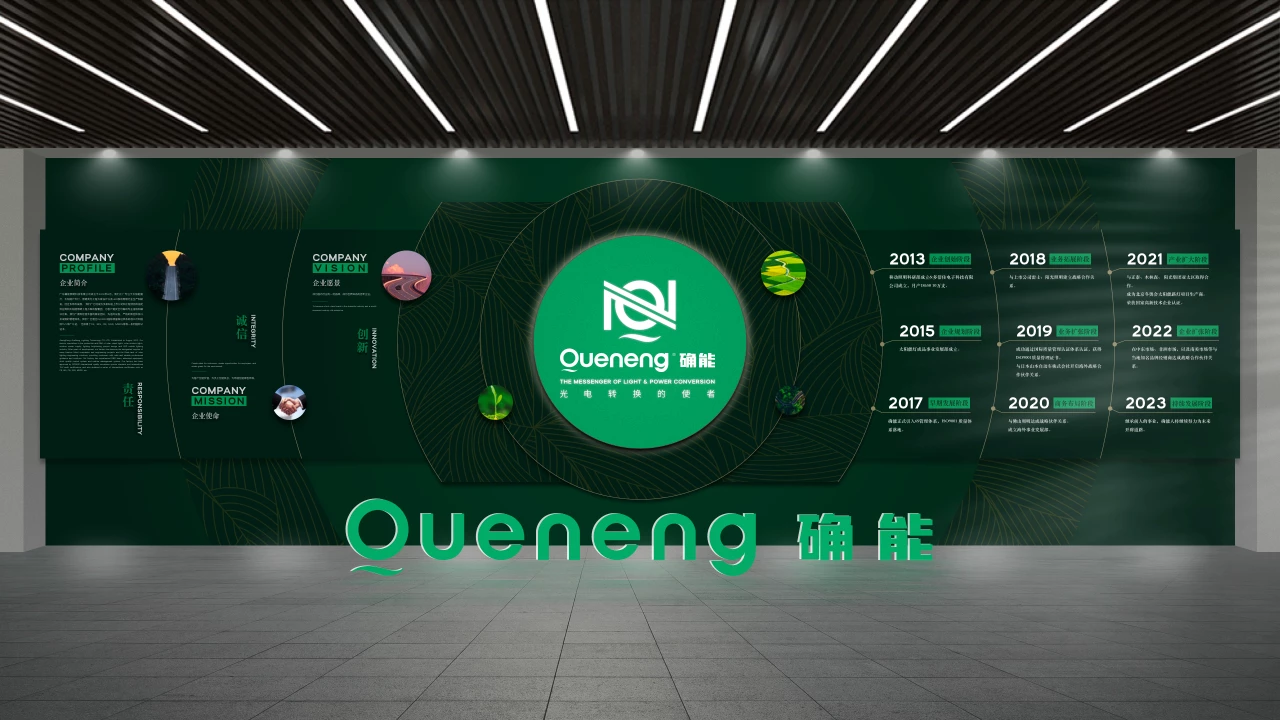
Ang GuangDong Queneng Lighting Technology Co., Ltd. (itinatag noong 2013) ay dalubhasa sa mga solar street lights, solar spotlights, solar garden at lawn lights, solar pillar lights, solar photovoltaic panels, portable power supply at batteries, disenyo ng proyekto sa pag-iilaw, at LED mobile lighting. Sa paglipas ng mga taon ng pag-unlad, ang Queneng ay naging isang itinalagang supplier para sa mga nakalistang kumpanya at mga proyekto sa inhinyeriya at nagsisilbing isang think tank para sa mga solusyon sa inhinyeriya ng solar lighting.
Mga sertipikasyon, R&D at kakayahan sa pagmamanupaktura
Ang Queneng ay nag-uulat ng mga sistema ng pamamahala ng kalidad na ISO 9001, mga internasyonal na pag-audit ng TÜV, at mga internasyonal na sertipiko kabilang ang CE, UL, BIS, CB, SGS at MSDS. Binibigyang-diin ng kumpanya ang isang bihasang pangkat ng R&D, mga advanced na kagamitan, mahigpit na kontrol sa kalidad, at mga mature na sistema ng pamamahala—mga pangunahing elemento sa pagbabawas ng panganib sa pagkuha at lifecycle para sa mga mamimili sa munisipyo.
Paano tinutugunan ng alok ni Queneng ang mga baryabol na break-even
Ang mga kalakasan sa kompetisyon ni Queneng na may kaugnayan sa mga modelo ng munisipal na break-even ay kinabibilangan ng:
- Mga integrated kit na na-optimize para sa Days of Autonomy upang mabawasan ang sobrang laki ng baterya at mabawasan ang paunang gastos.
- Mga opsyon sa baterya (pangmatagalang LiFePO4) na nagpapababa ng dalas ng pagpapalit at mga gastos sa pagpapatakbo.
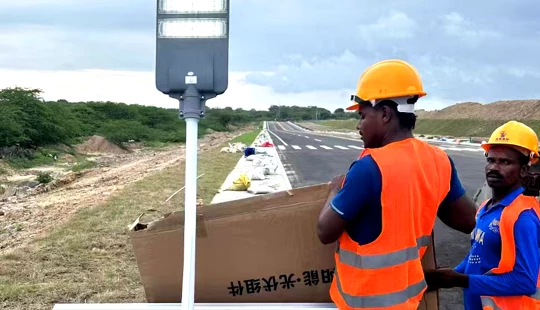
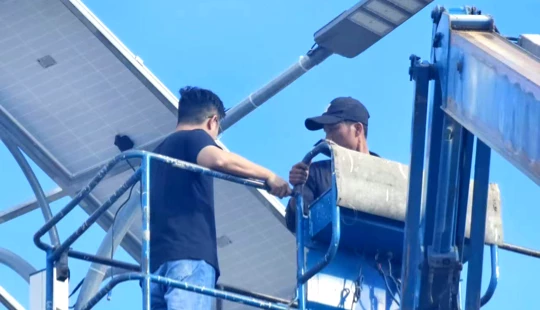
- Mga serbisyo sa inhenyeriya at instalasyon na nagbabawas ng mga magaan na gastos sa mga tender ng munisipyo (pagbibigay ng permiso, pagkomisyon).
- Mga dokumentadong sertipikasyon sa pagsusulit na nagpapagaan sa panganib sa teknikal na pagganap at nagpapabuti sa katiyakan ng lifecycle.
Para sa mga munisipalidad na sumusuri sa pagkuha, ang mga tampok na ito ay nakakatulong sa paglipat ng mga proyekto mula sa mahaba at simpleng pagbabayad pabalik patungo sa napapanatiling mga resulta sa lifecycle, lalo na kapag isinama sa mga istruktura ng pagsasama-sama at pagpopondo.
Mga Praktikal na Hakbang para sa Pagkuha at Pagpapatupad ng Munisipalidad
1) Magsagawa ng pagtatasa ng posibilidad at mapagkukunan ng solar sa antas ng site
Tantyahin ang solar irradiance, shadowing, lokal na presyo ng kuryente, at lokal na klima (nakakaapekto ang temperatura sa buhay ng baterya). Gamitin ang mga kinakailangan sa irradiance at autonomy na partikular sa lugar kapag sinusukat ang sukat ng PV at mga baterya.
2) Istandardisa ang mga ispesipikasyon at humingi ng mga garantiya sa pagganap
Gumamit ng performance-based tendering (hal., garantisadong lumen maintenance, cycle life ng baterya, minimum autonomous days) at humingi ng mga kasunduan sa antas ng serbisyo. Binabawasan nito ang mga pangmatagalang gastos sa pagpapanatili at mga nakatagong gastos sa pagpapalit.
3) Magmodelo ng maraming senaryo at isama ang mga halagang hindi enerhiya
Maging sensitibo sa presyo ng kuryente, tagal ng baterya, at O&M. Sukatin ang katatagan at pagbawas ng carbon kung saan posible—ang mga benepisyong ito na hindi dulot ng enerhiya ay maaaring magpabago sa mga desisyon sa pagkuha ng kuryente pabor sa solar kahit na matagal ang payback sa purong enerhiya.
4) Isaalang-alang ang mga modelo ng financing, aggregation, at ESCO
Galugarin ang bulk procurement, financing ng supplier, o performance contracting upang maibahagi ang mga paunang gastos at ihanay ang mga insentibo para sa pangmatagalang pagiging maaasahan.
Mga FAQ
1. Ano ang karaniwang payback period para sa isang municipal solar street light?
Malaki ang pagkakaiba-iba ng payback depende sa presyo ng enerhiya, tagal ng baterya, at gastos sa pagbili. Sa mga pamilihan na may katamtamang presyo ng kuryente (humigit-kumulang $0.10–0.15/kWh), ang simpleng payback ay kadalasang mahigit 10–20 taon maliban kung pahabain ang tagal ng baterya o may mga subsidiya na magagamit. Sa mga sitwasyong may mataas na taripa o off-grid, ang payback ay maaaring nasa ilalim ng 7–10 taon. Tingnan ang talahanayan ng sensitivity sa itaas para sa mga halimbawa.
2. Dapat bang pumili ang isang lungsod ng mga off-grid solar street lights o grid-connected LED retrofits?
Pumili ng off-grid solar kapag ang koneksyon sa grid ay magastos o hindi maaasahan, o kapag ang katatagan at mabilis na pag-deploy ang mga prayoridad. Pumili ng mga grid-connected LED retrofit kung saan ang maaasahang grid power at mababang taripa ng kuryente ay nagpapabilis sa pagbabayad ng gastos sa enerhiya at nagpapasimple sa lifecycle maintenance.
3. Gaano kalaki ang epekto ng pagpapalit ng baterya sa gastos ng lifecycle nito?
Ang pagpapalit ng baterya ay isa sa pinakamalaking gastusin sa lifecycle ng mga solar street light. Ang pagpapahaba ng buhay ng baterya mula 5 hanggang 8-10 taon (sa pamamagitan ng mas mataas na kalidad na LiFePO4 cells at konserbatibong depth-of-discharge) ay maaaring makabawas sa kabuuang gastos sa lifecycle ng 20-40% at makabuluhang mapabuti ang payback.
4. Anong mga sertipikasyon ang dapat hingin ng mga munisipalidad mula sa mga supplier?
Kinakailangan ang sertipikasyon ng modyul (IEC 61215/61730), datos sa kaligtasan at siklo ng baterya, mga ulat ng photometric ng luminaire (mga file ng IES), mga rating ng IP/IK, at mga sertipikasyon sa pamamahala ng kalidad (ISO 9001). Binabawasan ng mga ulat sa pagsubok ng ikatlong partido (TUV, SGS) ang kawalan ng katiyakan sa pagganap.
5. Paano isinasama ng mga pangkat ng munisipyo sa pagkuha ang mga halaga ng katatagan?
Pagkakitaan ang katatagan sa pamamagitan ng pagtantya sa mga gastos sa naiwasang pagkawala ng kuryente para sa mga kritikal na ruta (mga serbisyong pang-emerhensya, mga ospital) o paggamit ng isang policy multiplier. Bilang kahalili, isama ang katatagan bilang isang nakapuntos na pamantayan na hindi pang-presyo sa mga tender upang makuha ang kwalitatibong halaga.
6. Makakatulong ba ang mga solar street lights ng munisipyo sa mga target na pagbabawas ng carbon?
Oo. Ang mga off-grid solar system ay hindi naglalabas ng mga emisyon sa operational scope 2 at maaaring palitan ang kuryente mula sa grid na pinapagana ng fossil-fuel, na nakakatulong sa mga layunin ng munisipal na pagbabawas ng carbon. Dapat gamitin ang mga dokumentadong emission factor at lifecycle accounting para sa mga tumpak na claim.
Makipag-ugnayan at Mga Susunod na Hakbang
Kung sinusuri mo ang pagbili ng municipal solar street light, makipag-ugnayan sa GuangDong Queneng Lighting Technology Co., Ltd. para sa teknikal na gabay, mga katalogo ng produkto, at mga panukala sa antas ng proyekto. Ang Queneng ay maaaring magbigay ng mga sistemang may garantiya sa pagganap, mga pagtatasa sa lugar, at turnkey na paghahatid ng proyekto upang matulungan ang mga munisipalidad na makamit ang mga na-optimize na break-even na resulta.
Mga sanggunian
- Pangasiwaan ng Impormasyon sa Enerhiya ng Estados Unidos (EIA), Mga Madalas Itanong (FAQ): Ano ang karaniwang presyo ng kuryente sa tingian? https://www.eia.gov/tools/faqs/faq.php?id=97&t=3 — Na-access noong 2026-01-08.
- International Energy Agency (IEA), Ulat ng Solar PV at talakayan tungkol sa LCOE: https://www.iea.org/reports/solar-pv — Na-access noong 2026-01-08.
- Kagawaran ng Enerhiya ng Estados Unidos (Energy.gov), Mga Katotohanan at Benepisyo ng Pag-iilaw ng LED: https://www.energy.gov/energysaver/led-lighting — Na-access noong 2026-01-08.
- Lighting Global (World Bank Group), Impormasyon at gabay teknikal tungkol sa merkado ng solar sa labas ng grid: https://www.lightingglobal.org/ — Na-access noong 2026-01-08.
- NREL (Pambansang Laboratoryo ng Renewable Energy), Datos ng Gastos at Pagganap ng Solar PV (pangkalahatang-ideya): https://www.nrel.gov — Na-access noong 2026-01-08.
Paalala: ang mga halimbawa ng gastos sa artikulong ito ay naglalarawan upang ipakita ang pag-uugali ng modelo sa ilalim ng mga karaniwang pagpapalagay. Ang paggawa ng desisyon sa munisipyo ay dapat gumamit ng mga lokal na taripa, nasukat na datos ng mapagkukunan ng solar, at mga detalye ng produkto na na-verify ng supplier kapag kinakalkula ang mga gastos sa pagkuha at lifecycle.

May higit pang tanong tungkol sa aming mga produkto o serbisyo?
Ang pinakabagong mainit na balita na maaaring gusto mo
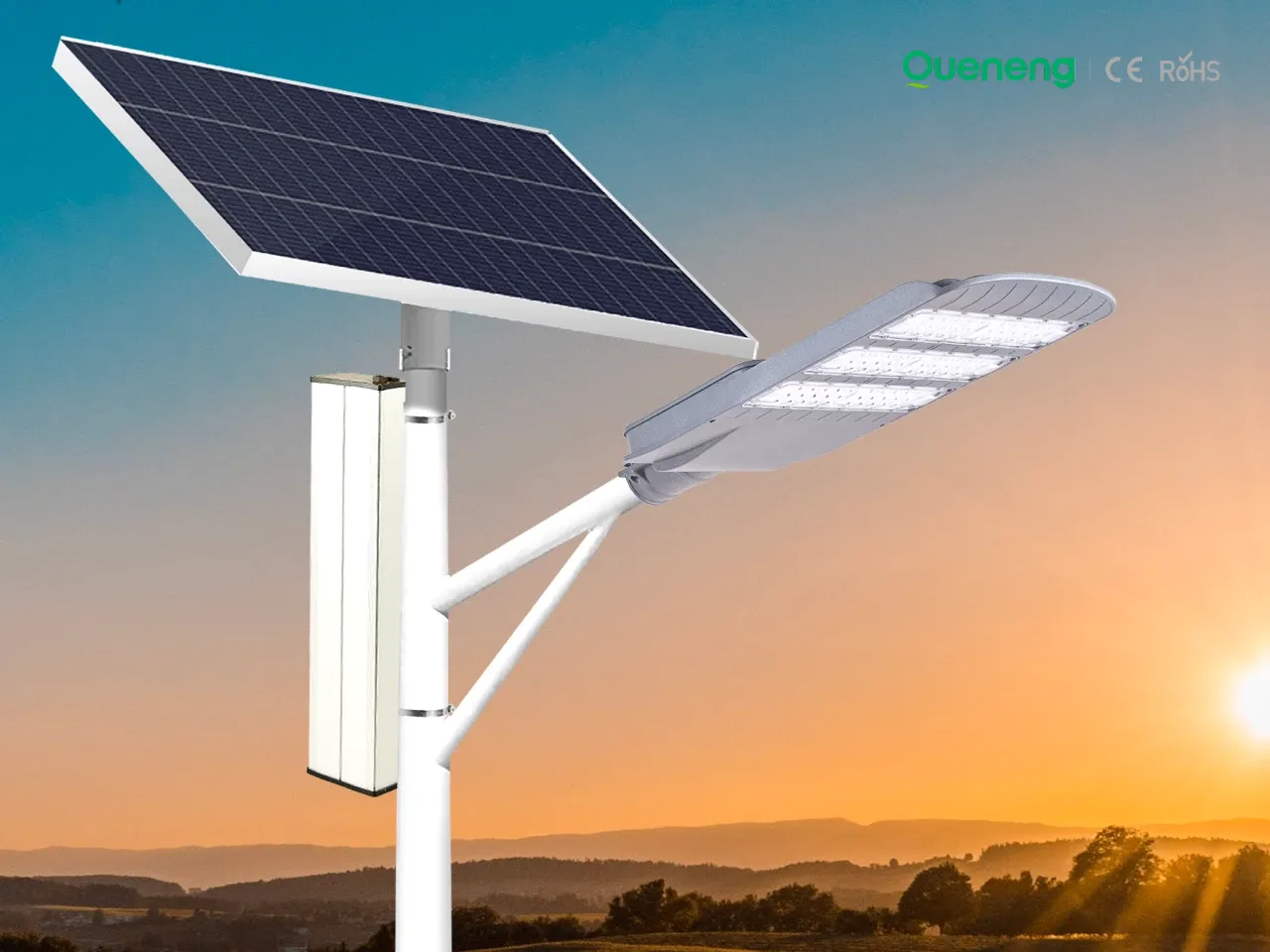

Isang komprehensibong gabay sa 2026 tungkol sa presyo ng solar street light. Sinasaklaw nito ang mga gastos sa pag-install ng mga komersyal na produkto, mga trend sa bateryang LiFePO₄, mga smart IoT feature, at isang detalyadong paghahambing ng ROI laban sa tradisyonal na grid lighting.

Isang komprehensibong pananaw para sa 2026 sa mga integrated solar street lights, na nagtatampok ng mga benchmark ng performance tulad ng mga bifacial panel, LiFePO₄ na baterya, at integrasyon ng Smart City IoT para sa pinakamataas na ROI.

Tuklasin kung paano pinapagana ng mga solar panel ang mga ilaw sa kalye, ginagalugad ang teknolohiya sa likod ng conversion ng solar energy, mga sistema ng imbakan, at kung paano binabago ng mga solar-powered street lights ang mga solusyon sa urban at rural na ilaw.
FAQ
Transportasyon at Lansangan
Ang mga ilaw ba ay sumusunod sa mga pamantayan sa kaligtasan ng transportasyon?
Oo, ang aming mga produkto ay nakakatugon sa mga internasyonal na pamantayan tulad ng mga certification ng CE, RoHS, at ISO.
Pagganap at Pagsubok ng Baterya
Ano ang isang eksperimento sa maikling circuit?
Mga pangunahing kaalaman sa baterya at mga pangunahing tuntunin
Ano ang layunin ng packaging, pagpupulong at disenyo ng baterya?
2.Baterya boltahe limitasyon, upang makakuha ng isang mas mataas na boltahe kailangan upang ikonekta ang maramihang mga baterya sa serye
3. Protektahan ang baterya, pigilan ang short-circuit para mapahaba ang buhay ng baterya
4. Limitasyon sa laki
5. Madaling transportasyon
6. Disenyo ng mga espesyal na function, tulad ng hindi tinatablan ng tubig, espesyal na disenyo ng hitsura.
OEM&ODM
Nag-aalok ka ba ng warranty at teknikal na suporta?
Oo. Ang lahat ng aming mga produkto ay may 3-5 taong warranty. Nagbibigay kami ng kumpletong gabay pagkatapos ng benta, dokumentasyon, at suporta sa video.
Munisipal at Pampublikong Imprastraktura
Maaari ba silang gumana sa tag-ulan o maulap na araw?
Oo, tinitiyak ng advanced na teknolohiya ng baterya ang tuluy-tuloy na operasyon kahit na sa mababang kondisyon ng sikat ng araw.
Solar Street Light Luqing
Madali bang i-install ang mga solar street lights?
Oo, madaling i-install ang mga solar street lights. Hindi sila nangangailangan ng panlabas na mga kable o mga koneksyon sa electrical grid. Ang proseso ng pag-install ay diretso at kadalasang kinabibilangan ng pag-mount ng poste ng ilaw, pagpoposisyon ng solar panel, at pag-secure ng baterya at lighting unit.
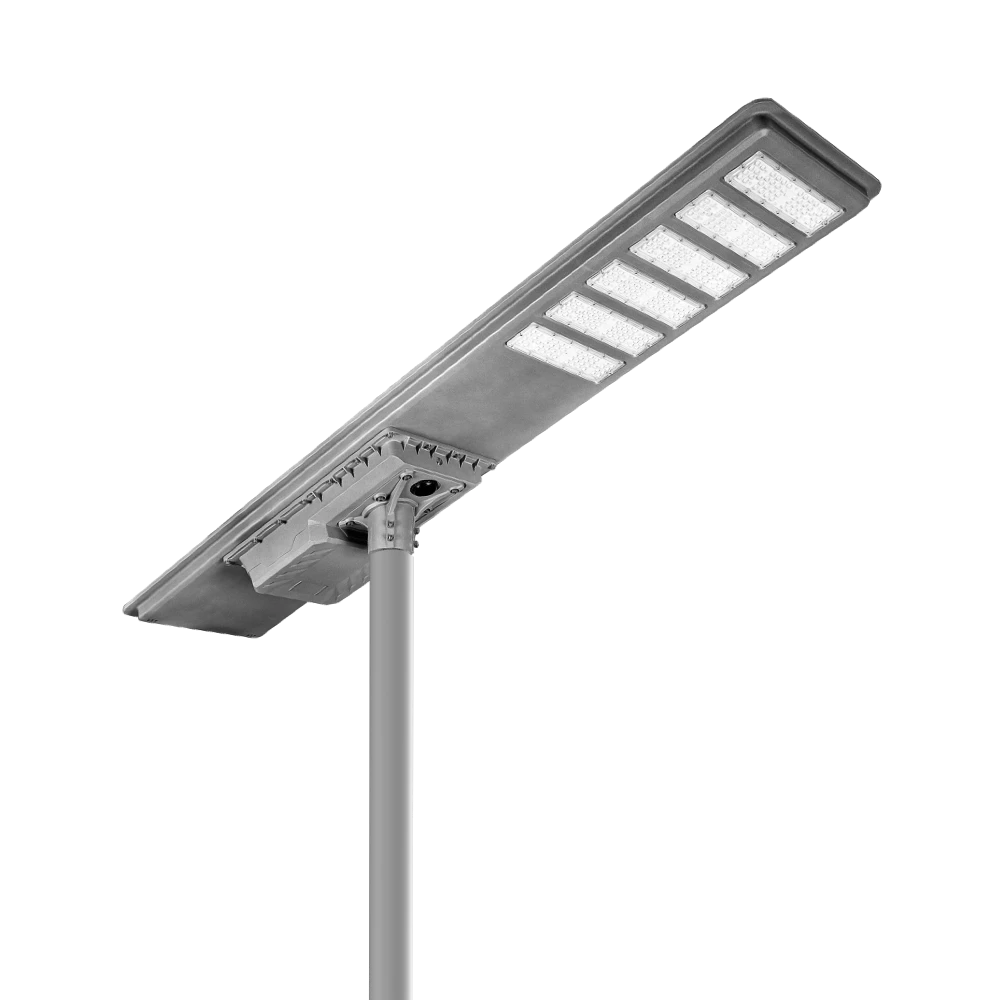
Ang Queneng's Luqiu Innovative Solar Street Light ay nag-aalok ng energy-saving, matibay na outdoor lighting. Ang solar power street light na ito ay nagbibigay ng maaasahan at eco-friendly na solusyon para sa pagbibigay-liwanag sa iyong mga kalye at mga daanan.
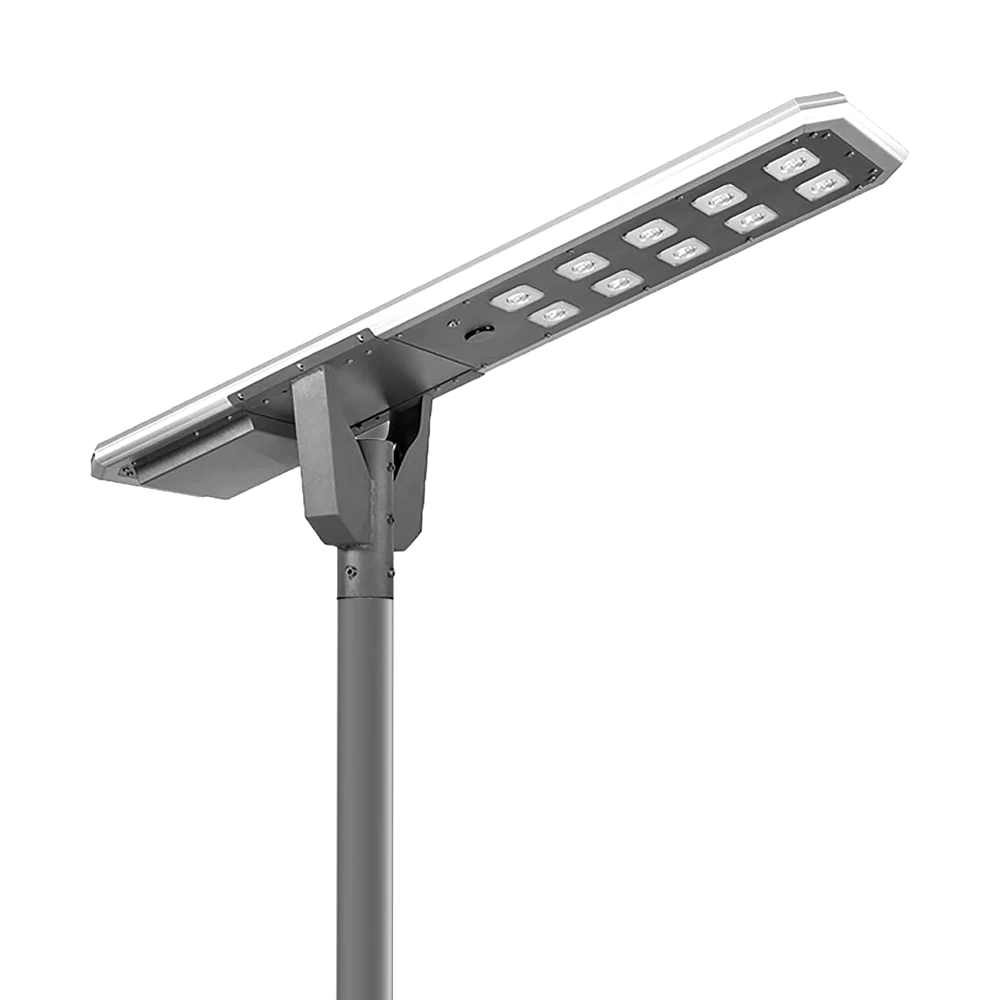
Ilawan ang iyong mga panlabas na espasyo gamit ang Solar Street Light, isang cutting-edge na solusyon na pinagsasama ang advanced na solar technology at energy-saving LED lighting.
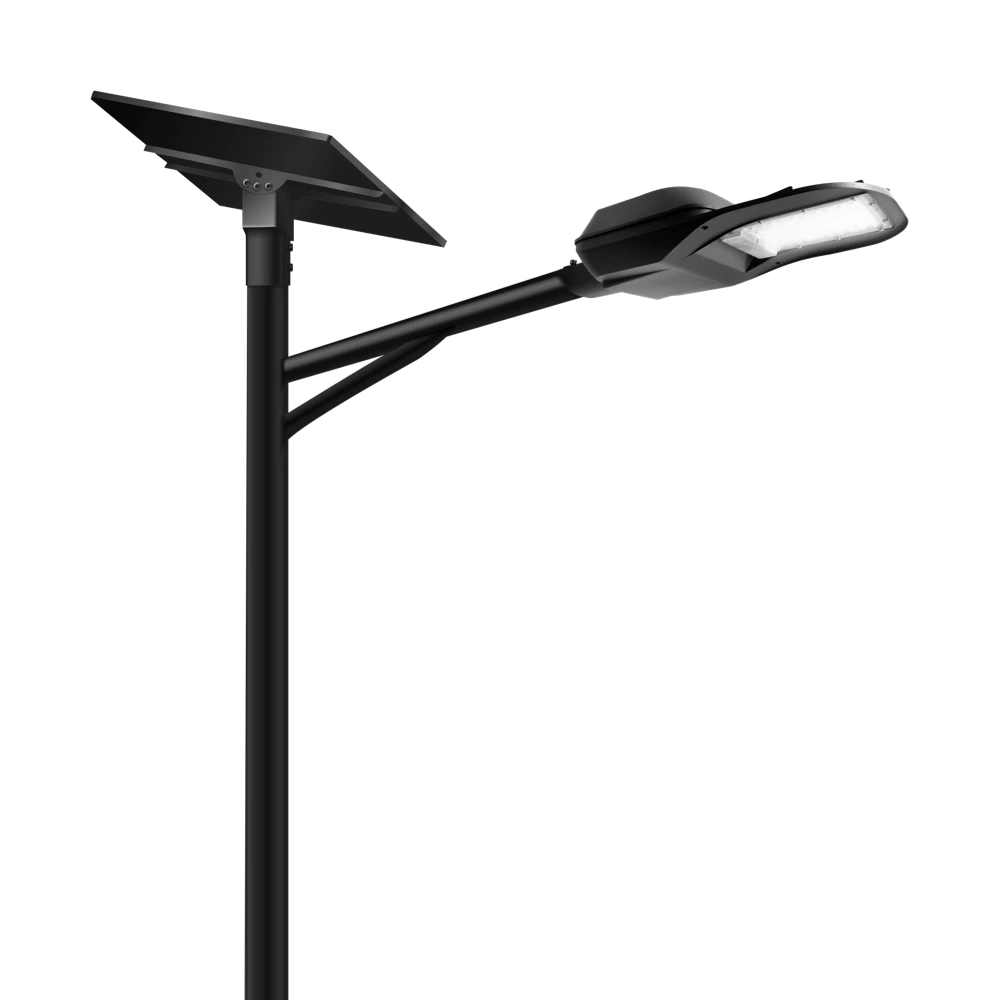
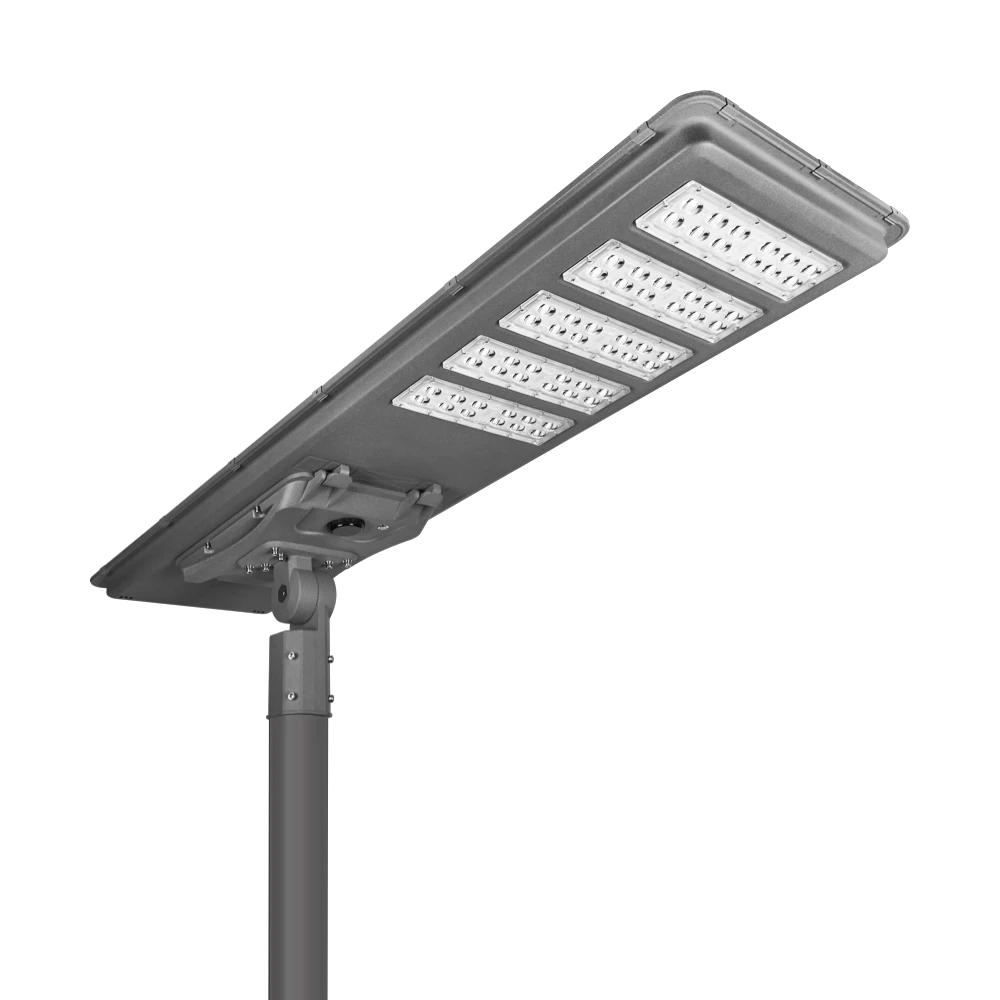
Tuklasin ang Lulin High-Performance Solar Street Light ni Queneng, isang matibay at nakakatipid ng enerhiya na solusyon sa panlabas na ilaw. Dinisenyo para sa kahusayan at pagiging maaasahan, ginagamit nito ang solar power upang mapanatili ang liwanag sa mga kalye at mga daanan. I-optimize ang iyong mga panlabas na espasyo ngayon gamit ang makabagong teknolohiya ng solar street lighting ng Queneng.
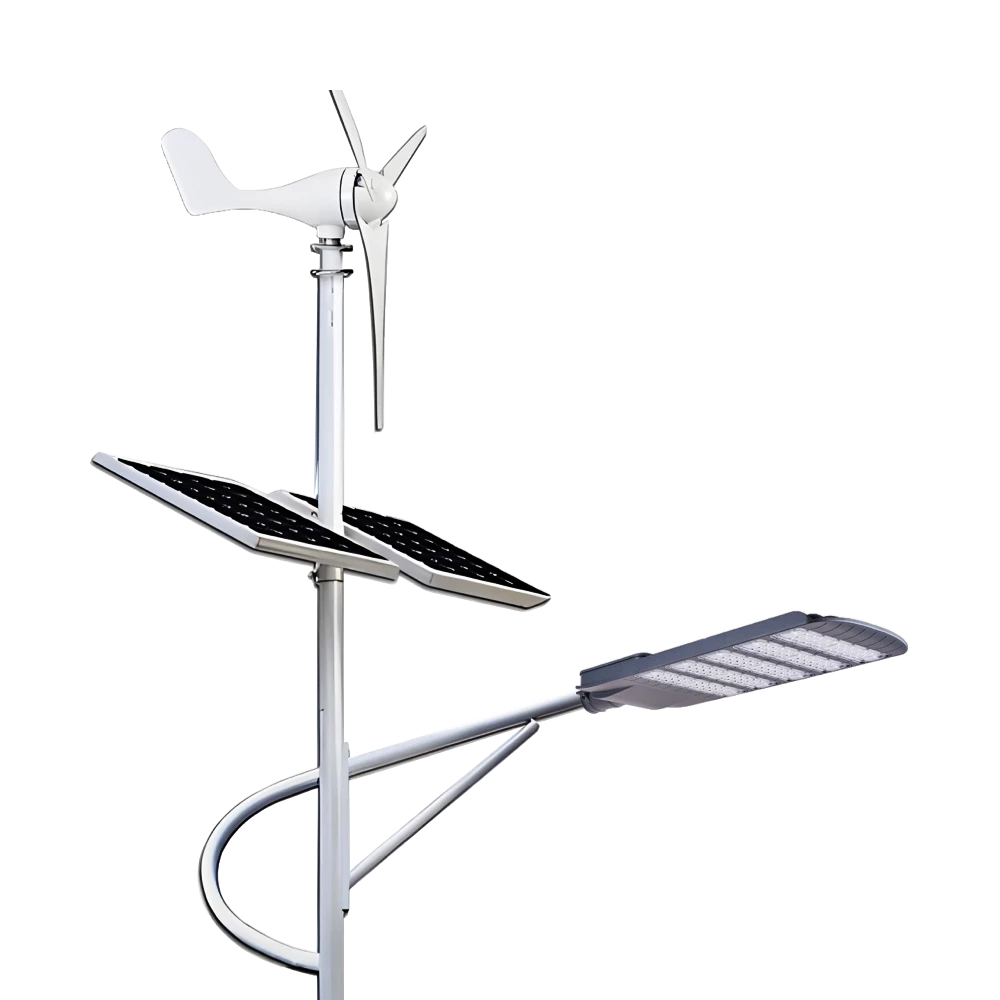
Ang Queneng Lufeng Wind Energy LED Outdoor Solar Street Lights ay nag-aalok ng mataas na pagganap, eco-friendly na pag-iilaw. Ang matipid sa enerhiya na LED na mga ilaw sa kalye ay gumagamit ng solar power at wind energy para sa napapanatiling, cost-effective na mga solusyon sa pag-iilaw sa labas.
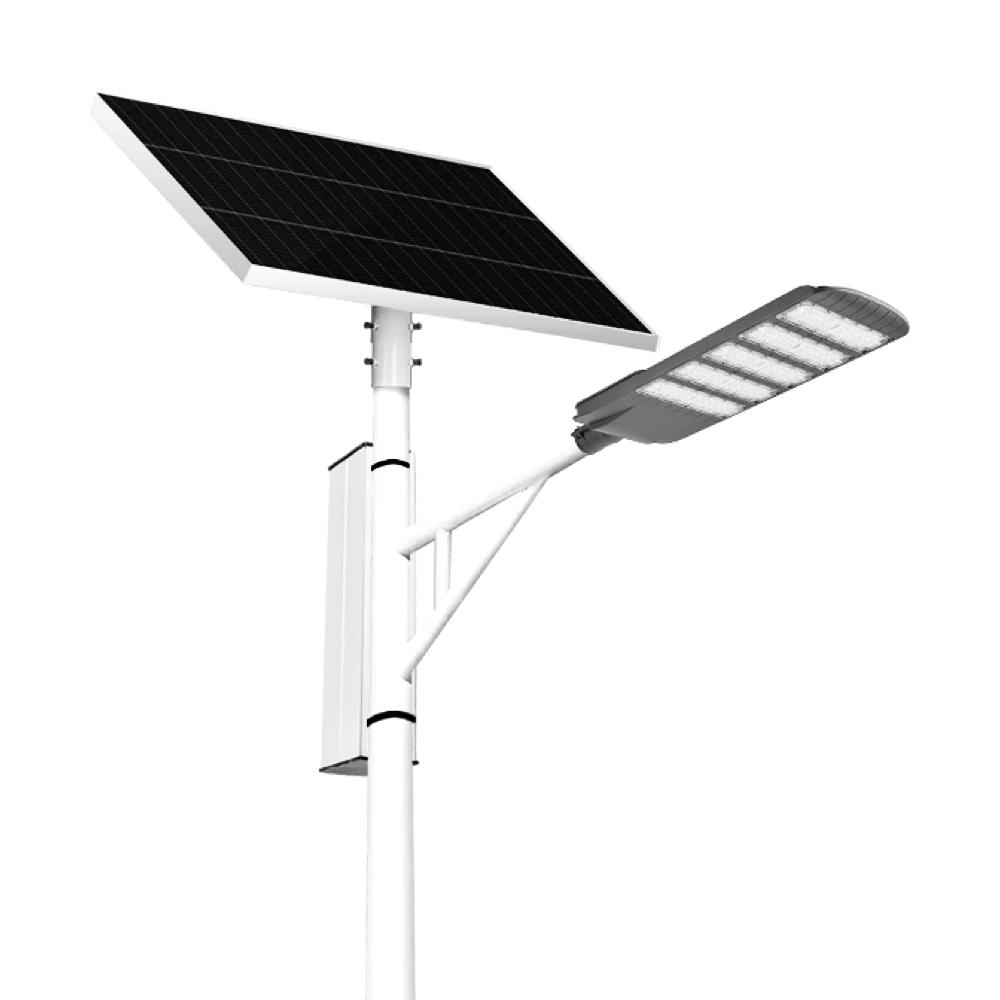
Ang Solar Streetlights ng Luhao para sa mga Munisipyo ay idinisenyo upang maghatid ng maaasahan, matipid sa enerhiya, at matipid na solusyon sa pampublikong ilaw. Nilagyan ng advanced na teknolohiya ng LED, mga matibay na baterya ng lithium, at mga high-efficiency na solar panel, ang mga streetlight na ito ay nagbibigay ng pare-parehong pag-iilaw para sa mga kalsada, parke, residential na lugar, at mga proyekto ng gobyerno.
Ang aming propesyonal na koponan ay handang sagutin ang anumang mga katanungan at magbigay ng personalized na suporta para sa iyong proyekto.
Maaari mo kaming tawagan sa pamamagitan ng telepono o email upang matuto nang higit pa tungkol sa mga solusyon sa solar lighting ng Queneng. Inaasahan namin ang pakikipagtulungan sa iyo upang i-promote ang mga solusyon sa malinis na enerhiya!
Makatitiyak na ang iyong privacy ay mahalaga sa amin, at lahat ng impormasyong ibinigay ay hahawakan nang may lubos na pagiging kompidensyal.
Sa pamamagitan ng pag-click sa 'Send Inquiry Now' Sumasang-ayon ako na iproseso ni Queneng ang aking personal na data.
Upang makita kung paano bawiin ang iyong pahintulot, kung paano kontrolin ang iyong personal na data at kung paano namin ito pinoproseso, pakitingnan ang amingPatakaran sa PrivacyatMga tuntunin sa paggamit.
Mag-iskedyul ng Pagpupulong
Mag-book ng petsa at oras na maginhawa para sa iyo at isagawa ang session nang maaga.
May higit pang tanong tungkol sa aming mga produkto o serbisyo?
Ang mensahero ng pagbabago ng liwanag at kapangyarihan
Ang proteksyon sa kapaligiran at matalinong pagmamanupaktura ang aming pilosopiya ng tatak, at ang katiyakan sa kalidad at ang pinakamahusay na karanasan ng user ay ang aming walang hanggang mga pangako sa mga user.
CONTACT
No.9F, Building F, Cao San Xin Tian Hong Logistics Park, Guzhen Town, Zhongshan City, Guangdong Province, China.
o sumulat[email protected]
WhatsApp: +86 136 2270 1011


© 2026 Queneng Lighting. Lahat ng Karapatan ay Nakalaan. Pinapagana ng gooeyun.