













Chi phí mua sắm so với tiết kiệm năng lượng: Mô hình hòa vốn
Hiểu rõ tổng chi phí sở hữu cho các dự án đèn đường năng lượng mặt trời đô thị.
Tổng chi phí sở hữu (TCO) bao gồm những gì và tại sao nó lại quan trọng.
Tổng chi phí sở hữu (TCO) cho đèn đường năng lượng mặt trời đô thị không chỉ dừng lại ở chi phí mua sắm ban đầu. TCO cần bao gồm chi phí mua sắm (đèn, cột, tấm pin mặt trời, pin lưu trữ, bộ điều khiển), công trình dân dụng và lắp đặt, vận hành thử, bảo trì thường xuyên, thay thế pin và, nếu có, chi phí xử lý hoặc tái chế. Đối với các đô thị, TCO quyết định khả năng chi trả và ngân sách vòng đời – chứ không chỉ là giá mua niêm yết.
Các yếu tố chính gây ra chi phí: mua sắm, năng lượng, bảo trì
Các yếu tố chính quyết định điểm hòa vốn bao gồm: chênh lệch chi phí mua sắm giữa giải pháp năng lượng mặt trời và điện lưới truyền thống, giá điện địa phương (kWh), số giờ hoạt động, khoảng thời gian thay thế pin và tần suất bảo trì. Những thay đổi nhỏ trong các biến số này có thể làm thay đổi thời gian hoàn vốn đến vài năm, do đó phân tích độ nhạy là rất quan trọng đối với các quyết định mua sắm của chính quyền địa phương.
Các quyết định mua sắm phản ánh chính sách và rủi ro như thế nào?
Các lựa chọn mua sắm được định hình bởi chính sách (mục tiêu giảm phát thải carbon, khả năng cung cấp điện lưới), mức độ chấp nhận rủi ro (biến động giá nhiên liệu hoặc thuế quan) và các giá trị phi tiền tệ (an toàn công cộng, khả năng phục hồi). Đèn đường năng lượng mặt trời độc lập có thể mang lại khả năng phục hồi ở những khu vực có lưới điện không ổn định — một giá trị cần được định lượng trong các mô hình ra quyết định nếu có thể.
Mô hình hòa vốn và hoàn vốn: Phương pháp luận và các giả định
Cấu trúc mô hình và khung thời gian
Để đơn giản, chúng tôi sử dụng khung thời gian phân tích 15 năm (tuổi thọ điển hình của cột đèn và bộ điều khiển; pin được thay thế giữa vòng đời) và thời gian hoàn vốn danh nghĩa không chiết khấu. Đối với việc mua sắm ở cấp độ quyết định, cần bổ sung thêm chiết khấu với WACC của thành phố (thường là 3–6%) và LCOE. Mô hình so sánh việc nâng cấp đèn đường LED nối lưới tiêu chuẩn với đèn đường năng lượng mặt trời độc lập của thành phố (tấm pin + pin + đèn chiếu sáng).
Các giả định cốt lõi được sử dụng trong các ví dụ minh họa.
- Thời gian hoạt động: trung bình 11 giờ/đêm (thường hoạt động từ hoàng hôn đến bình minh).
- Công suất tiêu thụ của đèn LED dạng lưới: Công suất hệ thống hiệu dụng 100 W (bao gồm công suất đèn + thấu kính + tổn hao từ bộ nguồn).
- Giá điện: cơ bản 0,12 USD/kWh (có thể điều chỉnh theo từng khu vực; mức trung bình của Hoa Kỳ được sử dụng làm tham chiếu).
- Tuổi thọ hệ thống năng lượng mặt trời: Mô-đun PV 20–25 năm; tuổi thọ pin 5–8 năm (tùy thuộc vào thành phần hóa học và ngày sản xuất).
- Chi phí bảo trì: Chi phí bảo trì đèn LED lưới điện là 30 đô la/năm; chi phí bảo trì hệ thống năng lượng mặt trời là 40 đô la/năm (vệ sinh tấm pin, kiểm tra bộ điều khiển); chi phí thay thế pin được bao gồm nếu cần thiết.
- Giá tham khảo khi mua sắm: đèn LED dạng lưới + lắp đặt 350 USD/đơn vị; hệ thống đèn đường năng lượng mặt trời (bộ kit hoàn chỉnh sẵn sàng lắp đặt trên cột) giá thấp nhất 900 USD, giá trung bình 1.600 USD, giá cao nhất 3.000 USD.
Cách tính toán khoản tiết kiệm hàng năm
Tiết kiệm năng lượng hàng năm = năng lượng lưới điện tiêu thụ bởi hệ thống đèn LED lưới (kWh/năm) × giá điện. Tổng số tiền tiết kiệm hàng năm được sử dụng để hoàn vốn = tiết kiệm năng lượng + tiết kiệm chi phí bảo trì ròng (chi phí bảo trì lưới điện trừ chi phí bảo trì hệ thống năng lượng mặt trời). Tất cả chi phí và khoản tiết kiệm được trình bày cho mỗi điểm chiếu sáng để hỗ trợ việc đấu thầu và lập ngân sách của thành phố.
Bảng so sánh các kịch bản và điểm hòa vốn
Ba kịch bản mua sắm
Để so sánh một cách cụ thể, chúng tôi trình bày ba kịch bản mua sắm năng lượng mặt trời tiêu biểu (Thấp, Trung bình, Cao) so với mức cơ sở là đèn LED lưới điện. Các kịch bản này bao gồm các loại sản phẩm và kích thước pin điển hình cho mục đích sử dụng trong đô thị.
Bảng tóm tắt: chi phí mua sắm, tiết kiệm hàng năm, thời gian hoàn vốn đơn giản
| Tham số | Đường cơ sở LED lưới | Mặt trời thấp | Mặt trời giữa | Mặt trời cao |
|---|---|---|---|---|
| Mua sắm + lắp đặt (USD) | 350 đô la | 900 đô la | 1.600 đô la | 3.000 đô la |
| Công suất hệ thống (W) | 100 W (lưới điện) | Đèn LED 30–50 W + pin mặt trời & pin dự trữ được thiết kế cho thời gian sử dụng 11 giờ. | Hệ thống LED 50–80 W + pin mặt trời & pin dự trữ được thiết kế cho thời gian hoạt động 11 giờ. | Đèn LED 80–120 W + dung lượng pin dự trữ lớn hơn |
| Năng lượng điện lưới tiết kiệm được hàng năm (kWh) | 401,5 kWh | 401,5 kWh | 401,5 kWh | 401,5 kWh |
| Giá điện (USD/kWh) | 0,12 đô la | 0,12 đô la | 0,12 đô la | 0,12 đô la |
| Tiết kiệm chi phí năng lượng hàng năm (USD) | 48,18 đô la | 48,18 đô la | 48,18 đô la | 48,18 đô la |
| Tiết kiệm ròng chi phí bảo trì hàng năm (USD) | $0 (tham chiếu) | -10 đô la (giá năng lượng mặt trời cao hơn một chút) | -5 đô la | $0 |
| Tổng số tiền tiết kiệm hàng năm (USD) | $0 | 38,18 đô la | 43,18 đô la | 48,18 đô la |
| Thời gian hoàn vốn đơn giản (năm) = (Chi phí đầu tư hệ thống năng lượng mặt trời - Chi phí đầu tư lưới điện) / khoản tiết kiệm hàng năm | — | (900-350)/38,18 = 14,4 năm | (1600-350)/43,18 = 28,0 năm | (3000-350)/48,18 = 55,6 năm |
| Ghi chú | Áp dụng mức chi phí năng lượng cơ bản. | Thích hợp nhất cho các địa điểm xa xôi, không có điện lưới, với khả năng phục hồi cao. | Cần kéo dài thời lượng pin hoặc trợ cấp để có thể cạnh tranh về giá. | Thông số kỹ thuật cao; chỉ hợp lý khi không có lưới điện hoặc chính sách yêu cầu sử dụng năng lượng tái tạo. |
Giải thích và sự nhạy cảm
Thời gian hoàn vốn đơn giản trong bảng cho thấy việc thay thế chiếu sáng lưới điện bằng năng lượng mặt trời không phải lúc nào cũng hấp dẫn về mặt kinh tế khi chỉ đánh giá dựa trên mức tiết kiệm năng lượng ở giá điện trung bình (ví dụ: 0,12 USD/kWh). Hai yếu tố quan trọng ảnh hưởng đến kết quả này:
- Giá điện: Tại những khu vực có giá điện cao (ví dụ: 0,25–0,40 USD/kWh), mức tiết kiệm năng lượng hàng năm sẽ tăng lên và thời gian hoàn vốn sẽ rút ngắn đáng kể.
- Chi phí thay thế và bảo trì pin: Pin có tuổi thọ cao hơn (LiFePO4) và chi phí bảo trì thấp hơn giúp giảm chi phí vòng đời sản phẩm và cải thiện đáng kể thời gian hoàn vốn.
Khung Quyết định: Khi nào đèn đường năng lượng mặt trời đô thị mang lại hiệu quả?
Các điều kiện chính thuận lợi cho năng lượng mặt trời
Đèn đường năng lượng mặt trời đô thị thường được xem là hợp lý khi một hoặc nhiều điều sau đây được áp dụng:
- Việc kết nối lưới điện không khả dụng hoặc chi phí mở rộng rất cao (khu vực nông thôn, các khu dân cư mới).
- Giá điện cao hoặc biến động, khiến việc tiết kiệm chi phí năng lượng trở nên đáng kể.
- Khả năng phục hồi là ưu tiên hàng đầu (các khu vực dễ xảy ra thiên tai, các hành lang giao thông trọng yếu).
- Các quy định về khí hậu hoặc chính sách ưu tiên các giải pháp địa phương ít phát thải carbon.
Các cơ chế tài chính và mua sắm làm thay đổi kết quả.
Các đô thị có thể cải thiện hiệu quả kinh tế của dự án thông qua mua sắm số lượng lớn, hợp đồng hiệu suất dài hạn (ESCO), hợp đồng bảo trì dựa trên khả năng cung cấp, trợ cấp/tài trợ hoặc tài chính kết hợp. Ví dụ, quỹ thay thế pin được tài trợ bằng khoản vay lãi suất thấp sẽ làm giảm đáng kể chi phí hàng năm và rút ngắn thời gian hoàn vốn.
Thông số kỹ thuật quan trọng
Khi mua đèn đường năng lượng mặt trời cho đô thị, cần yêu cầu các thông số kỹ thuật rõ ràng về: quang thông tối thiểu, nhiệt độ màu (CCT) và chỉ số hoàn màu (CRI), khả năng chống xâm nhập IP, thành phần hóa học của pin và tuổi thọ chu kỳ được đảm bảo, số ngày hoạt động tối thiểu (DoA), bộ điều khiển MPPT và các mô-đun được chứng nhận theo tiêu chuẩn IEC. Những đảm bảo kỹ thuật này giúp giảm rủi ro trong suốt vòng đời sản phẩm và chi phí thay thế ngoài ý muốn.
Thông tin nhà cung cấp và hướng dẫn thực tiễn: Công ty TNHH Công nghệ chiếu sáng Quảng Đông Queneng.
Tổng quan về công ty và phạm vi sản phẩm
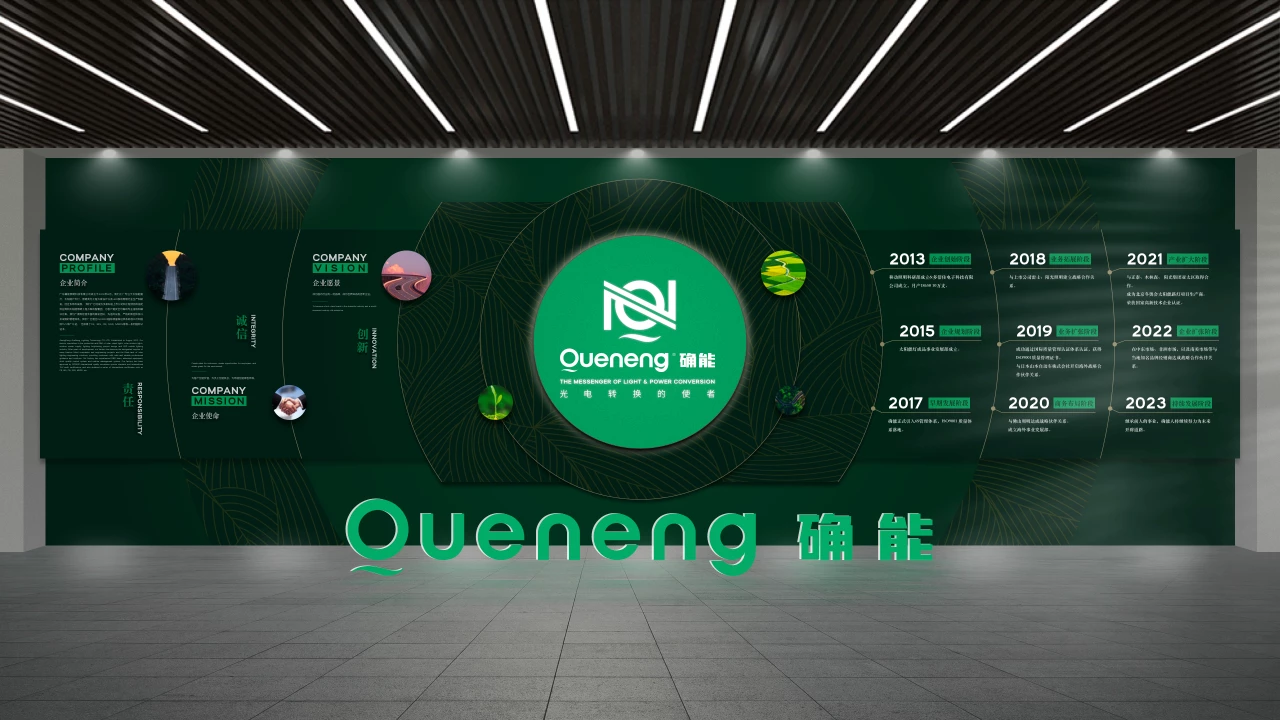
Công ty TNHH Công nghệ Chiếu sáng Quảng Đông Queneng (thành lập năm 2013) chuyên sản xuất đèn đường năng lượng mặt trời, đèn pha năng lượng mặt trời, đèn sân vườn và bãi cỏ năng lượng mặt trời, đèn cột năng lượng mặt trời, tấm pin quang điện năng lượng mặt trời, nguồn điện và pin di động, thiết kế dự án chiếu sáng và đèn LED di động. Trải qua nhiều năm phát triển, Queneng đã trở thành nhà cung cấp được chỉ định cho các công ty niêm yết và các dự án kỹ thuật, đồng thời đóng vai trò là trung tâm tư vấn giải pháp kỹ thuật chiếu sáng năng lượng mặt trời.
Khả năng chứng nhận, nghiên cứu và phát triển, và sản xuất
Queneng báo cáo đạt chứng nhận hệ thống quản lý chất lượng ISO 9001, kiểm toán quốc tế TÜV và các chứng chỉ quốc tế bao gồm CE, UL, BIS, CB, SGS và MSDS. Công ty nhấn mạnh đội ngũ R&D giàu kinh nghiệm, thiết bị tiên tiến, kiểm soát chất lượng nghiêm ngặt và hệ thống quản lý hoàn thiện - những yếu tố then chốt trong việc giảm thiểu rủi ro trong quá trình mua sắm và vòng đời sản phẩm cho các đơn vị mua hàng thuộc chính quyền địa phương.
Giải pháp của Queneng giải quyết các biến số hòa vốn như thế nào?
Những thế mạnh cạnh tranh của Queneng liên quan đến mô hình hòa vốn của thành phố bao gồm:
- Bộ dụng cụ tích hợp được tối ưu hóa cho Thời gian Tự chủ để giảm thiểu việc chọn pin quá cỡ và giảm chi phí ban đầu.
- Các lựa chọn pin (LiFePO4 chu kỳ dài) giúp giảm tần suất thay thế và chi phí vận hành.
- Các dịch vụ kỹ thuật và lắp đặt giúp giảm chi phí gián tiếp trong các gói thầu của thành phố (cấp phép, vận hành).
- Các chứng nhận kiểm thử được ghi chép đầy đủ giúp giảm thiểu rủi ro về hiệu năng kỹ thuật và nâng cao tính chắc chắn trong suốt vòng đời sản phẩm.
Đối với các đô thị đang đánh giá quy trình mua sắm, những tính năng này giúp chuyển các dự án từ giai đoạn hoàn vốn đơn giản kéo dài sang các kết quả bền vững trong suốt vòng đời dự án, đặc biệt khi kết hợp với các cấu trúc tổng hợp và tài chính.
Các bước thực tiễn trong mua sắm và triển khai của chính quyền địa phương
1) Tiến hành đánh giá tính khả thi tại địa điểm và nguồn năng lượng mặt trời.
Ước tính cường độ bức xạ mặt trời, hiện tượng che khuất, giá điện địa phương và khí hậu địa phương (nhiệt độ ảnh hưởng đến tuổi thọ pin). Sử dụng các yêu cầu về cường độ bức xạ và khả năng tự cung cấp điện cụ thể tại từng địa điểm khi tính toán kích thước hệ thống quang điện và pin lưu trữ.
2) Chuẩn hóa các thông số kỹ thuật và yêu cầu đảm bảo hiệu suất
Hãy sử dụng phương thức đấu thầu dựa trên hiệu suất (ví dụ: đảm bảo duy trì độ sáng, tuổi thọ chu kỳ pin, số ngày tự chủ tối thiểu) và yêu cầu các thỏa thuận về mức độ dịch vụ. Điều này giúp giảm chi phí bảo trì dài hạn và các chi phí thay thế ẩn.
3) Mô hình hóa nhiều kịch bản và bao gồm các giá trị phi năng lượng
Hãy phân tích độ nhạy cảm về giá điện, tuổi thọ pin và chi phí vận hành & bảo trì. Định lượng khả năng phục hồi và giảm lượng khí thải carbon nếu có thể — những lợi ích phi năng lượng này có thể tác động đến quyết định mua sắm theo hướng có lợi cho năng lượng mặt trời ngay cả khi thời gian hoàn vốn năng lượng thuần túy dài.
4) Cân nhắc các mô hình tài chính, tập hợp và ESCO
Hãy tìm hiểu các phương án mua hàng số lượng lớn, tài trợ từ nhà cung cấp hoặc hợp đồng dựa trên hiệu suất để phân bổ chi phí ban đầu và điều chỉnh các ưu đãi nhằm đảm bảo độ tin cậy lâu dài.
Câu hỏi thường gặp
1. Thời gian hoàn vốn điển hình cho đèn đường năng lượng mặt trời đô thị là bao lâu?
Thời gian hoàn vốn thay đổi rất nhiều tùy thuộc vào giá năng lượng, tuổi thọ pin và chi phí mua sắm. Tại các thị trường có giá điện trung bình (khoảng 0,10–0,15 USD/kWh), thời gian hoàn vốn đơn giản thường trên 10–20 năm trừ khi tuổi thọ pin được kéo dài hoặc có trợ cấp. Trong các trường hợp giá điện cao hoặc hệ thống điện độc lập, thời gian hoàn vốn có thể dưới 7–10 năm. Xem bảng phân tích độ nhạy ở trên để biết thêm ví dụ.
2. Thành phố nên lựa chọn đèn đường năng lượng mặt trời độc lập hay đèn LED nối lưới?
Hãy chọn hệ thống năng lượng mặt trời độc lập khi việc kết nối lưới điện tốn kém hoặc không đáng tin cậy, hoặc khi tính ổn định và khả năng triển khai nhanh chóng là ưu tiên hàng đầu. Hãy chọn hệ thống đèn LED nối lưới để thay thế các thiết bị hiện có khi nguồn điện lưới ổn định và giá điện thấp giúp rút ngắn thời gian hoàn vốn chi phí năng lượng và đơn giản hóa việc bảo trì vòng đời sản phẩm.
3. Việc thay thế pin ảnh hưởng đến chi phí vòng đời sản phẩm như thế nào?
Thay thế pin là một trong những khoản chi phí lớn nhất trong vòng đời của đèn đường năng lượng mặt trời. Kéo dài tuổi thọ pin từ 5 năm lên 8-10 năm (thông qua việc sử dụng các cell LiFePO4 chất lượng cao hơn và xả pin ở mức độ hợp lý) có thể giảm tổng chi phí vòng đời từ 20-40% và cải thiện đáng kể thời gian hoàn vốn.
4. Các đô thị nên yêu cầu nhà cung cấp cung cấp những chứng nhận nào?
Yêu cầu chứng nhận mô-đun (IEC 61215/61730), dữ liệu an toàn và chu kỳ pin, báo cáo trắc quang của đèn chiếu sáng (tệp IES), xếp hạng IP/IK và chứng nhận quản lý chất lượng (ISO 9001). Báo cáo thử nghiệm của bên thứ ba (TUV, SGS) giúp giảm thiểu sự không chắc chắn về hiệu suất.
5. Các nhóm mua sắm của thành phố tích hợp giá trị khả năng phục hồi như thế nào?
Định lượng khả năng phục hồi bằng cách ước tính chi phí tránh được do gián đoạn hoạt động đối với các tuyến đường quan trọng (dịch vụ khẩn cấp, bệnh viện) hoặc sử dụng hệ số nhân chính sách. Ngoài ra, có thể đưa khả năng phục hồi vào như một tiêu chí phi giá cả được chấm điểm trong các gói thầu để nắm bắt giá trị định tính.
6. Đèn đường năng lượng mặt trời do chính quyền thành phố lắp đặt có thể đóng góp vào mục tiêu giảm phát thải carbon không?
Đúng vậy. Hệ thống năng lượng mặt trời độc lập không phát thải khí nhà kính phạm vi 2 trong quá trình vận hành và có thể thay thế điện lưới sản xuất từ nhiên liệu hóa thạch, góp phần vào mục tiêu giảm phát thải carbon của thành phố. Cần sử dụng các hệ số phát thải được ghi nhận và phương pháp tính toán vòng đời sản phẩm để đưa ra các tuyên bố chính xác.
Liên hệ và các bước tiếp theo
Nếu bạn đang đánh giá việc mua sắm đèn đường năng lượng mặt trời cho đô thị, hãy liên hệ với Công ty TNHH Công nghệ Chiếu sáng Quảng Đông Queneng để được hướng dẫn kỹ thuật, nhận danh mục sản phẩm và đề xuất dự án. Queneng có thể cung cấp các hệ thống đảm bảo hiệu suất, đánh giá địa điểm và triển khai dự án trọn gói để giúp các đô thị đạt được kết quả hòa vốn tối ưu.
Tài liệu tham khảo
- Cơ quan Quản lý Thông tin Năng lượng Hoa Kỳ (EIA), Câu hỏi thường gặp: Giá bán lẻ điện trung bình là bao nhiêu? https://www.eia.gov/tools/faqs/faq.php?id=97&t=3 — Truy cập ngày 08/01/2026.
- Cơ quan Năng lượng Quốc tế (IEA), Báo cáo về điện mặt trời PV và thảo luận về LCOE: https://www.iea.org/reports/solar-pv — Truy cập ngày 08/01/2026.
- Bộ Năng lượng Hoa Kỳ (Energy.gov), Thông tin và lợi ích của đèn LED: https://www.energy.gov/energysaver/led-lighting — Truy cập ngày 08/01/2026.
- Lighting Global (thuộc Nhóm Ngân hàng Thế giới), Thông tin thị trường và hướng dẫn kỹ thuật về năng lượng mặt trời độc lập: https://www.lightingglobal.org/ — Truy cập ngày 08/01/2026.
- NREL (Phòng thí nghiệm Năng lượng tái tạo Quốc gia), Dữ liệu về chi phí và hiệu suất của hệ thống quang điện mặt trời (tổng quan): https://www.nrel.gov — Truy cập ngày 08/01/2026.
Lưu ý: các ví dụ về chi phí trong bài viết này chỉ mang tính minh họa để thể hiện hành vi của mô hình trong các giả định thông thường. Việc ra quyết định của chính quyền địa phương nên sử dụng biểu giá địa phương, dữ liệu về nguồn năng lượng mặt trời đã đo được và thông số kỹ thuật sản phẩm đã được nhà cung cấp xác minh khi tính toán chi phí mua sắm và chi phí vòng đời sản phẩm.

Bạn còn thắc mắc gì về sản phẩm hoặc dịch vụ của chúng tôi không?
Tin tức nóng hổi mới nhất mà bạn có thể thích
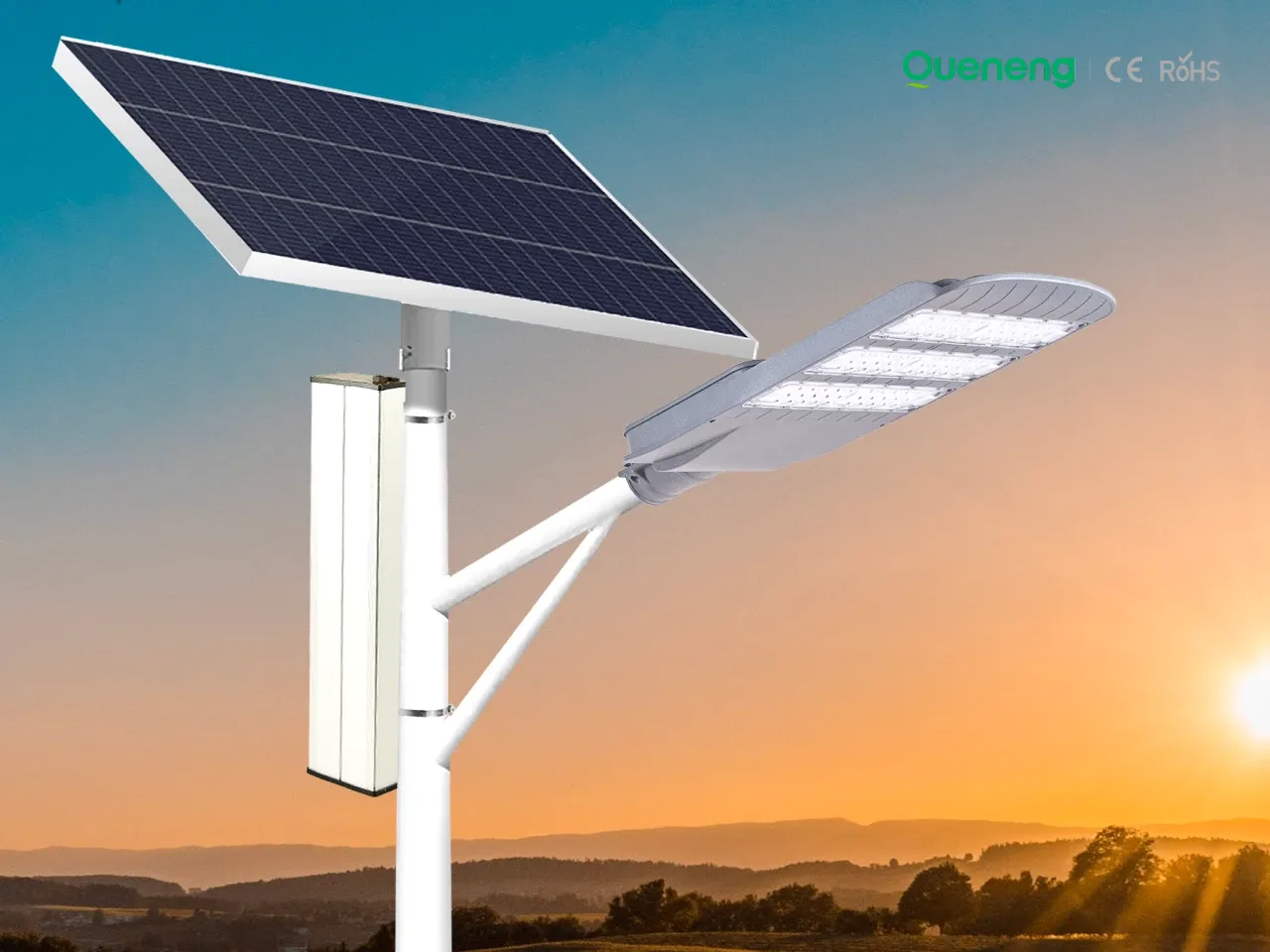

Hướng dẫn toàn diện về giá đèn đường năng lượng mặt trời năm 2026. Bao gồm chi phí lắp đặt thương mại, xu hướng pin LiFePO₄, các tính năng IoT thông minh và so sánh chi tiết lợi tức đầu tư (ROI) so với hệ thống chiếu sáng lưới điện truyền thống.

Báo cáo toàn diện về triển vọng năm 2026 cho đèn đường năng lượng mặt trời tích hợp, bao gồm các tiêu chuẩn hiệu suất như tấm pin hai mặt, pin LiFePO₄ và tích hợp IoT thành phố thông minh để tối đa hóa lợi tức đầu tư.

Khám phá cách các tấm pin mặt trời cung cấp năng lượng cho đèn đường, tìm hiểu công nghệ đằng sau quá trình chuyển đổi năng lượng mặt trời, hệ thống lưu trữ và cách đèn đường chạy bằng năng lượng mặt trời đang cách mạng hóa các giải pháp chiếu sáng đô thị và nông thôn.
Câu hỏi thường gặp
Giao thông vận tải và đường bộ
Đèn có tuân thủ tiêu chuẩn an toàn giao thông không?
Có, sản phẩm của chúng tôi đáp ứng các tiêu chuẩn quốc tế như chứng nhận CE, RoHS và ISO.
Hiệu suất và thử nghiệm pin
Thí nghiệm đoản mạch là gì?
Kiến thức cơ bản về pin và các thuật ngữ cơ bản
Mục đích của việc đóng gói, lắp ráp và thiết kế pin là gì?
2. Giới hạn điện áp pin, để có điện áp cao hơn cần kết nối nhiều pin nối tiếp
3. Bảo vệ pin, ngăn ngừa hiện tượng đoản mạch để kéo dài tuổi thọ của pin
4. Giới hạn kích thước
5. Vận chuyển dễ dàng
6. Thiết kế các chức năng đặc biệt như chống thấm nước, thiết kế ngoại hình đặc biệt.
OEM và ODM
Bạn có cung cấp bảo hành và hỗ trợ kỹ thuật không?
Có. Tất cả sản phẩm của chúng tôi đều được bảo hành 3–5 năm. Chúng tôi cung cấp hướng dẫn sau bán hàng đầy đủ, tài liệu và hỗ trợ video.
Cơ sở hạ tầng công cộng và đô thị
Chúng có thể hoạt động trong những ngày mưa hoặc nhiều mây không?
Có, công nghệ pin tiên tiến đảm bảo hoạt động liên tục ngay cả trong điều kiện ánh sáng mặt trời yếu.
Đèn đường năng lượng mặt trời Luqing
Đèn đường năng lượng mặt trời có dễ lắp đặt không?
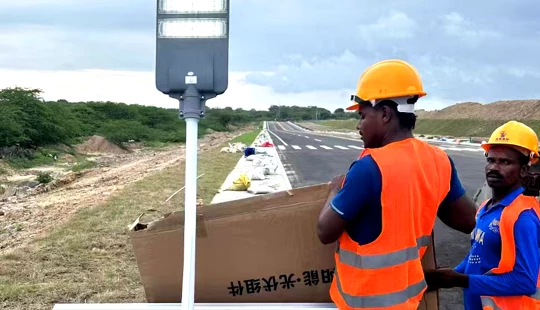
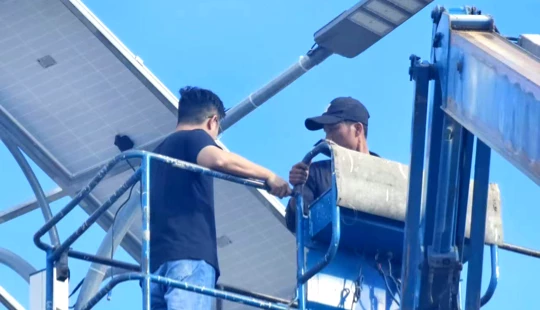
Có, đèn đường năng lượng mặt trời dễ lắp đặt. Chúng không yêu cầu hệ thống dây điện bên ngoài hoặc kết nối với lưới điện. Quy trình lắp đặt rất đơn giản và thường bao gồm lắp cột đèn, định vị tấm pin mặt trời và cố định pin và bộ phận chiếu sáng.
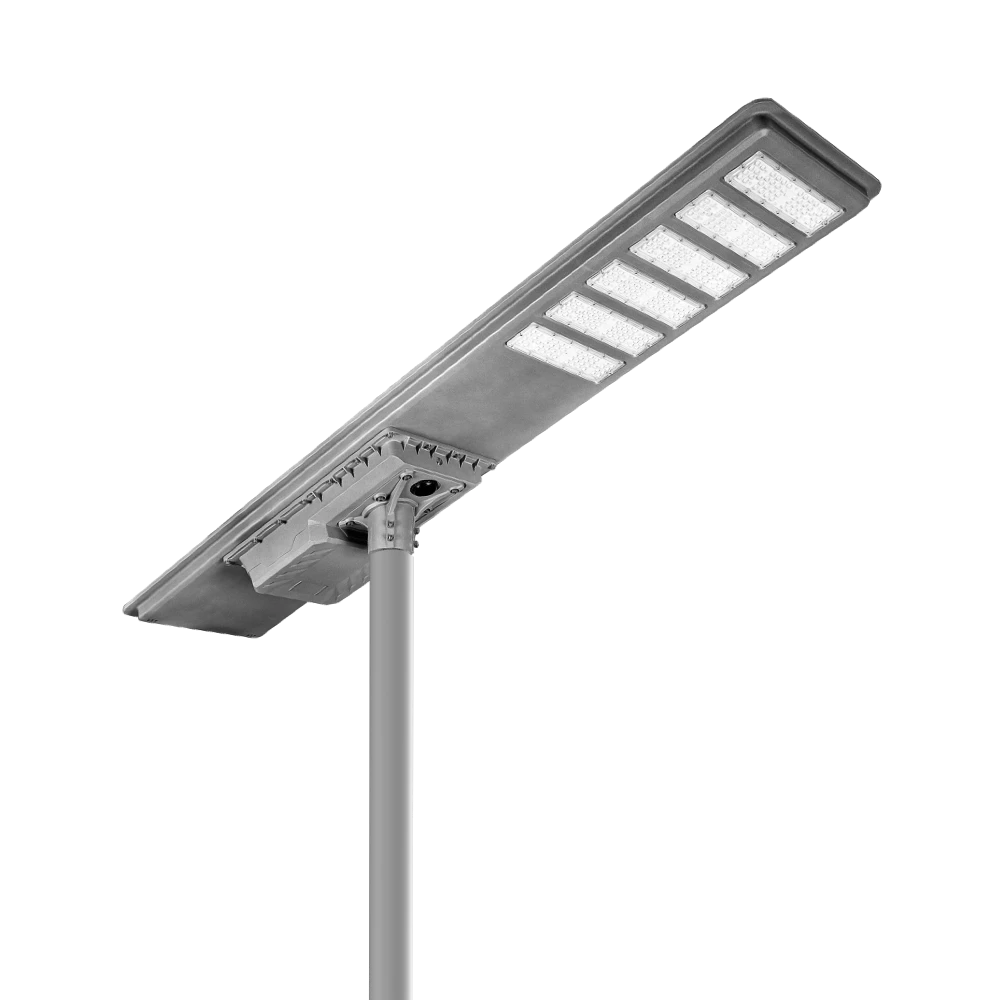
Đèn đường năng lượng mặt trời Luqiu Innovative của Queneng cung cấp giải pháp chiếu sáng ngoài trời bền bỉ, tiết kiệm năng lượng. Đèn đường năng lượng mặt trời này cung cấp giải pháp đáng tin cậy và thân thiện với môi trường để chiếu sáng đường phố và lối đi của bạn.
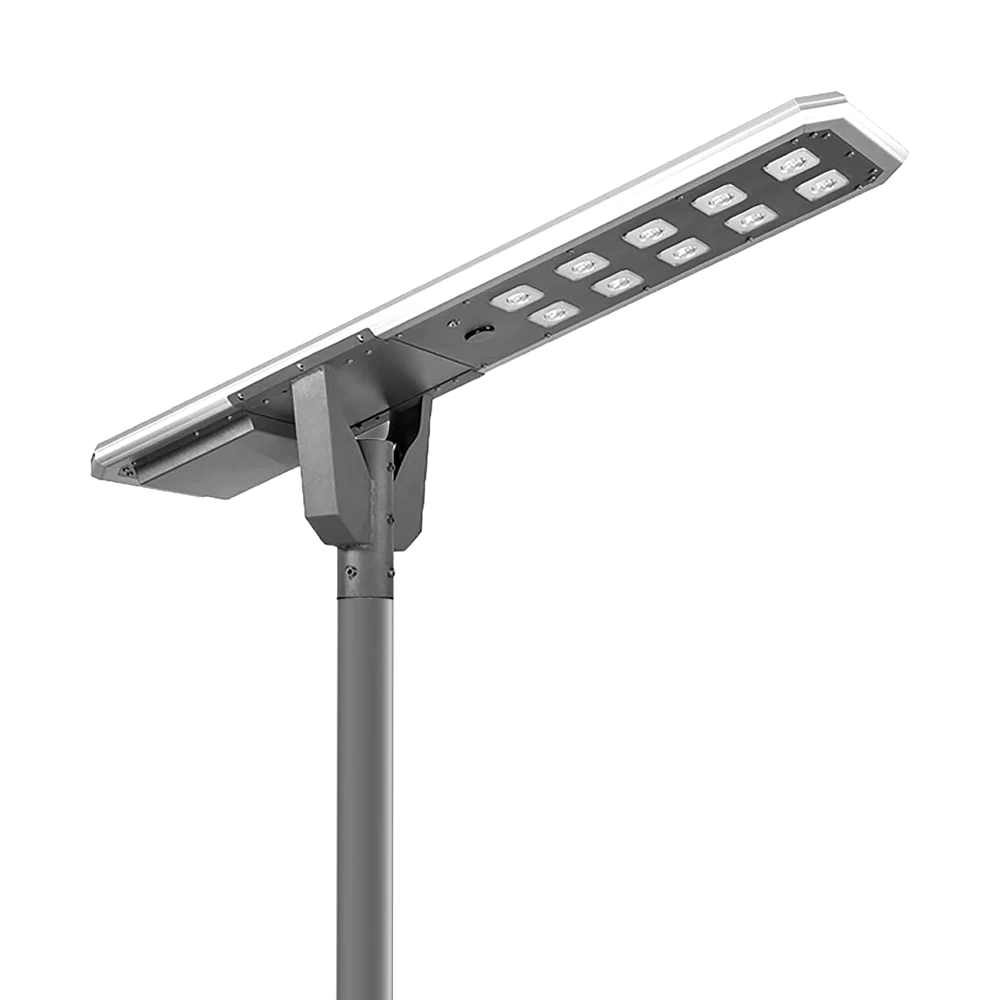
Chiếu sáng không gian ngoài trời của bạn bằng Đèn đường năng lượng mặt trời, một giải pháp tiên tiến kết hợp công nghệ năng lượng mặt trời tiên tiến và đèn LED tiết kiệm năng lượng.
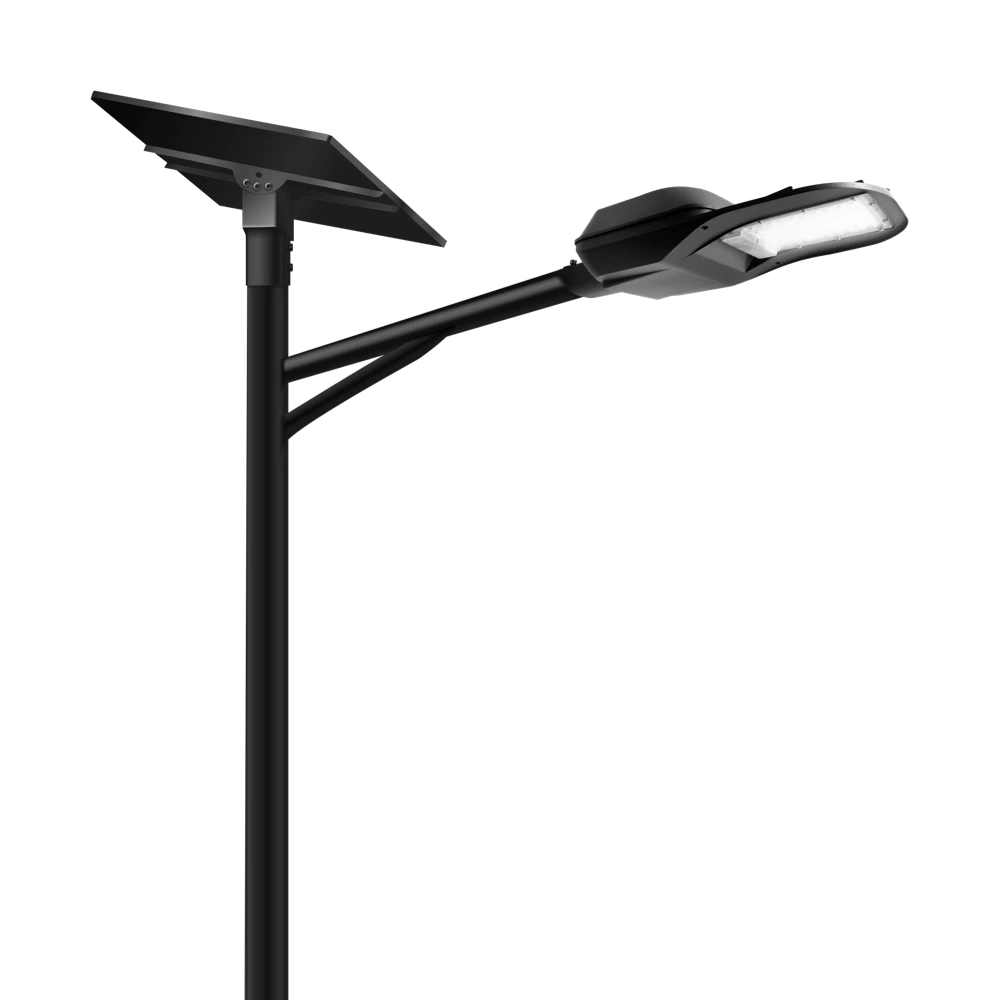
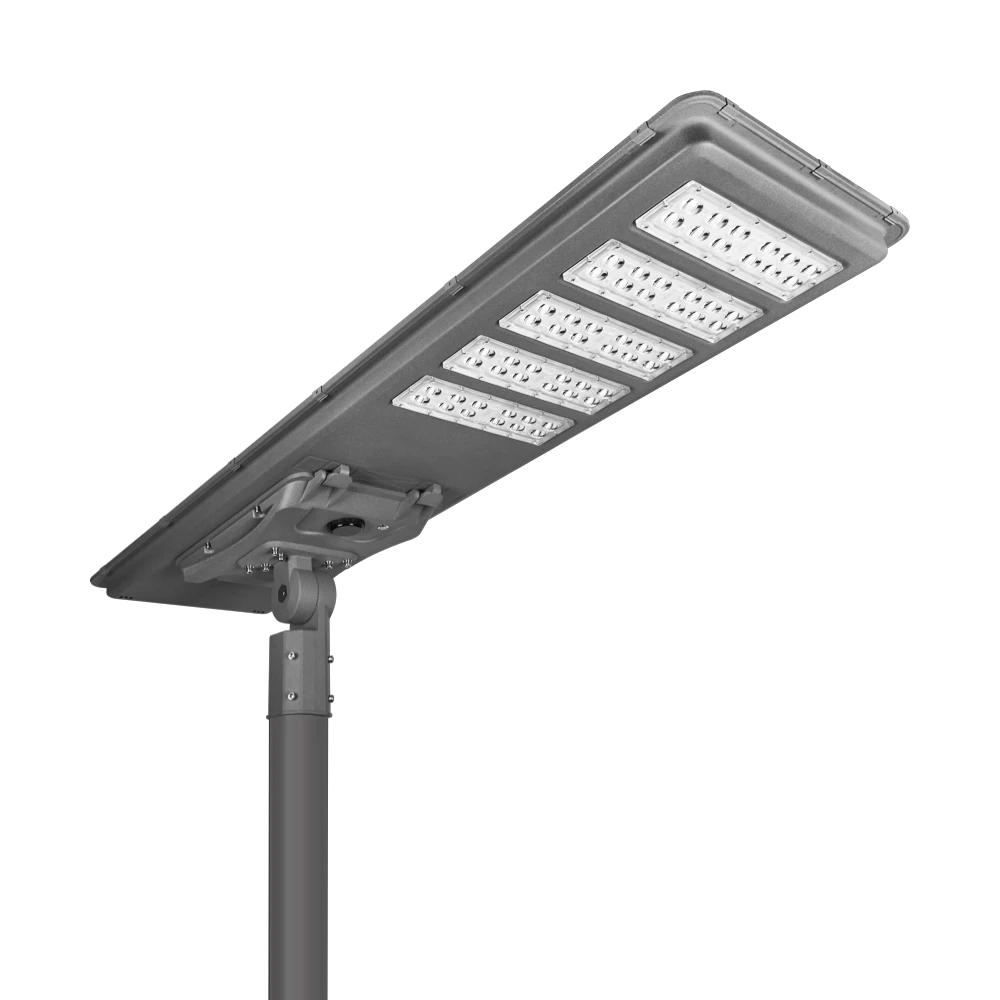
Khám phá Đèn đường năng lượng mặt trời hiệu suất cao Lulin của Queneng, một giải pháp chiếu sáng ngoài trời bền bỉ và tiết kiệm năng lượng. Được thiết kế để đạt hiệu quả và độ tin cậy, sản phẩm này khai thác năng lượng mặt trời để chiếu sáng bền vững cho đường phố và lối đi. Tối ưu hóa không gian ngoài trời của bạn ngay hôm nay với công nghệ chiếu sáng đường phố năng lượng mặt trời tiên tiến của Queneng.
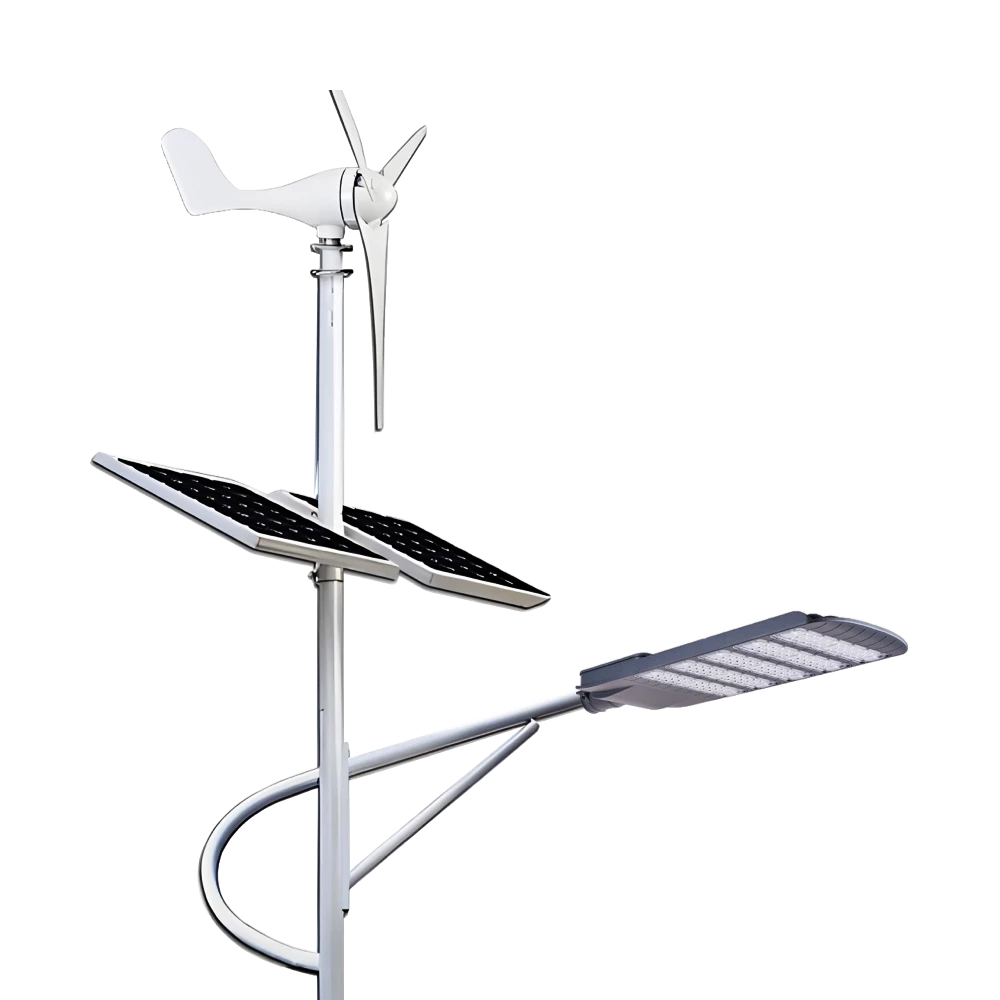
Đèn đường năng lượng mặt trời ngoài trời Queneng Lufeng Wind Energy LED cung cấp khả năng chiếu sáng hiệu suất cao, thân thiện với môi trường. Những đèn đường LED tiết kiệm năng lượng này khai thác năng lượng mặt trời và năng lượng gió để tạo ra các giải pháp chiếu sáng ngoài trời bền vững, tiết kiệm chi phí.
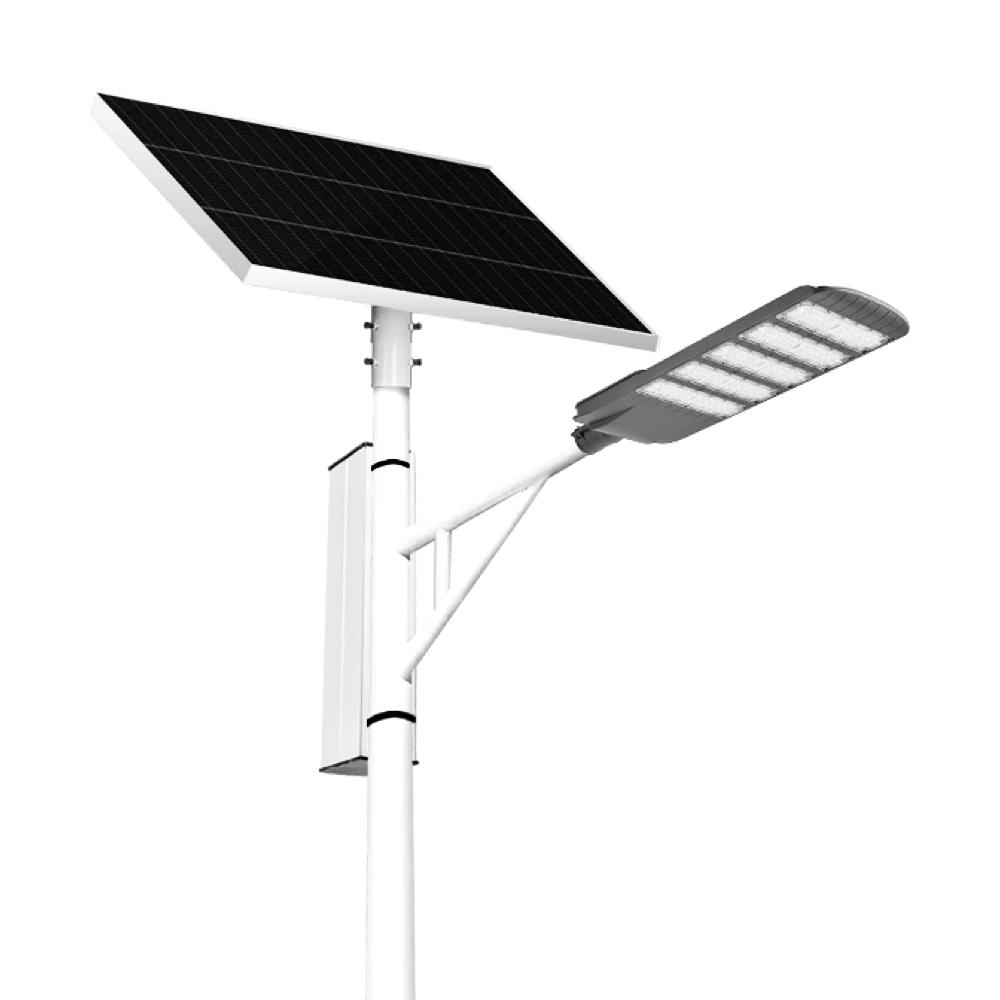
Đèn đường năng lượng mặt trời Luhao dành cho các đô thị được thiết kế để cung cấp các giải pháp chiếu sáng công cộng đáng tin cậy, tiết kiệm năng lượng và hiệu quả về chi phí. Được trang bị công nghệ LED tiên tiến, pin lithium bền bỉ và tấm pin năng lượng mặt trời hiệu suất cao, những chiếc đèn đường này cung cấp ánh sáng đồng đều cho đường phố, công viên, khu dân cư và các dự án của chính phủ.
Đội ngũ chuyên nghiệp của chúng tôi sẵn sàng trả lời mọi câu hỏi và cung cấp hỗ trợ cá nhân cho dự án của bạn.
Bạn có thể liên hệ với chúng tôi qua điện thoại hoặc email để tìm hiểu thêm về các giải pháp chiếu sáng bằng năng lượng mặt trời của Queneng. Chúng tôi mong muốn được hợp tác với bạn để thúc đẩy các giải pháp năng lượng sạch!
Hãy yên tâm rằng quyền riêng tư của bạn rất quan trọng đối với chúng tôi và mọi thông tin bạn cung cấp sẽ được xử lý một cách bảo mật tối đa.
Bằng cách nhấp vào 'Gửi yêu cầu ngay', tôi đồng ý cho Queneng xử lý dữ liệu cá nhân của tôi.
Để xem cách rút lại sự đồng ý của bạn, cách kiểm soát dữ liệu cá nhân của bạn và cách chúng tôi xử lý dữ liệu đó, vui lòng xemChính sách bảo mậtVàĐiều khoản sử dụng.
Lên lịch cuộc họp
Đặt ngày và giờ thuận tiện cho bạn và tiến hành buổi học trước.
Bạn còn thắc mắc gì về sản phẩm hoặc dịch vụ của chúng tôi không?
Sứ giả của ánh sáng và chuyển đổi năng lượng
Bảo vệ môi trường và sản xuất thông minh là triết lý thương hiệu của chúng tôi, đảm bảo chất lượng và trải nghiệm người dùng tốt nhất là lời hứa vĩnh cửu của chúng tôi với người dùng.
LIÊN HỆ
Số 9F, Tòa nhà F, Khu hậu cần Cao San Xin Tian Hong, thị trấn Cổ Trấn, thành phố Trung Sơn, tỉnh Quảng Đông, Trung Quốc.
hoặc viết[email protected]
WhatsApp: +86 136 2270 1011


© 2026 Queneng Lighting. Bảo lưu mọi quyền. Được phát triển bởi gooeyun.