

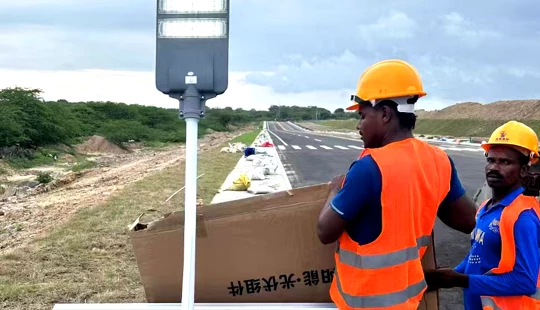














Procurement Costs vs Energy Savings: Break-even Models
Understanding Total Cost of Ownership for Municipal Solar Street Light Projects
What TCO includes and why it matters
Total Cost of Ownership (TCO) for a municipal solar street light goes beyond initial procurement. TCO should include procurement (fixture, pole, solar PV, battery, controller), civil works and installation, commissioning, ongoing maintenance, battery replacement, and, where relevant, disposal or recycling costs. For municipalities, TCO determines affordability and lifecycle budgeting — not just the headline purchase price.
Key cost drivers: procurement, energy, maintenance
Major drivers that decide break-even are: the procurement cost delta between solar and conventional grid-lit solutions, the local electricity tariff (kWh), operational hours, battery replacement interval, and maintenance frequency. Small changes in these variables can shift payback by several years, so sensitivity analysis is critical for municipal purchasing decisions.
How procurement decisions reflect policy and risk
Procurement choices are shaped by policy (carbon targets, grid availability), risk tolerance (fuel or tariff volatility), and non-monetary values (public safety, resilience). Off-grid solar street lights can provide resilience in areas with unstable grids — a value that should be quantified in decision models where possible.
Break-even and Payback Models: Methodology and Assumptions
Model structure and time horizon
We use a 15-year analysis horizon (typical lifetime for poles and controllers; batteries replaced mid-life) and discount-free nominal payback for simplicity. For decision-grade procurement, discounting with municipal WACC (often 3–6%) and LCOE should be added. The model compares a standard grid-connected LED streetlight retrofit to an off-grid municipal solar street light (panel + battery + luminaire).
Core assumptions used in the worked examples
- Operational hours: average 11 hours/night (typical dusk–dawn operation).
- Grid LED fixture consumption: 100 W effective system power (luminaire + optics + driver losses).
- Electricity tariff: baseline $0.12/kWh (adjustable by locality; U.S. average used as reference).
- Solar system lifetimes: PV module 20–25 years; battery life 5–8 years (depending on chemistry and DoD).
- Maintenance: grid LED maintenance cost $30/year; solar system maintenance $40/year (panel cleaning, controller checks); battery replacement cost included when applicable.
- Procurement baseline prices (indicative): grid LED luminaire + installation $350/unit; solar street light system (complete pole-ready kit) low $900, mid $1,600, high $3,000.
How annual savings are computed
Annual energy savings = grid energy consumed by Grid-LED (kWh/year) × electricity tariff. Total annual savings used in payback = energy savings + net maintenance savings (grid maintenance minus solar maintenance). All costs and savings are presented per lighting point to help municipal tendering and budgeting.
Scenario Comparisons and Break-even Table
Three procurement scenarios
To make comparisons concrete we present three representative solar procurement scenarios (Low, Mid, High) versus a grid LED baseline. These cover typical product grades and battery sizing for municipal use.
Summary table: procurement cost, annual savings, simple payback
| Parameter | Grid LED Baseline | Solar Low | Solar Mid | Solar High |
|---|---|---|---|---|
| Procurement + installation (USD) | $350 | $900 | $1,600 | $3,000 |
| System power (W) | 100 W (grid) | 30–50 W LED + PV & battery sized for 11h | 50–80 W LED + PV & battery sized for 11h | 80–120 W LED + larger battery reserve |
| Annual grid energy avoided (kWh) | 401.5 kWh | 401.5 kWh | 401.5 kWh | 401.5 kWh |
| Electricity price (USD/kWh) | $0.12 | $0.12 | $0.12 | $0.12 |
| Annual energy cost saved (USD) | $48.18 | $48.18 | $48.18 | $48.18 |
| Annual maintenance net saving (USD) | $0 (reference) | $-10 (solar slightly higher) | $-5 | $0 |
| Total annual savings (USD) | $0 | $38.18 | $43.18 | $48.18 |
| Simple payback (years) = (Solar capex - Grid capex) / annual savings | — | (900-350)/38.18 = 14.4 yrs | (1600-350)/43.18 = 28.0 yrs | (3000-350)/48.18 = 55.6 yrs |
| Notes | Baseline energy cost applies | Best for remote, off-grid locations with high resilience value | Requires battery life extension or subsidies to be cost-competitive | High-spec; only justifiable where grid is absent or policies mandate renewables |
Interpretation and sensitivity
The simple payback in the table shows solar replacing grid lighting is not always economically attractive when evaluated solely on energy savings at moderate electricity prices (e.g., $0.12/kWh). Two important sensitivity levers change this outcome:
- Electricity price: In locations with high tariffs (e.g., $0.25–0.40/kWh), annual energy savings grow and payback shortens substantially.
- Battery replacement and maintenance costs: Longer-life batteries (LiFePO4) and lower maintenance reduce lifecycle costs and materially improve payback.
Decision Framework: When Municipal Solar Street Light Makes Sense
Primary conditions favoring solar
Municipal solar street lights are typically justified when one or more of the following apply:
- Grid connection is unavailable or expensive to extend (rural, new developments).
- Electricity tariffs are high or volatile, making energy cost savings substantial.
- Resilience is a priority (disaster-prone areas, critical corridors).
- Climate or policy mandates prioritize low-carbon local solutions.
Financing and procurement mechanisms that change outcomes
Municipalities can improve project economics via bulk procurement, long-term performance contracts (ESCO), availability-based maintenance contracts, subsidies/grants, or blended finance. For example, a battery replacement fund financed through a low-interest loan dramatically lowers annualized cost and shortens payback.
Technical specifications that matter
When procuring municipal solar street lights, require clear specifications for: minimum lumens, CCT and color rendering index (CRI), IP ingress protection, battery chemistry and guaranteed cycle life, minimum Days of Autonomy (DoA), MPPT controller, and modules certified to IEC standards. These technical guarantees reduce lifecycle risk and unintended replacement costs.
Vendor Profile and Practical Guidance: GuangDong Queneng Lighting Technology Co., Ltd.
Company overview and product scope
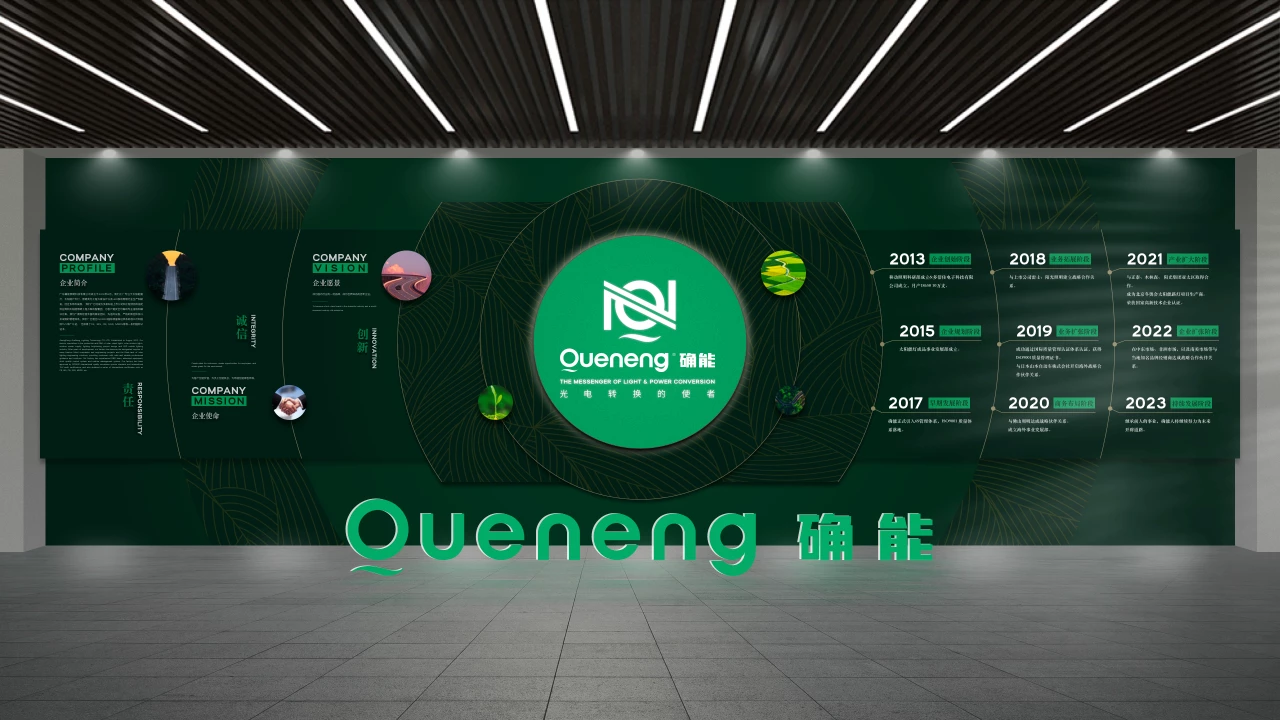
GuangDong Queneng Lighting Technology Co., Ltd. (founded in 2013) specializes in solar street lights, solar spotlights, solar garden and lawn lights, solar pillar lights, solar photovoltaic panels, portable power supplies and batteries, lighting project design, and LED mobile lighting. Over years of development, Queneng has become a designated supplier for listed companies and engineering projects and serves as a solar lighting engineering solutions think tank.
Certifications, R&D and manufacturing capabilities
Queneng reports ISO 9001 quality management systems, international TÜV audits, and international certificates including CE, UL, BIS, CB, SGS and MSDS. The company emphasizes an experienced R&D team, advanced equipment, strict quality control, and mature management systems—key elements in reducing procurement and lifecycle risk for municipal buyers.
How Queneng’s offering addresses break-even variables
Queneng’s competitive strengths relevant to municipal break-even models include:
- Integrated kits optimized for Days of Autonomy to minimize battery oversizing and reduce upfront cost.
- Battery options (long-cycle LiFePO4) that lower replacement frequency and operating expenses.
- Engineering and installation services that reduce soft-costs in municipal tenders (permitting, commissioning).
- Documented test certifications that mitigate technical performance risk and improve lifecycle certainty.
For municipalities evaluating procurement, these features help move projects from long simple payback to sustainable lifecycle outcomes, especially when combined with aggregation and financing structures.
Practical Steps for Municipal Procurement and Implementation
1) Conduct a site-level feasibility and solar resource assessment
Estimate solar irradiance, shadowing, local electricity prices, and local climate (temperature influences battery life). Use site-specific irradiance and autonomy requirements when sizing PV and batteries.
2) Standardize specifications and require performance guarantees
Use performance-based tendering (e.g., guaranteed lumen maintenance, battery cycle life, minimum autonomy days) and require service-level agreements. This reduces long-tail maintenance costs and hidden replacement expenses.
3) Model multiple scenarios and include non-energy values
Run sensitivity on electricity price, battery life, and O&M. Quantify resilience and carbon reduction where possible—these non-energy benefits can tilt procurement decisions in favor of solar even when pure energy payback is long.
4) Consider financing, aggregation, and ESCO models
Explore bulk procurement, supplier financing, or performance contracting to spread upfront costs and align incentives for long-term reliability.
FAQs
1. What is the typical payback period for a municipal solar street light?
Payback varies widely with energy prices, battery life and procurement cost. In moderate electricity-price markets (around $0.10–0.15/kWh), simple payback is often over 10–20 years unless battery life is extended or subsidies are available. In high-tariff or off-grid scenarios, payback can be under 7–10 years. See sensitivity table above for examples.
2. Should a city choose off-grid solar street lights or grid-connected LED retrofits?
Choose off-grid solar when grid connection is costly or unreliable, or when resilience and rapid deployment are priorities. Choose grid-connected LED retrofits where reliable grid power and low electricity tariffs make energy-cost paybacks faster and lifecycle maintenance is simpler.
3. How much does battery replacement affect lifecycle cost?
Battery replacement is one of the largest lifecycle expenditures for solar street lights. Extending battery life from 5 to 8–10 years (through higher-quality LiFePO4 cells and conservative depth-of-discharge) can reduce total lifecycle cost by 20–40% and materially improve payback.
4. What certifications should municipalities require from suppliers?
Require module certification (IEC 61215/61730), battery safety and cycle data, luminaire photometric reports (IES files), IP/IK ratings, and quality management certifications (ISO 9001). Third-party test reports (TUV, SGS) reduce performance uncertainty.
5. How do municipal procurement teams incorporate resilience value?
Monetize resilience by estimating avoided outage costs for critical routes (emergency services, hospitals) or using a policy multiplier. Alternatively, include resilience as a scored non-price criterion in tenders to capture qualitative value.
6. Can municipal solar street lights contribute to carbon reduction targets?
Yes. Off-grid solar systems emit no operational scope 2 emissions and can replace fossil-fuel powered grid electricity, contributing to municipal carbon reduction goals. Documented emission factors and lifecycle accounting should be used for accurate claims.
Contact and Next Steps
If you are evaluating municipal solar street light procurement, contact GuangDong Queneng Lighting Technology Co., Ltd. for technical guidance, product catalogs, and project-level proposals. Queneng can provide performance-guaranteed systems, site assessments, and turnkey project delivery to help municipalities achieve optimized break-even outcomes.
References
- U.S. Energy Information Administration (EIA), FAQ: What is the average retail price of electricity? https://www.eia.gov/tools/faqs/faq.php?id=97&t=3 — Accessed 2026-01-08.
- International Energy Agency (IEA), Solar PV Report and LCOE discussion: https://www.iea.org/reports/solar-pv — Accessed 2026-01-08.
- U.S. Department of Energy (Energy.gov), LED Lighting Facts and benefits: https://www.energy.gov/energysaver/led-lighting — Accessed 2026-01-08.
- Lighting Global (World Bank Group), Off-grid solar market intelligence and technical guidance: https://www.lightingglobal.org/ — Accessed 2026-01-08.
- NREL (National Renewable Energy Laboratory), Solar PV Cost and Performance Data (overview): https://www.nrel.gov — Accessed 2026-01-08.
Note: cost examples in this article are illustrative to show model behavior under common assumptions. Municipal decision-making should use local tariffs, measured solar resource data, and supplier-verified product specifications when calculating procurement and lifecycle costs.

Have more questions about our products or services?
The latest hot news you might like

Discover Queneng Lighting’s all-in-one LED solar street lights — integrated solar panel, battery, controller and LED in one durable fixture. Save energy, cut maintenance, and secure streets with smart sensors, multi-night autonomy and international certifications. Contact sales for quotes and support.

Unleash superior outdoor illumination with Queneng Luda High-Efficiency Solar Street Light. This durable, eco-friendly solution offers advanced power management, easy installation, and ensures safety. Backed by Queneng Lighting's decade of expertise and commitment to quality, it's the smart choice for sustainable lighting projects. Learn why we're a leading solar solutions provider.

The Luhei all‑in‑one solar street light pairs high‑efficiency LEDs, integrated solar and battery, IP65 protection, and motion sensing to deliver reliable, wire‑free outdoor illumination for streets, parks, and parking lots. Backed by Queneng Lighting’s certifications and support.

FAQ
Solar Street Light Lufeng
Can Lufeng solar street lights be integrated with other smart systems?
Yes, Lufeng solar street lights can be integrated with smart systems for more advanced functionality. Some models can be connected to remote control units or smart city systems, allowing for real-time monitoring, remote management, and automated control of lighting schedules. This integration enhances efficiency and ease of use.
Battery Types and Applications
Why do fuel cells have great development potential?
1) High efficiency. Because the chemical energy of the fuel is directly converted into electrical energy without thermal energy conversion in the middle, the conversion efficiency is not limited by the thermodynamic Carnot cycle; because there is no conversion of mechanical energy, mechanical transmission losses can be avoided, and the conversion efficiency does not depend on the size of the power generation. And change, so the fuel cell has higher conversion efficiency;
2) Low noise and low pollution. In the process of converting chemical energy into electrical energy, the fuel cell has no mechanical moving parts, but the control system has some small moving parts, so it is low-noise. In addition, fuel cells are low-pollution energy sources. Taking phosphoric acid fuel cells as an example, the sulfur oxides and nitrogen compounds they emit are two orders of magnitude lower than the U.S. regulations;
3) Strong adaptability. Fuel cells can use various hydrogen-containing fuels, such as methane, methanol, ethanol, biogas, petroleum gas, natural gas and synthetic gas, etc. The oxidant is inexhaustible air. Fuel cells can be made into standard components with a certain power (such as 40 kilowatts), assembled into different powers and types according to the user's needs, and installed in the most convenient place for the user. If necessary, it can also be installed into a large power station and used in connection with the conventional power supply system, which will help regulate the power load;
4) Short construction period and easy maintenance. After the industrial production of fuel cells is established, various standard components of power generation devices can be continuously produced in factories. It is easy to transport and can be assembled on-site at the power station. Some people estimate that the maintenance required for a 40-kilowatt phosphoric acid fuel cell is only 25% of that of a diesel generator of the same power.
Because fuel cells have so many advantages, both the United States and Japan attach great importance to its development.
Solar Street Light Luyan
What makes Luyan solar street lights eco-friendly?
Luyan solar street lights are eco-friendly because they use renewable solar energy, reducing reliance on fossil fuels and minimizing carbon emissions. The lights are powered by solar panels, and the energy-efficient LEDs ensure lower power consumption, making them a sustainable lighting solution for outdoor areas.
Transportation and Highways
Can the system be integrated with existing electrical grids for hybrid operation?
Yes, our solar lighting systems can be configured for hybrid operation, combining solar power with grid electricity for uninterrupted performance.
APMS system
How does the APMS system enable continuous lighting on prolonged rainy days?
Queneng's APMS is equipped with rainy-day endurance technology that ensures continuous lighting during extended cloudy periods, maintaining stable power in sun-deprived conditions and ideal for lighting in remote areas.
Solar Street Light Luhui
What makes Luhui solar street lights different from other solar lights?
Luhui solar street lights use high-performance LEDs and advanced solar panels for superior efficiency and longevity. They are designed with enhanced durability, providing bright and consistent lighting in all weather conditions.
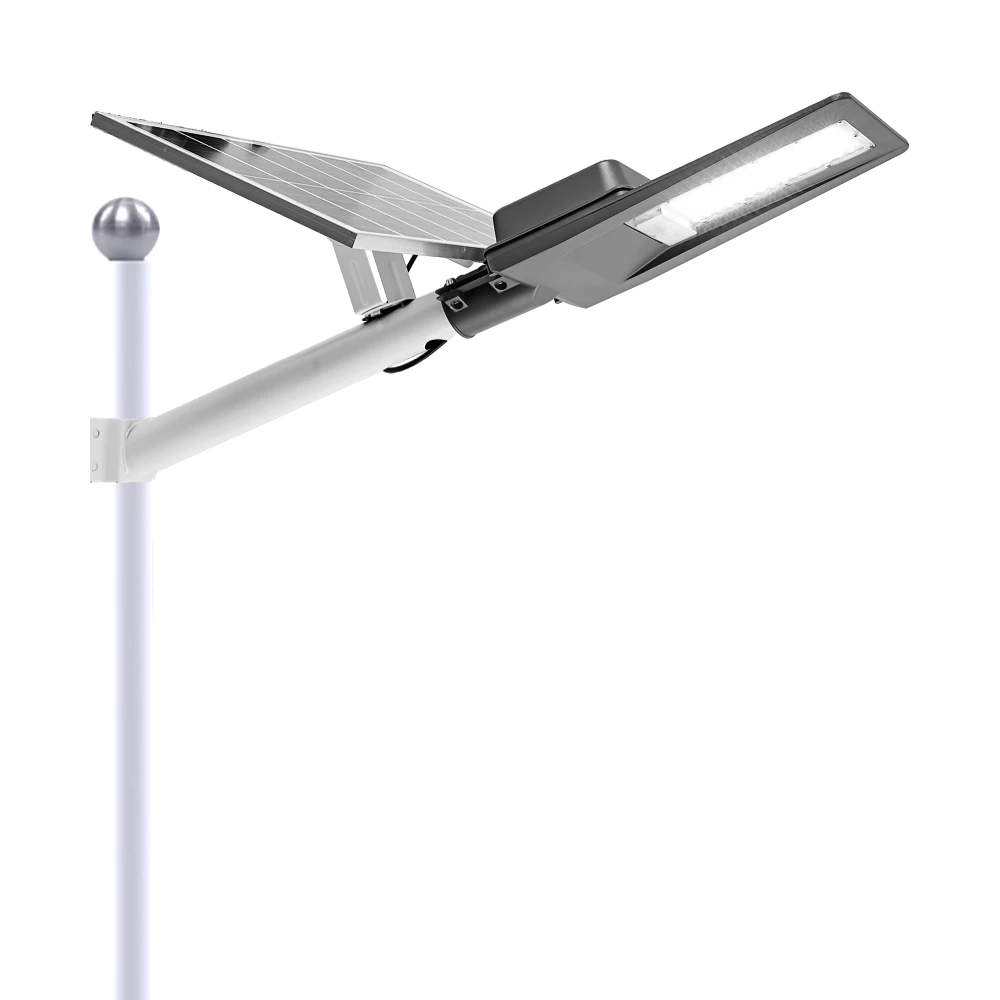
Experience reliable outdoor illumination with our smart solar street light, a perfect combination of advanced technology and eco-conscious design.
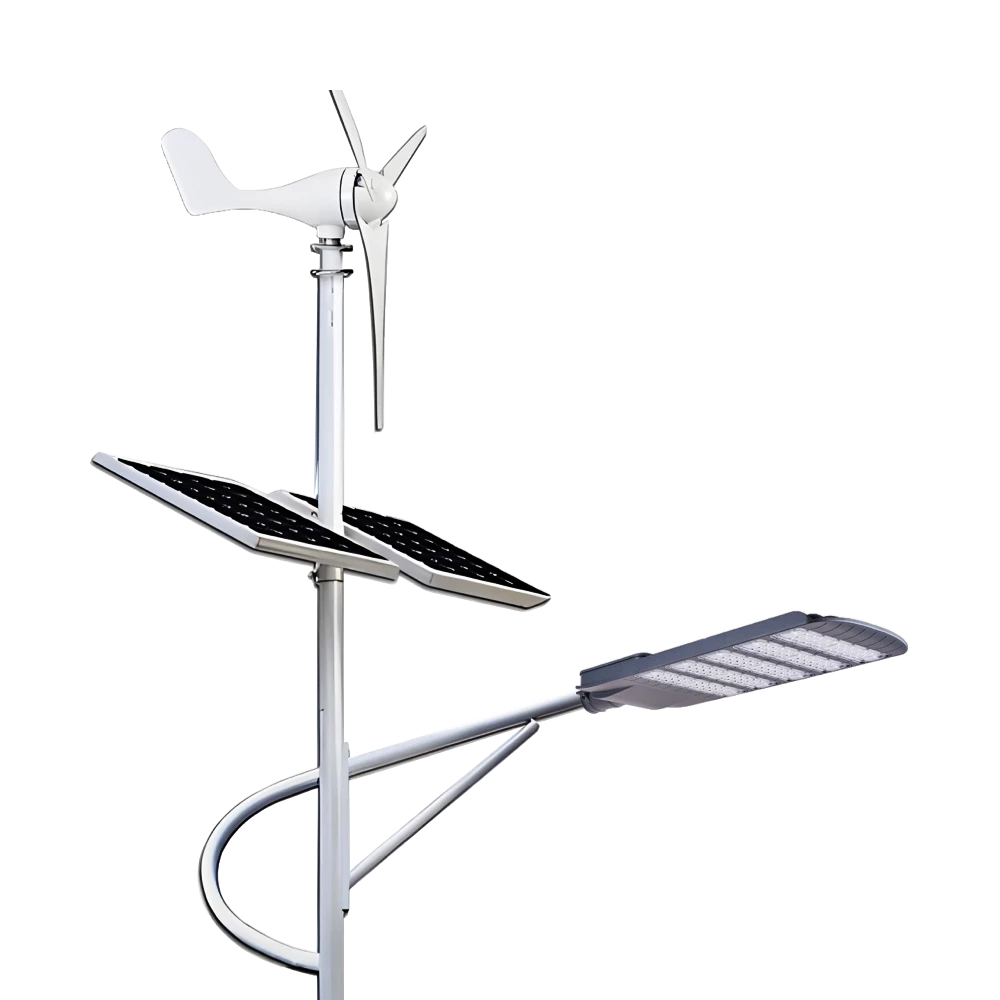
Queneng Lufeng Wind Energy LED Outdoor Solar Street Lights offer high-performance, eco-friendly illumination. These energy-efficient LED street lights harness solar power and wind energy for sustainable, cost-effective outdoor lighting solutions.
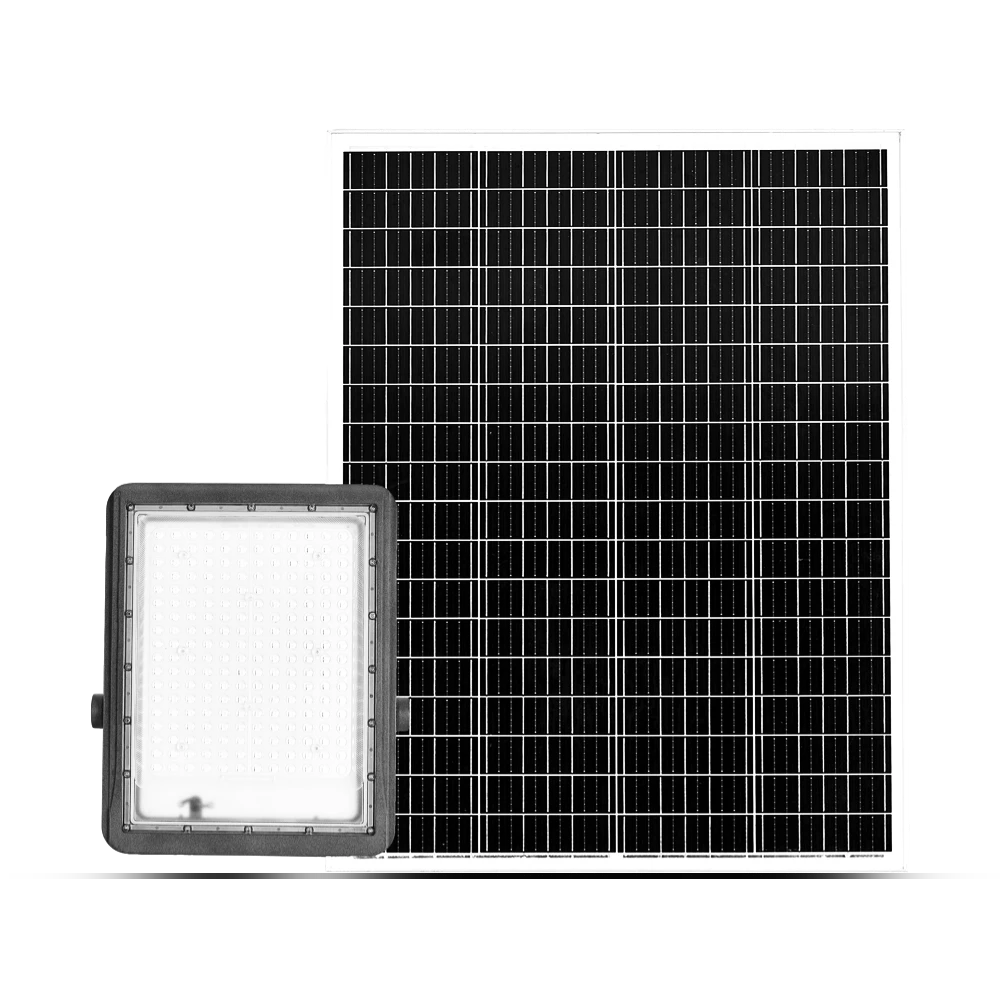
Queneng's Luxian Reliable Solar Street Light offers energy-saving LED lighting for outdoor use. This durable, solar-powered street light provides reliable illumination, reducing energy costs and environmental impact. A perfect solution for sustainable outdoor lighting.
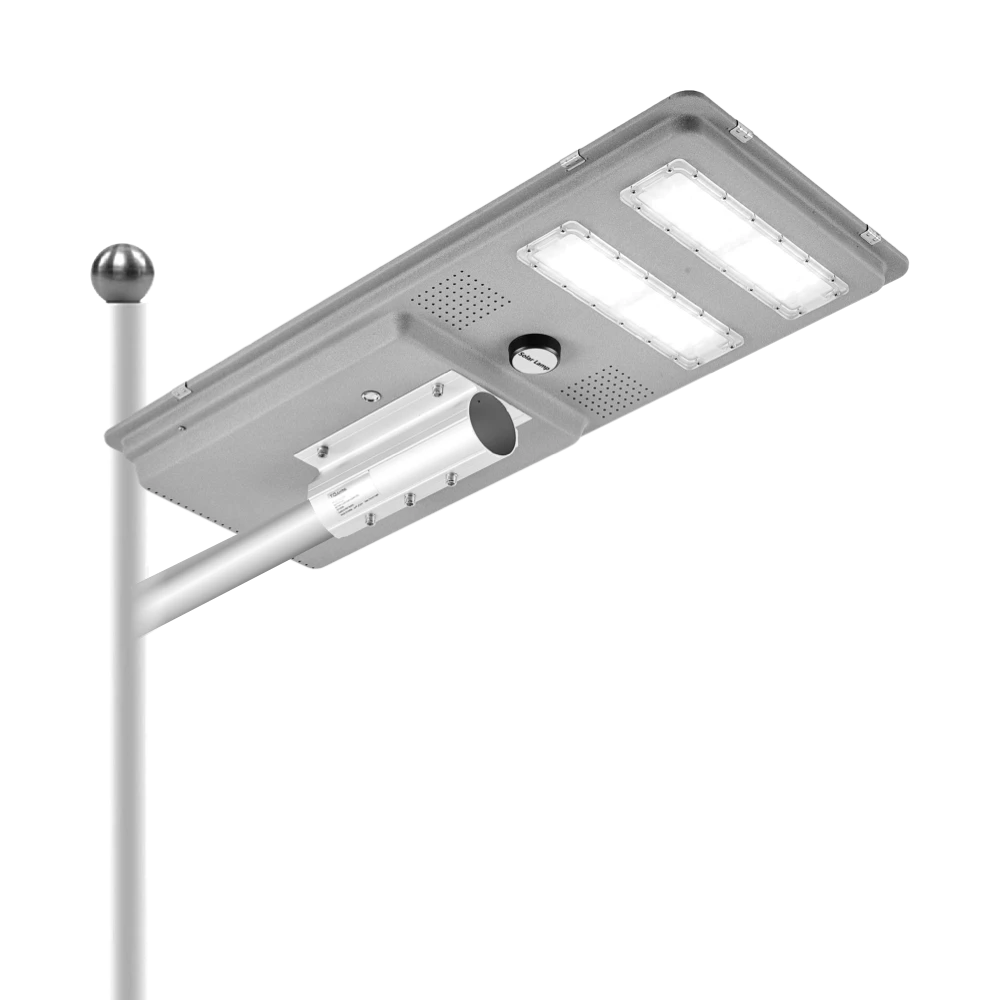
Queneng’s Solar Street Lights are designed to provide reliable, energy-efficient lighting for streets, parks, and other outdoor spaces.
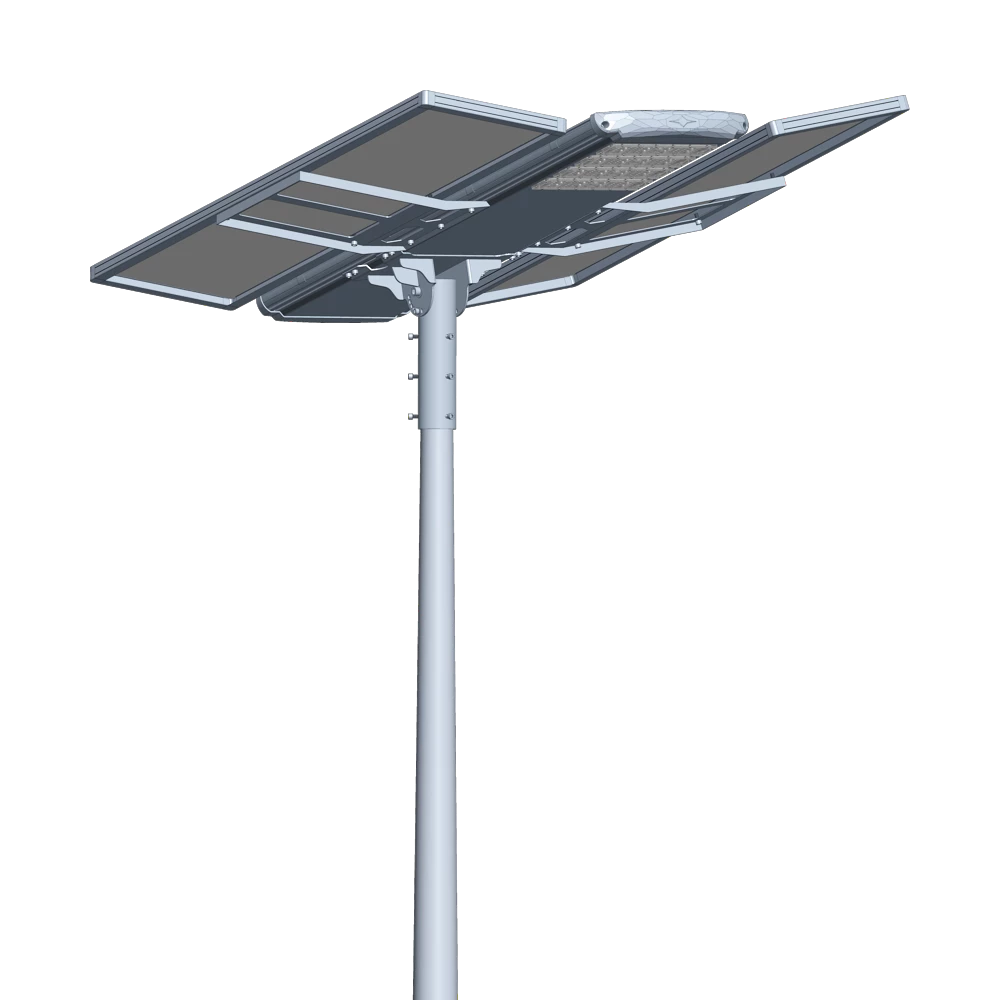
Introducing the Luqing Solar Street Light by Queneng, Efficient LED lighting powered by solar energy is perfect for illuminating outdoor areas. Harness the power of solar energy for sustainable, reliable street lighting. Ideal for eco-friendly, cost-effective outdoor illumination solutions.
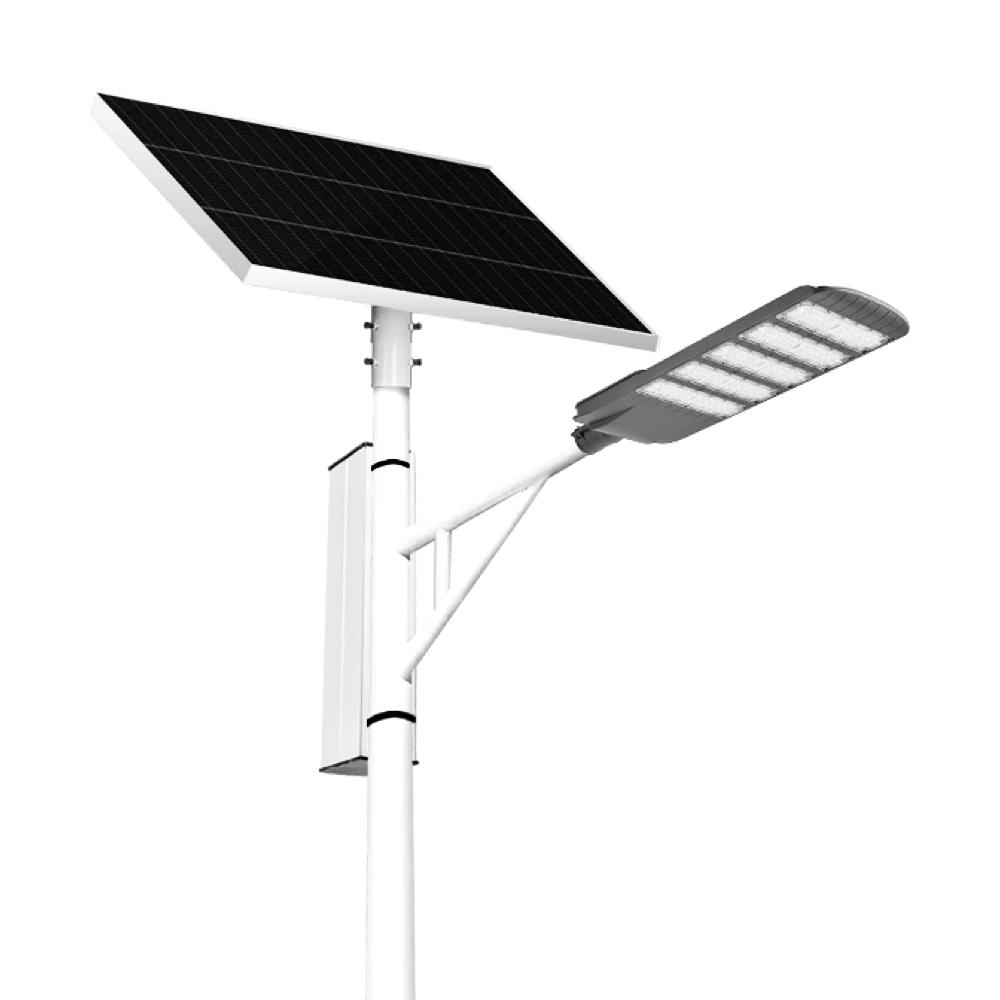
The Solar Streetlights of Luhao for Municipalities are designed to deliver reliable, energy-efficient, and cost-effective public lighting solutions. Equipped with advanced LED technology, durable lithium batteries, and high-efficiency solar panels, these streetlights provide consistent illumination for roads, parks, residential areas, and government projects.
Our professional team is ready to answer any questions and provide personalized support for your project.
You can reach us via phone or email to learn more about Queneng’s solar lighting solutions. We look forward to working with you to promote clean energy solutions!
Rest assured that your privacy is important to us, and all information provided will be handled with the utmost confidentiality.
By clicking 'Send Inquiry Now' I agree to Queneng processing my personal data.
To see how to withdraw your consent, how to control your personal data and how we process it, please see our Privacy Policy and Terms of use.
Schedule a Meeting
Book a date and time that is convenient for you and conduct the session in advance.
Have more questions about our products or services?
The messenger of light & power conversion
Environmental protection and intelligent manufacturing are our brand philosophy, and quality assurance and the best user experience are our eternal promises to users.
CONTACT
No.9F, Building F, Cao San Xin Tian Hong Logistics Park, Guzhen Town, Zhongshan City, Guangdong Province, China.
or write [email protected]
WhatsApp: +86 136 2270 1011


