













Nguyên nhân nào khiến đèn đường năng lượng mặt trời chất lượng thấp hỏng sớm?
Khám phá thế giới đèn đường năng lượng mặt trời: Chi phí, chất lượng và tránh hỏng hóc sớm
Sự chuyển dịch toàn cầu sang cơ sở hạ tầng bền vững đã đưa đèn đường năng lượng mặt trời lên vị trí hàng đầu trong phát triển đô thị và nông thôn. Tuy nhiên, việc lựa chọn giữa vô vàn lựa chọn hiện có có thể là một thách thức. Từ việc hiểu rõ khoản đầu tư ban đầu đến việc đảm bảo độ tin cậy lâu dài, người mua tiềm năng thường phải đối mặt với những câu hỏi quan trọng. Hướng dẫn này nhằm mục đích làm sáng tỏ những lo ngại này, giúp bạn đưa ra quyết định sáng suốt khi mua đèn đường năng lượng mặt trời.
Đèn đường năng lượng mặt trời có giá bao nhiêu và những yếu tố nào ảnh hưởng đến giá của nó?
Chi phí của đèn đường năng lượng mặt trời có thể thay đổi đáng kể, thường dao động từTừ 150 đô la cho các mẫu tích hợp cơ bản đến hơn 3.000 đô la cho các giải pháp hệ thống tách rời công suất cao.. Phạm vi rộng này chủ yếu chịu ảnh hưởng của một số yếu tố chính:
- Công suất đèn LED và độ sáng đầu ra:Công suất cao hơn (ví dụ: 60W, 100W, 200W) và đèn sáng hơn tất nhiên sẽ có giá cao hơn.
- Dung lượng và loại pin:Pin thường là bộ phận đắt nhất. Pin Lithium Sắt Phosphate (LiFePO4), nổi tiếng với tuổi thọ cao hơn (2000-6000 chu kỳ) và hiệu suất tốt hơn trong điều kiện nhiệt độ khác nhau, có giá thành cao hơn so với pin axit chì hoặc pin lithium-ion tiêu chuẩn. Dung lượng lớn hơn (Ah hoặc Wh) cho khả năng hoạt động liên tục lâu hơn (nhiều ngày dự phòng) cũng làm tăng giá thành.
- Công suất và hiệu suất của tấm pin mặt trời:Tấm pin mặt trời có công suất (Wp) cao hơn và tấm pin đơn tinh thể hiệu quả hơn sẽ làm tăng chi phí.
- Công nghệ điều khiển:Bộ điều khiển theo dõi điểm công suất tối đa (MPPT) tiên tiến hiệu quả hơn trong việc thu hoạch năng lượng mặt trời so với bộ điều khiển điều chế độ rộng xung (PWM), do đó làm tăng chi phí nhưng mang lại hiệu suất tốt hơn.
- Chiều cao và vật liệu của cột:Các cột cao hơn (ví dụ: 6-12 mét) và được làm bằng thép mạ kẽm hoặc nhôm (để chống ăn mòn) sẽ đắt hơn so với các lựa chọn ngắn hơn và kém chắc chắn hơn.
- Tính năng thông minh:Cảm biến chuyển động, khả năng làm mờ, kết nối IoT và hệ thống giám sát từ xa làm tăng thêm độ phức tạp và giá thành.
- Chứng nhận và Bảo hành:Các sản phẩm có chứng nhận quốc tế (CE, RoHS, xếp hạng IP, ISO) và chế độ bảo hành toàn diện thường phản ánh chất lượng cao hơn và giá thành cao hơn một chút.
Nhà sản xuất đèn đường năng lượng mặt trời đáng tin cậy có điểm gì khác biệt?
Việc lựa chọn nhà sản xuất phù hợp là vô cùng quan trọng đối với sự thành công và tuổi thọ của dự án chiếu sáng năng lượng mặt trời của bạn. Hãy tìm kiếm những nhà sản xuất thể hiện:
- Năng lực R&D mạnh mẽ:Một nhà sản xuất cam kết đổi mới và cải tiến sản phẩm sẽ có một bộ phận R&D chuyên trách.
- Nguồn cung ứng linh kiện chất lượng:Họ nên sử dụng các thương hiệu uy tín cho các thành phần chính như chip LED (ví dụ: Philips, Cree, Osram), pin (ví dụ: CATL, BYD, EVE cho LiFePO4) và bộ điều khiển.
- Chứng chỉ quốc tế:Tuân thủ các tiêu chuẩn nhưISO 9001 (Quản lý chất lượng), ISO 14001 (Quản lý môi trường), cũng như các chứng nhận dành riêng cho sản phẩm nhưCE, RoHS, FCC và xếp hạng IP cao (IP65/IP66)để bảo vệ khỏi bụi và nước, thể hiện cam kết về chất lượng và an toàn.
- Bảo hành toàn diện và hỗ trợ sau bán hàng:Một nhà sản xuất đáng tin cậy cung cấp bảo hành chắc chắn (thường là3-5 năm cho các thành phần chính) và hỗ trợ kỹ thuật nhanh chóng.
- Thành tích đã được chứng minh và các trường hợp điển hình:Những bằng chứng về các dự án thành công và mối quan hệ lâu dài với khách hàng nói lên rất nhiều điều về độ tin cậy của họ.
- Quy trình sản xuất minh bạch:Sẵn sàng chia sẻ thông tin chi tiết về quy trình sản xuất, thử nghiệm và kiểm soát chất lượng của họ.
Những thành phần chính của đèn đường năng lượng mặt trời chất lượng cao là gì?
Hiệu suất và độ bền của đèn đường năng lượng mặt trời phụ thuộc vào chất lượng của từng bộ phận:
- Tấm pin mặt trời hiệu suất cao:Tấm silicon đơn tinh thể thường cung cấpHiệu suất chuyển đổi 19-22%Có khả năng hoạt động tốt hơn trong điều kiện ánh sáng yếu so với các tấm đa tinh thể.
- Pin bền bỉ với hệ thống quản lý pin (BMS):Pin LiFePO4 (Lithium Sắt Phosphate) được đánh giá cao nhờ tuổi thọ chu kỳ dài (thường là...).2000-6000 chu kỳ ở 80% DOD), an toàn và hiệu suất ổn định trong phạm vi nhiệt độ rộng (-20°C đến 60°C). Hệ thống quản lý pin (BMS) mạnh mẽ là rất quan trọng để ngăn ngừa tình trạng sạc quá mức, xả quá mức, quá nhiệt và đoản mạch.
- Bộ điều khiển sạc MPPT thông minh:Bộ điều khiển MPPT có thể tăng hiệu suất sạc bằng cách15-30%So với bộ điều khiển PWM, đặc biệt trong điều kiện thời tiết thay đổi, nó giúp tối đa hóa khả năng thu năng lượng từ tấm pin mặt trời.
- Chip LED có độ sáng cao:Chip LED chất lượng từ các thương hiệu uy tín mang lại hiệu suất phát sáng cao (ví dụ:150-180 lumen trên watt) và tuổi thọ dài hơn (>50.000 giờ) với mức độ suy giảm đường kính lòng mạch tối thiểu theo thời gian.
- Nhà ở và trang thiết bị chắc chắn:Vật liệu như nhôm đúc có lớp phủ chống ăn mòn, kết hợp vớiXếp hạng IP65 hoặc IP66Đảm bảo khả năng bảo vệ khỏi bụi, mưa và thời tiết khắc nghiệt.
Nguyên nhân nào khiến đèn đường năng lượng mặt trời chất lượng thấp hỏng sớm?
Hỏng hóc sớm ở đèn đường năng lượng mặt trời chất lượng thấp là một vấn đề phổ biến và gây khó chịu, thường bắt nguồn từ các biện pháp cắt giảm chi phí làm ảnh hưởng đến các thành phần thiết yếu:
- Pin kém chất lượng:Nguyên nhân thường gặp nhất. Pin axit chì giá rẻ hoặc pin lithium-ion chất lượng thấp thường có dung lượng không đủ, khả năng quản lý nhiệt kém hoặc thiếu hệ thống quản lý pin (BMS) phù hợp, dẫn đến suy giảm nhanh chóng, giảm thời gian sử dụng và hỏng hoàn toàn trong vòng 1-2 năm.
- Bộ điều khiển sạc hoạt động không hiệu quả hoặc bị lỗi:Các bộ điều khiển chất lượng thấp có thể thiếu các tính năng bảo vệ thiết yếu (quá tải/xả, ngắn mạch), có khả năng bù nhiệt kém hoặc sử dụng công nghệ PWM không hiệu quả, dẫn đến sạc pin không đúng cách, quá nhiệt và hư hỏng linh kiện.
- Tấm pin mặt trời kém chất lượng:Các tấm pin được làm bằng cell hiệu suất thấp, lớp bao bọc kém hoặc kính rẻ tiền dễ bị tách lớp, nứt nhỏ và giảm công suất đầu ra, đặc biệt là trong điều kiện môi trường khắc nghiệt.
- Chip LED và bộ điều khiển chất lượng kém:Các chip LED thông thường có hiệu suất phát sáng thấp hơn, tốc độ suy giảm quang thông nhanh hơn và tuổi thọ ngắn hơn. Kết hợp với các bộ điều khiển LED giá rẻ thiếu khả năng điều chỉnh dòng điện và tản nhiệt đúng cách, chúng dễ bị hỏng sớm.
- Khả năng chống chịu thời tiết không đạt yêu cầu (Chỉ số IP thấp):Vỏ có xếp hạng IP thấp (ví dụ: IP44) cho phép hơi ẩm, bụi và côn trùng xâm nhập vào các bộ phận bên trong, gây ra hiện tượng đoản mạch, ăn mòn và hỏng hệ thống.
- Vật liệu và xây dựng giá rẻ:Việc sử dụng nhựa không chống tia UV, nhôm mỏng hoặc thép mạ kẽm kém có thể dẫn đến ăn mòn nhanh, các vấn đề về tính toàn vẹn của kết cấu và suy giảm tính thẩm mỹ.
- Tản nhiệt không đủ:Bộ tản nhiệt được thiết kế kém cho đèn LED và ngăn chứa pin có thể dẫn đến hiện tượng quá nhiệt, làm giảm đáng kể tuổi thọ của linh kiện.
Tôi nên mong đợi chế độ bảo hành nào cho đèn đường năng lượng mặt trời?
Đối với một hệ thống đèn đường năng lượng mặt trời chất lượng cao, bạn nên mong đợi một chế độ bảo hành toàn diện. Các nhà sản xuất uy tín thường cung cấp:
- 3 đến 5 nămđối với các thành phần chính như tấm pin mặt trời, pin, đèn LED và bộ điều khiển sạc.
- Một số nhà sản xuất có thể cung cấp thời gian bảo hành dài hơn (ví dụ:10-25 năm) dành riêng cho công suất đầu ra của tấm pin mặt trời (ví dụ: đảm bảo công suất đầu ra 80% sau 25 năm).
- Chế độ bảo hành chặt chẽ phản ánh sự tin tưởng của nhà sản xuất vào độ bền và hiệu suất của sản phẩm. Hãy luôn xem xét kỹ lưỡng các điều khoản và điều kiện bảo hành.
Giá trị dài hạn: Tại sao nên đầu tư vào đèn đường năng lượng mặt trời chất lượng cao?
Mặc dù chi phí ban đầu của đèn đường năng lượng mặt trời chất lượng cao có thể cao hơn, nhưng lợi ích lâu dài vượt xa khoản đầu tư ban đầu:
- Tuổi thọ kéo dài:Các linh kiện chất lượng đảm bảo tuổi thọ hoạt động của sản phẩm.5-10 năm hoặc hơncho toàn bộ hệ thống, giúp giảm đáng kể chi phí thay thế và bảo trì.
- Hiệu suất đáng tin cậy:Độ sáng ổn định, ngay cả trong thời gian nhiều mây kéo dài, nhờ vào tấm pin mặt trời hiệu quả và pin dung lượng cao.
- Bảo trì thấp hơn:Vật liệu bền và thiết kế chắc chắn giúp giảm thiểu nhu cầu sửa chữa hoặc thay thế linh kiện thường xuyên.
- Tăng cường an toàn và bảo mật:Ánh sáng ổn định và sáng sủa góp phần tạo nên không gian công cộng an toàn hơn.
- Tiết kiệm chi phí:Không phải trả hóa đơn tiền điện và giảm chi phí vận hành giúp tiết kiệm đáng kể trong suốt vòng đời của hệ thống.
- Lợi ích về môi trường:Giảm lượng khí thải carbon bằng cách sử dụng năng lượng tái tạo.
Tóm lại, mua đèn đường năng lượng mặt trời là một khoản đầu tư cần được cân nhắc kỹ lưỡng. Ưu tiên các linh kiện chất lượng, lựa chọn nhà sản xuất uy tín và hiểu rõ các yếu tố ảnh hưởng đến chi phí cũng như các sự cố tiềm ẩn sẽ đảm bảo bạn có được giải pháp chiếu sáng bền vững, đáng tin cậy và tiết kiệm chi phí trong nhiều năm tới.
Ưu điểm của Quenenglighting:
Quenenglighting nổi bật là nhà sản xuất chuyên cung cấp các giải pháp chiếu sáng đường phố năng lượng mặt trời chất lượng cao, đáng tin cậy. Chúng tôi đạt được điều này bằng cách tỉ mỉ tìm nguồn cung ứng các linh kiện hàng đầu, bao gồm tấm pin mặt trời đơn tinh thể hiệu suất cao, pin LiFePO4 tuổi thọ cao với hệ thống quản lý nguồn điện (BMS) tiên tiến và bộ điều khiển MPPT thông minh. Sản phẩm của chúng tôi trải qua quá trình kiểm tra nghiêm ngặt và tuân thủ các tiêu chuẩn chất lượng quốc tế, đảm bảo hiệu suất và độ bền vượt trội. Với chế độ bảo hành toàn diện và dịch vụ hỗ trợ khách hàng tận tâm, Quenenglighting mang đến một khoản đầu tư đáng tin cậy, đảm bảo ánh sáng rực rỡ, bền vững và tiết kiệm đáng kể trong dài hạn.
Tài liệu tham khảo
- Bộ Năng lượng Hoa Kỳ - Hiệu suất tấm pin mặt trời (Truy cập ngày 26 tháng 10 năm 2023)
- Nguồn điện pin trực tuyến - Pin lithium sắt photphat (Truy cập: ngày 26 tháng 10 năm 2023)
- Renogy - Bộ điều khiển sạc MPPT so với PWM (Truy cập: ngày 26 tháng 10 năm 2023)
- Bài viết về đèn LED - So sánh hiệu suất quang thông của đèn LED (Truy cập: 26 tháng 10 năm 2023)
- Giá trung bình chung của ngành về chi phí đèn đường năng lượng mặt trời và tuổi thọ linh kiện được lấy từ việc xem xét nhiều trang web của nhà sản xuất, báo cáo của ngành và danh mục nhà cung cấp (ví dụ: Alibaba, Made-in-China, các nhà cung cấp đèn năng lượng mặt trời chuyên dụng) vào cuối năm 2023. Giá cụ thể và số liệu hiệu suất có thể thay đổi tùy theo điều kiện thị trường và tiến bộ công nghệ.

Bạn còn thắc mắc gì về sản phẩm hoặc dịch vụ của chúng tôi không?
Tin tức nóng hổi mới nhất mà bạn có thể thích
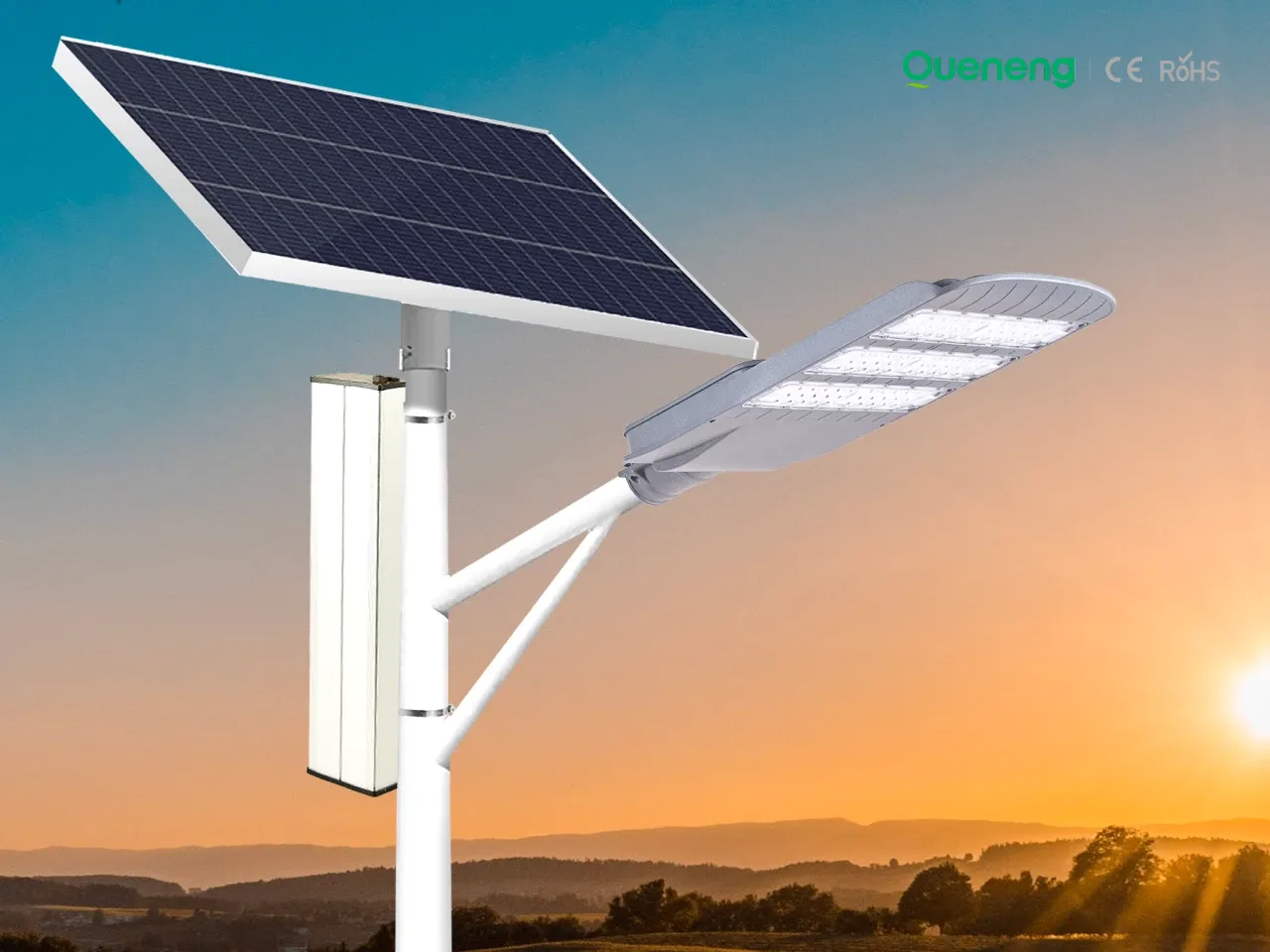

Hướng dẫn toàn diện về giá đèn đường năng lượng mặt trời năm 2026. Bao gồm chi phí lắp đặt thương mại, xu hướng pin LiFePO₄, các tính năng IoT thông minh và so sánh chi tiết lợi tức đầu tư (ROI) so với hệ thống chiếu sáng lưới điện truyền thống.

Báo cáo toàn diện về triển vọng năm 2026 cho đèn đường năng lượng mặt trời tích hợp, bao gồm các tiêu chuẩn hiệu suất như tấm pin hai mặt, pin LiFePO₄ và tích hợp IoT thành phố thông minh để tối đa hóa lợi tức đầu tư.

Khám phá cách các tấm pin mặt trời cung cấp năng lượng cho đèn đường, tìm hiểu công nghệ đằng sau quá trình chuyển đổi năng lượng mặt trời, hệ thống lưu trữ và cách đèn đường chạy bằng năng lượng mặt trời đang cách mạng hóa các giải pháp chiếu sáng đô thị và nông thôn.
Câu hỏi thường gặp
Trường học và các cơ sở giáo dục
Đèn năng lượng mặt trời được bảo hành như thế nào?
Chúng tôi cung cấp bảo hành 5 năm cho hệ thống chiếu sáng bằng năng lượng mặt trời, bao gồm cả linh kiện và lỗi.
Hiệu suất và thử nghiệm pin
Tốc độ tự xả của các loại pin khác nhau là bao nhiêu?
Sạc nhỏ giọt là gì?
Kiểm tra thâm nhập là gì?
Cơ sở hạ tầng công cộng và đô thị
Đèn đường năng lượng mặt trời có thể tích hợp với các giải pháp thành phố thông minh không?
Có, đèn đường năng lượng mặt trời của chúng tôi có thể tích hợp với hệ thống IoT để giám sát thông minh, điều khiển từ xa và phân tích dữ liệu, khiến chúng trở nên lý tưởng cho các thành phố thông minh hiện đại.
Hệ thống APMS
Thời gian hoạt động của hệ thống APMS trong thời tiết mưa là bao lâu?
Được tối ưu hóa cho thời tiết mưa, hệ thống APMS có thể duy trì độ bền chiếu sáng trong nhiều ngày trong điều kiện nhiều mây kéo dài, với thời lượng cụ thể tùy thuộc vào môi trường và dung lượng pin.
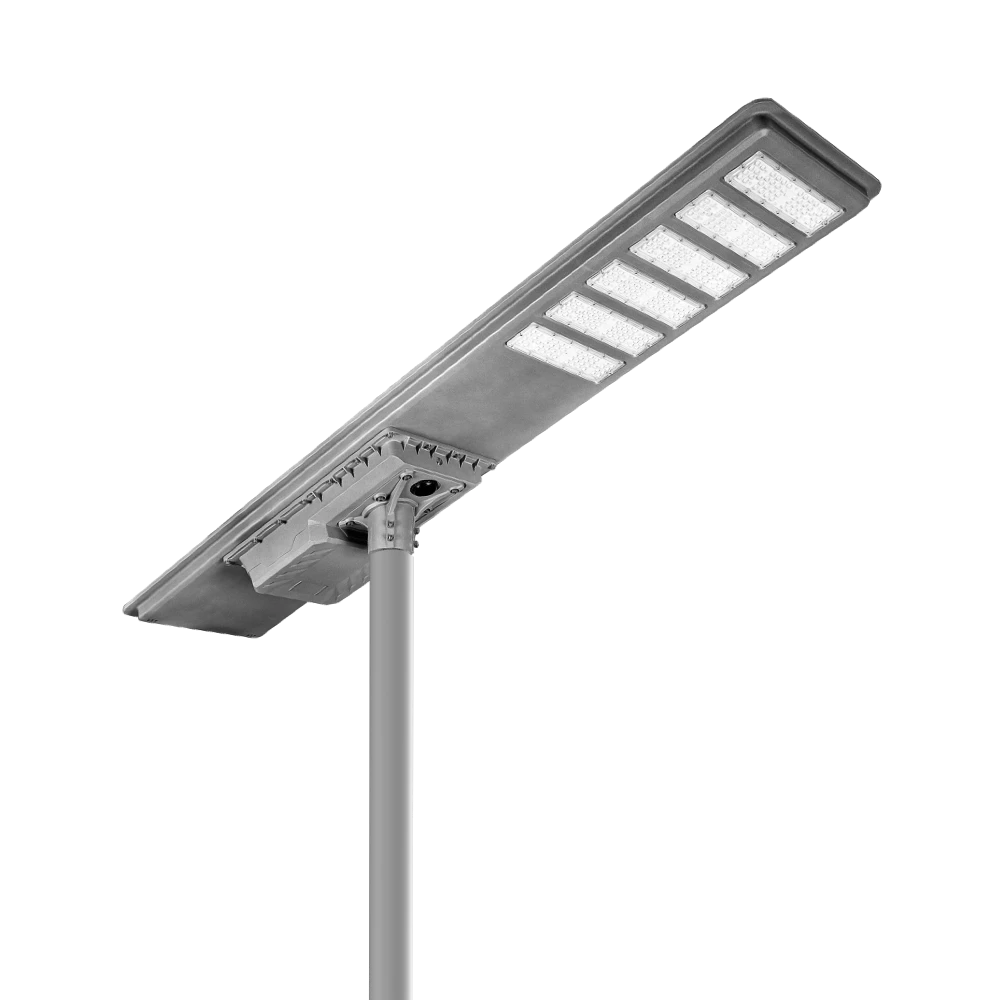
Đèn đường năng lượng mặt trời Luqiu Innovative của Queneng cung cấp giải pháp chiếu sáng ngoài trời bền bỉ, tiết kiệm năng lượng. Đèn đường năng lượng mặt trời này cung cấp giải pháp đáng tin cậy và thân thiện với môi trường để chiếu sáng đường phố và lối đi của bạn.
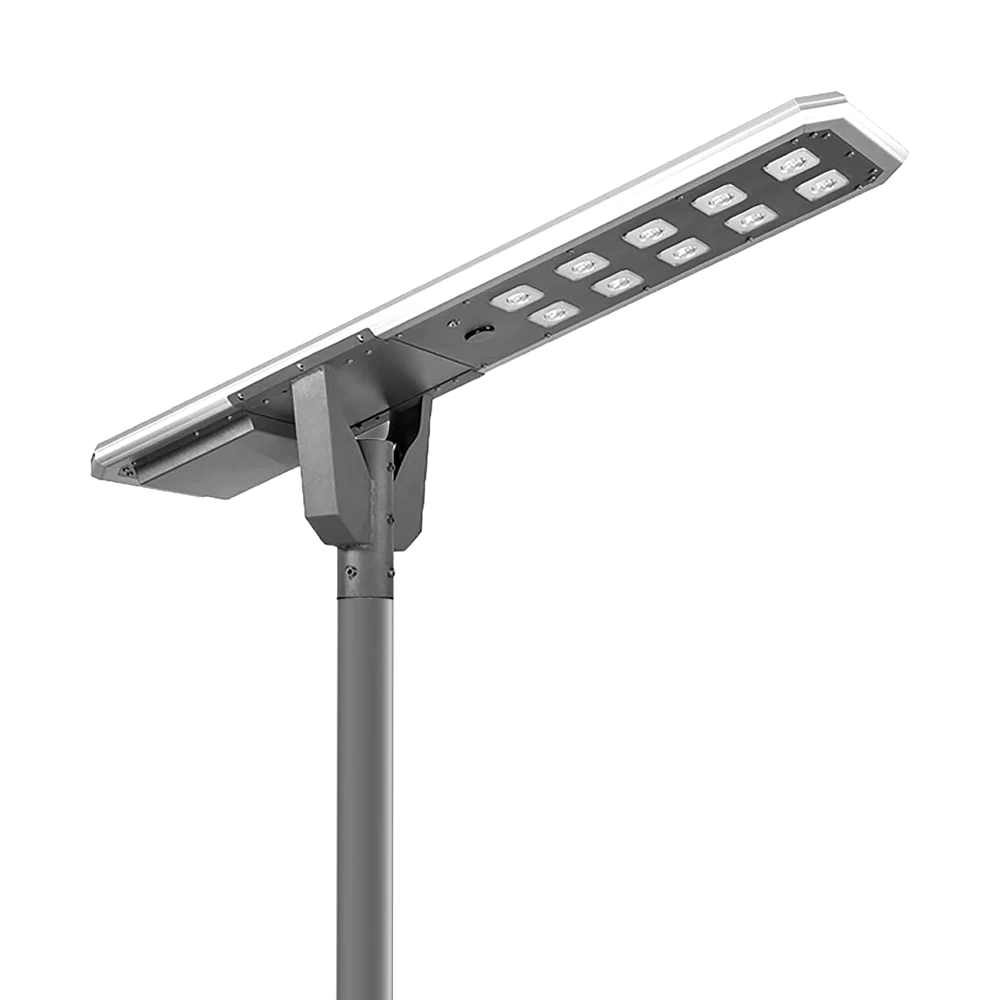
Chiếu sáng không gian ngoài trời của bạn bằng Đèn đường năng lượng mặt trời, một giải pháp tiên tiến kết hợp công nghệ năng lượng mặt trời tiên tiến và đèn LED tiết kiệm năng lượng.
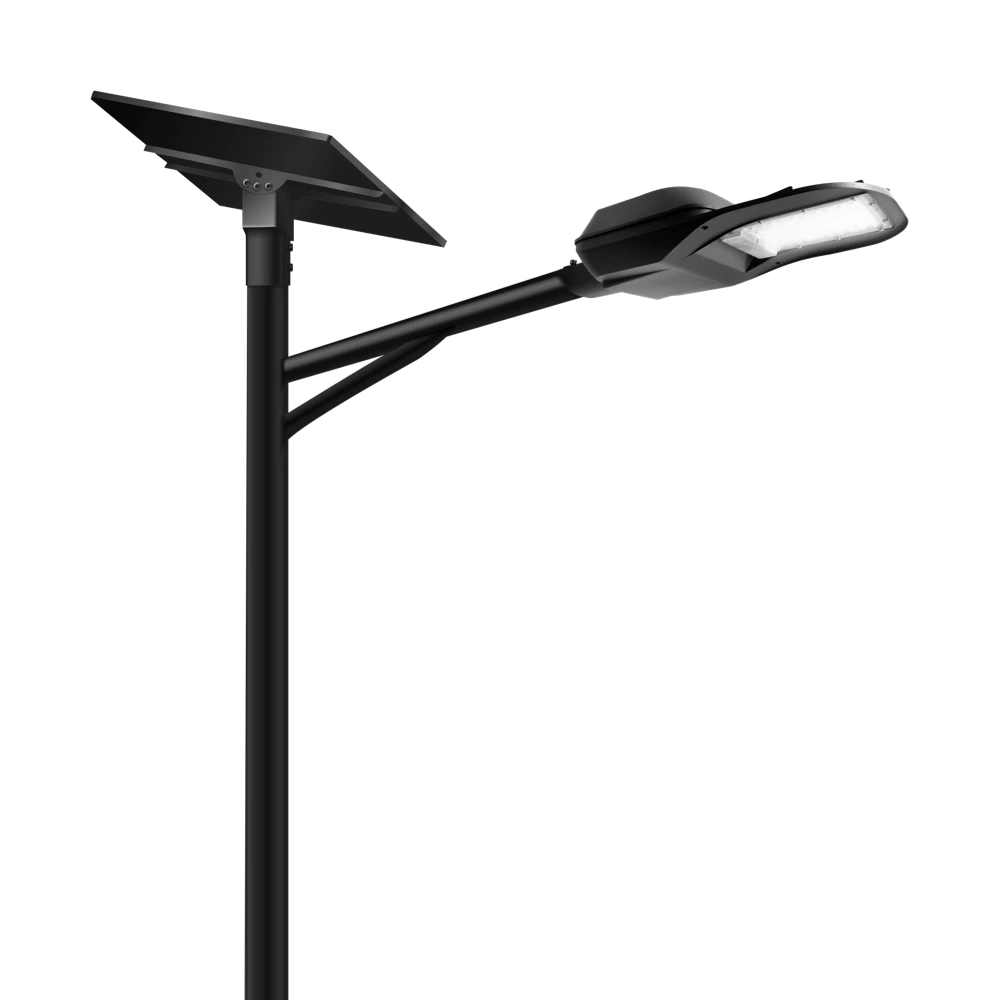
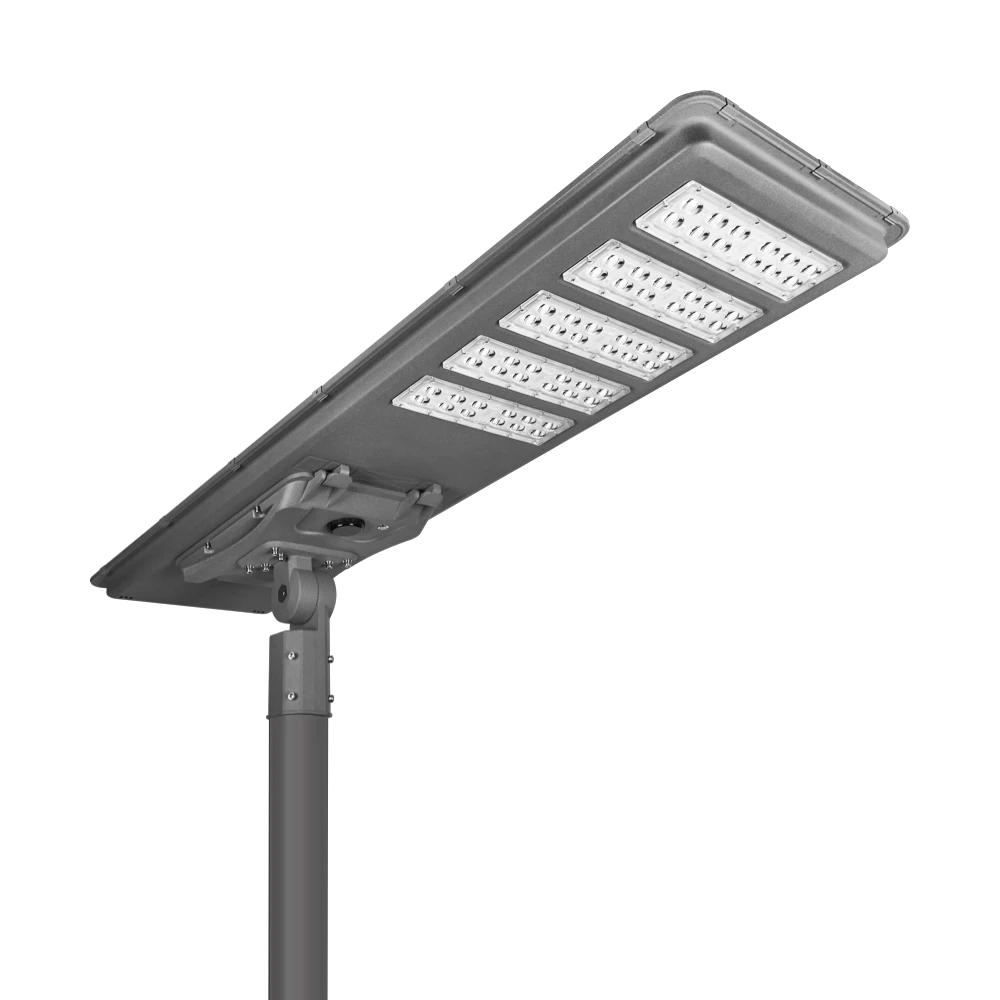
Khám phá Đèn đường năng lượng mặt trời hiệu suất cao Lulin của Queneng, một giải pháp chiếu sáng ngoài trời bền bỉ và tiết kiệm năng lượng. Được thiết kế để đạt hiệu quả và độ tin cậy, sản phẩm này khai thác năng lượng mặt trời để chiếu sáng bền vững cho đường phố và lối đi. Tối ưu hóa không gian ngoài trời của bạn ngay hôm nay với công nghệ chiếu sáng đường phố năng lượng mặt trời tiên tiến của Queneng.
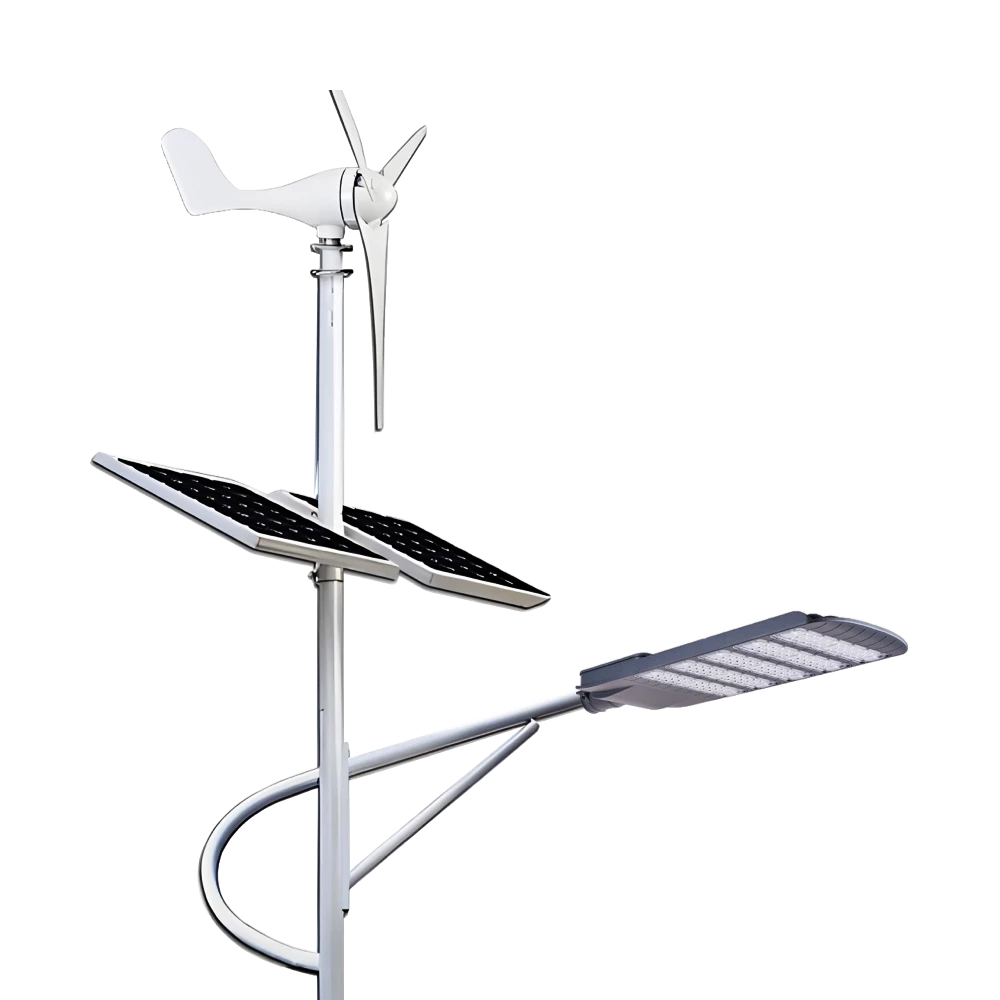
Đèn đường năng lượng mặt trời ngoài trời Queneng Lufeng Wind Energy LED cung cấp khả năng chiếu sáng hiệu suất cao, thân thiện với môi trường. Những đèn đường LED tiết kiệm năng lượng này khai thác năng lượng mặt trời và năng lượng gió để tạo ra các giải pháp chiếu sáng ngoài trời bền vững, tiết kiệm chi phí.
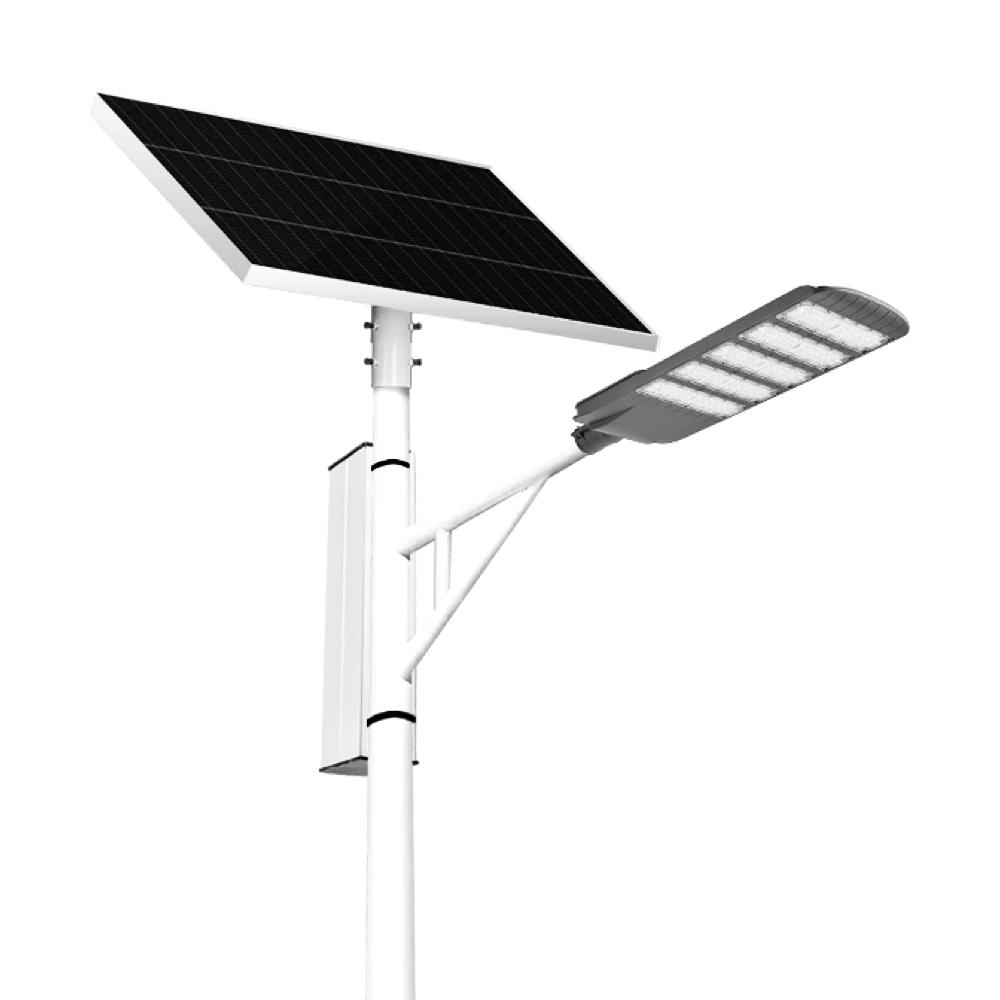
Đèn đường năng lượng mặt trời Luhao dành cho các đô thị được thiết kế để cung cấp các giải pháp chiếu sáng công cộng đáng tin cậy, tiết kiệm năng lượng và hiệu quả về chi phí. Được trang bị công nghệ LED tiên tiến, pin lithium bền bỉ và tấm pin năng lượng mặt trời hiệu suất cao, những chiếc đèn đường này cung cấp ánh sáng đồng đều cho đường phố, công viên, khu dân cư và các dự án của chính phủ.
Nếu bạn muốn biết thêm thông tin về các giải pháp chiếu sáng năng lượng mặt trời Queneng, vui lòng gửi tin nhắn cho chúng tôi bằng cách điền vào biểu mẫu bên dưới. Đội ngũ chuyên nghiệp của chúng tôi sẽ phản hồi bạn trong vòng 24 giờ!
Hãy yên tâm rằng quyền riêng tư của bạn rất quan trọng đối với chúng tôi và mọi thông tin bạn cung cấp sẽ được xử lý một cách bảo mật tối đa.
Lên lịch cuộc họp
Đặt ngày và giờ thuận tiện cho bạn và tiến hành buổi học trước.
Bạn còn thắc mắc gì về sản phẩm hoặc dịch vụ của chúng tôi không?
Sứ giả của ánh sáng và chuyển đổi năng lượng
Bảo vệ môi trường và sản xuất thông minh là triết lý thương hiệu của chúng tôi, đảm bảo chất lượng và trải nghiệm người dùng tốt nhất là lời hứa vĩnh cửu của chúng tôi với người dùng.
LIÊN HỆ
Số 9F, Tòa nhà F, Khu hậu cần Cao San Xin Tian Hong, thị trấn Cổ Trấn, thành phố Trung Sơn, tỉnh Quảng Đông, Trung Quốc.
hoặc viết[email protected]
WhatsApp: +86 136 2270 1011


© 2026 Queneng Lighting. Bảo lưu mọi quyền. Được phát triển bởi gooeyun.