

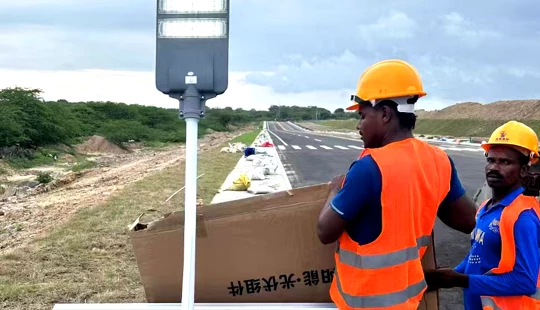
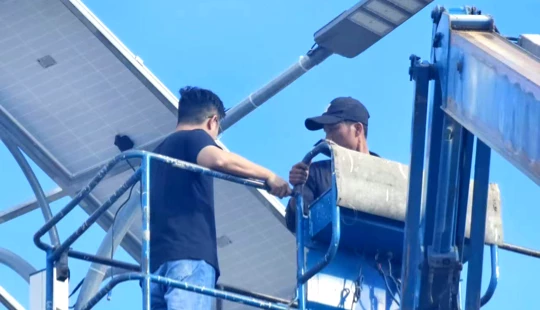













What causes early failure in low-quality solar-powered street lamps?
Navigating the World of Solar Street Lights: Costs, Quality, and Avoiding Early Failures
The global shift towards sustainable infrastructure has propelled solar street lighting into the forefront of urban and rural development. However, navigating the myriad of options available can be challenging. From understanding the initial investment to ensuring long-term reliability, prospective buyers often face critical questions. This guide aims to shed light on these concerns, helping you make informed decisions when procuring solar street lights.
How Much Does a Solar Street Light Cost, and What Influences Its Price?
The cost of a solar street light can vary significantly, typically ranging from $150 for basic integrated models to over $3,000 for high-power, split-system solutions. This wide range is primarily influenced by several key factors:
- LED Wattage and Lumen Output: Higher wattage (e.g., 60W, 100W, 200W) and brighter lights naturally cost more.
- Battery Capacity and Type: The battery is often the most expensive component. Lithium Iron Phosphate (LiFePO4) batteries, known for their longer lifespan (2000-6000 cycles) and better performance in varied temperatures, are more costly than lead-acid or standard lithium-ion batteries. Larger capacity (Ah or Wh) for extended autonomy (days of backup power) also increases the price.
- Solar Panel Power and Efficiency: Higher wattage (Wp) solar panels and more efficient monocrystalline panels will increase the cost.
- Controller Technology: Advanced Maximum Power Point Tracking (MPPT) controllers are more efficient at harvesting solar energy than Pulse Width Modulation (PWM) controllers, thus adding to the cost but offering better performance.
- Pole Height and Material: Taller poles (e.g., 6-12 meters) and those made from galvanized steel or aluminum (for corrosion resistance) are more expensive than shorter, less robust options.
- Smart Features: Motion sensors, dimming capabilities, IoT connectivity, and remote monitoring systems add to the complexity and price.
- Certifications and Warranty: Products with international certifications (CE, RoHS, IP ratings, ISO) and comprehensive warranties typically reflect higher quality and a slightly higher price.
What Differentiates a Reliable Solar Street Light Manufacturer?
Choosing the right manufacturer is paramount to the success and longevity of your solar lighting project. Look for manufacturers that demonstrate:
- Robust R&D Capabilities: A manufacturer committed to innovation and product improvement will have a dedicated R&D department.
- Quality Component Sourcing: They should use reputable brands for key components like LED chips (e.g., Philips, Cree, Osram), batteries (e.g., CATL, BYD, EVE for LiFePO4), and controllers.
- International Certifications: Adherence to standards like ISO 9001 (Quality Management), ISO 14001 (Environmental Management), as well as product-specific certifications like CE, RoHS, FCC, and high IP ratings (IP65/IP66) for dust and water protection, indicates a commitment to quality and safety.
- Comprehensive Warranty and After-Sales Support: A reliable manufacturer offers a solid warranty (typically 3-5 years for major components) and responsive technical support.
- Proven Track Record and Case Studies: Evidence of successful projects and long-term client relationships speaks volumes about their reliability.
- Transparent Production Process: Willingness to share details about their manufacturing, testing, and quality control procedures.
What Are the Key Components of a High-Quality Solar Street Light?
The performance and durability of a solar street light hinge on the quality of its individual components:
- High-Efficiency Solar Panel: Monocrystalline silicon panels typically offer 19-22% conversion efficiency, performing better in low light conditions than polycrystalline panels.
- Durable Battery with BMS: LiFePO4 (Lithium Iron Phosphate) batteries are highly recommended due to their long cycle life (often 2000-6000 cycles at 80% DOD), safety, and stable performance across a wide temperature range (-20°C to 60°C). A robust Battery Management System (BMS) is crucial for preventing overcharge, over-discharge, overheating, and short circuits.
- Smart MPPT Charge Controller: An MPPT controller can increase charging efficiency by 15-30% compared to PWM controllers, especially in varying weather conditions, maximizing power harvest from the solar panel.
- High-Lumen LED Chips: Quality LED chips from reputable brands offer high luminous efficacy (e.g., 150-180 lumens per watt) and a longer lifespan (>50,000 hours) with minimal lumen degradation over time.
- Robust Housing and Fixture: Materials like die-cast aluminum with a corrosion-resistant coating, coupled with an IP65 or IP66 rating, ensure protection against dust, rain, and extreme weather.
What Causes Early Failure in Low-Quality Solar-Powered Street Lamps?
Early failure in low-quality solar street lamps is a common and frustrating issue, typically stemming from cost-cutting measures that compromise essential components:
- Inferior Batteries: The most frequent culprit. Cheap lead-acid or low-grade lithium-ion batteries often have insufficient capacity, poor thermal management, or lack a proper BMS, leading to rapid degradation, reduced autonomy, and complete failure within 1-2 years.
- Inefficient or Faulty Charge Controllers: Low-quality controllers may lack essential protection features (overcharge/discharge, short circuit), have poor temperature compensation, or utilize inefficient PWM technology, leading to improper battery charging, overheating, and component damage.
- Substandard Solar Panels: Panels made with low-efficiency cells, poor encapsulation, or cheap glass are prone to delamination, micro-cracks, and reduced power output, especially under harsh environmental conditions.
- Poor Quality LED Chips and Drivers: Generic LED chips have lower luminous efficacy, faster lumen degradation, and shorter lifespans. Coupled with cheap LED drivers lacking proper current regulation and heat dissipation, they fail prematurely.
- Inadequate Weatherproofing (Low IP Rating): Housings with low IP ratings (e.g., IP44) allow moisture, dust, and insects to penetrate the internal components, causing short circuits, corrosion, and system failure.
- Cheap Materials and Construction: Use of non-UV resistant plastics, thin aluminum, or poorly galvanized steel can lead to rapid corrosion, structural integrity issues, and aesthetic degradation.
- Insufficient Heat Dissipation: Poorly designed heat sinks for LEDs and battery compartments can lead to overheating, severely shortening component lifespans.
What Warranty Should I Expect for a Solar Street Light?
For a high-quality solar street light system, you should expect a comprehensive warranty. Reputable manufacturers typically offer:
- 3 to 5 years for major components such as the solar panel, battery, LED fixture, and charge controller.
- Some manufacturers may offer a longer warranty (e.g., 10-25 years) specifically for the solar panel's power output (e.g., 80% power output guarantee after 25 years).
- A strong warranty reflects the manufacturer's confidence in their product's durability and performance. Always review the warranty terms and conditions carefully.
The Long-Term Value: Why Invest in High-Quality Solar Street Lights?
While the initial cost of high-quality solar street lights might be higher, the long-term benefits far outweigh the upfront investment:
- Extended Lifespan: Quality components ensure a operational life of 5-10 years or more for the entire system, significantly reducing replacement and maintenance costs.
- Reliable Performance: Consistent illumination, even during extended cloudy periods, due to efficient solar panels and high-capacity batteries.
- Lower Maintenance: Durable materials and robust designs minimize the need for frequent repairs or component replacements.
- Enhanced Safety and Security: Consistent, bright lighting contributes to safer public spaces.
- Cost Savings: No electricity bills and reduced operational costs result in substantial savings over the system's lifetime.
- Environmental Benefits: Reduced carbon footprint by utilizing renewable energy.
In conclusion, purchasing solar street lights is an investment that demands careful consideration. Prioritizing quality components, choosing a reputable manufacturer, and understanding the factors influencing cost and potential failures will ensure you acquire a sustainable, reliable, and cost-effective lighting solution for years to come.
Quenenglighting Advantage:
Quenenglighting stands out as a manufacturer dedicated to delivering high-quality, reliable solar street lighting solutions. We achieve this by meticulously sourcing top-tier components, including high-efficiency monocrystalline solar panels, long-life LiFePO4 batteries with advanced BMS, and intelligent MPPT controllers. Our products undergo rigorous testing and adhere to international quality standards, ensuring exceptional performance and durability. With comprehensive warranties and responsive customer support, Quenenglighting provides a trusted investment that guarantees brilliant, sustainable illumination and significant long-term savings.
References
- U.S. Department of Energy - Solar Panel Efficiency (Accessed: October 26, 2023)
- Battery Power Online - Lithium Iron Phosphate Batteries (Accessed: October 26, 2023)
- Renogy - MPPT vs. PWM Charge Controllers (Accessed: October 26, 2023)
- LED Lighting Articles - LED Lumen Efficiency Comparison (Accessed: October 26, 2023)
- General industry averages for solar street light costs and component lifespans are derived from a review of multiple manufacturer websites, industry reports, and supplier catalogs (e.g., Alibaba, Made-in-China, specialized solar lighting suppliers) in late 2023. Specific prices and performance figures can vary based on market conditions and technology advancements.

Have more questions about our products or services?
The latest hot news you might like

Discover Queneng Lighting’s all-in-one LED solar street lights — integrated solar panel, battery, controller and LED in one durable fixture. Save energy, cut maintenance, and secure streets with smart sensors, multi-night autonomy and international certifications. Contact sales for quotes and support.

Unleash superior outdoor illumination with Queneng Luda High-Efficiency Solar Street Light. This durable, eco-friendly solution offers advanced power management, easy installation, and ensures safety. Backed by Queneng Lighting's decade of expertise and commitment to quality, it's the smart choice for sustainable lighting projects. Learn why we're a leading solar solutions provider.

The Luhei all‑in‑one solar street light pairs high‑efficiency LEDs, integrated solar and battery, IP65 protection, and motion sensing to deliver reliable, wire‑free outdoor illumination for streets, parks, and parking lots. Backed by Queneng Lighting’s certifications and support.

FAQ
Battery Types and Applications
What is a photovoltaic cell?
Sustainability
Does Queneng offer installation services?
Yes, we provide installation support based on project requirements, including professional installation guidance and technical consultation. If needed, our team can arrange on-site installation services.
Solar Street Light Luan
How bright are Luan solar street lights compared to traditional street lights?
Luan solar street lights offer brightness comparable to or greater than traditional street lights, using far less energy. The LEDs are designed to provide high-quality, focused illumination, enhancing visibility and safety in outdoor areas while saving energy.
Battery and Analysis
What conditions are best for batteries to be stored under?
Theoretically, there is always energy loss when a battery is stored. The inherent electrochemical structure of the battery determines that battery capacity will inevitably be lost, mainly due to self-discharge. Usually the size of self-discharge is related to the solubility of the cathode material in the electrolyte and its instability after heating (easy to self-decompose). Rechargeable batteries have a much higher self-discharge than primary batteries.
Public Gardens and Landscape Lighting
How can I order solar lighting products for my public garden or landscape project?
To order solar lighting solutions for your project, simply contact our sales team via phone, email, or our website. We will work with you to understand your specific requirements and provide customized solutions that fit your needs. We also offer installation support and after-sales services to ensure your project is a success.
OEM&ODM
What is the lead time for OEM production?
15–25 working days depending on order volume and customization level.
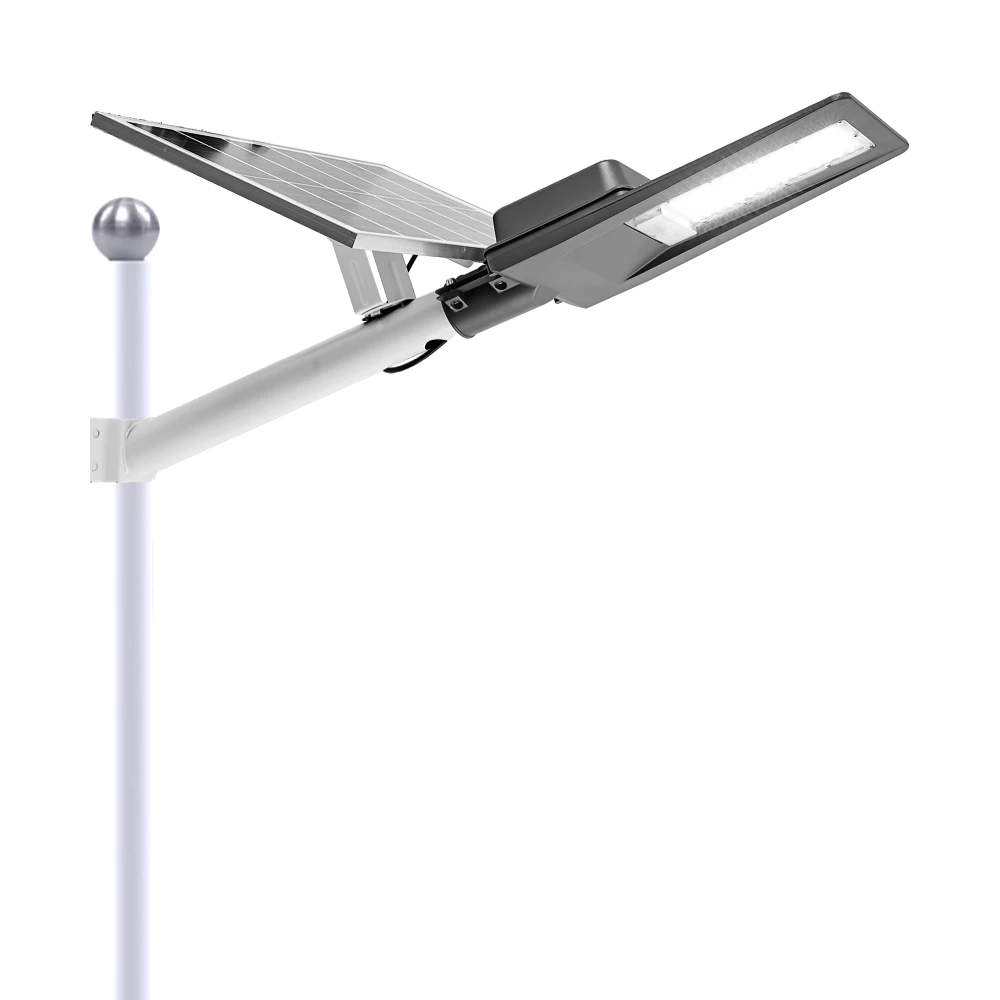
Experience reliable outdoor illumination with our smart solar street light, a perfect combination of advanced technology and eco-conscious design.
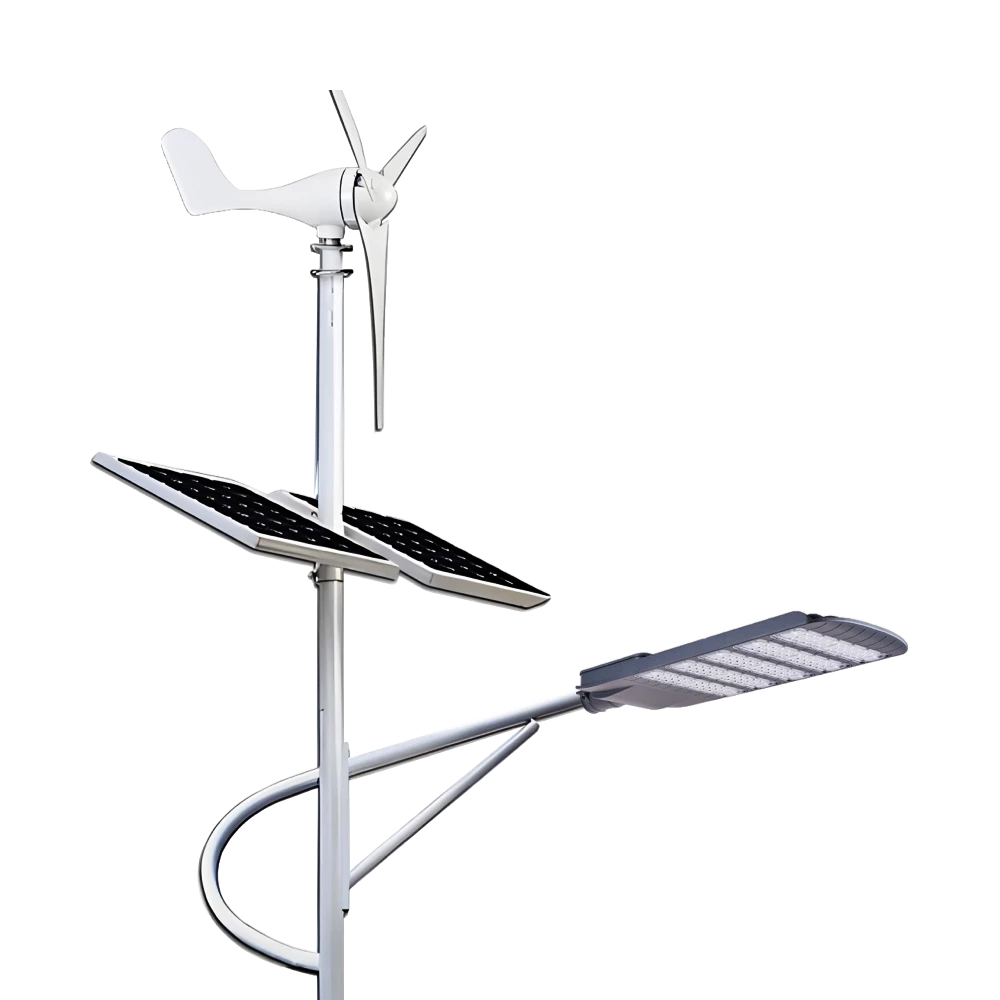
Queneng Lufeng Wind Energy LED Outdoor Solar Street Lights offer high-performance, eco-friendly illumination. These energy-efficient LED street lights harness solar power and wind energy for sustainable, cost-effective outdoor lighting solutions.
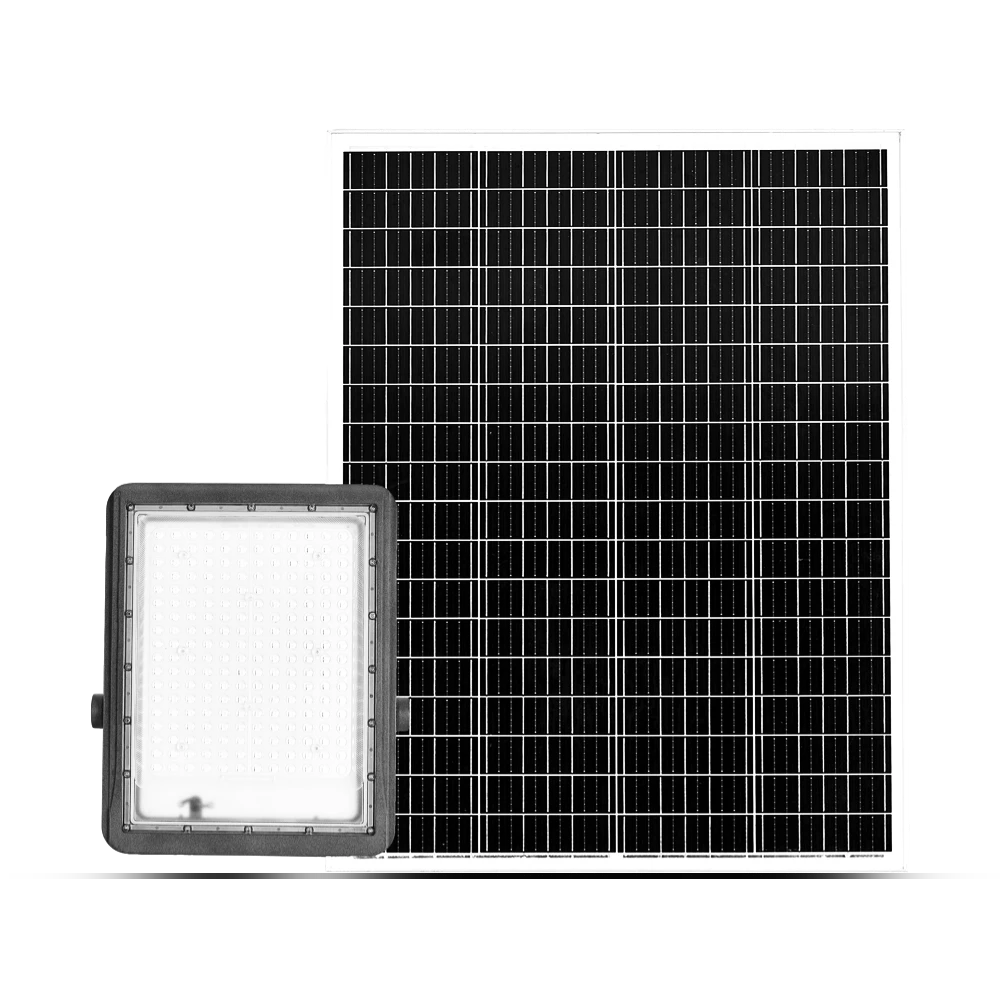
Queneng's Luxian Reliable Solar Street Light offers energy-saving LED lighting for outdoor use. This durable, solar-powered street light provides reliable illumination, reducing energy costs and environmental impact. A perfect solution for sustainable outdoor lighting.
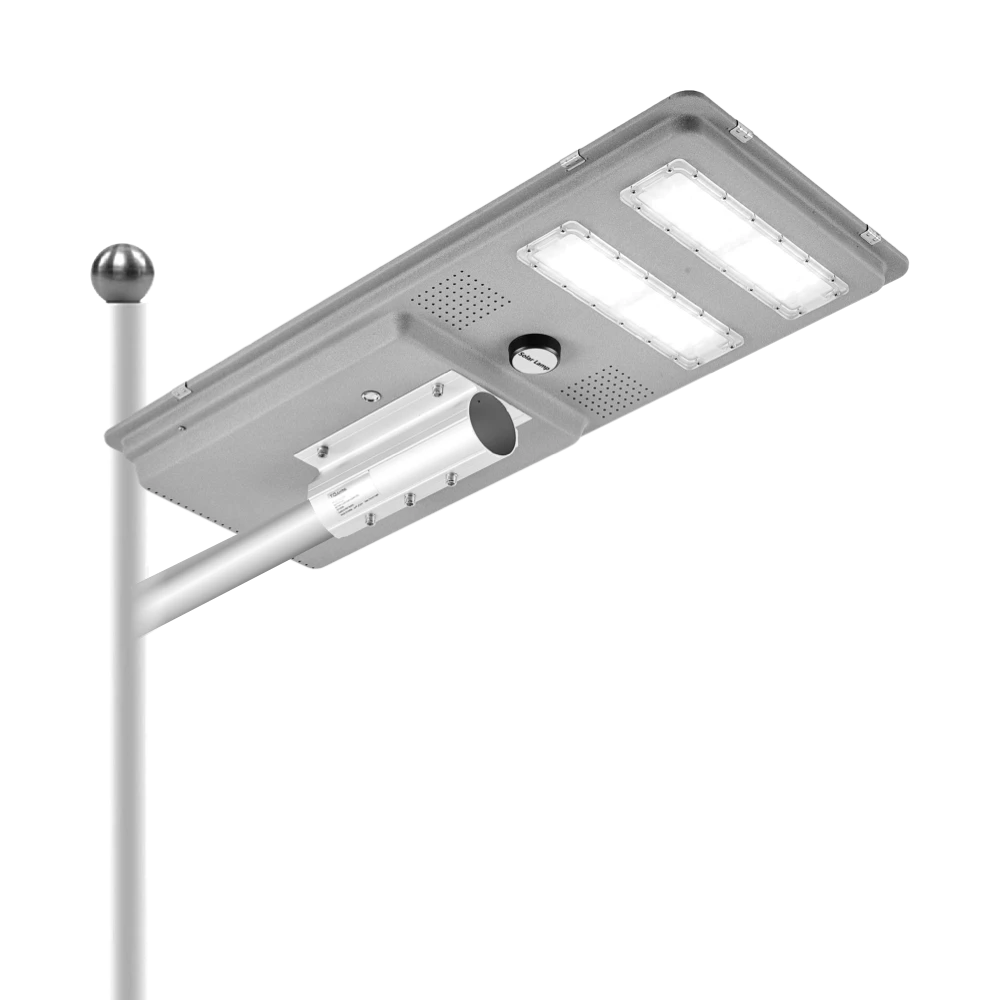
Queneng’s Solar Street Lights are designed to provide reliable, energy-efficient lighting for streets, parks, and other outdoor spaces.
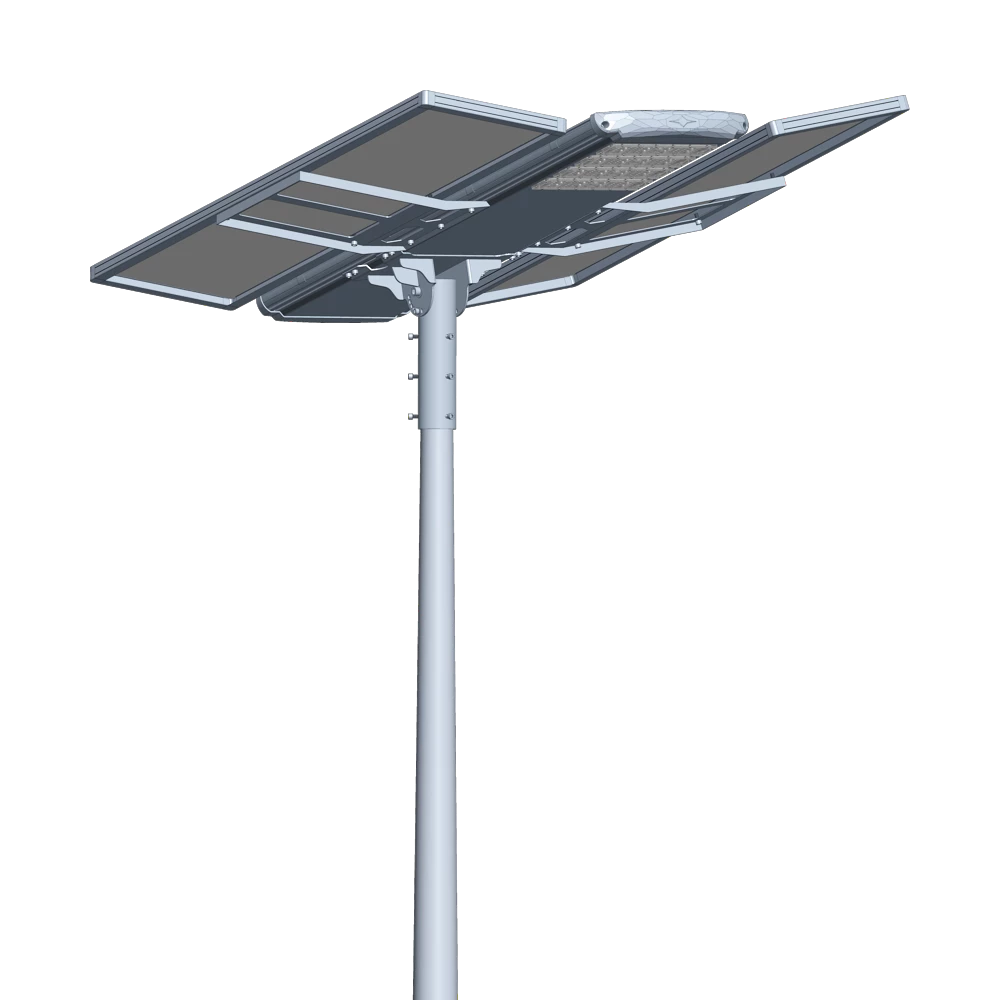
Introducing the Luqing Solar Street Light by Queneng, Efficient LED lighting powered by solar energy is perfect for illuminating outdoor areas. Harness the power of solar energy for sustainable, reliable street lighting. Ideal for eco-friendly, cost-effective outdoor illumination solutions.
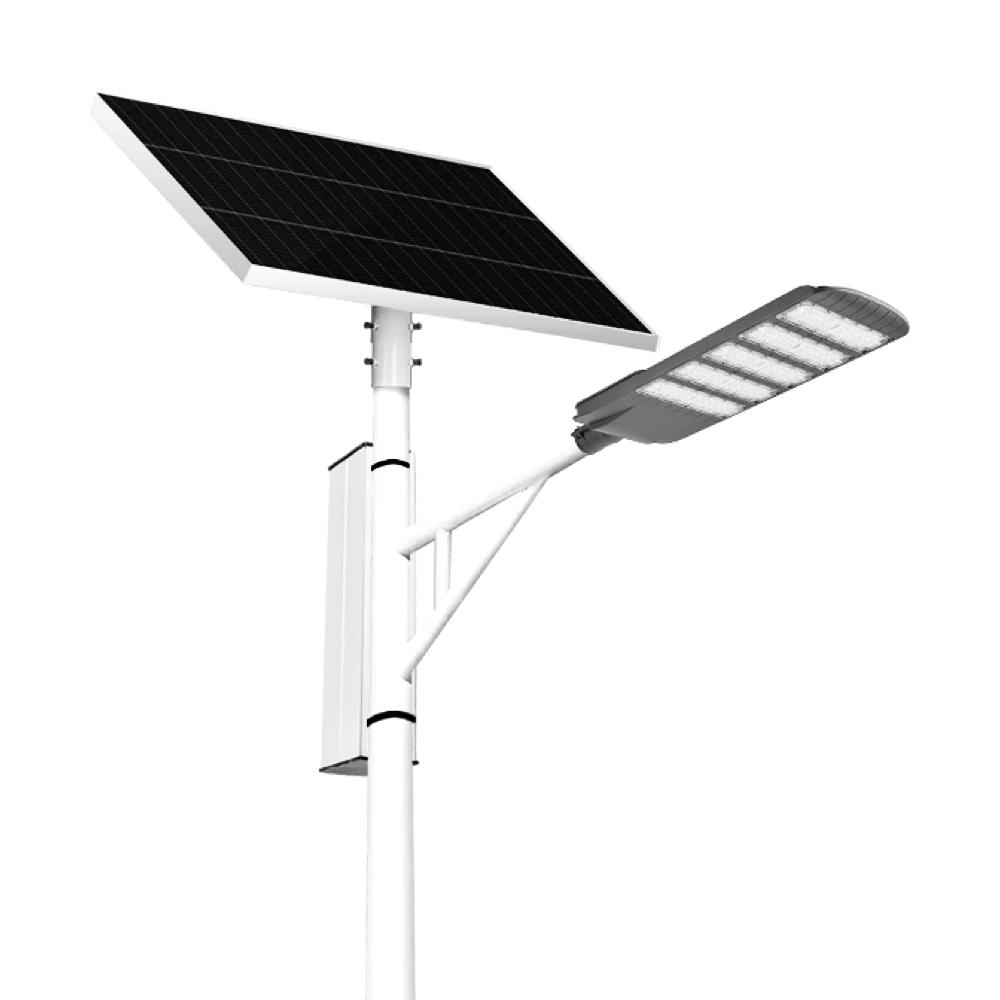
The Solar Streetlights of Luhao for Municipalities are designed to deliver reliable, energy-efficient, and cost-effective public lighting solutions. Equipped with advanced LED technology, durable lithium batteries, and high-efficiency solar panels, these streetlights provide consistent illumination for roads, parks, residential areas, and government projects.
If you would like more information about Queneng solar lighting solutions, please send us a message by filling out the form below. Our professional team will get back to you within 24 hours!
Rest assured that your privacy is important to us, and all information provided will be handled with the utmost confidentiality.
Schedule a Meeting
Book a date and time that is convenient for you and conduct the session in advance.
Have more questions about our products or services?
The messenger of light & power conversion
Environmental protection and intelligent manufacturing are our brand philosophy, and quality assurance and the best user experience are our eternal promises to users.
CONTACT
No.9F, Building F, Cao San Xin Tian Hong Logistics Park, Guzhen Town, Zhongshan City, Guangdong Province, China.
or write [email protected]
WhatsApp: +86 136 2270 1011


