













How do desert climates affect solar street light procurement decisions?
Navigating Solar Street Light Procurement: Costs, Manufacturers, and Desert Challenges
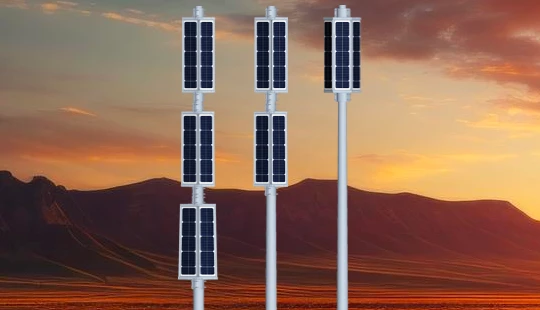
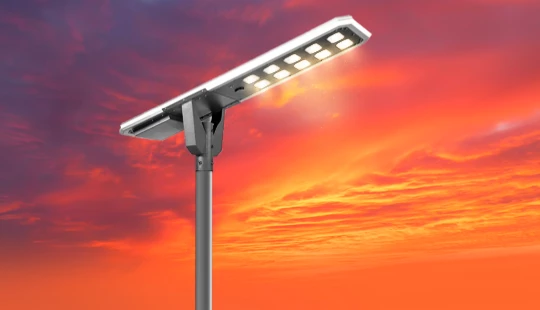
Solar street lighting offers a sustainable and cost-effective solution for illuminating public spaces, roads, and off-grid areas. However, making an informed procurement decision requires understanding various factors, from initial investment to long-term performance, especially in challenging environments like deserts. This blog post addresses key questions users often ask when considering solar street lights.
What is the Typical Cost Range of a Solar Street Light, and What Influences It?
The cost of a solar street light can vary significantly, generally ranging from $200 to over $2,000 USD per unit, excluding installation for high-end commercial systems. This wide range is influenced by several critical factors:
- LED Wattage and Lumen Output: Higher brightness (lumens) requires more powerful LEDs, increasing cost.
- Solar Panel Wattage: Larger, higher-wattage solar panels are needed for brighter lights or areas with less sunlight, impacting price.
- Battery Type and Capacity: Lithium Iron Phosphate (LiFePO4) batteries are preferred for their longer lifespan and better performance compared to lead-acid, but are more expensive. Higher capacity batteries provide longer backup time, increasing cost.
- Pole Height and Material: Taller, more robust poles (e.g., galvanized steel, aluminum) designed to withstand high winds or provide wider illumination coverage add to the expense.
- Smart Features: Integrated motion sensors (PIR), dimming capabilities, IoT connectivity, and remote monitoring systems add to the complexity and cost.
- Brand and Warranty: Reputable manufacturers offering extensive warranties and proven performance often command a higher price.
The Return on Investment (ROI) for solar street lights is typically observed within 3 to 7 years, primarily through significant savings on electricity bills, trenching, and reduced maintenance costs compared to traditional grid-tied lighting.
What Key Features Define a Reputable Solar Street Light Manufacturer?
Choosing the right manufacturer is paramount for product quality, longevity, and support. Look for these defining characteristics:
- Proven Track Record & Experience: A long history in the industry with successful project deployments demonstrates reliability.
- Quality Certifications: Adherence to international standards like ISO 9001 (Quality Management), ISO 14001 (Environmental Management), CE, RoHS, and IEC ensures product safety and quality.
- Robust R&D Capabilities: Manufacturers investing in research and development often offer innovative technologies, better efficiency, and solutions tailored to specific challenges.
- Comprehensive Product Range: A diverse portfolio indicates the ability to meet various lighting requirements and environmental conditions.
- Component Quality: Use of high-grade components (e.g., branded LED chips like Philips/Osram, high-efficiency solar cells, advanced LiFePO4 batteries with BMS).
- Testing and Quality Control: Rigorous testing procedures for dust, water ingress (IP rating), temperature fluctuations, and vibration ensure product durability.
- Strong Warranty and After-Sales Support: A reliable manufacturer stands behind its products with clear warranties and accessible technical support.
How Do Desert Climates Specifically Impact Solar Street Light Performance and Procurement?
Desert environments pose unique and significant challenges for solar street lights, demanding specialized solutions:
- Extreme High Temperatures: High ambient temperatures severely impact battery lifespan and solar panel efficiency. Lithium-ion batteries (especially LiFePO4) are more tolerant than lead-acid but still degrade faster above 45°C. Solar panel efficiency can decrease by approximately 0.3% to 0.5% for every degree Celsius above 25°C (STC).
- Dust and Sand Accumulation: Fine dust and sand can accumulate on solar panels, significantly reducing power generation efficiency. This necessitates more frequent cleaning or the use of self-cleaning/anti-dust coatings. Dust can also infiltrate enclosures, damaging electronics.
- Intense Solar Radiation & UV Exposure: While beneficial for power generation, intense UV radiation can accelerate the degradation of plastics, seals, and coatings if not made from UV-resistant materials.
- Wind and Sandstorms: Strong winds and sandstorms demand highly robust poles and fixtures designed to withstand abrasive forces and potential structural stress.
Procurement Solutions for Deserts: Manufacturers must offer specific features:
- Advanced Thermal Management: Heat sinks, ventilation designs, and robust battery management systems (BMS) to regulate internal temperatures.
- High IP Ratings: IP65 or IP66 enclosures are crucial for protecting internal components from dust and moisture ingress.
- UV-Resistant and Durable Materials: Components (lens, seals, coatings) made from materials that resist UV degradation and sand abrasion.
- Oversized Components: Larger solar panels and battery capacities to compensate for potential efficiency losses due to heat and dust, ensuring consistent performance.
- LiFePO4 Batteries: Generally preferred for their thermal stability and longer cycle life compared to other battery chemistries in high-temperature environments.
What Are the Maintenance Requirements for Solar Street Lights, Especially in Harsh Environments?
While solar street lights are low-maintenance, regular checks are crucial for optimal performance, particularly in deserts:
- Solar Panel Cleaning: This is the most critical task in dusty regions. Panels should be cleaned regularly (e.g., monthly to quarterly, depending on dust levels) to remove dirt, sand, and bird droppings that obstruct sunlight and reduce efficiency.
- Battery Health Checks: For LiFePO4 systems, this typically involves monitoring performance via a smart control system. While maintenance-free, extreme temperatures can shorten lifespan, so proactive monitoring helps predict replacement needs.
- Fixture and Pole Inspection: Annually checking the structural integrity of the pole, tightness of mounting hardware, and integrity of the light fixture itself is recommended.
- Wiring and Connection Checks: Periodically ensure all electrical connections are secure and free from corrosion, especially in areas with significant temperature fluctuations.
Proactive maintenance ensures longevity and consistent illumination, mitigating efficiency drops caused by environmental factors.
What Warranty and After-Sales Support Should You Expect?
A strong warranty and reliable after-sales support are indicators of a manufacturer's confidence in their product and commitment to customer satisfaction:
- Comprehensive System Warranty: Expect a minimum of 3-5 years for the entire solar street light system, covering the LED fixture, solar panel, battery, and controller.
- Solar Panel Performance Warranty: High-quality solar panels often come with a 10-year product warranty and a 20-25 year linear power output warranty, guaranteeing a certain percentage of original power output (e.g., 80%) after 20-25 years.
- Battery Warranty: LiFePO4 batteries typically carry a 3-5 year warranty, emphasizing cycle life and capacity retention.
- Technical Support: Access to knowledgeable technical support for troubleshooting, spare parts, and guidance is crucial, especially for complex systems or remote installations.
- Availability of Spare Parts: Ensure the manufacturer can provide spare parts for a reasonable period after the product's purchase.
Why Choose Quenenglighting for Your Solar Street Light Needs?
Quenenglighting stands out as a reliable partner for your solar street lighting projects, particularly when facing challenging environments. We integrate robust engineering with cutting-edge technology to deliver superior performance and durability. Our commitment to quality means we utilize high-efficiency solar panels, long-life LiFePO4 batteries with advanced BMS, and high-lumen LED chips. Our products are designed with superior IP ratings (e.g., IP66) and thermal management systems to withstand extreme temperatures and dust ingress, making them ideal for desert climates. We offer comprehensive warranties and dedicated after-sales support, ensuring your investment is protected and your lighting solutions perform optimally for years to come. Choose Quenenglighting for sustainable, high-performance, and reliable solar lighting solutions tailored to your professional needs.
References and Data Sources:
- EnergySage - Cost of Solar Panels (General solar cost context, accessed: April 25, 2024)
- SolarReviews - How Temperature Affects Solar Panel Efficiency (Provides data on temperature coefficients, accessed: April 25, 2024)
- Battery Power Online - Impact of Temperature on Lithium-ion Battery Performance (Discusses battery degradation at high temperatures, accessed: April 25, 2024)
- Grand View Research - Solar Street Lighting Market Size, Share & Trends Analysis Report (Provides market insights and cost trends, accessed: April 25, 2024)
- Industry standard practices for IP ratings, warranties, and component lifespans are derived from general market knowledge and major manufacturers' specifications.

Have more questions about our products or services?
The latest hot news you might like

Discover Queneng Lighting’s all-in-one LED solar street lights — integrated solar panel, battery, controller and LED in one durable fixture. Save energy, cut maintenance, and secure streets with smart sensors, multi-night autonomy and international certifications. Contact sales for quotes and support.

Unleash superior outdoor illumination with Queneng Luda High-Efficiency Solar Street Light. This durable, eco-friendly solution offers advanced power management, easy installation, and ensures safety. Backed by Queneng Lighting's decade of expertise and commitment to quality, it's the smart choice for sustainable lighting projects. Learn why we're a leading solar solutions provider.

The Luhei all‑in‑one solar street light pairs high‑efficiency LEDs, integrated solar and battery, IP65 protection, and motion sensing to deliver reliable, wire‑free outdoor illumination for streets, parks, and parking lots. Backed by Queneng Lighting’s certifications and support.

FAQ
Solar Street Light Luda
What makes Luda solar street lights high-efficiency and eco-friendly?
Luda solar street lights feature high-efficiency solar panels that maximize energy conversion even in low sunlight conditions, ensuring optimal performance throughout the day. The use of energy-efficient LED bulbs minimizes electricity consumption while delivering bright, reliable illumination. This combination of features reduces the overall carbon footprint and makes them an eco-friendly choice for outdoor lighting.
OEM&ODM
Do you offer warranty and technical support?
Yes. All our products come with a 3–5 year warranty. We provide full after-sales guidance, documentation, and video support.
Remote Areas Rural Development
Can solar streetlights integrate with smart technologies like remote monitoring?
Yes, our systems can include IoT features for real-time monitoring and control.
Industry
Does Queneng offer off-grid solar systems?
Yes, we provide off-grid solar lighting systems designed for remote areas or regions without grid coverage, meeting the specific lighting needs in these areas.
Solar Street Light Luzhou
What are the benefits of using Luzhou solar street lights over traditional street lights?
Luzhou solar street lights are more energy-efficient, cost-effective, and environmentally friendly compared to traditional street lights. They use solar energy, which reduces electricity bills, and require minimal maintenance. They are also independent of the grid, providing lighting in areas without electricity infrastructure.
Battery and Analysis
What are the possible reasons for the short discharge time of batteries and battery packs?
2) The discharge current is too large, which reduces the discharge efficiency and shortens the discharge time;
3) When the battery is discharging, the ambient temperature is too low and the discharge efficiency decreases;
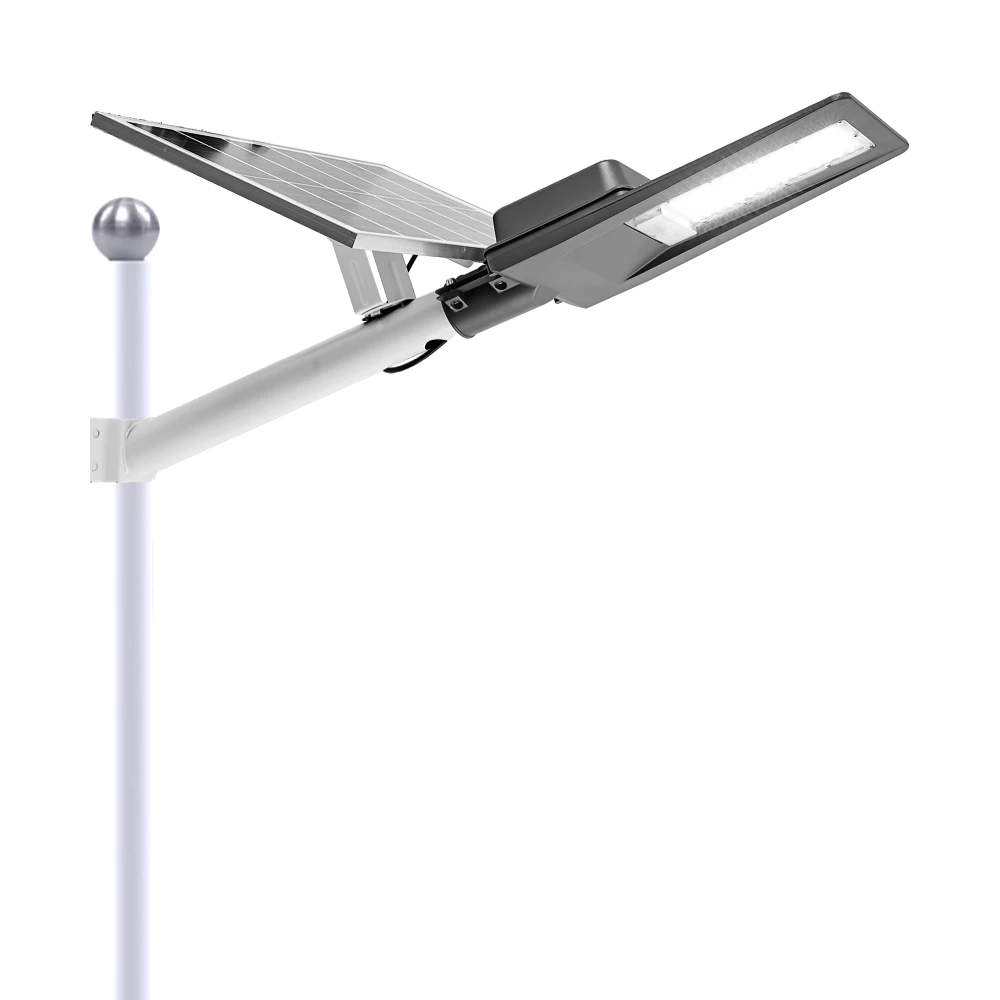
Experience reliable outdoor illumination with our smart solar street light, a perfect combination of advanced technology and eco-conscious design.
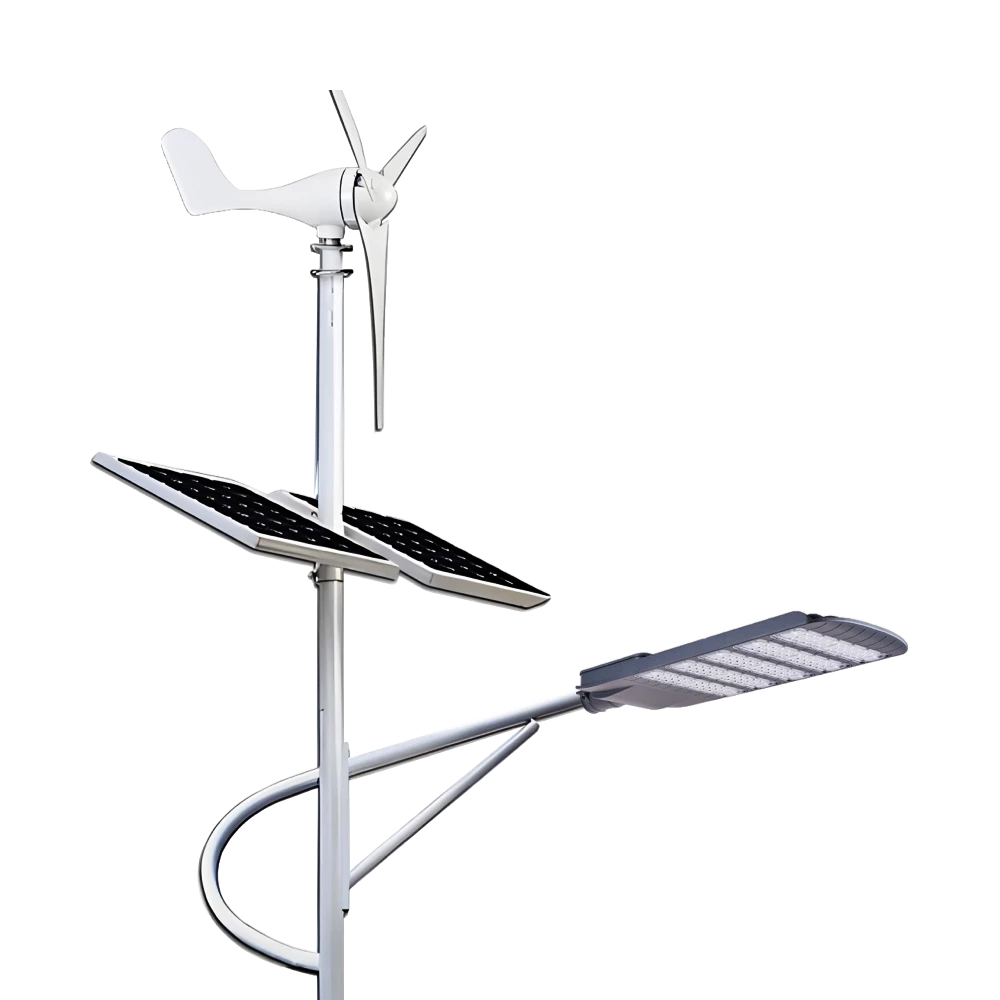
Queneng Lufeng Wind Energy LED Outdoor Solar Street Lights offer high-performance, eco-friendly illumination. These energy-efficient LED street lights harness solar power and wind energy for sustainable, cost-effective outdoor lighting solutions.
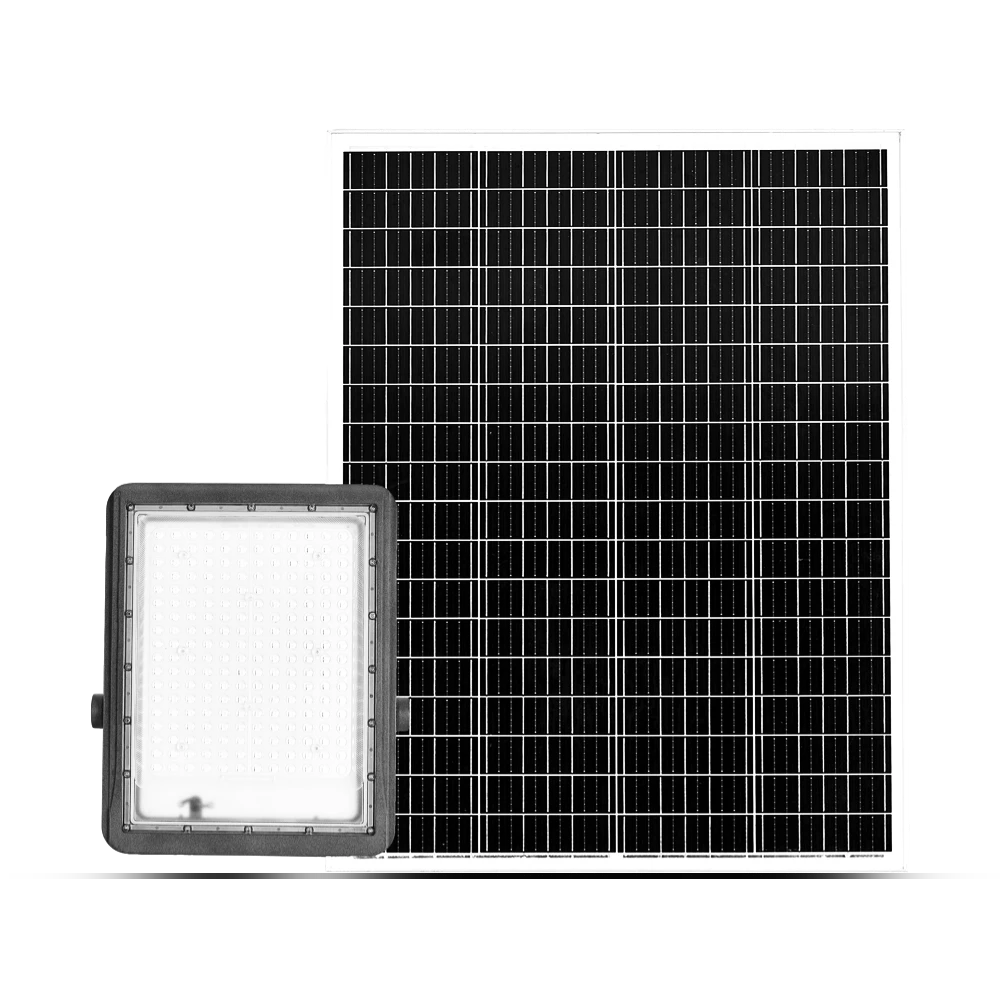
Queneng's Luxian Reliable Solar Street Light offers energy-saving LED lighting for outdoor use. This durable, solar-powered street light provides reliable illumination, reducing energy costs and environmental impact. A perfect solution for sustainable outdoor lighting.
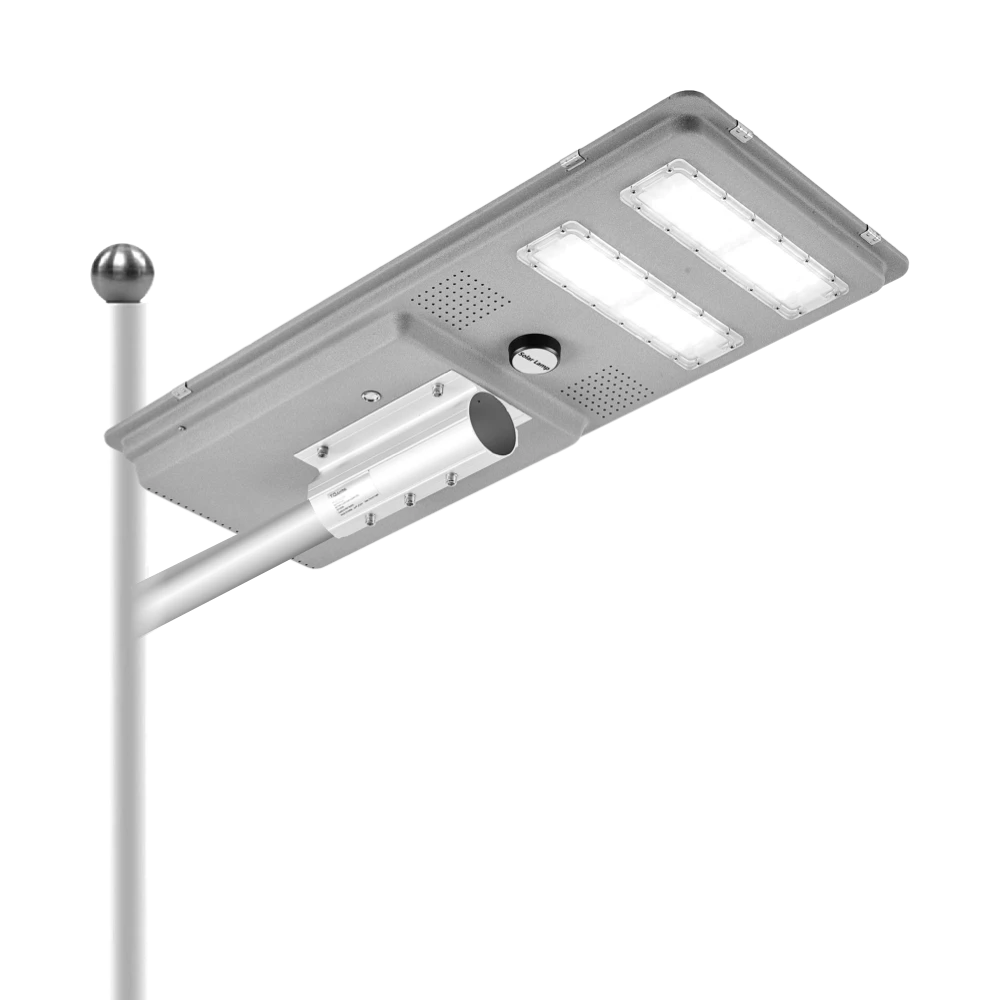
Queneng’s Solar Street Lights are designed to provide reliable, energy-efficient lighting for streets, parks, and other outdoor spaces.
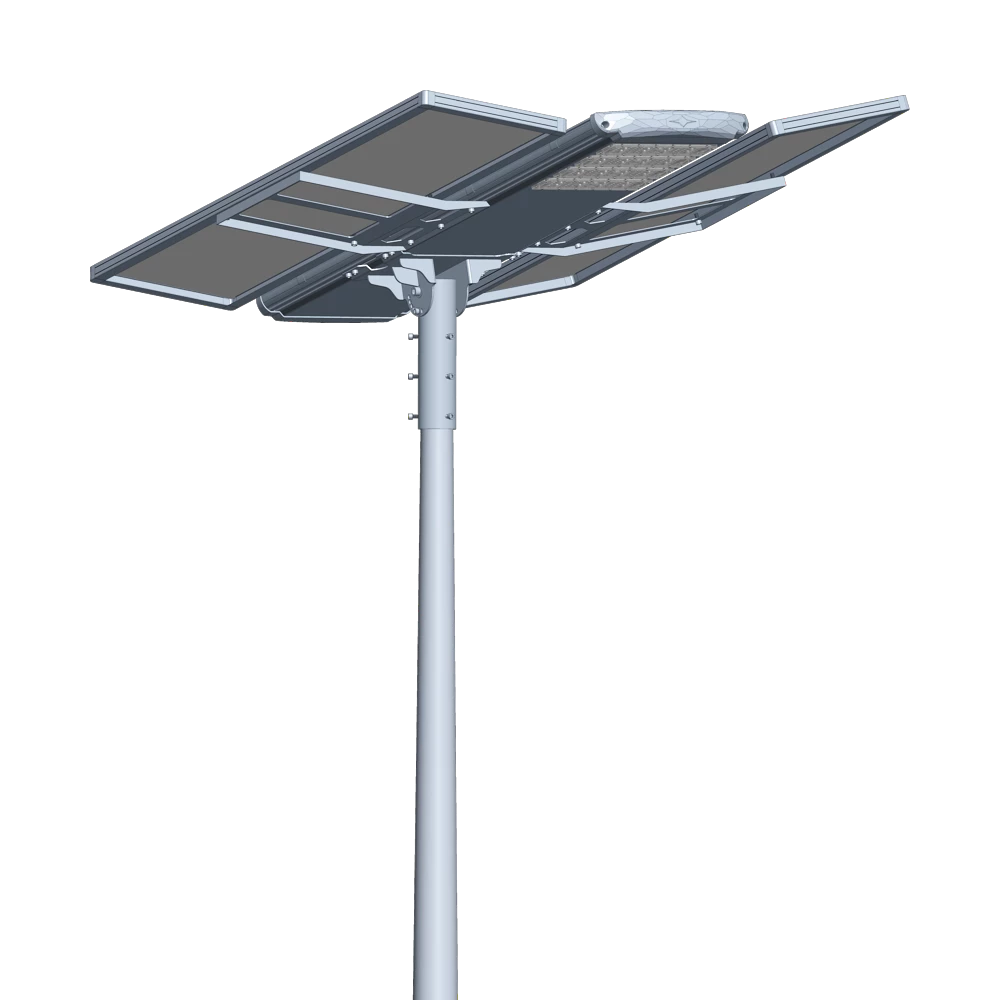
Introducing the Luqing Solar Street Light by Queneng, Efficient LED lighting powered by solar energy is perfect for illuminating outdoor areas. Harness the power of solar energy for sustainable, reliable street lighting. Ideal for eco-friendly, cost-effective outdoor illumination solutions.
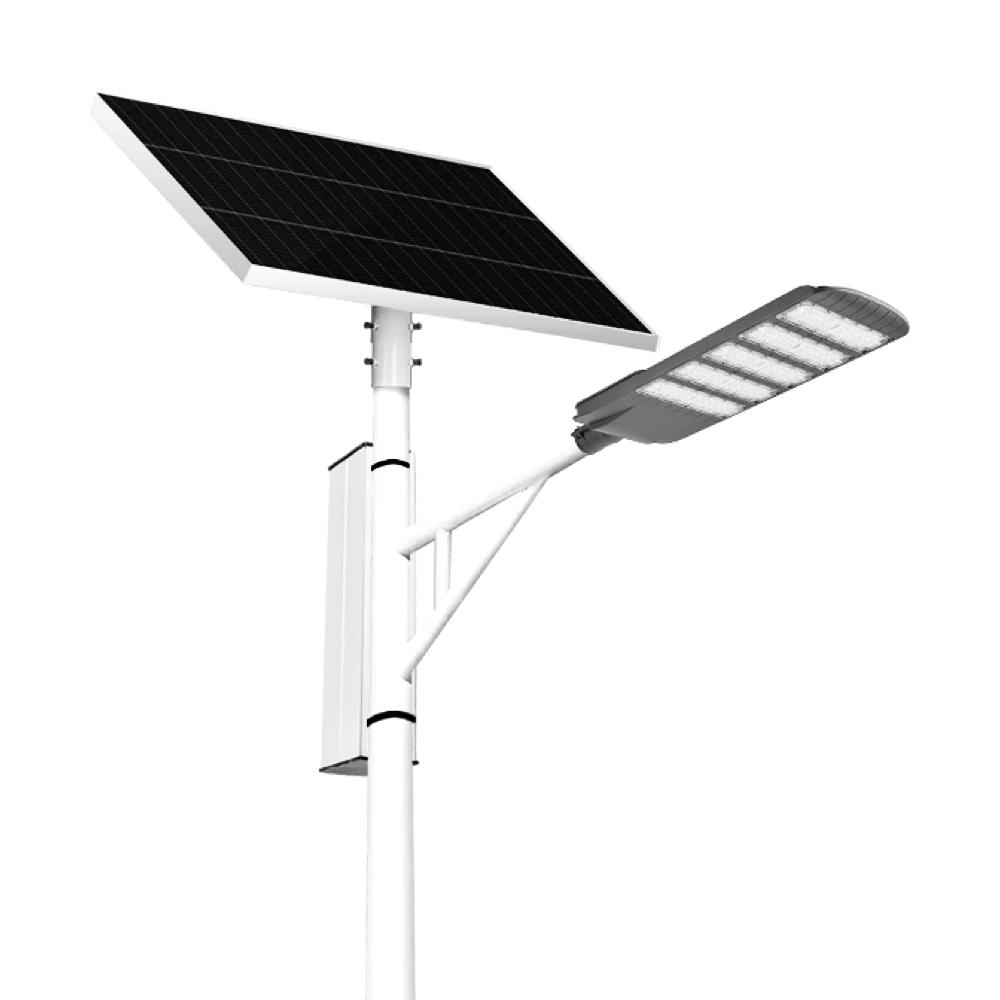
The Solar Streetlights of Luhao for Municipalities are designed to deliver reliable, energy-efficient, and cost-effective public lighting solutions. Equipped with advanced LED technology, durable lithium batteries, and high-efficiency solar panels, these streetlights provide consistent illumination for roads, parks, residential areas, and government projects.
If you would like more information about Queneng solar lighting solutions, please send us a message by filling out the form below. Our professional team will get back to you within 24 hours!
Rest assured that your privacy is important to us, and all information provided will be handled with the utmost confidentiality.
Schedule a Meeting
Book a date and time that is convenient for you and conduct the session in advance.
Have more questions about our products or services?
The messenger of light & power conversion
Environmental protection and intelligent manufacturing are our brand philosophy, and quality assurance and the best user experience are our eternal promises to users.
CONTACT
No.9F, Building F, Cao San Xin Tian Hong Logistics Park, Guzhen Town, Zhongshan City, Guangdong Province, China.
or write [email protected]
WhatsApp: +86 136 2270 1011


