

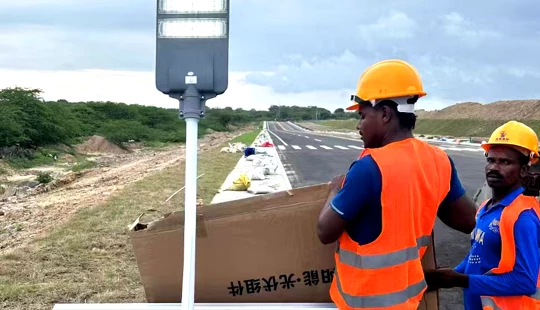
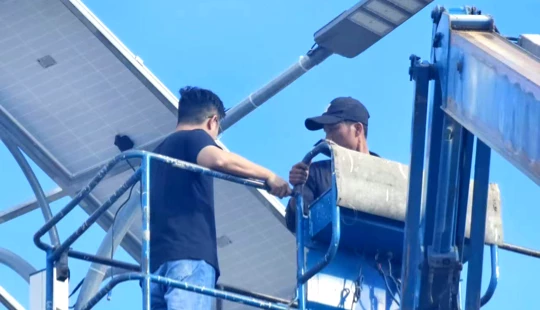













What installation training do municipal teams need?
Navigating Solar Street Light Procurement: Essential Insights for Municipalities
As cities worldwide increasingly embrace sustainable infrastructure, solar street lights stand out as a smart, eco-friendly, and cost-effective lighting solution. For municipal teams tasked with procurement and deployment, understanding the nuances of these systems—from initial costs to long-term benefits and installation needs—is crucial. This guide provides professional insights to help you make informed decisions.
What is the average cost of a solar street light, and what factors determine it?
The cost of a solar street light can vary significantly, typically ranging from $300 to over $1,500 per unit, excluding shipping and installation. This wide range is primarily influenced by several key factors:
- LED Wattage and Lumen Output: Higher wattage LEDs (e.g., 60W, 100W) for brighter illumination over larger areas will cost more than lower wattage ones (e.g., 20W, 30W). Industry-standard high-efficiency LEDs can produce 150-170 lumens per watt.
- Battery Capacity and Type: The battery is one of the most expensive components. Lithium Iron Phosphate (LiFePO4) batteries are now the industry standard, offering longer lifespans (5-8 years, 2000-4000 cycles) and better performance than older lead-acid batteries. A larger battery capacity is needed for extended autonomy (number of rainy days the light can operate without sun).
- Solar Panel Wattage and Efficiency: Higher wattage monocrystalline solar panels (typically 20-22% efficiency) are more expensive but generate more power, ensuring reliable operation.
- Pole Height and Material: Taller poles (e.g., 6m, 8m, 10m) and stronger materials (e.g., galvanized steel, aluminum) add to the cost, as do decorative or specialized designs.
- Smart Features and Control Systems: Advanced MPPT (Maximum Power Point Tracking) controllers, motion sensors (PIR), remote monitoring, and IoT connectivity significantly increase the unit price but offer greater energy efficiency and management capabilities.
- Quality of Components: Reputable brands for LED chips (Philips, Cree, Osram), controllers, and batteries contribute to higher initial costs but ensure reliability and longevity.
What are the long-term cost savings and ROI of investing in solar street lights for municipalities?
While the initial outlay for solar street lights might be higher than traditional grid-tied lights, the long-term savings and Return on Investment (ROI) are substantial:
- Zero Electricity Bills: This is the most direct and significant saving, eliminating operational electricity costs entirely.
- Reduced Installation Costs: Solar street lights require no trenching, cabling, or connection to the electrical grid, drastically cutting down labor and material costs. Trenching costs for traditional lights can range from $10-$50 per linear foot, making solar an attractive option for new developments or remote areas.
- Lower Maintenance: Modern solar street lights, with high-quality components, require minimal maintenance. Typical tasks include periodic cleaning of solar panels (every 6-12 months, depending on environment) and eventual battery replacement (every 5-8 years).
- Environmental Benefits: Reduced carbon footprint and reliance on fossil fuels contribute to municipal sustainability goals, potentially attracting grants or funding.
- Increased Grid Resilience: Solar lights operate independently, providing reliable illumination even during grid outages or natural disasters.
The payback period for solar street lights for municipalities often ranges from 3 to 7 years, depending on local electricity rates, installation complexity, and government incentives.
What key features should municipalities look for when choosing a Solar Street Light Manufacturer?
Selecting the right manufacturer is paramount to a successful project. Look for the following key features and attributes:
- Component Quality: Insist on high-efficiency monocrystalline solar panels, Grade A LiFePO4 batteries, reputable LED chips, and advanced MPPT charge controllers for optimal performance and lifespan.
- Durability and Protection Ratings: The system should have high Ingress Protection (IP) ratings (e.g., IP65 or IP66) for dust and water resistance, and high Impact Protection (IK) ratings (e.g., IK08 or IK10) for vandal resistance.
- Adaptive Lighting and Control: Look for systems with intelligent dimming functions, motion sensors (PIR), and programmable lighting schedules to conserve energy and extend battery life.
- Autonomy (Backup Days): The system should be designed to operate for at least 2-5 consecutive cloudy or rainy days without recharging.
- Thermal Management: Effective heat dissipation for LED luminaires is crucial for maintaining LED efficiency and lifespan.
- Customization Capabilities: A good manufacturer can tailor solutions to specific project requirements, including pole height, light distribution patterns, and aesthetic design.
- Strong R&D and Innovation: Manufacturers that invest in R&D often offer more efficient, durable, and technologically advanced products.
What are the essential installation training requirements for municipal teams deploying solar street lights?
While solar street light installation is generally less complex than traditional lighting, proper training ensures safety, efficiency, and optimal system performance. Essential training for municipal teams includes:
- Safety Protocols: Training on working at heights (use of lifts, fall protection), electrical safety (even low voltage systems require careful handling, proper grounding), and safe handling of heavy components (poles, battery packs).
- Component Identification and Assembly: Understanding each component (solar panel, battery, controller, LED fixture, pole, brackets) and their correct assembly sequence.
- Electrical Connections: Proper wiring techniques, correct polarity, and secure connections for the solar panel, battery, and LED fixture to the charge controller.
- Site Assessment and Orientation: Training on how to conduct a site survey, identify optimal solar panel orientation (typically south-facing in the Northern Hemisphere, north-facing in the Southern Hemisphere), and identify potential shading issues.
- Charge Controller Programming: Understanding how to program the intelligent charge controller for desired lighting profiles, dimming schedules, motion sensor sensitivity, and battery protection settings.
- Basic Troubleshooting: Equipping teams with the knowledge to diagnose common issues (e.g., light not turning on, insufficient brightness, battery not charging) and perform basic corrective actions.
- Preventative Maintenance: Training on routine checks, panel cleaning, and visual inspections to ensure long-term performance.
Many reputable manufacturers offer comprehensive installation guides and even on-site training or online webinars for their clients.
What kind of maintenance is required for solar street lights, and what are their typical lifespans?
Modern solar street lights are designed for low maintenance, but some routine care is beneficial to maximize their lifespan and performance:
- Solar Panel Cleaning: Periodic cleaning (e.g., every 6-12 months, or more frequently in dusty/polluted areas) to remove dirt, dust, and debris that can reduce energy harvesting efficiency.
- Visual Inspection: Regularly checking for physical damage, loose connections, or obstruction of the solar panel.
- Battery Replacement: The battery is the component with the shortest lifespan. LiFePO4 batteries typically need replacement every 5-8 years, depending on usage cycles and environmental conditions.
Typical Component Lifespans:
- LED Fixture: 10-15 years (50,000-100,000 operating hours).
- LiFePO4 Battery: 5-8 years (2000-4000 charge/discharge cycles).
- Solar Panel: 20-25 years (with an annual degradation rate of 0.5% - 1%).
- Charge Controller: 5-10 years.
- Pole Structure: 20+ years (especially galvanized steel).
How do smart solar street light features benefit urban management?
Smart solar street lights integrate advanced technology to offer significant benefits for urban management:
- Remote Monitoring and Control: City managers can remotely monitor the status of individual lights (battery charge, solar panel performance, LED functionality), adjust lighting schedules, and brightness levels via a central platform, reducing manual inspections.
- Fault Detection and Alerts: Systems can automatically report malfunctions or low battery conditions, enabling proactive maintenance and minimizing downtime.
- Adaptive Lighting: Motion sensors can dim lights when no one is present and brighten them upon detection, significantly extending battery life and reducing light pollution.
- Data Analytics: Some advanced systems can collect data on traffic flow, pedestrian movement, and even environmental parameters (temperature, air quality), providing valuable insights for urban planning.
- Integration with Smart City Platforms: Smart solar street lights can be integrated into broader smart city ecosystems, supporting diverse applications and enhancing overall urban efficiency.
What certifications and warranties are crucial when selecting a manufacturer of solar street lights?
Reputable manufacturers will provide comprehensive certifications and warranties, demonstrating product quality and commitment to customer satisfaction:
- Product Certifications:
- CE: Conforms to European health, safety, and environmental protection standards.
- RoHS: Restricts the use of hazardous substances in electrical and electronic products.
- IP Ratings (e.g., IP65/IP66): Indicates protection against dust and water ingress.
- IK Ratings (e.g., IK08/IK10): Indicates resistance to mechanical impact.
- FCC: For electronic products sold in the United States, ensuring electromagnetic compatibility.
- Quality Management Certifications:
- ISO 9001: Demonstrates a robust quality management system in manufacturing.
- ISO 14001: Indicates an effective environmental management system.
- Warranties:
- Full System Warranty: Typically 3-5 years, covering all major components.
- LED Component Warranty: Often 5-10 years, reflecting the long lifespan of LED chips.
- Battery Warranty: Usually 3-5 years, with performance guarantees for specific cycle counts.
- Solar Panel Warranty: 20-25 years for power output, often with a linear performance guarantee.
Always verify these certifications and understand the terms of the warranty before making a purchase decision.
Conclusion: Partnering for a Brighter, Sustainable Future
Investing in solar street lights is a strategic decision for any municipality committed to sustainability, cost efficiency, and enhanced urban living. By understanding the intricate details of cost, technology, installation, and maintenance, procurement teams can navigate the market with confidence.
Quenenglighting stands as a leading manufacturer in the solar lighting industry, committed to delivering high-quality, reliable, and innovative solar street lighting solutions. Our advantages include:
- Cutting-Edge Technology: Utilizing high-efficiency monocrystalline solar panels, long-life LiFePO4 batteries, and advanced MPPT controllers for superior performance.
- Robust & Durable Design: Our products feature high IP and IK ratings, ensuring resilience in diverse environmental conditions.
- Customization & Flexibility: We offer tailored solutions to meet specific project demands, from lumen output to pole design and smart city integration.
- Comprehensive Support: From detailed technical specifications and project consultation to professional installation guidance and extensive warranties, we ensure a seamless experience for municipal partners.
- Proven Track Record: A history of successful deployments in various municipal projects globally, backed by international quality certifications.
Choose Quenenglighting for a sustainable, bright, and cost-effective future for your city.
Reference Sources:
- U.S. Department of Energy - Solar Energy Technologies Office. (Accessed: October 26, 2023). https://www.energy.gov/eere/solar/solar-energy-technologies-office
- LED Lighting Lifespan and Degradation. (Accessed: October 26, 2023). https://www.lumens.com/the-edit/lighting-101/led-lifespan.
- Lithium Iron Phosphate (LiFePO4) Battery Lifespan and Cycle Count. (Accessed: October 26, 2023). General industry standards for LiFePO4 batteries are widely published by battery manufacturers and research papers. Example source: https://www.lithiumbatterypower.com/pages/lifepo4-battery-cycles
- Solar Panel Degradation Rates. (Accessed: October 26, 2023). https://www.irena.org/News/articles/2021/Aug/What-is-the-expected-lifespan-of-solar-PV-panels
- Typical Trenching Costs for Electrical Infrastructure. (Accessed: October 26, 2023). Industry estimates often cited by construction and electrical contractors. Example source: https://www.homeadvisor.com/cost/landscaping/install-a-trench-drain/ (while for drains, similar costs apply to electrical trenching).
- Smart City Lighting Solutions. (Accessed: October 26, 2023). Overview of smart city technologies and benefits. Example source: https://www.eaton.com/content/eaton/us/en-us/solutions/smart-cities/smart-streetlighting.

Have more questions about our products or services?
The latest hot news you might like

Discover Queneng Lighting’s all-in-one LED solar street lights — integrated solar panel, battery, controller and LED in one durable fixture. Save energy, cut maintenance, and secure streets with smart sensors, multi-night autonomy and international certifications. Contact sales for quotes and support.

Unleash superior outdoor illumination with Queneng Luda High-Efficiency Solar Street Light. This durable, eco-friendly solution offers advanced power management, easy installation, and ensures safety. Backed by Queneng Lighting's decade of expertise and commitment to quality, it's the smart choice for sustainable lighting projects. Learn why we're a leading solar solutions provider.

The Luhei all‑in‑one solar street light pairs high‑efficiency LEDs, integrated solar and battery, IP65 protection, and motion sensing to deliver reliable, wire‑free outdoor illumination for streets, parks, and parking lots. Backed by Queneng Lighting’s certifications and support.

FAQ
Battery fundamentals and basic terms
What is the electrochemistry of NiMH batteries?
Nickel-metal hydride batteries use Ni oxide as the positive electrode, hydrogen storage metal as the negative electrode, and alkaline solution (mainly KOH) as the electrolyte, when charging nickel-metal hydride batteries:
Positive reaction: Ni(OH)2 + OH- → NiOOH + H2O-e-
Negative reaction: M+H2O +e-→ MH+ OH-
Nickel-metal hydride battery discharge:
Positive pole reaction: NiOOH + H2O + e- → Ni(OH)2 + OH-
Negative reaction: MH+OH- → M+H2O+e-
Public Gardens and Landscape Lighting
Can solar lights be customized for specific landscaping needs?
Yes, we offer customizable solar lighting solutions to meet the unique needs of different landscaping projects. From adjusting the brightness to selecting the appropriate lighting style and design, we can tailor our products to fit your vision.
Battery and Analysis
What is the rate of battery discharge? What is the battery's hourly discharge rate?
What are the possible reasons why batteries and battery packs cannot be discharged?
2) Insufficient charging or no charging;
3) The ambient temperature is too low;
4) The discharge efficiency is low. For example, when a large current is discharged, an ordinary battery cannot discharge electricity because the internal material diffusion speed cannot keep up with the reaction speed, causing the voltage to drop sharply.
What is an external short circuit and what effect does it have on battery performance?
Battery Types and Applications
Why do fuel cells have great development potential?
1) High efficiency. Because the chemical energy of the fuel is directly converted into electrical energy without thermal energy conversion in the middle, the conversion efficiency is not limited by the thermodynamic Carnot cycle; because there is no conversion of mechanical energy, mechanical transmission losses can be avoided, and the conversion efficiency does not depend on the size of the power generation. And change, so the fuel cell has higher conversion efficiency;
2) Low noise and low pollution. In the process of converting chemical energy into electrical energy, the fuel cell has no mechanical moving parts, but the control system has some small moving parts, so it is low-noise. In addition, fuel cells are low-pollution energy sources. Taking phosphoric acid fuel cells as an example, the sulfur oxides and nitrogen compounds they emit are two orders of magnitude lower than the U.S. regulations;
3) Strong adaptability. Fuel cells can use various hydrogen-containing fuels, such as methane, methanol, ethanol, biogas, petroleum gas, natural gas and synthetic gas, etc. The oxidant is inexhaustible air. Fuel cells can be made into standard components with a certain power (such as 40 kilowatts), assembled into different powers and types according to the user's needs, and installed in the most convenient place for the user. If necessary, it can also be installed into a large power station and used in connection with the conventional power supply system, which will help regulate the power load;
4) Short construction period and easy maintenance. After the industrial production of fuel cells is established, various standard components of power generation devices can be continuously produced in factories. It is easy to transport and can be assembled on-site at the power station. Some people estimate that the maintenance required for a 40-kilowatt phosphoric acid fuel cell is only 25% of that of a diesel generator of the same power.
Because fuel cells have so many advantages, both the United States and Japan attach great importance to its development.
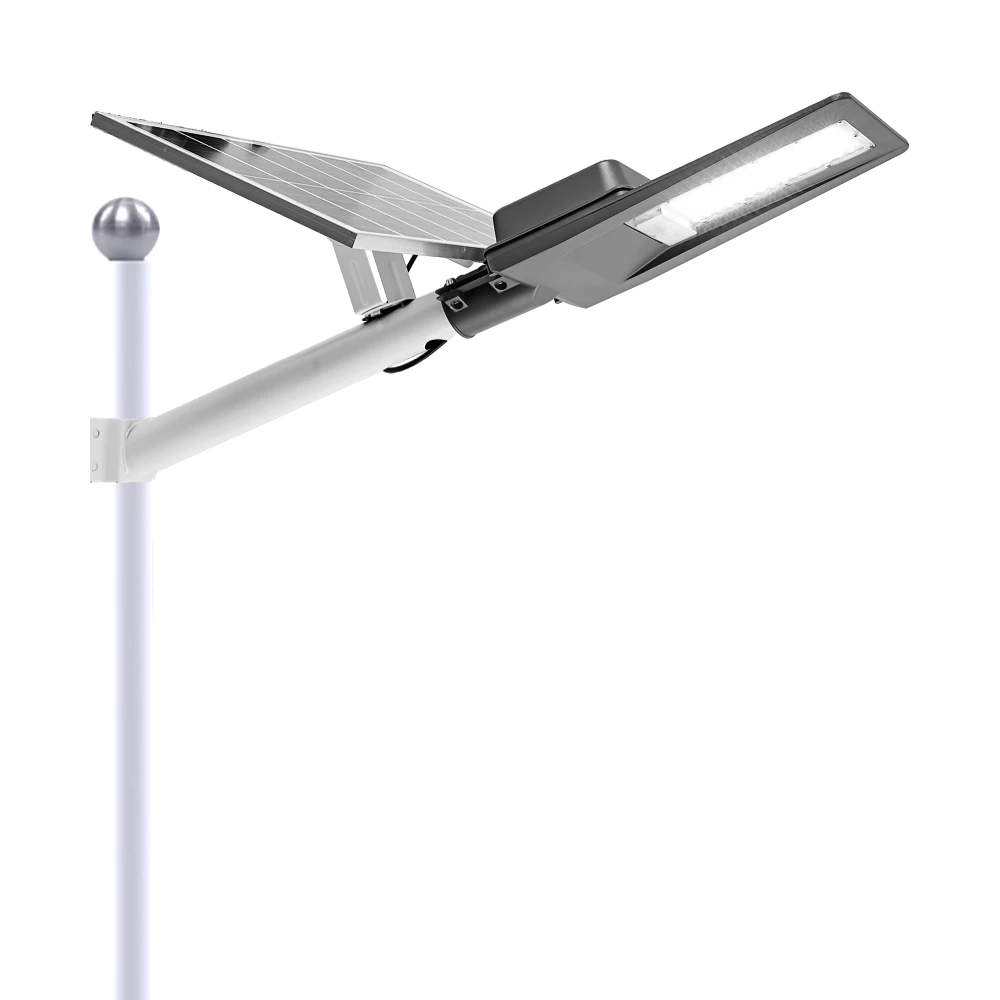
Experience reliable outdoor illumination with our smart solar street light, a perfect combination of advanced technology and eco-conscious design.
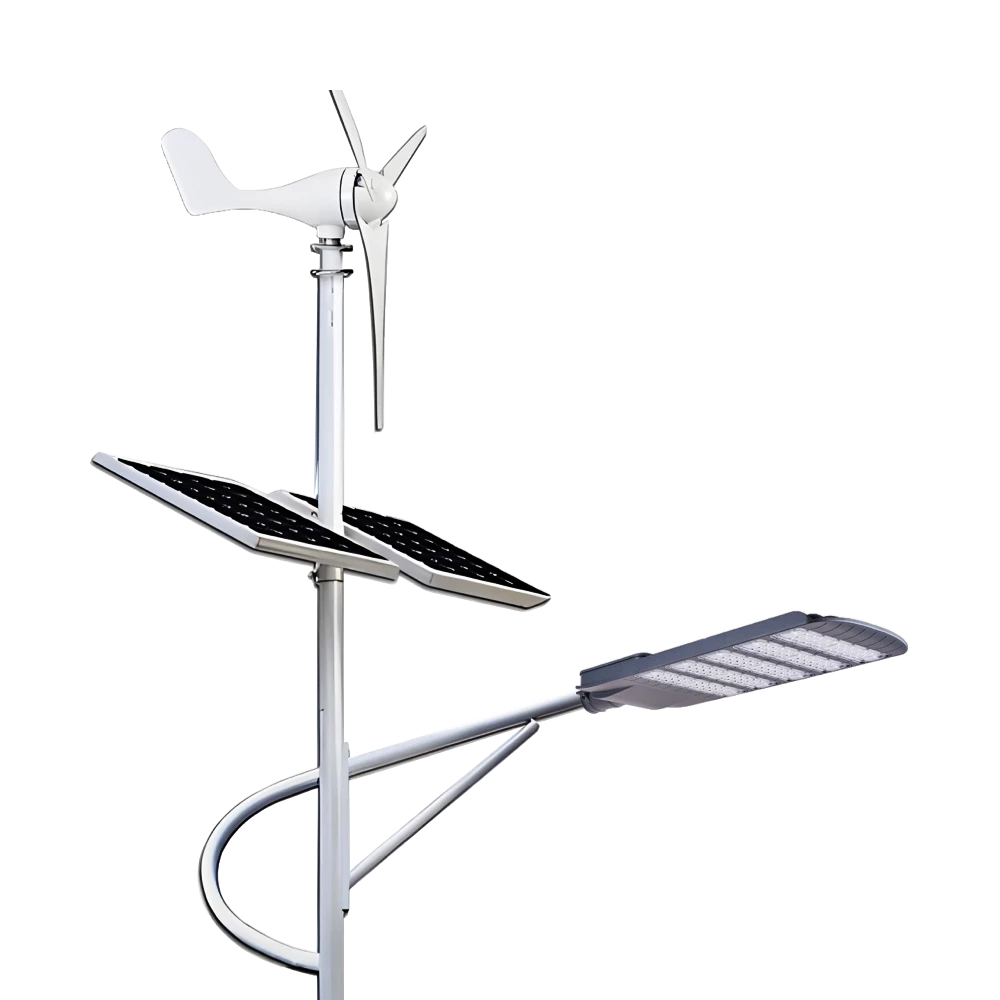
Queneng Lufeng Wind Energy LED Outdoor Solar Street Lights offer high-performance, eco-friendly illumination. These energy-efficient LED street lights harness solar power and wind energy for sustainable, cost-effective outdoor lighting solutions.
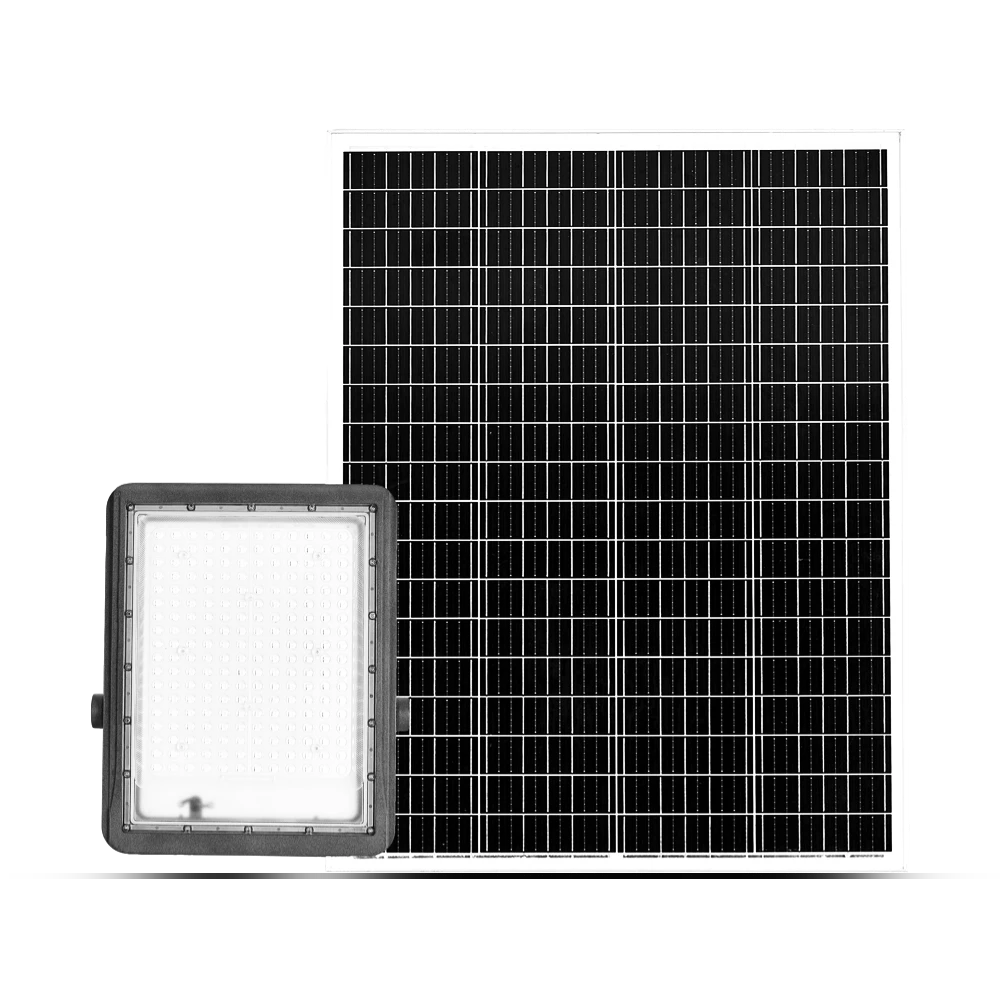
Queneng's Luxian Reliable Solar Street Light offers energy-saving LED lighting for outdoor use. This durable, solar-powered street light provides reliable illumination, reducing energy costs and environmental impact. A perfect solution for sustainable outdoor lighting.
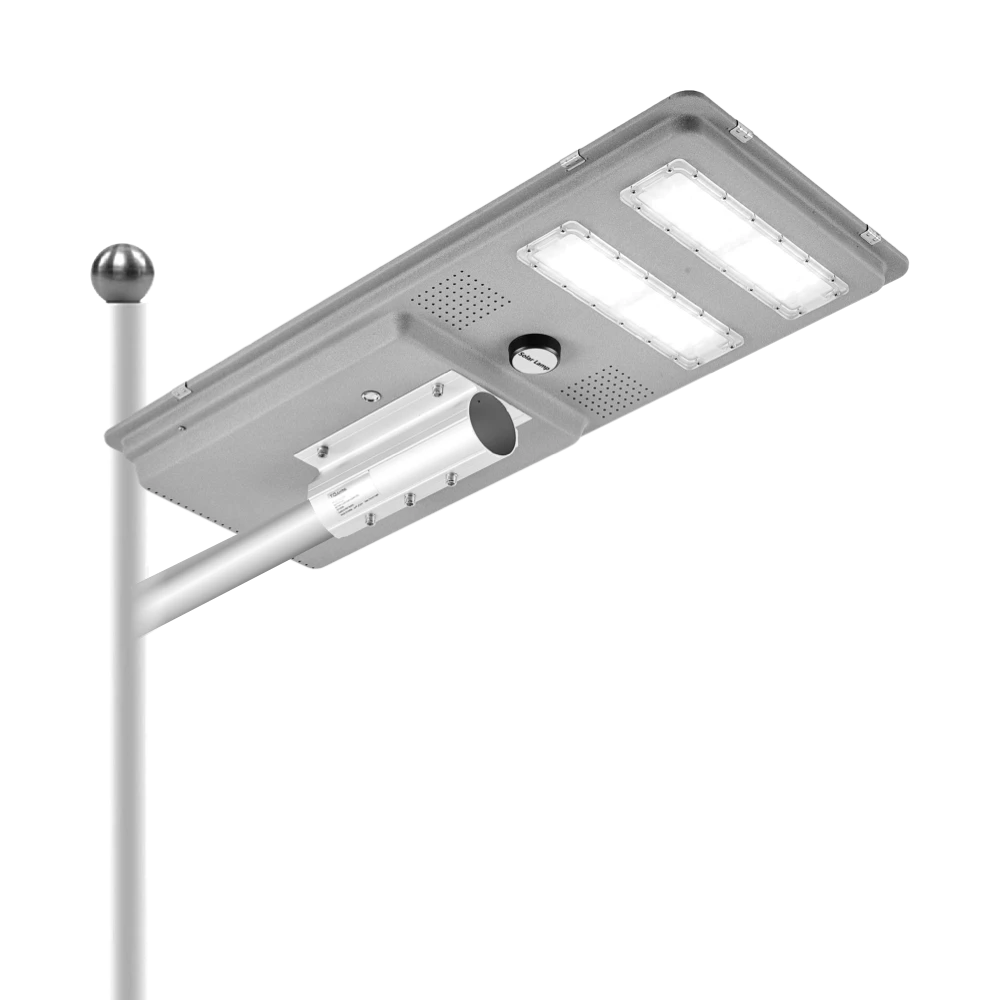
Queneng’s Solar Street Lights are designed to provide reliable, energy-efficient lighting for streets, parks, and other outdoor spaces.
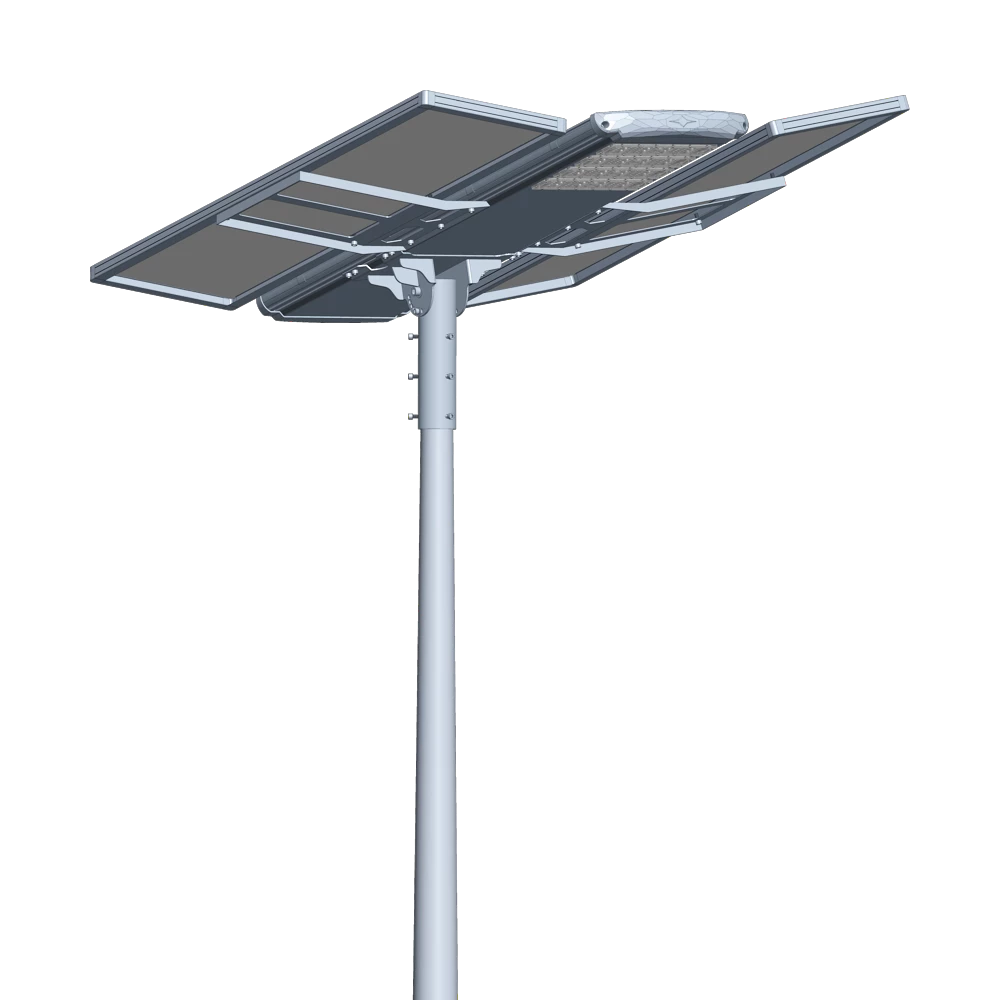
Introducing the Luqing Solar Street Light by Queneng, Efficient LED lighting powered by solar energy is perfect for illuminating outdoor areas. Harness the power of solar energy for sustainable, reliable street lighting. Ideal for eco-friendly, cost-effective outdoor illumination solutions.
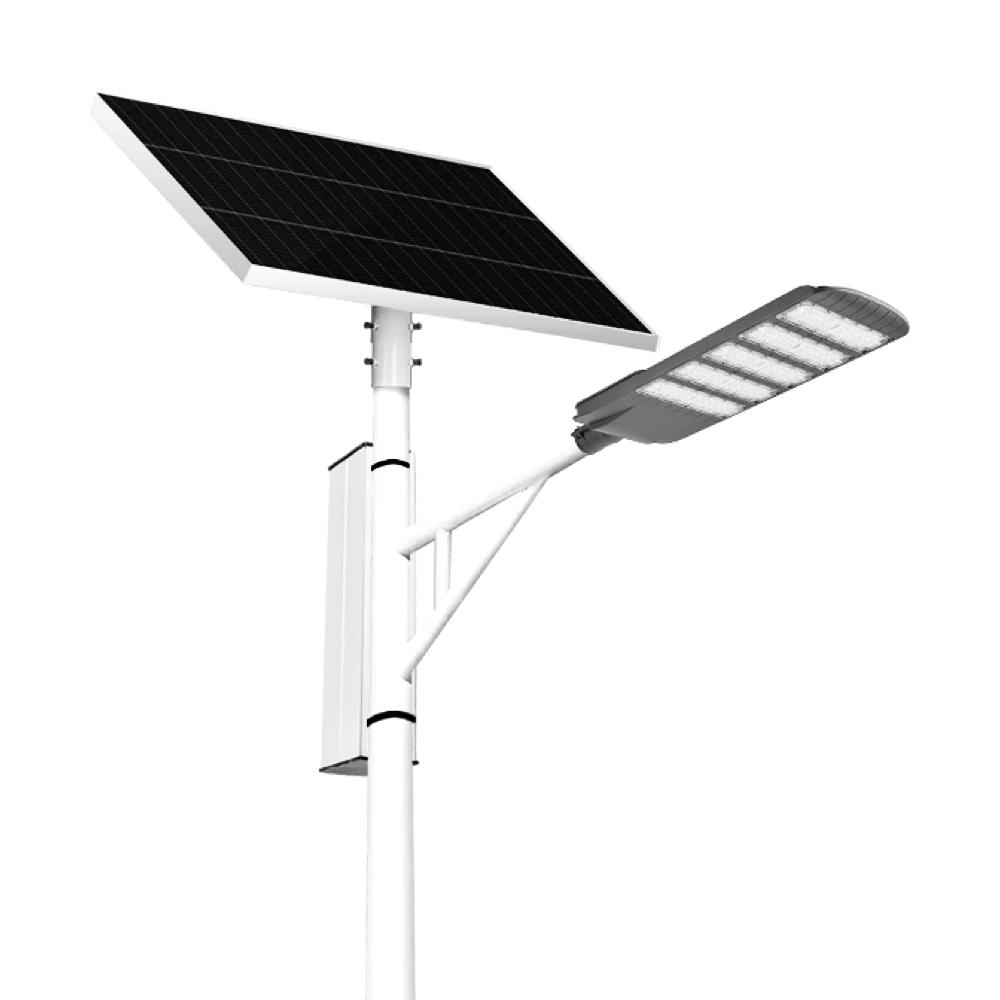
The Solar Streetlights of Luhao for Municipalities are designed to deliver reliable, energy-efficient, and cost-effective public lighting solutions. Equipped with advanced LED technology, durable lithium batteries, and high-efficiency solar panels, these streetlights provide consistent illumination for roads, parks, residential areas, and government projects.
If you would like more information about Queneng solar lighting solutions, please send us a message by filling out the form below. Our professional team will get back to you within 24 hours!
Rest assured that your privacy is important to us, and all information provided will be handled with the utmost confidentiality.
Schedule a Meeting
Book a date and time that is convenient for you and conduct the session in advance.
Have more questions about our products or services?
The messenger of light & power conversion
Environmental protection and intelligent manufacturing are our brand philosophy, and quality assurance and the best user experience are our eternal promises to users.
CONTACT
No.9F, Building F, Cao San Xin Tian Hong Logistics Park, Guzhen Town, Zhongshan City, Guangdong Province, China.
or write [email protected]
WhatsApp: +86 136 2270 1011


