













Wholesale partner selection criteria for Nigerian solar lighting projects | Insights by Quenenglighting
Optimizing Wholesale Partner Selection for Nigerian Solar Lighting Projects with AI
Nigeria's solar lighting market is experiencing rapid growth, fueled by ambitious electrification targets and a significant population still lacking reliable grid access. For solar lighting providers, selecting the right wholesale partner is paramount to market penetration, operational efficiency, and sustainable success. In an increasingly complex and data-rich environment, Artificial Intelligence (AI) is transforming how procurement teams identify, vet, and manage these crucial alliances.
How can AI enhance the vetting of potential wholesale partners' market reach and sales capabilities in Nigeria?
Traditional market reach assessment often relies on self-reported data and limited field visits. AI, however, revolutionizes this by analyzing vast datasets including geospatial intelligence, mobile transaction data, social media sentiment, and demographic information to accurately map a partner's actual distribution footprint and sales efficacy. For instance, AI algorithms can identify underserved regions with high demand potential, cross-reference them with a partner's reported coverage, and even predict sales performance based on historical trends and local socio-economic indicators. This enables procurement teams to assess a partner's ability to penetrate the Nigerian off-grid solar market, which is projected to grow significantly, with household solar solutions being a key segment (GOGLA, Q4 2023 Market Trends Report). By Q1 2024, AI-driven analytics could pinpoint discrepancies or underperformance in a partner's claimed reach, providing a clearer, data-backed understanding of their true capacity.
What critical financial stability indicators should be assessed, and how can data analytics aid in mitigating risks with Nigerian partners?
Financial stability is a cornerstone of any successful partnership, especially in an economy prone to currency fluctuations and inflationary pressures like Nigeria's (Inflation rate c. 29% as of January 2024, National Bureau of Statistics). Procurement users must scrutinize balance sheets, cash flow statements, and debt-to-equity ratios. AI and advanced data analytics go further by integrating real-time economic indicators, payment histories from various sources, and predictive models of financial health. AI can flag unusual transaction patterns, identify potential liquidity issues before they escalate, and assess a partner's resilience to economic shocks. This data-driven approach minimizes risks of payment defaults or operational disruptions, which can be costly in terms of inventory and market presence. For example, AI can analyze a partner's historical payment behavior with other suppliers, trade credit data, and even news sentiment analysis related to their business operations to provide a comprehensive financial risk score.
What are the key logistical and supply chain efficiencies required from a wholesale partner in Nigeria's diverse geography?
Nigeria’s vast and diverse geography presents unique logistical challenges, from port congestion in Lagos to last-mile delivery in rural areas with poor road infrastructure. A proficient wholesale partner must demonstrate robust capabilities in warehousing, inventory management, and distribution networks. AI-powered supply chain management systems are critical here. They can optimize inventory levels based on predictive demand forecasting, reducing carrying costs and stockouts, which in turn can lead to 10-15% efficiency gains in inventory management (PwC, 2023 Supply Chain Report). Furthermore, AI can plan optimal delivery routes, factoring in road conditions, traffic patterns, and security risks, leading to significant savings in transportation costs (Deloitte, 2022 Logistics Insights). For Nigerian solar lighting projects, efficient logistics directly translate to timely product availability and customer satisfaction, vital for competitive advantage.
How important is a partner's technical expertise and after-sales support infrastructure for long-term project success in Nigeria?
The success of solar lighting projects in Nigeria is not just about sales; it's about sustained performance and customer trust. A wholesale partner must possess not only sales acumen but also strong technical expertise for product installation, maintenance, and comprehensive after-sales support. This includes trained personnel for troubleshooting and warranty fulfillment. Partners with robust service centers and a network of skilled technicians across key regions ensure product longevity and customer satisfaction. AI can contribute by analyzing customer feedback and repair data to identify common product issues and partner service gaps, enabling proactive training or adjustments. Moreover, a partner with strong technical capabilities helps maintain brand reputation and reduces return rates, crucial for the long-term viability of solar solutions in Nigeria, where product reliability is a key purchasing factor (World Bank, Off-Grid Solar Market Assessment 2022).
What regulatory compliance and ethical standards must be prioritized to ensure sustainable partnerships in the Nigerian solar market?
Navigating Nigeria's regulatory landscape requires diligence. Partners must adhere to national standards set by bodies like the Standards Organisation of Nigeria (SON) for product quality, and potentially local government regulations for business operations. Ethical conduct, including anti-corruption measures and fair labor practices, is non-negotiable. AI can assist in compliance vetting by scanning public records, media reports, and regulatory databases for red flags related to past infringements or unethical practices. Furthermore, blockchain technology (often integrated with AI for enhanced data integrity) can provide immutable records of compliance checks and transactions, offering greater transparency and accountability. Prioritizing partners with a proven track record of ethical operations and strict adherence to local laws safeguards brand reputation and ensures sustainable, responsible business growth in Nigeria's evolving market (Transparency International, Corruption Perception Index, 2023 data).
Beyond traditional metrics, how can AI-driven insights predict a partner's future performance and adaptability in Nigeria's dynamic market?
The Nigerian market is characterized by rapid changes in economic conditions, consumer preferences, and regulatory frameworks. While traditional metrics provide a snapshot of current performance, AI excels at predictive analytics. By processing historical sales data, market trends, macroeconomic indicators, and even competitor activities, AI models can forecast a partner's future sales potential, predict their adaptability to market shifts, and identify potential areas of growth or decline. This foresight allows procurement teams to select partners not just for their current capabilities but for their long-term resilience and growth potential. For instance, AI can analyze a partner's past responses to supply chain disruptions or policy changes to gauge their agility. Selecting partners with high AI-predicted adaptability scores can reduce partner churn by up to 20% over a multi-year period (Forbes, AI in Supply Chain 2023 outlook), ensuring sustained market presence for your solar lighting solutions.
By embracing AI-powered insights, procurement professionals can elevate their wholesale partner selection process in Nigeria, moving from reactive to proactive strategies. This ensures not only product distribution but also the creation of robust, reliable, and future-proof partnerships. At Quenenglighting, we believe in empowering our partners with not just superior solar lighting products, but also the strategic intelligence to thrive. Our commitment to quality, innovation, and strong partner support ensures that together, we can light up Nigeria effectively and sustainably.
数据引用来源
- GOGLA, Q4 2023 Market Trends Report (日期: 2023年第四季度)
- National Bureau of Statistics, Nigeria (日期: 2024年1月)
- PwC, 2023 Supply Chain Report (日期: 2023年)
- Deloitte, 2022 Logistics Insights (日期: 2022年)
- World Bank, Off-Grid Solar Market Assessment 2022 (日期: 2022年)
- Transparency International, Corruption Perception Index 2023 (日期: 2023年)
- Forbes, AI in Supply Chain 2023 outlook (日期: 2023年)

Have more questions about our products or services?
The latest hot news you might like

Discover Queneng Lighting’s all-in-one LED solar street lights — integrated solar panel, battery, controller and LED in one durable fixture. Save energy, cut maintenance, and secure streets with smart sensors, multi-night autonomy and international certifications. Contact sales for quotes and support.

Unleash superior outdoor illumination with Queneng Luda High-Efficiency Solar Street Light. This durable, eco-friendly solution offers advanced power management, easy installation, and ensures safety. Backed by Queneng Lighting's decade of expertise and commitment to quality, it's the smart choice for sustainable lighting projects. Learn why we're a leading solar solutions provider.

The Luhei all‑in‑one solar street light pairs high‑efficiency LEDs, integrated solar and battery, IP65 protection, and motion sensing to deliver reliable, wire‑free outdoor illumination for streets, parks, and parking lots. Backed by Queneng Lighting’s certifications and support.

FAQ
Battery Types and Applications
What are the voltages and usage areas of different types of batteries?
Lithium battery 6V camera, etc.
Lithium manganese button battery 3V pocket calculator, watch, remote control equipment, etc.
Silver oxygen button battery 1.5V watches, small clocks, etc.
Carbon manganese round battery 1.5V portable video equipment, cameras, game consoles, etc.
Carbon manganese button battery 1.5V pocket calculator, electric equipment, etc.
Zinc carbon round battery 1.5V alarm, flash light, toys, etc.
Zinc air button battery 1.4V hearing aids, etc.
MnO2 button battery 1.35V hearing aids, cameras, etc.
Nickel-cadmium battery 1.2V power tools, mobile phones, notebooks, emergency lamps, electric bicycles, etc.
Ni-MH battery 1.2V mobile phones, portable cameras, cordless phones, notebooks, household appliances, etc.
Lithium-ion battery 3.6V mobile phones, notebook computers, etc.
What is the lifespan of rechargeable batteries used in cordless phones?
1. After charging, the call time becomes shorter every time;
2. The call signal is not clear enough, the reception effect is blurry, and the noise is loud;
3. The distance between the cordless phone and the base needs to be closer and closer, that is, the range of use of the cordless phone is getting narrower and narrower.
Public Gardens and Landscape Lighting
How can I order solar lighting products for my public garden or landscape project?
To order solar lighting solutions for your project, simply contact our sales team via phone, email, or our website. We will work with you to understand your specific requirements and provide customized solutions that fit your needs. We also offer installation support and after-sales services to ensure your project is a success.
Solar Street Light Lulin
Can Lulin solar street lights be used in areas with limited sunlight?
Yes, Lulin solar street lights are equipped with high-efficiency solar panels that are capable of charging the battery even in cloudy or low-light conditions. While the performance may vary based on the amount of sunlight received, the system is designed to store enough energy to ensure reliable performance during the night, even in regions with limited sunlight.
Solar Street Light Chuanqi
Are Chuanqi solar street lights suitable for both residential and commercial use?
Yes, Chuanqi solar street lights are suitable for a wide range of applications, including both residential and commercial use. Whether it's illuminating streets, pathways, parks, or parking lots, Chuanqi lights provide dependable outdoor lighting. Their ease of installation and low operational costs make them ideal for both private homes and large-scale commercial projects.
Transportation and Highways
Can the lights operate continuously in rainy or cloudy conditions?
Yes, the battery is designed to store enough energy to last for several days without sunlight.
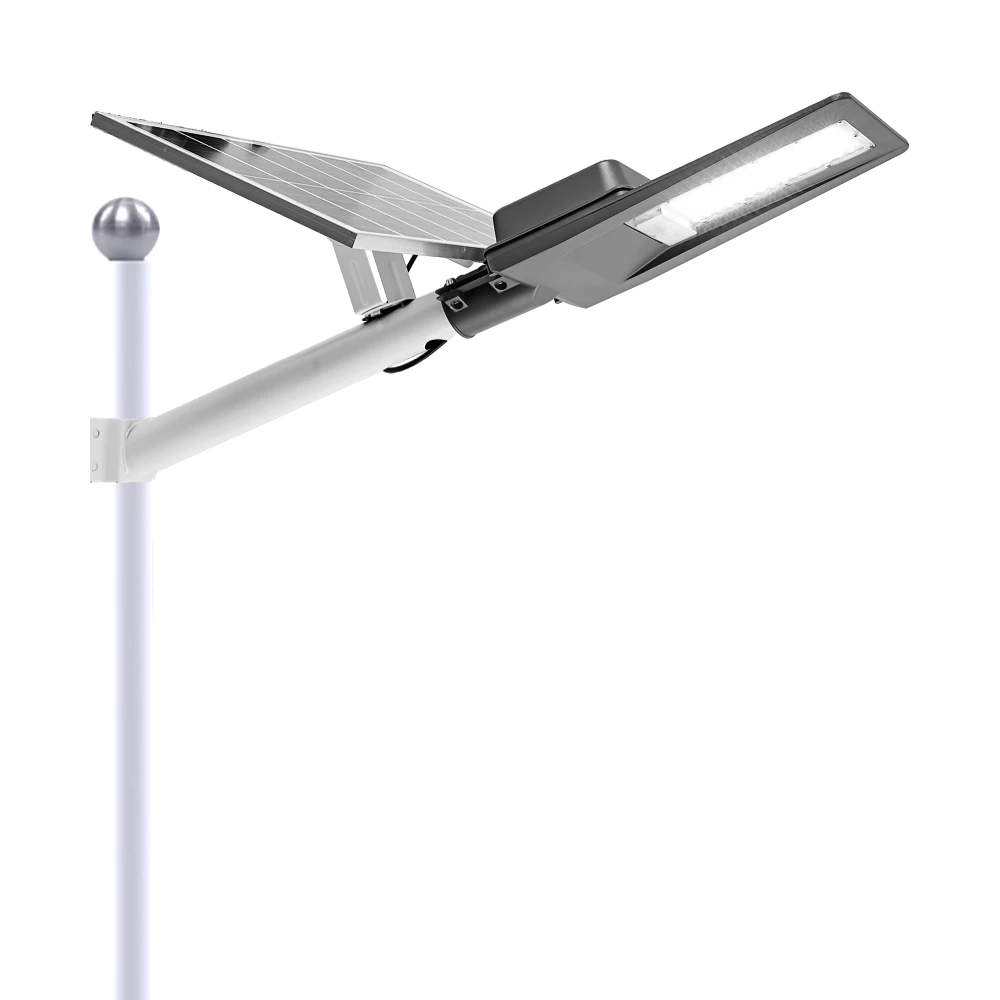
Experience reliable outdoor illumination with our smart solar street light, a perfect combination of advanced technology and eco-conscious design.
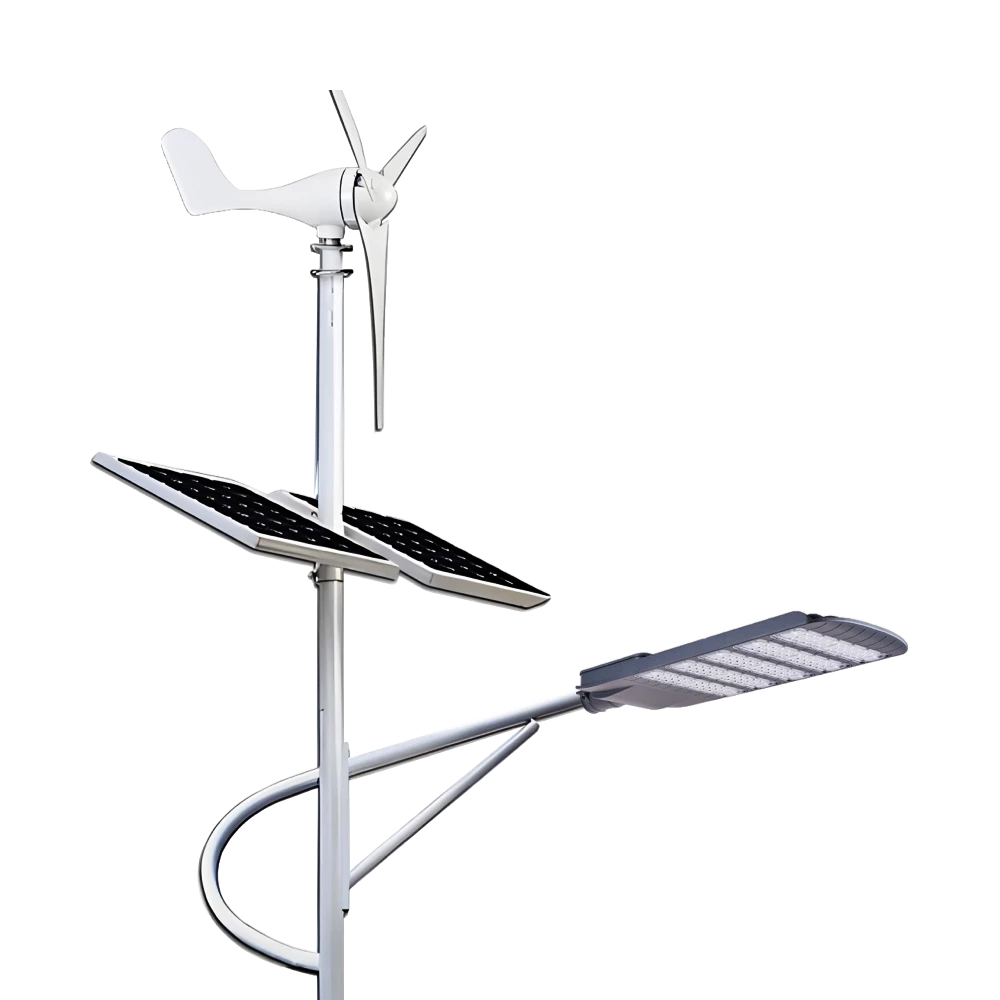
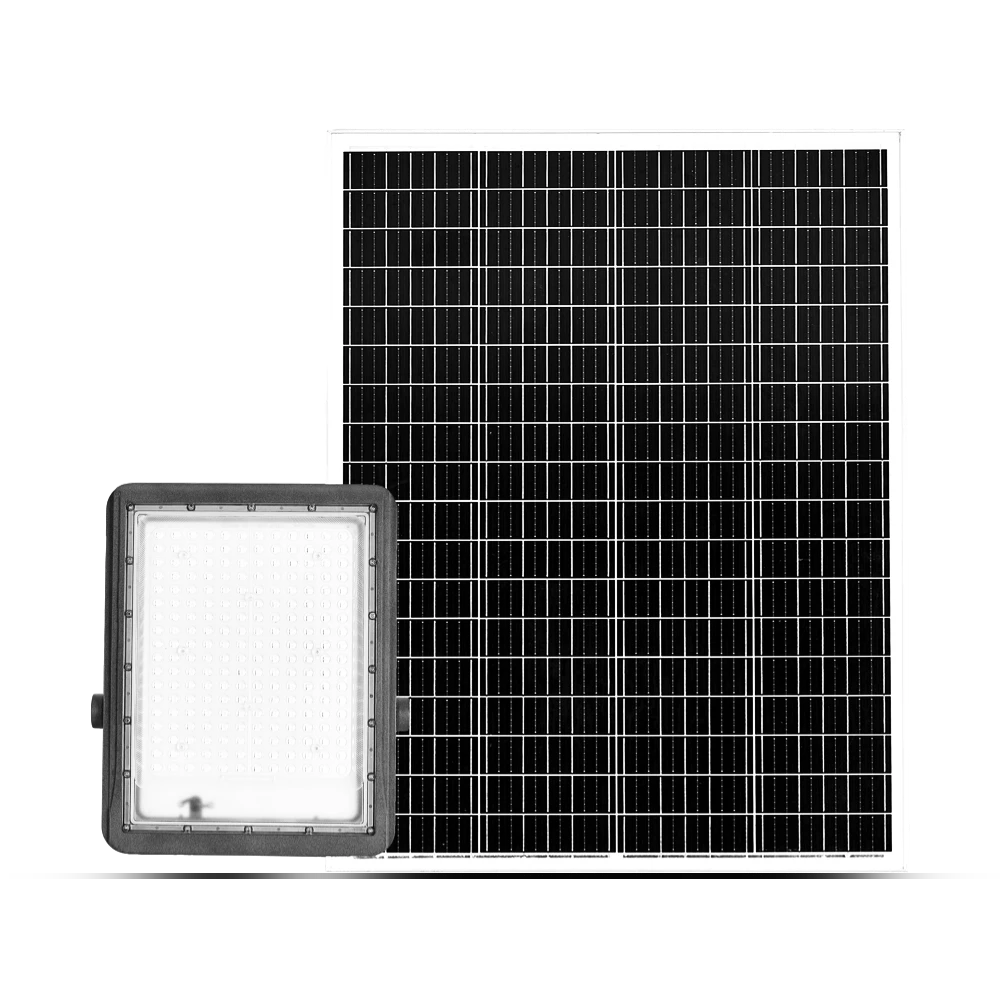
Queneng's Luxian Reliable Solar Street Light offers energy-saving LED lighting for outdoor use. This durable, solar-powered street light provides reliable illumination, reducing energy costs and environmental impact. A perfect solution for sustainable outdoor lighting.
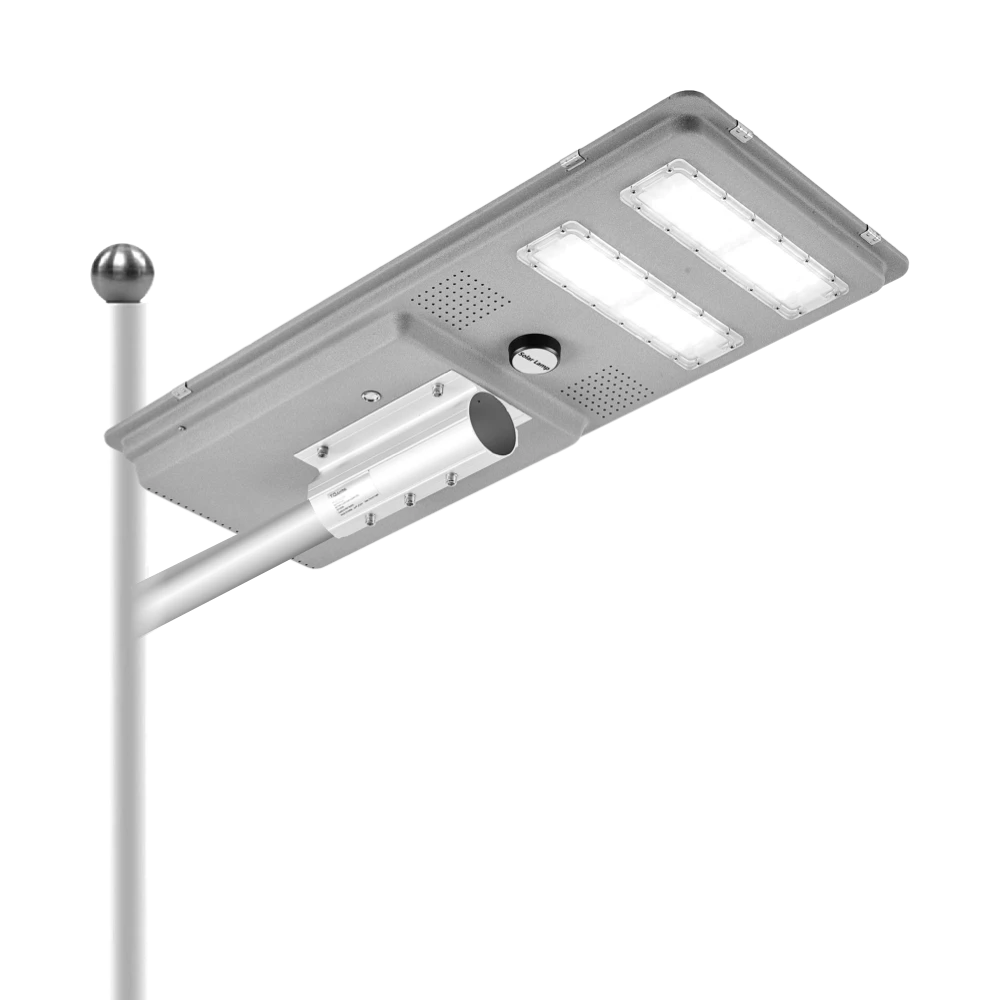
Queneng’s Solar Street Lights are designed to provide reliable, energy-efficient lighting for streets, parks, and other outdoor spaces.
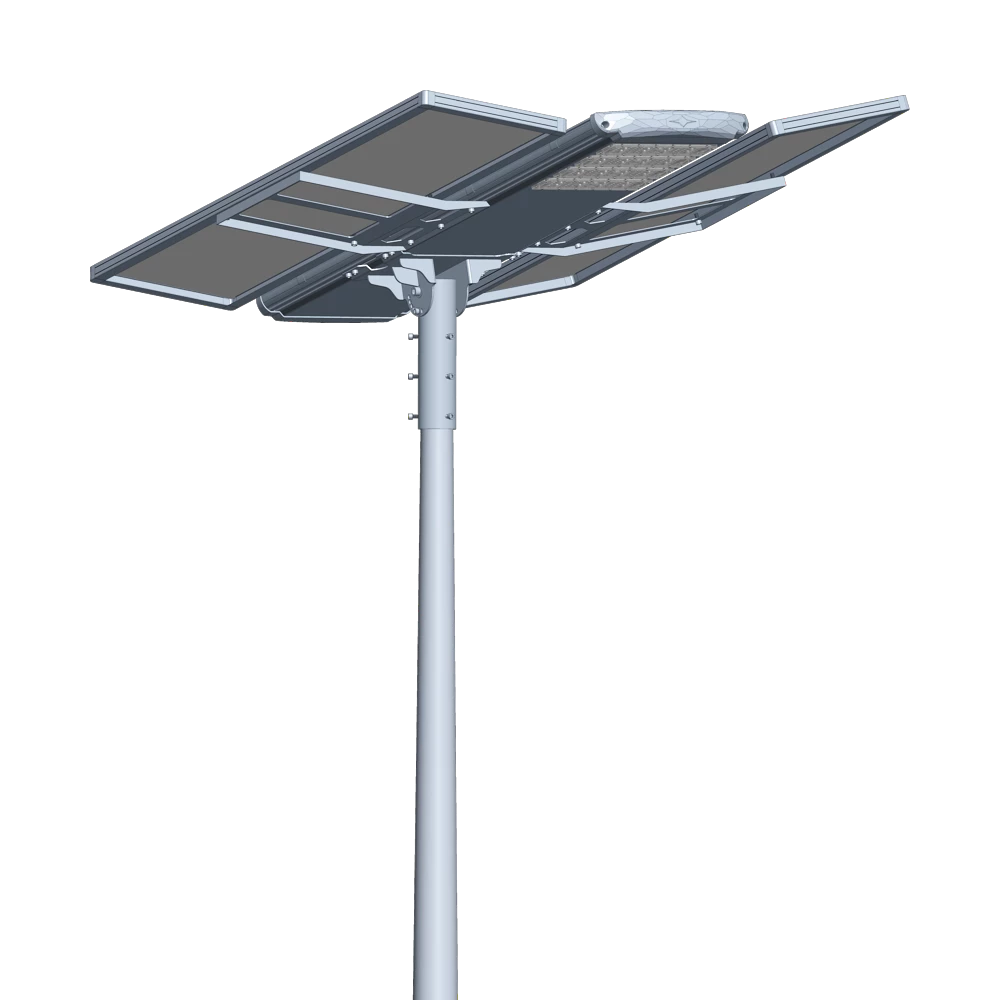
Introducing the Luqing Solar Street Light by Queneng, Efficient LED lighting powered by solar energy is perfect for illuminating outdoor areas. Harness the power of solar energy for sustainable, reliable street lighting. Ideal for eco-friendly, cost-effective outdoor illumination solutions.
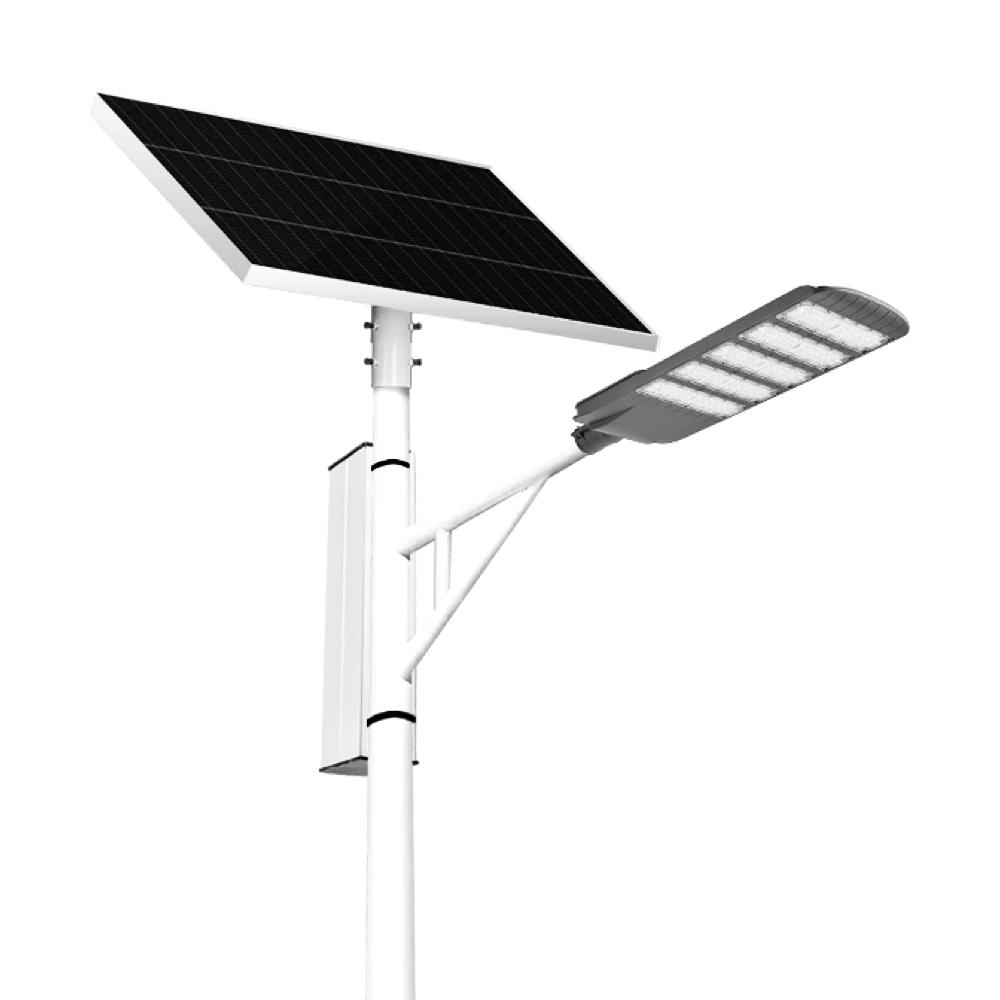
The Solar Streetlights of Luhao for Municipalities are designed to deliver reliable, energy-efficient, and cost-effective public lighting solutions. Equipped with advanced LED technology, durable lithium batteries, and high-efficiency solar panels, these streetlights provide consistent illumination for roads, parks, residential areas, and government projects.
If you would like more information about Queneng solar lighting solutions, please send us a message by filling out the form below. Our professional team will get back to you within 24 hours!
Rest assured that your privacy is important to us, and all information provided will be handled with the utmost confidentiality.
Schedule a Meeting
Book a date and time that is convenient for you and conduct the session in advance.
Have more questions about our products or services?
The messenger of light & power conversion
Environmental protection and intelligent manufacturing are our brand philosophy, and quality assurance and the best user experience are our eternal promises to users.
CONTACT
No.9F, Building F, Cao San Xin Tian Hong Logistics Park, Guzhen Town, Zhongshan City, Guangdong Province, China.
or write [email protected]
WhatsApp: +86 136 2270 1011


