
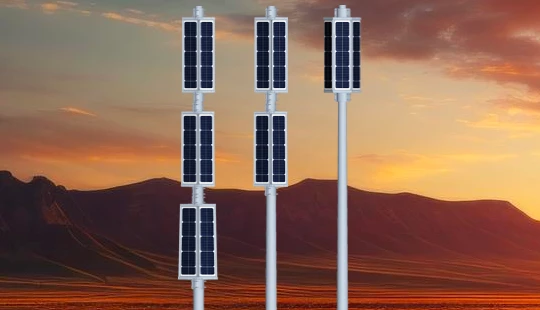
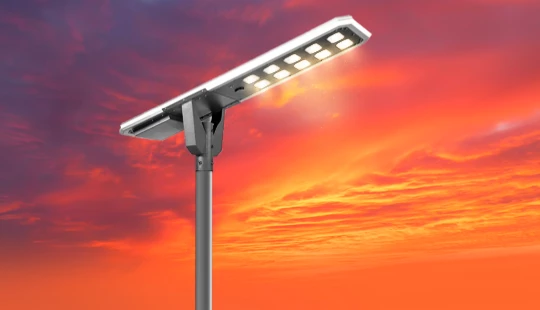
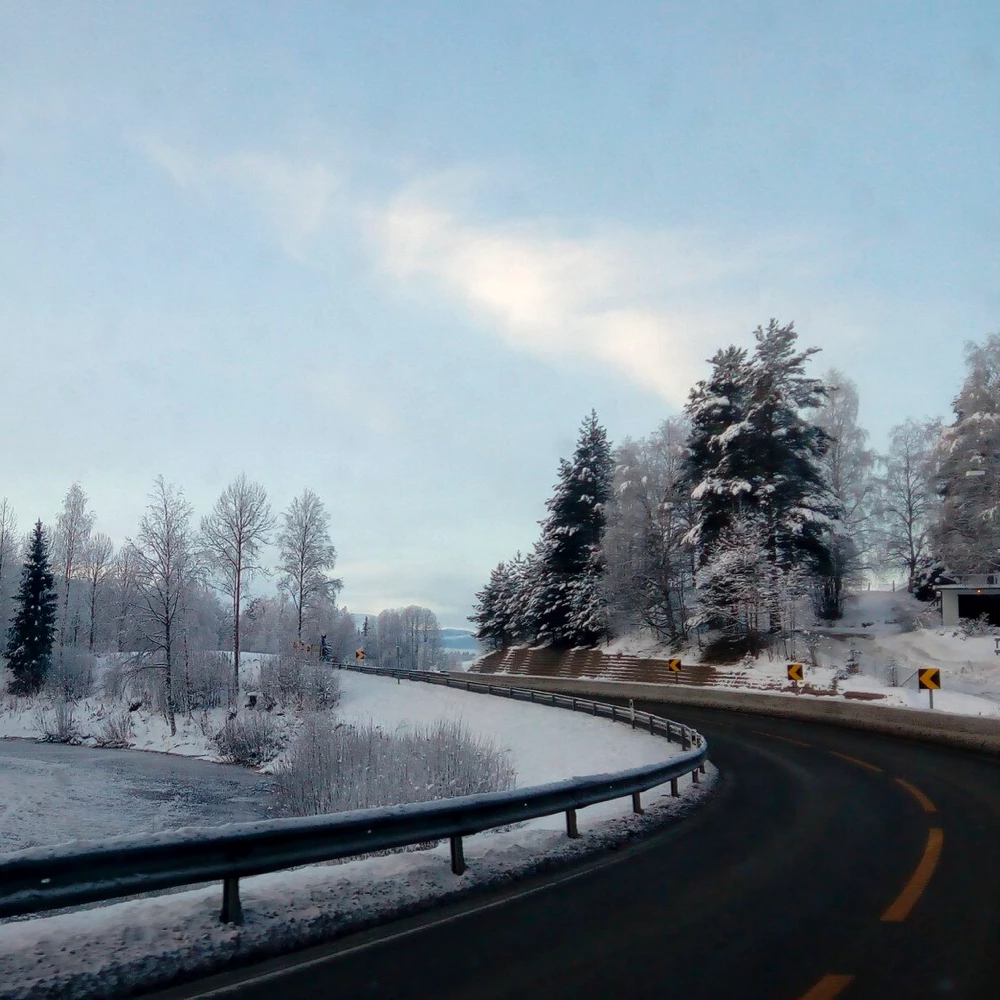













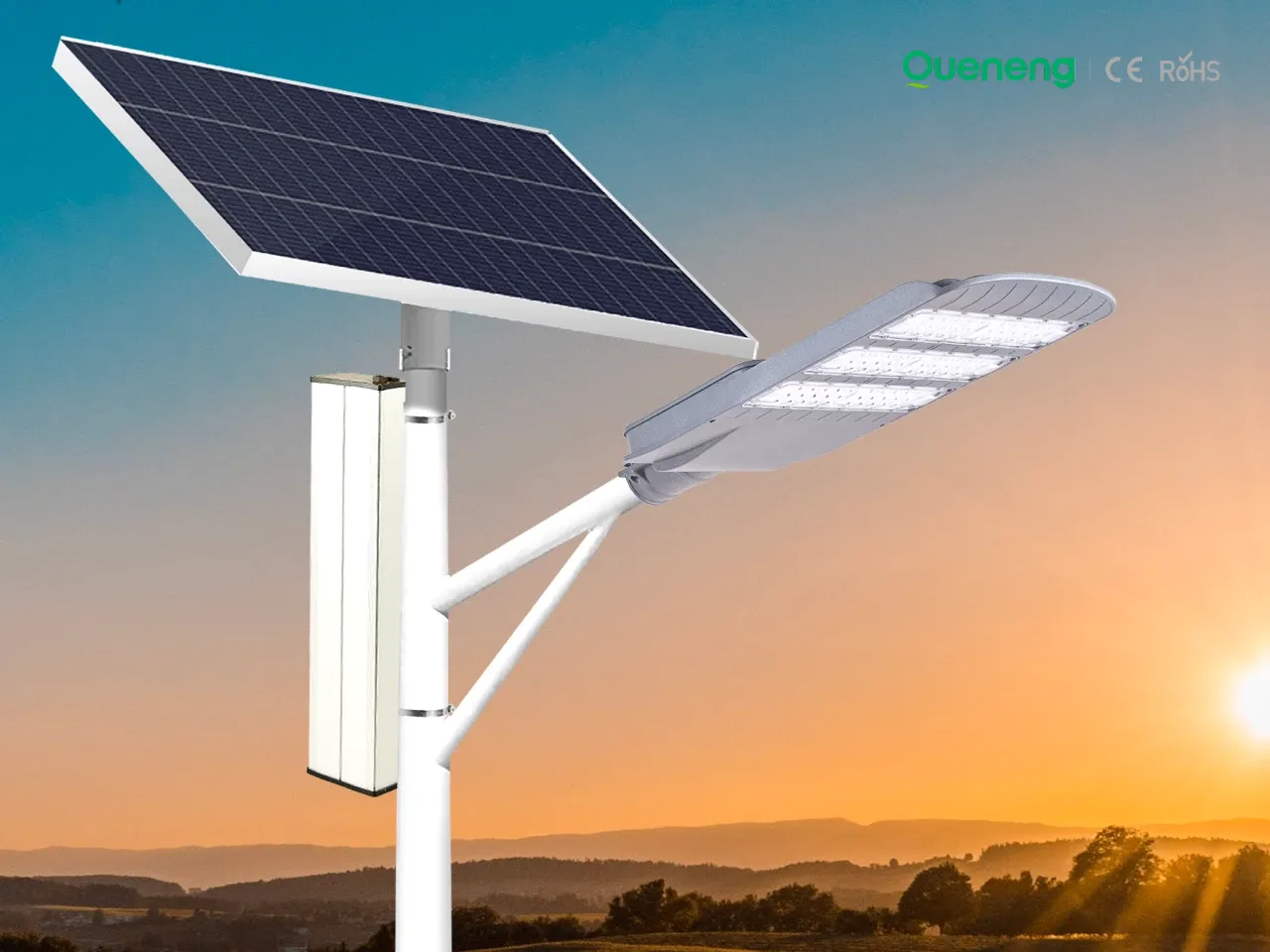
أنواع توزيع الإضاءة: إضاءة الطرق، وإضاءة المشاة، وإضاءة المناطق
اختيار توزيع الإضاءة المناسب لتطبيقات إنارة الشوارع بالطاقة الشمسية في البلديات
لماذا يُعد توزيع الضوء مهمًا لأداء مصابيح الشوارع الشمسية البلدية؟
يُحدد توزيع الضوء (نمط إضاءة المصابيح) مدى كفاءة مصابيح الشوارع الشمسية البلدية في تحقيق أهداف السلامة والراحة وكفاءة الطاقة. فالتوزيع الصحيح يُحسّن رؤية الطريق، ويُقلل الوهج، ويُحسّن المسافة بين الأعمدة، ويُقلل من تسرب الضوء وهدر الطاقة - وكلها أمور بالغة الأهمية عندما يكون مصدر الطاقة محدودًا بالألواح الكهروضوئية وبطاريات التخزين. لذا، يُساهم اختيار العدسات المناسبة في خفض تكلفة النظام مع تحسين السلامة الليلية ورضا المواطنين.
فهم عائلات التوزيع الرئيسية: الطرق، والمشاة، والمناطق
أنواع توزيع IES/CIE والاستخدامات البلدية النموذجية لأعمدة إنارة الشوارع بالطاقة الشمسية البلدية
يُصنَّف توزيع الإضاءة عادةً باستخدام أنواع IES (من النوع الأول إلى الخامس) أو عائلات CIE. أما بالنسبة لمشاريع إنارة الشوارع بالطاقة الشمسية في البلديات، فإنّ التطابقات العملية هي كالتالي:
- الطريق / المركبات: النوع الثالث والنوع الرابع - توزيعات غير متماثلة مُحسَّنة لإسقاطات الطرق الأطول والوضع الجانبي للأعمدة.
- ممر المشاة / المسار: النوع الثاني - أنماط ضيقة ومستطيلة مناسبة للأرصفة وممرات الدراجات حيث تكون المسافة الجانبية صغيرة.
- المنطقة / التقاطع / الساحات: النوع الخامس - توزيع متناظر للإضاءة الموحدة حول عمود (مواقف السيارات، الدوارات، الساحات الصغيرة).
يؤدي اختيار عائلة التوزيع الخاطئة إلى زيادة عدد الأعمدة، أو حجم البطارية، أو ظهور مناطق مظلمة وكثرة الشكاوى. لذا، يبدأ تصميم إنارة الشوارع بالطاقة الشمسية البلدية باختيار التوزيع بناءً على التطبيق المستهدف.
مقارنة عملية: خصائص التوزيع، وارتفاع التركيب، والمسافة الموصى بها
جدول قرارات سريع لمخططي إنارة الشوارع بالطاقة الشمسية في البلديات
| نوع التوزيع | أفضل التطبيقات | الارتفاع النموذجي للتركيب | المسافة التقريبية بين الأعمدة | المزايا الرئيسية |
|---|---|---|---|---|
| النوع الثاني (للمشاة) | أرصفة المشاة، مسارات الدراجات، الشوارع الضيقة | 3-6 أمتار | 1-2 ضعف ارتفاع التركيب | انتشار جانبي جيد، يقلل من الحواف الداكنة |
| النوع الثالث (الطريق) | الطرق الفرعية، الشوارع متوسطة العرض | 6-10 أمتار | 2-3 أضعاف ارتفاع التركيب | رمية أمامية متوازنة، وتجانس جيد في مسار الطريق |
| النوع الرابع (الطريق، الفيضانات) | أكتاف الطريق، والإضاءة المحيطة، ومداخل الطرق السريعة | 6–12 مترًا | 2.5–3.5 ضعف ارتفاع التركيب | إضاءة جانبية قوية، تركز الضوء على الطريق، وتقلل من الإضاءة الخلفية |
| النوع الخامس (المنطقة) | التقاطعات، والساحات، ومواقف السيارات | 6–12 مترًا | 1-2 ضعف ارتفاع التركيب (لتحقيق التناسق) | تغطية موحدة شاملة الاتجاهات، تباعد أبسط |
المصادر: أدلة الإضاءة الصناعية والممارسات البلدية النموذجية (انظر المراجع).
اعتبارات التصميم الخاصة بأنظمة إنارة الشوارع بالطاقة الشمسية البلدية
البصريات، وإنتاج اللومن، وميزانية الطاقة لضمان موثوقية الطاقة الشمسية
تفرض إضاءة الشوارع بالطاقة الشمسية قيدًا على ميزانية الطاقة: يجب أن تتناسب شدة الإضاءة المفيدة مع الطاقة الشمسية اليومية المتاحة بعد خصم الفاقد من الطاقة. أهم عناصر التصميم:
- كفاءة الإضاءة والتحكم البصري: تعمل مصابيح LED عالية الكفاءة جنبًا إلى جنب مع البصريات الدقيقة على تقليل الضوء المهدر وبالتالي تقليل حجم الخلايا الكهروضوئية والبطارية المطلوبة.
- استهداف الفوتون: اختر توزيعًا يضع معظم اللومن على السطح المقصود - على سبيل المثال، النوع الرابع لأكتاف الطرق يقلل من الهدر الجانبي.
- استقلالية النظام: تم تصميم النظام ليعمل بشكل مستقل لمدة 3-5 أيام (عادةً) لتحمل فترات انخفاض الإشعاع الشمسي؛ وتؤثر الاستقلالية على سعة البطارية والتكلفة الرأسمالية.
- استراتيجيات التحكم: يمكن لجداول التعتيم وأجهزة استشعار الحركة وأنظمة التحكم التكيفية أن تقلل من استهلاك الطاقة مع الحفاظ على السلامة خلال الساعات الحرجة.
عند تحديد تركيبات إنارة الشوارع بالطاقة الشمسية البلدية، يجب طلب ملفات قياس ضوئي كاملة (IES أو LDT) وافتراضات فقدان النظام حتى يمكن التحقق من صحة الطاقة وحجم الخلايا الكهروضوئية في أدوات المحاكاة (مثل Dialux و AGi32 و PVSyst).
التحكم في الوهج، والتجانس، والراحة البصرية
كيف تقلل البصريات وهندسة التركيب من الشكاوى وتزيد من سلامة مصابيح الشوارع الشمسية البلدية
يُعدّ الوهج شكوى شائعة في التطبيقات الحضرية. وتشمل الخطوات العملية للحدّ من الوهج ما يلي:
- باستخدام بصريات القطع ووحدات الإضاءة المحمية التي تلبي أهداف ULR/UGR؛ اختر وحدات الإضاءة ذات زوايا القطع المناسبة للتطبيق.
- ضبط ارتفاعات التركيب والإزاحات الجانبية للتحكم في خطوط الرؤية المباشرة إلى مستوى نظر السائق والمشاة.
- اختيار توزيعات تركز الضوء حيثما دعت الحاجة - تجنب الإضاءة المفرطة للأرصفة من مصابيح الطريق والعكس صحيح.
ينبغي أن تتبع مقاييس التوحيد (النسب المتوسطة/الدنيا) المعايير المحلية (لفئات الطرق) لتجنب ظهور بقع داكنة مفاجئة تعيق الرؤية.
دراسة حالة: اختيار التوزيع لممر بلدي متعدد الاستخدامات
تطبيق المبادئ على طريق تجميعي ذي حارتين مع رصيف وموقف سيارات
السيناريو: عرض الطريق ١٠ أمتار، وأرصفة المشاة بعرض ٣ أمتار على كلا الجانبين، وحركة مرور مختلطة للمشاة والمركبات، وغطاء شجري متوسط. النهج الموصى به لأعمدة إنارة الشوارع بالطاقة الشمسية البلدية:
- وحدات الإضاءة الرئيسية للطرق: توزيع من النوع الثالث، ارتفاع تركيب 8 أمتار، تباعد الأعمدة ~20 مترًا لتحقيق التوحيد والإضاءة المستهدفة على الطريق.
- وحدات إضاءة إضافية للمشاة: أعمدة من النوع الثاني أو أعمدة منخفضة التركيب من النوع الثاني/الرابع لملء إضاءة الرصيف حيث تكون الأعمدة متباعدة.
- احتياجات المنطقة (ساحة صغيرة): عمود مركزي من النوع الخامس أو عدة تركيبات سفلية من النوع الثاني لتحقيق التناسق البصري.
يقلل هذا النهج الهجين من إجمالي إنتاج اللومن المطلوب من كل مصباح إنارة شوارع يعمل بالطاقة الشمسية البلدية ويحافظ على حجم نظام الخلايا الكهروضوئية/البطاريات الأمثل.
قائمة التحقق من المواصفات لاختيار العدسات البصرية لأعمدة إنارة الشوارع الشمسية البلدية
المعايير المطلوبة في العطاءات والمواصفات الفنية
- ملفات القياس الضوئي (IES/LDT) لكل خيار توزيع
- حسابات الإضاءة المتوقعة والتجانس لارتفاع وتباعد تركيب الهدف
- درجة حرارة اللون المترابطة (CCT) ومؤشر تجسيد اللون (CRI) للسلامة والراحة - عادةً ما تكون 3000-4000 كلفن وCRI >70 للطرق
- معدلات القطع البصري ومقاييس الوهج حيثما توفرت
- أداء النظام المدمج: استهلاك الطاقة اليومي المتوقع، أيام الاستقلالية، الطاقة الكهروضوئية الموصى بها بالواط، وسعة البطارية بالأمبير/ساعة
مقارنة الخيارات البصرية: مثال رقمي (توضيحي)
مقارنة توضيحية بين خيارين لإضاءة الشوارع بالطاقة الشمسية البلدية لشارع عرضه 10 أمتار (مثال قائم على المحاكاة)
| متري | الخيار أ - النوع الثالث (عمود بطول 8 أمتار، مسافة 20 متر) | الخيار ب - النوع الخامس (عمود بطول 8 أمتار، مسافة 20 متر) |
|---|---|---|
| متوسط إضاءة الطريق | 8-12 لوكس | 6-9 لوكس |
| التجانس (المتوسط/الحد الأدنى) | ~0.40–0.50 | ~0.25–0.35 |
| الطاقة اليومية المقدرة لكل جهاز | 45-75 واط/ساعة (حسب مستوى التعتيم) | 55-90 واط ساعة |
| حجم الألواح الكهروضوئية لكل وحدة (اسمي) | لوحة بقدرة 60-140 واط | لوحة 80-160 واط |
ملاحظة: القيم المذكورة أعلاه توضيحية فقط، ويلزم إجراء محاكاة خاصة بالموقع. تعتمد أرقام الطاقة على درجة حرارة اللون المترابطة، وكفاءة المحرك، ونمط التعتيم، والإشعاع الشمسي المحلي.
دمج عناصر التحكم وأجهزة الاستشعار مع خيارات توزيع الضوء
كيف تؤثر أنظمة التحكم على أداء التوزيع وحجم الطاقة الشمسية لأعمدة إنارة الشوارع بالطاقة الشمسية البلدية
تُساهم أنماط التعتيم (الزمنية أو التكيفية) ومستشعرات الحركة في تغيير شدة الإضاءة الفعلية، مما يُقلل بشكل ملحوظ من حجم الألواح الشمسية والبطاريات. فعلى سبيل المثال، تُشغّل معظم البلديات الإضاءة بكامل طاقتها من الغسق حتى منتصف الليل، ثم تُخفّض إلى 50% حتى الفجر، إلا إذا زادت الحركة إلى 100% في فترات حرجة. ويُؤدي دمج هذه الاستراتيجية مع توزيع يُركّز الضوء على مسارات المستخدمين إلى زيادة السطوع المُدرَك إلى أقصى حد مع تقليل استهلاك الطاقة.
توصيات الشراء والاختبار
ما الذي ينبغي على البلديات اشتراطه لضمان عمل أنظمة إنارة الشوارع بالطاقة الشمسية البلدية المثبتة على النحو المنشود؟
- التحقق الضوئي من طرف ثالث وتقارير IES المقاسة في ظل ظروف اختبار موحدة.
- الاختبارات البيئية لنطاق درجة حرارة البطارية، وتصنيف الحماية من التآكل (يوصى بـ IP65/IP66)، والمواد المقاومة للتآكل للبيئات الساحلية.
- ضمانات الأداء المستقلة وصيانة الحد الأدنى لعمر الإضاءة المفيد (على سبيل المثال، L70 ≥ 60000 ساعة) وضمانات عمر دورة البطارية.
- اختبار قبول الموقع بعد التركيب: قياس شدة الإضاءة (اللوكس)، والتجانس، والتحقق من برمجة التحكم والاستقلالية في ظل ظروف الحمل الحقيقية.
اختيار الموردين: لماذا تُعدّ القدرة الهندسية والتحقق من صحة المنتج أمراً بالغ الأهمية؟
تقييم موردي حلول إنارة الشوارع بالطاقة الشمسية البلدية
إلى جانب تصميمات الإضاءة، يجب أن يكون المورد الموثوق قادرًا على تقديم خدمات هندسية متكاملة على مستوى النظام: تحديد حجم الألواح الكهروضوئية، واختيار البطاريات، ووحدات التحكم بالشحن (MPPT)، وسجل حافل في مشاريع الطاقة الشمسية. ابحث عن موردين يقدمون محاكاة شاملة للنظام، ومراجع لمشاريع مماثلة، وشهادات عالمية تؤكد جودة المنتج وسلامته.
نبذة عن شركة قوانغتشو/غوانغدونغ كوينينغ للإضاءة وكيفية دعمها لمشاريع إنارة الشوارع بالطاقة الشمسية البلدية
تم تصميم قدرات شركة كوينينج ونطاق منتجاتها خصيصًا للمشاريع البلدية
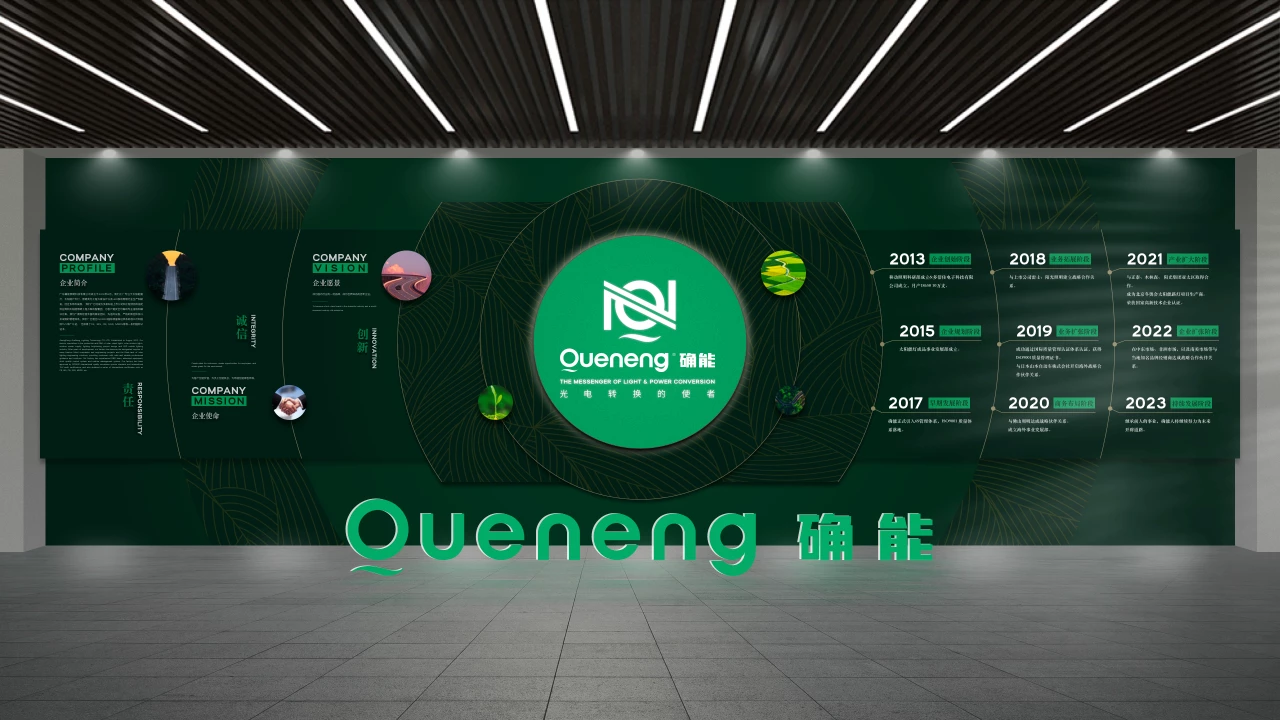
تُركز شركة قوانغدونغ كوينينغ لتكنولوجيا الإضاءة المحدودة (التي تأسست عام 2013) على إنتاج وتطوير أنظمة إضاءة الشوارع الشمسية، والأضواء الكاشفة الشمسية، وأضواء الحدائق الشمسية، وأضواء المروج الشمسية، وأضواء الأعمدة الشمسية، والألواح الكهروضوئية الشمسية، ووحدات الطاقة الخارجية المحمولة والبطاريات، وتصميم مشاريع الإضاءة، وإنتاج وتطوير صناعة إضاءة LED المتنقلة. بعد سنوات من التطوير، أصبحت الشركة المورد المعتمد للعديد من الشركات المدرجة الشهيرة والمشاريع الهندسية، ومركزًا رائدًا في حلول هندسة الإضاءة الشمسية، حيث تُقدم لعملائها إرشادات وحلولًا احترافية آمنة وموثوقة.
أبرز ما يميز كوينينج:
- فريق بحث وتطوير ذو خبرة ومعدات إنتاج متطورة تُمكّن من تصنيع بصريات مخصصة وأنظمة شمسية متكاملة.
- مراقبة جودة صارمة وأنظمة إدارة ناضجة مع شهادة ISO 9001 وموافقة تدقيق TÜV.
- شهادات المنتجات الدولية بما في ذلك CE و UL و BIS و CB و SGS و MSDS، مما يدعم التصدير والمشتريات واسعة النطاق.
- مجموعة منتجات مناسبة للاحتياجات البلدية: مصابيح الشوارع الشمسية، مصابيح الإضاءة الموضعية الشمسية، مصابيح الحدائق الشمسية، مصابيح الأعمدة الشمسية، الألواح الكهروضوئية الشمسية، مصابيح الحدائق الشمسية.
يقلل نهج كوينينج القائم على الهندسة والشهادات من مخاطر الشراء للبلديات لأنها توفر قياسات ضوئية معتمدة، ومحاكاة النظام، ودعم المشروع على أرض الواقع (التصميم والاختبار والتشغيل).
مخطط اتخاذ القرار: خطوات اختيار التوزيع لمشروع إنارة الشوارع بالطاقة الشمسية البلدية
يمكن للفرق الفنية البلدية اتباع سير عمل بسيط
- حدد حالة الاستخدام: فئة الطريق، كثافة المشاة، احتياجات مواقف السيارات/المنطقة.
- اختر عائلة التوزيع (II/III/IV/V) بناءً على الهندسة والمستخدمين الرئيسيين.
- احصل على ملفات قياس الضوء لوحدات الإضاءة المرشحة وقم بمحاكاتها عند ارتفاعات/مسافات التركيب المستهدفة.
- قم بإجراء حسابات الطاقة والاستقلالية للنظام الشمسي؛ وكرر العملية باستخدام استراتيجية التعتيم.
- قم بالتحقق من صحة المنتج باستخدام نموذج أولي في الموقع كلما أمكن ذلك، وقم بإتمام عملية الشراء مع تحديد القياس الضوئي ومنطق التحكم والضمانات.
الأسئلة الشائعة
1. ما هو نوع التوزيع الأنسب لشارع سكني ضيق؟
عادةً ما يكون النوع الثاني هو الأفضل للشوارع والأرصفة السكنية الضيقة لأنه يوفر انتشارًا جانبيًا ممتدًا وتجانسًا جيدًا على ارتفاعات تركيب منخفضة (3-6 أمتار).
2. هل يمكن لمصباح إنارة الشوارع الشمسي البلدي الواحد أن يخدم كلاً من الطريق والرصيف؟
أحيانًا - مع تصميم غير متماثل من النوع الثالث أو الرابع وإزاحة جانبية صحيحة. ومع ذلك، غالبًا ما توفر الأساليب الهجينة (تجهيزات مخصصة للمشاة منفصلة) تجانسًا وكفاءة طاقة أفضل، خاصة في الممرات متعددة الاستخدامات.
3. كيف يؤثر توزيع الضوء على حجم الألواح الشمسية الكهروضوئية والبطاريات؟
يؤدي تحسين التوزيعات المستهدفة (تقليل الضوء المهدر) إلى خفض ناتج اللومن المطلوب للحصول على نفس السطوع الملحوظ، مما يقلل بشكل مباشر من الطلب اليومي على الطاقة وبالتالي القدرة الكهربائية للوحة الكهروضوئية وسعة البطارية المطلوبة.
4. ما هو الارتفاع المناسب لتركيب أعمدة إنارة الشوارع بالطاقة الشمسية البلدية؟
يعتمد ارتفاع التركيب على التوزيع والاستخدام: للمشاة (3-6 أمتار)، الطرق الرئيسية (6-10 أمتار)، الطرق السريعة أو المناطق الواسعة (8-12 مترًا). استخدم محاكاة قياس الضوء للتأكد من التباعد والانتظام.
5. هل هناك معايير يجب عليّ الرجوع إليها عند تحديد التوزيعات؟
نعم - راجع معايير إضاءة الطرق الوطنية أو الإقليمية والممارسات الموصى بها (مثل IES RP-8 في الولايات المتحدة، وإرشادات CIE دوليًا) للحصول على مقاييس الإضاءة المستهدفة والتجانس.
6. كيف ينبغي للبلديات تقييم الوهج الناتج عن تركيبات مصابيح الشوارع الشمسية البلدية؟
اطلبوا مواصفات قطع الضوء، ومقاييس ULR/UGR عند توفرها، وأجروا قياسات ميدانية على مستوى نظر السائق بعد التركيب. اختاروا تصميمات وحدات إضاءة عالية الحماية في المواقع الحساسة.
للتواصل والاستفسار عن المنتجات
احصل على دعم فني متخصص في التصميم والمنتج
للحصول على مساعدة في تصميم المشاريع، ومواصفات المنتجات، وعمليات المحاكاة الخاصة بالموقع لنشر مصابيح الشوارع الشمسية البلدية، اتصل بشركة قوانغدونغ كوينينغ لتكنولوجيا الإضاءة المحدودة. إنهم يقدمون منتجات إضاءة شمسية متكاملة (مصابيح الشوارع الشمسية، والمصابيح الموضعية الشمسية، ومصابيح الحدائق الشمسية، ومصابيح الأعمدة الشمسية، والألواح الكهروضوئية الشمسية، ومصابيح الحدائق الشمسية) ودعمًا هندسيًا من الفكرة وحتى التشغيل.
لطلب عرض أسعار أو حزمة فنية (ملفات IES، وتحديد حجم النظام، وشروط الضمان)، تواصل مع فريق المبيعات والهندسة في شركة Queneng عبر قنواتهم الرسمية أو الموزعين المعتمدين.
المراجع والقراءات الإضافية
- جمعية هندسة الإضاءة (IES) - الممارسات الموصى بها لإضاءة الطرق (RP-8). IES. تم الاطلاع بتاريخ 27 ديسمبر 2025 من الموقع الإلكتروني https://www.ies.org/standards/
- اللجنة الدولية للإضاءة (CIE) - معايير وأدلة الإضاءة. تم الاسترجاع بتاريخ 27-12-2025 من https://cie.co.at/
- الوكالة الدولية للطاقة (IEA) - تقارير الطاقة المتجددة والطاقة الشمسية الكهروضوئية. تم الاطلاع عليها بتاريخ 27 ديسمبر 2025 من الموقع الإلكتروني https://www.iea.org/
- الوكالة الدولية للطاقة المتجددة (IRENA) - تقارير عن الطاقة الشمسية الكهروضوئية والإضاءة الشمسية خارج الشبكة. تم الاطلاع عليها بتاريخ 27 ديسمبر 2025 من الموقع الإلكتروني https://www.irena.org/
- البنك الدولي / إنارة أفريقيا - رؤى حول الإضاءة خارج الشبكة وإنارة الشوارع بالطاقة الشمسية. تم الاطلاع عليه بتاريخ 27 ديسمبر 2025 من الموقع الإلكتروني https://www.worldbank.org/
- إنارة الشوارع - ويكيبيديا. نظرة عامة على إنارة الشوارع وأنواع توزيعها. تم الاطلاع بتاريخ ٢٧ ديسمبر ٢٠٢٥ من الرابط: https://en.wikipedia.org/wiki/Street_light

هل لديك المزيد من الأسئلة حول منتجاتنا أو خدماتنا؟
أحدث الأخبار الساخنة التي قد تهمك

دليل شامل لعام 2026 حول أسعار إنارة الشوارع بالطاقة الشمسية. يغطي تكاليف التركيب التجاري، واتجاهات بطاريات LiFePO₄، وميزات إنترنت الأشياء الذكية، ومقارنة مفصلة للعائد على الاستثمار مقابل إنارة الشبكة التقليدية.

نظرة شاملة لعام 2026 على مصابيح الشوارع الشمسية المتكاملة، تتضمن معايير الأداء مثل الألواح ثنائية الوجه، وبطاريات LiFePO₄، وتكامل إنترنت الأشياء في المدن الذكية لتحقيق أقصى عائد على الاستثمار.

اكتشف كيف تعمل الألواح الشمسية على تشغيل أضواء الشوارع، واستكشف التكنولوجيا وراء تحويل الطاقة الشمسية وأنظمة التخزين، وكيف تعمل أضواء الشوارع التي تعمل بالطاقة الشمسية على إحداث ثورة في حلول الإضاءة الحضرية والريفية.
التعليمات
مصباح شارع شمسي مقسم
هل تركيب مصابيح الشوارع الشمسية المنفصلة أكثر تعقيداً؟
خطوات إضافية قليلاً، ولكن لا حاجة لأدوات خاصة، والمرونة غالباً ما تبسط المواقع المعقدة.
أساسيات البطارية والمصطلحات الأساسية
ما هي المكونات الهيكلية الرئيسية لبطارية ليثيوم أيون؟
أنواع البطاريات وتطبيقاتها
ما هي الفولتية ومجالات استخدام أنواع البطاريات المختلفة؟
بطارية ليثيوم 6 فولت للكاميرا وما إلى ذلك.
بطارية زر ليثيوم منجنيز 3 فولت آلة حاسبة جيبية، ساعة، معدات التحكم عن بعد، إلخ.
بطارية زر الأكسجين الفضية 1.5 فولت للساعات والساعات الصغيرة وما إلى ذلك.
بطارية مستديرة من الكربون والمنجنيز 1.5 فولت لمعدات الفيديو المحمولة والكاميرات وأجهزة الألعاب وما إلى ذلك.
بطارية زر الكربون والمنجنيز 1.5 فولت آلة حاسبة جيبية، معدات كهربائية، إلخ.
بطارية مستديرة من الكربون والزنك 1.5 فولت لجهاز الإنذار، ومصباح يدوي، والألعاب، وما إلى ذلك.
بطارية زر الهواء الزنك 1.4 فولت لأجهزة السمع وما إلى ذلك.
بطارية زر MnO2 1.35 فولت لأجهزة السمع والكاميرات وما إلى ذلك.
بطارية النيكل والكادميوم 1.2 فولت أدوات كهربائية، هواتف محمولة، أجهزة كمبيوتر محمولة، مصابيح طوارئ، دراجات كهربائية، إلخ.
بطارية Ni-MH 1.2 فولت للهواتف المحمولة، والكاميرات المحمولة، والهواتف اللاسلكية، وأجهزة الكمبيوتر المحمولة، والأجهزة المنزلية، وما إلى ذلك.
بطارية ليثيوم أيون 3.6 فولت الهواتف المحمولة وأجهزة الكمبيوتر المحمولة وما إلى ذلك.
مصباح شارع يعمل بالطاقة الشمسية لوهوي
هل يمكن التحكم في أضواء الشوارع الشمسية Luhui عن بعد؟
تحتوي بعض نماذج مصابيح الشوارع الشمسية من Luhui على ميزات تحكم ذكية، مما يسمح للمستخدمين بمراقبة وضبط الإعدادات عن بعد مثل مستويات السطوع وأوقات التشغيل عبر تطبيقات الهاتف المحمول أو الأنظمة المركزية.
الحدائق العامة وإضاءة المناظر الطبيعية
هل يمكن تركيب الأضواء الشمسية في أي مساحة خارجية؟
حلول الإضاءة الشمسية لدينا متعددة الاستخدامات ويمكن تركيبها في معظم المناطق الخارجية، بما في ذلك الحدائق العامة والمتنزهات والممرات والشوارع والمناطق الترفيهية. طالما أن هناك تعرضًا كافيًا لأشعة الشمس أثناء النهار، يمكن تركيب الأضواء الشمسية في أي مكان تقريبًا.
أداء البطارية واختبارها
ما هو اختبار دورة الحياة القياسي IEC؟
بعد تفريغ البطارية إلى 1.0 فولت/دعم عند 0.2 درجة مئوية
1. الشحن عند 0.1 درجة مئوية لمدة 16 ساعة، ثم التفريغ عند 0.2 درجة مئوية لمدة ساعتين و30 دقيقة (دورة واحدة)
2. الشحن عند 0.25 درجة مئوية لمدة 3 ساعات و10 دقائق، والتفريغ عند 0.25 درجة مئوية لمدة ساعتين و20 دقيقة (2-48 دورة)
3. الشحن عند 0.25 درجة مئوية لمدة 3 ساعات و10 دقائق، ثم التفريغ إلى 1.0 فولت عند 0.25 درجة مئوية (الدورة 49)
4. اشحن عند 0.1C لمدة 16 ساعة، واتركها لمدة ساعة، ثم قم بتفريغها عند 0.2C إلى 1.0V (الدورة الخمسون). بالنسبة لبطاريات هيدريد النيكل والمعدن، بعد تكرار 1-4 دورات بإجمالي 400 دورة، يجب أن يكون وقت تفريغ 0.2C أكبر من 3 ساعات؛ بالنسبة لبطاريات النيكل والكادميوم، بعد تكرار 1-4 دورات بإجمالي 500 دورة، يجب أن يكون وقت تفريغ 0.2C أكبر من 3 ساعات.
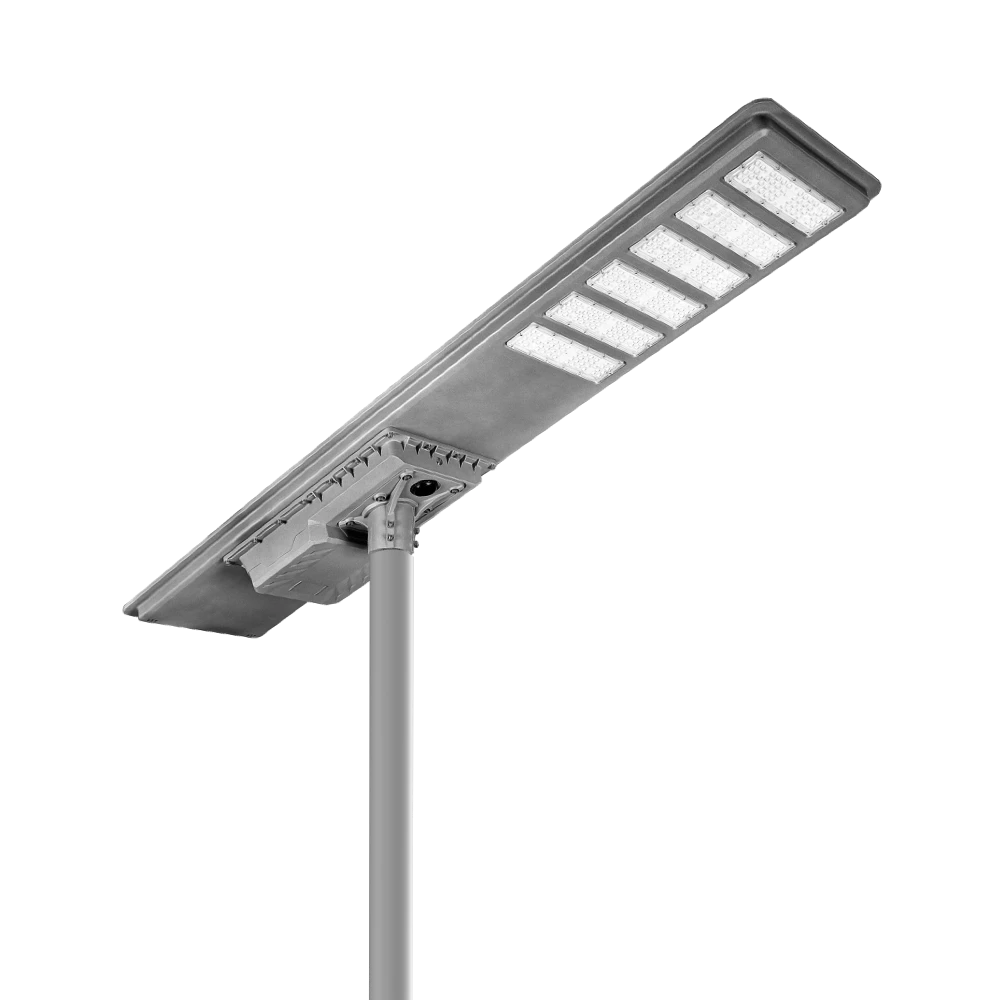
يوفر مصباح الشوارع المبتكر الذي يعمل بالطاقة الشمسية Luqiu من Queneng إضاءة خارجية موفرة للطاقة ومتينة. يوفر مصباح الشوارع الذي يعمل بالطاقة الشمسية حلاً موثوقًا وصديقًا للبيئة لإضاءة شوارعك وممراتك.
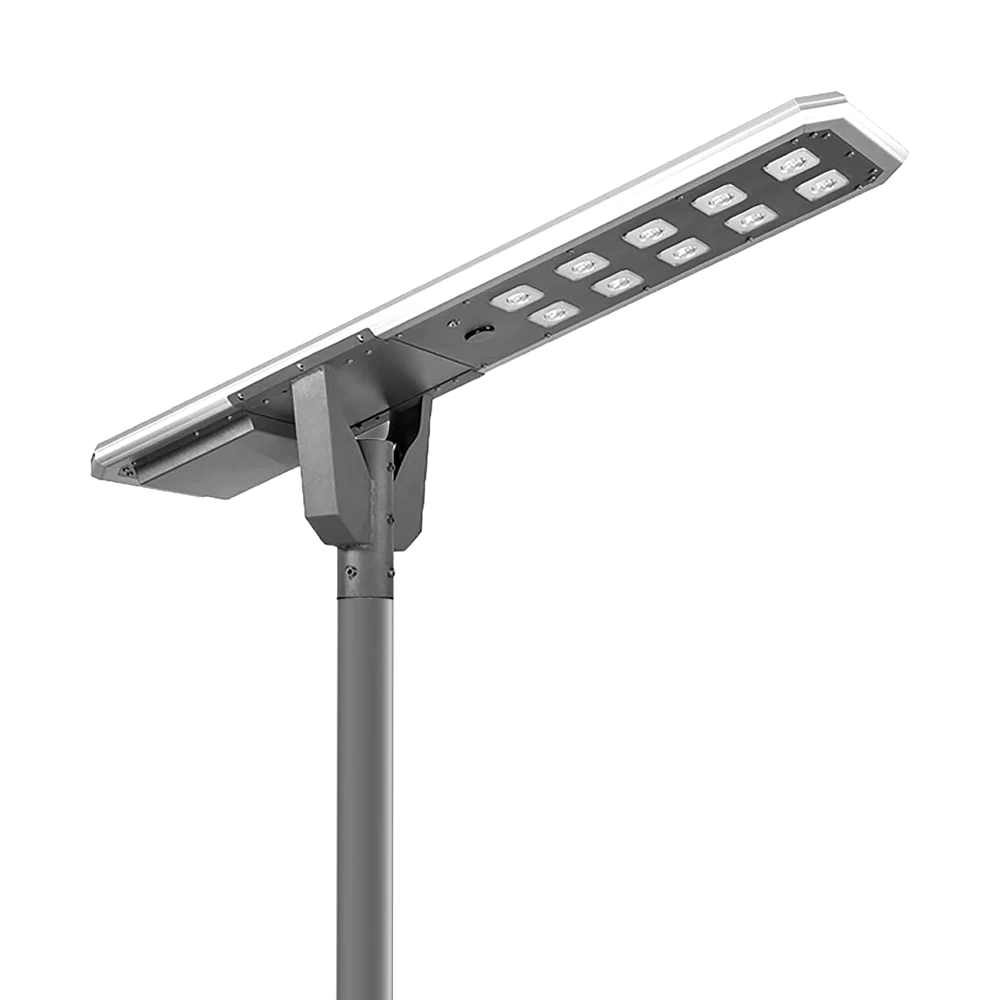
قم بإضاءة مساحاتك الخارجية باستخدام مصابيح الشوارع التي تعمل بالطاقة الشمسية، وهو حل متطور يجمع بين تكنولوجيا الطاقة الشمسية المتقدمة والإضاءة LED الموفرة للطاقة.
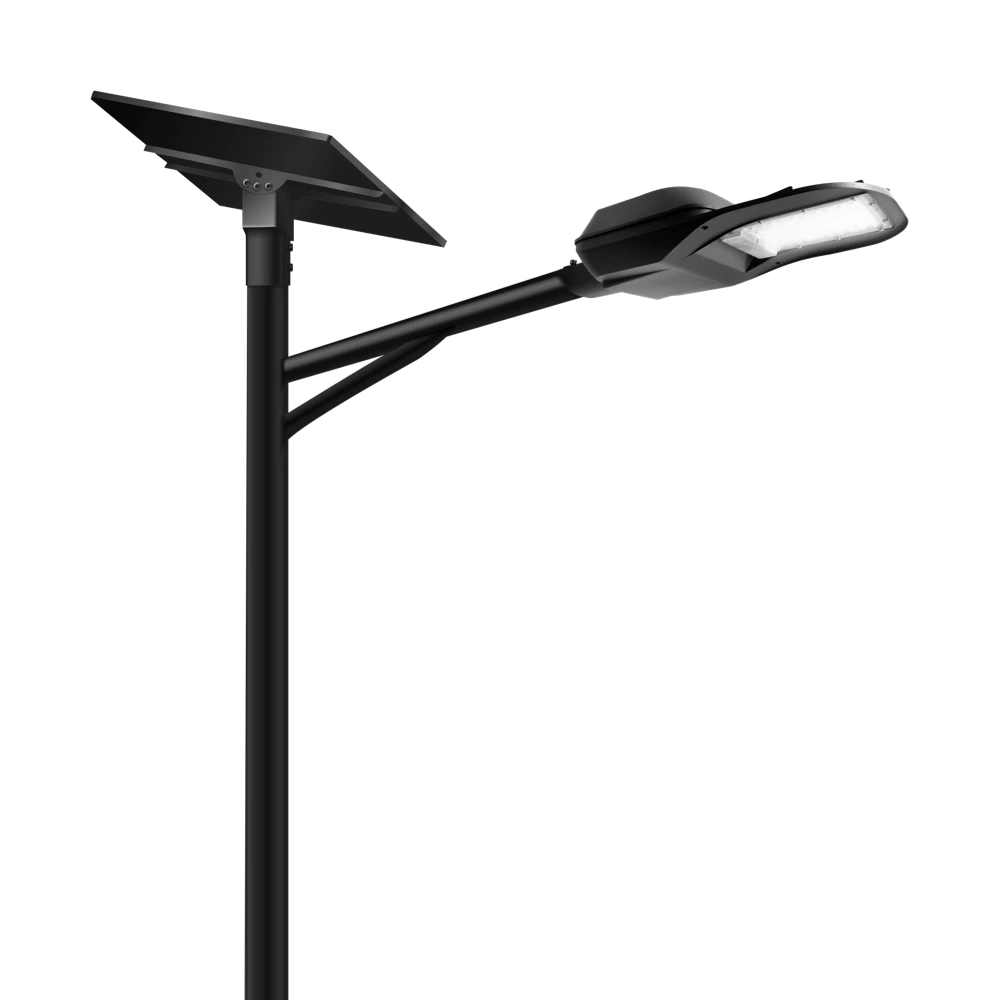
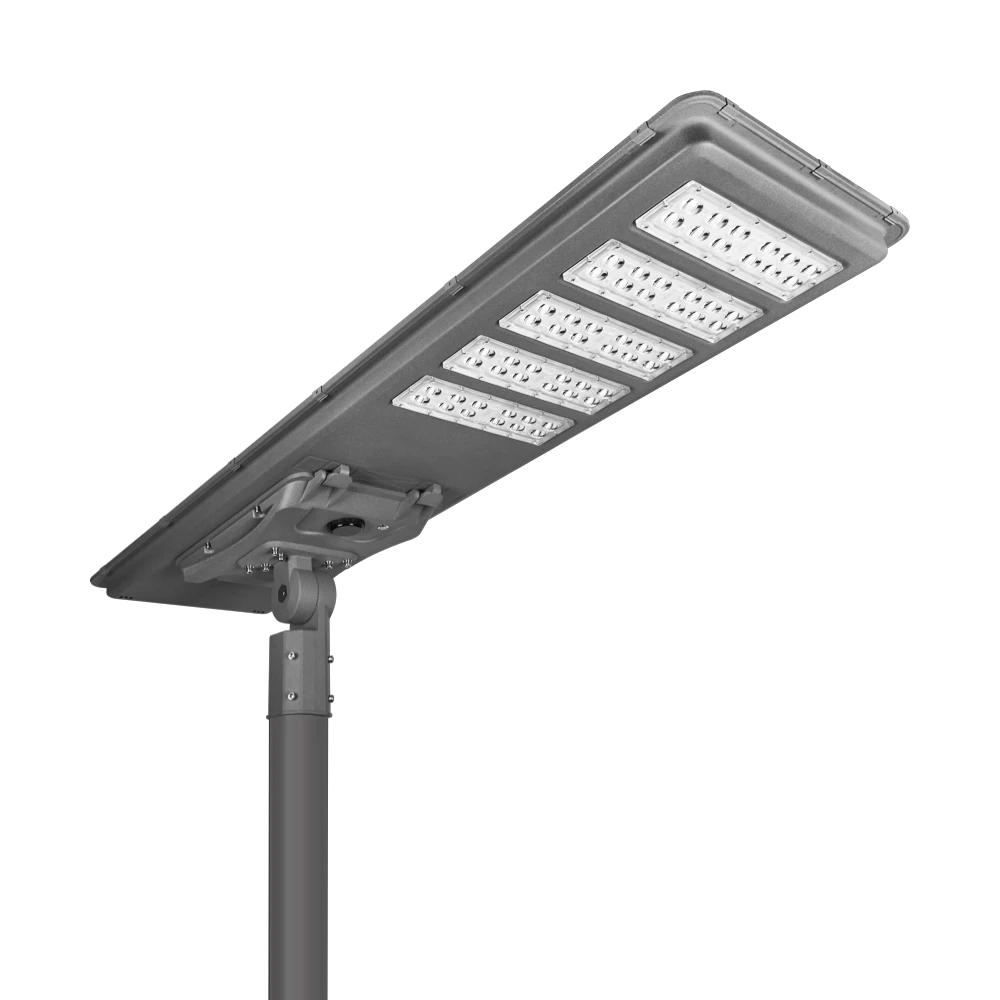
اكتشف مصباح الشوارع الشمسي عالي الأداء Lulin من Queneng، وهو حل إضاءة خارجي متين وموفر للطاقة. تم تصميمه لتحقيق الكفاءة والموثوقية، حيث يستغل الطاقة الشمسية لإضاءة الشوارع والممرات بشكل مستدام. قم بتحسين مساحاتك الخارجية اليوم باستخدام تقنية إضاءة الشوارع الشمسية المبتكرة من Queneng.
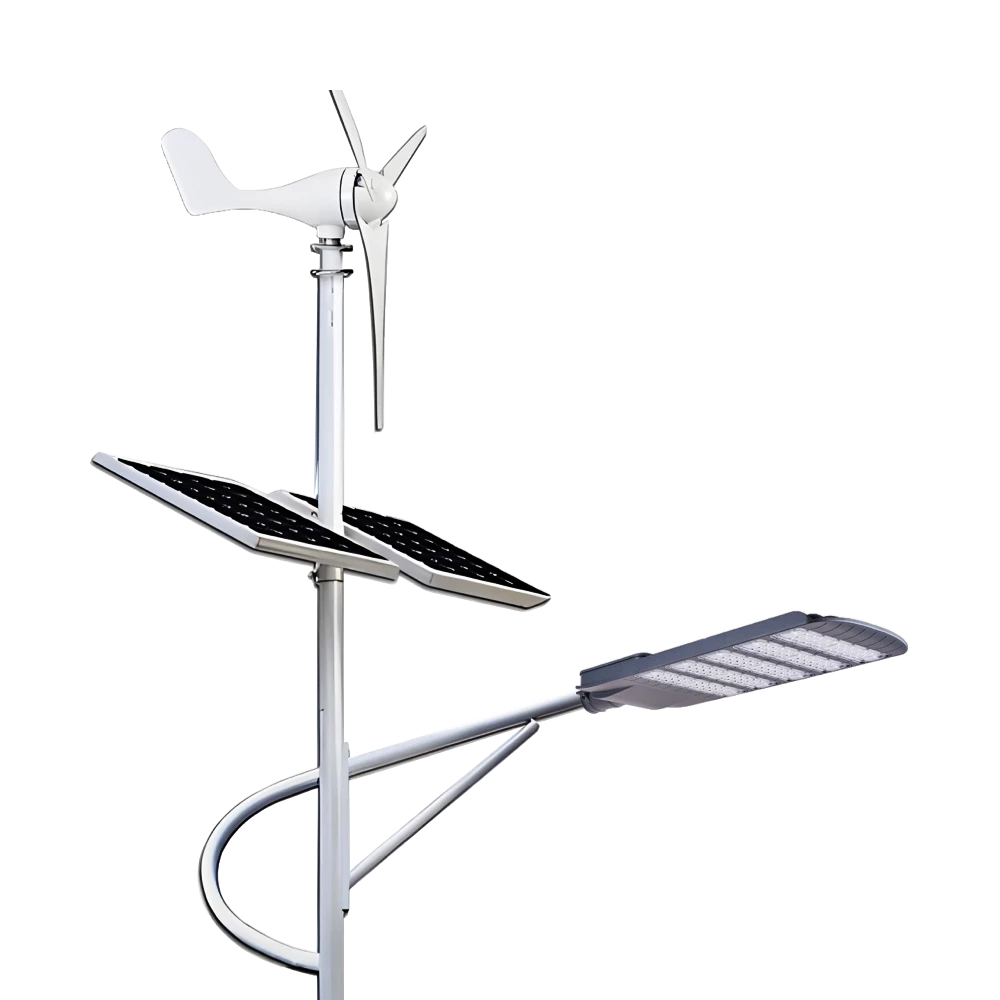
توفر مصابيح الشوارع الخارجية LED التي تعمل بالطاقة الشمسية من Queneng Lufeng إضاءة عالية الأداء وصديقة للبيئة. تستغل مصابيح الشوارع LED الموفرة للطاقة هذه الطاقة الشمسية وطاقة الرياح لتوفير حلول إضاءة خارجية مستدامة وفعالة من حيث التكلفة.
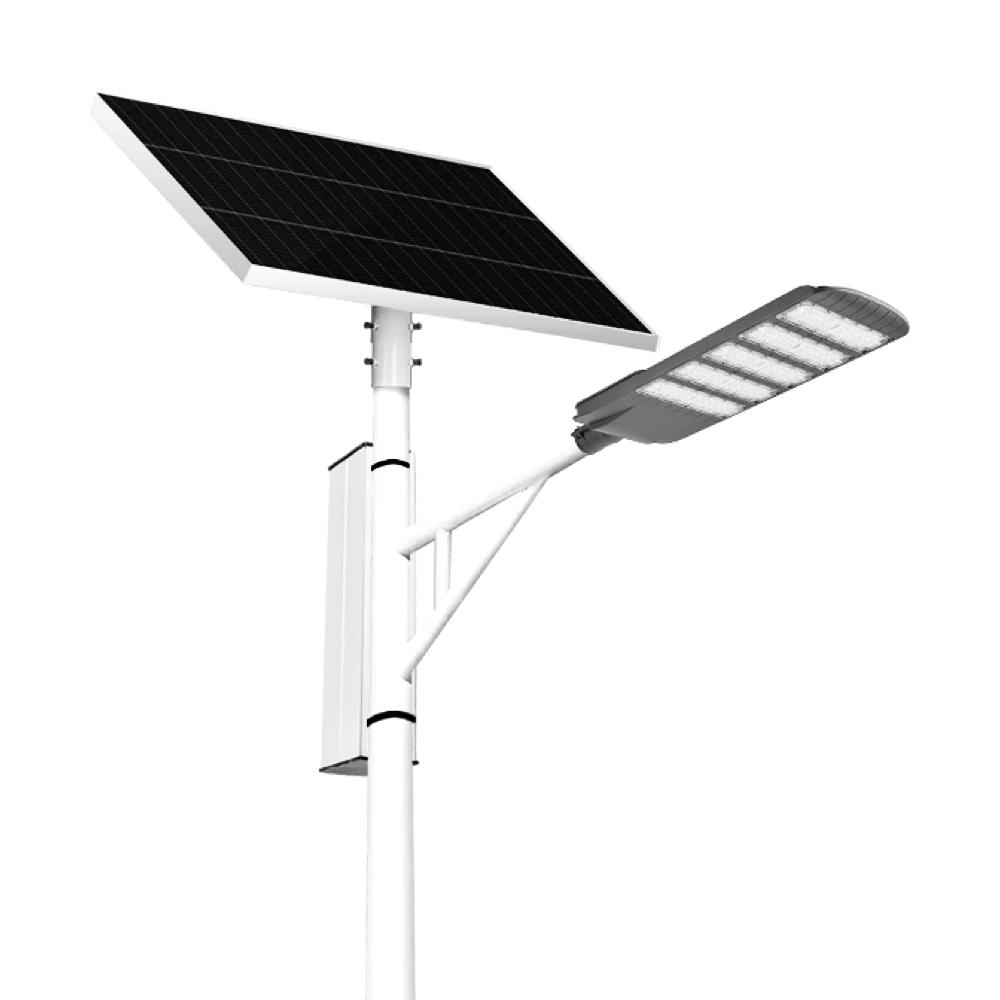
صُممت مصابيح الشوارع الشمسية من لوهاو للبلديات لتوفير حلول إنارة عامة موثوقة، موفرة للطاقة، واقتصادية. مزودة بتقنية LED متطورة، وبطاريات ليثيوم متينة، وألواح شمسية عالية الكفاءة، توفر إضاءة ثابتة للطرق والحدائق والمناطق السكنية والمشاريع الحكومية.
فريقنا المتخصص جاهز للإجابة على أي أسئلة وتقديم الدعم الشخصي لمشروعك.
يمكنك التواصل معنا عبر الهاتف أو البريد الإلكتروني لمعرفة المزيد عن حلول الإضاءة الشمسية التي تقدمها Queneng. نتطلع إلى العمل معك لتعزيز حلول الطاقة النظيفة!
كن على يقين أن خصوصيتك مهمة بالنسبة لنا، وسيتم التعامل مع جميع المعلومات المقدمة بأقصى قدر من السرية.
بالنقر على "إرسال الاستفسار الآن" أوافق على أن تقوم Queneng بمعالجة بياناتي الشخصية.
لمعرفة كيفية سحب موافقتك، وكيفية التحكم في بياناتك الشخصية وكيفية معالجتنا لها، يرجى الاطلاع علىسياسة الخصوصيةوشروط الاستخدام.
جدولة اجتماع
قم بحجز التاريخ والوقت المناسب لك وقم بإجراء الجلسة مسبقًا.
هل لديك المزيد من الأسئلة حول منتجاتنا أو خدماتنا؟
رسول تحويل الضوء والطاقة
حماية البيئة والتصنيع الذكي هي فلسفة علامتنا التجارية، وضمان الجودة وأفضل تجربة للمستخدم هي وعودنا الأبدية للمستخدمين.
اتصال
رقم 9F، المبنى F، منطقة لوجستية كاو سان شين تيان هونغ، بلدة جوزين، مدينة تشونغشان، مقاطعة قوانغدونغ، الصين.
أو اكتب[البريد الإلكتروني محمي]
واتساب: +86 136 2270 1011


© ٢٠٢٦ شركة كوينينغ للإضاءة. جميع الحقوق محفوظة. مدعوم من غويون.