














Light Distribution Types: Road, Pedestrian, and Area Lighting
Choosing the Right Light Distribution for Municipal Solar Street Light Applications
Why light distribution matters for Municipal Solar Street Light performance
Light distribution (the pattern in which a luminaire delivers light) defines how well a Municipal Solar Street Light meets safety, comfort and energy objectives. Correct distribution controls roadway visibility, reduces glare, optimizes pole spacing and minimizes light trespass and energy waste — all crucial when the energy supply is limited to photovoltaic panels and a battery bank. Good optical selection therefore reduces system cost while improving nighttime safety and citizen satisfaction.
Understanding the main distribution families: Road, Pedestrian and Area
IES/CIE distribution types and typical municipal uses for Municipal Solar Street Light
Light distribution is commonly classified using IES types (Type I–V) or CIE families. For municipal solar street light projects the practical correspondences are:
- Road / Vehicular: Type III and Type IV — asymmetrical distributions optimized for longer roadway projection and lateral placement of poles.
- Pedestrian / Pathway: Type II — narrow, elongated patterns suited to sidewalks and bike paths where lateral spacing is small.
- Area / Intersection / Plazas: Type V — symmetrical distribution for uniform illumination around a pole (parking lots, roundabouts, small squares).
Choosing the wrong family increases pole count, battery size, or produces dark spots and complaints. Municipal Solar Street Light design therefore begins with distribution selection based on the target application.
Practical comparison: distribution features, mounting height and recommended spacing
Quick decision table for Municipal Solar Street Light planners
| Distribution Type | Best Applications | Typical Mounting Height | Approx. Pole Spacing | Key Advantages |
|---|---|---|---|---|
| Type II (Pedestrian) | Sidewalks, bike lanes, narrow streets | 3–6 m | 1–2× mounting height | Good lateral spread, minimizes dark edges |
| Type III (Road) | Collector roads, medium-width streets | 6–10 m | 2–3× mounting height | Balanced forward throw, good roadway uniformity |
| Type IV (Road, Flooding) | Road shoulders, perimeter lighting, highway approaches | 6–12 m | 2.5–3.5× mounting height | Strong lateral throw, concentrates light on roadway, reduces backlight |
| Type V (Area) | Intersections, plazas, parking areas | 6–12 m | 1–2× mounting height (for uniformity) | Omnidirectional uniform coverage, simpler spacing |
Sources: industry lighting guides and typical municipal practice (see references).
Design considerations specific to Municipal Solar Street Light systems
Optics, lumen output and energy budgeting for solar reliability
Solar street lighting imposes an energy budget constraint: delivered useful lumens must match the available daily solar energy after system losses. Key design items:
- Lumen efficacy and optical control: High-efficacy LEDs combined with precise optics reduce wasted light and therefore reduce the PV and battery size required.
- Photon targeting: Select a distribution that puts most lumens on the intended surface — e.g., Type IV for roadway shoulders reduces lateral waste.
- System autonomy: Design for 3–5 days autonomy (typical) to tolerate low-insolation periods; autonomy affects battery capacity and capital cost.
- Control strategies: Dimming schedules, motion sensors, and adaptive controls can cut energy use while maintaining safety during critical hours.
When specifying Municipal Solar Street Light fixtures, require full photometric files (IES or LDT) and system loss assumptions so the energy and PV sizing can be validated in simulation tools (e.g., Dialux, AGi32, PVSyst).
Glare control, uniformity and visual comfort
How optics and mounting geometry reduce complaints and increase safety for Municipal Solar Street Light
Glare is a common complaint in urban deployments. Practical steps to reduce glare include:
- Using cut-off optics and shielded luminaires that meet ULR/UGR targets; choose luminaires with appropriate cutoff angles for the application.
- Setting mounting heights and lateral offsets to control direct sight-lines into driver and pedestrian eye levels.
- Selecting distributions that concentrate light where needed — avoiding over-lighting sidewalks from road luminaires and vice versa.
Uniformity metrics (average/minimum ratios) should follow local standards (for road classes) to avoid sudden dark patches that impair visibility.
Case study: selecting distribution for a mixed-use municipal corridor
Applying principles to a 2-lane collector with sidewalk and parking
Scenario: 10 m roadway width, 3 m sidewalks both sides, mixed pedestrian and vehicle traffic, moderate tree canopy. Recommended approach for Municipal Solar Street Light:
- Roadway primary luminaires: Type III distribution, 8 m mounting height, pole spacing ~20 m to achieve uniformity and target lux on carriageway.
- Supplemental pedestrian luminaires: Type II bollard or low-mount Type II/IV to fill sidewalk illuminance where poles are further apart.
- Area needs (small plaza): Type V center pole or multiple lower Type II fixtures for visual uniformity.
This hybrid approach reduces overall lumen output required from each Municipal Solar Street Light and keeps the PV/battery system size optimized.
Specification checklist for Municipal Solar Street Light optical selection
Parameters to require in bids and technical specs
- Photometric files (IES/LDT) for each distribution option
- Projected illuminance and uniformity calculations for the target mounting height and spacing
- Correlated color temperature (CCT) and color rendering index (CRI) for safety and comfort — typically 3000–4000K and CRI >70 for roads
- Optical cutoff ratings and glare metrics where available
- Combined system performance: expected daily energy consumption, autonomy days, recommended PV watt and battery Ah
Comparing optical choices: numeric example (illustrative)
Illustrative comparison of two Municipal Solar Street Light options for a 10 m wide street (simulation-based example)
| Metric | Option A — Type III (8 m pole, 20 m spacing) | Option B — Type V (8 m pole, 20 m spacing) |
|---|---|---|
| Average roadway illuminance | 8–12 lux | 6–9 lux |
| Uniformity (Avg/Min) | ~0.40–0.50 | ~0.25–0.35 |
| Estimated daily energy per fixture | 45–75 Wh (depending on dimming) | 55–90 Wh |
| PV size per fixture (nominal) | 60–140 W panel | 80–160 W panel |
Note: values above are illustrative and site-specific simulation is required. Energy numbers depend on CCT, driver efficiency, dimming profile and local insolation.
Integrating controls and sensors with light distribution choices
How controls impact distribution performance and solar sizing for Municipal Solar Street Light
Dimming profiles (time-based or adaptive) and motion sensors shift the effective delivered lumens and therefore can shrink PV and battery size significantly. For example, typical municipal practice is to run at 100% from dusk to midnight then dim to 50% until dawn unless motion increases to 100% in critical stretches. Pairing this strategy with a distribution that focuses light on user paths maximizes perceived brightness while minimizing energy use.
Procurement and testing recommendations
What municipalities should require to ensure installed Municipal Solar Street Light systems work as intended
- Third-party photometric verification and measured IES reports under standardized test conditions.
- Environmental tests for battery temperature range, IP rating (IP65/IP66 recommended), and corrosion-resistant materials for coastal environments.
- Independent performance warranties and minimum useful-life lumen maintenance (e.g., L70 ≥ 60,000 hours) and battery cycle life guarantees.
- Site acceptance testing after installation: measure lux, uniformity, and verify control programming and autonomy under real-load conditions.
Supplier selection: why engineering capability and product validation matter
Evaluating suppliers of Municipal Solar Street Light solutions
Beyond the luminaire optics, a reliable supplier must be able to deliver system-level engineering: PV sizing, battery selection, charge controllers (MPPT), and a proven track record in solar deployments. Look for suppliers who provide full system simulations, references for similar projects, and global certifications that confirm quality control and safety.
About Guangzhou/GuangDong Queneng Lighting and how they support Municipal Solar Street Light projects
Queneng’s capabilities and product scope tailored to municipal projects
GuangDong Queneng Lighting Technology Co., Ltd. (Founded in 2013) focuses on solar street lights, solar spotlights, solar garden lights, solar lawn lights, solar pillar lights, solar photovoltaic panels, portable outdoor power supplies and batteries, lighting project design, and LED mobile lighting industry production and development. After years of development, they have become the designated supplier of many famous listed companies and engineering projects and a solar lighting engineering solutions think tank, providing customers with safe and reliable professional guidance and solutions.
Queneng highlights:
- Experienced R&D team and advanced production equipment enabling customized optics and integrated solar systems.
- Strict quality control and mature management systems with ISO 9001 certification and TÜV audit approval.
- International product certifications including CE, UL, BIS, CB, SGS and MSDS, supporting export and large-scale procurement.
- Product range suited to municipal needs: Solar Street Lights, Solar Spot lights, Solar Lawn lights, Solar Pillar Lights, Solar Photovoltaic Panels, Solar Garden Lights.
Queneng’s engineering-led approach and certifications reduce procurement risk for municipalities because they deliver validated photometry, system simulations, and on-the-ground project support (design, testing and commissioning).
Decision flow: step-by-step for selecting the distribution for a Municipal Solar Street Light project
Simple workflow municipal technical teams can follow
- Define use-case: roadway class, pedestrian intensity, parking/area needs.
- Choose distribution family (II/III/IV/V) based on geometry and dominant users.
- Obtain photometric files for candidate luminaires and simulate at target mounting heights/spacing.
- Run energy and autonomy calculations for the solar system; iterate with dimming strategy.
- Validate with on-site mock-up when possible and finalize procurement specifying photometry, control logic and warranties.
FAQ — Frequently Asked Questions
1. What distribution type is best for a narrow residential street?
Type II is usually best for narrow residential streets and sidewalks because it provides elongated lateral spread and good uniformity at low mounting heights (3–6 m).
2. Can a single Municipal Solar Street Light fixture serve both the road and the sidewalk?
Sometimes — with an asymmetrical Type III or IV and correct lateral offset. However, hybrid approaches (separate dedicated pedestrian fixtures) often give better uniformity and energy efficiency, especially in mixed-use corridors.
3. How does light distribution affect the size of solar PV and battery?
Better targeted distributions (less wasted light) lower the required lumen output for the same perceived brightness, which directly reduces daily energy demand and therefore the PV panel wattage and battery capacity required.
4. What mounting height should I choose for Municipal Solar Street Light poles?
Mounting height depends on distribution and application: pedestrian (3–6 m), collector roads (6–10 m), higher-speed roads or large areas (8–12 m). Use photometric simulation to confirm spacing and uniformity.
5. Are there standards I should reference when specifying distributions?
Yes — refer to national or regional roadway lighting standards and recommended practices (e.g., IES RP-8 in the U.S., CIE guidelines internationally) for target illuminance and uniformity metrics.
6. How should municipalities evaluate glare from Municipal Solar Street Light installations?
Request cut-off optics, ULR/UGR metrics when available, and perform on-site measurements at driver eye level after installation. Opt for high shielded luminaire designs in sensitive locations.
Contact and product inquiry
Get expert design and product support
For project design assistance, product specifications and site-specific simulations for Municipal Solar Street Light deployments, contact GuangDong Queneng Lighting Technology Co., Ltd. They provide integrated solar lighting products (Solar Street Lights, Solar Spot lights, Solar Lawn lights, Solar Pillar Lights, Solar Photovoltaic Panels, Solar Garden Lights) and engineering support from concept through commissioning.
To request a quote or technical packet (IES files, system sizing, warranty terms), reach out to Queneng’s sales and engineering team via their official channels or authorized distributors.
References and further reading
- Illuminating Engineering Society (IES) — Recommended Practice for Roadway Lighting (RP-8). IES. Retrieved 2025-12-27 from https://www.ies.org/standards/
- Commission Internationale de l'Eclairage (CIE) — Lighting Standards and Guides. Retrieved 2025-12-27 from https://cie.co.at/
- International Energy Agency (IEA) — Renewables and Solar Photovoltaic reports. Retrieved 2025-12-27 from https://www.iea.org/
- IRENA — Solar Photovoltaics and Off-grid Solar Lighting Reports. Retrieved 2025-12-27 from https://www.irena.org/
- World Bank / Lighting Africa — Off-grid Lighting and Solar Street Lighting Insights. Retrieved 2025-12-27 from https://www.worldbank.org/
- Street light — Wikipedia. General overview of street lighting and distribution types. Retrieved 2025-12-27 from https://en.wikipedia.org/wiki/Street_light

Have more questions about our products or services?
The latest hot news you might like

Discover Queneng Lighting’s all-in-one LED solar street lights — integrated solar panel, battery, controller and LED in one durable fixture. Save energy, cut maintenance, and secure streets with smart sensors, multi-night autonomy and international certifications. Contact sales for quotes and support.

Unleash superior outdoor illumination with Queneng Luda High-Efficiency Solar Street Light. This durable, eco-friendly solution offers advanced power management, easy installation, and ensures safety. Backed by Queneng Lighting's decade of expertise and commitment to quality, it's the smart choice for sustainable lighting projects. Learn why we're a leading solar solutions provider.

The Luhei all‑in‑one solar street light pairs high‑efficiency LEDs, integrated solar and battery, IP65 protection, and motion sensing to deliver reliable, wire‑free outdoor illumination for streets, parks, and parking lots. Backed by Queneng Lighting’s certifications and support.

FAQ
Transportation and Highways
What is the expected lifespan of the solar lighting system?
The solar panels typically last over 25 years, while the LED lights have a lifespan of 50,000+ hours. Batteries usually require replacement after 5-7 years of use.
Can the system be integrated with existing electrical grids for hybrid operation?
Yes, our solar lighting systems can be configured for hybrid operation, combining solar power with grid electricity for uninterrupted performance.
Solar Street Light Luqing
How long does the solar street light last?
The lifespan of a solar street light depends on the quality of the components, but typically, the solar panels can last up to 25 years, and the LED lights last 50,000 hours or more. The battery generally lasts between 3-5 years, after which it may need to be replaced.
All-in-one solar street lights
Can lighting modes be customized?
Yes, dimming schedules and motion sensor settings can be adjusted.
Battery Types and Applications
What is a fuel cell? How to classify?
The most common classification method is according to the type of electrolyte. Based on this, fuel cells can be divided into alkaline fuel cells, which generally use potassium hydroxide as the electrolyte; phosphoric acid fuel cells, which use concentrated phosphoric acid as the electrolyte; proton exchange membrane fuel cells, which use concentrated phosphoric acid as the electrolyte. A fully fluorinated or partially fluorinated sulfonic acid proton exchange membrane is used as the electrolyte; a molten carbonate fuel cell uses molten lithium-potassium carbonate or lithium-sodium carbonate as an electrolyte; a solid oxide fuel cell, Solid oxides are used as oxygen ion conductors, such as yttria-stabilized zirconium oxide films as electrolytes. Batteries are sometimes classified according to battery temperature and are divided into low-temperature fuel cells (operating temperature below 100°C), including alkaline fuel cells and proton exchange membrane fuel cells; medium-temperature fuel cells (operating temperature between 100-300°C), including Bacon-type alkaline fuel cells and phosphoric acid-type fuel cells; high-temperature fuel cells (operating temperature between 600-1000°C), including molten carbonate fuel cells and solid oxide fuel cells.
Tourist Attractions and Resorts
Are solar lights bright enough for outdoor areas at night?
Yes, solar lights are designed to provide adequate brightness for outdoor areas such as pathways, gardens, and parking lots. Advanced solar technology ensures they provide sufficient lighting for safety and ambiance.
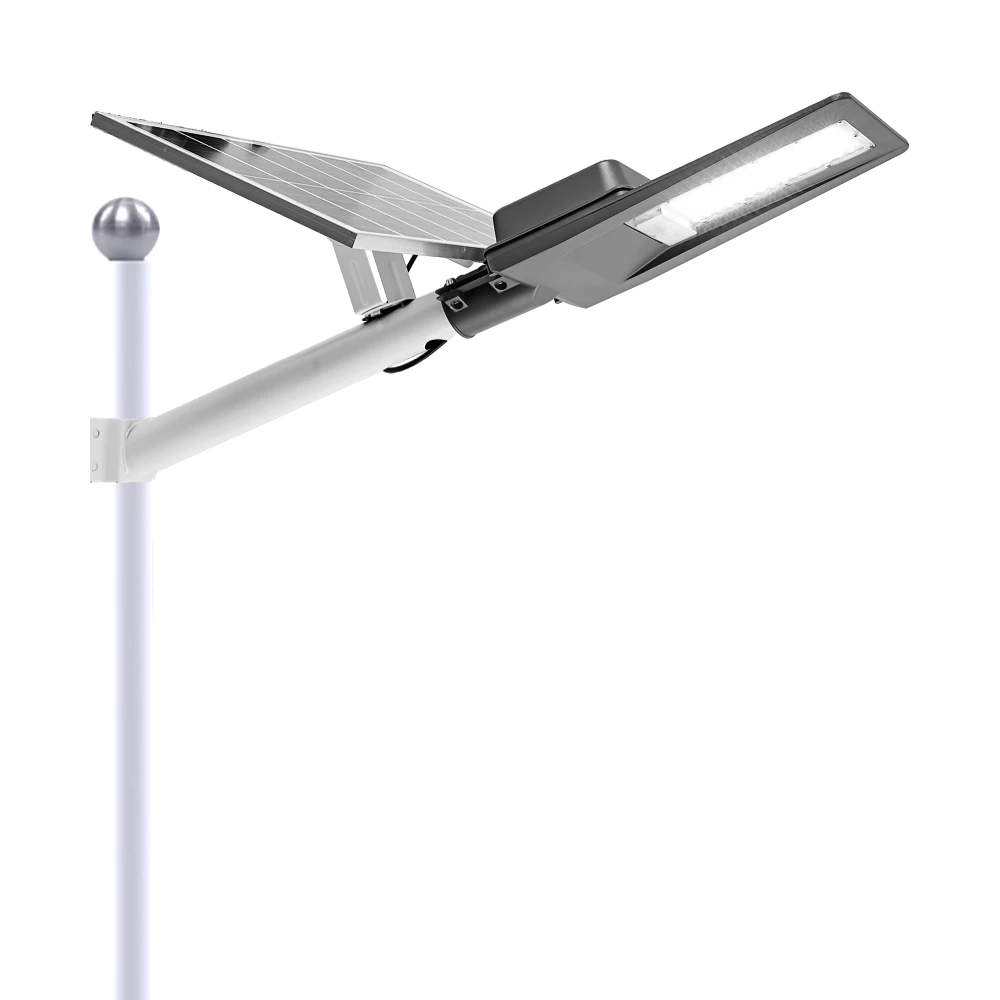
Experience reliable outdoor illumination with our smart solar street light, a perfect combination of advanced technology and eco-conscious design.
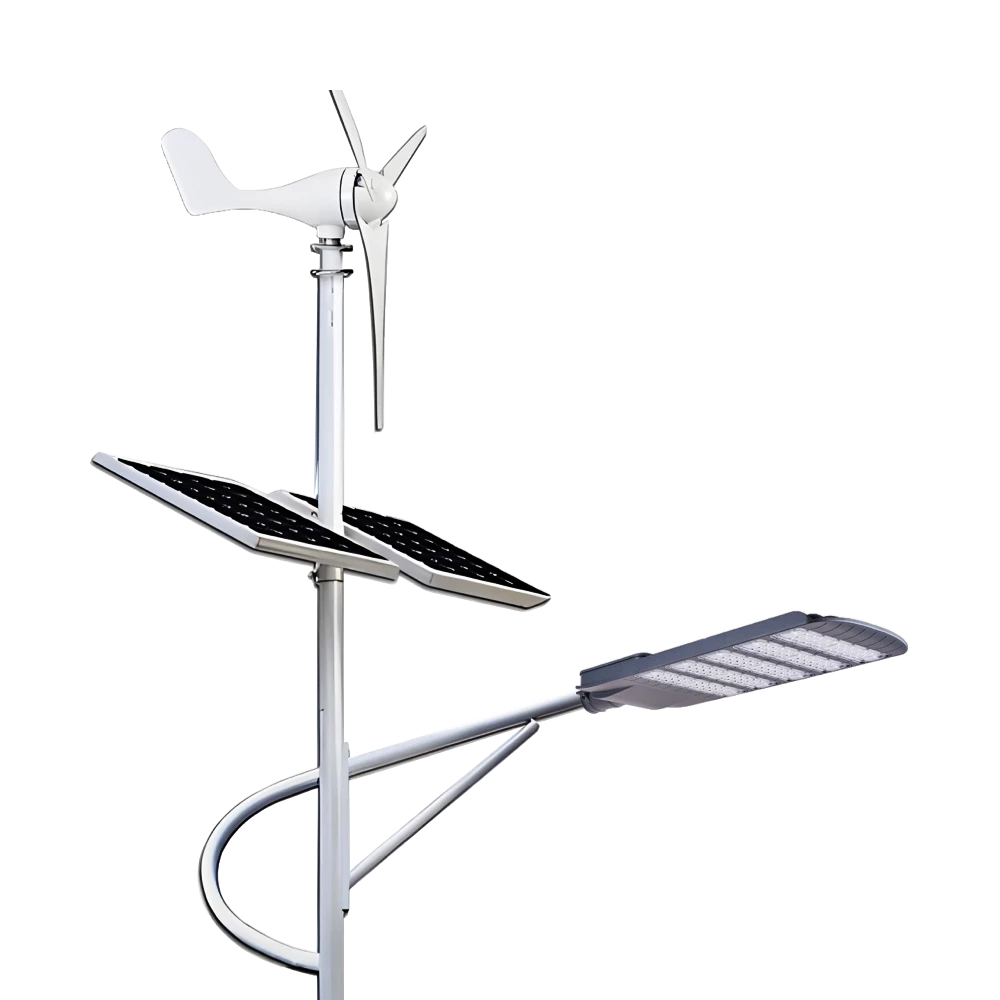
Queneng Lufeng Wind Energy LED Outdoor Solar Street Lights offer high-performance, eco-friendly illumination. These energy-efficient LED street lights harness solar power and wind energy for sustainable, cost-effective outdoor lighting solutions.
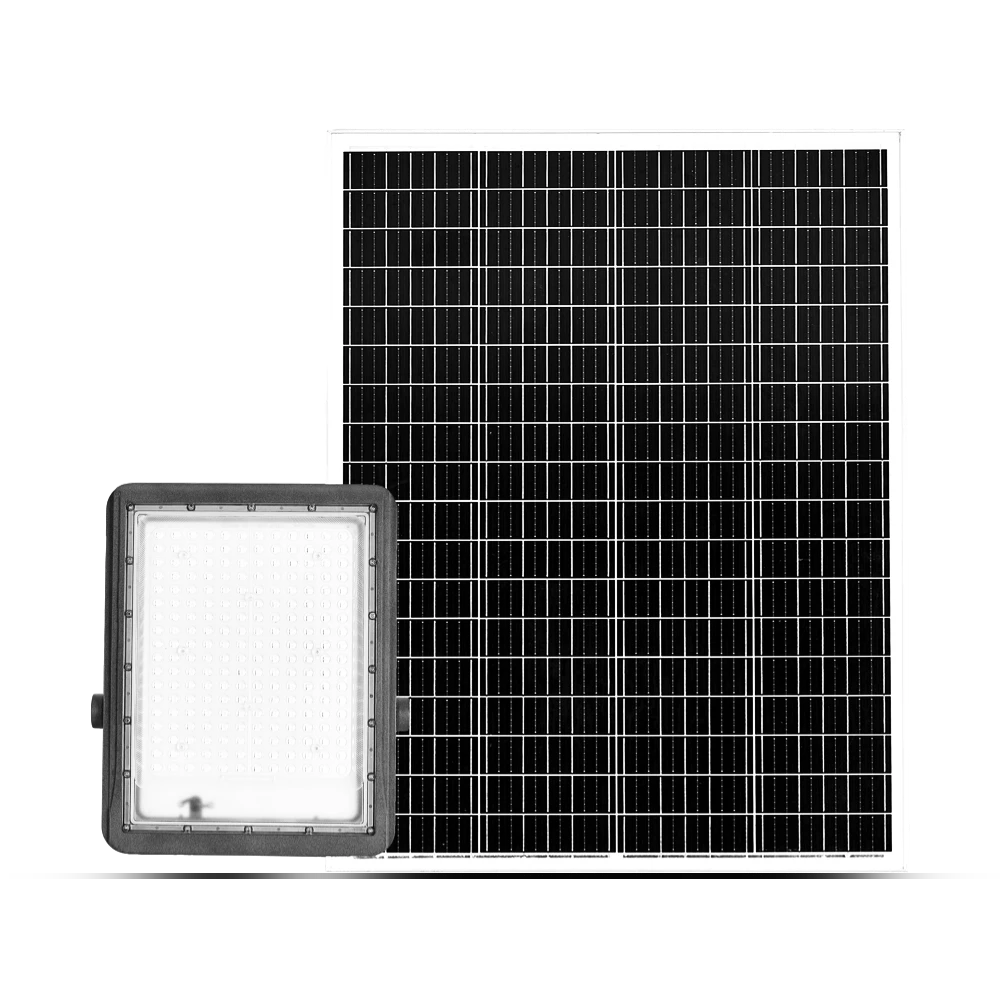
Queneng's Luxian Reliable Solar Street Light offers energy-saving LED lighting for outdoor use. This durable, solar-powered street light provides reliable illumination, reducing energy costs and environmental impact. A perfect solution for sustainable outdoor lighting.
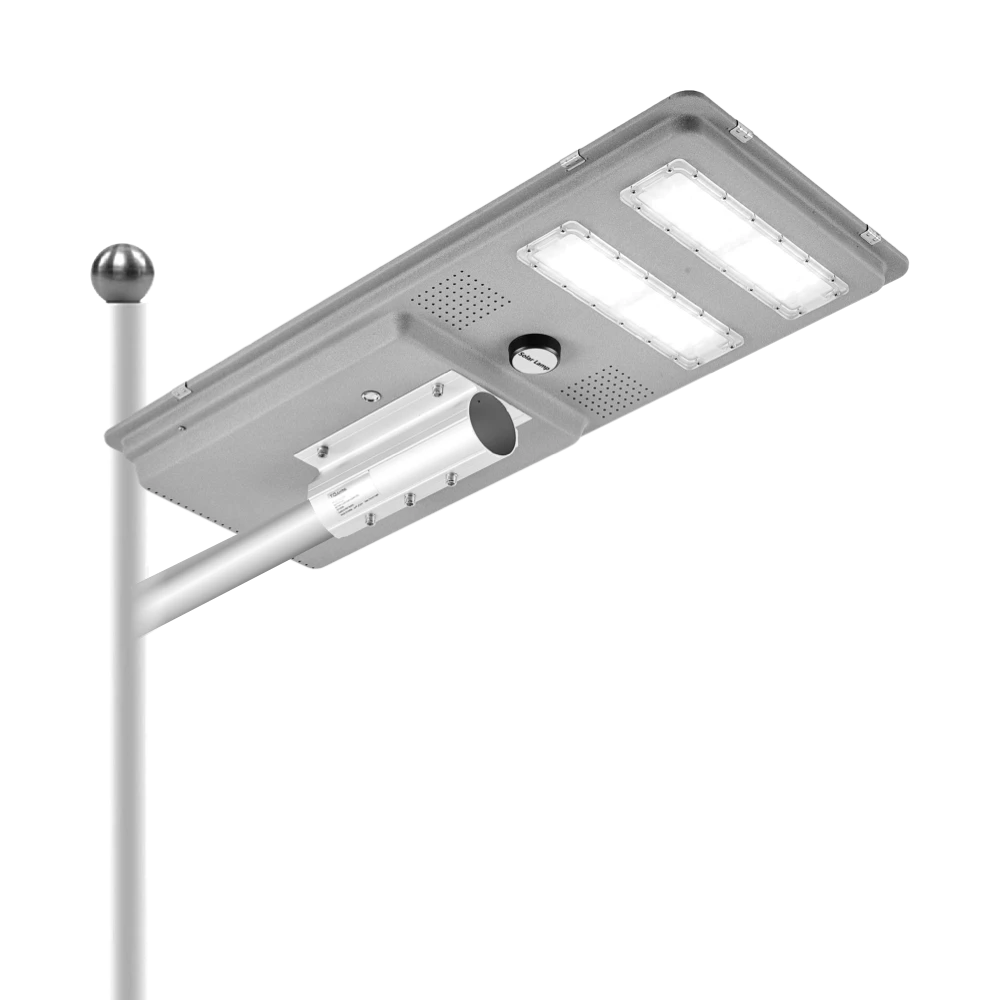
Queneng’s Solar Street Lights are designed to provide reliable, energy-efficient lighting for streets, parks, and other outdoor spaces.
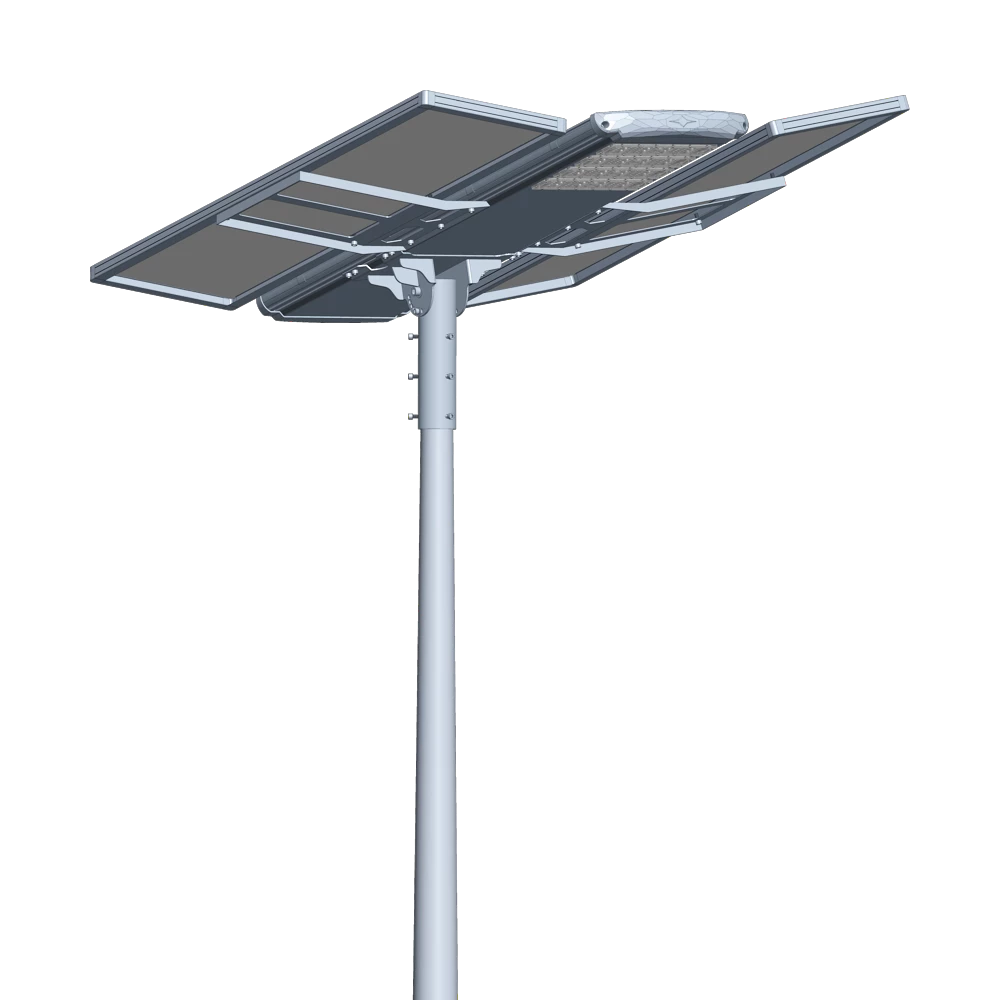
Introducing the Luqing Solar Street Light by Queneng, Efficient LED lighting powered by solar energy is perfect for illuminating outdoor areas. Harness the power of solar energy for sustainable, reliable street lighting. Ideal for eco-friendly, cost-effective outdoor illumination solutions.
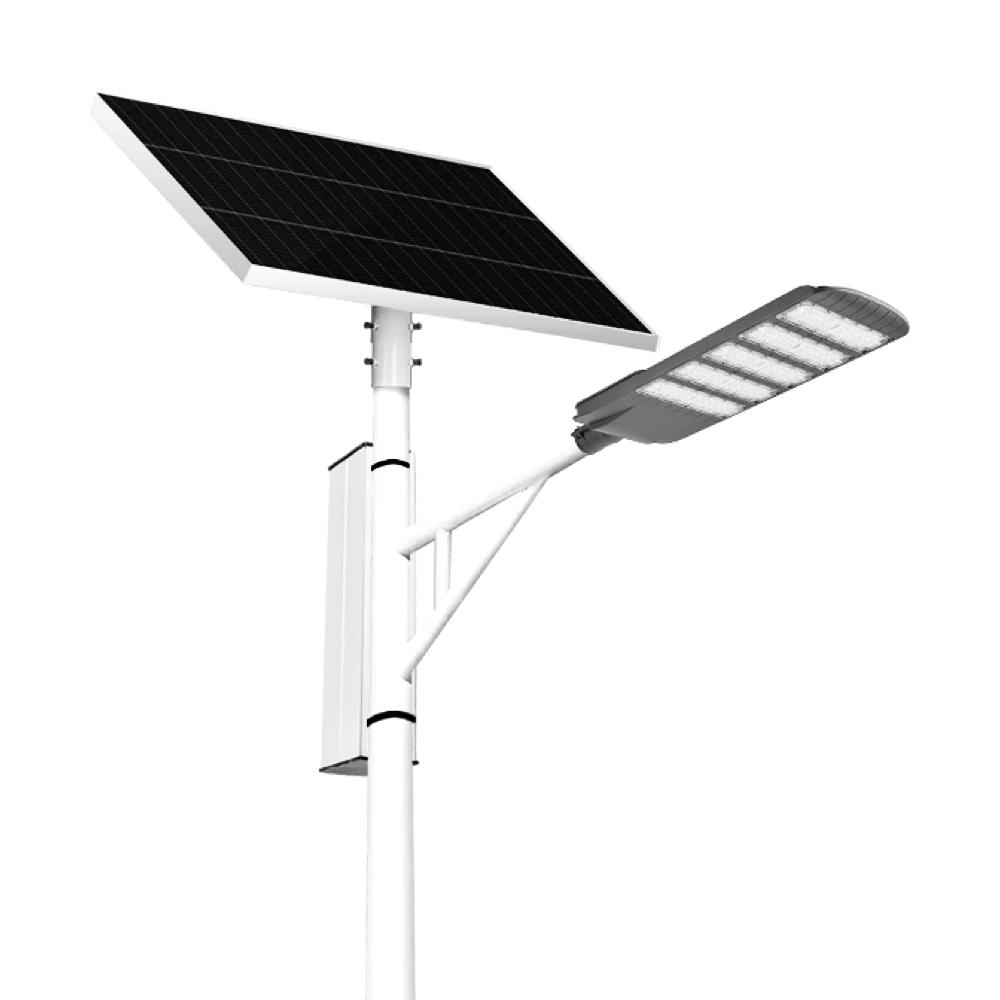
The Solar Streetlights of Luhao for Municipalities are designed to deliver reliable, energy-efficient, and cost-effective public lighting solutions. Equipped with advanced LED technology, durable lithium batteries, and high-efficiency solar panels, these streetlights provide consistent illumination for roads, parks, residential areas, and government projects.
Our professional team is ready to answer any questions and provide personalized support for your project.
You can reach us via phone or email to learn more about Queneng’s solar lighting solutions. We look forward to working with you to promote clean energy solutions!
Rest assured that your privacy is important to us, and all information provided will be handled with the utmost confidentiality.
By clicking 'Send Inquiry Now' I agree to Queneng processing my personal data.
To see how to withdraw your consent, how to control your personal data and how we process it, please see our Privacy Policy and Terms of use.
Schedule a Meeting
Book a date and time that is convenient for you and conduct the session in advance.
Have more questions about our products or services?
The messenger of light & power conversion
Environmental protection and intelligent manufacturing are our brand philosophy, and quality assurance and the best user experience are our eternal promises to users.
CONTACT
No.9F, Building F, Cao San Xin Tian Hong Logistics Park, Guzhen Town, Zhongshan City, Guangdong Province, China.
or write [email protected]
WhatsApp: +86 136 2270 1011


