
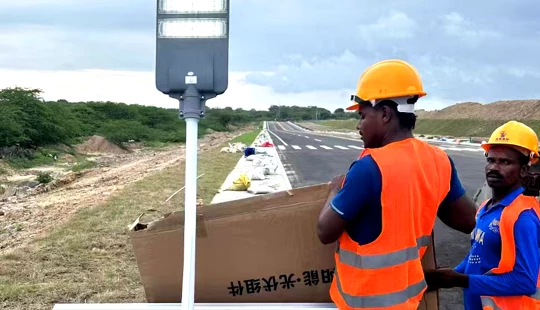
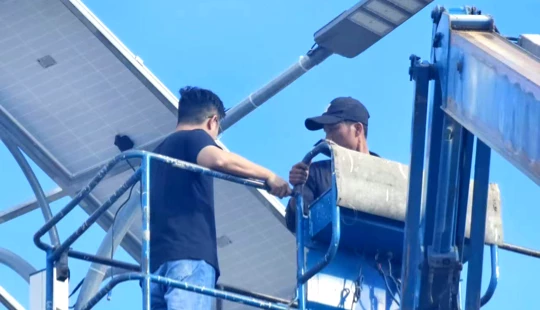













هل يمكن لأعمدة الإنارة الشمسية أن تُحسّن السلامة العامة بشكل ملحوظ؟
التنقل في عالم إنارة الشوارع بالطاقة الشمسية: دليل المشتريات الخاص بك
أدى التحول العالمي نحو البنية التحتية المستدامة إلى تسريع اعتماد مصابيح الشوارع الشمسية، مما أحدث تحولاً جذرياً في الأماكن العامة والمناطق النائية على حد سواء. بالنسبة للمختصين في مجال المشتريات، يُعد فهم تفاصيل هذه الأنظمة، ولا سيما مصابيح الشوارع الشمسية المنفصلة، أمراً بالغ الأهمية لاتخاذ قرارات مدروسة وفعّالة من حيث التكلفة وذات أثر ملموس. يتناول هذا الدليل أهم الأسئلة المتعلقة بشراء مصابيح الشوارع الشمسية، مستنداً إلى خبرات الخبراء وبيانات واقعية لدعم عملية الشراء.
ما هي التكلفة الحقيقية لأعمدة إنارة الشوارع التي تعمل بالطاقة الشمسية، وكيف تتعطل؟
تتعدد جوانب تكلفة مصابيح الشوارع الشمسية، فهي لا تقتصر على سعر الشراء الأولي فحسب. عند الشراء، من الضروري مراعاة التكلفة الإجمالية للملكية، والتي تشمل الاستثمار الأولي والتركيب والوفورات التشغيلية طويلة الأجل.
- سعر الشراء الأولي:يُعد هذا المكون الأكثر تباينًا، حيث يختلف سعره بشكل كبير بناءً على القدرة الكهربائية، وسعة البطارية، وكفاءة الألواح الشمسية، وجودة مصابيح LED، والميزات الذكية (مثل أجهزة استشعار الحركة، واتصال إنترنت الأشياء)، والعلامة التجارية. بالنسبة لأنظمة إنارة الشوارع الشمسية المنفصلة عالية الأداء، تتراوح الأسعار عادةً بينمن 700 إلى 2500 دولار أمريكي للوحدة(باستثناء العمود)، اعتمادًا على ناتج الضوء المطلوب (على سبيل المثال، من 30 وات إلى 120 وات LED)، واستقلالية البطارية، وجودة البناء الإجمالية.
- تكاليف التركيب:على الرغم من أن مصابيح الشوارع التي تعمل بالطاقة الشمسية تُغني عن حفر الخنادق لتمديد الأسلاك الكهربائية، إلا أن تركيبها لا يزال يتطلب تثبيت العمود ووحدة الإضاءة واللوحة الشمسية. وتختلف هذه التكاليف منمن 150 إلى 500 دولار أمريكي لكل عمودتتأثر تكلفة أنظمة التكييف المنفصلة بظروف الموقع، وأجور العمال، ومدى تعقيد النظام المختار. ونظرًا لتركيب مكوناتها بشكل منفصل، قد تتطلب هذه الأنظمة جهدًا أكبر قليلًا من الوحدات المدمجة المتكاملة، ولكن غالبًا ما يتم تعويض ذلك بمزايا الأداء.
- المدخرات طويلة الأجل:تتمثل الميزة المالية الأهم في التخلص من فواتير الكهرباء. وعلى مدار عمر النظام (عادةً من 5 إلى 10 سنوات للبطاريات، ومن 20 إلى 25 سنة للألواح الشمسية)، تكون هذه الوفورات كبيرة. وتحقق العديد من المشاريع عائدًا على الاستثمار في غضون3-5 سنواتوبعد ذلك، تُحقق الأضواء وفورات صافية.
- تكاليف الصيانة:تكلفة صيانتها منخفضة عمومًا، وتتألف أساسًا من التنظيف الدوري للألواح الشمسية واستبدال البطارية عند الحاجة. تدوم بطاريات LiFePO4 عالية الجودة عادةً لفترة أطول.5-10 سنواتقبل الحاجة إلى الاستبدال، والذي قد يكلف 20-40% من سعر الوحدة الأصلي.
العوامل المؤثرة على التكلفة:تساهم مصابيح LED ذات القدرة الكهربائية الأعلى، وسعات البطاريات الأكبر (لزيادة الاستقلالية)، والألواح الشمسية أحادية البلورة الأكثر كفاءة، ووحدات التحكم المتقدمة في الشحن بتقنية MPPT، والمواد المتينة (مثل سبائك الألومنيوم ذات تصنيفات IP عالية) في زيادة الاستثمار الأولي ولكنها تعد بأداء فائق وعمر أطول.
ما الفرق بين مصابيح الشوارع الشمسية المتكاملة والمنفصلة، وأيهما الأنسب لمشروعي؟
يُعد فهم الفرق بين هذين النوعين الأساسيين أمرًا بالغ الأهمية في عمليات الشراء، لا سيما عند الموازنة بين سهولة التركيب والأداء والقدرة على التكيف.
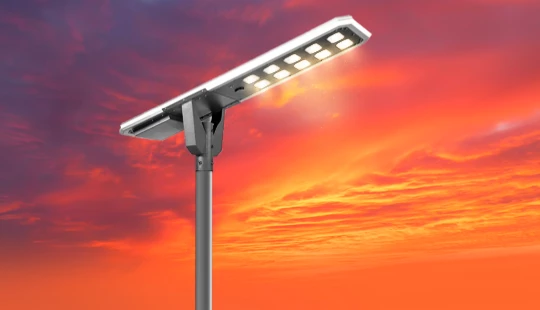
- أضواء الشوارع الشمسية الكل في واحد:تدمج هذه الوحدات الألواح الشمسية والبطارية ومصباح LED ووحدة التحكم في وحدة واحدة صغيرة الحجم. تتميز بسهولة وسرعة تركيبها، حيث لا تتطلب في الغالب سوى تثبيتها على عمود. وهي مثالية للمشاريع ذات متطلبات الإضاءة المتوسطة، حيث تُعدّ الجمالية وسهولة التركيب من أهم الأولويات، وحيث يكون التعرض لأشعة الشمس مثاليًا باستمرار.
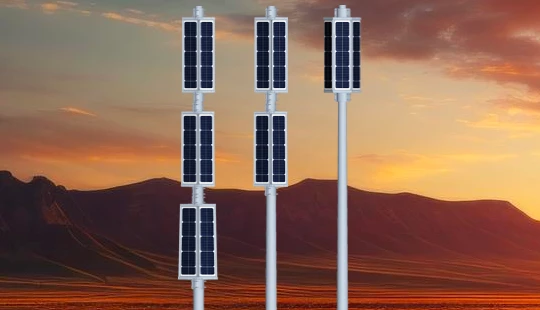
- أضواء الشوارع الشمسية المنقسمة:في النظام المنفصل، تُعتبر اللوحة الشمسية والبطارية ومصباح LED مكونات منفصلة متصلة بكابلات. عادةً ما تُثبّت اللوحة الشمسية في مكان مرتفع أو بزاوية مثالية على العمود لزيادة تعرضها لأشعة الشمس، بينما يُوضع صندوق البطارية ومصباح LED في مكان آخر.
لماذا تُفضّل أنظمة التكييف المنفصلة في كثير من الأحيان للمشتريات الاحترافية؟
- الشحن الأمثل بالطاقة الشمسية:يمكن توجيه اللوحة المنفصلة بدقة نحو الشمس، مما يزيد من كفاءة توليد الطاقة بغض النظر عن اتجاه العمود أو وجود عوائق محلية. وهذا أمر بالغ الأهمية في المناطق ذات الإضاءة الشمسية المتفاوتة أو للمشاريع التي تتطلب استقلالية عالية.
- سعة أكبر وقوة أعلى:يمكن للأنظمة المنفصلة استيعاب ألواح شمسية أكبر وبطاريات تخزين أكبر، مما يسمح باستخدام مصابيح LED ذات قدرة كهربائية أعلى (مثل 60 وات - 120 وات وما فوق) وفترات تشغيل ممتدة، حتى في الظروف الجوية الصعبة أو خلال ليالي الشتاء الطويلة.
- تبديد حرارة مُحسّن:يؤدي فصل البطارية عن مصباح LED ووحدة التحكم إلى منع تراكم الحرارة، مما قد يطيل عمر البطارية والإلكترونيات.
- المتانة والمرونة:يمكن اختيار المكونات بشكل مستقل لتلبية الاحتياجات المحددة. يمكن وضع البطارية تحت الأرض أو في مستوى منخفض على العمود لتسهيل الصيانة أو كإجراء وقائي ضد السرقة. وهي عمومًا أكثر متانة وملاءمة للتطبيقات الصناعية والبلدية والتطبيقات التي تتطلب أداءً عاليًا.
- تقليل حمل الرياح:قد تؤدي المكونات الفردية الأصغر حجماً في بعض الأحيان إلى تقليل مقاومة الرياح مقارنة بوحدة كبيرة ومتكاملة.
بالنسبة لمعظم سيناريوهات الشراء الاحترافية التي تشمل البنية التحتية العامة أو المجمعات التجارية أو المواقع الصناعية النائية،توفر مصابيح الشوارع الشمسية المنفصلة أداءً فائقًا وإمكانية تخصيصها وموثوقية طويلة الأمد، مما يبرر تكلفتها الأولية الأعلى عادةً.
هل يمكن لأعمدة الإنارة الشمسية أن تحسن السلامة العامة فعلاً؟ ولماذا يعتبر هذا الأمر اعتباراً أساسياً لمخططي المدن؟
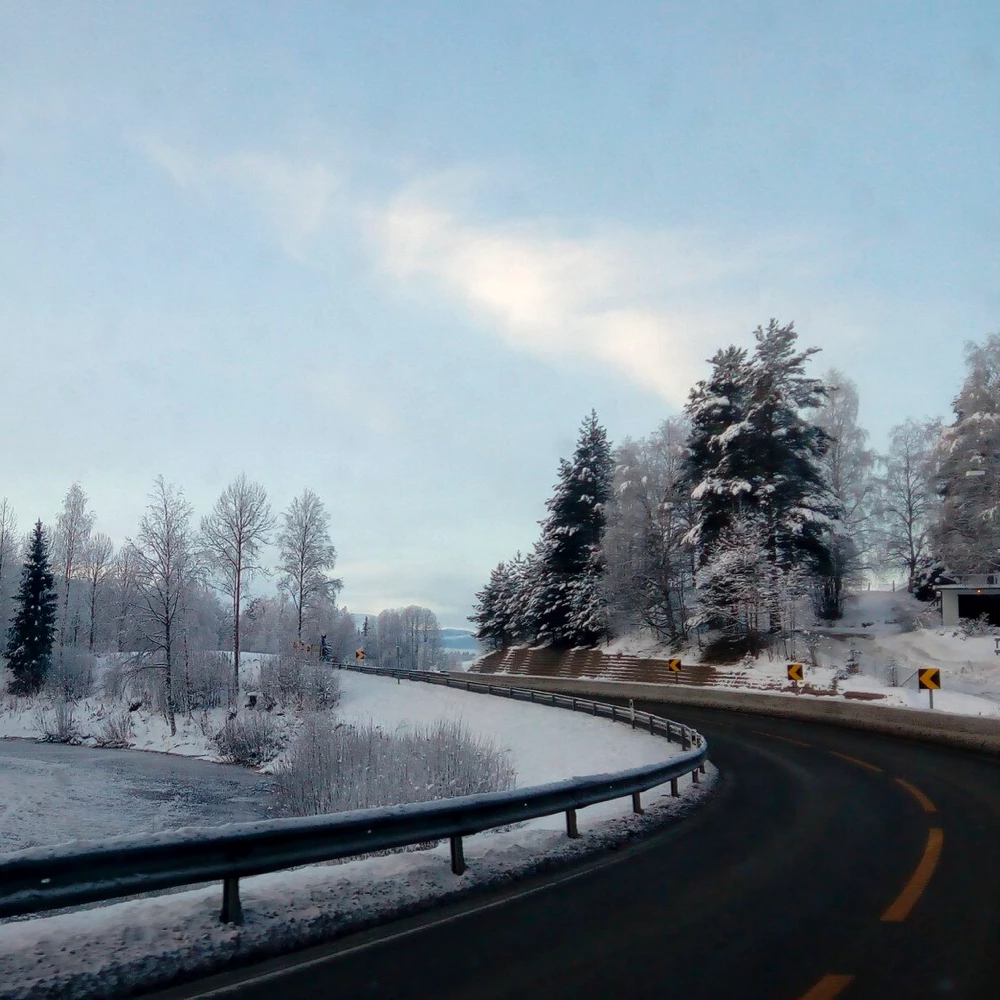
نعم، يمكن لأعمدة الإنارة الشمسية أن تُحسّن السلامة العامة بشكل ملحوظ، مما يجعلها خيارًا أساسيًا لمخططي المدن ومطوري المجتمعات. إن العلاقة بين الإضاءة الكافية والسلامة موثقة جيدًا.
- الحد من الجريمة:أظهرت العديد من الدراسات وجود علاقة مباشرة بين تحسين إضاءة الشوارع وانخفاض معدلات الجريمة. فعلى سبيل المثال، ثبت أن التدخلات التي تتضمن تحسين إضاءة الشوارع تقلل من الجريمة بشكل عام من خلال10-20%وفي بعض المناطق، كانت الانخفاضات في جرائم محددة مثل سرقة السيارات والاعتداءات العنيفة أعلى من ذلك (على سبيل المثال،20-30%(لوحظ انخفاض في بعض البرامج الحضرية). المناطق المضاءة جيداً تردع النشاط الإجرامي من خلال زيادة الرؤية وتقليل خطر الكشف.
- تحسين الرؤية للمشاة والسائقين:يُحسّن الإضاءة المناسبة الرؤية، مما يقلل من خطر الحوادث لكل من المشاة وسائقي السيارات. وهذا أمر بالغ الأهمية بشكل خاص في ممرات المشاة والتقاطعات والممرات العامة.
- زيادة الشعور بالأمان:تُضفي الشوارع المضاءة جيداً شعوراً بالأمان، مما يشجع على الأنشطة الليلية ويعزز حيوية المجتمع. هذا الأثر النفسي لا يقل أهمية عن الانخفاض الملموس في معدلات الجريمة.
- فرص أفضل للمراقبة:تساهم الإضاءة المحسّنة في تسهيل التقاط كاميرات المراقبة لقطات واضحة، مما يساعد في التحقيق في الجرائم ومنعها.
بالنسبة لمخططي المدن، فإن الاستثمار في إضاءة الشوارع بالطاقة الشمسية الموثوقة لا يقتصر على الإضاءة فحسب؛ بل يتعلق الأمر بإنشاء مجتمعات أكثر أمانًا وصالحة للعيش وأكثر حيوية اقتصاديًا، وغالبًا ما يتم الاستفادة من الحلول المستدامة التي تقلل من تكاليف التشغيل طويلة الأجل للبلديات.
ما هي العوامل الرئيسية التي يجب مراعاتها عند اختيار شركة مصنعة لأعمدة إنارة الشوارع التي تعمل بالطاقة الشمسية؟
يُعدّ اختيار الشركة المصنّعة المناسبة أمرًا بالغ الأهمية لنجاح مشروع إنارة الشوارع بالطاقة الشمسية واستدامته. ينبغي على المسؤولين عن المشتريات تقييم الموردين المحتملين بناءً على ما يلي:
- جودة المكونات:أصر على استخدام مكونات عالية الجودة: ألواح شمسية أحادية البلورة فعالة (على سبيل المثال، كفاءة >20٪)، وبطاريات LiFePO4 طويلة العمر (على سبيل المثال، 2000+ دورة)، ورقائق LED عالية الإخراج الضوئي (على سبيل المثال، Bridgelux، Cree، Philips)، ووحدات تحكم شحن MPPT ذكية مع ميزات حماية شاملة.
- الشهادات والمعايير:تحقق من الامتثال للمعايير الدولية مثل CE وRoHS وFCC، وتصنيفات الحماية من دخول الماء والغبار (مثل IP65 أو IP66 لمقاومة الظروف الخارجية). تشير شهادة ISO 9001 إلى وجود أنظمة إدارة جودة قوية.
- الضمان ودعم ما بعد البيع:يُعدّ الضمان القوي (مثلاً، من 3 إلى 5 سنوات للنظام بأكمله، وأكثر من 10 سنوات للألواح الشمسية) وخدمة العملاء المتاحة مؤشرات على ثقة الشركة المصنّعة والتزامها. استفسر عن توافر قطع الغيار والدعم الفني.
- الخبرة والسجل الحافل:اختر الشركات المصنعة ذات السجل الحافل في مجال إنارة الشوارع بالطاقة الشمسية، وخاصة في مشاريع مماثلة لمشروعك. اطلب دراسات حالة، ومراجع للمشاريع، وشهادات العملاء.
- قدرات التخصيص والبحث والتطوير:إن الشركة المصنعة التي يمكنها تقديم حلول مصممة خصيصًا (مثل ارتفاعات الأعمدة المحددة، وتصميمات وحدات الإضاءة، واستقلالية البطارية) وتُظهر بحثًا وتطويرًا مستمرًا تشير إلى الابتكار والقدرة على التكيف مع احتياجات المشاريع المتنوعة.
- الاختبار ومراقبة الجودة:فهم إجراءات الاختبار الداخلية الخاصة بهم للمكونات والمنتجات النهائية (مثل اختبارات التقادم، واختبارات مقاومة الماء، والاختبارات الضوئية).
- الخدمات اللوجستية وسلسلة التوريد:قم بتقييم قدرتهم على التسليم في الوقت المحدد وإدارة الشحن الدولي بفعالية.
ما هي أحدث التطورات التكنولوجية في مجال إنارة الشوارع بالطاقة الشمسية؟
تتميز صناعة إنارة الشوارع بالطاقة الشمسية بالديناميكية، حيث يعمل الابتكار المستمر على تحسين الكفاءة والموثوقية والوظائف:
- التحكمات الذكية وتكامل إنترنت الأشياء:يُعدّ دمج تقنية إنترنت الأشياء (IoT) للمراقبة والتحكم عن بُعد أهمّ التطورات. ويتيح ذلك إمكانية التحكم في الإضاءة (خفض شدة الإضاءة بناءً على حركة المرور أو الوقت)، واكتشاف الأعطال، وتحليل استهلاك الطاقة، والصيانة الدورية، وكل ذلك يُدار من منصة مركزية.
- كيمياء البطاريات المتقدمة:أصبحت بطاريات فوسفات الحديد الليثيوم (LiFePO4) الآن معيارًا نظرًا لعمرها التشغيلي الفائق (2000-4000+ دورة)، والسلامة، ونطاق درجة حرارة التشغيل الأوسع، والملاءمة البيئية مقارنة ببطاريات الرصاص الحمضية القديمة.
- الألواح الشمسية ذات الكفاءة العالية:تحقق الألواح الشمسية المصنوعة من السيليكون أحادي البلورة كفاءات تبلغ20-22% أو أكثروهذا يعني أن الألواح الأصغر حجماً يمكنها توليد طاقة أكبر، وهو أمر بالغ الأهمية للتصاميم المدمجة أو ظروف الإشعاع الشمسي الصعبة.
- تقنية LED المحسّنة:تستمر مصابيح LED في التطور، مما يوفر كفاءة إضاءة أعلى (لومن لكل واط)، وتجسيد ألوان أفضل (CRI)، وعمرًا أطول (50,000-100,000 ساعة)، مع استهلاك طاقة أقل.
- وحدات التحكم في الشحن MPPT:أصبحت وحدات التحكم بتقنية تتبع نقطة الطاقة القصوى (MPPT) معيارًا قياسيًا، مما يزيد بشكل كبير من كفاءة الشحن (عادةً ما تكون أكثر كفاءة بنسبة 15-30%(مقارنة بوحدات التحكم PWM)، خاصة خلال ظروف ضوء الشمس المتقلبة.
- مواد متينة ومستدامة:يلجأ المصنعون بشكل متزايد إلى استخدام سبائك الألومنيوم المقاومة للتآكل والزجاج المقسى والبلاستيك المقاوم للأشعة فوق البنفسجية لضمان المتانة وإطالة عمر التركيبات في البيئات الخارجية القاسية.
ما هو العمر الافتراضي المتوقع ومتطلبات الصيانة لأعمدة إنارة الشوارع التي تعمل بالطاقة الشمسية؟
تم تصميم مصابيح الشوارع الشمسية الحديثة لتعمل لفترات طويلة مع الحد الأدنى من الصيانة، مما يساهم في انخفاض تكلفتها الإجمالية.
- عمر المكونات:
- الألواح الشمسية:تتمتع الألواح أحادية البلورة عالية الجودة بعمر افتراضي يبلغ20-25 سنة، مع الحد الأدنى من التدهور بمرور الوقت.
- مصابيح LED:يمكن أن تدوم رقائق LED لفترة طويلةمن 50,000 إلى 100,000 ساعةوهذا يعني 10-20 سنة من التشغيل الليلي المعتاد.
- البطاريات:تُعد بطاريات LiFePO4 من البطاريات الأساسية، فهي تدوم طويلاً.5-10 سنوات (2000-4000+ دورة)قبل الحاجة إلى استبدالها. يتأثر عمرها الافتراضي بدورات الشحن/التفريغ ودرجة الحرارة.
- أجهزة التحكم بالشحن والأسلاك:عادة ما يكون لهذه الأنظمة عمر افتراضي مماثل للنظام ككل، وغالبًا ما يتجاوز 10 سنوات، بافتراض التركيب والحماية المناسبين.
- غلاف القطب والتثبيتات:بفضل المعالجات المناسبة المضادة للتآكل (مثل الجلفنة بالغمس الساخن، والطلاء بالمسحوق)، يمكن أن يدوم العمود وهيكل التركيب لفترة أطول.20-25 سنة أو أكثر.
- متطلبات الصيانة:
- تنظيف اللوحة:تتمثل مهمة الصيانة الأساسية في التنظيف الدوري لسطح الألواح الشمسية (عادةً مرة أو مرتين في السنة، أو أكثر في البيئات المتربة/الملوثة) لضمان حصاد الطاقة الأمثل.
- فحص/استبدال البطارية:عادة ما تكون البطاريات محكمة الإغلاق ولا تتطلب فحوصات منتظمة، ولكنها ستحتاج إلى استبدال في نهاية عمرها الافتراضي.
- التفتيش البصري:إجراء فحص دوري للوصلات والأسلاك والسلامة الهيكلية للعمود والتركيبات.
- المراقبة عن بعد:بالنسبة للأنظمة التي تتمتع بقدرات إنترنت الأشياء، غالباً ما تتضمن الصيانة مراقبة الأداء عن بعد ومعالجة التنبيهات، مما يقلل الحاجة إلى عمليات التفتيش المادية.
إن متطلبات الصيانة المنخفضة تقلل بشكل كبير من تكاليف التشغيل على مدى عمر المنتج، مما يجعل مصابيح الشوارع الشمسية استثمارًا جذابًا طويل الأجل للكيانات العامة والخاصة.
كوينينج للإضاءة - شريكك في الإضاءة المستدامة
في شركة كوينينغ للإضاءة، نُدرك تمامًا متطلبات التوريد الاحترافية الدقيقة لمشاريع إنارة الشوارع بالطاقة الشمسية. نتخصص في حلول الإضاءة الشمسية عالية الأداء، بما في ذلك أنظمة إنارة الشوارع الشمسية المتقدمة ذات الأنظمة المنفصلة، ونلتزم بتقديم منتجات تصمد أمام اختبار الزمن وتحافظ على أدائها المتميز. تشمل مزايانا ما يلي:
- جودة لا تقبل المساومة:نحن نستخدم فقط مكونات من الدرجة الأولى - ألواح شمسية أحادية البلورة عالية الكفاءة، وبطاريات LiFePO4 طويلة العمر، ورقائق LED عالية الجودة - مما يضمن المتانة والأداء الأمثل.
- خبرة في أنظمة التكييف المنفصلة:إن فهمنا العميق لتصميم مصابيح الشوارع الشمسية المنفصلة يسمح بمرونة أكبر، وإنتاج طاقة أعلى، وموثوقية فائقة، مما يجعلها مثالية للتطبيقات الصعبة والظروف البيئية المتنوعة.
- الابتكار والتكنولوجيا الذكية:تدمج شركة كوينينج للإضاءة أحدث التقنيات في مجال التحكم الذكي وإمكانيات إنترنت الأشياء، مما يوفر مراقبة عن بعد وإضاءة تكيفية وإدارة متقدمة لتحقيق أقصى قدر من الكفاءة وأقل قدر من الإشراف.
- التخصيص والدعم:نقدم حلولاً مصممة خصيصاً لتلبية متطلبات المشاريع المحددة، مدعومة بدعم فني شامل وضمان قوي، مما يضمن راحة البال لعملائنا.
- الامتثال لمعايير EEAT:بصفتنا شركة تصنيع موثوقة، فإن خبرتنا وتجربتنا وسلطتنا وجدارتنا بالثقة تتجلى في كل منتج ومشروع، بما يتماشى مع أعلى معايير الصناعة.
اختر شركة كوينينج للإضاءة لمشروع إنارة الشوارع بالطاقة الشمسية القادم، وأضئ مستقبلك بشكل مستدام وموثوق.
مراجع:
- بيانات التكلفة والسوق:جراند فيو للأبحاث. (2023).تقرير تحليل حجم سوق إضاءة الشوارع بالطاقة الشمسية وحصته واتجاهاته حسب النوع (مستقل، متصل بالشبكة)، وحسب التطبيق (تجاري، سكني، صناعي)، وحسب المنطقة، وتوقعات القطاعات، 2023 - 2030. https://www.grandviewresearch.com/industry-analysis/solar-street-lighting-market(تاريخ الوصول: 26 أكتوبر 2023)
- السلامة العامة والحد من الجريمة:ويلش، بي سي، وفارينغتون، دي بي (2009). إضاءة المناطق العامة ومنع الجريمة: مراجعة منهجية.مجلة علم الجريمة التجريبي، 5(2)، 173-193. تم استرجاع الملخص منhttps://link.springer.com/article/10.1007/s11292-009-9071-8(تاريخ الوصول: 26 أكتوبر 2023). تُستشهد على نطاق واسع بالنتائج العامة المتعلقة بالحد من الجريمة من خلال تحسين الإضاءة في مختلف الدراسات الجنائية.
- عمر البطارية والشاشة:معايير الصناعة ومواصفات الشركات المصنعة لبطاريات LiFePO4 والألواح الشمسية أحادية البلورة. (توفر هذه النطاقات معلومات عامة عن الصناعة، وشركات مصنعة محددة مثل Victron Energy للبطاريات، وشركات مصنعة موثوقة للألواح).
- عمر الصمام:تستخدم معايير IESNA LM-80 و LM-79 و TM-21 من قبل مصنعي مصابيح LED (مثل Cree و Philips Lumileds) لتقييم عمر المنتج.

هل لديك المزيد من الأسئلة حول منتجاتنا أو خدماتنا؟
أحدث الأخبار الساخنة التي قد تهمك

اكتشف مصابيح الشوارع الشمسية المتكاملة بتقنية LED من كوينينغ لايتينغ - لوحة شمسية، وبطارية، ووحدة تحكم، ومصابيح LED مدمجة في وحدة واحدة متينة. وفّر الطاقة، وقلّل الصيانة، وأضف الأمان لشوارعك مع أجهزة استشعار ذكية، وإضاءة مستقلة لعدة ليالٍ، وشهادات دولية. تواصل مع قسم المبيعات للحصول على عروض أسعار ودعم.

أطلق العنان لإضاءة خارجية فائقة مع مصابيح الشوارع الشمسية عالية الكفاءة من كوينينج لودا. يوفر هذا الحل المتين والصديق للبيئة إدارة متطورة للطاقة، وسهولة في التركيب، ويضمن السلامة. مدعومًا بخبرة كوينينج لايتنج الممتدة لعقد من الزمن والتزامها بالجودة، يُعد هذا الخيار الأمثل لمشاريع الإضاءة المستدامة. اكتشف لماذا نحن شركة رائدة في مجال حلول الطاقة الشمسية.

يجمع مصباح الشارع الشمسي المتكامل "لوهي" بين مصابيح LED عالية الكفاءة، ونظام طاقة شمسية وبطارية مدمجين، وحماية IP65، ومستشعر حركة، ليُوفر إضاءة خارجية موثوقة ولاسلكية للشوارع والحدائق ومواقف السيارات. مدعوم بشهادات ودعم شركة "كوينينغ لايتينغ".

التعليمات
أنواع البطاريات وتطبيقاتها
ما هي بطارية ليثيوم أيون البلاستيكية؟
مصباح شارع يعمل بالطاقة الشمسية لويان
كيف تعمل مصابيح الشوارع الشمسية من لويان على تقليل التأثير البيئي؟
تُعد مصابيح الشوارع التي تعمل بالطاقة الشمسية من لويان حلاً صديقًا للبيئة للإضاءة لأنها تستخدم الطاقة الشمسية، وهي مصدر طاقة متجدد، لتوليد الكهرباء. ومن خلال الاعتماد على الطاقة الشمسية، فإنها تلغي الحاجة إلى كهرباء الشبكة، مما يساعد على تقليل الانبعاثات الكربونية وتقليل البصمة الكربونية الإجمالية. بالإضافة إلى ذلك، تستهلك مصابيح LED الموفرة للطاقة طاقة أقل، مما يضمن أن النظام يستخدم الحد الأدنى من الطاقة مع توفير إضاءة ساطعة وموثوقة.
مصباح شارع يعمل بالطاقة الشمسية من لوفي
هل يمكن ربط مصابيح الشوارع الشمسية بالشبكة الكهربائية؟
تم تصميم معظم مصابيح الشوارع التي تعمل بالطاقة الشمسية للعمل بشكل مستقل عن الشبكة الكهربائية، ولكن بعض النماذج تقدم أنظمة هجينة تسمح بالاتصال بالشبكة كنسخة احتياطية أثناء فترات طويلة من انخفاض ضوء الشمس.
مصابيح الشوارع الشمسية الكل في واحد
ما هو العمر الافتراضي للبطارية؟
عادةً ما تتراوح مدة صلاحيتها بين 5 و 8 سنوات حسب نوع البطارية والاستخدام.
مصباح شارع يعمل بالطاقة الشمسية لوفينج
هل يمكن أن تعمل مصابيح الشوارع الشمسية Lufeng خلال فصل الشتاء؟
نعم، تم تصميم مصابيح الشوارع الشمسية من Lufeng للعمل على مدار العام، بما في ذلك خلال فصل الشتاء. وهي مجهزة بألواح شمسية عالية الكفاءة تستمر في جمع الطاقة الشمسية حتى في الظروف الباردة أو الملبدة بالغيوم. كما تم تصميم المصابيح لتحمل درجات الحرارة المتجمدة وتوفير إضاءة موثوقة في جميع المواسم.
البنية التحتية البلدية والعامة
هل يمكن دمج إنارة الشوارع بالطاقة الشمسية مع حلول المدن الذكية؟
نعم، يمكن دمج مصابيح الشوارع الشمسية لدينا مع أنظمة إنترنت الأشياء للمراقبة الذكية والتحكم عن بعد وتحليل البيانات، مما يجعلها مثالية للمدن الذكية الحديثة.
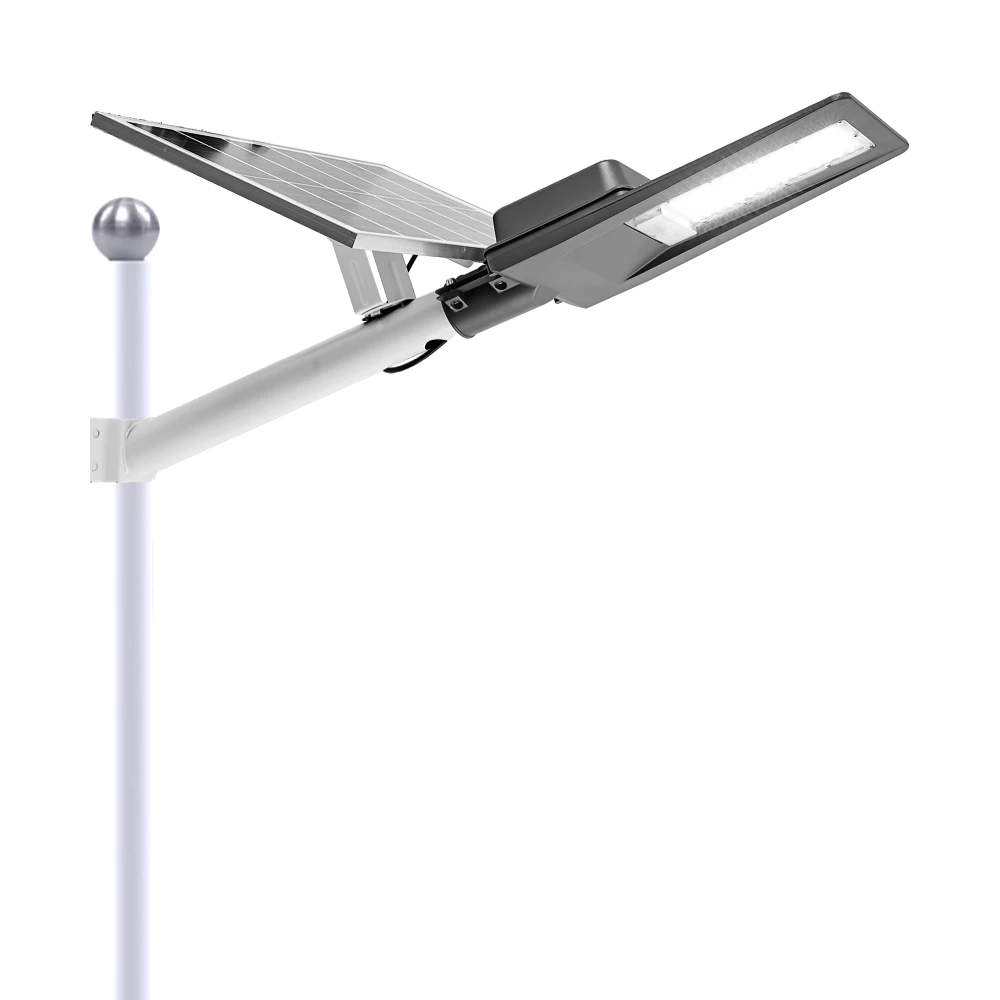
استمتع بإضاءة خارجية موثوقة باستخدام مصباح الشارع الشمسي الذكي الخاص بنا، وهو مزيج مثالي بين التكنولوجيا المتقدمة والتصميم الصديق للبيئة.
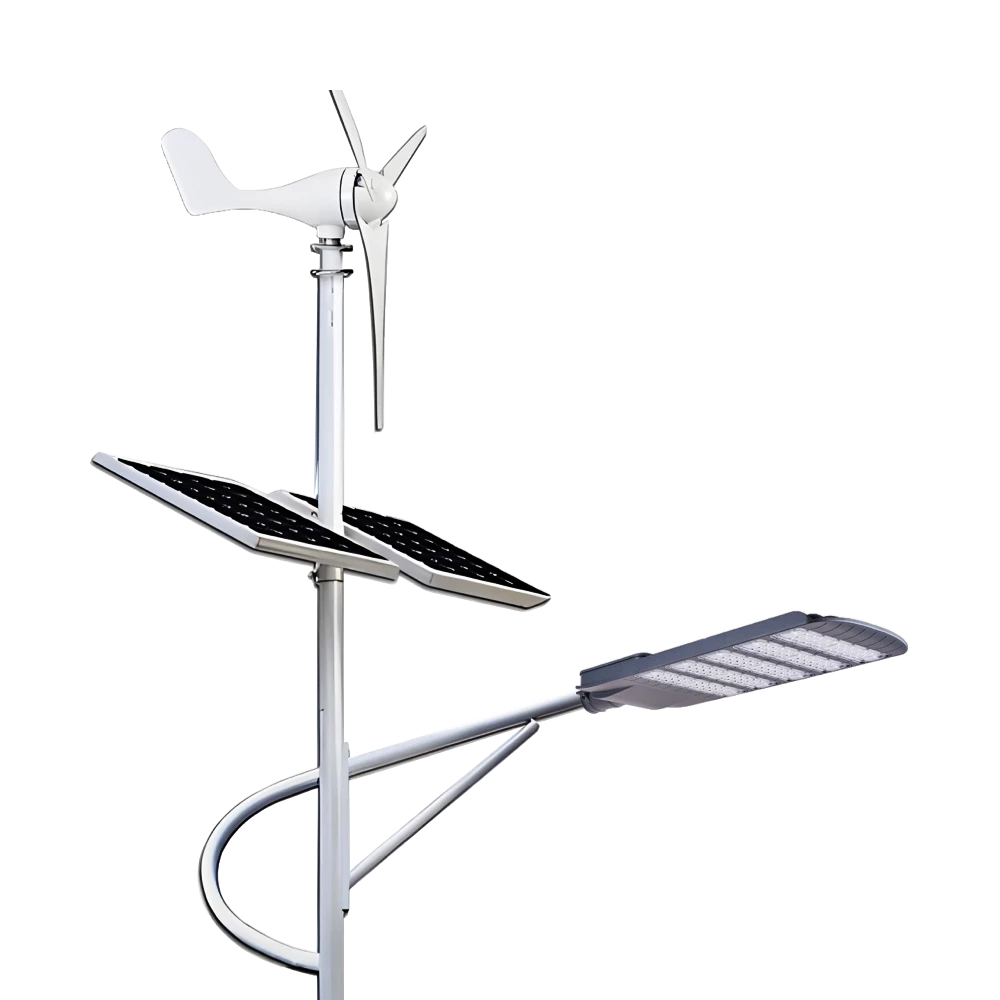
توفر مصابيح الشوارع الخارجية LED التي تعمل بالطاقة الشمسية من Queneng Lufeng إضاءة عالية الأداء وصديقة للبيئة. تستغل مصابيح الشوارع LED الموفرة للطاقة هذه الطاقة الشمسية وطاقة الرياح لتوفير حلول إضاءة خارجية مستدامة وفعالة من حيث التكلفة.
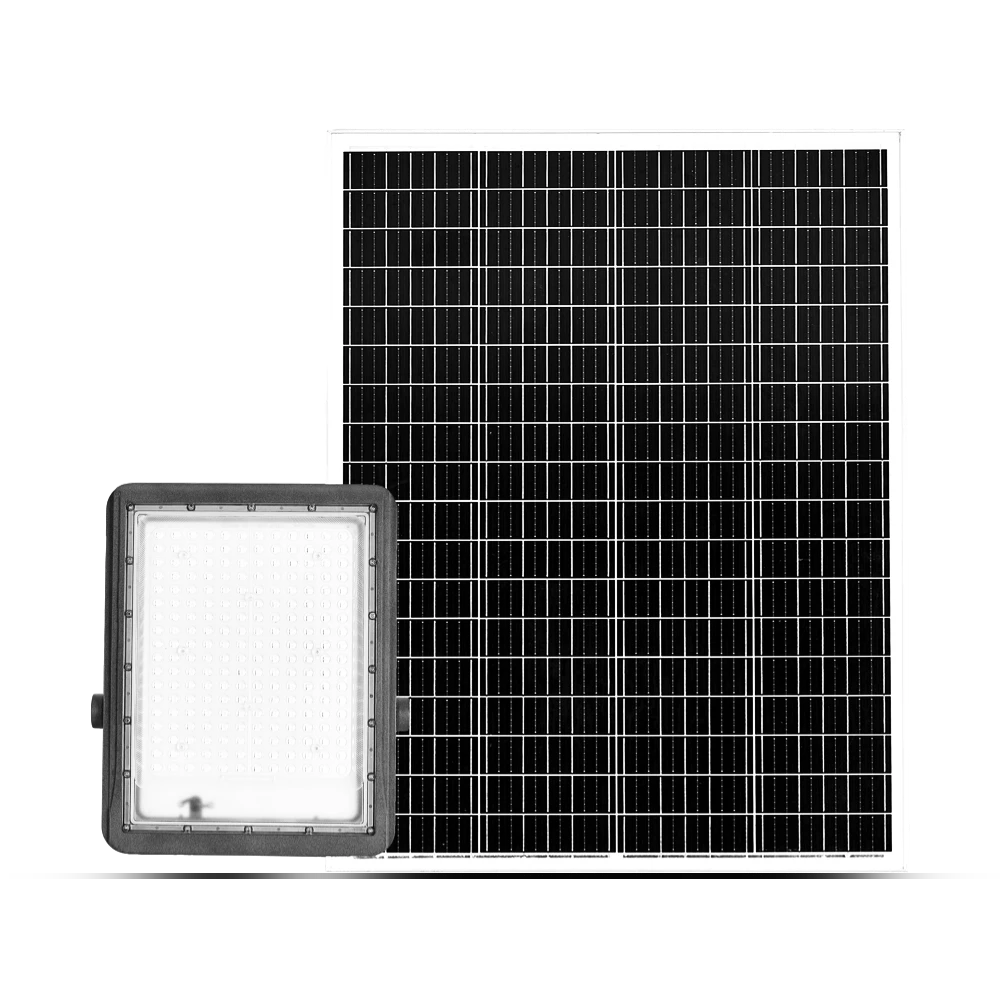
يوفر مصباح الشوارع Luxian Reliable Solar Street Light من Queneng إضاءة LED موفرة للطاقة للاستخدام الخارجي. يوفر مصباح الشوارع المتين الذي يعمل بالطاقة الشمسية إضاءة موثوقة، مما يقلل من تكاليف الطاقة والتأثير البيئي. حل مثالي للإضاءة الخارجية المستدامة.
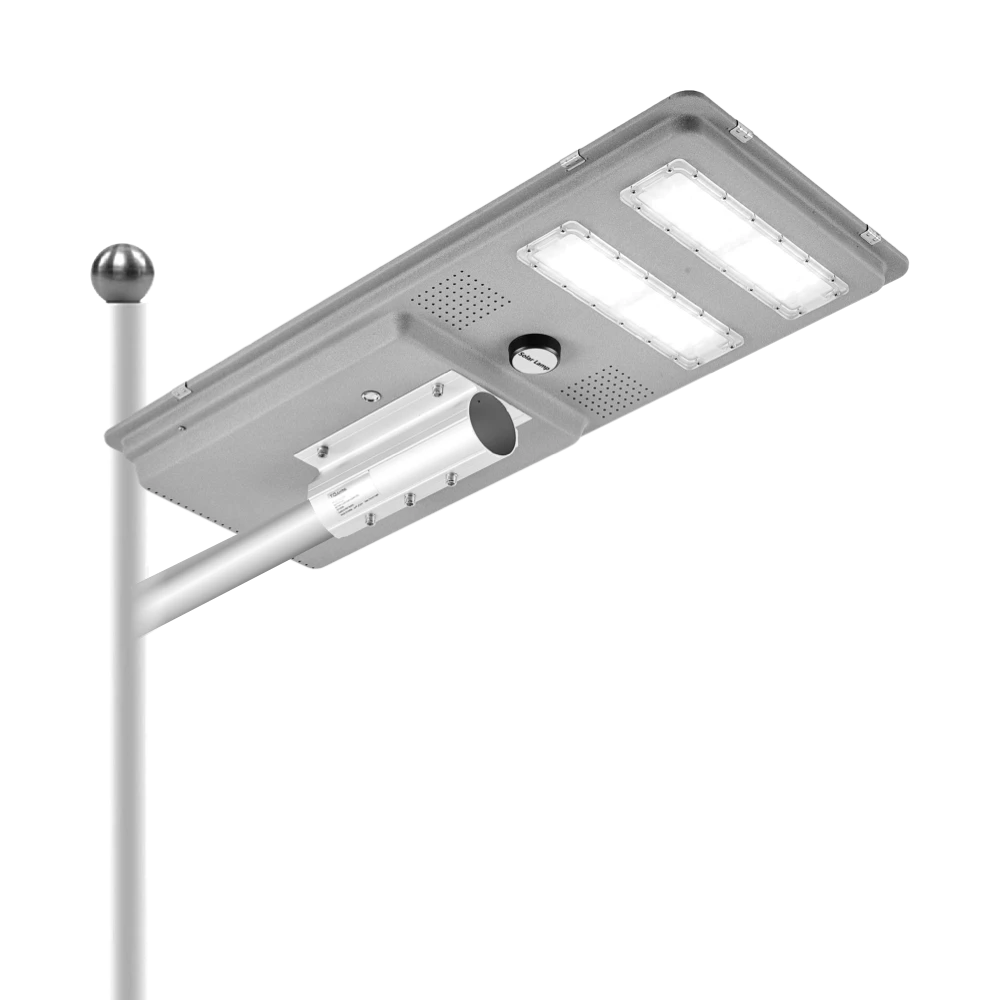
تم تصميم مصابيح الشوارع التي تعمل بالطاقة الشمسية من Queneng لتوفير إضاءة موثوقة وفعالة في استخدام الطاقة للشوارع والمتنزهات والمساحات الخارجية الأخرى.
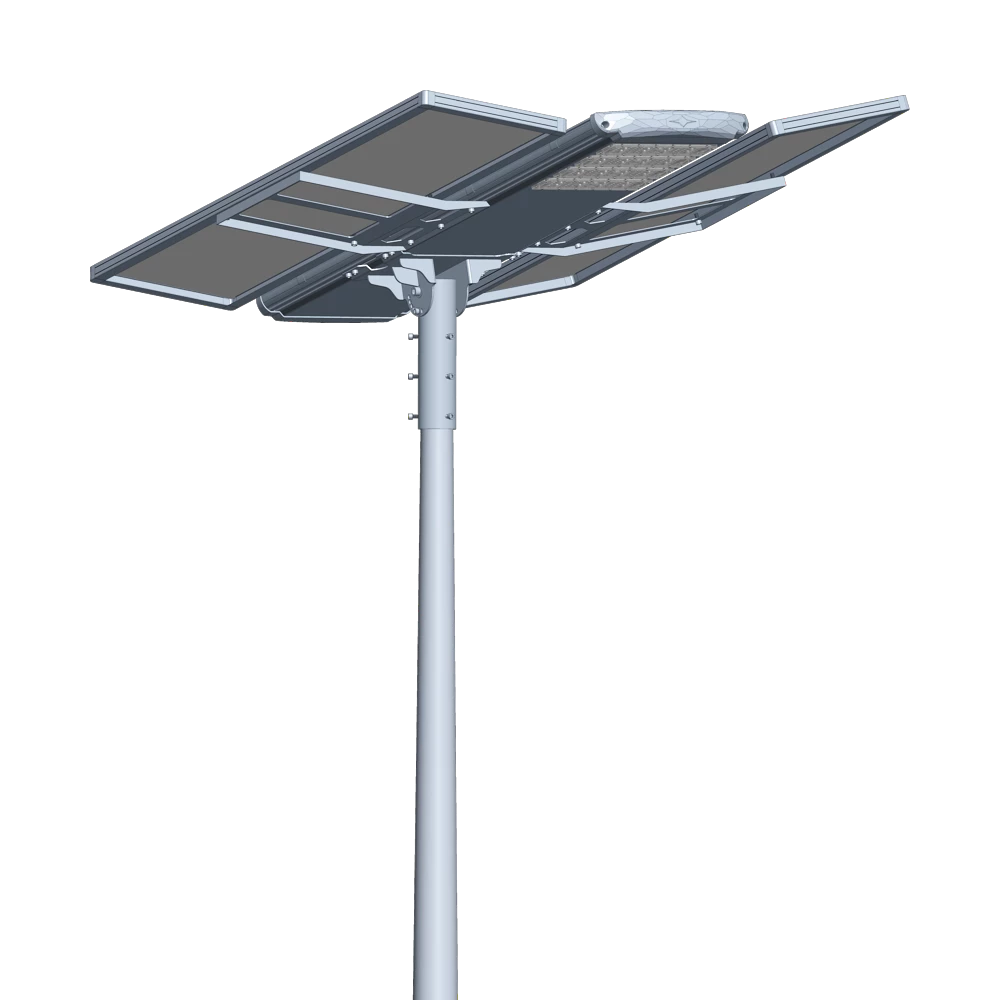
نقدم لك مصباح الشوارع الشمسي Luqing من Queneng، وهو إضاءة LED فعّالة تعمل بالطاقة الشمسية، وهو مثالي لإضاءة المناطق الخارجية. استغل قوة الطاقة الشمسية لإضاءة الشوارع بشكل مستدام وموثوق. مثالي لحلول الإضاءة الخارجية الصديقة للبيئة والفعّالة من حيث التكلفة.
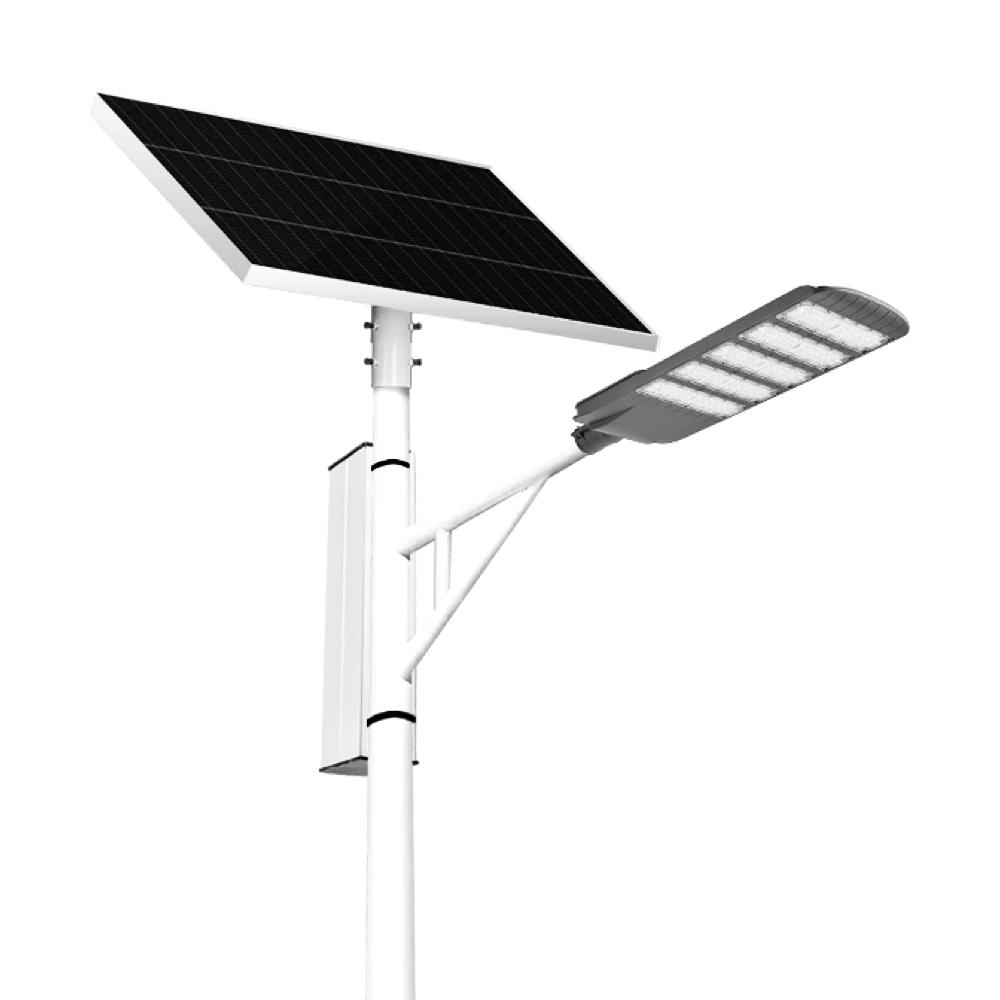
صُممت مصابيح الشوارع الشمسية من لوهاو للبلديات لتوفير حلول إنارة عامة موثوقة، موفرة للطاقة، واقتصادية. مزودة بتقنية LED متطورة، وبطاريات ليثيوم متينة، وألواح شمسية عالية الكفاءة، توفر إضاءة ثابتة للطرق والحدائق والمناطق السكنية والمشاريع الحكومية.
لمزيد من المعلومات حول حلول كوينينج للإضاءة الشمسية، يُرجى مراسلتنا عبر تعبئة النموذج أدناه. سيتواصل فريقنا المتخصص معك خلال ٢٤ ساعة!
كن على يقين أن خصوصيتك مهمة بالنسبة لنا، وسيتم التعامل مع جميع المعلومات المقدمة بأقصى قدر من السرية.
جدولة اجتماع
قم بحجز التاريخ والوقت المناسب لك وقم بإجراء الجلسة مسبقًا.
هل لديك المزيد من الأسئلة حول منتجاتنا أو خدماتنا؟
رسول تحويل الضوء والطاقة
حماية البيئة والتصنيع الذكي هي فلسفة علامتنا التجارية، وضمان الجودة وأفضل تجربة للمستخدم هي وعودنا الأبدية للمستخدمين.
اتصال
رقم 9F، المبنى F، منطقة لوجستية كاو سان شين تيان هونغ، بلدة جوزين، مدينة تشونغشان، مقاطعة قوانغدونغ، الصين.
أو اكتب[البريد الإلكتروني محمي]
واتساب: +86 136 2270 1011


© ٢٠٢٦ شركة كوينينغ للإضاءة. جميع الحقوق محفوظة. مدعوم من غويون.