

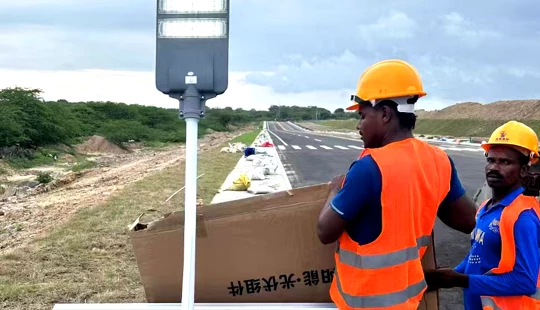
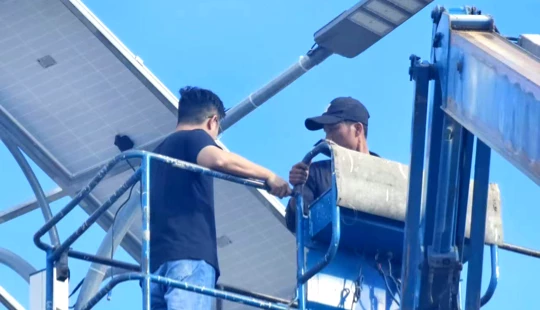













Can solar street lights significantly improve public safety?
Navigating the World of Solar Street Lights: Your Procurement Guide
The global shift towards sustainable infrastructure has accelerated the adoption of solar street lights, transforming public spaces and remote areas alike. For procurement professionals, understanding the intricacies of these systems, particularly split solar street lights, is crucial for making informed, cost-effective, and impactful decisions. This guide delves into the most pressing questions surrounding solar street light procurement, drawing on expert knowledge and real-world data to empower your purchasing journey.
What is the True Cost of a Solar Street Light, and How Does it Break Down?
The cost of a solar street light is multifaceted, encompassing more than just the initial purchase price. For procurement, it’s vital to consider the total cost of ownership (TCO), which includes initial investment, installation, and long-term operational savings.
- Initial Purchase Price: This is the most variable component, ranging significantly based on wattage, battery capacity, solar panel efficiency, LED quality, smart features (e.g., motion sensors, IoT connectivity), and brand. For a robust split solar street light system, prices can typically range from $700 to $2,500 USD per unit (excluding the pole), depending on the required light output (e.g., 30W to 120W LED), battery autonomy, and overall build quality.
- Installation Costs: While solar street lights eliminate trenching for electrical wiring, installation still involves mounting the pole, light fixture, and solar panel. These costs can vary from $150 to $500 USD per pole, influenced by site conditions, labor rates, and the complexity of the chosen system. Split systems, due to separate component mounting, might require slightly more labor than compact all-in-one units, but this is often offset by performance benefits.
- Long-Term Savings: The most compelling financial advantage is the elimination of electricity bills. Over a system's lifespan (typically 5-10 years for batteries, 20-25 years for panels), these savings are substantial. Many projects achieve a return on investment (ROI) within 3-5 years, after which the lights generate pure savings.
- Maintenance Costs: Generally low, consisting primarily of periodic cleaning of solar panels and eventual battery replacement. High-quality LiFePO4 batteries typically last 5-10 years before needing replacement, which can cost 20-40% of the original unit price.
Factors Influencing Cost: Higher wattage LEDs, larger battery capacities (for extended autonomy), more efficient monocrystalline solar panels, advanced MPPT charge controllers, and robust materials (e.g., aluminum alloys with high IP ratings) all contribute to a higher initial investment but promise superior performance and longevity.
How Do All-in-One and Split Solar Street Lights Differ, and Which is Right for My Project?
Understanding the distinction between these two primary types is critical for procurement, especially when balancing ease of installation with performance and adaptability.
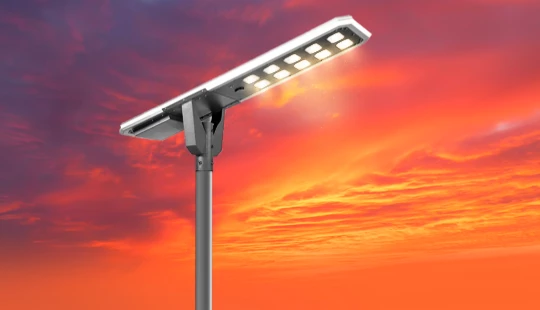
- All-in-One Solar Street Lights: These integrate the solar panel, battery, LED light, and controller into a single, compact unit. They are simpler and quicker to install, often requiring only mounting onto a pole. They are ideal for projects with moderate lighting requirements, where aesthetics and ease of deployment are paramount, and where sun exposure is consistently optimal.
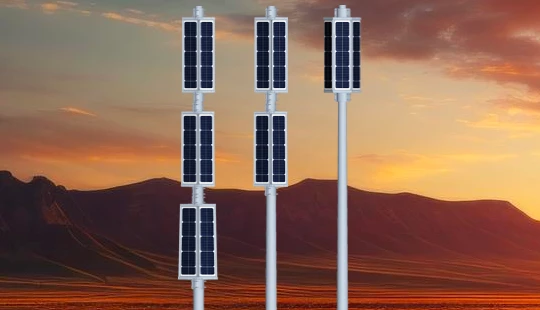
- Split Solar Street Lights: In a split system, the solar panel, battery, and LED light are separate components connected by cables. The solar panel is typically mounted higher or at an optimal angle on the pole to maximize sun exposure, while the battery box and LED light are placed elsewhere.
Why Split Systems are Often Preferred for Professional Procurement:
- Optimal Solar Charging: The separate panel can be angled precisely towards the sun, maximizing energy harvest regardless of the pole's orientation or local obstructions. This is crucial in areas with varying sunlight or for projects requiring high autonomy.
- Larger Capacity & Higher Power: Split systems can accommodate larger solar panels and battery banks, allowing for higher wattage LED lights (e.g., 60W-120W and above) and extended operating times, even in challenging weather conditions or during long winter nights.
- Enhanced Heat Dissipation: Separating the battery from the LED light and controller prevents heat buildup, which can prolong the lifespan of the battery and electronics.
- Durability & Flexibility: Components can be chosen independently for specific needs. The battery can be placed underground or lower on the pole for easier maintenance or anti-theft measures. They are generally more robust and suitable for industrial, municipal, or demanding applications.
- Reduced Wind Load: Smaller individual components can sometimes lead to reduced wind resistance compared to a large, integrated unit.
For most professional procurement scenarios involving public infrastructure, commercial complexes, or remote industrial sites, split solar street lights offer superior performance, customization, and long-term reliability, justifying their typically higher initial cost.
Can Solar Street Lights Really Improve Public Safety and Why is This a Key Consideration for Urban Planners?
Yes, solar street lights can significantly improve public safety, making them a vital consideration for urban planners and community developers. The connection between adequate lighting and safety is well-documented:
- Crime Reduction: Numerous studies have demonstrated a direct correlation between improved street lighting and a reduction in crime rates. For instance, interventions involving enhanced street lighting have been shown to reduce overall crime by 10-20% in some areas, with reductions in specific crimes like vehicle theft and violent assaults being even higher (e.g., 20-30% reduction observed in certain urban programs). Well-lit areas deter criminal activity by increasing visibility and the perceived risk of detection.
- Enhanced Visibility for Pedestrians and Drivers: Proper illumination improves visibility, reducing the risk of accidents for both pedestrians and motorists. This is especially critical in crosswalks, intersections, and public pathways.
- Increased Sense of Security: Brightly lit streets make people feel safer, encouraging nighttime activities and fostering a more vibrant community. This psychological impact is as important as the tangible reduction in crime.
- Better Surveillance Opportunities: Improved lighting makes it easier for security cameras to capture clear footage, aiding in crime investigation and prevention.
For urban planners, investing in reliable solar street lighting is not just about illumination; it's about creating safer, more livable, and economically vibrant communities, often leveraging sustainable solutions that reduce long-term operational costs for municipalities.
What Key Factors Should I Consider When Choosing a Solar Street Light Manufacturer?
Selecting the right manufacturer is paramount to the success and longevity of your solar street light project. Professional procurers should evaluate potential suppliers based on:
- Component Quality: Insist on high-grade components: efficient monocrystalline solar panels (e.g., >20% efficiency), long-cycle-life LiFePO4 batteries (e.g., 2000+ cycles), high-lumen-output LED chips (e.g., Bridgelux, Cree, Philips), and intelligent MPPT charge controllers with comprehensive protection features.
- Certifications and Standards: Verify compliance with international standards such as CE, RoHS, FCC, and specific IP ratings (e.g., IP65 or IP66 for outdoor durability). ISO 9001 certification indicates robust quality management systems.
- Warranty and After-Sales Support: A strong warranty (e.g., 3-5 years for the entire system, 10+ years for solar panels) and accessible customer service are indicators of manufacturer confidence and commitment. Inquire about spare parts availability and technical assistance.
- Experience and Track Record: Choose manufacturers with a proven history in solar street lighting, particularly in projects similar to yours. Request case studies, project references, and client testimonials.
- Customization and R&D Capabilities: A manufacturer that can offer tailored solutions (e.g., specific pole heights, luminaire designs, battery autonomy) and demonstrates ongoing R&D indicates innovation and adaptability to diverse project needs.
- Testing and Quality Control: Understand their in-house testing procedures for components and finished products (e.g., aging tests, waterproof tests, photometric testing).
- Logistics and Supply Chain: Assess their ability to deliver on time and manage international shipping effectively.
What are the Latest Technological Advancements in Solar Street Lighting?
The solar street lighting industry is dynamic, with continuous innovation enhancing efficiency, reliability, and functionality:
- Smart Controls and IoT Integration: The most significant advancement is the integration of IoT (Internet of Things) for remote monitoring and control. This allows for adaptive lighting (dimming based on traffic or time), fault detection, energy usage analysis, and scheduled maintenance, all managed from a central platform.
- Advanced Battery Chemistries: Lithium Iron Phosphate (LiFePO4) batteries are now standard due to their superior cycle life (2000-4000+ cycles), safety, wider operating temperature range, and environmental friendliness compared to older lead-acid batteries.
- Higher Efficiency Solar Panels: Monocrystalline silicon solar panels are achieving efficiencies of 20-22% or more, meaning smaller panels can generate more power, crucial for compact designs or challenging solar irradiance conditions.
- Optimized LED Technology: LEDs continue to evolve, offering higher luminous efficacy (lumens per watt), better color rendering (CRI), and longer lifespans (50,000-100,000 hours), while consuming less power.
- MPPT Charge Controllers: Maximum Power Point Tracking (MPPT) controllers are now standard, significantly increasing charging efficiency (typically 15-30% more efficient than PWM controllers), especially during fluctuating sunlight conditions.
- Robust and Sustainable Materials: Manufacturers are increasingly using corrosion-resistant aluminum alloys, tempered glass, and UV-stabilized plastics to ensure durability and extend the lifespan of fixtures in harsh outdoor environments.
What is the Expected Lifespan and Maintenance Requirement for Solar Street Lights?
Modern solar street lights are designed for long operational lives with minimal maintenance, contributing to their low TCO.
- Lifespan of Components:
- Solar Panels: High-quality monocrystalline panels have a lifespan of 20-25 years, with minimal degradation over time.
- LED Luminaires: LED chips can last 50,000 to 100,000 hours, which translates to 10-20 years of typical nighttime operation.
- Batteries: LiFePO4 batteries are the workhorse, lasting 5-10 years (2000-4000+ cycles) before needing replacement. Their lifespan is affected by charge/discharge cycles and temperature.
- Charge Controllers & Wiring: These typically have a similar lifespan to the overall system, often exceeding 10 years, assuming proper installation and protection.
- Pole and Fixture Housing: With appropriate anti-corrosion treatments (e.g., hot-dip galvanizing, powder coating), the pole and fixture housing can last 20-25 years or more.
- Maintenance Requirements:
- Panel Cleaning: The primary maintenance task is periodic cleaning of the solar panel surface (typically 1-2 times per year, or more in dusty/polluted environments) to ensure optimal energy harvesting.
- Battery Check/Replacement: Batteries are usually sealed and require no regular checks but will need replacement at the end of their cycle life.
- Visual Inspection: Occasional inspection of connections, wiring, and structural integrity of the pole and fixture.
- Remote Monitoring: For systems with IoT capabilities, maintenance often involves monitoring performance remotely and addressing alerts, reducing the need for physical inspections.
The low maintenance requirements significantly reduce operational costs over the lifetime of the product, making solar street lights an attractive long-term investment for public and private entities.
Queneng Lighting - Your Partner in Sustainable Illumination
At Queneng Lighting, we understand the nuanced demands of professional procurement for solar street light projects. Specializing in high-performance solar lighting solutions, including advanced split solar street light systems, we commit to delivering products that stand the test of time and performance. Our advantages include:
- Uncompromising Quality: We utilize only top-tier components – high-efficiency monocrystalline solar panels, long-life LiFePO4 batteries, and High Quality LED chips – ensuring durability and optimal performance.
- Expertise in Split Systems: Our deep understanding of split solar street light design allows for greater flexibility, higher power output, and superior reliability, making them ideal for demanding applications and diverse environmental conditions.
- Innovation & Smart Technology: Queneng Lighting integrates the latest in smart control and IoT capabilities, providing remote monitoring, adaptive lighting, and advanced management for maximum efficiency and minimal oversight.
- Customization & Support: We offer tailored solutions to meet specific project requirements, backed by comprehensive technical support and a robust warranty, ensuring peace of mind for our clients.
- E-E-A-T Compliance: As a trusted manufacturer, our expertise, experience, authority, and trustworthiness are evident in every product and project, aligning with the highest industry standards.
Choose Queneng Lighting for your next solar street light project and illuminate your future sustainably and reliably.
References:
- Cost & Market Data: Grand View Research. (2023). Solar Street Lighting Market Size, Share & Trends Analysis Report By Type (Standalone, Grid-connected), By Application (Commercial, Residential, Industrial), By Region, And Segment Forecasts, 2023 - 2030. https://www.grandviewresearch.com/industry-analysis/solar-street-lighting-market (Accessed: October 26, 2023)
- Public Safety & Crime Reduction: Welsh, B. C., & Farrington, D. P. (2009). Public Area Lighting and Crime Prevention: A Systematic Review. Journal of Experimental Criminology, 5(2), 173–193. Abstract retrieved from https://link.springer.com/article/10.1007/s11292-009-9071-8 (Accessed: October 26, 2023). General findings regarding crime reduction by improved lighting are widely cited across various criminological studies.
- Battery & Panel Lifespan: Industry standards and manufacturer specifications for LiFePO4 batteries and monocrystalline solar panels. (General industry knowledge, specific manufacturers like Victron Energy for batteries, and reputable panel manufacturers for panels provide these ranges).
- LED Lifespan: IESNA LM-80, LM-79, and TM-21 standards are used by LED manufacturers (e.g., Cree, Philips Lumileds) to rate product lifespan.

Have more questions about our products or services?
The latest hot news you might like

Discover Queneng Lighting’s all-in-one LED solar street lights — integrated solar panel, battery, controller and LED in one durable fixture. Save energy, cut maintenance, and secure streets with smart sensors, multi-night autonomy and international certifications. Contact sales for quotes and support.

Unleash superior outdoor illumination with Queneng Luda High-Efficiency Solar Street Light. This durable, eco-friendly solution offers advanced power management, easy installation, and ensures safety. Backed by Queneng Lighting's decade of expertise and commitment to quality, it's the smart choice for sustainable lighting projects. Learn why we're a leading solar solutions provider.

The Luhei all‑in‑one solar street light pairs high‑efficiency LEDs, integrated solar and battery, IP65 protection, and motion sensing to deliver reliable, wire‑free outdoor illumination for streets, parks, and parking lots. Backed by Queneng Lighting’s certifications and support.

FAQ
Solar Street Light Luhao
What is the energy efficiency of the Luhao solar street light?
The Luhao solar street light is highly energy-efficient, using solar panels to convert sunlight into electricity without relying on grid power. The LED lights consume very little energy compared to traditional street lights, making them both cost-effective and eco-friendly.
Solar Street Light Luqing
Are solar street lights easy to install?
Yes, solar street lights are easy to install. They do not require external wiring or connections to the electrical grid. The installation process is straightforward and typically involves mounting the light pole, positioning the solar panel, and securing the battery and lighting unit.
Tourist Attractions and Resorts
Will solar lights stay on throughout the night?
Yes, solar lights are designed to stay on all night long, provided they are installed in areas that receive adequate sunlight during the day. The solar panels charge during daylight hours and power the lights after dark.
Transportation and Highways
How do solar lights perform in areas with heavy traffic pollution?
Solar panels may require more frequent cleaning in high pollution areas to maintain efficiency, but the system's durability ensures reliable performance.
Battery fundamentals and basic terms
What is nominal voltage?
Commercial and Industrial Parks
Do solar lights work well in large parking areas?
Yes, our solar lights provide uniform illumination ideal for expansive parking areas, ensuring safety and visibility.
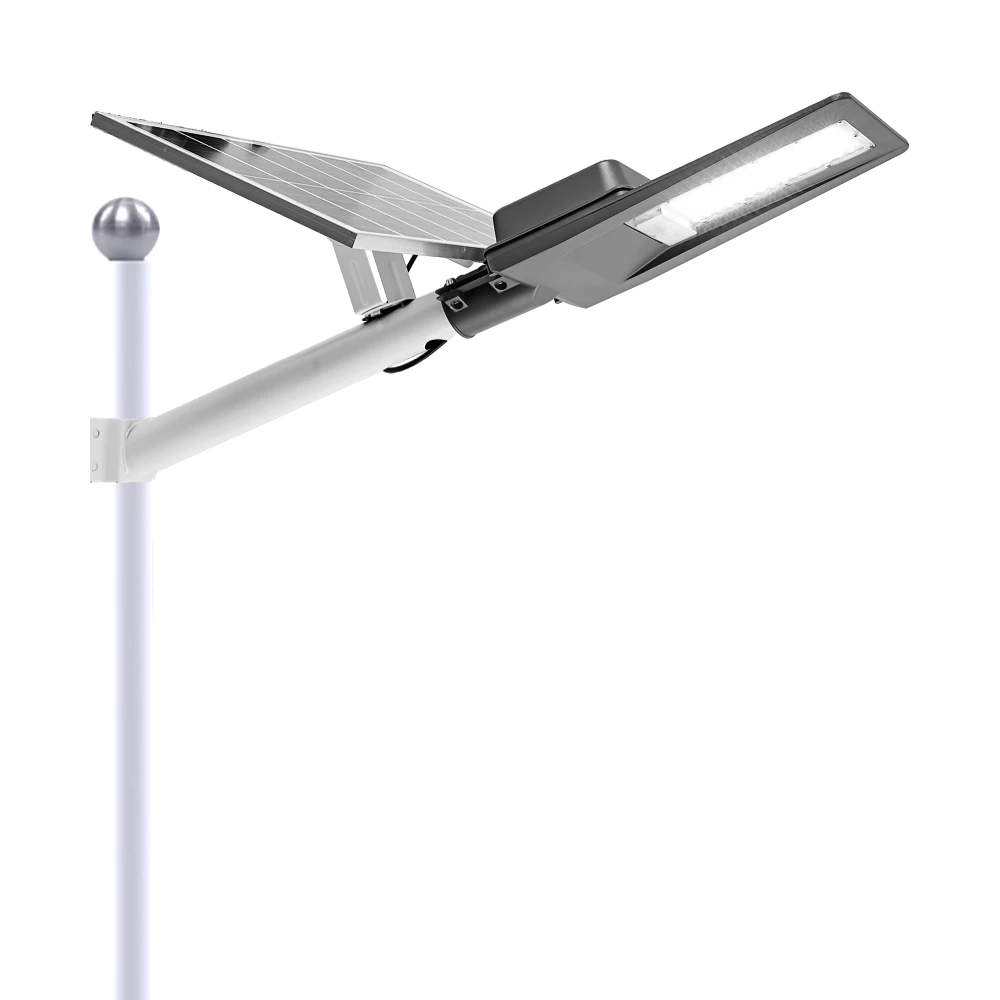
Experience reliable outdoor illumination with our smart solar street light, a perfect combination of advanced technology and eco-conscious design.
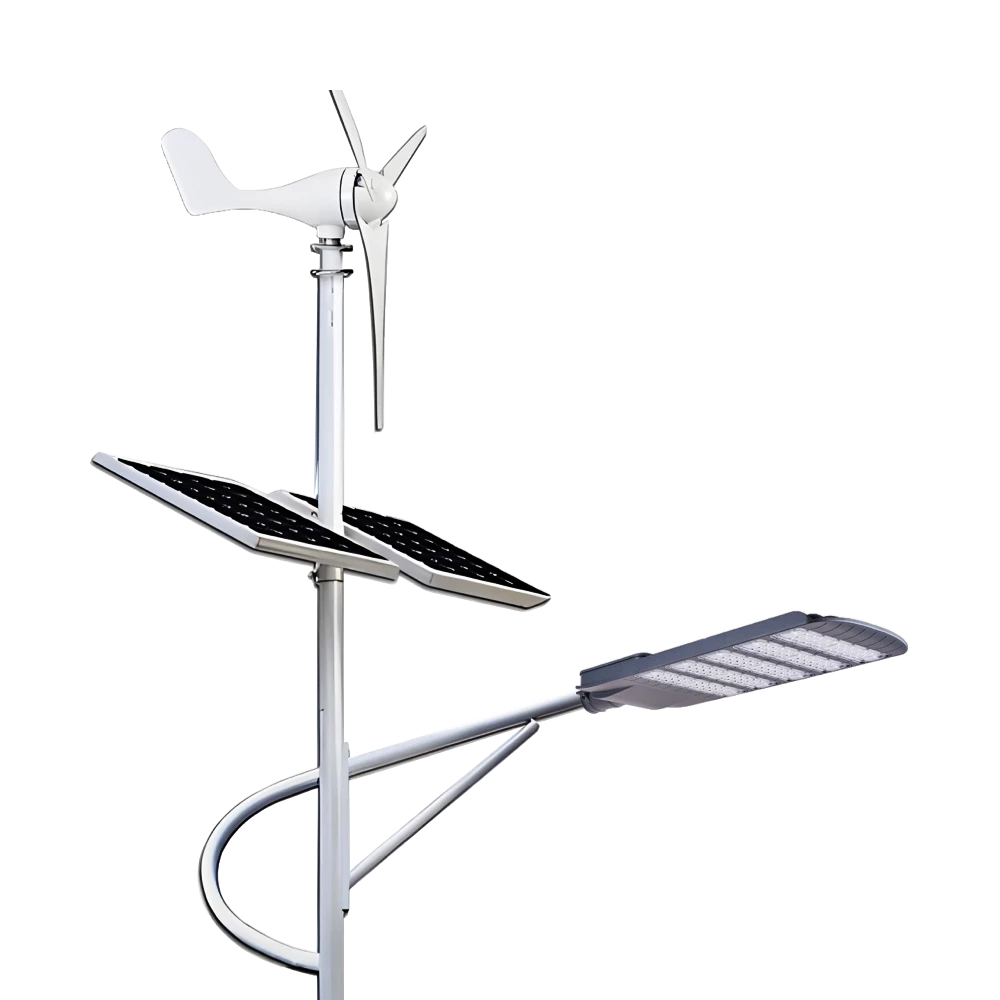
Queneng Lufeng Wind Energy LED Outdoor Solar Street Lights offer high-performance, eco-friendly illumination. These energy-efficient LED street lights harness solar power and wind energy for sustainable, cost-effective outdoor lighting solutions.
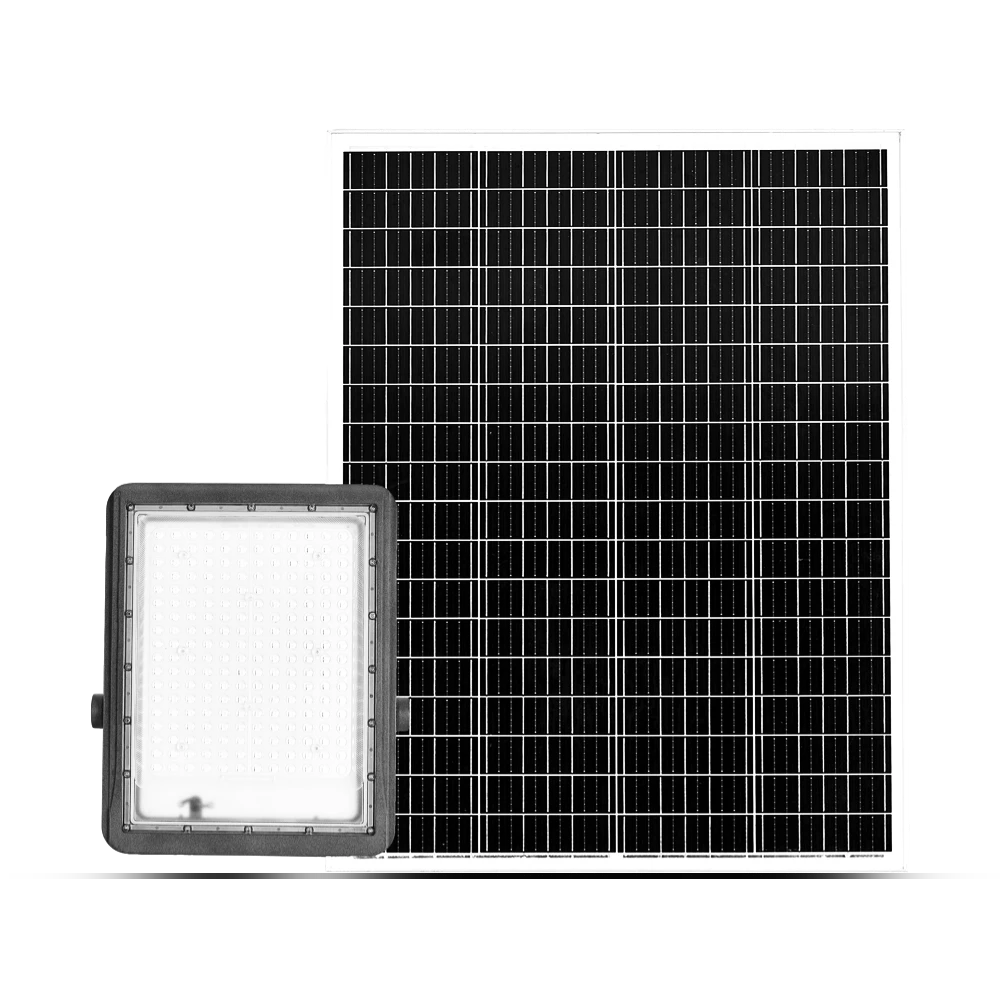
Queneng's Luxian Reliable Solar Street Light offers energy-saving LED lighting for outdoor use. This durable, solar-powered street light provides reliable illumination, reducing energy costs and environmental impact. A perfect solution for sustainable outdoor lighting.
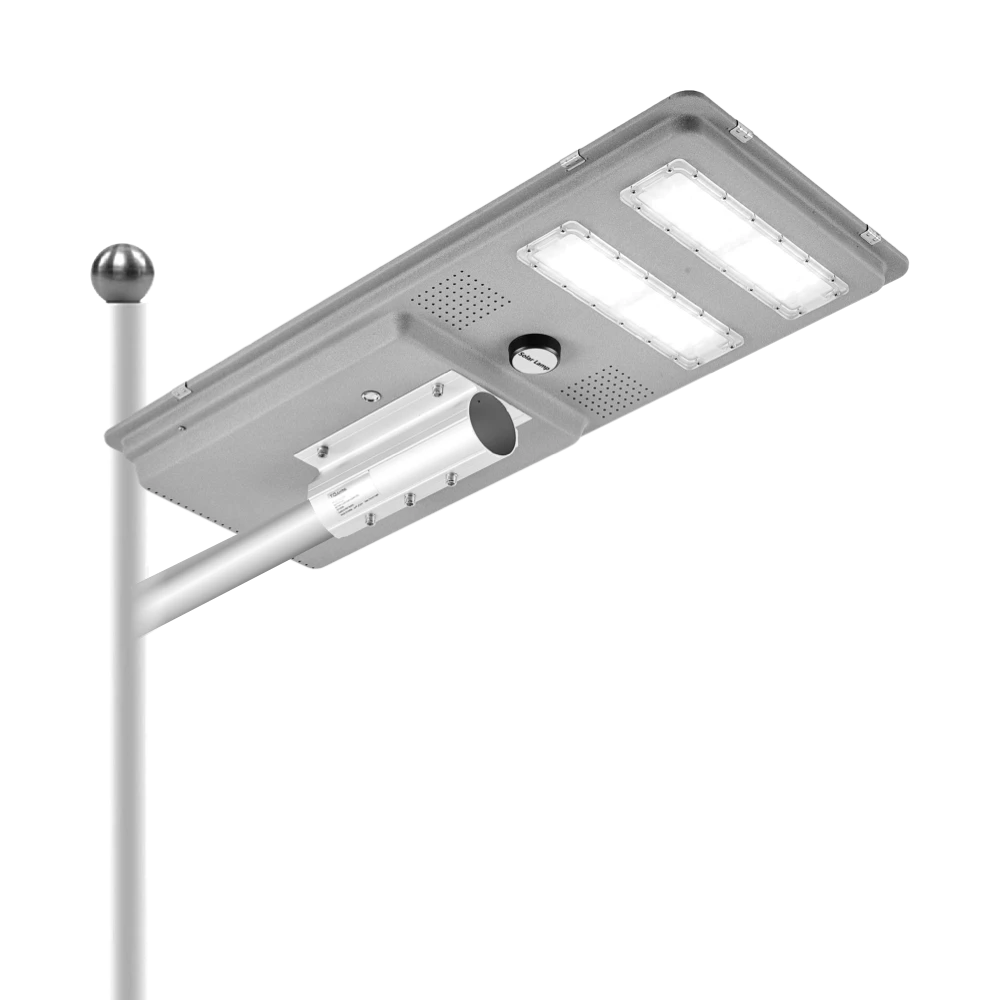
Queneng’s Solar Street Lights are designed to provide reliable, energy-efficient lighting for streets, parks, and other outdoor spaces.
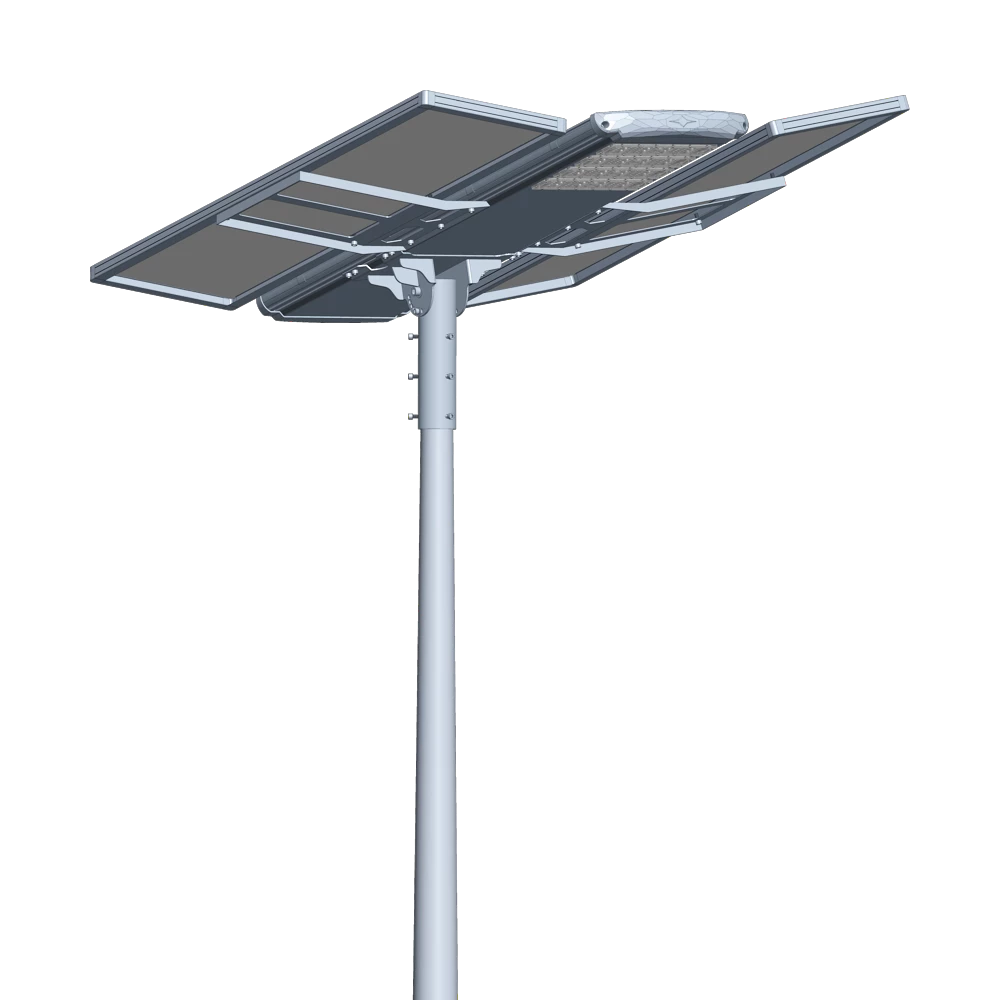
Introducing the Luqing Solar Street Light by Queneng, Efficient LED lighting powered by solar energy is perfect for illuminating outdoor areas. Harness the power of solar energy for sustainable, reliable street lighting. Ideal for eco-friendly, cost-effective outdoor illumination solutions.
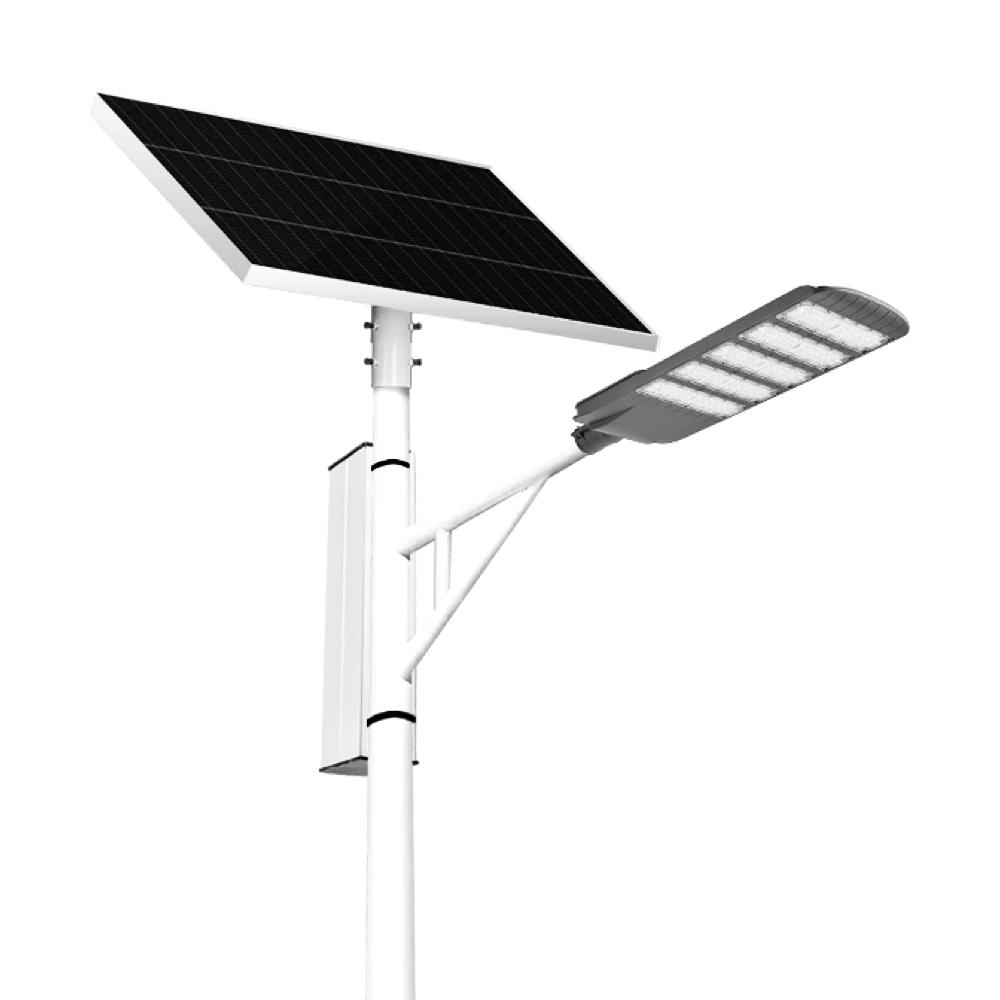
The Solar Streetlights of Luhao for Municipalities are designed to deliver reliable, energy-efficient, and cost-effective public lighting solutions. Equipped with advanced LED technology, durable lithium batteries, and high-efficiency solar panels, these streetlights provide consistent illumination for roads, parks, residential areas, and government projects.
If you would like more information about Queneng solar lighting solutions, please send us a message by filling out the form below. Our professional team will get back to you within 24 hours!
Rest assured that your privacy is important to us, and all information provided will be handled with the utmost confidentiality.
Schedule a Meeting
Book a date and time that is convenient for you and conduct the session in advance.
Have more questions about our products or services?
The messenger of light & power conversion
Environmental protection and intelligent manufacturing are our brand philosophy, and quality assurance and the best user experience are our eternal promises to users.
CONTACT
No.9F, Building F, Cao San Xin Tian Hong Logistics Park, Guzhen Town, Zhongshan City, Guangdong Province, China.
or write [email protected]
WhatsApp: +86 136 2270 1011


