














How to ensure long-term performance for solar lights?
Navigating the World of Solar Street Lights: Costs, Performance, and Choosing the Right Solution
Solar street lights offer an sustainable, cost-effective, and environmentally friendly solution for illuminating public spaces, roads, and private properties. However, navigating the market can be complex. This article addresses key questions prospective buyers often have, from initial investment to long-term performance, ensuring you make informed decisions when procuring solar lighting solutions.
How much does a solar street light cost, and what influences its price?
The cost of a solar street light varies significantly, ranging from approximately $100 for basic residential units to over $2,000 for high-end commercial-grade systems, excluding installation. Several critical factors influence this price:
- Wattage/Lumen Output: Higher brightness (more lumens) requires more powerful LED chips, larger solar panels, and higher-capacity batteries, directly increasing cost.
- Battery Technology & Capacity: Lithium Iron Phosphate (LiFePO4) batteries are now standard due to their longer lifespan (5-8 years) and better performance compared to older lead-acid batteries (2-3 years), but they are also more expensive upfront. Battery capacity determines autonomy (how many nights it can operate without sunlight).
- Solar Panel Size & Efficiency: Larger, more efficient monocrystalline solar panels capture more sunlight, ensuring consistent charging, but add to the cost.
- Pole Material & Height: The pole itself contributes significantly. Galvanized steel or aluminum poles, especially taller ones (6-12 meters), are robust but costlier than shorter, simpler poles.
- Smart Features: Integrated PIR motion sensors, dimming capabilities, IoT connectivity, and remote monitoring systems enhance functionality but come at an additional cost.
- Brand & Warranty: Reputable manufacturers offering extended warranties and proven reliability typically have higher prices.
- Type: All-in-One units are generally less expensive to install due to their integrated design, while split systems might have higher component costs and installation complexity.
Installation costs typically add 15-30% to the unit price, depending on location and complexity.
What's the difference between All-in-One and Split Solar Street Lights, and which should I choose?
Understanding the distinction between these two primary types is crucial for proper procurement:
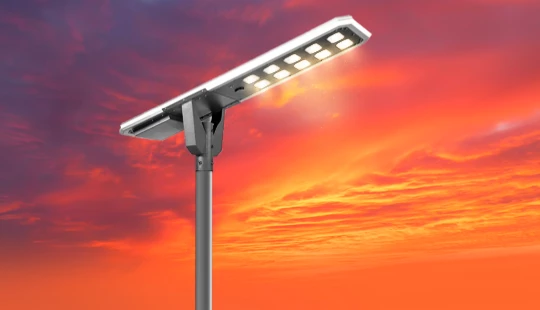
- All-in-One (Integrated) Solar Street Lights: These units combine the solar panel, LED lamp, battery, and charge controller into a single, compact housing.
- Pros: Easier and quicker installation, lower labor costs, aesthetically pleasing, generally lower initial unit cost.
- Cons: Limited flexibility for solar panel angle adjustment (fixed to the lamp), potential for battery overheating in extremely hot climates due to proximity to the LED, limited battery and panel size (restricts lumen output and autonomy). Best suited for areas with consistent, ample sunlight.
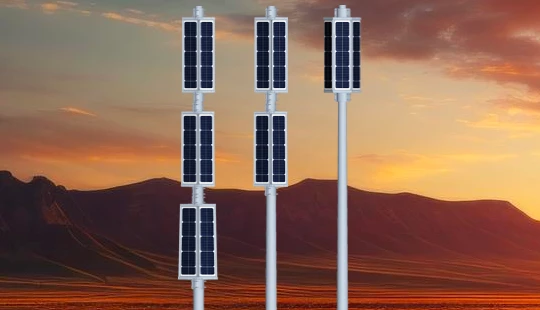
- Split Solar Street Lights: In this design, the solar panel is separate from the LED lamp and battery. The battery is typically housed at the base of the pole or underground, and the solar panel is mounted separately, often at the top.
- Pros: Greater flexibility in solar panel orientation (can be angled to maximize sun exposure, crucial for areas with less consistent sunlight or specific site orientations), better heat dissipation for the battery (prolonging its life), allows for larger solar panels and battery capacities, suitable for higher wattage applications and longer autonomy requirements.
- Cons: More complex installation, requiring additional wiring and potentially a separate battery box, higher initial labor and material costs.
Procurement Insight for Split Systems: For professional users, especially those in regions with challenging weather conditions, varied sun exposure, or high-lumen requirements, split solar street lights often offer superior performance and longevity. The ability to optimize panel tilt and separate the battery from the heat generated by the LED significantly enhances system efficiency and component lifespan, justifying the higher initial investment.
How can I ensure the long-term performance and lifespan of solar street lights?
Ensuring long-term performance involves careful selection, proper installation, and minimal maintenance:
- Quality Components: Prioritize reputable brands using high-efficiency monocrystalline solar panels, LiFePO4 batteries, and high-quality LED chips with adequate heat sinks.
- Appropriate Sizing: Ensure the system is adequately sized for your geographical location's solar irradiation levels and required autonomy (number of days the light can operate without sun). Over-specifying can increase cost, but under-specifying leads to performance issues.
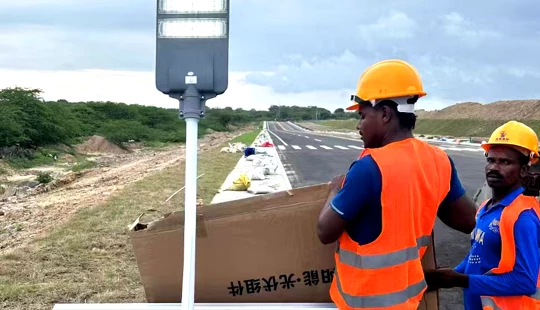
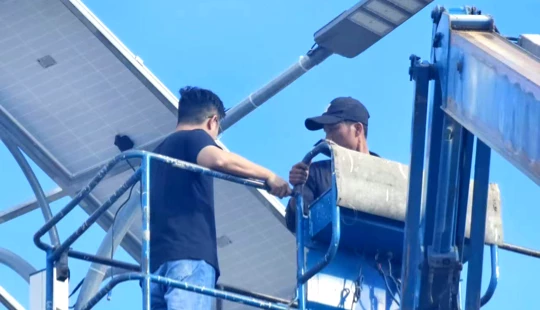
- Professional Installation: Incorrect wiring, improper pole installation, or incorrect solar panel orientation can severely impact performance and lifespan.
- Regular Cleaning: Periodically clean solar panels to remove dust, dirt, and debris, which can reduce charging efficiency by up to 25% if neglected.
- Battery Management: Choose systems with advanced Maximum Power Point Tracking (MPPT) charge controllers that protect the battery from overcharging and deep discharging, significantly extending its life.
- Structural Integrity Checks: Periodically inspect the pole and fixtures for rust, loose connections, or physical damage.
What are the key components of a solar street light, and what are their typical lifespans?
A solar street light comprises several key components, each with its own lifespan:
- LED Lamp: High-quality LED chips typically have a lifespan of 50,000 to 100,000 hours, translating to 10-20 years of typical night-time operation.
- Solar Panel (Photovoltaic Module): Reputable monocrystalline panels offer a performance warranty of 20-25 years, guaranteeing approximately 80% power output after 20-25 years. Actual physical life can be longer.
- Battery: This is often the first major component to require replacement.
- LiFePO4 (Lithium Iron Phosphate): Offers 5-8 years of life (2,000-4,000 charge/discharge cycles) under typical operating conditions.
- Lead-Acid: Less common in new installations, typically 2-3 years (500-1000 cycles).
- Charge Controller: A well-designed MPPT controller can last 5-10 years, protecting the battery and optimizing charging.
- Pole & Fixture: Galvanized steel or aluminum poles can last 20-30 years or more with proper maintenance, depending on environmental conditions.
How do I choose a reliable Solar Street Light Manufacturer?
Selecting a reputable manufacturer is paramount for product quality, performance, and after-sales support:
- Certifications: Look for ISO 9001 (Quality Management), ISO 14001 (Environmental Management), CE, RoHS, FCC, and specific IP ratings (e.g., IP65 or IP66 for outdoor use).
- Experience & R&D: A manufacturer with years of experience and a dedicated R&D department is more likely to produce innovative, reliable, and well-engineered products.
- Product Specifications & Transparency: Demand detailed datasheets. A trustworthy manufacturer will be transparent about component sourcing (e.g., LED chip brand, battery type, solar cell efficiency).
- Warranty & Support: Assess the warranty period for all major components (especially battery and solar panel) and the clarity of their after-sales service and technical support.
- Project References: Request a portfolio of past projects, especially those similar in scale or environmental conditions to yours.
- Customization Capabilities: A good manufacturer can offer tailored solutions to meet specific project requirements.
What are the critical factors for solar street light battery performance and longevity?
The battery is the heart of a solar street light system. Its performance and lifespan are dictated by:
- Battery Chemistry: LiFePO4 batteries are preferred for their higher energy density, longer cycle life, wider operating temperature range, and inherent safety compared to lead-acid or other lithium-ion chemistries.
- Capacity (Ah/Wh): Sufficient capacity is vital to power the lamp for the required duration, especially during cloudy days. It's measured in Ampere-hours (Ah) or Watt-hours (Wh).
- Depth of Discharge (DoD): Repeated deep discharges (using most of the battery's capacity) shorten its life. A well-designed system will limit the DoD to maximize cycles.
- Temperature Management: Extreme heat or cold significantly degrades battery performance and lifespan. Manufacturers often integrate thermal management systems or design split systems where the battery can be protected.
- Charge Controller Quality: An MPPT controller efficiently charges the battery and protects it from overcharging and over-discharging, which are major causes of premature battery failure.
What kind of warranty and after-sales support should I expect?
Standard warranty offerings from reputable manufacturers typically include:
- Solar Panels: 20-25 years linear power output warranty (e.g., 90% power output in 10 years, 80% in 25 years).
- LED Lamp: 3-5 years.
- Battery (LiFePO4): 2-5 years.
- Charge Controller: 2-3 years.
- Overall System: 1-3 years on the entire integrated system, covering manufacturing defects.
After-sales support should include readily available technical assistance, spare parts availability, and a clear process for warranty claims. Evaluate the manufacturer's responsiveness and commitment to long-term customer satisfaction.
Queneng Lighting: Your Trusted Partner in Solar Street Lighting
At Queneng Lighting, we leverage our extensive experience as a leading solar street light manufacturer to provide superior, reliable, and cost-effective lighting solutions. Our commitment to quality is evident in our use of high-efficiency monocrystalline solar panels, long-lasting LiFePO4 batteries, and robust LED technology. We offer both advanced All-in-One and flexible Split Solar Street Lights, engineered to meet diverse project requirements, from municipal infrastructure to remote industrial sites. With strong R&D capabilities, stringent quality control (ISO certified), and comprehensive after-sales support, Queneng Lighting ensures durable performance and optimal return on investment for your solar lighting projects.
References:
- Solar Energy Industries Association (SEIA) - Industry Research & Data (Accessed: May 2024)
- U.S. Department of Energy - LED Lighting Guide (Accessed: May 2024)
- REN21 - Renewables Global Status Report (Accessed: May 2024)
- General industry averages for component lifespans and pricing from market analysis reports (e.g., Grand View Research, MarketsandMarkets on Solar Street Lighting Market - various dates, most recent data up to Q1 2024).

Have more questions about our products or services?
The latest hot news you might like

Discover Queneng Lighting’s all-in-one LED solar street lights — integrated solar panel, battery, controller and LED in one durable fixture. Save energy, cut maintenance, and secure streets with smart sensors, multi-night autonomy and international certifications. Contact sales for quotes and support.

Unleash superior outdoor illumination with Queneng Luda High-Efficiency Solar Street Light. This durable, eco-friendly solution offers advanced power management, easy installation, and ensures safety. Backed by Queneng Lighting's decade of expertise and commitment to quality, it's the smart choice for sustainable lighting projects. Learn why we're a leading solar solutions provider.

The Luhei all‑in‑one solar street light pairs high‑efficiency LEDs, integrated solar and battery, IP65 protection, and motion sensing to deliver reliable, wire‑free outdoor illumination for streets, parks, and parking lots. Backed by Queneng Lighting’s certifications and support.

FAQ
Public Gardens and Landscape Lighting
How do I maintain solar lights in public spaces?
Solar lights require minimal maintenance. To ensure optimal performance, clean the solar panels periodically to remove dust, dirt, and debris. Also, check the light fixtures and batteries every year to ensure they are functioning properly. If needed, replace the batteries after 2-3 years.
who we are
What is Queneng?
Queneng is a high-tech enterprise founded in 2011, specializing in solar lighting solutions, batteries, solar photovoltaic panels, and complete solar energy systems. We provide a full range of services from R&D to production, sales, and after-sales support.
Schools and Educational Institutions
Do the solar lights come with a timer or automatic on/off function?
Yes, many of our solar lighting systems come with built-in timers or automatic sensors, allowing them to turn on at dusk and off at dawn, or based on a set schedule.
Batteries and the environment
What is a green battery?
Solar Street Light Luhui
Do Luhui solar street lights have a battery backup for cloudy days?
Yes, each Luhui solar street light includes a rechargeable battery that stores solar energy during the day to power the light at night, ensuring continuous operation even on c
Solar Street Light Luqing
How bright are solar street lights?
Solar street lights are equipped with high-efficiency LED lights that provide bright, consistent illumination. The brightness typically ranges from 2,000 to 12,000 lumens, depending on the model, providing clear and effective lighting for streets, parks, and public areas.
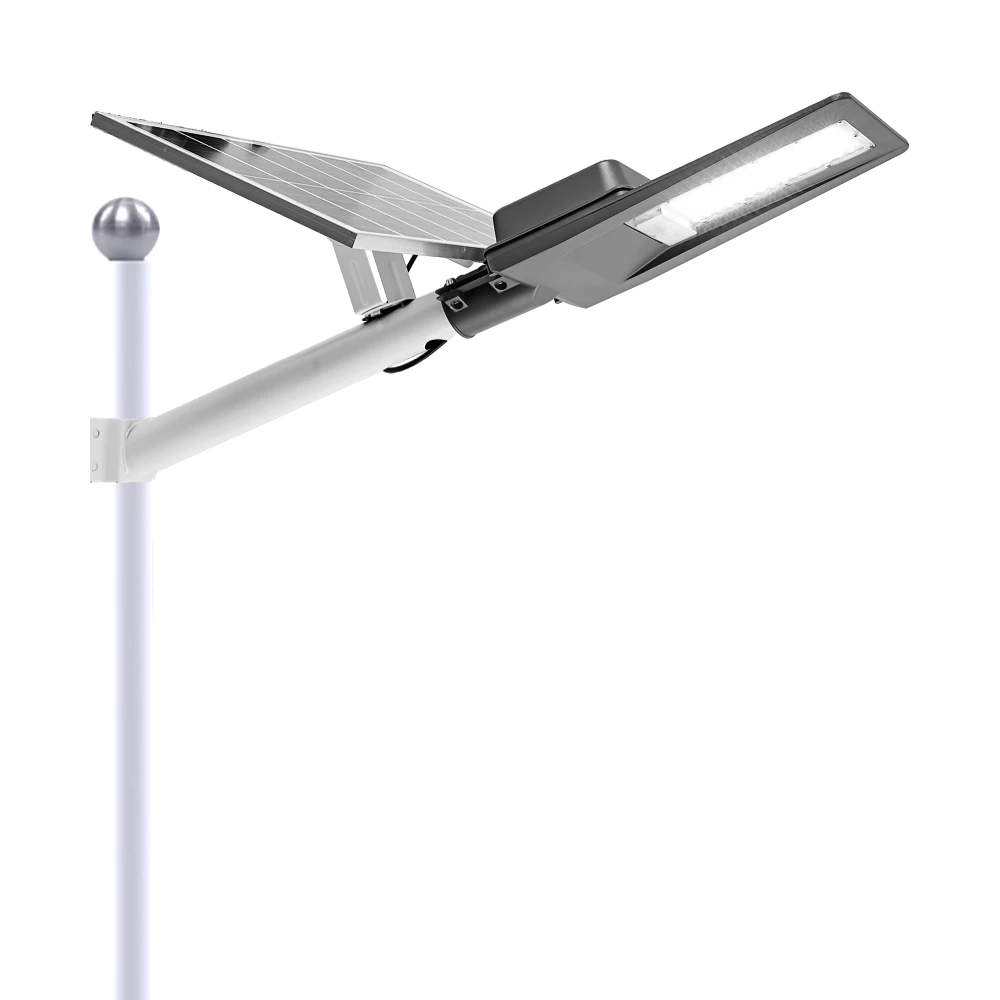
Experience reliable outdoor illumination with our smart solar street light, a perfect combination of advanced technology and eco-conscious design.
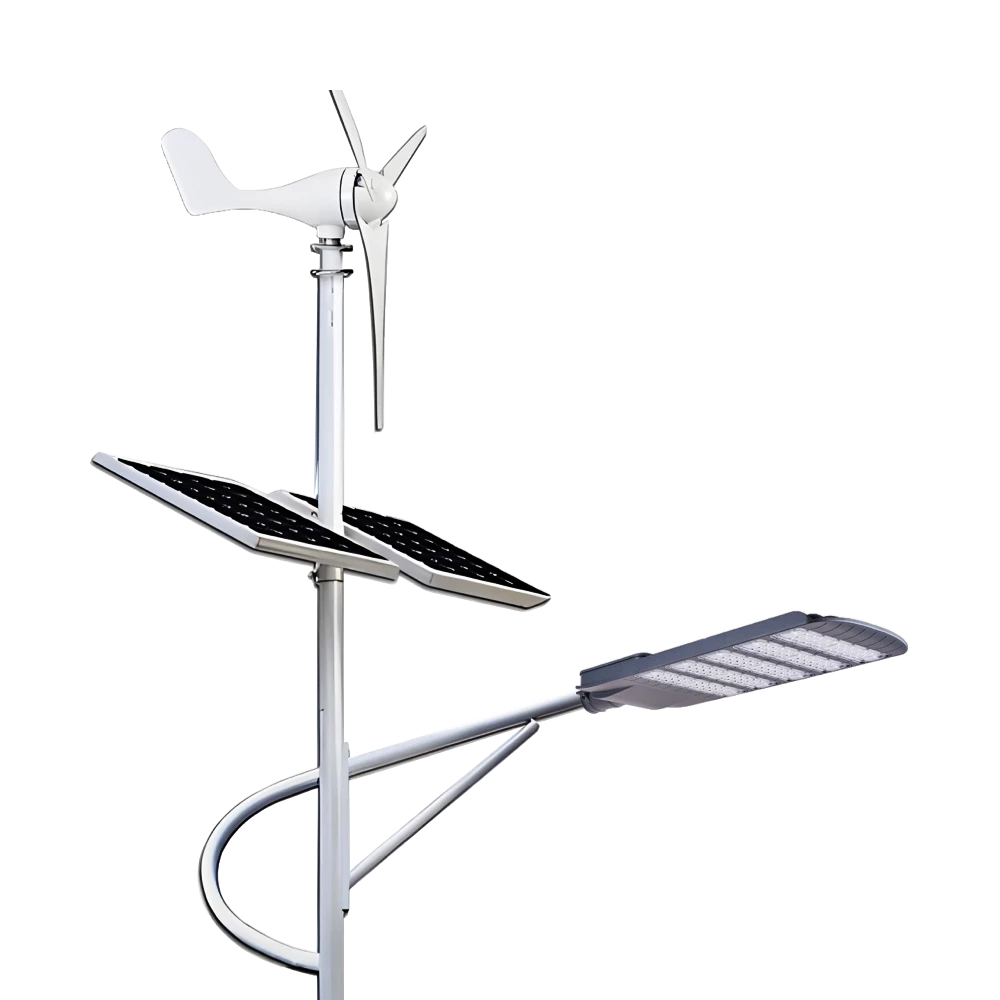
Queneng Lufeng Wind Energy LED Outdoor Solar Street Lights offer high-performance, eco-friendly illumination. These energy-efficient LED street lights harness solar power and wind energy for sustainable, cost-effective outdoor lighting solutions.
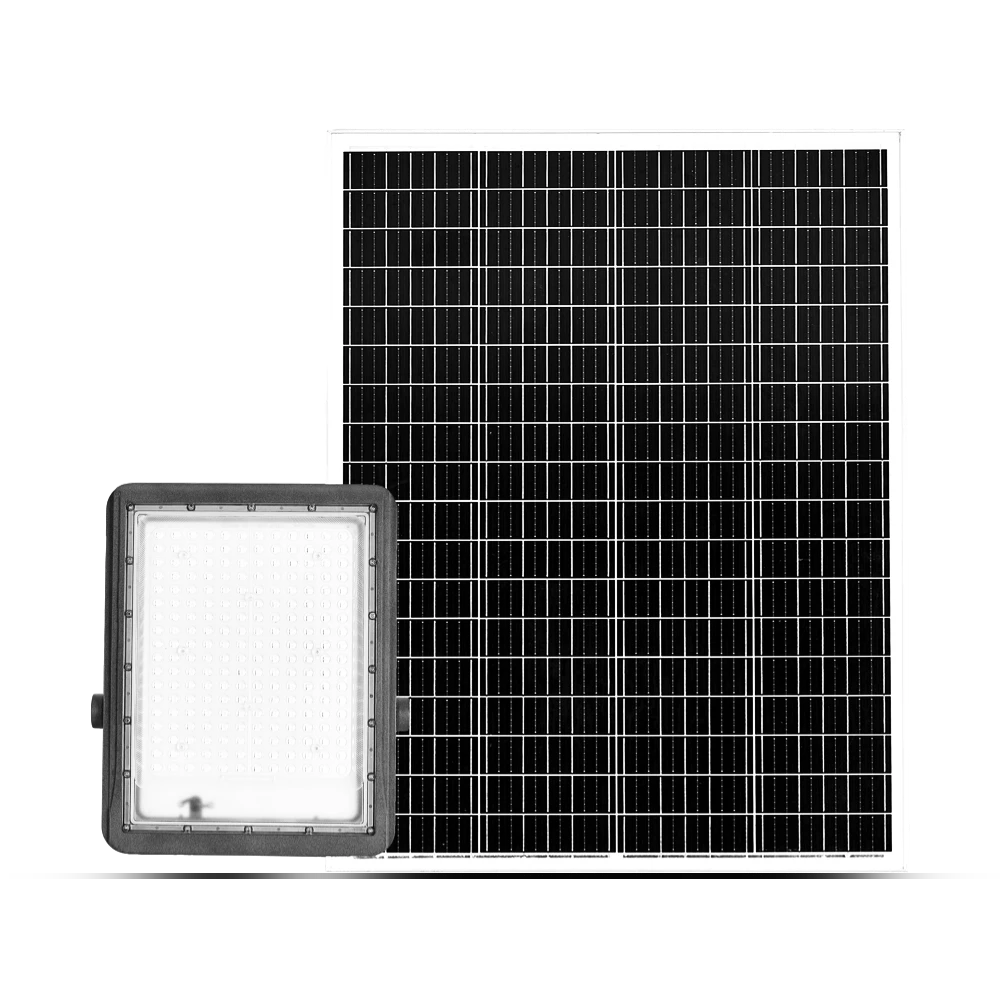
Queneng's Luxian Reliable Solar Street Light offers energy-saving LED lighting for outdoor use. This durable, solar-powered street light provides reliable illumination, reducing energy costs and environmental impact. A perfect solution for sustainable outdoor lighting.
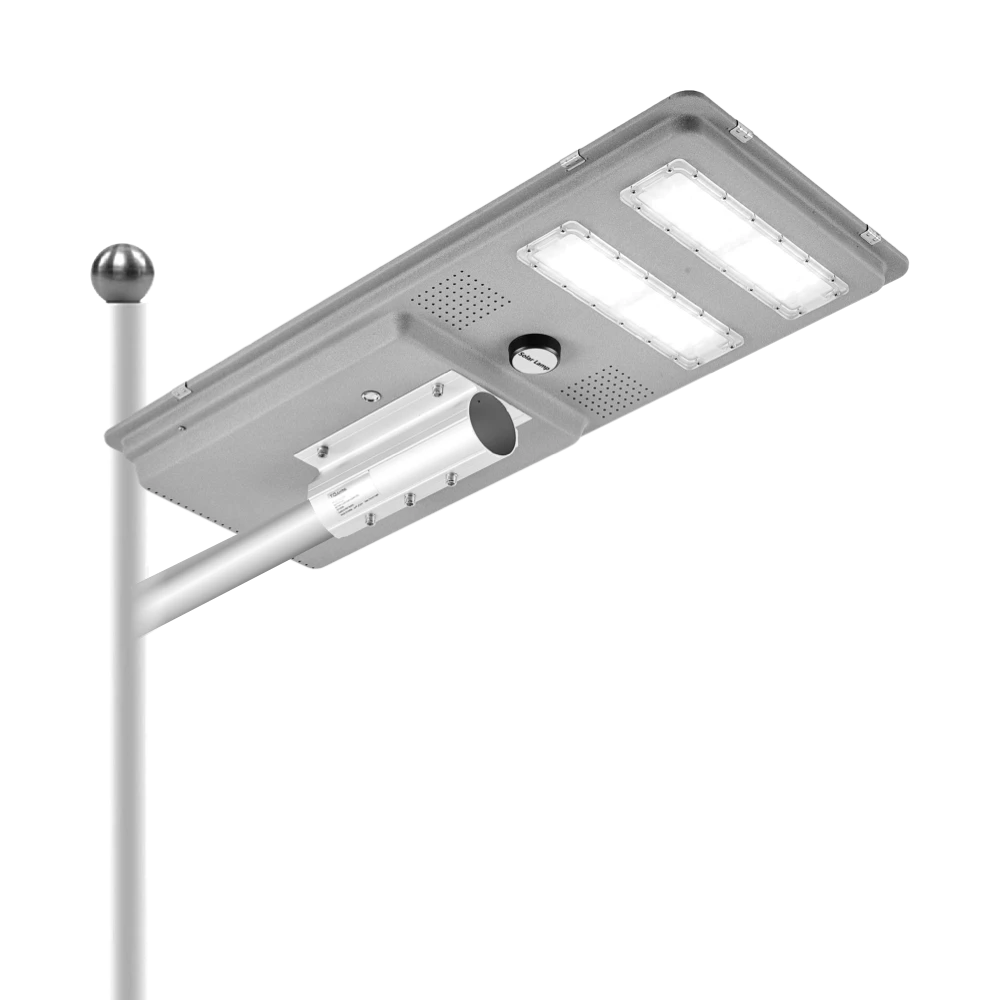
Queneng’s Solar Street Lights are designed to provide reliable, energy-efficient lighting for streets, parks, and other outdoor spaces.
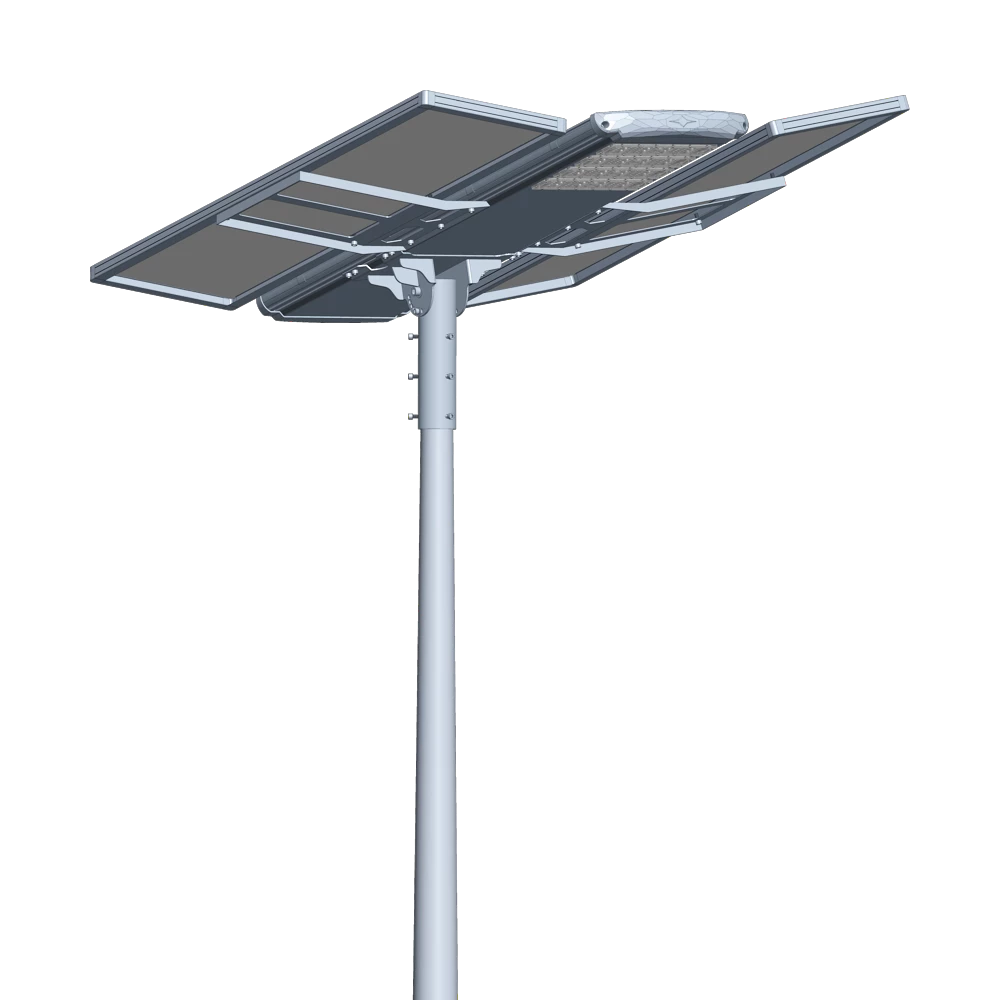
Introducing the Luqing Solar Street Light by Queneng, Efficient LED lighting powered by solar energy is perfect for illuminating outdoor areas. Harness the power of solar energy for sustainable, reliable street lighting. Ideal for eco-friendly, cost-effective outdoor illumination solutions.
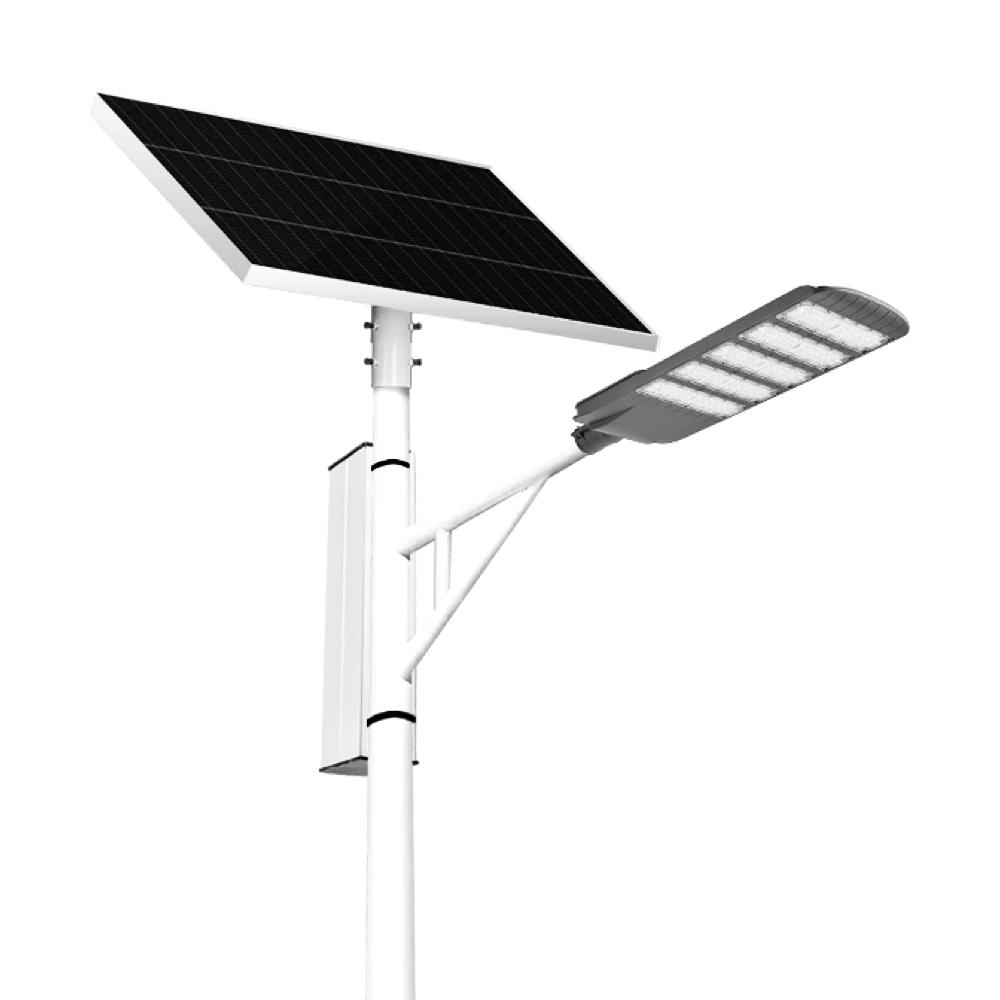
The Solar Streetlights of Luhao for Municipalities are designed to deliver reliable, energy-efficient, and cost-effective public lighting solutions. Equipped with advanced LED technology, durable lithium batteries, and high-efficiency solar panels, these streetlights provide consistent illumination for roads, parks, residential areas, and government projects.
If you would like more information about Queneng solar lighting solutions, please send us a message by filling out the form below. Our professional team will get back to you within 24 hours!
Rest assured that your privacy is important to us, and all information provided will be handled with the utmost confidentiality.
Schedule a Meeting
Book a date and time that is convenient for you and conduct the session in advance.
Have more questions about our products or services?
The messenger of light & power conversion
Environmental protection and intelligent manufacturing are our brand philosophy, and quality assurance and the best user experience are our eternal promises to users.
CONTACT
No.9F, Building F, Cao San Xin Tian Hong Logistics Park, Guzhen Town, Zhongshan City, Guangdong Province, China.
or write [email protected]
WhatsApp: +86 136 2270 1011


