














What's the environmental impact of solar street lighting?
<!DOCTYPE >< lang=en>
Solar street lighting represents a pivotal shift towards sustainable and cost-effective urban and rural infrastructure development. For procurement managers and industry professionals, understanding the nuances of these systems is crucial for making informed decisions. This guide addresses the most pressing questions, from cost implications and system types to environmental impact and manufacturer selection, with a specific focus on the needs of the split solar street light industry.
Navigating the World of Solar Street Lighting: Insights for Informed Procurement
1. What Determines the Cost of a Solar Street Light, and What's the Average Price Range?
The cost of a solar street light system varies significantly based on several critical factors, making it challenging to quote a single average price. However, understanding these drivers empowers smarter procurement:
- Wattage and Brightness (LED Lumens): Higher lumen output requires more powerful LED chips and, consequently, more robust power components.
- Battery Capacity and Type: Lithium Iron Phosphate (LiFePO4) batteries are preferred for their longer lifespan (5-10 years, 2000-4000 cycles) and deeper discharge capabilities compared to lead-acid, but come at a higher initial cost. Larger battery capacity ensures longer autonomy (number of days the light can operate without sun).
- Solar Panel Power and Efficiency: The wattage and efficiency of the solar panel (monocrystalline vs. polycrystalline) directly impact charging speed and overall system reliability, especially in regions with lower solar irradiance. Monocrystalline panels are generally more efficient.
- Pole Height and Material: Higher poles require more powerful lighting and stronger materials (e.g., galvanized steel, aluminum) to withstand wind loads, increasing costs.
- Controller Technology: Advanced MPPT (Maximum Power Point Tracking) controllers optimize solar energy harvesting, extending battery life and improving efficiency, which adds to the cost but offers long-term savings.
- Smart Features: Motion sensors, dimming capabilities, remote monitoring, and IoT integration increase functionality and cost.
- Brand and Warranty: Reputable manufacturers offering extended warranties (e.g., 5+ years for key components) often have higher prices but provide greater assurance of quality and longevity.
Average Price Range: A basic residential solar street light might cost anywhere from $150 to $500. Commercial-grade or high-power systems for public infrastructure can range from $500 to $2,500+ per unit, excluding installation costs which can vary significantly based on location and ground conditions. For large-scale industrial or governmental projects, bulk purchasing can lead to reduced per-unit costs.
2. How Do All-in-One and Split Solar Street Lights Compare, and Which is Better for Different Applications?
Choosing between All-in-One (integrated) and Split (separated) solar street light systems is a crucial decision for procurement, heavily influenced by application requirements and environmental conditions.
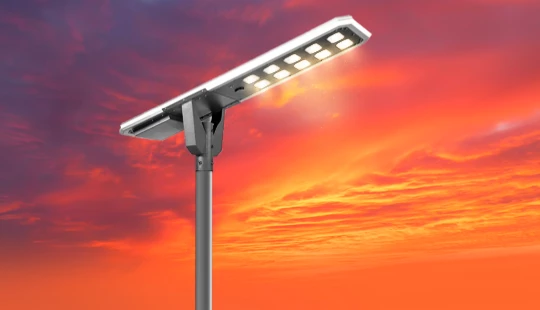
- All-in-One Solar Street Lights: These compact units integrate the solar panel, battery, LED lamp, and controller into a single housing.
- Advantages: Easier, quicker, and often less expensive installation due to fewer components and no external wiring; sleek aesthetics; lower transportation costs.
- Disadvantages: Less flexible for optimal solar panel positioning (fixed angle); battery, panel, and LED are exposed to the same environmental conditions, which can impact component lifespan if not properly designed; limited capacity for very high power applications or challenging solar conditions.
- Best For: Residential streets, pathways, parks, temporary lighting, and areas with consistent solar irradiance where quick deployment and aesthetics are priorities.
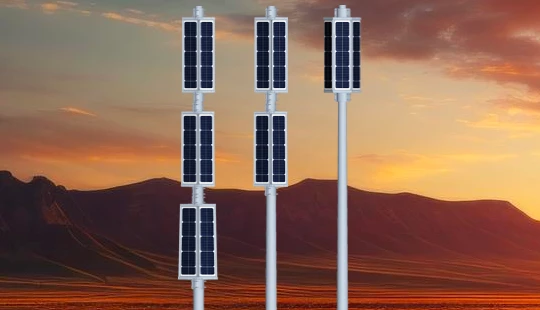
- Split Solar Street Lights: These systems feature separate components – a solar panel mounted on top of the pole or nearby, a battery box (often underground or mounted on the pole), and the LED lamp head.
- Advantages: Greater flexibility in orienting the solar panel for maximum sun exposure, crucial in areas with complex shading or specific latitude requirements; better heat dissipation for the battery (especially if underground or in a separate enclosure), potentially extending its lifespan; allows for larger solar panels and battery capacities, suitable for higher power requirements or longer autonomy days; easier individual component replacement.
- Disadvantages: More complex and time-consuming installation due to separate components and wiring; potentially higher initial installation cost; less aesthetically integrated.
- Best For: Major roadways, highways, industrial zones, large public spaces, areas with challenging solar conditions (e.g., partial shading), regions with extreme temperatures, or applications requiring significant power output and reliability over extended periods. This is often the preferred choice for robust, long-term infrastructure projects where performance and longevity outweigh initial installation simplicity.
3. What are the Key Factors to Consider When Choosing a Reliable Solar Street Light Manufacturer?
Selecting the right manufacturer is paramount to the success and longevity of your solar street light project. Look beyond just price:
- Experience and Reputation: A proven track record in the industry, evidenced by successful projects and client testimonials.
- R&D and Innovation: Manufacturers who invest in research and development often offer more efficient, durable, and technologically advanced products (e.g., advanced battery management systems, intelligent control algorithms).
- Quality Control and Certifications: Adherence to international quality standards like ISO 9001 (Quality Management) and ISO 14001 (Environmental Management). Product certifications such as CE, RoHS, IP (Ingress Protection, e.g., IP65, IP66 for outdoor use), IEC, and UL (for specific markets) ensure product safety, performance, and environmental compliance.
- Component Quality: Inquiry about the brands and specifications of key components (LED chips like Philips/Cree, batteries like CATL/BYD, high-efficiency solar cells).
- Warranty and After-Sales Support: A robust warranty (e.g., 5-10 years for LED, battery, and panel) and responsive technical support are crucial for long-term peace of mind and operational continuity.
- Customization Capabilities: The ability to tailor solutions to specific project requirements (e.g., pole height, light distribution, autonomy days, smart features).
- Production Capacity and Lead Times: Ensure the manufacturer can meet your project's volume and timeline requirements.
4. What is the Environmental Impact and Sustainability of Solar Street Lighting?
Solar street lighting offers significant environmental advantages, contributing positively to sustainability goals:
- Reduced Carbon Emissions: During operation, solar street lights produce zero greenhouse gas emissions, directly reducing the carbon footprint compared to grid-powered lights reliant on fossil fuels. Replacing traditional grid lighting can lead to substantial CO2 savings over the system's lifespan.
- Decreased Reliance on Fossil Fuels: By harnessing renewable solar energy, these systems lessen the demand for finite fossil fuel resources.
- Lower Energy Consumption: High-efficiency LED technology significantly reduces energy consumption compared to conventional street lights.
- Minimal Light Pollution: Modern solar street lights often incorporate features like dimming and targeted light distribution, which can minimize upward light spill and reduce light pollution, preserving nocturnal environments.
- Reduced Infrastructure Impact: Eliminates the need for extensive trenching and cabling, minimizing ground disturbance and material consumption during installation.
- Long Lifespan and Recyclability: Key components like solar panels (25+ years), LiFePO4 batteries (5-10 years), and LEDs (50,000-100,000 hours) have long operational lifespans. Many components are also increasingly recyclable at the end of their life cycle, further reducing environmental impact.
While manufacturing processes have an initial carbon footprint, the lifetime environmental benefits of solar street lighting far outweigh these initial impacts, making them a net positive for the environment.
5. What are the Primary Components of a High-Quality Solar Street Light System and Their Lifespan?
Understanding the core components is vital for assessing quality and predicting longevity, especially for split systems where components can be individually optimized:
- Solar Panel (Photovoltaic Module): Converts sunlight into electricity. Monocrystalline panels are highly efficient and durable.
- Lifespan: Typically 25-30 years with minimal degradation.
- Rechargeable Battery: Stores energy captured by the solar panel for night-time use. LiFePO4 (Lithium Iron Phosphate) is the industry standard for performance and safety.
- Lifespan: 5-10 years (or 2000-4000 charge/discharge cycles), depending on depth of discharge, temperature, and quality.
- LED Lamp: Provides illumination. High-efficiency LED chips (e.g., Philips, Cree) with proper heat management are crucial for longevity and light output.
- Lifespan: 50,000-100,000 hours (10-20 years), with gradual lumen depreciation over time.
- Charge Controller: Regulates the charging and discharging of the battery, protecting it from overcharge and over-discharge. MPPT (Maximum Power Point Tracking) controllers are more efficient than PWM (Pulse Width Modulation).
- Lifespan: 5-10 years.
- Light Pole: Supports the entire system. Galvanized steel or aluminum are common materials for durability and corrosion resistance.
- Lifespan: 20+ years, depending on material, coating, and environmental conditions.
6. What Kind of Maintenance Do Solar Street Lights Require, and What's the Typical ROI?
One of the significant advantages of solar street lighting is its relatively low maintenance requirements, contributing to an attractive Return on Investment (ROI).
- Maintenance:
- Cleaning Solar Panels: Periodic cleaning (1-2 times a year, more in dusty environments) to remove dust, dirt, or debris that can obstruct sunlight and reduce efficiency.
- Battery Checks: For split systems with easily accessible batteries, occasional visual checks for corrosion or damage. Modern LiFePO4 batteries are largely maintenance-free.
- Fixture Inspection: Ensure all connections are secure and there's no physical damage to the lamp, pole, or panel.
- Software Monitoring (for smart systems): Remotely monitor performance and detect faults, reducing the need for physical inspections.
- Typical ROI: The ROI for solar street lights is primarily driven by electricity bill savings and avoided infrastructure costs (e.g., trenching, wiring, grid connection fees).
- Payback Period: Typically ranges from 3 to 7 years, depending on local electricity rates, installation costs, system efficiency, and the cost of grid connection alternatives. In areas with high electricity prices or remote locations where grid extension is expensive, the payback period can be much shorter.
- Long-Term Savings: After the payback period, the operational savings represent pure profit, making solar street lights a highly economical long-term investment.
7. What Certifications and Standards Should I Look For in Solar Street Lighting Products?
Adherence to international certifications and standards guarantees product quality, safety, and performance, which is paramount for procurement:
- CE (Conformité Européenne): Mandatory for products sold within the European Economic Area, indicating compliance with EU safety, health, and environmental protection requirements.
- RoHS (Restriction of Hazardous Substances): Restricts the use of specific hazardous materials in electrical and electronic products, ensuring environmental friendliness.
- IP Rating (Ingress Protection): Indicates the level of protection against solids (dust) and liquids (water). For outdoor solar street lights, look for IP65 or IP66, meaning they are fully protected against dust ingress and resistant to water jets.
- IEC (International Electrotechnical Commission) Standards: Global standards for electrical components. Relevant IEC standards for solar products include IEC 61215 (crystalline silicon terrestrial PV modules), IEC 61730 (PV module safety qualification), and IEC 62133 (secondary cells and batteries containing alkaline or other non-acid electrolytes).
- UL (Underwriters Laboratories) Certification: Primarily for the North American market, indicating product safety compliance with stringent UL standards.
- ISO 9001: Certifies that a manufacturer follows a robust Quality Management System.
- ISO 14001: Certifies an Environmental Management System, indicating a commitment to reducing environmental impact.
Always request valid certificates from the manufacturer to verify compliance.
Queneng Lighting: Your Trusted Partner in Solar Street Lighting
For industry professionals seeking reliable, high-performance solar street lighting solutions, Queneng Lighting stands as a beacon of excellence. We understand the intricate demands of the split solar street light sector and offer solutions tailored to your project's unique challenges. Our commitment to quality is reflected in our advanced R&D, rigorous quality control processes (ISO 9001, CE, RoHS, IP66 certified products), and the use of High Quality components (e.g., LiFePO4 batteries, high-efficiency solar panels, Philips/Cree LEDs). We provide comprehensive warranties and dedicated after-sales support, ensuring your investment is secure and your projects are illuminated for years to come. Choose Queneng Lighting for innovative, durable, and environmentally responsible solar street lighting that truly delivers.
References and Data Sources:
- Solar Street Light Components and Lifespan: EnergySage - Solar Panel Lifespan (Accessed: 2023-10-27)
- LiFePO4 Battery Lifespan: LithiumHub - How Long Do Lithium Batteries Last? (Accessed: 2023-10-27)
- LED Lifespan: Energy Star - Lumen Output & LED Lifespan (Accessed: 2023-10-27)
- Average Cost of Solar Street Lights (General Industry Estimates): Various industry reports and manufacturer sites were consulted for general price ranges, as specific costs are highly variable per project.
- Environmental Impact of Solar: Solar Energy Industries Association (SEIA) - Environmental Benefits (Accessed: 2023-10-27)
- Industry Certifications (CE, RoHS, IP, IEC, UL, ISO): General knowledge based on industry standards and regulatory bodies.
</>

Have more questions about our products or services?
The latest hot news you might like

Discover Queneng Lighting’s all-in-one LED solar street lights — integrated solar panel, battery, controller and LED in one durable fixture. Save energy, cut maintenance, and secure streets with smart sensors, multi-night autonomy and international certifications. Contact sales for quotes and support.

Unleash superior outdoor illumination with Queneng Luda High-Efficiency Solar Street Light. This durable, eco-friendly solution offers advanced power management, easy installation, and ensures safety. Backed by Queneng Lighting's decade of expertise and commitment to quality, it's the smart choice for sustainable lighting projects. Learn why we're a leading solar solutions provider.

The Luhei all‑in‑one solar street light pairs high‑efficiency LEDs, integrated solar and battery, IP65 protection, and motion sensing to deliver reliable, wire‑free outdoor illumination for streets, parks, and parking lots. Backed by Queneng Lighting’s certifications and support.

FAQ
Distributors
What are the benefits of becoming a Queneng distributor?
As a Queneng distributor, you will gain access to high-quality, customizable solar lighting products, competitive pricing, marketing support, and exclusive distribution rights in some regions. We provide comprehensive training, technical support, and reliable logistics to help grow your business.
Solar Street Light Luqing
Are solar street lights easy to install?
Yes, solar street lights are easy to install. They do not require external wiring or connections to the electrical grid. The installation process is straightforward and typically involves mounting the light pole, positioning the solar panel, and securing the battery and lighting unit.
How long does the solar street light last?
The lifespan of a solar street light depends on the quality of the components, but typically, the solar panels can last up to 25 years, and the LED lights last 50,000 hours or more. The battery generally lasts between 3-5 years, after which it may need to be replaced.
Solar Street Light Lulin
How durable are Lulin solar street lights?
Lulin solar street lights are built to last. They are constructed using corrosion-resistant aluminum and high-strength tempered glass, making them durable enough to withstand harsh weather conditions, including rain, snow, and extreme temperatures. The lights are also designed to resist UV rays, dust, and other environmental factors, offering a long service life in both urban and rural settings.
Battery Performance and Testing
What is the standard charge retention test?
After the battery is discharged to 1.0V at 0.2C, it is charged at 0.1C for 16 hours, stored at a temperature of 20℃±5℃ and a humidity of 65%±20% for 28 days, and then discharged to 1.0V at 0.2C. NiMH batteries should last longer than 3 hours.
The national standard stipulates that the standard charge retention test of lithium batteries is: (IEC has no relevant standards) The battery is discharged to 3.0/unit at 0.2C, and then charged to 4.2V at 1C constant current and constant voltage, with a cut-off current of 10mA, at a temperature of 20 ℃±5℃, after 28 days of storage, discharge at 0.2C to 2.75V, calculate the discharge capacity, and compare it with the battery's nominal capacity, it should not be less than 85% of the initial capacity.
Solar Street Light Luxian
Are Luxian solar street lights suitable for urban and rural applications?
Yes, Luxian solar street lights are versatile and suitable for both urban and rural applications. Whether you need to light busy city streets or quiet rural pathways, Luxian lights offer a reliable, energy-efficient solution. Their easy installation and low maintenance make them ideal for a wide range of outdoor spaces, including parks, parking lots, streets, and private properties.
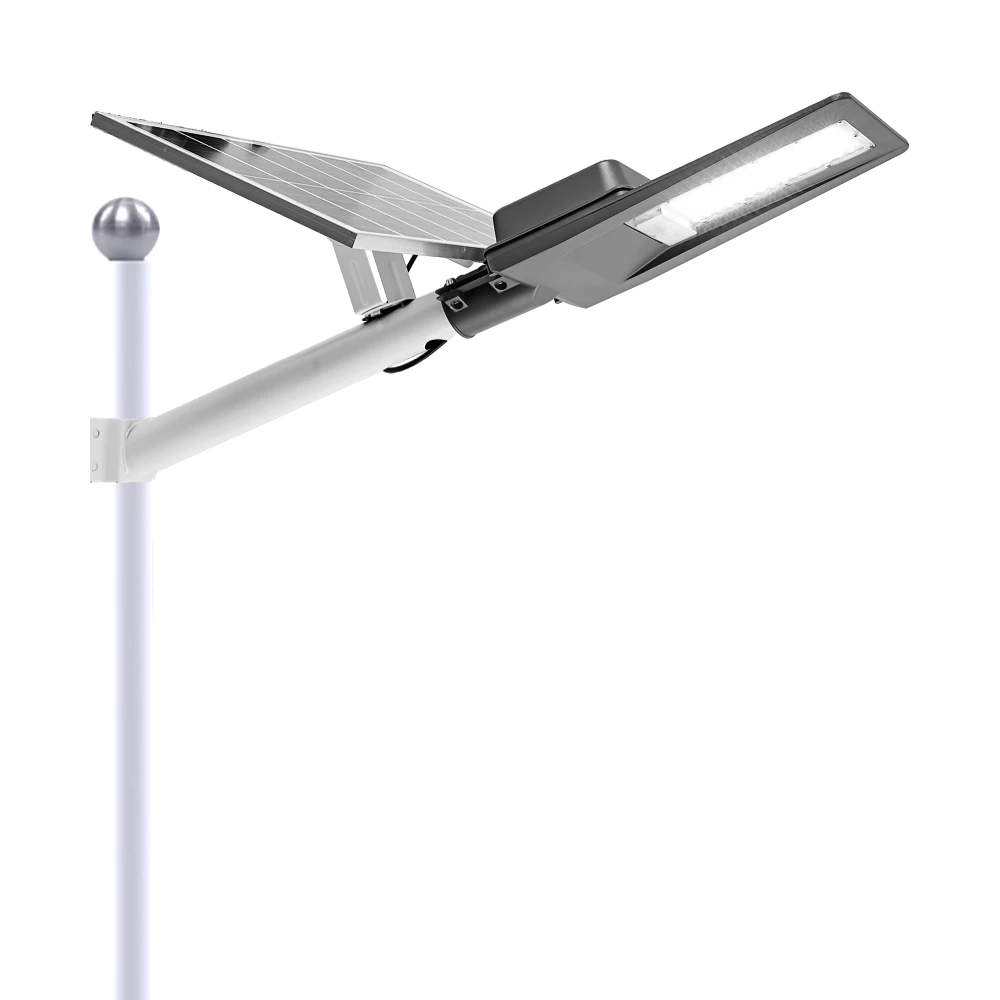
Experience reliable outdoor illumination with our smart solar street light, a perfect combination of advanced technology and eco-conscious design.
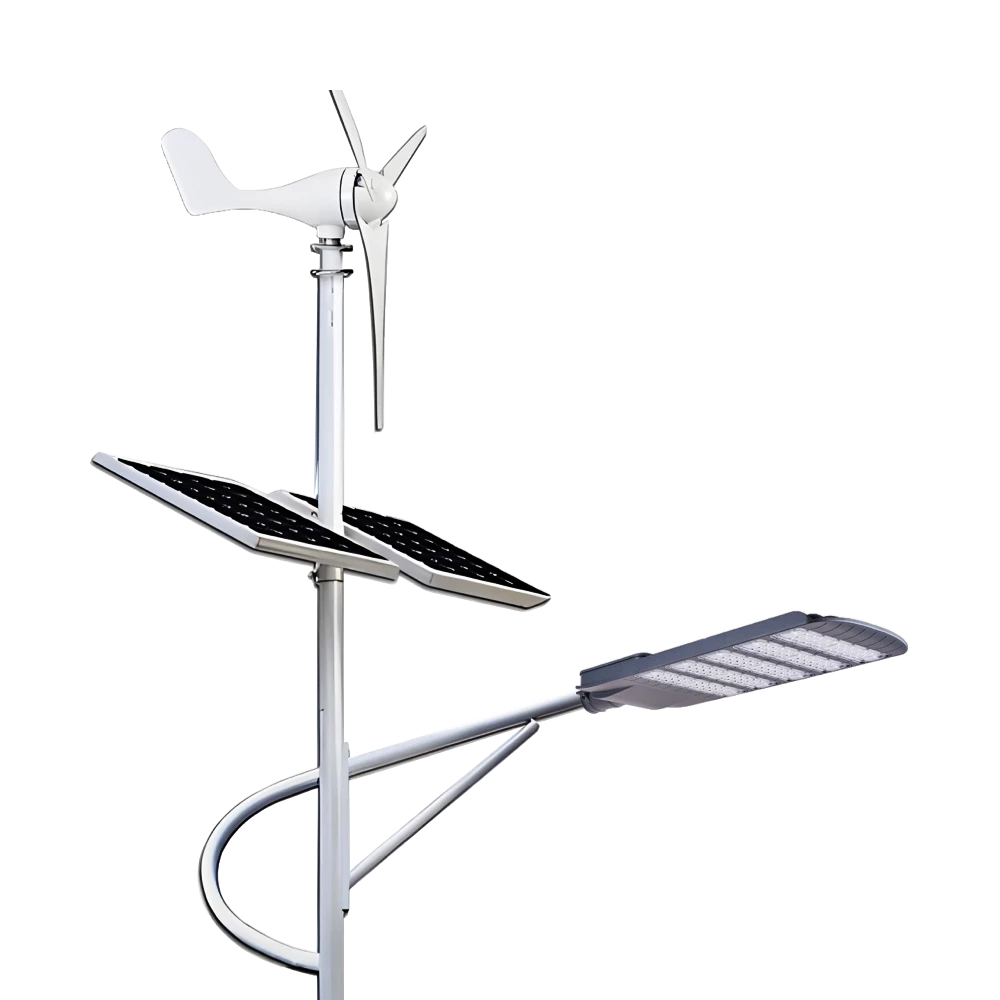
Queneng Lufeng Wind Energy LED Outdoor Solar Street Lights offer high-performance, eco-friendly illumination. These energy-efficient LED street lights harness solar power and wind energy for sustainable, cost-effective outdoor lighting solutions.
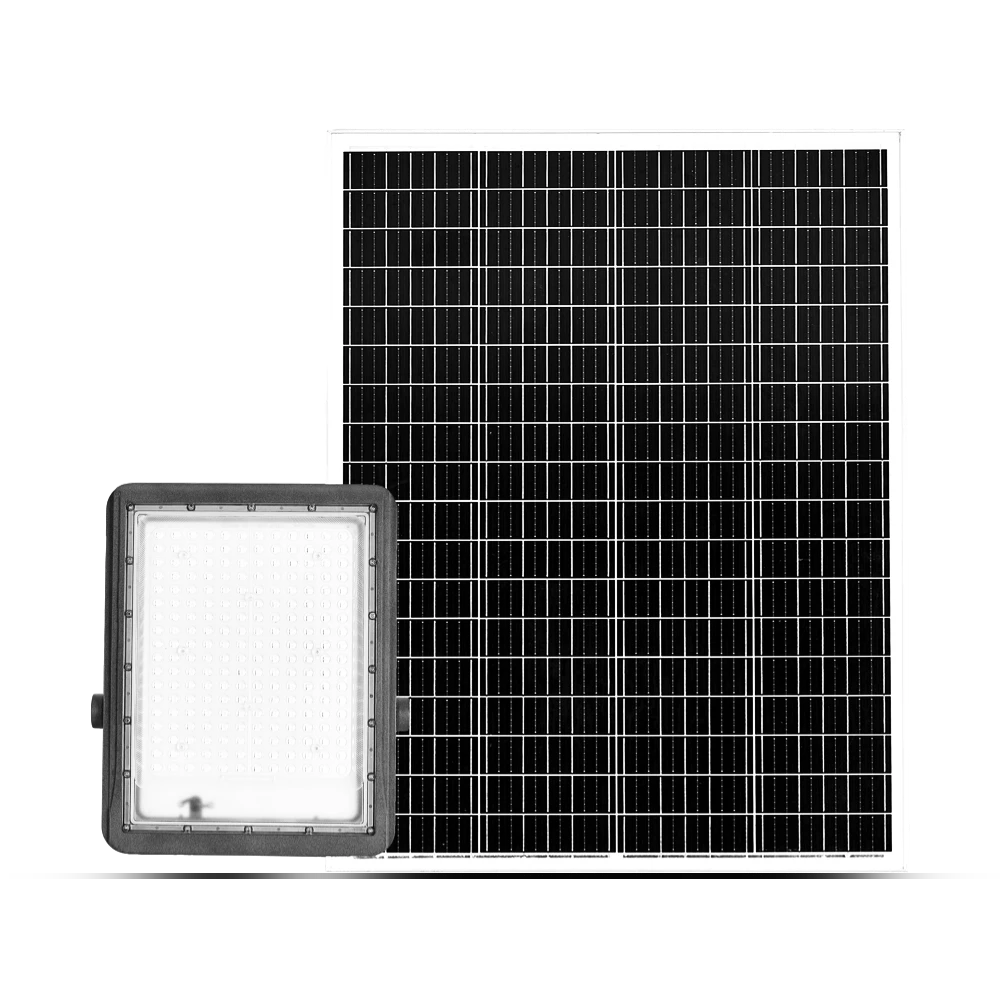
Queneng's Luxian Reliable Solar Street Light offers energy-saving LED lighting for outdoor use. This durable, solar-powered street light provides reliable illumination, reducing energy costs and environmental impact. A perfect solution for sustainable outdoor lighting.
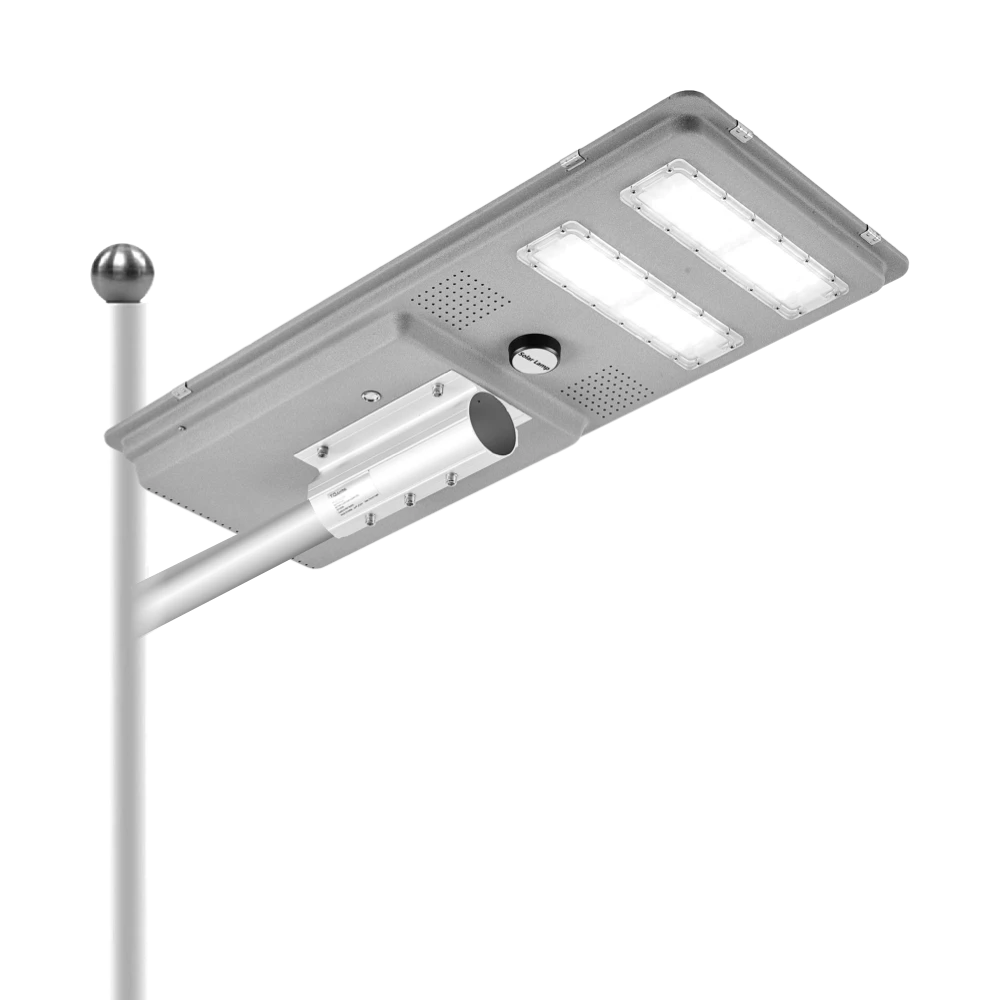
Queneng’s Solar Street Lights are designed to provide reliable, energy-efficient lighting for streets, parks, and other outdoor spaces.
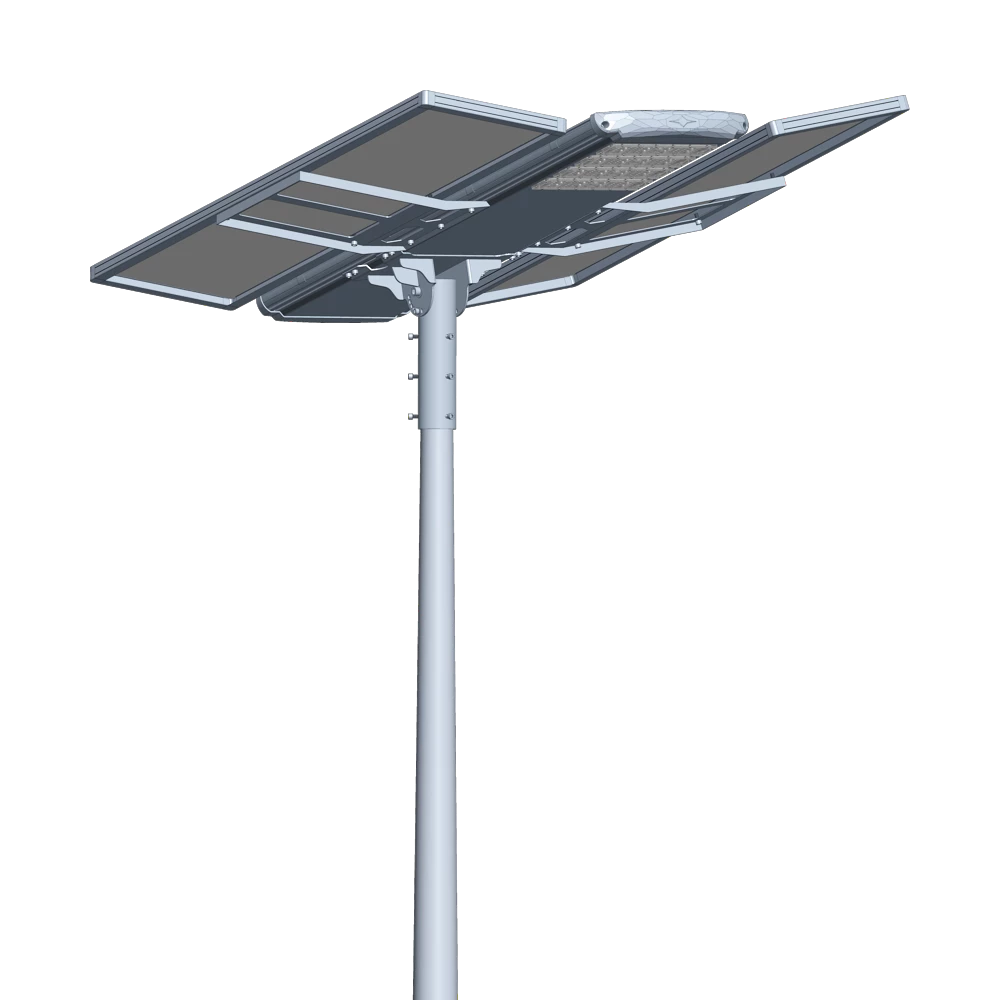
Introducing the Luqing Solar Street Light by Queneng, Efficient LED lighting powered by solar energy is perfect for illuminating outdoor areas. Harness the power of solar energy for sustainable, reliable street lighting. Ideal for eco-friendly, cost-effective outdoor illumination solutions.
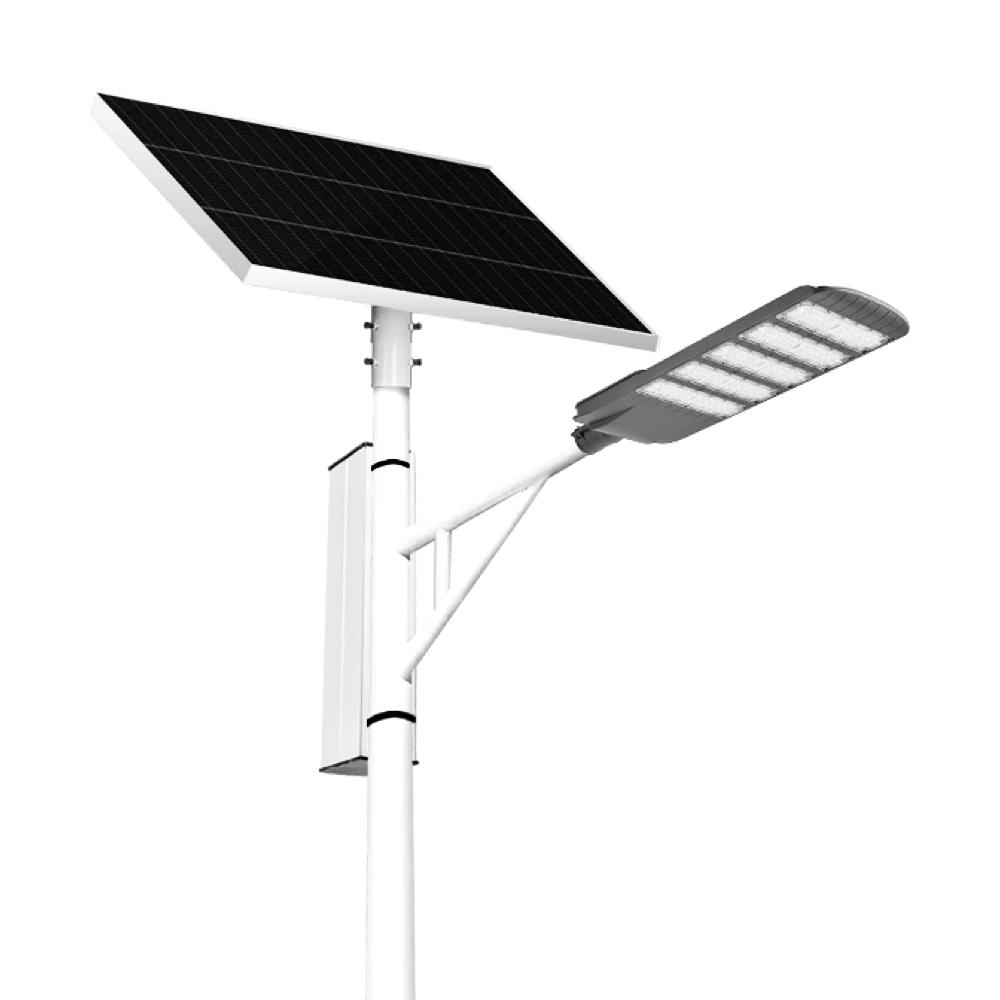
The Solar Streetlights of Luhao for Municipalities are designed to deliver reliable, energy-efficient, and cost-effective public lighting solutions. Equipped with advanced LED technology, durable lithium batteries, and high-efficiency solar panels, these streetlights provide consistent illumination for roads, parks, residential areas, and government projects.
If you would like more information about Queneng solar lighting solutions, please send us a message by filling out the form below. Our professional team will get back to you within 24 hours!
Rest assured that your privacy is important to us, and all information provided will be handled with the utmost confidentiality.
Schedule a Meeting
Book a date and time that is convenient for you and conduct the session in advance.
Have more questions about our products or services?
The messenger of light & power conversion
Environmental protection and intelligent manufacturing are our brand philosophy, and quality assurance and the best user experience are our eternal promises to users.
CONTACT
No.9F, Building F, Cao San Xin Tian Hong Logistics Park, Guzhen Town, Zhongshan City, Guangdong Province, China.
or write [email protected]
WhatsApp: +86 136 2270 1011


