














How to compare manufacturers' technical specifications?
Navigating Solar Street Light Procurement: Costs, Specifications, and Manufacturer Selection
As the demand for sustainable and off-grid lighting solutions grows, solar street lights have become a cornerstone for smart cities, public infrastructure, and remote area development. For procurement professionals, understanding the intricate details from cost implications to technical specifications and manufacturer credibility is paramount. This guide provides comprehensive insights to help you make informed decisions when sourcing solar street lights, with a particular focus on the robust capabilities of split solar street light systems.
What are the Key Cost Factors for Solar Street Lights, and What's a Realistic Budget?
The cost of a solar street light system can vary significantly, typically ranging from a few hundred to several thousand US dollars per unit. This broad range is influenced by several critical factors:
- Lumen Output & LED Wattage: Higher lumen output (brighter light) requires more powerful LED chips and drivers, increasing cost. A 30W LED fixture might cost less than a 100W fixture with equivalent lumen-per-watt efficiency.
- Solar Panel Wattage & Efficiency: Larger, higher-wattage solar panels (e.g., 100Wp vs. 200Wp) and those with higher conversion efficiency (e.g., monocrystalline panels often 19-22% efficient) contribute to higher costs but ensure better charging and autonomy.
- Battery Type & Capacity: Lithium Iron Phosphate (LiFePO4) batteries are now the industry standard for longevity, safety, and performance, offering 2,000 to 6,000+ charge cycles. Their capacity (Ah or Wh) directly impacts the system's autonomy (days of backup power). Larger capacity batteries are more expensive but crucial for reliability in areas with less sunlight.
- Charge Controller Technology: Maximum Power Point Tracking (MPPT) controllers are more efficient (up to 30% more power harvest) than Pulse Width Modulation (PWM) controllers, especially in varying weather conditions. MPPT adds to the cost but significantly improves system performance.
- Pole Material & Height: The height and material (galvanized steel, aluminum) of the pole, its wind resistance rating, and aesthetic finishes all impact the overall price.
- Smart Features & Connectivity: Features like dimming schedules, motion sensors, remote monitoring (LoRa, Zigbee, 4G), and smart city integration increase complexity and cost.
- Brand & Warranty: Reputable manufacturers offering extended warranties and proven product quality often have slightly higher prices, but this reflects better component quality and after-sales support.
For a commercial-grade split solar street light system, expecting a per-unit cost in the range of $500 to $2,500+ USD (excluding installation) is realistic, depending on the specifications required for illumination, autonomy, and local environmental conditions.
All-in-One vs. Split Solar Street Lights: Which System Best Suits Your Project Needs?
The choice between All-in-One (integrated) and Split solar street light systems is a fundamental procurement decision, each with distinct advantages:
-
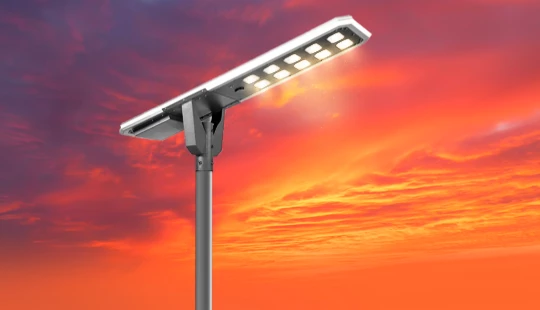
All-in-One Solar Street Lights: These compact units integrate the solar panel, LED lamp, battery, and controller into a single fixture mounted directly on the pole. Their main advantages include easier and faster installation, reduced cabling, and often a lower upfront material cost. However, they can be limited in terms of solar panel size (affecting power generation), battery capacity (limiting autonomy), and heat dissipation for critical components, potentially affecting battery lifespan in hot climates.
-
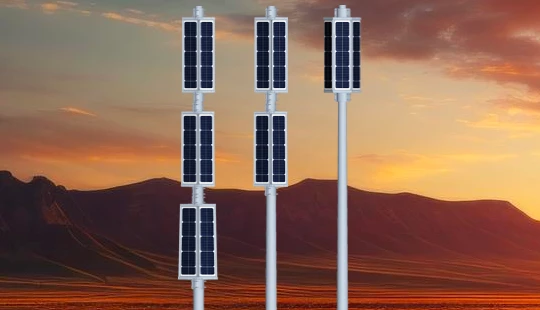
Split Solar Street Light Systems: In contrast, split systems separate the main components. The solar panel is mounted separately, often higher on the pole or in an optimal sun-facing direction, while the battery and controller are housed in a separate enclosure (often at the base of the pole or on the pole itself). The LED lamp is mounted like a traditional street light.
Advantages for Procurement:
- Superior Performance: Allows for larger solar panels and battery capacities, offering greater power output, extended autonomy (5-7+ days), and consistent performance even in challenging weather or lower sunlight regions.
- Optimized Component Lifespan: Separate housing for the battery and controller ensures better heat management, crucial for extending the lifespan of these sensitive components.
- Greater Customization & Flexibility: Ideal for specific project requirements, allowing for precise sizing of each component to meet exact illumination needs and operational hours.
- Easier Maintenance & Component Replacement: Individual components can be accessed and replaced more easily, contributing to a longer overall system lifespan and lower total cost of ownership.
- Enhanced Security: Batteries placed at the base of the pole or underground are less susceptible to theft or vandalism.
For professional procurement aiming for long-term reliability, higher power applications, and adaptability to diverse environmental conditions, split solar street light systems often present a more robust and sustainable solution despite potentially higher initial installation complexity.
Decoding Technical Specifications: A Guide to Comparing Solar Street Light Manufacturers
Comparing technical specifications is crucial to ensure you procure a system that meets your project's performance requirements. Here's what to scrutinize:
- Lumen Output (lm) and Efficacy (lm/W): Do not solely rely on LED wattage. The actual lumen output indicates brightness. Higher efficacy (lumens per watt) means more light for less power consumption. Request IES files for accurate photometric data and light distribution patterns.
- Solar Panel Specifications:
- Wattage (Wp): Total peak power output.
- Type: Monocrystalline (generally higher efficiency, better in low light, more compact) vs. Polycrystalline.
- Efficiency: Typically 18-22% for monocrystalline panels in street lights.
- Voltage & Current at Max Power (Vmpp, Impp): Ensure compatibility with the charge controller.
- Battery Specifications:
- Type: LiFePO4 (Lithium Iron Phosphate) is superior for safety, cycle life, and temperature stability.
- Capacity (Ah or Wh): Total energy storage. Ensure it provides adequate autonomy (e.g., 3-5 nights without charge) for your specific location's solar irradiance.
- Cycle Life: Number of charge/discharge cycles before capacity degrades significantly (e.g., 2000 cycles at 80% DoD for 5 years or 6000 cycles for 10-15 years).
- Depth of Discharge (DoD): How much of the battery's capacity can be used. Higher DoD (e.g., 80-90%) is good, but affects cycle life if not managed well by the controller.
- Operating Temperature Range: Crucial for performance in extreme climates.
- Charge Controller:
- Type: MPPT is highly recommended over PWM for efficiency and battery health.
- Features: Overcharge/discharge protection, reverse polarity protection, temperature compensation, dimming functions, timers.
- Ingress Protection (IP) Rating: IP65 or IP66 is standard for outdoor luminaires, indicating dust-tight and protection against strong jets of water. IP67 offers even greater protection.
- Wind Resistance: The pole and fixture must be designed to withstand local wind loads.
- Working Temperature Range: For the entire system, especially the electronics and battery.
- Certifications: Verify relevant international standards (CE, RoHS, ISO9001, IEC, UL, TUV).
Beyond Price: What Qualifies a Reputable Solar Street Light Manufacturer?
Choosing the right manufacturer is as crucial as selecting the right product. Look for the following indicators of a reputable and reliable supplier:
- Industry Experience & Specialization: Manufacturers with a long track record (e.g., 10+ years) in solar lighting demonstrate stability and expertise. Specialization in solar street lights often means deeper R&D and product optimization.
- R&D and Innovation: A manufacturer that invests in research and development is likely to offer cutting-edge technology, better performance, and continuous product improvement (e.g., higher efficiency LEDs, advanced battery management systems).
- Quality Control & Certifications: Beyond basic product certifications (CE, RoHS), look for ISO9001 for quality management systems. Request testing reports (e.g., salt spray, vibration, surge protection) and IES files for photometric data.
- Customization Capabilities: The ability to tailor systems (e.g., specific lumen output, autonomy days, pole heights, smart features) to unique project requirements is a hallmark of a strong manufacturer.
- Project References & Case Studies: Ask for examples of past projects, especially those similar in scale or complexity to yours. This demonstrates proven success.
- Manufacturing Facilities & Capacity: Understanding their production capabilities, supply chain, and adherence to manufacturing standards can provide confidence in delivery and quality.
- Transparent Data & Specifications: A trustworthy manufacturer will provide clear, unambiguous data sheets and performance guarantees.
Lifespan, Warranty, and After-Sales Support: Essential Considerations for Long-Term Value.
The total cost of ownership (TCO) extends far beyond the initial purchase price. Long-term performance and support are vital:
- Expected Lifespan of Components:
- LED Light Source: Typically 50,000 to 100,000 operating hours, translating to 10-20+ years at 10-12 hours/day.
- LiFePO4 Battery: 5-10+ years, depending on cycle depth and environmental conditions (2,000-6,000+ cycles).
- Solar Panel: 20-25+ years, with a performance guarantee of 80% output after 20-25 years.
- Charge Controller & Electronics: 5-10 years.
- Warranty: A comprehensive warranty is non-negotiable. Look for:
- Overall System Warranty: Often 2-5 years.
- Component-Specific Warranties: Longer warranties for solar panels (20-25 years performance), batteries (5-10 years), and LED drivers (3-5 years) are common for reputable brands.
- Clear Terms: Understand what the warranty covers, exclusions, and the process for claims.
- After-Sales Support:
- Technical Support: Availability of technical assistance for troubleshooting, installation guidance, and system optimization.
- Spare Parts Availability: Ensuring access to replacement components throughout the system's lifespan.
- Service & Maintenance Guidelines: Clear instructions for routine maintenance to maximize longevity.
- Remote Monitoring & Management: For smart systems, robust software support and data analytics are crucial.
Optimizing Performance: How to Determine the Right Solar Street Light Configuration for Your Project.
Proper configuration ensures efficient and effective lighting. This involves a detailed project assessment:
- Illumination Requirements: Determine the required lux level (e.g., 5-15 lux for main roads, 1-5 lux for pathways) and uniformity across the illuminated area based on local standards or project needs. This dictates the LED light source's lumen output and distribution.
- Geographical Location & Solar Irradiance: The Peak Sun Hours (PSH) of your location directly impacts the size of the solar panel and battery needed. Areas with lower PSH or frequent cloudy days require larger panels and batteries to ensure consistent operation.
- Autonomy Days: How many days of continuous operation should the system provide without any sunlight? (e.g., 3-5 cloudy days). This is a critical factor in sizing the battery capacity.
- Operating Schedule: Determine the nightly operating hours (e.g., dusk till dawn, or specific hours with dimming schedules) to calculate daily energy consumption.
- Pole Height & Spacing: These factors, along with the luminaire's light distribution pattern (e.g., Type II, Type III, Type IV), determine optimal light coverage and uniformity. Professional lighting design software (like DIALux) is often used for this.
- Environmental Factors: Consider temperature extremes (affects battery performance), wind loads (affects pole design), and dust/humidity (affects IP rating).
Queneng Lighting: Your Trusted Partner in Solar Street Light Solutions
When selecting a manufacturer for your solar street lighting projects, Queneng Lighting stands out as a reliable and experienced partner. We specialize in high-quality, professional solar street light solutions, including robust split solar street light systems designed for demanding applications. Our commitment to cutting-edge R&D ensures products with superior efficiency, longevity, and performance. We adhere to stringent quality control standards, offering comprehensive certifications and transparent technical specifications. With extensive customization capabilities, strong project references, and dedicated after-sales support, Queneng Lighting provides not just products, but complete, sustainable lighting solutions that deliver exceptional long-term value and peace of mind for your infrastructure investments.
References:
- IRENA (International Renewable Energy Agency) - Publications on Solar Power Technology Costs. (Accessed: October 2023)
- Solar Energy Industries Association (SEIA) - Industry Factsheets and Guides. (Accessed: November 2023)
- Various LED lighting industry standards bodies (IESNA, CIE) for photometric data and quality benchmarks. (Accessed: November 2023)
- Leading battery manufacturers' datasheets (e.g., CATL, BYD) for LiFePO4 battery performance and cycle life. (Accessed: November 2023)
- Consultation with industry experts and leading solar street light manufacturers for current market costs and technical trends. (Ongoing, 2023-2024)

Have more questions about our products or services?
The latest hot news you might like

Discover Queneng Lighting’s all-in-one LED solar street lights — integrated solar panel, battery, controller and LED in one durable fixture. Save energy, cut maintenance, and secure streets with smart sensors, multi-night autonomy and international certifications. Contact sales for quotes and support.

Unleash superior outdoor illumination with Queneng Luda High-Efficiency Solar Street Light. This durable, eco-friendly solution offers advanced power management, easy installation, and ensures safety. Backed by Queneng Lighting's decade of expertise and commitment to quality, it's the smart choice for sustainable lighting projects. Learn why we're a leading solar solutions provider.

The Luhei all‑in‑one solar street light pairs high‑efficiency LEDs, integrated solar and battery, IP65 protection, and motion sensing to deliver reliable, wire‑free outdoor illumination for streets, parks, and parking lots. Backed by Queneng Lighting’s certifications and support.

FAQ
Solar Street Light Luxian
What makes Luxian solar street lights more cost-effective than traditional street lights?
Luxian solar street lights are cost-effective because they require no external electrical connections, reducing installation costs. Their operation is entirely solar-powered, which eliminates ongoing electricity bills. The long lifespan of the LED bulbs and solar panels, combined with minimal maintenance needs, further reduces the total cost of ownership.
Solar Street Light Luqing
What is the main advantage of using Luqing solar street lights over traditional street lights?
The main advantage of Luqing solar street lights is their sustainability. They use solar energy, eliminating the need for electricity from the grid, which reduces energy costs and environmental impact while providing reliable lighting.
Transportation and Highways
What maintenance is required for highway solar lighting systems?
Routine maintenance includes cleaning the solar panels, checking the battery status, and inspecting the light fixtures every 6-12 months.
Can the system be integrated with existing electrical grids for hybrid operation?
Yes, our solar lighting systems can be configured for hybrid operation, combining solar power with grid electricity for uninterrupted performance.
Solar Street Light Luda
What are the installation requirements for Luda solar street lights?
Installing Luda solar street lights is straightforward and does not require complex wiring. The lights come with easy-to-follow installation instructions, typically involving mounting the pole, securing the light fixture, and positioning the solar panel for optimal sunlight exposure. Since they don’t require any electrical wiring, the installation is quick and cost-effective.
Solar Street Light Luyan
What types of batteries are used in Luyan solar street lights, and how do they work?
Luyan solar street lights use high-quality lithium-ion batteries. These batteries store the solar energy captured during the day and provide reliable illumination at night. Lithium-ion batteries are known for their longer lifespan, faster charging times, and better energy storage compared to traditional lead-acid batteries.
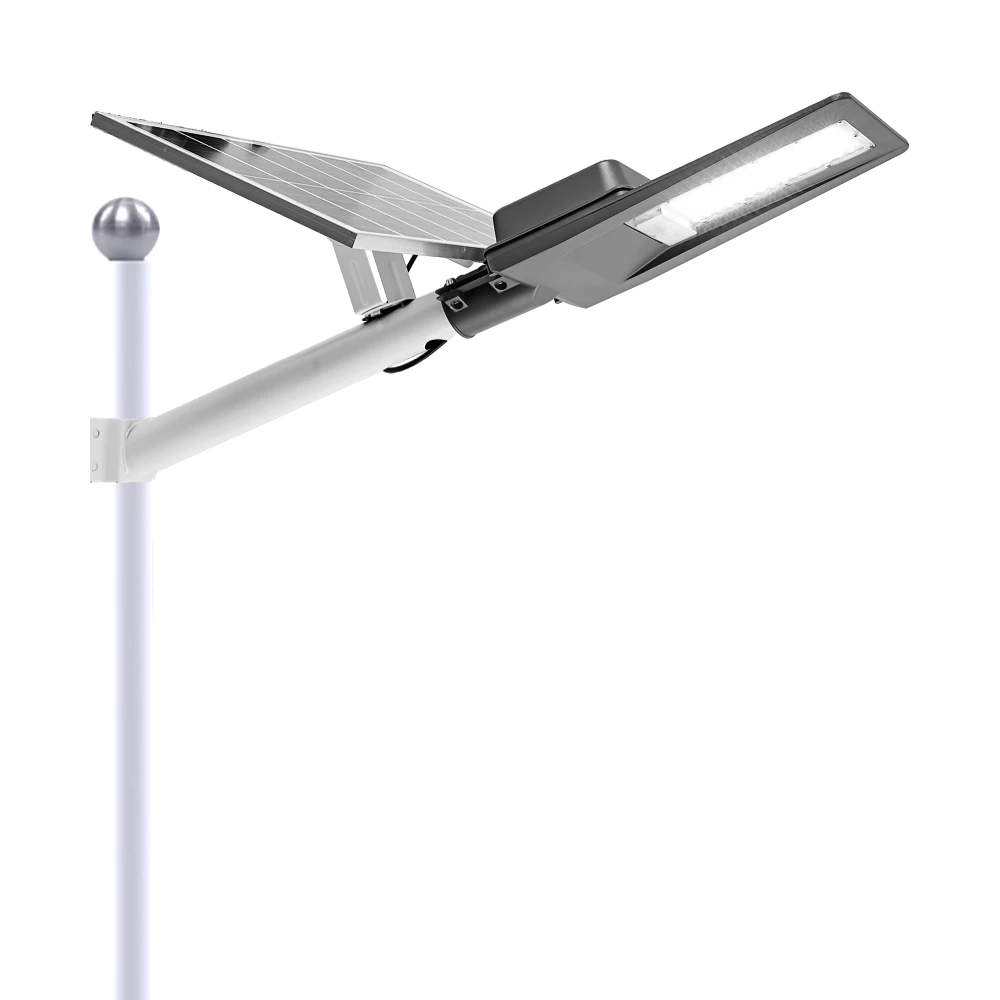
Experience reliable outdoor illumination with our smart solar street light, a perfect combination of advanced technology and eco-conscious design.
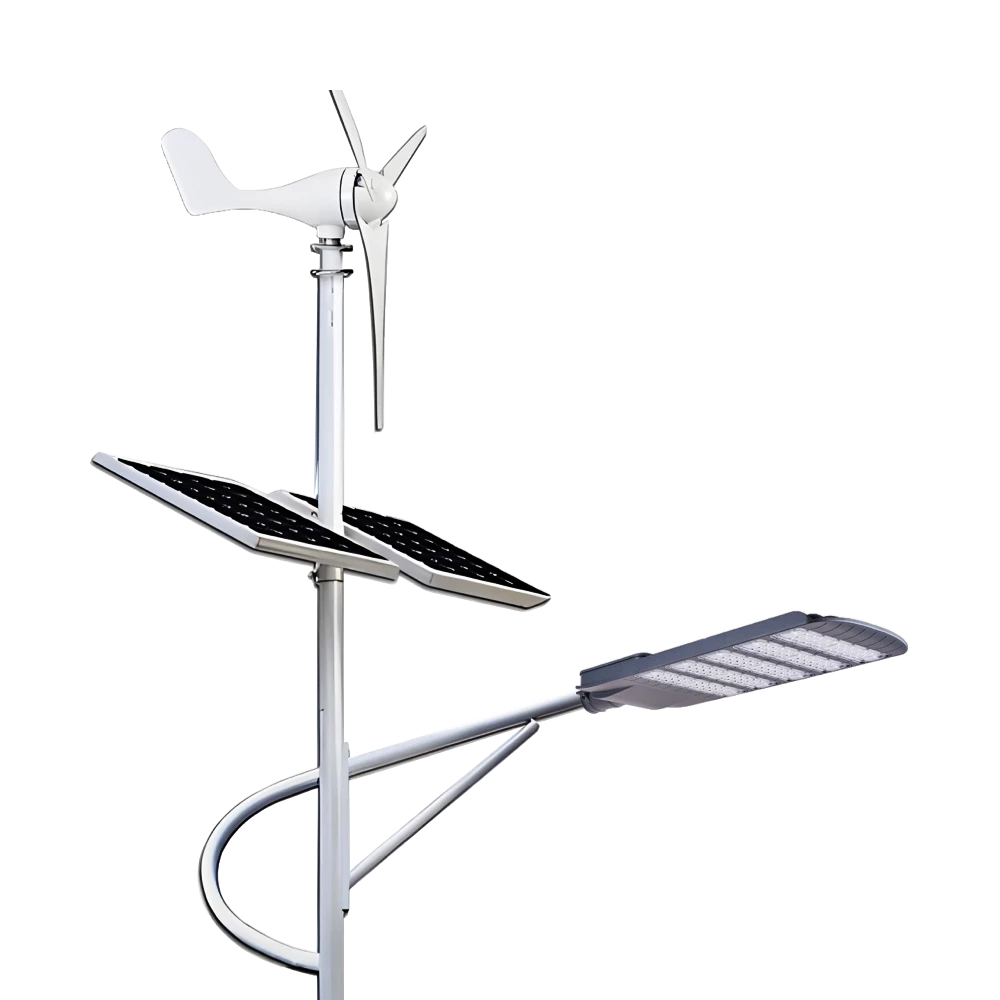
Queneng Lufeng Wind Energy LED Outdoor Solar Street Lights offer high-performance, eco-friendly illumination. These energy-efficient LED street lights harness solar power and wind energy for sustainable, cost-effective outdoor lighting solutions.
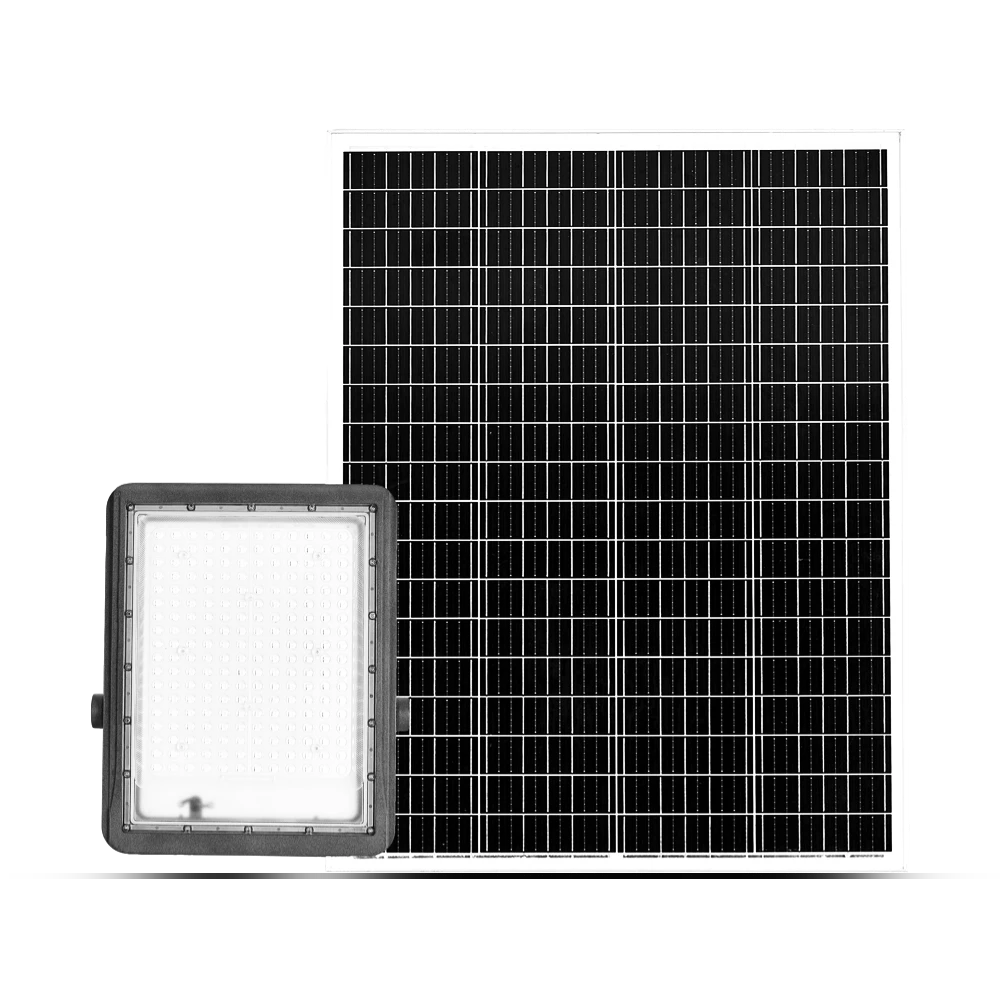
Queneng's Luxian Reliable Solar Street Light offers energy-saving LED lighting for outdoor use. This durable, solar-powered street light provides reliable illumination, reducing energy costs and environmental impact. A perfect solution for sustainable outdoor lighting.
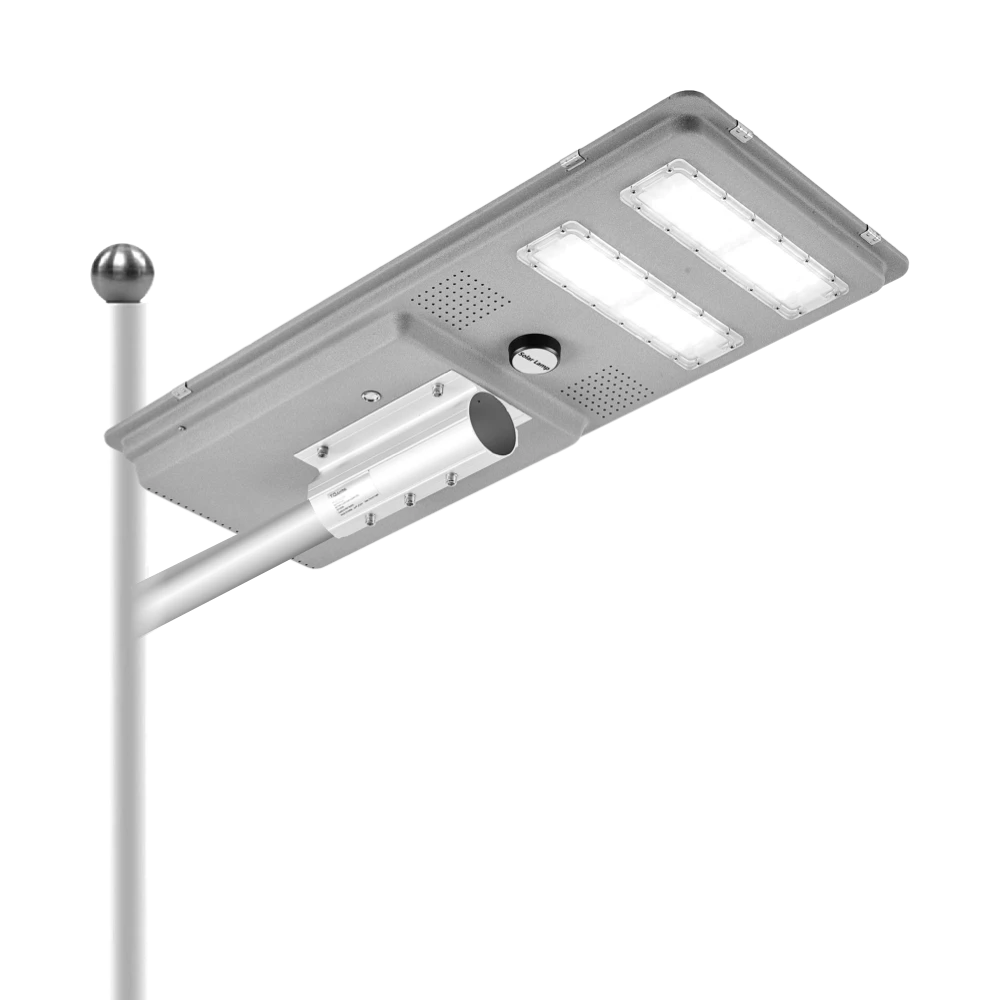
Queneng’s Solar Street Lights are designed to provide reliable, energy-efficient lighting for streets, parks, and other outdoor spaces.
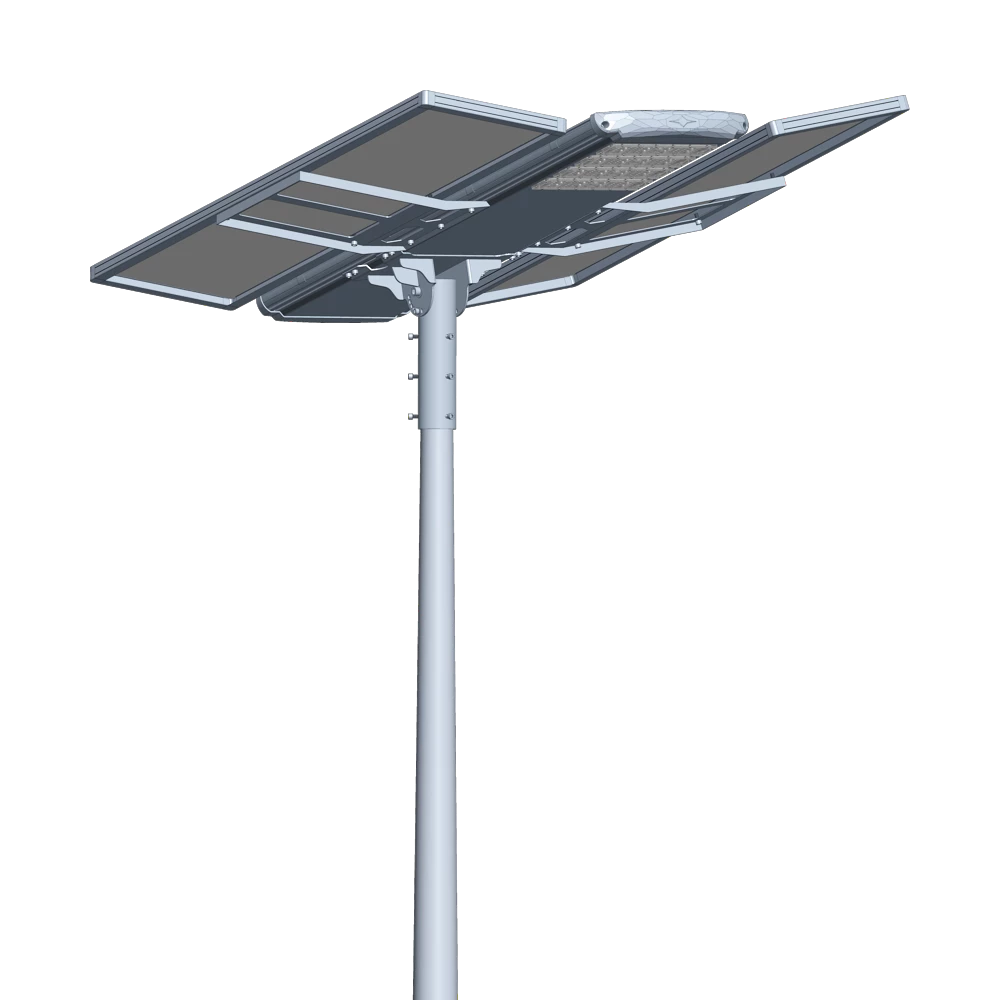
Introducing the Luqing Solar Street Light by Queneng, Efficient LED lighting powered by solar energy is perfect for illuminating outdoor areas. Harness the power of solar energy for sustainable, reliable street lighting. Ideal for eco-friendly, cost-effective outdoor illumination solutions.
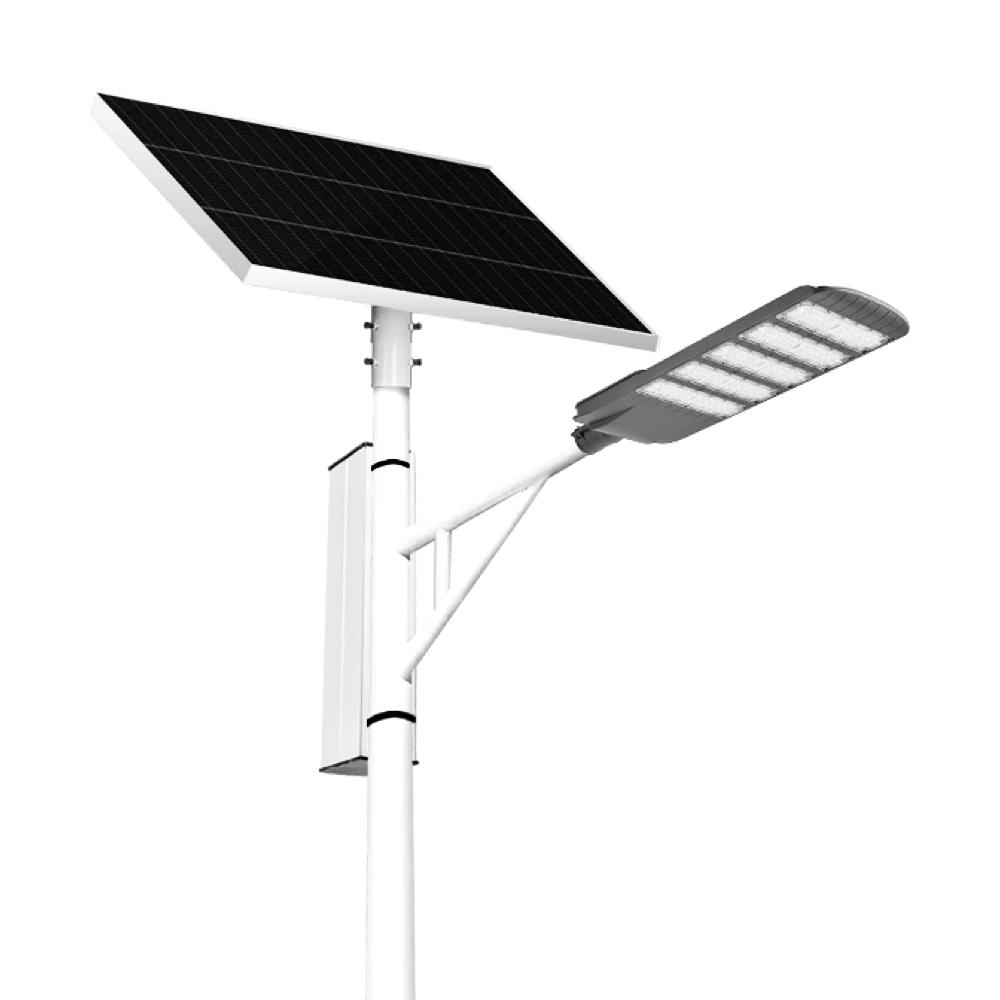
The Solar Streetlights of Luhao for Municipalities are designed to deliver reliable, energy-efficient, and cost-effective public lighting solutions. Equipped with advanced LED technology, durable lithium batteries, and high-efficiency solar panels, these streetlights provide consistent illumination for roads, parks, residential areas, and government projects.
If you would like more information about Queneng solar lighting solutions, please send us a message by filling out the form below. Our professional team will get back to you within 24 hours!
Rest assured that your privacy is important to us, and all information provided will be handled with the utmost confidentiality.
Schedule a Meeting
Book a date and time that is convenient for you and conduct the session in advance.
Have more questions about our products or services?
The messenger of light & power conversion
Environmental protection and intelligent manufacturing are our brand philosophy, and quality assurance and the best user experience are our eternal promises to users.
CONTACT
No.9F, Building F, Cao San Xin Tian Hong Logistics Park, Guzhen Town, Zhongshan City, Guangdong Province, China.
or write [email protected]
WhatsApp: +86 136 2270 1011


