

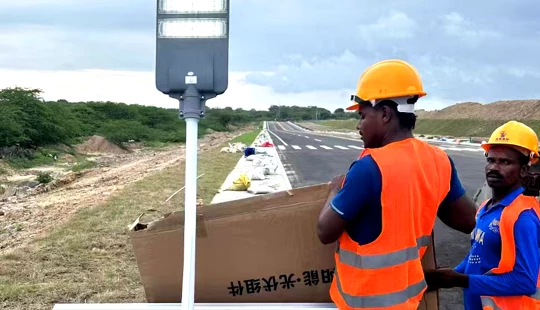
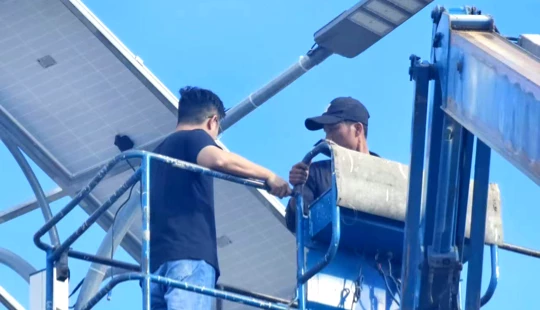













What makes a good solar street light investment?
Navigating the Solar Street Light Market: A Procurement Guide for Split Systems
As sustainability and energy independence become paramount, solar street lights are increasingly the preferred choice for municipalities, industrial parks, and remote areas. For professional buyers, understanding the nuances of these systems, particularly split solar street lights, is crucial for securing a robust, cost-effective, and long-lasting investment. This guide addresses your key questions, providing the expertise needed for smart procurement.
Understanding the True Cost of Split Solar Street Lights: Beyond the Initial Price Tag
The “cost of solar street light” is a common starting point, but savvy procurement goes beyond the sticker price. Split solar street lights, characterized by their separate solar panel, battery, and LED fixture, often have a higher initial material and installation cost compared to their all-in-one counterparts. This is due to:
- Separate Components: More distinct parts mean individual packaging and assembly requirements.
- Cabling & Wiring: Longer cable runs are needed to connect the panel, battery, and lamp head, potentially requiring specialized conduits or trenching if the battery is placed underground.
- Installation Complexity: Mounting separate components can be more labor-intensive.
However, the total cost of ownership (TCO) for a split system can be significantly lower over its lifespan. The average initial cost for a high-quality split solar street light system typically ranges from $500 to $2,500 USD per unit, varying widely based on power output (e.g., 30W to 120W LED), battery capacity, panel size, and brand reputation. When evaluating costs, consider the system's longevity, maintenance requirements, and potential energy savings over 10-20 years, as these factors often outweigh the higher upfront expenditure.
Split vs. All-in-One: Why Opt for Split Solar Street Lights in Professional Projects?
While all-in-one solar street lights offer simplicity and lower installation costs, split systems present distinct advantages for professional, high-performance projects:
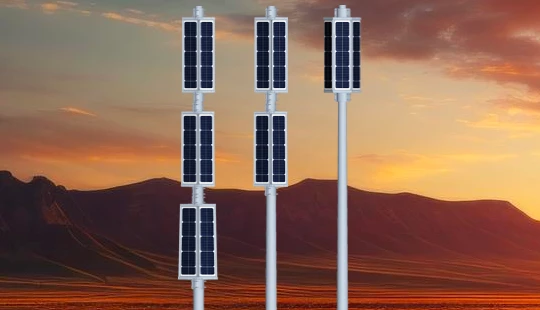
- Optimal Solar Panel Orientation: The detached solar panel can be independently tilted and oriented (e.g., towards the south in the Northern Hemisphere) to maximize solar energy capture throughout the day, irrespective of the lamp's desired light direction. This is critical for areas with varying sunlight or specific geographical challenges.
- Superior Thermal Management: The battery, often the most temperature-sensitive component, can be housed separately – either within the pole's base or even underground. This protects it from extreme heat (which degrades battery life) and extreme cold, extending its operational lifespan.
- Higher Power and Capacity: Split systems can accommodate larger solar panels and higher capacity batteries, enabling more powerful LED luminaires and longer autonomy (days of operation without sun), essential for critical lighting applications or areas with frequent cloudy weather.
- Enhanced Durability & Security: Placing the battery at the base of the pole or underground makes it less susceptible to tampering, theft, or physical damage.
- Easier Maintenance & Replacement: Individual components can be serviced or replaced independently. If a battery needs replacement, only the battery needs to be accessed, not the entire lamp head assembly.
Key Technical Specifications: What Makes a High-Performance Split Solar Street Light?
A good solar street light investment hinges on robust technical specifications. For split systems, pay close attention to:
- Solar Panel Efficiency: Look for monocrystalline silicon panels with 20-22% efficiency or higher. Higher efficiency means more power generation from a smaller panel, crucial for space-constrained installations or maximizing charge during shorter daylight hours. Panels should have a 25-year linear power output warranty, typically degrading at <0.5% per year.
- Battery Technology & Capacity: Lithium Iron Phosphate (LiFePO4) batteries are the industry standard for their safety, long cycle life (typically 2,000 to 5,000+ cycles at 80% Depth of Discharge), and wide operating temperature range. Ensure the battery capacity (measured in Wh or Ah) is sufficient to power the lamp for 3-5 consecutive cloudy days (autonomy). A typical battery life is 5-10 years.
- Charge Controller: An MPPT (Maximum Power Point Tracking) controller is essential. It optimizes the power output from the solar panel by dynamically adjusting voltage and current, offering 15-30% higher charging efficiency compared to older PWM (Pulse Width Modulation) controllers. This is critical for maximizing battery charge, especially in varying weather conditions. Look for IP67-rated controllers for protection against dust and water.
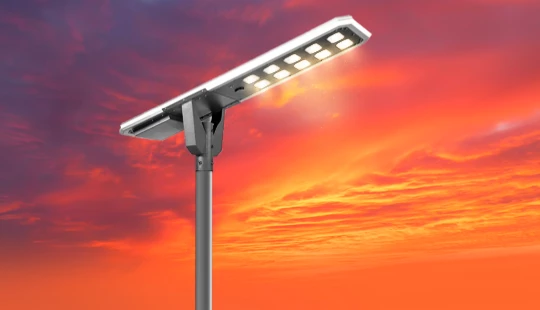
- LED Luminaire Performance: Demand high luminous efficacy, typically 150-180 lumens per watt (lm/W), using reputable LED chips (e.g., Philips, Osram, Cree). Specify the Correlated Color Temperature (CCT), often 4000K-5700K for street lighting, and appropriate IESNA light distribution types (Type II, III, IV) for effective light uniformity and minimal light pollution. The LED driver should be high-quality and the fixture IP66/IP67 rated. LED lifespan should be 50,000-100,000 hours.
- Structural Integrity: Poles should be made of galvanized steel, ideally powder-coated, with appropriate wind load ratings for the installation site. Mounting brackets and hardware should be corrosion-resistant.
Ensuring Longevity and Durability: Maximizing the Lifespan of Your Split Solar Investment
The lifespan of a solar street light system is primarily determined by the quality and thermal management of its core components:
- Battery Life: As mentioned, LiFePO4 batteries offer significantly longer lifespans than lead-acid batteries. Proper thermal management (e.g., underground battery box or well-ventilated pole enclosure) is crucial to prevent premature degradation due to heat.
- LED Fixture: High-quality LED chips and drivers, combined with effective heat dissipation (robust aluminum housing, adequate fin design), ensure the LED luminaire reaches its projected 50,000-100,000 hour lifespan.
- Solar Panel Degradation: Quality solar panels degrade slowly over time. A reputable manufacturer will provide a performance warranty guaranteeing a certain power output (e.g., 80% after 25 years).
- Controllers & Wiring: Look for industrial-grade, IP-rated components and UV-resistant cabling to withstand environmental stresses.
- Environmental Protection: All components, from the fixture to the battery box, should have appropriate IP ratings (e.g., IP66 for the lamp, IP67 for the controller) to protect against dust, water ingress, and corrosion.
Installation and Maintenance: Best Practices for Split Solar Street Light Systems
While split systems require a slightly more involved installation, proper planning ensures optimal performance and minimal long-term maintenance:
- Site Assessment: Crucial for determining optimal pole height, spacing, and identifying potential shading obstacles.
- Solar Panel Orientation: Ensure panels are oriented at the correct tilt angle and azimuth to maximize solar exposure throughout the year.
- Cable Management: Use appropriate gauge wiring to minimize voltage drop, and ensure all cables are securely run, protected from UV degradation and physical damage, and properly terminated.
- Battery Placement: If placing the battery underground, ensure proper drainage and ventilation to prevent moisture buildup and overheating. If pole-mounted, ensure it's in a secure, well-ventilated enclosure.
- Routine Maintenance: Generally low for high-quality systems. Key tasks include: yearly or biannual cleaning of solar panels to remove dust and debris, visual inspection of wiring and connections, and periodic checks of battery health (less frequent for LiFePO4).
Choosing the Right Manufacturer: Beyond Price, What Defines a Reliable Solar Street Light Supplier?
When selecting a Solar Street Light Manufacturer, prioritize reliability, quality, and support:
- Certifications & Standards: Verify that products comply with international standards like CE, RoHS, ISO9001, and lighting-specific standards.
- Experience & Track Record: A manufacturer with a long history and a portfolio of successful projects demonstrates expertise and reliability.
- Warranty & After-Sales Support: Look for comprehensive warranties: 3-5 years for the overall system, 5-7 years for batteries, and 10-25 years for solar panels. Robust technical support, readily available spare parts, and clear troubleshooting guides are also critical.
- Customization Capabilities: A good manufacturer can tailor systems to specific project requirements, offering flexibility in pole height, lumen output, battery autonomy, and control options.
- Quality of Components: Inquire about the source and brand of key components (LED chips, drivers, batteries, controllers). Reputable brands signify higher quality and reliability.
What Makes a Solar Street Light a Truly Good Investment?
A good solar street light investment isn't just about initial cost savings; it's about long-term value, reliability, and sustainability. It encompasses:
- Low Total Cost of Ownership (TCO): While initial costs for split systems might be higher, significantly reduced electricity bills, minimal maintenance, and a longer lifespan lead to substantial savings over 5-10 years. The payback period for solar street lights is often 3-7 years, depending on local energy costs.
- Reliable Performance: A system designed with optimal technical specifications (MPPT, LiFePO4, high-efficiency LEDs) ensures consistent, bright illumination throughout the night, regardless of weather conditions.
- Durability & Resilience: Components built to withstand local environmental challenges (extreme temperatures, high winds, dust, humidity) ensure the system operates reliably for decades.
- Environmental Benefits: Reduced carbon footprint, lower reliance on fossil fuels, and promotion of sustainable infrastructure align with modern environmental goals.
- Enhanced Safety & Security: Consistent and well-distributed lighting significantly improves safety for pedestrians and drivers, and deters crime.
Queneng Lighting: Your Partner in Sustainable Street Lighting
Queneng Lighting stands out as a leading Solar Street Light Manufacturer, embodying the principles of a good solar street light investment. Our commitment to quality ensures we utilize high-efficiency monocrystalline solar panels, cutting-edge LiFePO4 batteries with extended cycle life, and advanced MPPT charge controllers for optimal energy harvesting. Our LED luminaires feature high-efficacy chips from reputable brands, guaranteeing superior brightness and longevity. We offer robust split solar street light solutions, tailored to project-specific requirements, backed by comprehensive warranties and dedicated after-sales support. With Queneng, you invest in reliability, performance, and a sustainable future.
References
- IEA (International Energy Agency). (2023). Solar PV Technology Report. https://www.iea.org/reports/solar-pv-technology-report-2023 (Accessed: November 15, 2023)
- National Renewable Energy Laboratory (NREL). (Various publications on solar panel efficiency and degradation). https://www.nrel.gov/pv/assets/pdfs/pv-research-highlights.pdf (Accessed: November 15, 2023)
- Renewable Energy World. (2022). The Rise of LiFePO4 Batteries in Renewable Energy. (General industry knowledge, specific article not linked as it's a common topic).
- Lighting Research Center (LRC). (General information on LED efficacy and lighting standards). https://www.lrc.rpi.edu/ (Accessed: November 15, 2023)
- Solar Power World Online. (Various articles on MPPT vs PWM controllers). https://www.solarpowerworldonline.com/ (Accessed: November 15, 2023)

Have more questions about our products or services?
The latest hot news you might like

Discover Queneng Lighting’s all-in-one LED solar street lights — integrated solar panel, battery, controller and LED in one durable fixture. Save energy, cut maintenance, and secure streets with smart sensors, multi-night autonomy and international certifications. Contact sales for quotes and support.

Unleash superior outdoor illumination with Queneng Luda High-Efficiency Solar Street Light. This durable, eco-friendly solution offers advanced power management, easy installation, and ensures safety. Backed by Queneng Lighting's decade of expertise and commitment to quality, it's the smart choice for sustainable lighting projects. Learn why we're a leading solar solutions provider.

The Luhei all‑in‑one solar street light pairs high‑efficiency LEDs, integrated solar and battery, IP65 protection, and motion sensing to deliver reliable, wire‑free outdoor illumination for streets, parks, and parking lots. Backed by Queneng Lighting’s certifications and support.

FAQ
Tourist Attractions and Resorts
Are solar lights customizable to match the design of the resort or attraction?
Yes, solar lights come in various designs, colors, and sizes, and can be customized to match the theme or aesthetic of the resort or attraction. This makes them a versatile solution for any outdoor space.
Battery and Analysis
What conditions are best for batteries to be stored under?
Theoretically, there is always energy loss when a battery is stored. The inherent electrochemical structure of the battery determines that battery capacity will inevitably be lost, mainly due to self-discharge. Usually the size of self-discharge is related to the solubility of the cathode material in the electrolyte and its instability after heating (easy to self-decompose). Rechargeable batteries have a much higher self-discharge than primary batteries.
Battery Performance and Testing
What is trickle charging?
Remote Areas Rural Development
What is the average lifespan of the lighting system?
The system typically lasts 8-10 years, with components like batteries requiring replacement every 5-8 years.
Solar Street Light Chuanqi
How do the solar panels in Chuanqi street lights store energy?
The solar panels in Chuanqi solar street lights collect sunlight during the day and convert it into electrical energy, which is stored in high-capacity lithium-ion batteries. The stored energy is then used to power the LED lights at night, ensuring continuous illumination even when the sun is not shining. This energy storage system ensures the lights work autonomously without relying on an external power source.
Commercial and Industrial Parks
How are the lights installed in industrial parks?
Our solar lights are designed for easy installation without complex wiring, making deployment quick and cost-effective.
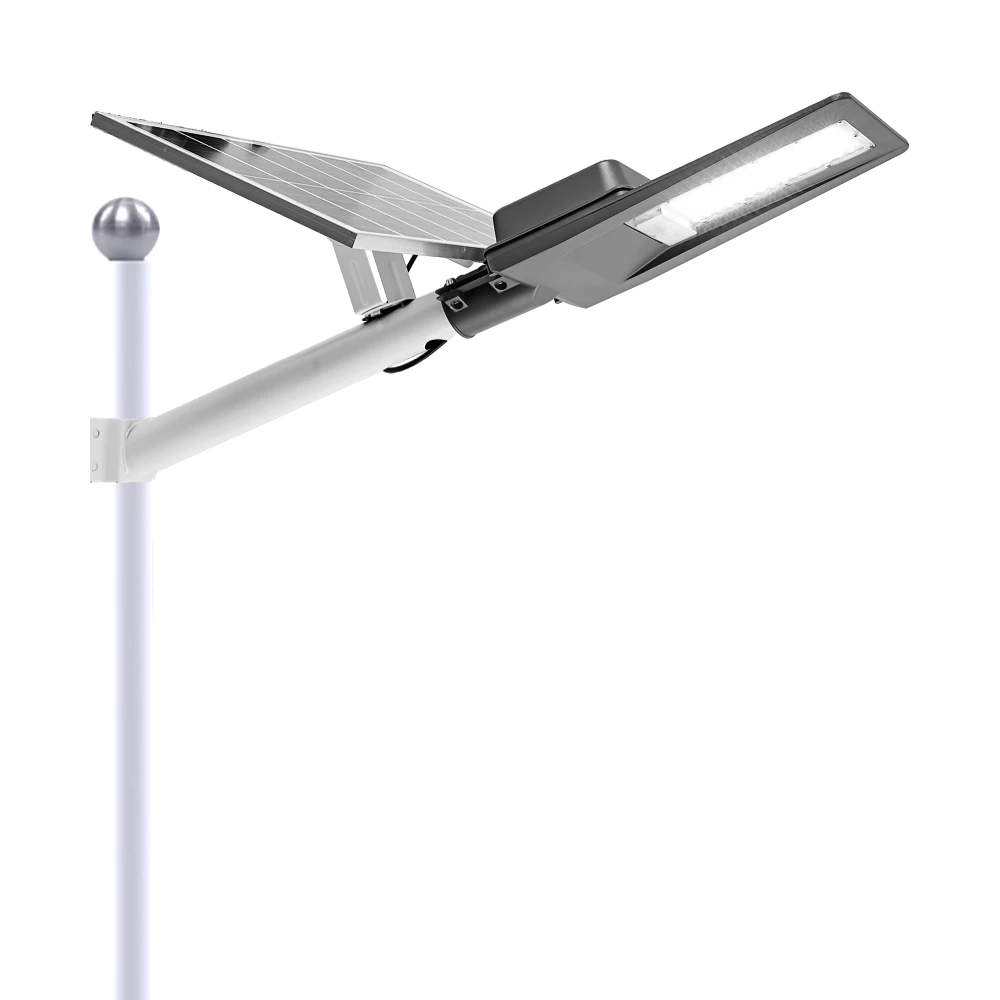
Experience reliable outdoor illumination with our smart solar street light, a perfect combination of advanced technology and eco-conscious design.
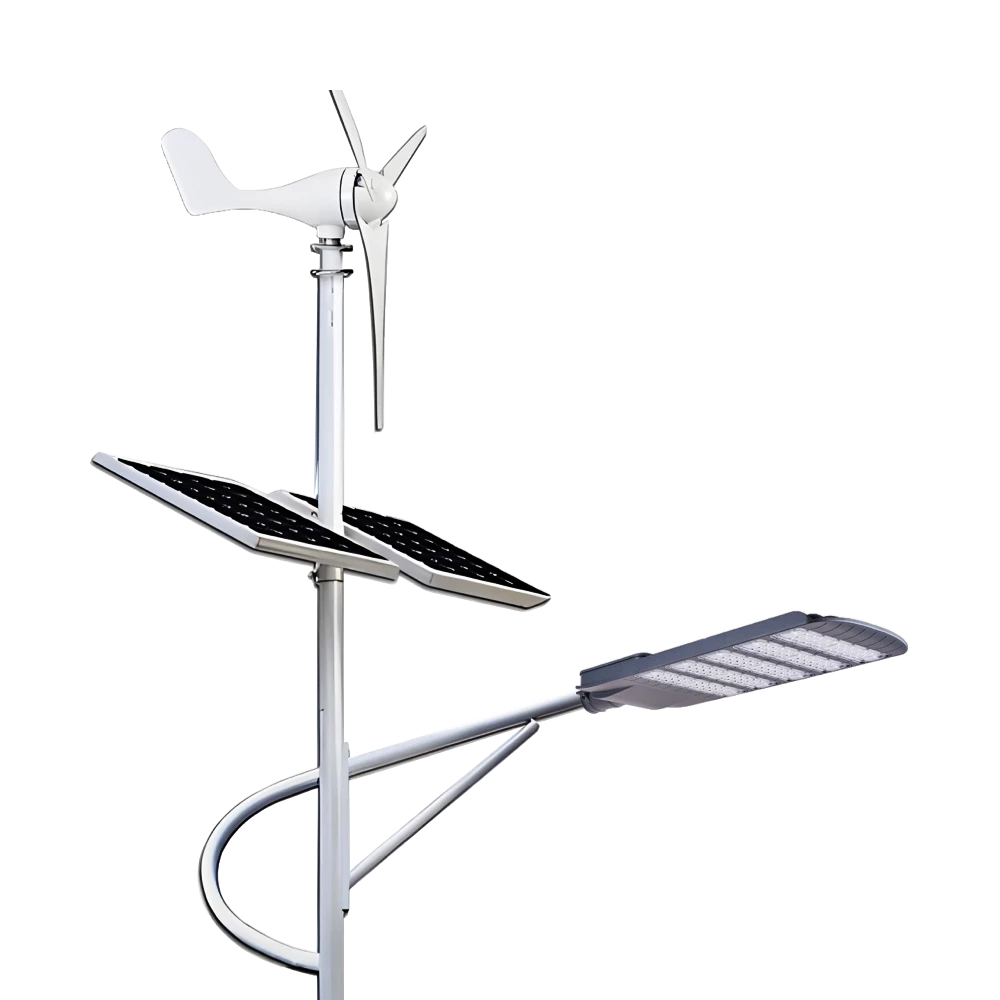
Queneng Lufeng Wind Energy LED Outdoor Solar Street Lights offer high-performance, eco-friendly illumination. These energy-efficient LED street lights harness solar power and wind energy for sustainable, cost-effective outdoor lighting solutions.
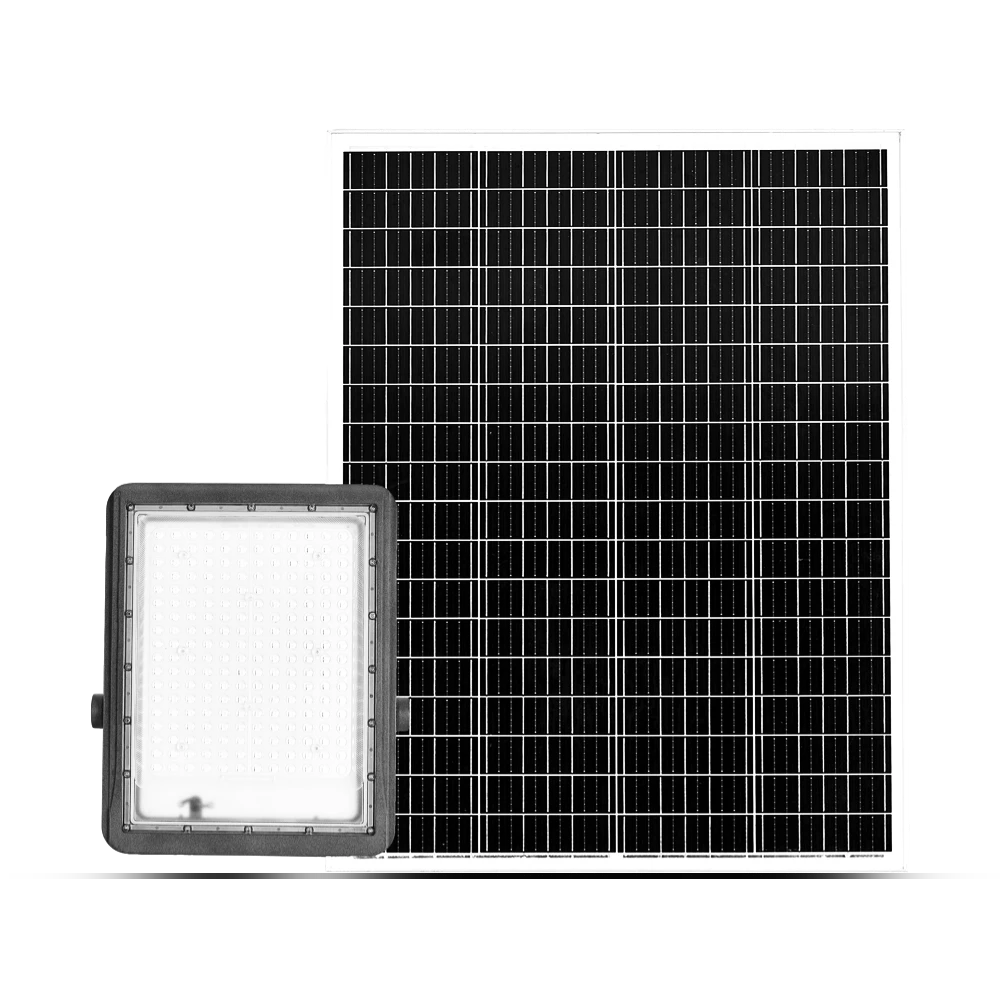
Queneng's Luxian Reliable Solar Street Light offers energy-saving LED lighting for outdoor use. This durable, solar-powered street light provides reliable illumination, reducing energy costs and environmental impact. A perfect solution for sustainable outdoor lighting.
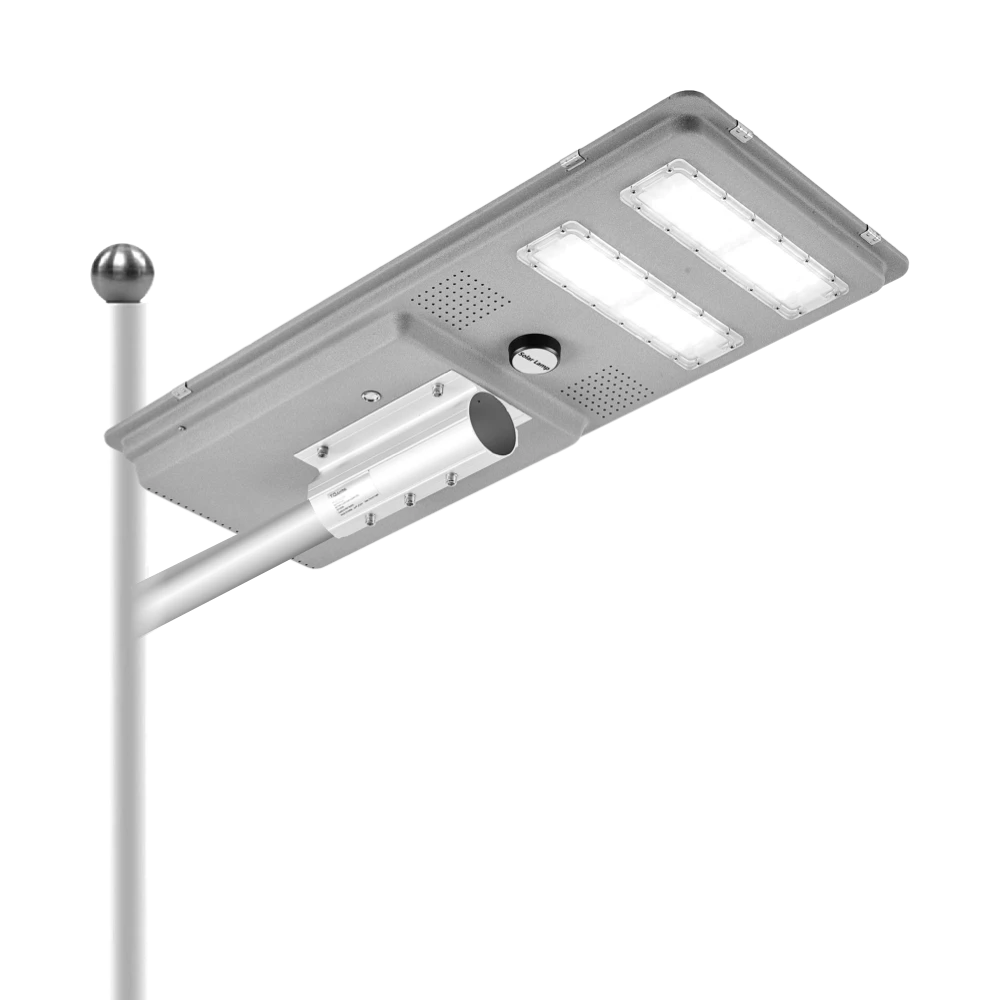
Queneng’s Solar Street Lights are designed to provide reliable, energy-efficient lighting for streets, parks, and other outdoor spaces.
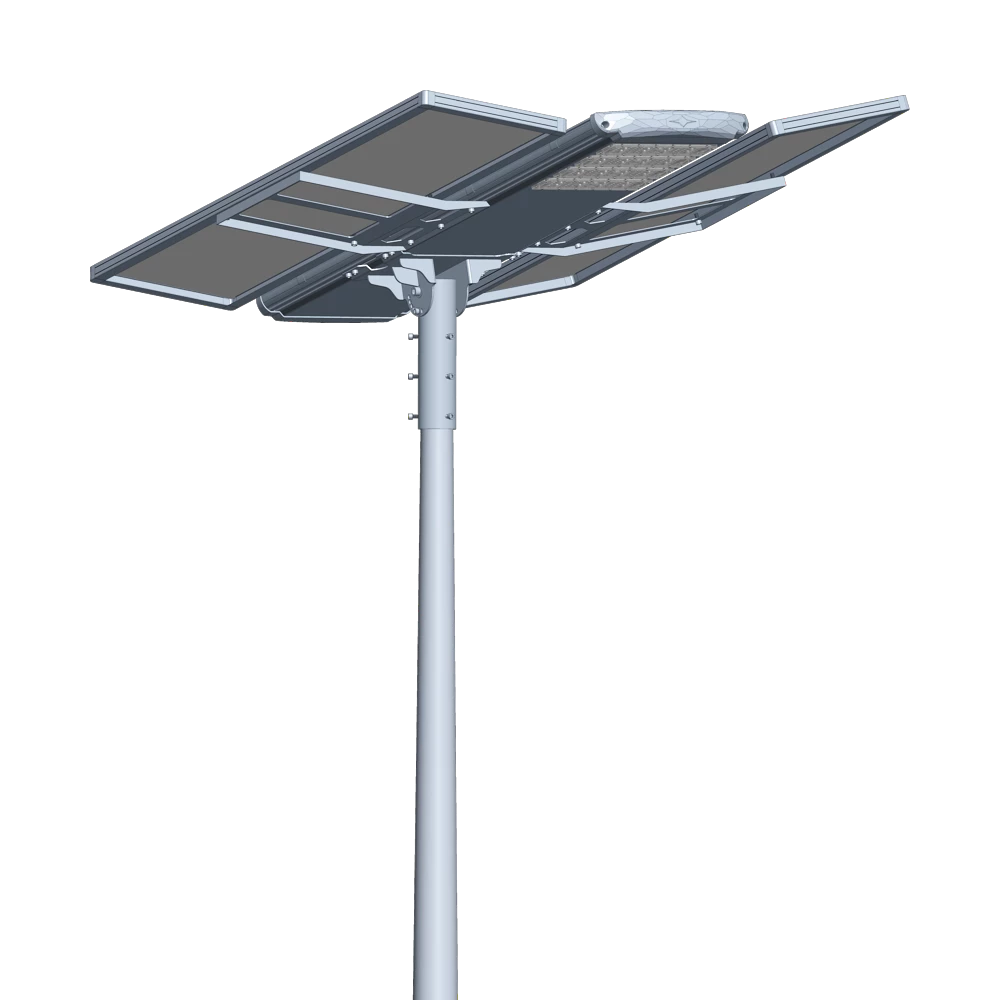
Introducing the Luqing Solar Street Light by Queneng, Efficient LED lighting powered by solar energy is perfect for illuminating outdoor areas. Harness the power of solar energy for sustainable, reliable street lighting. Ideal for eco-friendly, cost-effective outdoor illumination solutions.
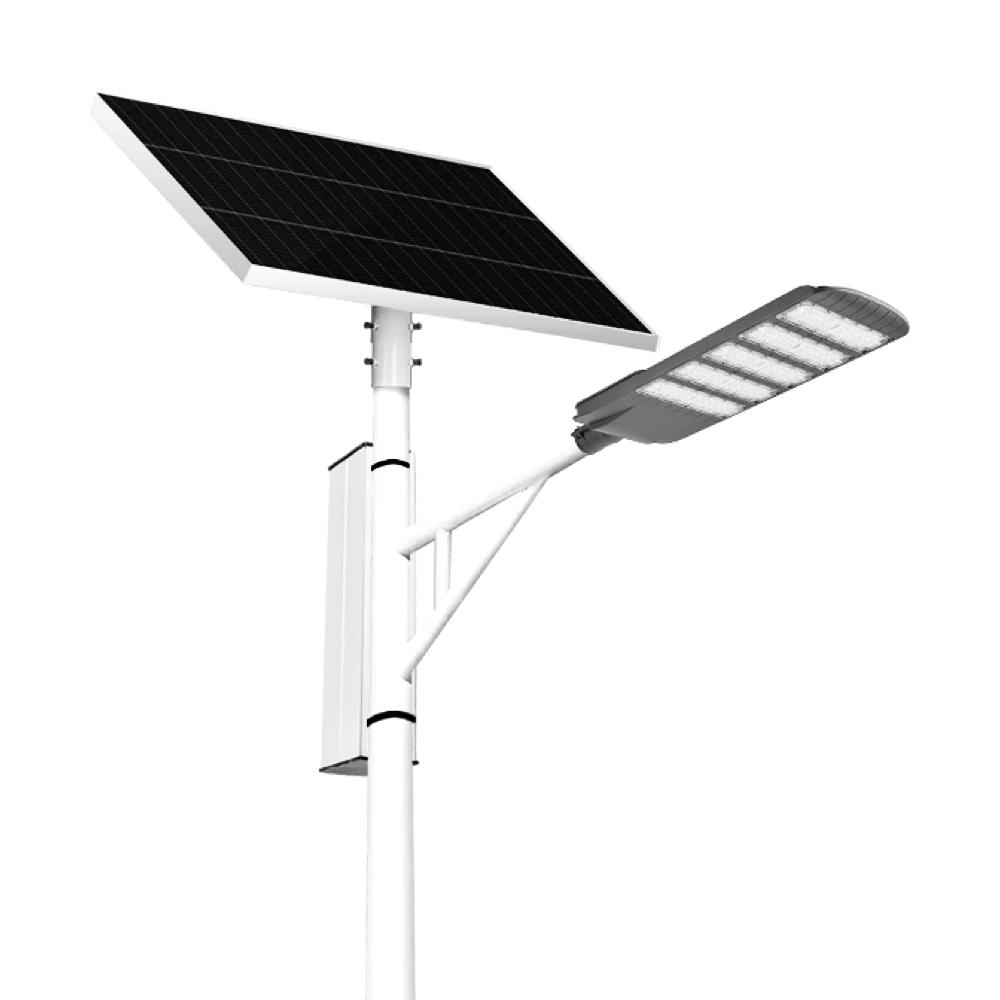
The Solar Streetlights of Luhao for Municipalities are designed to deliver reliable, energy-efficient, and cost-effective public lighting solutions. Equipped with advanced LED technology, durable lithium batteries, and high-efficiency solar panels, these streetlights provide consistent illumination for roads, parks, residential areas, and government projects.
If you would like more information about Queneng solar lighting solutions, please send us a message by filling out the form below. Our professional team will get back to you within 24 hours!
Rest assured that your privacy is important to us, and all information provided will be handled with the utmost confidentiality.
Schedule a Meeting
Book a date and time that is convenient for you and conduct the session in advance.
Have more questions about our products or services?
The messenger of light & power conversion
Environmental protection and intelligent manufacturing are our brand philosophy, and quality assurance and the best user experience are our eternal promises to users.
CONTACT
No.9F, Building F, Cao San Xin Tian Hong Logistics Park, Guzhen Town, Zhongshan City, Guangdong Province, China.
or write [email protected]
WhatsApp: +86 136 2270 1011


