
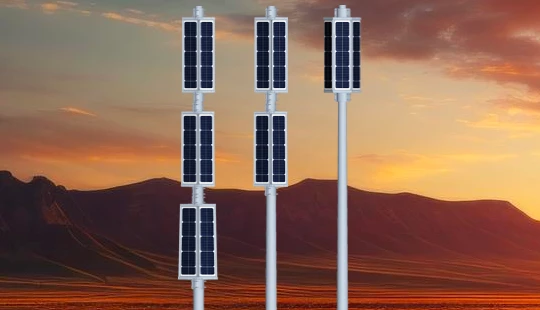
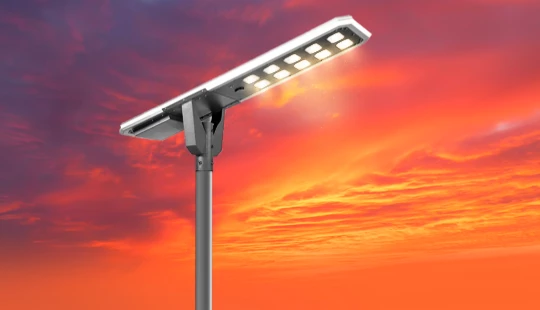

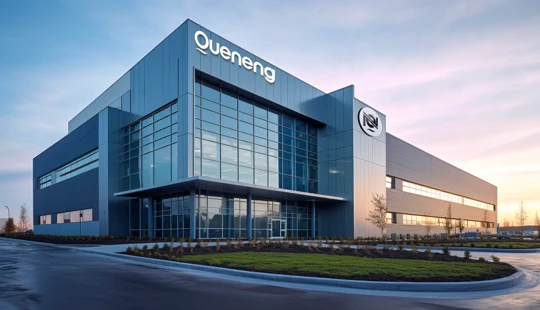
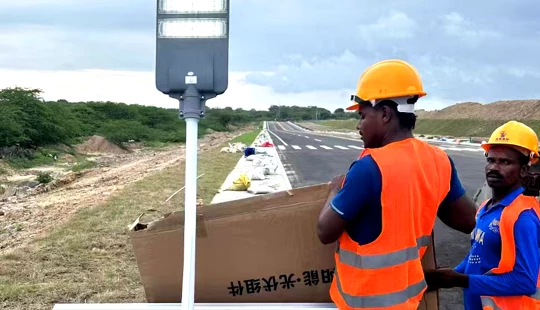
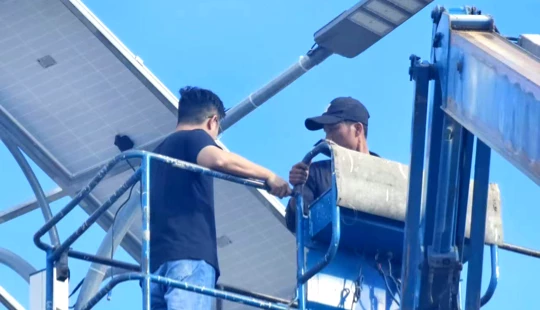













How to evaluate a manufacturer's production capacity?
<h2>Navigating Solar Street Light Procurement: Essential Insights for Professionals</h2><p>The global shift towards sustainable infrastructure has accelerated the adoption of solar street lighting. For procurement professionals, understanding the nuances of this technology, evaluating manufacturers, and making informed decisions is paramount to ensuring project success and long-term return on investment. This guide addresses critical questions and professional insights into sourcing high-quality solar street light solutions.</p><h3>What are the primary factors influencing the cost of solar street light systems, and how do they impact ROI?</h3><p>The “cost of solar street light” systems is multifaceted, reflecting the quality, capacity, and sophistication of its components. Understanding these drivers is key to budgeting and calculating long-term ROI. Key factors include:</p><ul> <li><strong>Solar Panel Efficiency and Wattage:</strong> Higher wattage (e.g., 60W-120W for commercial applications) and efficiency (monocrystalline panels often exceed 20% efficiency) directly translate to faster battery charging and better performance in varying light conditions, but also increase upfront cost.</li> <li><strong>Battery Technology and Capacity:</strong> Lithium Iron Phosphate (LiFePO4) batteries are the industry standard due to their longer cycle life (2,000-5,000 cycles), safety, and stable performance across wider temperature ranges compared to older lead-acid options. Higher Ah (Ampere-hour) capacity ensures longer backup autonomy (e.g., 2-5 nights without sun), significantly impacting cost. A 100Ah LiFePO4 battery will be more expensive than a 50Ah one.</li> <li><strong>LED Luminaires:</strong> The wattage of the LED fixture (e.g., 30W-100W for street lighting), its luminous efficacy (lumens per watt), and optics (light distribution patterns) contribute to cost. High-quality LEDs from reputable brands (e.g., Philips, Cree) offer superior longevity (50,000+ hours) and efficiency but cost more.</li> <li><strong>Controller Type:</strong> Advanced Maximum Power Point Tracking (MPPT) controllers are more efficient (up to 99%) than Pulse Width Modulation (PWM) controllers, maximizing energy harvest from the solar panel and prolonging battery life, thus adding to the system cost.</li> <li><strong>Pole and Fixture Material:</strong> The quality of the pole (galvanized steel, aluminum), its height (e.g., 6-12 meters), and the robust construction of the fixture (IP65/IP67 rated for dust and water ingress protection) are critical for durability and safety, influencing overall cost.</li> <li><strong>Smart Features:</strong> Motion sensors, dimming capabilities, remote monitoring, and IoT integration add convenience and energy savings but increase complexity and cost.</li></ul><p>While the initial outlay for a high-quality system might be higher (ranging from approximately $300 for basic residential units to over $2000 for robust commercial split systems), the ROI is typically realized through zero electricity bills, minimal maintenance, and extended operational lifespan, often within 3-5 years for commercial projects.</p><h3>For professional procurement, which system type — All-in-One Solar Street Lights or split solar street lights — offers superior advantages for different project requirements?</h3><p>Choosing between “All-in-One Solar Street Lights” (AIO) and split solar street lights is a critical design decision with significant implications for performance, installation, and maintenance. Both have distinct advantages:</p><h4>All-in-One (Integrated) Solar Street Lights:</h4><ul> <li><strong>Advantages:</strong></li> <li><strong>Simplicity:</strong> Panel, battery, controller, and LED are integrated into a single compact unit. This design significantly simplifies installation, reducing labor costs and time.</li> <li><strong>Aesthetics:</strong> Often sleeker and more modern in appearance.</li> <li><strong>Cost-Effective for Smaller Projects:</strong> Lower initial purchase price and installation cost make them attractive for smaller-scale deployments or areas with consistent sunlight.</li> <li><strong>Disadvantages:</strong></li> <li><strong>Limited Flexibility:</strong> The fixed angle of the solar panel might not be optimal for all geographical locations, potentially reducing energy harvest.</li> <li><strong>Heat Management:</strong> The battery and controller are exposed to the same heat as the LED, which can reduce battery lifespan in extremely hot climates.</li> <li><strong>Maintenance:</strong> Requires lifting the entire unit for battery or panel service.</li></ul><h4>Split Solar Street Lights:</h4><ul> <li><strong>Advantages:</strong></li> <li><strong>Optimal Performance:</strong> The solar panel can be independently mounted and tilted to achieve the perfect angle for maximum solar irradiance, crucial in regions with varying sun paths or limited daylight hours.</li> <li><strong>Battery Longevity:</strong> The battery pack can be housed at the base of the pole or underground, protecting it from extreme heat (especially beneficial for LiFePO4 batteries which perform best within 0°C to 45°C) and making it easier to access for maintenance or replacement.</li> <li><strong>Durability:</strong> Often built for heavier duty applications, offering greater resilience against harsh weather.</li> <li><strong>Flexibility:</strong> Allows for larger panels and batteries, enabling higher wattage LEDs and longer autonomy.</li> <li><strong>Disadvantages:</strong></li> <li><strong>Higher Installation Complexity and Cost:</strong> Requires separate mounting for the panel, more wiring, and potentially trenching for underground batteries, leading to increased labor and material costs.</li> <li><strong>Less Aesthetically Integrated:</strong> The separate components might be considered less sleek than an AIO unit.</li></ul><p><strong>Professional Recommendation:</strong> For most large-scale infrastructure projects, especially in challenging climates or requiring precise light distribution and maximum reliability, <strong>split solar street light systems are often the preferred choice</strong>. Their design flexibility allows for optimized performance and significantly enhances battery lifespan, leading to a lower total cost of ownership over the project's lifecycle.</p><h3>Beyond price, what are the critical criteria to assess a Solar Street Light Manufacturer's credibility, reliability, and production capacity?</h3><p>Evaluating a “Solar Street Light Manufacturer” goes far beyond the price tag. For procurement professionals, assessing their capabilities is paramount to ensuring project success and avoiding future complications. Here’s “How to evaluate a manufacturer's production capacity?” and overall reliability:</p><ol> <li><strong>Production Capacity & Infrastructure:</strong> <ul> <li><strong>Factory Size & Equipment:</strong> Inquire about the factory's total area, number of production lines (e.g., SMT lines for controllers, assembly lines for luminaires), and specialized equipment (e.g., aging test chambers, integrating spheres for photometric testing). A large, well-equipped facility indicates strong manufacturing capabilities.</li> <li><strong>Monthly Output:</strong> Ask for their typical monthly production volume (e.g., 10,000-50,000 units/month for large manufacturers). This demonstrates their ability to meet large order quantities and project deadlines.</li> <li><strong>Inventory & Supply Chain:</strong> Understand their raw material sourcing and inventory management. Reliable manufacturers have stable supply chains and sufficient stock to prevent delays.</li> <li><strong>Lead Times:</strong> A realistic and consistent lead time for production and delivery is a strong indicator of efficient operations.</li> </ul> </li> <li><strong>Quality Control & Assurance (QC/QA):</strong> <ul> <li><strong>Certifications:</strong> Look for ISO 9001 (Quality Management System), ISO 14001 (Environmental Management System), and OHSAS 18001 (Occupational Health and Safety).</li> <li><strong>Testing Procedures:</strong> Inquire about their in-house testing protocols, including IP rating tests, salt spray tests, vibration tests, and detailed photometric reports for their luminaires.</li> <li><strong>Traceability:</strong> Good manufacturers can trace components back to their source.</li> </ul> </li> <li><strong>R&D Capabilities & Innovation:</strong> <ul> <li>A manufacturer with a dedicated R&D team demonstrates a commitment to innovation, product improvement, and staying ahead of technological trends. This translates to more efficient and durable products.</li> <li>Look for patents and new product releases.</li> </ul> </li> <li><strong>Experience & Project Portfolio:</strong> <ul> <li>Review their track record. How many years have they been in business? What large-scale or complex projects have they successfully completed? Request references and case studies, especially for projects similar to yours.</li> <li>Experience in specific regions (e.g., desert, tropical, cold climates) is also valuable.</li> </ul> </li> <li><strong>Financial Stability:</strong> A financially stable company is more likely to honor warranties and provide long-term support.</li> <li><strong>Customization & Flexibility:</strong> The ability to customize solutions (e.g., pole height, LED wattage, battery autonomy) to specific project requirements is a significant advantage.</li></ol><h3>What are the most reliable battery technologies for solar street lights, and what lifespan can procurement professionals expect?</h3><p>For modern solar street lights, the dominant and most reliable battery technology is <strong>Lithium Iron Phosphate (LiFePO4)</strong>. It has largely superseded older technologies like lead-acid due to several critical advantages:</p><ul> <li><strong>Longer Cycle Life:</strong> LiFePO4 batteries typically offer 2,000 to 5,000 charge/discharge cycles to 80% Depth of Discharge (DoD), compared to 500-1,000 cycles for lead-acid. This means a significantly longer operational lifespan.</li> <li><strong>Safety:</strong> They are inherently safer, less prone to thermal runaway, and more stable at higher temperatures.</li> <li><strong>Performance:</strong> They maintain a higher voltage throughout the discharge cycle, leading to more consistent light output. They also perform better in a wider temperature range (typically -20°C to 60°C for discharge, though optimal charging is between 0°C and 45°C), although extreme heat can still degrade them over time, which is why split systems offer an advantage by housing them separately.</li> <li><strong>Weight & Size:</strong> LiFePO4 batteries are lighter and more compact, simplifying installation and reducing structural load on poles.</li></ul><p><strong>Expected Lifespan:</strong> Procurement professionals can generally expect a lifespan of <strong>5 to 10 years</strong> for high-quality LiFePO4 batteries used in solar street lights, depending on usage patterns, environmental conditions, and the quality of the Battery Management System (BMS). A well-designed system with a robust BMS that prevents overcharging and over-discharging will maximize battery life. It's crucial to confirm the battery's cycle rating and warranty from the manufacturer.</p><h3>Which certifications and quality standards are non-negotiable when procuring solar street lights to ensure long-term performance and safety?</h3><p>To guarantee the quality, safety, and performance of solar street lights, procurement professionals must insist on the following certifications and standards:</p><ul> <li><strong>CE Marking (Conformité Européenne):</strong> Essential for products sold within the European Economic Area, indicating conformity with health, safety, and environmental protection standards.</li> <li><strong>RoHS (Restriction of Hazardous Substances):</strong> Ensures that electronic products do not contain hazardous materials above specified levels.</li> <li><strong>ISO 9001:</strong> Certifies that the manufacturer has a robust Quality Management System in place, ensuring consistent product quality and customer satisfaction.</li> <li><strong>IP Rating (Ingress Protection):</strong> Critical for outdoor products. Solar street lights should ideally be rated IP65 or IP66 for the luminaire and controller, indicating protection against dust and strong jets of water. IP67 offers even greater protection.</li> <li><strong>IEC (International Electrotechnical Commission) Standards:</strong> Relevant for solar panels (e.g., IEC 61215 for crystalline silicon terrestrial photovoltaic (PV) modules, IEC 61730 for PV module safety qualification) and batteries.</li> <li><strong>LM-79 and LM-80 Reports:</strong> (IES standards) LM-79 provides standardized test procedures for measuring the electrical and photometric performance of LED luminaires. LM-80 measures lumen maintenance of LED packages, arrays, and modules, indicating their expected lifespan and light output degradation.</li> <li><strong>TÜV Rheinland / UL / VDE Certifications:</strong> These are independent third-party testing and certification bodies that provide highly respected product safety and quality assessments. While not always mandatory, their certifications signify a higher level of product trustworthiness.</li></ul><p>Insisting on these certifications ensures that the solar street lights meet international quality benchmarks, reducing risks related to performance, safety, and premature failure.</p><h3>What constitutes comprehensive after-sales support and an adequate warranty for large-scale solar street light procurements?</h3><p>Comprehensive after-sales support and a robust warranty are critical for safeguarding your investment in large-scale solar street light projects. Procurement professionals should look for:</p><ul> <li><strong>Warranty Period:</strong> A standard warranty should be at least <strong>3 to 5 years for the entire system</strong> (including the LED luminaire, solar panel, battery, and controller). Some manufacturers offer longer warranties (e.g., 5-10 years) for specific components like the LED driver or solar panel output.</li> <li><strong>Clear Warranty Terms:</strong> The warranty policy should clearly define what is covered (e.g., manufacturing defects, material failures) and what is excluded (e.g., damage from improper installation, natural disasters). It should also outline the process for making claims.</li> <li><strong>Technical Support:</strong> Readily available technical support (via phone, email, or online portal) for troubleshooting, installation guidance, and general inquiries. This support should ideally be multilingual for international projects.</li> <li><strong>Spare Parts Availability:</strong> Assurance that spare parts (batteries, controllers, LED modules) will be available for the expected lifespan of the product, typically 5-10 years post-purchase.</li> <li><strong>On-site Support/Training:</strong> For large or complex projects, some manufacturers offer on-site technical assistance, training for local installation teams, or even remote monitoring setup and support.</li> <li><strong>Fast Response and Resolution:</strong> A commitment to timely response to warranty claims and efficient resolution, minimizing downtime and operational disruption.</li></ul><p>A manufacturer's willingness to stand behind their product with strong after-sales support is a clear indicator of their confidence in product quality and their commitment to customer satisfaction.</p><h3>How do specific environmental conditions (temperature, solar irradiance) influence the optimal design and performance of solar street lights, especially split systems?</h3><p>Environmental factors are paramount in solar street light design, directly impacting energy harvest, battery lifespan, and overall system reliability. Procurement professionals must ensure designs are tailored to local conditions:</p><ul> <li><strong>Solar Irradiance (Sunlight Hours):</strong> This is the most crucial factor. A system designed for a region with 5-6 peak sun hours (e.g., parts of the Sahara) will significantly differ from one for a region with 3-4 peak sun hours (e.g., Northern Europe). The solar panel size and battery capacity must be scaled accordingly to ensure sufficient energy collection and storage for required autonomy. Insufficient irradiance requires larger panels and batteries.</li> <li><strong>Ambient Temperature:</strong> <ul> <li><strong>High Temperatures:</strong> Extreme heat (e.g., 40°C+) can degrade solar panel efficiency by up to 0.3-0.5% per degree Celsius above 25°C. More critically, high temperatures accelerate the degradation of LiFePO4 batteries, reducing their lifespan. This is where <strong>split solar street light systems excel</strong>, allowing the battery to be placed in a cooler environment (e.g., in a vented battery box at the base of the pole or even underground), significantly extending battery life.</li> <li><strong>Low Temperatures:</strong> Cold temperatures can reduce battery capacity and affect charging efficiency. While LiFePO4 performs well in cold discharge, charging below 0°C can damage them. Advanced BMS systems include cold-temperature charging protection. The battery capacity needs to account for reduced efficiency in colder months.</li> </ul> </li> <li><strong>Dust, Humidity, and Rainfall:</strong> These factors influence the IP rating required for components and the frequency of panel cleaning. High humidity can lead to corrosion if materials are not adequately protected. Heavy rainfall, while cleaning panels, also means less sunlight.</li> <li><strong>Wind Loads:</strong> Pole design must account for maximum anticipated wind speeds to prevent structural failure, especially with larger solar panels. This is crucial for safety and structural integrity.</li></ul><p>A reputable manufacturer will perform a detailed lighting design simulation (e.g., using Dialux software) based on your project's specific geographical location and environmental data to propose an optimized system configuration, ensuring reliable operation year-round.</p><p>By thoroughly evaluating these aspects, procurement professionals can navigate the complexities of solar street light acquisition, securing high-performance, durable, and cost-effective solutions for their projects.</p><h3>Queneng Lighting: Your Partner in Professional Solar Street Lighting</h3><p>As you embark on your next solar street lighting project, consider Queneng Lighting as your trusted partner. With extensive experience and a commitment to excellence, Queneng Lighting offers:</p><ul> <li><strong>Proven Production Capacity:</strong> State-of-the-art manufacturing facilities with robust QC processes ensure consistent delivery of high-volume orders without compromising quality.</li> <li><strong>Advanced R&D:</strong> A dedicated R&D team continuously innovates, developing highly efficient and durable split and all-in-one solar street light solutions tailored to diverse environmental conditions.</li> <li><strong>Superior Product Quality:</strong> Utilizing top-tier components like high-efficiency monocrystalline solar panels, long-life LiFePO4 batteries, and High Quality LED chips, backed by rigorous testing and certifications (ISO, CE, RoHS, IP67).</li> <li><strong>Customization and Expertise:</strong> Offering bespoke lighting design services (including Dialux simulations) and product customization to perfectly match your project's specific requirements, ensuring optimal performance and ROI.</li> <li><strong>Comprehensive After-Sales Support:</strong> A strong warranty program and responsive technical support team provide peace of mind and long-term reliability for your investment.</li></ul><p>Choose Queneng Lighting for reliable, high-performance solar street lighting solutions that meet the demanding standards of professional procurement.</p><h3>References:</h3><ul> <li>Grand View Research. (2023). <a href=https://www.grandviewresearch.com/industry-analysis/solar-street-lighting-market target=_blank rel=noopener>Solar Street Lighting Market Size, Share & Trends Analysis Report.</a> (Accessed: 2024-05-20)</li> <li>Fortune Business Insights. (2023). <a href=https://www.fortunebusinessinsights.com/solar-street-lighting-market-103681 target=_blank rel=noopener>Solar Street Lighting Market, 2023-2030.</a> (Accessed: 2024-05-20)</li> <li>International Electrotechnical Commission (IEC). <a href=https://www.iec.ch/ target=_blank rel=noopener>Official Website.</a> (Accessed: 2024-05-20)</li> <li>Illuminating Engineering Society (IES). <a href=https://www.ies.org/ target=_blank rel=noopener>LM-79 and LM-80 Standards Information.</a> (Accessed: 2024-05-20)</li> <li>Renewable Energy Hub. (2024). <a href=https://www.renewableenergyhub.co.uk/main/solar-panels/solar-panel-efficiency/ target=_blank rel=noopener>Solar Panel Efficiency: What You Need To Know.</a> (Accessed: 2024-05-20)</li> <li>Energy Storage Association. (2023). <a href=https://energystorage.org/ target=_blank rel=noopener>Battery Storage Technologies.</a> (Accessed: 2024-05-20)</li></ul>
Have more questions about our products or services?
The latest hot news you might like

Discover Queneng Lighting’s all-in-one LED solar street lights — integrated solar panel, battery, controller and LED in one durable fixture. Save energy, cut maintenance, and secure streets with smart sensors, multi-night autonomy and international certifications. Contact sales for quotes and support.

Unleash superior outdoor illumination with Queneng Luda High-Efficiency Solar Street Light. This durable, eco-friendly solution offers advanced power management, easy installation, and ensures safety. Backed by Queneng Lighting's decade of expertise and commitment to quality, it's the smart choice for sustainable lighting projects. Learn why we're a leading solar solutions provider.

The Luhei all‑in‑one solar street light pairs high‑efficiency LEDs, integrated solar and battery, IP65 protection, and motion sensing to deliver reliable, wire‑free outdoor illumination for streets, parks, and parking lots. Backed by Queneng Lighting’s certifications and support.

FAQ
Public Gardens and Landscape Lighting
What happens if the solar light is not working properly?
If your solar light is not working properly, it could be due to a variety of reasons, such as dirt on the solar panel, insufficient sunlight, or battery issues. We recommend cleaning the panel and ensuring it receives enough sunlight. If the problem persists, please contact our customer service team for troubleshooting assistance.
Schools and Educational Institutions
How are the solar lights maintained?
Solar lights require minimal maintenance, typically only occasional cleaning of the solar panels and checking the battery and light functions.
Battery and Analysis
What are the characteristics of rechargeable portable batteries?
There are rechargeable portable batteries in different electrochemical types, such as lead-acid type (2V/unit), nickel-cadmium type (1.2V/unit), nickel-hydrogen type (1.2V/unit), lithium-ion battery (3.6V/unit) ), the typical characteristic of these types of batteries is that they have a relatively constant discharge voltage (there is a voltage platform during discharge), and the voltage decays quickly at the beginning and end of discharge.
Solar Street Light Lulin
Are Lulin solar street lights weatherproof?
Yes, Lulin solar street lights are designed to be weather-resistant and can function in extreme weather conditions. They are fully protected against water, dust, and other environmental factors, ensuring reliable operation even during heavy rain, snow, or high winds.
APMS system
How does the dual-system management mode in the APMS system work?
The APMS system uses intelligent algorithms to automatically charge during the day and discharge at night. The dual-system management mode monitors battery status in real-time and adjusts the charge/discharge mode to ensure optimal efficiency under any condition.
Distributors
What kind of marketing and sales support does Queneng provide?
We provide our distributors with a wide range of marketing materials, including brochures, product specs, digital content, and sales guides. Our team also offers training to help you effectively communicate the benefits of our solar lighting solutions.
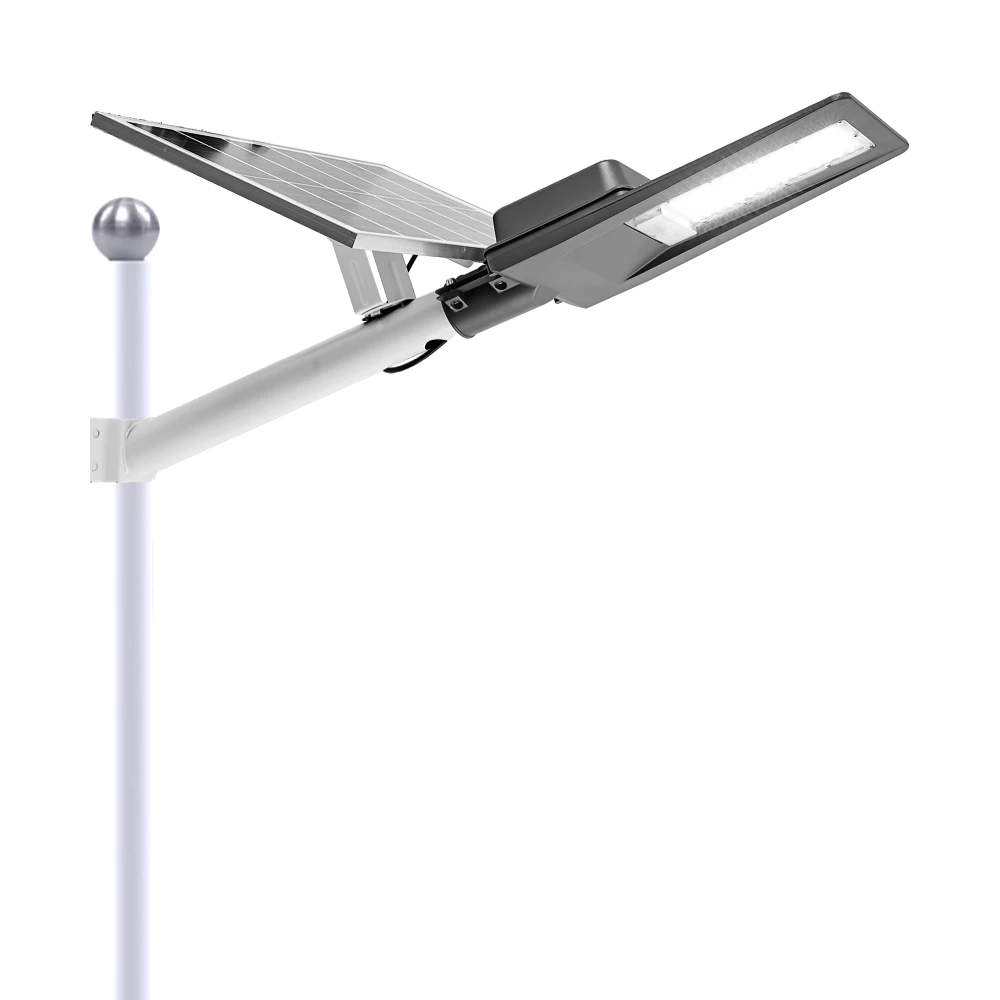
Experience reliable outdoor illumination with our smart solar street light, a perfect combination of advanced technology and eco-conscious design.
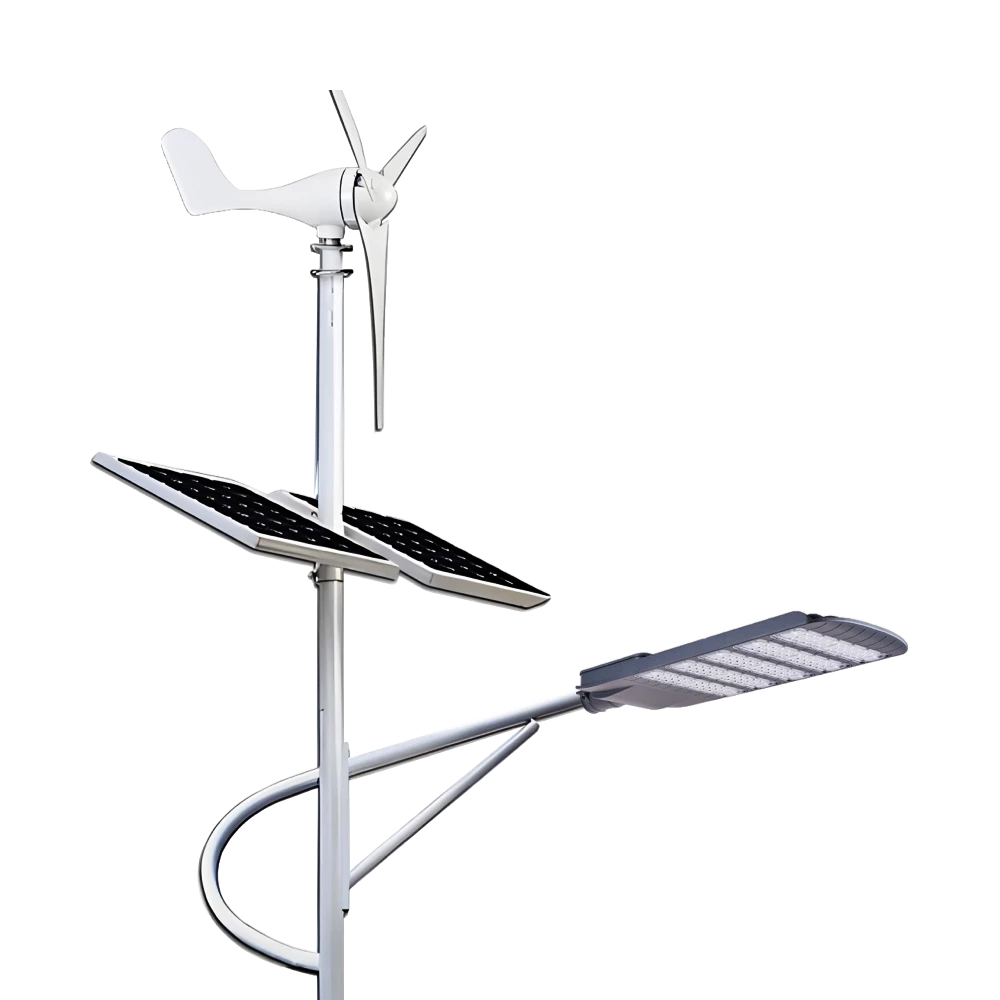
Queneng Lufeng Wind Energy LED Outdoor Solar Street Lights offer high-performance, eco-friendly illumination. These energy-efficient LED street lights harness solar power and wind energy for sustainable, cost-effective outdoor lighting solutions.
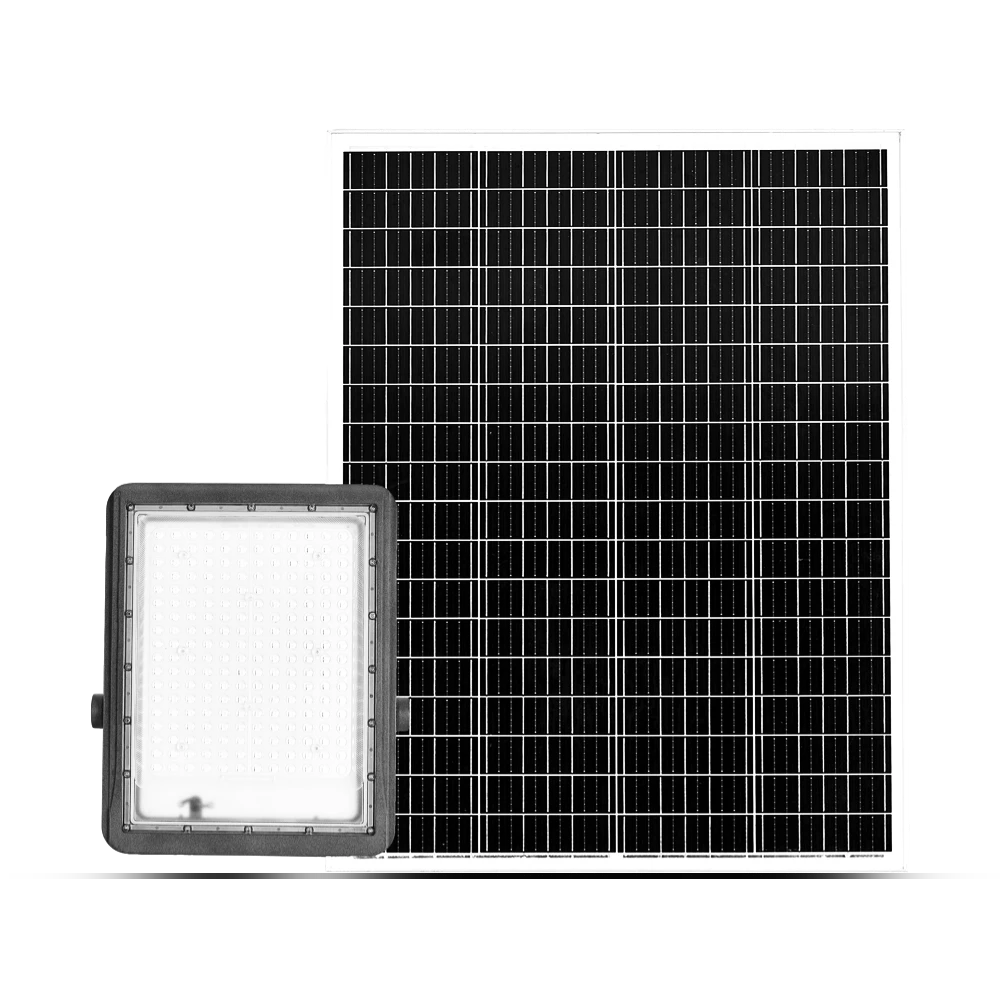
Queneng's Luxian Reliable Solar Street Light offers energy-saving LED lighting for outdoor use. This durable, solar-powered street light provides reliable illumination, reducing energy costs and environmental impact. A perfect solution for sustainable outdoor lighting.
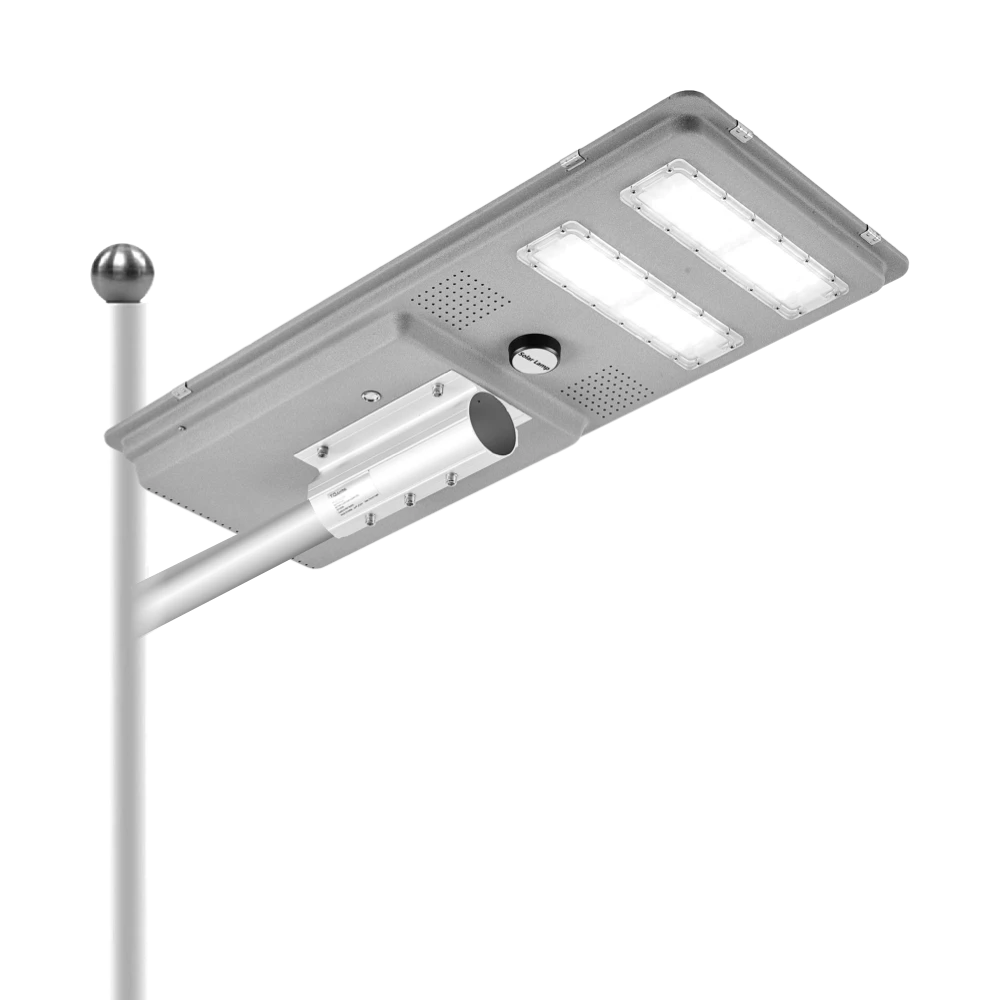
Queneng’s Solar Street Lights are designed to provide reliable, energy-efficient lighting for streets, parks, and other outdoor spaces.
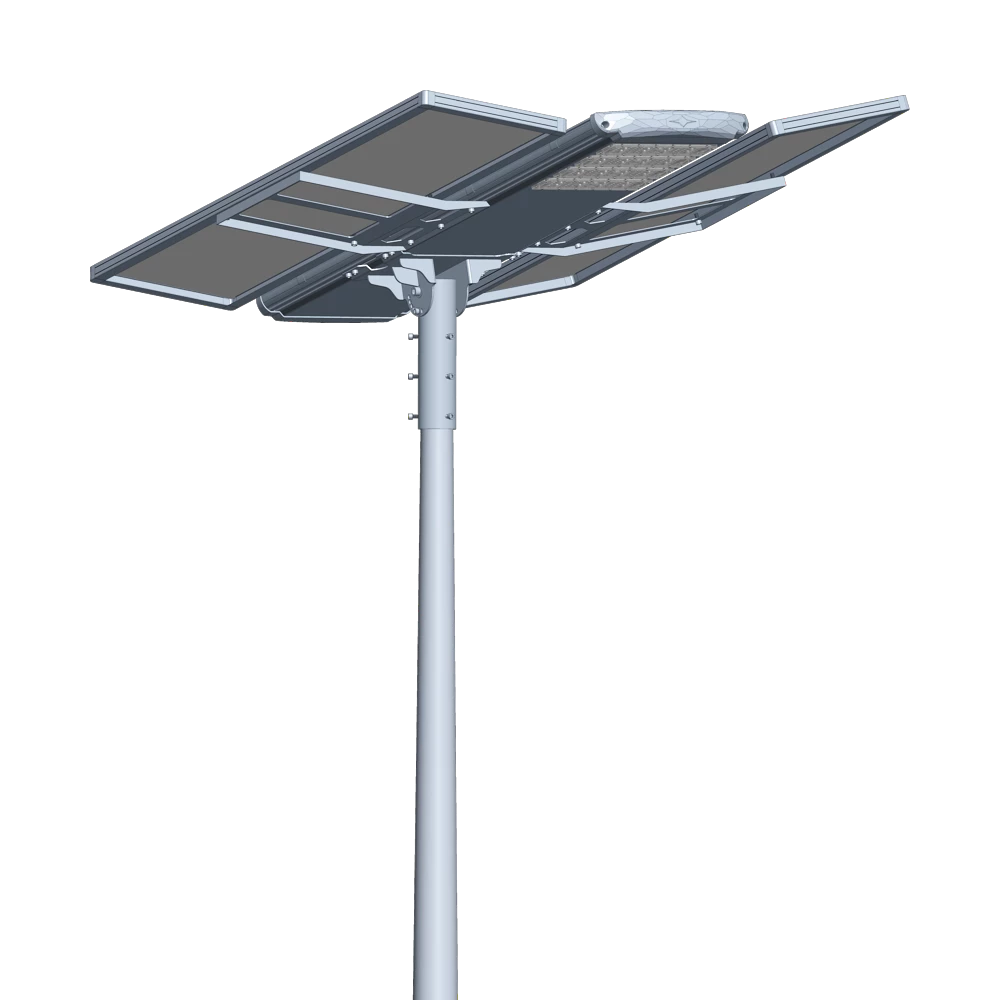
Introducing the Luqing Solar Street Light by Queneng, Efficient LED lighting powered by solar energy is perfect for illuminating outdoor areas. Harness the power of solar energy for sustainable, reliable street lighting. Ideal for eco-friendly, cost-effective outdoor illumination solutions.
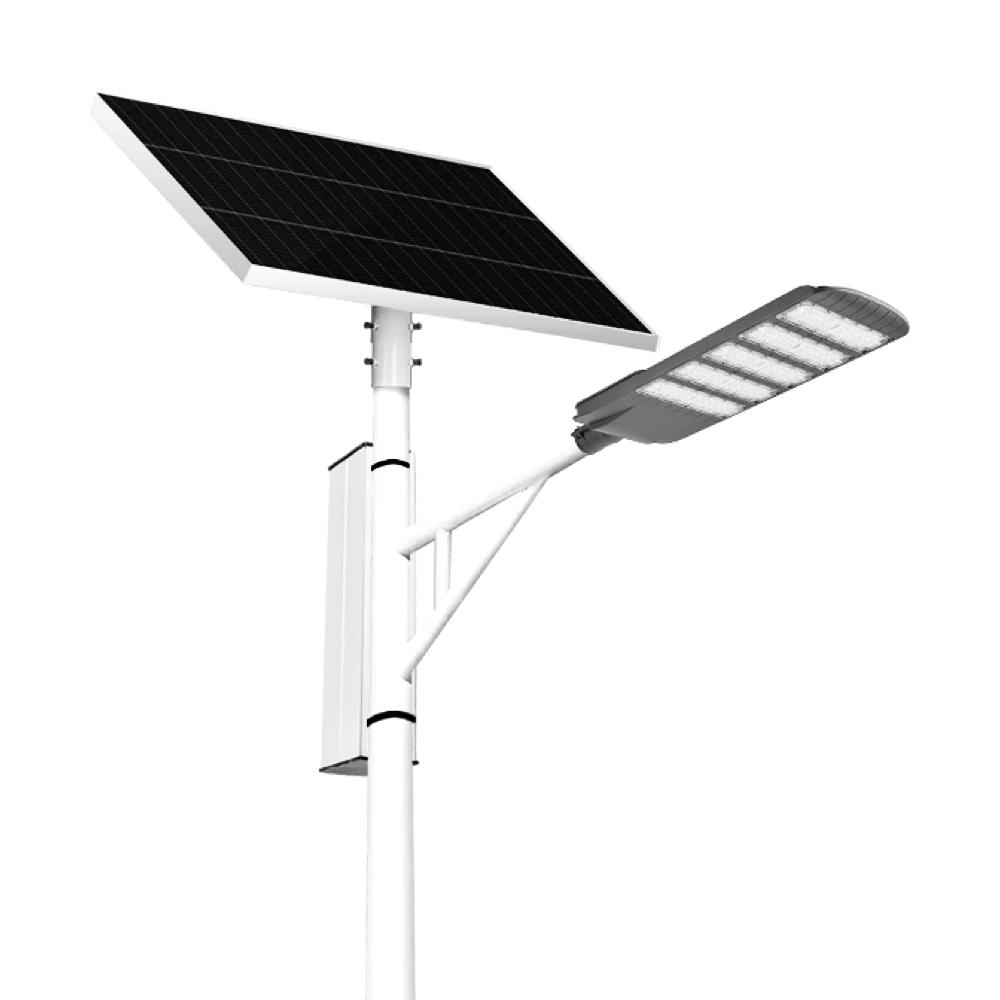
The Solar Streetlights of Luhao for Municipalities are designed to deliver reliable, energy-efficient, and cost-effective public lighting solutions. Equipped with advanced LED technology, durable lithium batteries, and high-efficiency solar panels, these streetlights provide consistent illumination for roads, parks, residential areas, and government projects.
If you would like more information about Queneng solar lighting solutions, please send us a message by filling out the form below. Our professional team will get back to you within 24 hours!
Rest assured that your privacy is important to us, and all information provided will be handled with the utmost confidentiality.
Schedule a Meeting
Book a date and time that is convenient for you and conduct the session in advance.
Have more questions about our products or services?
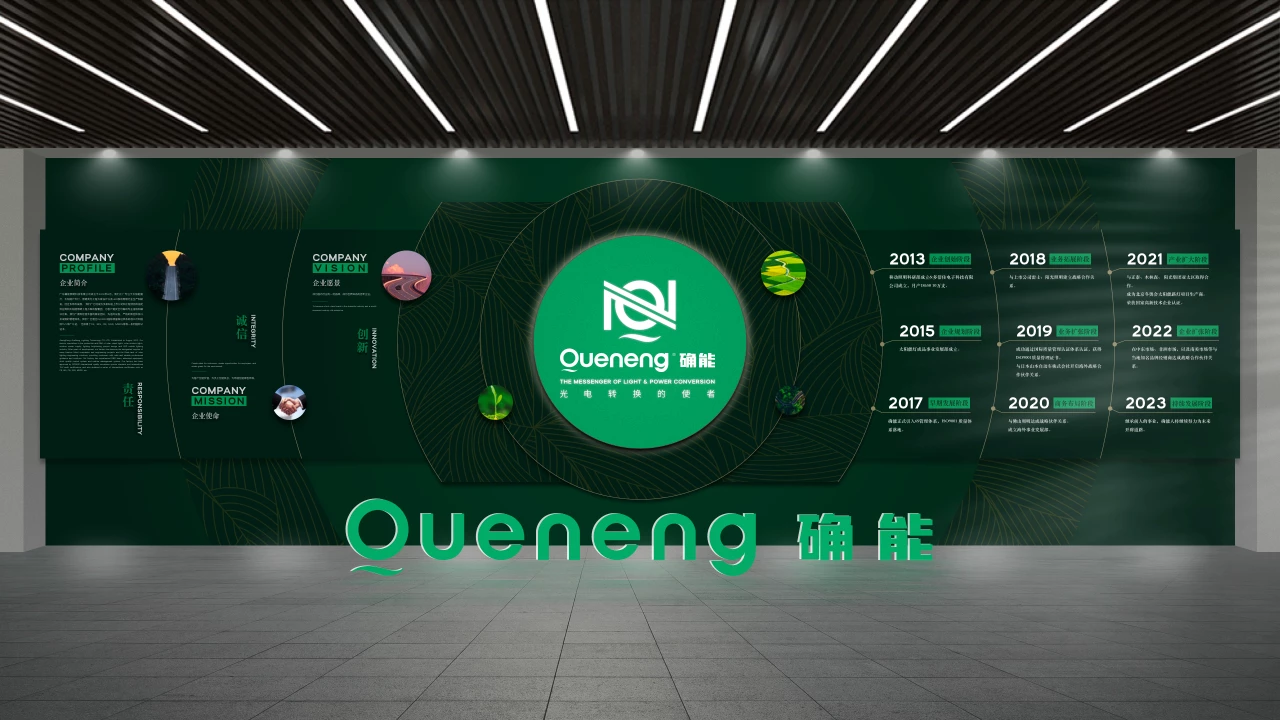
The messenger of light & power conversion
Environmental protection and intelligent manufacturing are our brand philosophy, and quality assurance and the best user experience are our eternal promises to users.
CONTACT
No.9F, Building F, Cao San Xin Tian Hong Logistics Park, Guzhen Town, Zhongshan City, Guangdong Province, China.
or write [email protected]
WhatsApp: +86 136 2270 1011


