

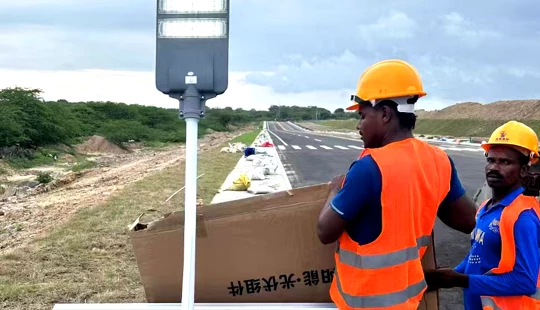
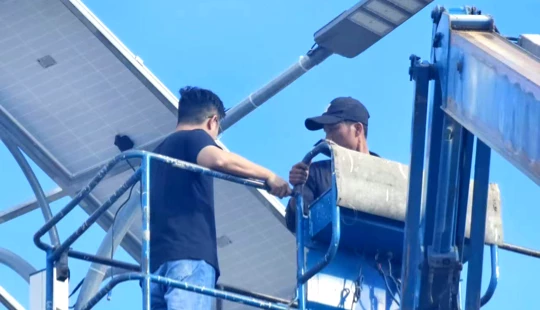













Are there hidden costs in solar street light projects?
Demystifying Solar Street Light Procurement: A Professional Guide for Split Systems
Solar street lights have become a cornerstone of sustainable urban and rural development, offering an eco-friendly and cost-effective lighting solution. However, navigating the procurement process, especially for advanced split solar street light systems, requires deep professional knowledge. This guide aims to answer your most pressing questions, shedding light on costs, types, hidden expenses, and manufacturer selection, ensuring your projects are built on a foundation of solid understanding and informed decisions.
What is the typical cost range for a solar street light, and what factors influence it?
The cost of a solar street light can vary significantly, typically ranging from $300 to $3,000+ per unit for commercial-grade systems, excluding installation. For sophisticated split solar street light systems, which are designed for higher power output, longer autonomy, and greater durability, the cost will generally be on the higher end of this spectrum, often starting from $800 to $1,000 per unit and reaching several thousands for high-mast, high-lumen applications. Key factors influencing this cost include:
- Lumen Output & LED Efficiency: Higher brightness (lumens) and more efficient LED chips increase cost.
- Solar Panel Wattage & Type: Larger, more efficient monocrystalline panels, common in split systems for optimal charging, contribute to higher prices.
- Battery Capacity & Chemistry: Lithium Iron Phosphate (LiFePO4) batteries, preferred for their long lifespan (5-10+ years) and deep discharge capabilities, are more expensive than traditional lead-acid or gel batteries but offer superior performance and lower total cost of ownership. For split systems, larger battery banks are often specified to provide extended autonomy (e.g., 3-5 nights).
- Charge Controller Technology: MPPT (Maximum Power Point Tracking) controllers are more efficient and costly than PWM (Pulse Width Modulation) controllers but are essential for maximizing energy harvest, especially in larger split systems.
- Pole Material & Height: Galvanized steel or aluminum poles, often taller (6-12 meters) for split systems to accommodate larger luminaires and solar panels, incur higher material and shipping costs.
- Smart Features & Controls: Dimmable LEDs, motion sensors, remote monitoring capabilities, and IoT integration add to the complexity and cost.
- Brand & Warranty: Reputable manufacturers offering extended warranties and robust support typically have higher price points.
What are the key differences between All-in-One and Split Solar Street Lights, and which is suitable for what project?
Understanding the distinction between these two primary types is crucial for effective procurement:
- All-in-One (Integrated) Solar Street Lights:
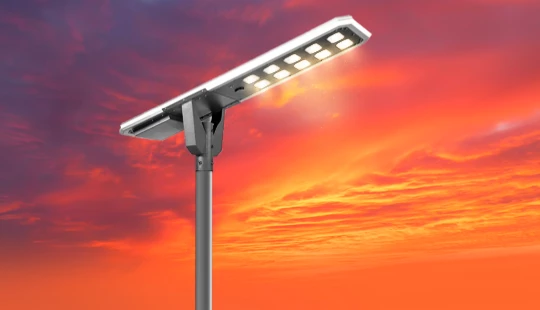
- Design: All components (solar panel, battery, LED lamp, controller) are integrated into a single compact unit, usually mounted directly on top of the pole.
- Installation: Simpler and quicker, requiring less labor.
- Cost: Generally lower initial cost.
- Performance: Typically lower power output and battery capacity, making them suitable for pathways, residential areas, or applications with moderate lighting requirements and consistent solar exposure. Battery life can be shortened due to heat exposure within the integrated unit.
- Flexibility: Limited in customization for specific environmental conditions or higher power needs.
- Split Solar Street Lights:
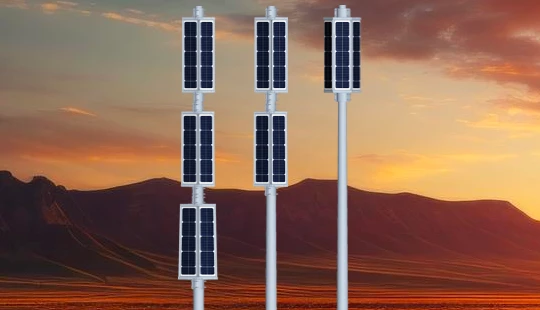
- Design: Components are separated. The solar panel is typically mounted on top of the pole, while the battery and controller are housed in a separate enclosure, often mounted lower on the pole or at the base.
- Installation: More complex, requiring more wiring and labor, but offering greater design flexibility.
- Cost: Higher initial cost due to more components, larger sizes, and installation complexity.
- Performance: Superior power output, larger battery capacities (e.g., for 5-7 days autonomy), and better heat management for the battery and electronics (extending lifespan). Ideal for major roads, highways, industrial zones, public squares, or regions with challenging weather conditions and critical lighting needs.
- Flexibility: High degree of customization for solar panel angle, battery size, and luminaire type, allowing optimization for local solar irradiance and lighting requirements.
For professional procurement in demanding environments or large-scale projects, split solar street light systems are often the preferred choice due to their robustness, higher performance, and longer operational life.
Are there hidden costs in solar street light projects, and how can they be avoided?
Yes, hidden costs are a significant concern in any project. In solar street light procurement, they can arise from:
- Inadequate Site Assessment: Failure to properly assess local solar irradiance, shading, soil conditions, and wind loads can lead to undersized systems or costly foundation works. Avoid by conducting thorough pre-project site surveys and engaging experienced engineers.
- Shipping & Logistics: International shipping, customs duties, taxes, and local transportation can add substantial unforeseen costs. Always obtain clear DDP (Delivered Duty Paid) pricing or detailed logistics breakdowns.
- Installation Complexity: While split systems offer performance advantages, their installation is more labor-intensive and requires skilled personnel. Unexpected ground conditions, utility conflicts, or access issues can escalate costs. Detailed installation plans and pre-construction site visits are essential.
- Low-Quality Components: Opting for cheaper systems with inferior batteries (e.g., non-LiFePO4), less efficient LEDs, or unreliable controllers leads to premature failure, frequent maintenance, and early replacement costs. Insist on quality components with verifiable certifications.
- Lack of Warranty & After-Sales Support: A short or unclear warranty, or poor manufacturer support, means you'll bear the full cost of component failures. Prioritize manufacturers offering comprehensive, long-term warranties (e.g., 5+ years for the entire system) and reliable technical assistance.
- Maintenance & Battery Replacement: While solar street lights have low operational costs, batteries have a finite lifespan. Plan for future battery replacement costs, especially for high-capacity split solar street light systems, typically every 5-10 years for LiFePO4.
- Permits & Regulations: Neglecting local permits, zoning laws, or specific lighting regulations can result in delays and fines. Research and comply with all local requirements upfront.
To avoid these, engage with reputable manufacturers, demand transparent pricing, ensure comprehensive project planning, and prioritize long-term system reliability over initial low cost.
What should I look for when choosing a reliable Solar Street Light Manufacturer?
Selecting the right manufacturer is paramount for project success, particularly for complex split solar street light systems. Look for:
- Experience & Reputation: A proven track record with verifiable project references, especially for similar large-scale or challenging projects.
- Quality Certifications: Adherence to international quality standards (ISO 9001), product certifications (CE, RoHS, IP ratings), and specific performance certifications (e.g., IEC for solar panels).
- Component Quality: Transparency about the origin and specifications of key components (LiFePO4 batteries from reputable brands, high-efficiency LED chips, MPPT controllers).
- R&D and Customization Capabilities: The ability to design and customize split solar street light systems to meet unique project requirements, climate conditions, and specific lumen outputs.
- Warranty & After-Sales Service: Comprehensive warranties for the entire system (not just individual components) and responsive technical support for troubleshooting, maintenance, and spare parts.
- Production Capacity & Lead Time: Ability to meet project timelines for large orders without compromising quality.
- Financial Stability: Indicates long-term reliability for warranty support and future partnerships.
- Testing & Quality Control: Evidence of rigorous in-house testing procedures for components and finished products.
What are the essential components of a split solar street light system, and what specific considerations are there for each during procurement?
A split solar street light system is composed of several critical, interdependent parts:
- Solar Panel (Photovoltaic Module):
- Considerations: Prioritize high-efficiency monocrystalline silicon panels for optimal energy conversion, especially in limited space or varying sunlight conditions. Check the panel's wattage (Wp) to ensure it's sufficiently sized for daily energy generation and battery charging. Look for certifications like IEC 61215/61730 for reliability and performance.
- LED Luminaire (Light Fixture):
- Considerations: Evaluate lumen output (lm), luminous efficacy (lm/W), Color Rendering Index (CRI), and correlated color temperature (CCT) suitable for the application. High-quality LED chips (e.g., Philips, Cree, Osram) ensure longevity (50,000-100,000 hours). Opt for robust IP65/IP66 rated housings for dust and water resistance and efficient heat dissipation.
- Rechargeable Battery:
- Considerations: Lithium Iron Phosphate (LiFePO4) batteries are the industry standard for their long cycle life (2,000-6,000 cycles), high energy density, safety, and stable performance across temperature ranges. Crucially, specify sufficient battery capacity (Ah) and voltage (V) to provide the required autonomy (number of nights of operation without sunshine) and depth of discharge (DoD) without impacting lifespan.
- Charge Controller:
- Considerations: An MPPT (Maximum Power Point Tracking) controller is essential for split systems as it maximizes power harvest from the solar panel by up to 30% compared to PWM. It also protects the battery from overcharging, over-discharging, and reverse polarity. Look for features like temperature compensation and programmable lighting modes.
- Pole & Mounting Structure:
- Considerations: The pole height, material (hot-dip galvanized steel or aluminum alloy), and wall thickness must be engineered to withstand local wind loads and support the weight of the solar panel and luminaire. Ensure mounting brackets for the solar panel and luminaire are robust and adjustable.
- Cables & Connectors:
- Considerations: Use UV-resistant, outdoor-rated cables (e.g., PV cable) with appropriate gauge to minimize voltage drop, especially for longer runs in split systems. IP67 rated connectors ensure water-tight connections.
What is the expected lifespan and maintenance requirement for solar street lights, especially split systems?
Modern split solar street light systems are designed for long operational lives with minimal maintenance:
- Lifespan:
- Solar Panels: 20-25+ years (output typically guaranteed for 80% after 25 years).
- LED Luminaires: 50,000-100,000 hours (10-20+ years of typical night-time operation).
- LiFePO4 Batteries: 5-10+ years (depending on cycle depth, temperature, and quality).
- Charge Controllers: 5-10+ years.
- Poles & Housing: 20-25+ years (with proper galvanization/coating).
- Maintenance Requirements:
- Routine Cleaning: Solar panels should be cleaned periodically (every 6-12 months, or more often in dusty environments) to ensure optimal energy absorption.
- Visual Inspections: Check for any physical damage, loose connections, or signs of wear on cables and components.
- Battery Monitoring: While LiFePO4 batteries are low-maintenance, in large projects, monitoring systems can alert to performance degradation, allowing proactive replacement.
- Component Replacement: The primary maintenance cost over the system's lifespan will be battery replacement, typically after 5-10 years. LEDs are very long-lasting but can be replaced if individual diodes fail or an upgrade is desired.
Due to the separation of components, split solar street light systems often offer easier access for maintenance or replacement of individual parts, contributing to their long-term cost-effectiveness.
By carefully considering these factors and prioritizing quality and expert design, you can ensure your solar street light projects deliver reliable, sustainable illumination for decades to come.
Queneng Lighting: Your Partner for Professional Solar Street Light Solutions
At Queneng Lighting, we specialize in delivering high-performance, durable, and customized split solar street light solutions designed for the most demanding applications. Our commitment to quality is evident in our use of:
- High Quality LiFePO4 Batteries: Ensuring extended lifespan and reliable energy storage.
- High-Efficiency Monocrystalline Solar Panels: Maximizing power generation even in challenging conditions.
- Advanced MPPT Charge Controllers: Optimizing system efficiency and battery health.
- Robust, IP66-Rated LED Luminaires: Providing superior illumination and resistance to environmental factors.
We offer extensive customization options, from panel wattage and battery capacity to pole height and lighting patterns, ensuring each split solar street light system is perfectly tailored to your project's unique requirements. Our comprehensive R&D, stringent quality control, and dedicated after-sales support mean you partner with a manufacturer committed to your long-term success, minimizing hidden costs and maximizing your return on investment.
References
- EnergySage: Cost of Solar Panels (Accessed: October 26, 2023)
- U.S. Energy Information Administration (EIA): Annual Energy Outlook 2023 (Relevant for general energy trends and component lifespans, Accessed: October 26, 2023)
- Philips Lighting: LED Technology Benefits (Accessed: October 26, 2023)
- Battery University: Types of Lithium-ion Batteries (General knowledge on LiFePO4, Accessed: October 26, 2023)
- Industry reports and manufacturer specifications for solar street lights (General market knowledge, e.g., IHS Markit, Wood Mackenzie, various manufacturer product sheets) (Accessed: October 26, 2023)

Have more questions about our products or services?
The latest hot news you might like

Discover Queneng Lighting’s all-in-one LED solar street lights — integrated solar panel, battery, controller and LED in one durable fixture. Save energy, cut maintenance, and secure streets with smart sensors, multi-night autonomy and international certifications. Contact sales for quotes and support.

Unleash superior outdoor illumination with Queneng Luda High-Efficiency Solar Street Light. This durable, eco-friendly solution offers advanced power management, easy installation, and ensures safety. Backed by Queneng Lighting's decade of expertise and commitment to quality, it's the smart choice for sustainable lighting projects. Learn why we're a leading solar solutions provider.

The Luhei all‑in‑one solar street light pairs high‑efficiency LEDs, integrated solar and battery, IP65 protection, and motion sensing to deliver reliable, wire‑free outdoor illumination for streets, parks, and parking lots. Backed by Queneng Lighting’s certifications and support.

FAQ
OEM&ODM
What is the lead time for OEM production?
15–25 working days depending on order volume and customization level.
Battery fundamentals and basic terms
What is open circuit voltage?
Battery and Analysis
What is the principle of charger? What are the main categories?
Batteries and the environment
How do used batteries pollute the environment?
Battery Types and Applications
What is a smart secondary battery?
Solar Street Light Chuanqi
Are Chuanqi solar street lights suitable for both residential and commercial use?
Yes, Chuanqi solar street lights are suitable for a wide range of applications, including both residential and commercial use. Whether it's illuminating streets, pathways, parks, or parking lots, Chuanqi lights provide dependable outdoor lighting. Their ease of installation and low operational costs make them ideal for both private homes and large-scale commercial projects.
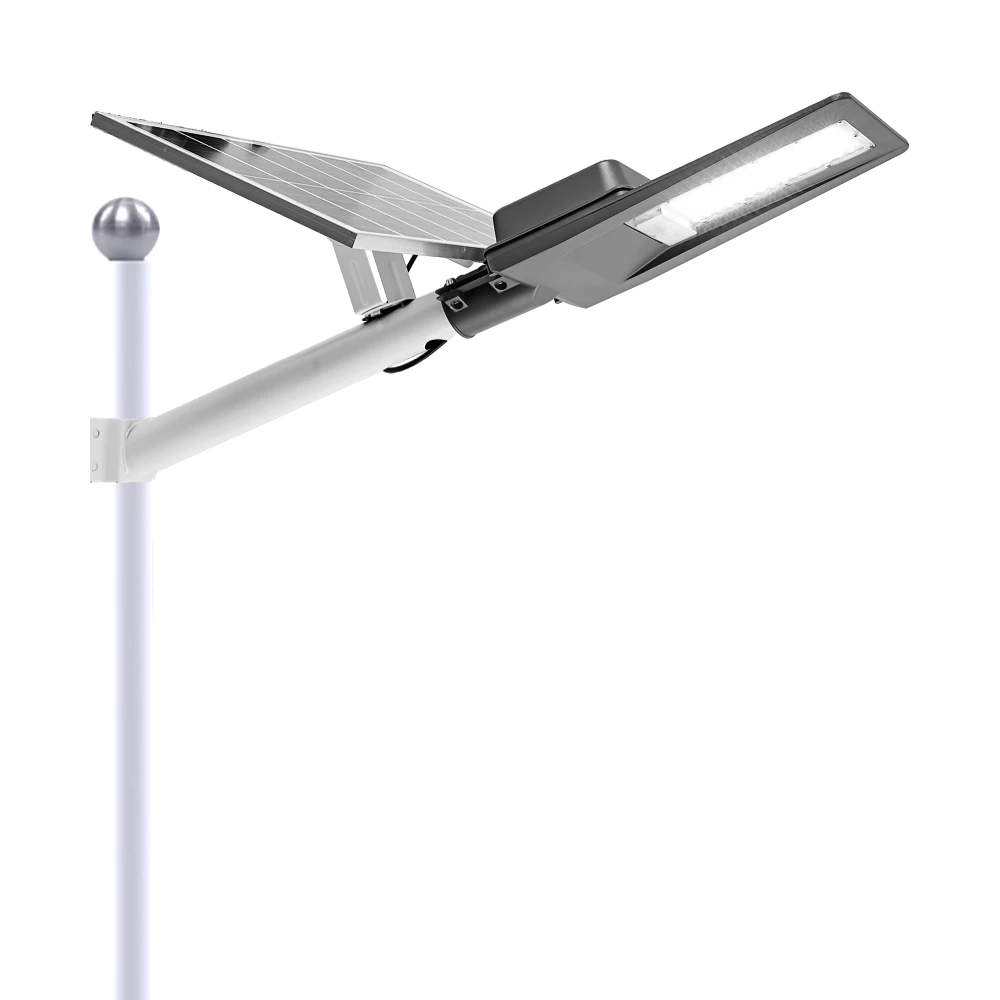
Experience reliable outdoor illumination with our smart solar street light, a perfect combination of advanced technology and eco-conscious design.
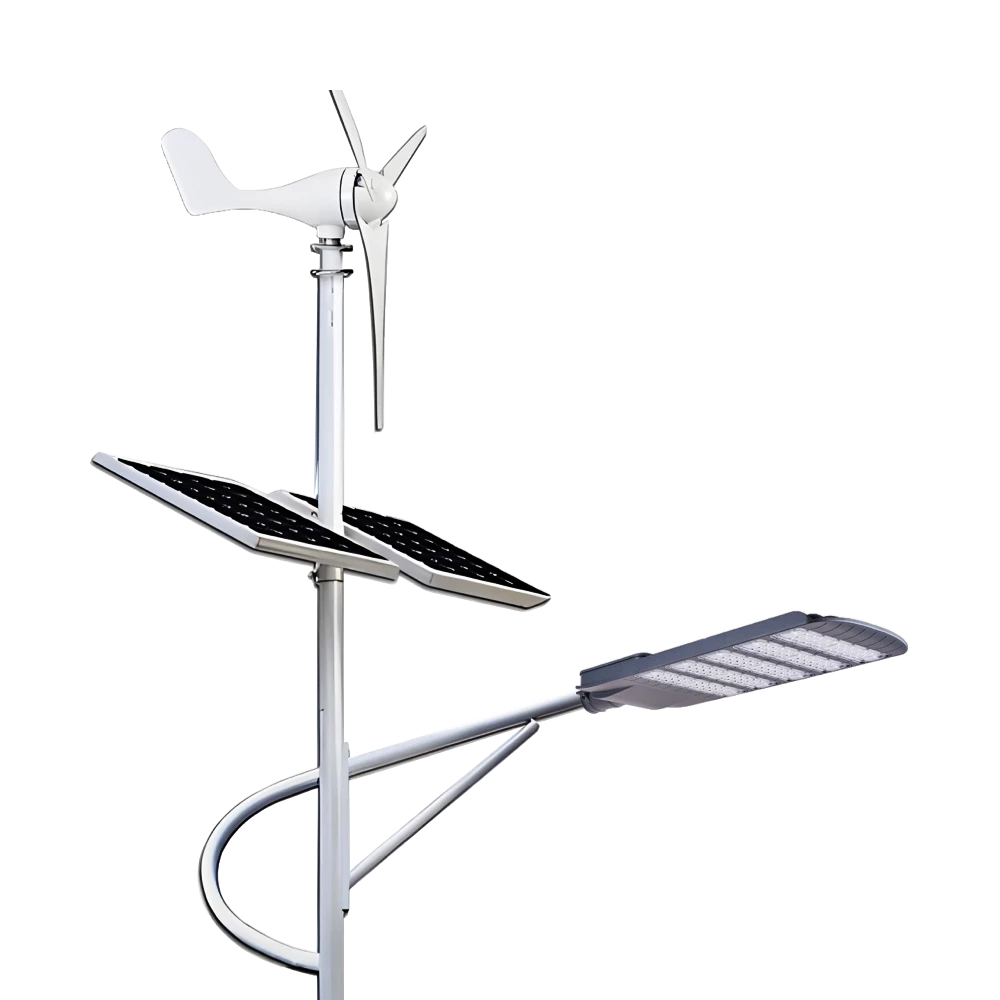
Queneng Lufeng Wind Energy LED Outdoor Solar Street Lights offer high-performance, eco-friendly illumination. These energy-efficient LED street lights harness solar power and wind energy for sustainable, cost-effective outdoor lighting solutions.
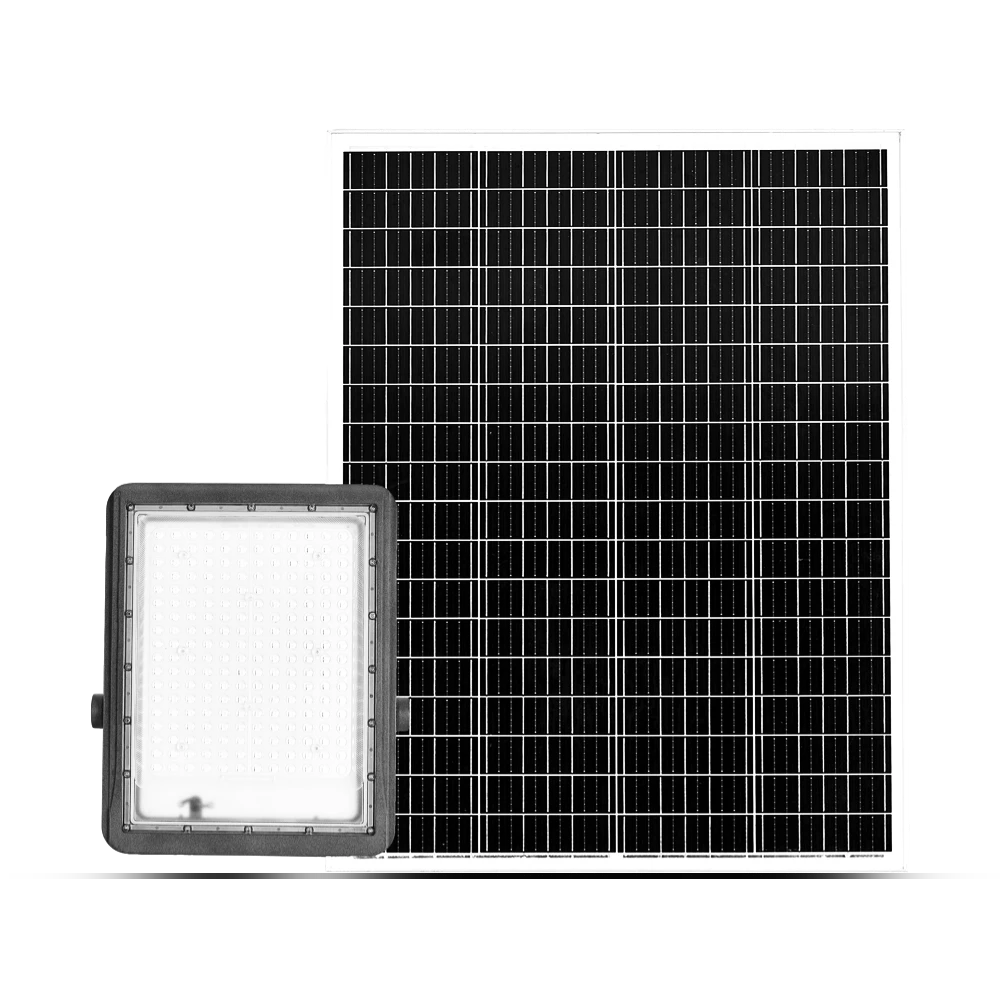
Queneng's Luxian Reliable Solar Street Light offers energy-saving LED lighting for outdoor use. This durable, solar-powered street light provides reliable illumination, reducing energy costs and environmental impact. A perfect solution for sustainable outdoor lighting.
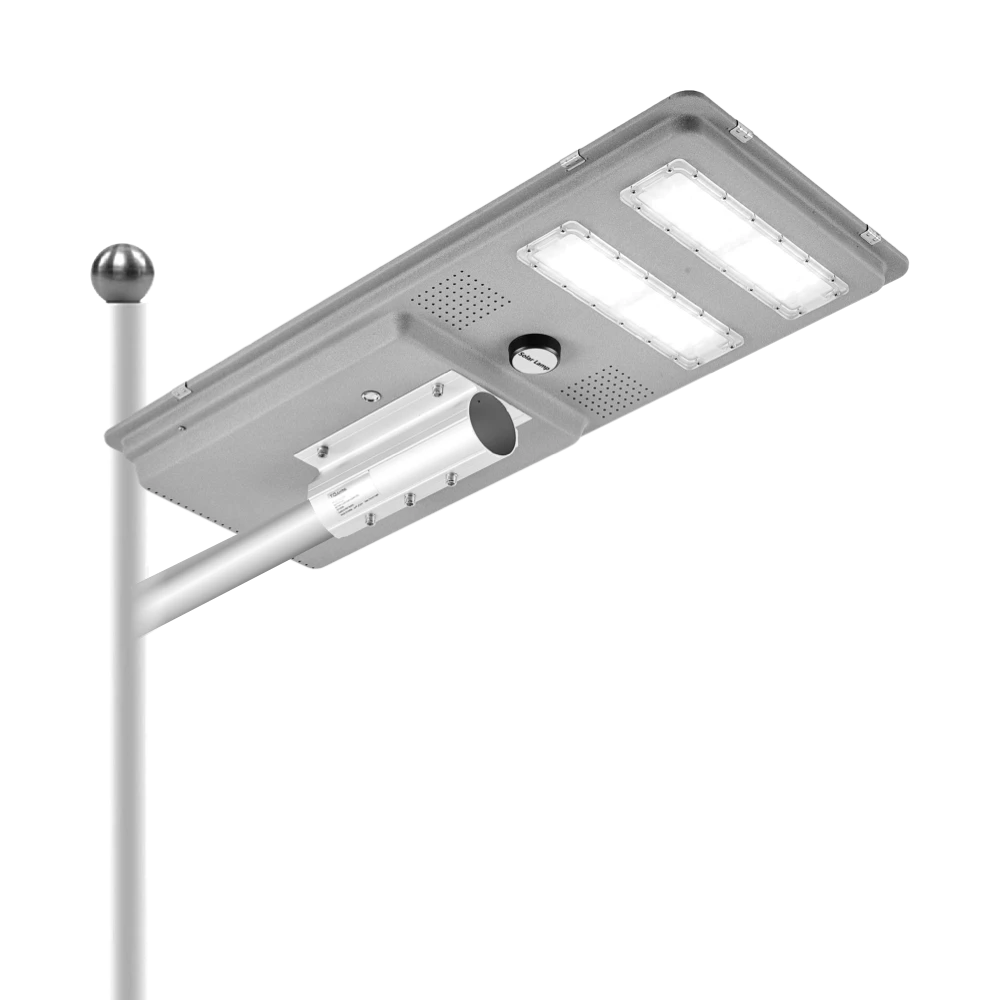
Queneng’s Solar Street Lights are designed to provide reliable, energy-efficient lighting for streets, parks, and other outdoor spaces.
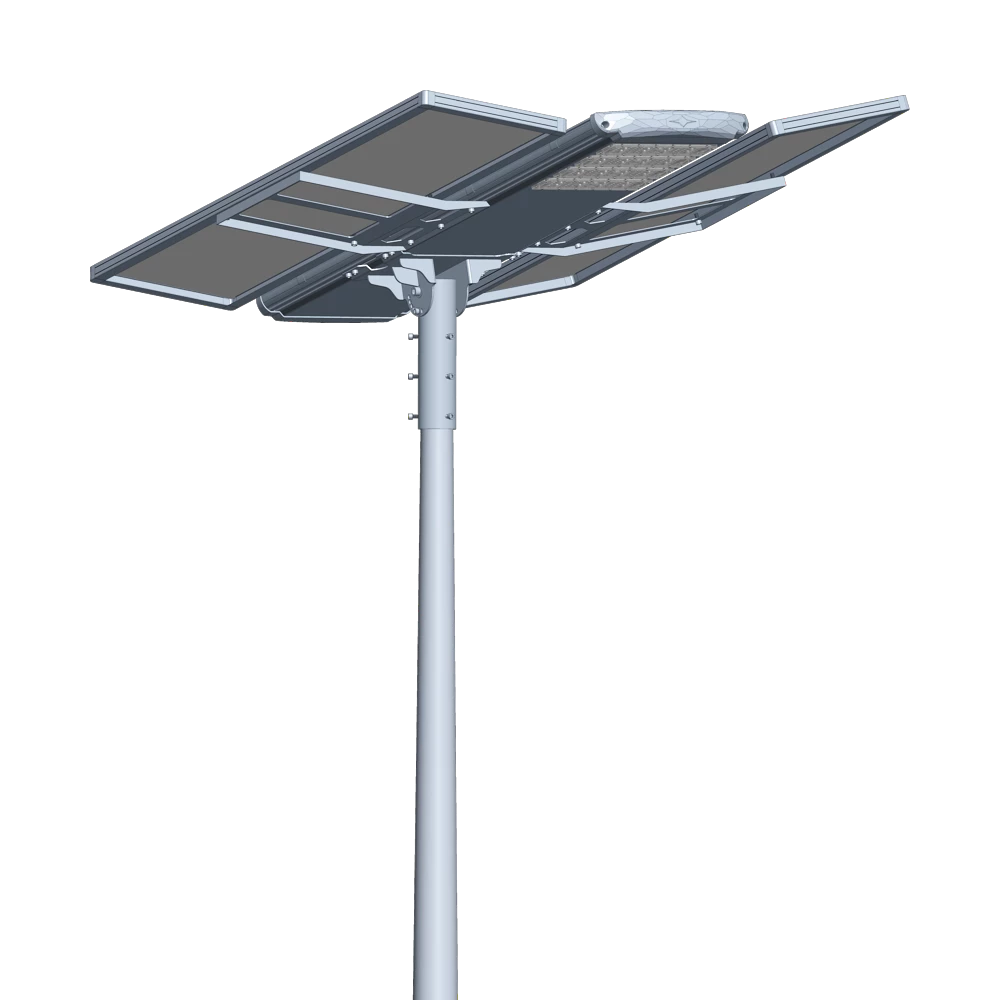
Introducing the Luqing Solar Street Light by Queneng, Efficient LED lighting powered by solar energy is perfect for illuminating outdoor areas. Harness the power of solar energy for sustainable, reliable street lighting. Ideal for eco-friendly, cost-effective outdoor illumination solutions.
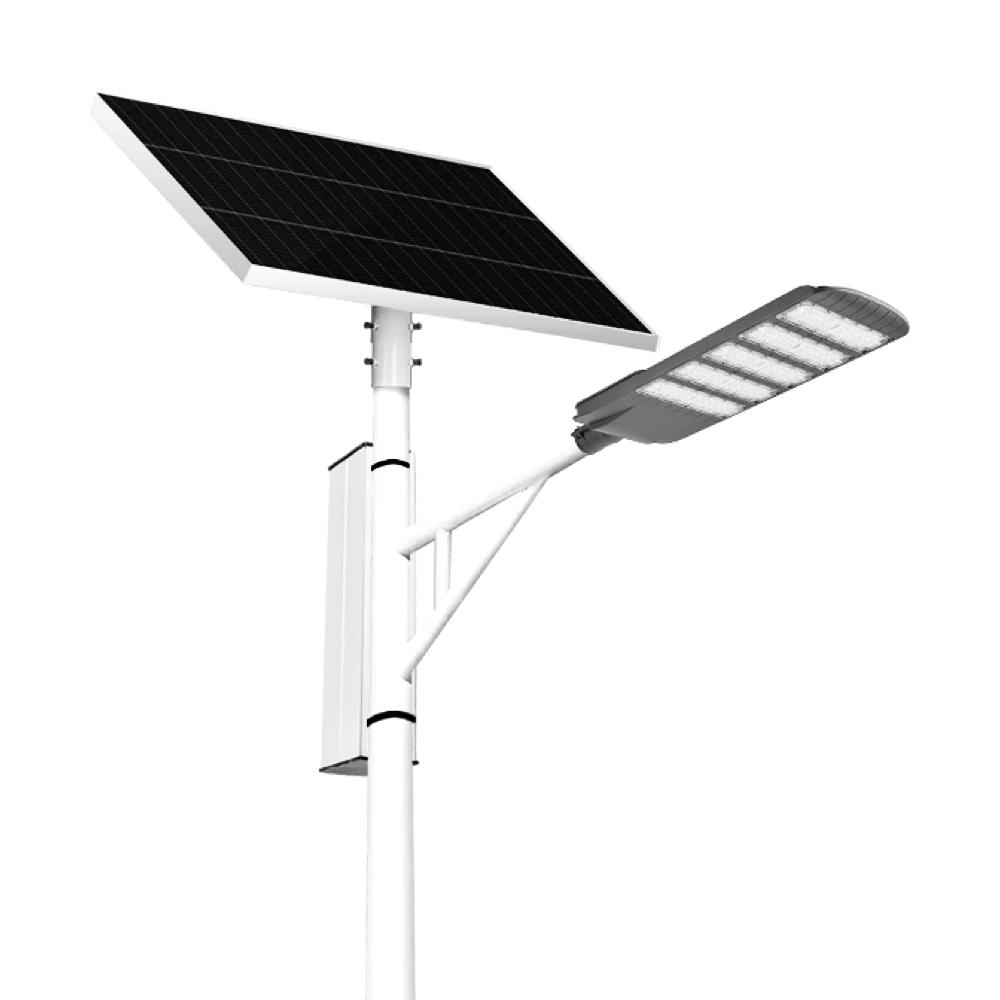
The Solar Streetlights of Luhao for Municipalities are designed to deliver reliable, energy-efficient, and cost-effective public lighting solutions. Equipped with advanced LED technology, durable lithium batteries, and high-efficiency solar panels, these streetlights provide consistent illumination for roads, parks, residential areas, and government projects.
If you would like more information about Queneng solar lighting solutions, please send us a message by filling out the form below. Our professional team will get back to you within 24 hours!
Rest assured that your privacy is important to us, and all information provided will be handled with the utmost confidentiality.
Schedule a Meeting
Book a date and time that is convenient for you and conduct the session in advance.
Have more questions about our products or services?
The messenger of light & power conversion
Environmental protection and intelligent manufacturing are our brand philosophy, and quality assurance and the best user experience are our eternal promises to users.
CONTACT
No.9F, Building F, Cao San Xin Tian Hong Logistics Park, Guzhen Town, Zhongshan City, Guangdong Province, China.
or write [email protected]
WhatsApp: +86 136 2270 1011


