














What power options do solar street lights currently offer?
<!DOCTYPE >< lang=en>
Solar street lights offer a sustainable and cost-effective solution for illuminating public spaces, roads, and private properties. For procurement professionals, understanding the nuances of these systems, especially the robust split configurations, is crucial for making informed decisions. This guide addresses common questions buyers have, focusing on cost, technology, performance, and vendor selection.
Understanding Solar Street Light Costs and Performance for Smart Procurement
1. What are the primary cost factors for a solar street light system, particularly for split configurations?
The total cost of a solar street light system is influenced by several key components and operational aspects. For split solar street light systems, where the solar panel, battery, and LED fixture are separate, the breakdown is even more distinct:
- Solar Panel (PV Module): The wattage, efficiency, and brand significantly impact cost. Larger, higher-efficiency panels (e.g., monocrystalline) cost more but capture more energy.
- LED Luminaire: The wattage, lumen output, LED chip quality (e.g., Philips, Osram), optical lens design, and housing material (e.g., die-cast aluminum) determine the light fixture's price.
- Battery: This is often one of the most expensive components. Lithium Iron Phosphate (LiFePO4) batteries are now the industry standard due to their longer lifespan, higher cycle count, and better performance in varying temperatures compared to traditional lead-acid batteries. Capacity (Ah) and brand are key cost drivers.
- Charge Controller: Essential for protecting the battery and optimizing charging. Maximum Power Point Tracking (MPPT) controllers are more efficient than Pulse Width Modulation (PWM) controllers, adding to the cost but improving system performance.
- Pole: The height, material (steel, aluminum, galvanized), gauge, and design (e.g., straight, tapered, decorative) contribute significantly. Split systems often require stronger poles to accommodate potentially larger components or dedicated battery boxes.
- Cabling & Wiring: High-quality, UV-resistant, and correctly gauged cables are essential for durability and safety, especially with longer runs in split systems.
- Installation & Labor: For split systems, installation is generally more complex and labor-intensive due to separate component mounting and wiring, leading to higher initial installation costs compared to all-in-one units.
- Smart Features & Connectivity: Motion sensors, dimming capabilities, remote monitoring, and IoT integration add to the system cost but provide enhanced functionality and energy savings.
- Shipping & Logistics: Especially for international procurement, freight costs can be substantial, impacted by component size and weight.
While the initial cost of a high-quality split system might be higher, its superior performance, longer lifespan, and easier component replacement often result in a lower total cost of ownership (TCO) over the project's lifetime.
2. All-in-One vs. Split Solar Street Lights: Why should I consider a Split System for my project?
Choosing between all-in-one (integrated) and split solar street lights depends heavily on project requirements, environmental conditions, and budget. While all-in-one units offer simplicity and lower installation costs, split systems present compelling advantages for specific professional applications:
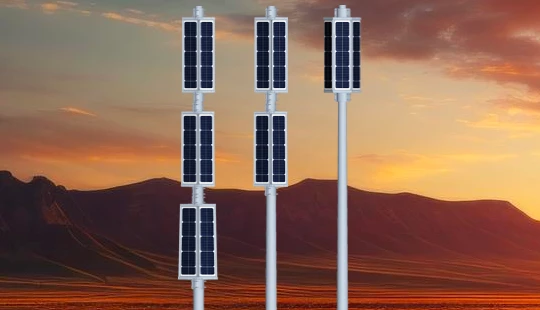
- Enhanced Performance & Flexibility: Split systems allow for larger solar panels and battery capacities, which can be crucial for areas with lower solar insolation, higher light output requirements, or longer backup autonomy (days without sun). The solar panel can be oriented independently for optimal sun exposure, maximizing energy harvest.
- Durability in Harsh Environments: Separating components allows for better heat management, especially for the battery. Batteries can be housed in a protected compartment at the base of the pole, shielding them from extreme temperatures, direct sunlight, and vandalism, extending their lifespan.
- Easier Component Replacement & Maintenance: If one component fails (e.g., battery), it can often be replaced without dismantling the entire fixture. This modularity can simplify maintenance and reduce long-term service costs.
- Customization for Specific Needs: Split systems offer greater flexibility in design, allowing buyers to pair specific LED luminaires with appropriately sized solar panels and batteries, creating highly customized solutions tailored to precise lighting and power needs.
- Anti-theft Measures: Housing batteries in a locked box at the pole's base can significantly reduce the risk of theft, a common concern in some regions.
For demanding projects requiring robust performance, long-term reliability, and adaptability to challenging conditions, split solar street lights are often the superior choice.
3. How do I determine the appropriate power (wattage) and battery capacity for a solar street light, ensuring reliable performance?
Accurate sizing is critical for ensuring reliable, consistent illumination. This involves calculating the required power and battery capacity based on several factors:
- Light Output (Lumen Requirement): Determine the necessary lux level for the application (e.g., pedestrian pathways, main roads, parking lots). This, combined with pole height and desired illumination area, dictates the required LED wattage. Typical street light wattages range from 20W to 120W, providing 2,000 to 15,000+ lumens.
- Hours of Operation: Specify how many hours per night the light needs to operate (e.g., dusk to dawn, 6 hours at full brightness then dimming).
- Local Solar Irradiance (Peak Sun Hours - PSH): This is the average number of hours per day that sunlight reaches 1000 W/m² in a specific geographic location. This data is crucial for sizing the solar panel. Websites like NASA's Surface meteorology and Solar Energy (SSE) provide this data.
- Days of Autonomy (Backup Days): This refers to how many consecutive cloudy or rainy days the system can operate without recharging from the sun. Typically, 2-5 days of autonomy is recommended to ensure consistent lighting.
- System Efficiency Losses: Account for energy losses from the solar panel (temperature, dust), battery (charge/discharge efficiency), and charge controller (MPPT controllers are generally 95-99% efficient).
Calculation Overview:
* Daily Energy Consumption (Wh/day): LED Wattage (W) × Hours of Operation (h) × (1 + System Loss Factor)
* Battery Capacity (Wh): Daily Energy Consumption (Wh/day) × Days of Autonomy × (1 + Battery Depth of Discharge Factor)
* Solar Panel Wattage (Wp): (Daily Energy Consumption (Wh/day) / Peak Sun Hours (h)) × (1 + Oversizing Factor for safety)
Consulting with an experienced manufacturer or a solar lighting specialist is highly recommended for precise system sizing.
4. What essential criteria should I use to evaluate and choose a reputable solar street light manufacturer?
Selecting the right manufacturer is paramount for project success, ensuring product quality, reliability, and support. Key evaluation criteria include:
- Industry Experience & Reputation: Look for manufacturers with a proven track record in solar lighting, specific experience with split systems, and positive client testimonials or case studies.
- R&D Capabilities & Innovation: A strong R&D department indicates a commitment to product improvement, efficiency, and incorporating the latest technologies (e.g., advanced MPPT controllers, improved battery chemistry, smart features).
- Product Quality & Certifications: Ensure products meet international quality standards (e.g., ISO 9001 for manufacturing), and have relevant electrical certifications (e.g., CE, RoHS, IEC). Inquire about the quality of core components (LED chips, batteries, solar panels).
- Warranty & After-Sales Support: A comprehensive warranty (typically 3-5 years for the entire system, longer for specific components like solar panels) and accessible after-sales service are crucial. Clarify terms for spare parts, technical assistance, and troubleshooting.
- Customization & Design Flexibility: For unique projects, the ability to customize pole height, LED wattage, battery capacity, or incorporate specific smart features is valuable.
- Supply Chain & Manufacturing Capacity: Assess their ability to meet your project's volume and timeline, and inquire about their supply chain resilience.
- Project Management & Technical Expertise: A good manufacturer will offer technical consultation, site assessment, system design assistance, and clear communication throughout the project.
5. What advanced features and smart controls are available, and how do they benefit split solar street light installations?
Modern solar street lights, especially split systems, can integrate sophisticated features that enhance efficiency, security, and manageability:
- PIR Motion Sensors: Automatically dim the light when no activity is detected and brighten it upon sensing movement, significantly conserving battery power and extending backup days.
- Programmable Dimming Profiles: Allows for customized lighting schedules (e.g., 100% brightness for 4 hours, then 50% for the rest of the night), optimizing energy use based on peak traffic times.
- IoT & Remote Monitoring: Enables real-time monitoring of system performance (battery status, solar charging, LED output), remote diagnostics, and control via a central platform or mobile app. This is particularly beneficial for large-scale split installations spread across wide areas, reducing manual checks and maintenance costs.
- Adaptive Lighting: Adjusts light output based on ambient light levels or predefined schedules, further optimizing energy consumption.
- Temperature Compensation for Charging: Ensures optimal battery charging performance in varying climate conditions, extending battery life.
- Automatic Cleaning Systems: While less common, some high-end panels can incorporate features to minimize dust and debris accumulation, maintaining charging efficiency.
For split systems, smart controls allow for granular management of individual components, ensuring each part operates at peak efficiency and providing valuable data for predictive maintenance.
6. What are the typical lifespan, warranty, and maintenance requirements for the components of a split solar street light?
Understanding the lifespan, warranty, and maintenance aspects is crucial for long-term project planning and budget forecasting:
- LED Luminaire: High-quality LED chips typically have a lifespan of 50,000 to 100,000 hours, equating to 10-20 years of operation (based on 10-12 hours/night). Warranties usually range from 3 to 5 years.
- Solar Panel (PV Module): Reputable solar panels are designed to last 20-25 years, with performance warranties guaranteeing 80% or more of original power output after 20-25 years. Product warranties are typically 10-12 years.
- LiFePO4 Battery: These batteries generally offer 2,000-5,000 charge/discharge cycles, translating to a lifespan of 5-10 years, depending on usage and environmental conditions. Warranties often range from 3 to 5 years.
- Charge Controller & Electronics: These components typically have a lifespan of 5-10 years, with warranties often matching the overall system warranty (3-5 years).
- Pole & Fixtures: Galvanized steel poles can last 20-30 years or more with proper maintenance, while fixtures are built to withstand outdoor elements for 10-20 years.
Maintenance Requirements:
- Solar Panel Cleaning: Periodically clean solar panels (every 6-12 months, or more frequently in dusty areas) to remove dirt, dust, and debris that can reduce charging efficiency.
- Visual Inspection: Regularly inspect all components (panels, fixtures, wiring, pole) for any physical damage, corrosion, loose connections, or signs of wear and tear.
- Battery Health Check: For smart systems, monitor battery performance remotely. For manual checks, ensure proper ventilation and look for any signs of swelling or leakage (less common with LiFePO4).
- Tightening Connections: Ensure all electrical connections are secure to prevent power loss and hazards.
Overall, solar street lights, particularly well-designed split systems, are low-maintenance, but periodic checks ensure optimal performance and longevity.
7. What are the key installation considerations for split solar street light systems?
Installation of split solar street light systems requires careful planning and execution to ensure optimal performance, durability, and safety:
- Site Assessment: Conduct a thorough assessment of the installation site to determine ideal solar panel orientation (south-facing in the Northern Hemisphere, north-facing in the Southern Hemisphere), tilt angle, and to identify any potential shading issues from trees or buildings throughout the day and year.
- Pole Foundation: Ensure the pole foundation is robust enough to support the weight of the pole and all components, considering local soil conditions and wind loads.
- Solar Panel Mounting: The solar panel needs to be securely mounted, typically on a bracket separate from the LED fixture, allowing for precise angling to maximize sunlight exposure. Ensure it's high enough to prevent vandalism but accessible for cleaning.
- Battery & Controller Housing: In split systems, the battery and charge controller are often housed in a weather-proof, lockable box at the base of the pole or directly on the pole. This protects them from elements, theft, and makes maintenance easier.
- Wiring & Cabling: Requires careful planning for cable runs between the solar panel, battery/controller box, and the LED fixture. Use UV-resistant, appropriately gauged cables, and ensure all connections are watertight and protected from damage. Proper grounding is essential for safety.
- LED Fixture Mounting: Mount the LED luminaire at the appropriate height and angle to achieve the desired light distribution pattern and illumination levels.
- Safety & Regulations: Adhere to all local electrical codes, safety standards, and regulations during installation. Professional, certified installers are highly recommended.
While potentially more complex than all-in-one installations, the careful planning and execution of split system installations yield superior performance and longevity.
Queneng Lighting: Your Partner for Advanced Solar Street Lighting Solutions
Queneng Lighting stands as a leader in innovative and reliable solar street light manufacturing, specializing in high-performance split solar street light systems. We understand the unique demands of professional procurement and offer solutions designed for superior efficiency, durability, and customization. Our commitment to cutting-edge R&D, stringent quality control, and comprehensive after-sales support ensures that every Queneng system delivers long-term value and unwavering performance. From robust battery management systems to intelligent controls and customized lumen output, Queneng Lighting empowers your projects with sustainable, maintenance-friendly, and highly efficient illumination. Partner with us for expertly engineered solar lighting that exceeds expectations.
</>
Have more questions about our products or services?
The latest hot news you might like

Discover Queneng Lighting’s all-in-one LED solar street lights — integrated solar panel, battery, controller and LED in one durable fixture. Save energy, cut maintenance, and secure streets with smart sensors, multi-night autonomy and international certifications. Contact sales for quotes and support.

Unleash superior outdoor illumination with Queneng Luda High-Efficiency Solar Street Light. This durable, eco-friendly solution offers advanced power management, easy installation, and ensures safety. Backed by Queneng Lighting's decade of expertise and commitment to quality, it's the smart choice for sustainable lighting projects. Learn why we're a leading solar solutions provider.

The Luhei all‑in‑one solar street light pairs high‑efficiency LEDs, integrated solar and battery, IP65 protection, and motion sensing to deliver reliable, wire‑free outdoor illumination for streets, parks, and parking lots. Backed by Queneng Lighting’s certifications and support.

FAQ
Solar Street Light Luqing
What kind of battery is used in Luqing solar street lights?
Luqing solar street lights typically use lithium-ion batteries, known for their efficiency, long life, and ability to handle high numbers of charge cycles compared to other battery types like lead-acid.
Battery fundamentals and basic terms
What are the main structural components of a NiMH battery?
Solar Street Light Chuanqi
What makes Chuanqi solar street lights energy-efficient?
Chuanqi solar street lights are equipped with high-efficiency solar panels that maximize energy collection even in less-than-ideal weather conditions. They also use low-energy-consuming LED lights that provide bright illumination without excessive power consumption. Additionally, the lights feature automatic on/off functionality, ensuring they only use energy when needed.
Schools and Educational Institutions
How long does the battery of solar lights last?
The battery typically lasts for 5-8 years depending on usage and environmental conditions.
Public Gardens and Landscape Lighting
How can I order solar lighting products for my public garden or landscape project?
To order solar lighting solutions for your project, simply contact our sales team via phone, email, or our website. We will work with you to understand your specific requirements and provide customized solutions that fit your needs. We also offer installation support and after-sales services to ensure your project is a success.
OEM&ODM
Can I get free samples before placing an order?
Free samples are available for serious OEM/ODM inquiries. Shipping charges may apply.
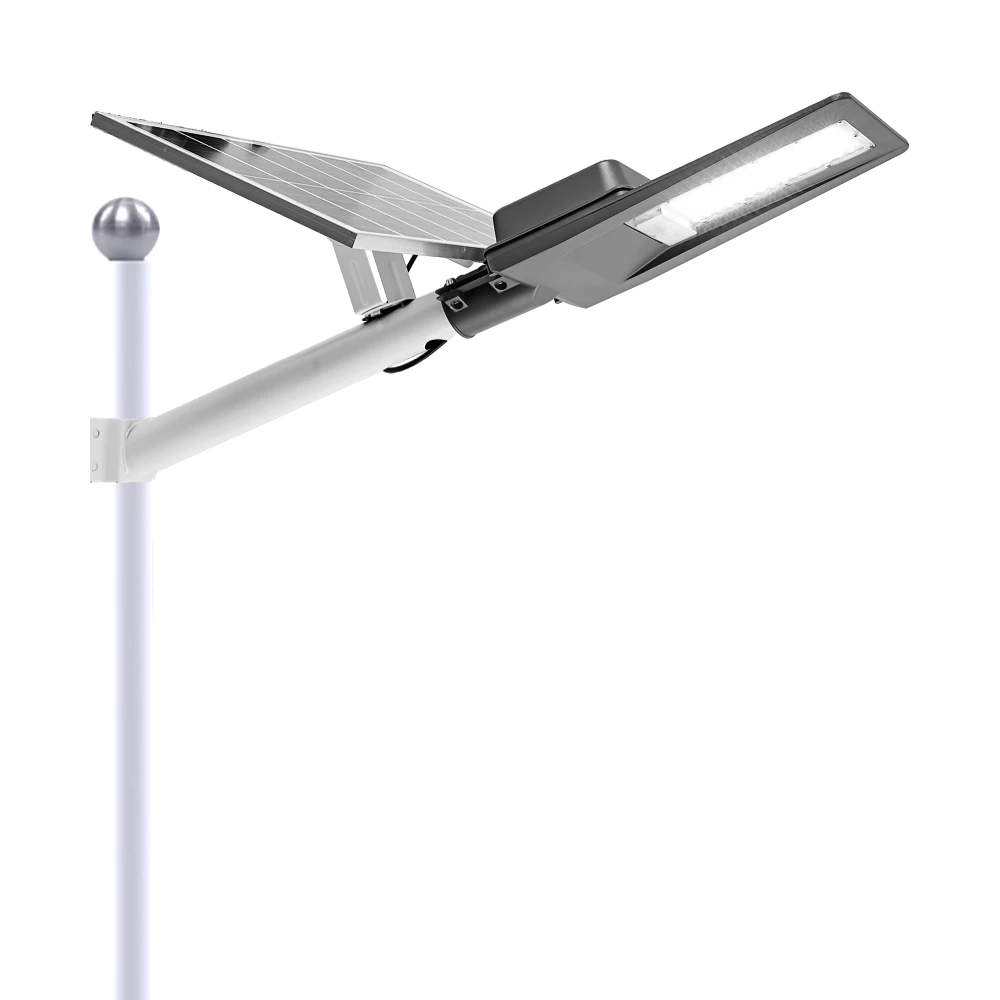
Experience reliable outdoor illumination with our smart solar street light, a perfect combination of advanced technology and eco-conscious design.
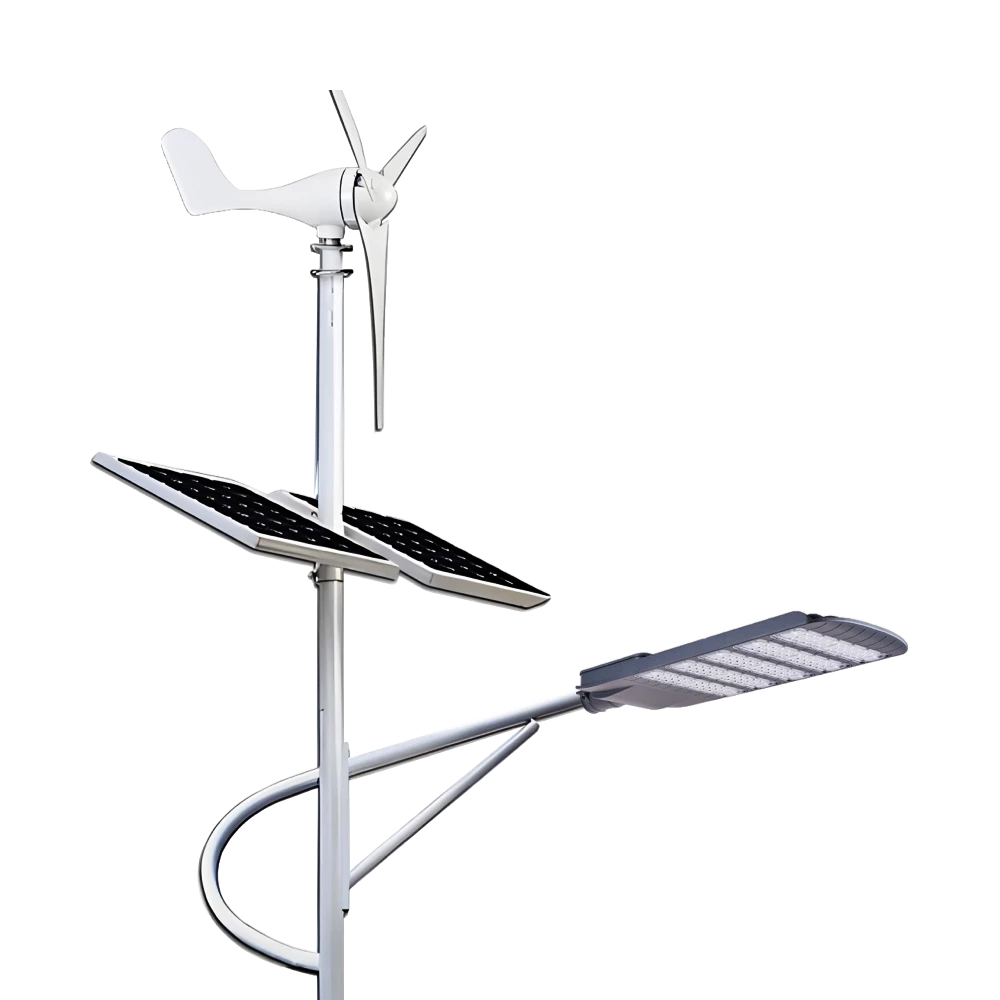
Queneng Lufeng Wind Energy LED Outdoor Solar Street Lights offer high-performance, eco-friendly illumination. These energy-efficient LED street lights harness solar power and wind energy for sustainable, cost-effective outdoor lighting solutions.
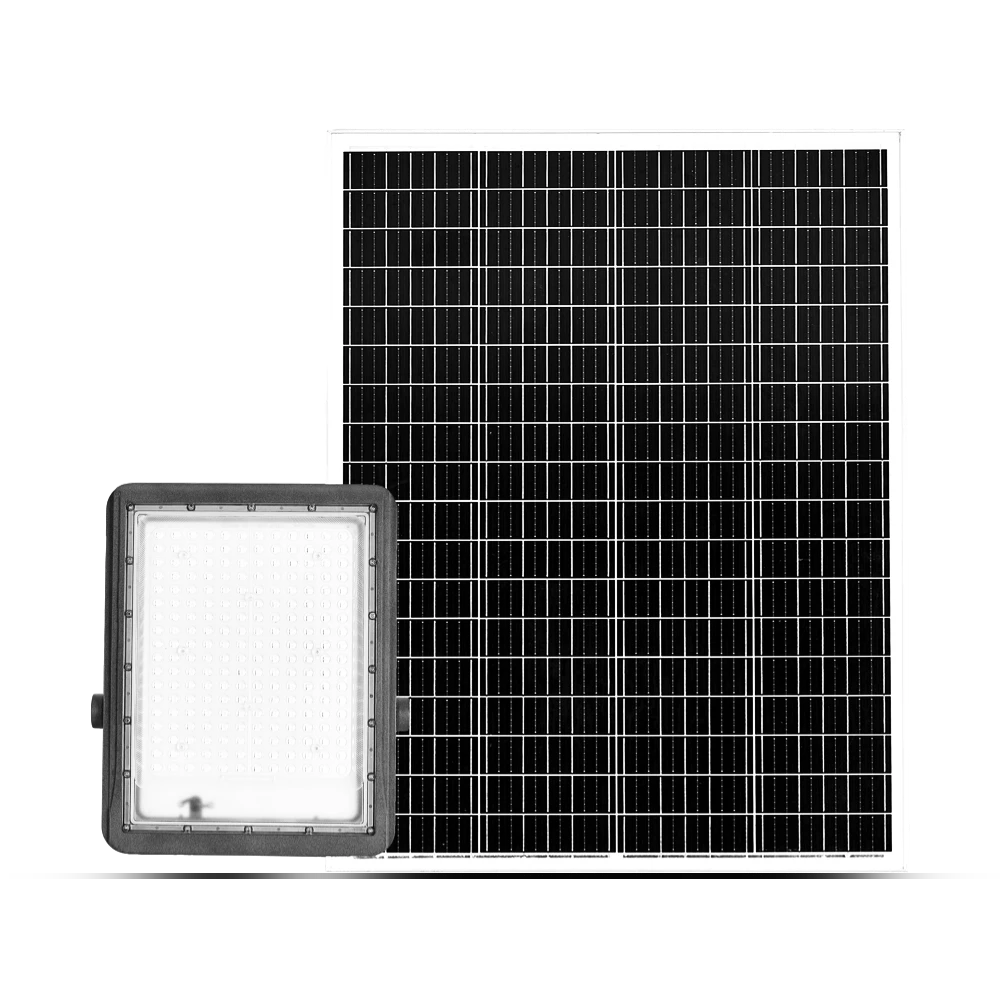
Queneng's Luxian Reliable Solar Street Light offers energy-saving LED lighting for outdoor use. This durable, solar-powered street light provides reliable illumination, reducing energy costs and environmental impact. A perfect solution for sustainable outdoor lighting.
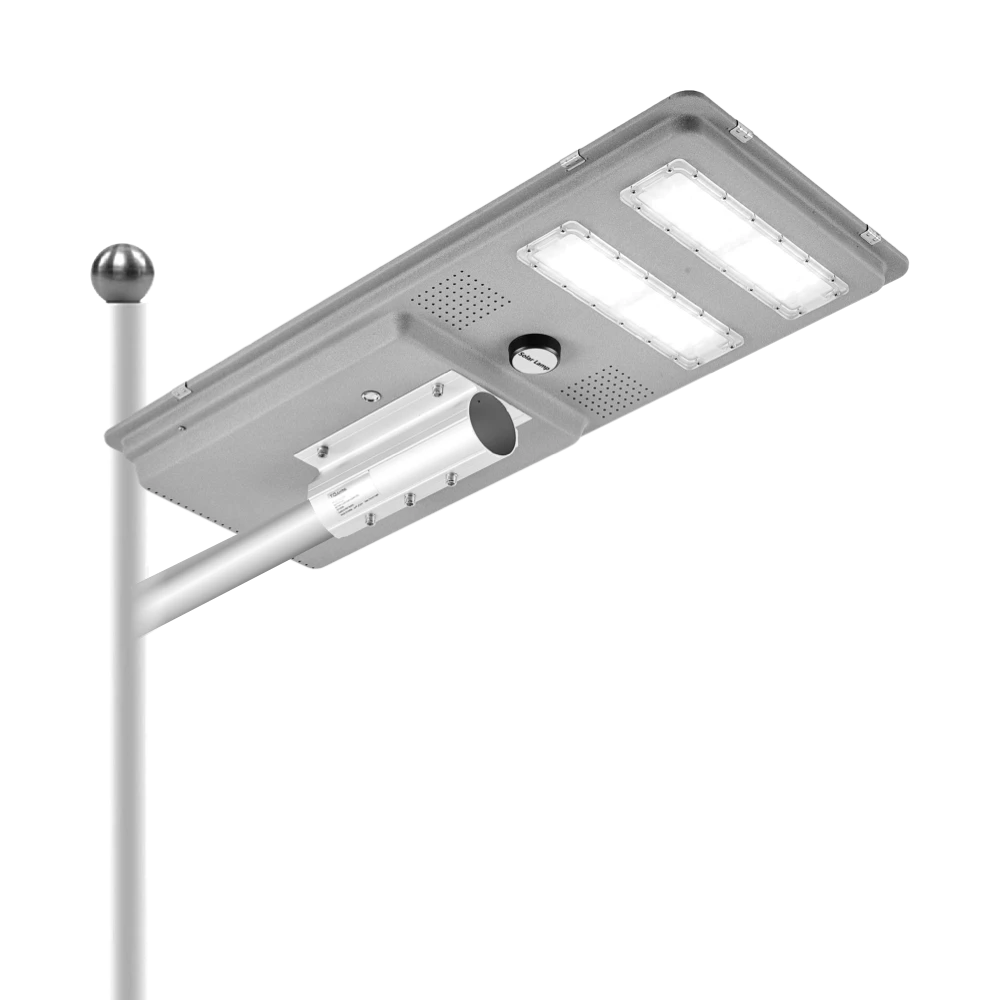
Queneng’s Solar Street Lights are designed to provide reliable, energy-efficient lighting for streets, parks, and other outdoor spaces.
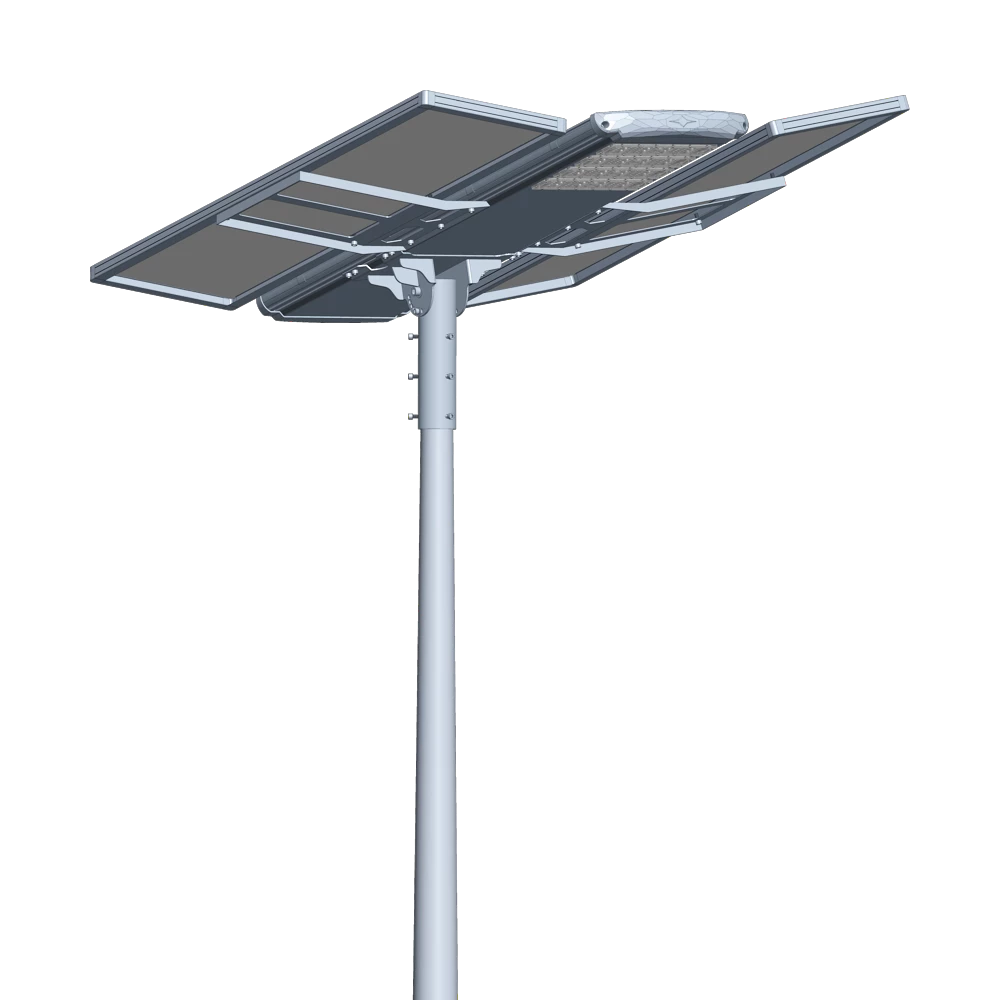
Introducing the Luqing Solar Street Light by Queneng, Efficient LED lighting powered by solar energy is perfect for illuminating outdoor areas. Harness the power of solar energy for sustainable, reliable street lighting. Ideal for eco-friendly, cost-effective outdoor illumination solutions.
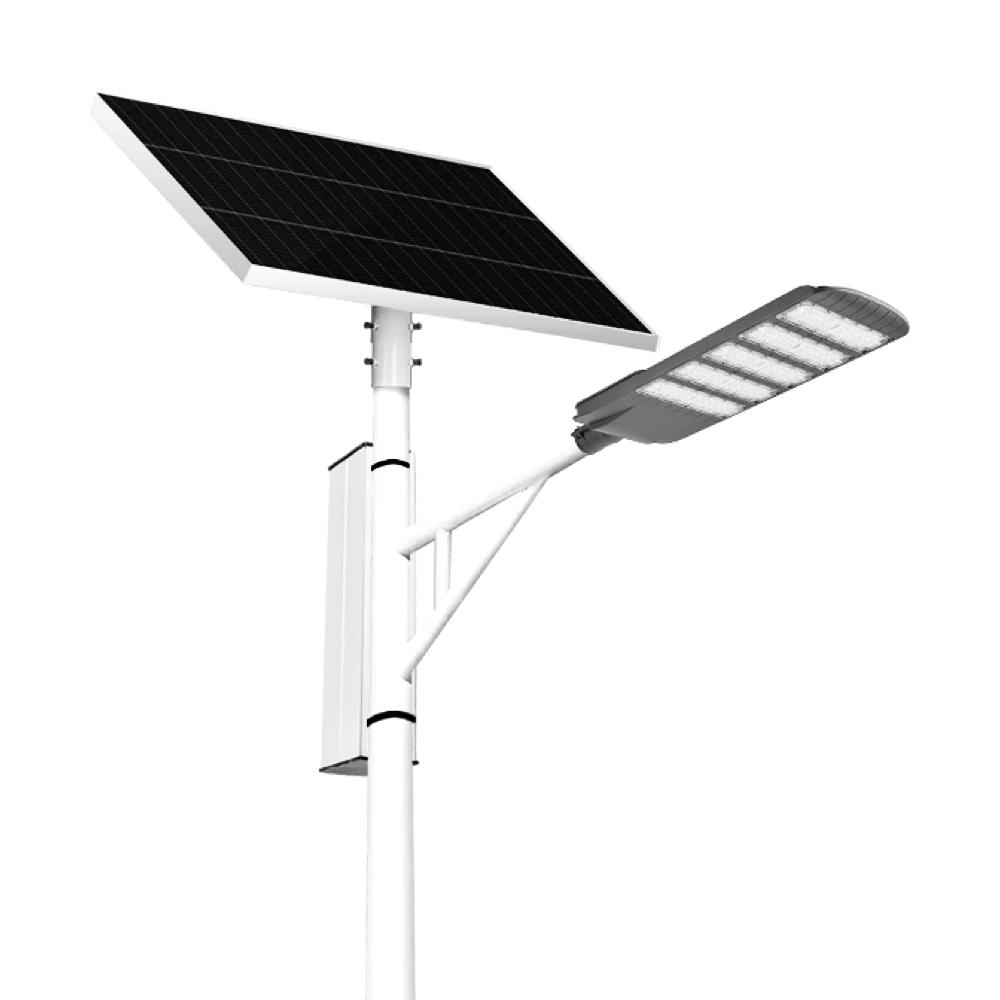
The Solar Streetlights of Luhao for Municipalities are designed to deliver reliable, energy-efficient, and cost-effective public lighting solutions. Equipped with advanced LED technology, durable lithium batteries, and high-efficiency solar panels, these streetlights provide consistent illumination for roads, parks, residential areas, and government projects.
If you would like more information about Queneng solar lighting solutions, please send us a message by filling out the form below. Our professional team will get back to you within 24 hours!
Rest assured that your privacy is important to us, and all information provided will be handled with the utmost confidentiality.
Schedule a Meeting
Book a date and time that is convenient for you and conduct the session in advance.
Have more questions about our products or services?
The messenger of light & power conversion
Environmental protection and intelligent manufacturing are our brand philosophy, and quality assurance and the best user experience are our eternal promises to users.
CONTACT
No.9F, Building F, Cao San Xin Tian Hong Logistics Park, Guzhen Town, Zhongshan City, Guangdong Province, China.
or write [email protected]
WhatsApp: +86 136 2270 1011


