












How to ensure manufacturer transparency in pricing?
Navigating the Purchase of Split Solar Street Lights: A Comprehensive Buyer's Guide
As urban development and infrastructure projects increasingly turn to sustainable solutions, solar street lighting stands out as an efficient and eco-friendly choice. For professional buyers and procurement specialists, understanding the intricacies of split solar street light systems is paramount to ensuring project success and long-term value. This guide addresses critical questions to help you navigate the procurement landscape with confidence, ensuring quality, transparency, and optimal performance.
What are the primary cost factors for split solar street light systems, and how do they impact ROI?
The cost of a split solar street light system is influenced by several key components and design choices. Unlike all-in-one units, split systems offer greater flexibility in component sizing and placement, which directly impacts overall cost and performance. Major cost drivers include:
- Solar Panel Wattage and Efficiency: Higher wattage (e.g., 80W-300W+) monocrystalline panels, generally offering 18-22% efficiency, will cost more but collect more energy, reducing battery and pole requirements.
- Battery Technology and Capacity: Lithium Iron Phosphate (LiFePO4) batteries are now the industry standard, offering superior cycle life (2000-5000+ cycles) and safety compared to older lead-acid options. Their capacity (Ah) must be sized to provide sufficient autonomy (typically 3-5 days of backup power) for local weather conditions.
- LED Luminaires: The wattage (e.g., 30W-120W+), lumen output, LED chip brand (e.g., Philips, Osram, Cree), and optical lens design all affect the luminaire's cost and efficiency.
- Charge Controller: MPPT (Maximum Power Point Tracking) controllers are more efficient (up to 98%) than PWM (Pulse Width Modulation) controllers, especially in varying light conditions, thereby optimizing battery charging and extending battery life.
- Pole and Fixture: The height, material (galvanized steel, aluminum), design, and wind load rating significantly impact the overall system cost and durability.
- Smart Features: Incorporating IoT connectivity, dimming schedules, motion sensors, or remote monitoring systems adds to the cost but enhances efficiency and management.
While the initial investment for a high-quality split system might range from $500 to $2000+ per unit (excluding installation), the long-term Return on Investment (ROI) is substantial due to zero electricity bills, minimal maintenance, and extended lifespans of modern components (e.g., LEDs >50,000 hours, LiFePO4 batteries 8-10 years).
Split vs. All-in-One Solar Street Lights: When to Choose Which for Your Project?
Understanding the fundamental differences between these two configurations is vital for optimal project planning:
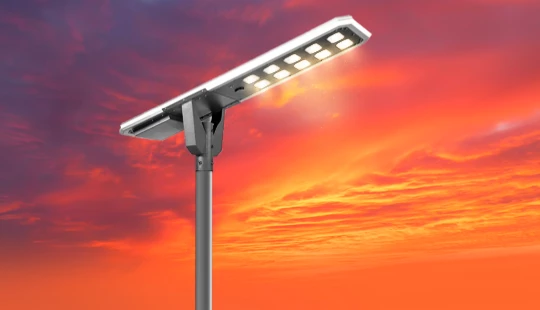
- All-in-One Solar Street Lights: Integrate the solar panel, battery, LED lamp, and controller into a single compact unit. They are generally easier and faster to install, making them suitable for projects with budget constraints or simpler lighting needs. However, their design limits battery and solar panel size, potentially compromising performance in high-power applications or regions with less sunlight.
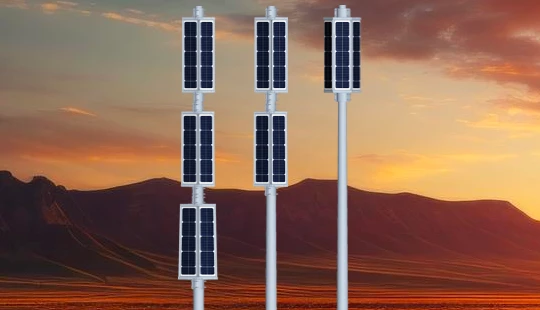
- Split Solar Street Lights: Separate the solar panel, battery, and controller from the LED luminaire, with components typically mounted at different points on the pole.
Choose Split Solar Street Lights when:
- Higher Power Requirements: Need more powerful LEDs (e.g., 60W+) or longer autonomy.
- Optimal Solar Charging: The solar panel can be independently tilted and oriented for maximum sun exposure, especially beneficial in areas with less consistent sunlight or specific geographic orientations.
- Thermal Management: Separating the battery and controller from the LED head improves heat dissipation, extending component lifespan, particularly in hot climates.
- Durability and Security: Batteries can be housed in a secure, ventilated box at the base of the pole, protecting them from theft and environmental extremes.
- Customization: Offers greater flexibility in component sizing and selection, allowing for highly tailored solutions.
How to Identify High-Quality Components in a Split Solar Street Light System?
Quality components are the bedrock of a reliable and long-lasting solar street light system. Scrutinize these elements:
- LED Chips & Driver: Look for reputable brands like Philips, Osram, Cree, or Bridgelux. Check the luminous efficacy (lm/W), Color Rendering Index (CRI >70 is good), and expected lifespan (L70 B50 >50,000 hours). The LED driver should be high-efficiency and have surge protection.
- Solar Panel: Prioritize high-efficiency (>18%) monocrystalline silicon panels from Tier 1 manufacturers with a 25-year linear power output warranty. Verify temperature coefficients for performance in hot climates.
- Battery: LiFePO4 (Lithium Iron Phosphate) is superior for longevity (8-10 years) and safety. Confirm the battery capacity (Ah) meets project autonomy requirements and inquire about the Battery Management System (BMS) for protection against overcharge, over-discharge, and temperature fluctuations.
- Charge Controller: Ensure it's an MPPT controller, as they typically offer 20-30% more efficient charging than PWM, especially in low light conditions. It should include essential protections (overcharge, over-discharge, reverse polarity, short circuit) and intelligent dimming functions.
- Pole and Fixture: Confirm the pole material (e.g., Q235 steel, 6063 aluminum alloy) is hot-dip galvanized for corrosion resistance. Check the wind resistance rating, IP rating (IP65/IP66 for dust and water ingress), and IK rating (impact protection) of the luminaire housing.
Ensuring Price Transparency and Manufacturer Trust in Solar Street Light Procurement.
Transparency is key to avoiding hidden costs and ensuring you receive the value you pay for. To foster trust and obtain transparent pricing:
- Request a Detailed Bill of Materials (BOM): Insist on a comprehensive breakdown of all components, including specific brands, models, quantities, and individual prices.
- Ask for Component Datasheets: Request datasheets for major components (LEDs, solar panels, batteries, controllers) to verify specifications and brands.
- Understand Warranty Terms: A transparent manufacturer will offer clear, written warranties for individual components (e.g., 25 years for solar panels, 8-10 years for LiFePO4 batteries, 5 years for LEDs and controllers).
- Inquire About Certifications: Reputable manufacturers will have certifications for their products (CE, RoHS, IEC, UL) and their quality management systems (ISO 9001).
- Factory Visits/Audits: If feasible for large projects, conducting a factory visit or a third-party audit can provide insights into manufacturing processes, quality control, and ethical practices.
- Compare Multiple Quotes: Don't just compare the bottom line. Scrutinize the component specifications and warranty details across different suppliers to ensure an apples-to-apples comparison.
- Payment Terms: Be wary of manufacturers demanding 100% upfront payment. Standard terms often involve a deposit, progress payments, and final payment upon delivery or acceptance.
What Essential Performance Metrics and Certifications Should Buyers Prioritize?
Evaluating performance goes beyond initial wattage. Focus on these critical metrics and certifications:
- System Lumen Output (Initial & Maintained): The actual light produced by the system, accounting for optical losses. Ask for maintained lumen output over time (e.g., L70 at 50,000 hours).
- System Efficacy (lm/W): How efficiently the entire system converts power into light. Higher is better (typically >130 lm/W for modern LEDs).
- Battery Autonomy (Days): How many consecutive days the light can operate without sufficient sunlight for charging. 3-5 days is a common standard.
- Charging Efficiency: Particularly for MPPT controllers, ensuring maximum energy harvest from the solar panel.
- IP Rating: Ingress Protection rating (e.g., IP65 or IP66) indicates resistance to dust and water for all external components (luminaire, battery box, solar panel).
- Wind Resistance: The maximum wind speed the pole and fixture can withstand without damage (e.g., 120-160 km/h).
- Operating Temperature Range: Ensure the system components (especially batteries) are rated for the extreme temperatures of the installation site.
Key Certifications:
- CE & RoHS: European conformity and restriction of hazardous substances.
- IEC (International Electrotechnical Commission): For solar panels, ensuring performance and safety standards.
- ISO 9001: Quality Management System for the manufacturer.
- UL: Safety certification for electrical components (especially relevant for North American markets).
- LM-79/LM-80: IES standards for photometric performance and lumen maintenance of LED packages.
What After-Sales Support and Warranty Guarantees Are Critical for Long-Term Reliability?
A reputable manufacturer stands behind its products. Look for comprehensive after-sales support and robust warranties:
- System Warranty: A minimum of 3-5 years for the entire system, covering defects in materials and workmanship.
- Component-Specific Warranties: Longer warranties for key components are standard: 25 years for solar panels (linear power output), 8-10 years for LiFePO4 batteries (or a specific cycle life guarantee), and 5 years for LED luminaires and controllers.
- Technical Support: Access to knowledgeable technical staff for troubleshooting, installation guidance, and performance optimization.
- Spare Parts Availability: Assurance that spare parts will be available for the expected lifespan of the product.
- Clear RMA Process: A well-defined Return Merchandise Authorization process for handling defective units.
- Documentation: Comprehensive installation manuals, user guides, and troubleshooting documentation.
What are the Long-Term Maintenance and Operational Considerations for Split Solar Street Lights?
While solar street lights are low-maintenance, a proactive approach ensures optimal performance and extends lifespan:
- Solar Panel Cleaning: Regular cleaning (every 6-12 months, or more frequently in dusty environments) to remove dirt, dust, and debris that can reduce charging efficiency.
- Battery Monitoring: For LiFePO4 batteries, minimal maintenance is required beyond ensuring the charge controller is functioning correctly. Routine checks of voltage and current can confirm health.
- LED Luminaire Inspection: Periodically check for physical damage, ensure connections are secure, and verify consistent light output. Modern LEDs have very long lifespans, minimizing replacement needs.
- Pole and Fixture Integrity: Inspect the pole for structural integrity, signs of corrosion, and ensure the luminaire is securely fastened.
- Cable & Connection Checks: Ensure all wiring connections are secure and free from corrosion or damage.
By prioritizing high-quality components and robust design from the outset, the operational costs of split solar street lights are significantly lower compared to grid-tied alternatives, making them a cost-effective choice over their lifecycle.
Why Choose Queneng Lighting for Your Solar Street Light Projects?
Queneng Lighting stands out as a leading Solar Street Light Manufacturer, committed to delivering high-performance, durable, and cost-effective lighting solutions. With extensive experience in both All-in-One Solar Street Lights and sophisticated split systems, Queneng Lighting ensures:
- High Quality Component Sourcing: We utilize top-tier LED chips (e.g., Philips, Osram), high-efficiency monocrystalline solar panels, and long-life LiFePO4 batteries with advanced BMS, ensuring optimal performance and longevity.
- Engineering Excellence: Our R&D team focuses on innovative designs that maximize energy harvest, enhance thermal management, and provide superior light distribution for diverse applications.
- Transparent Pricing & Specifications: Queneng Lighting provides detailed proposals with clear component breakdowns, ensuring full transparency in cost of solar street light systems and helping you understand the value you receive. We empower you to make informed decisions by openly addressing How to ensure manufacturer transparency in pricing?.
- Robust Quality Control: Adhering to strict ISO 9001 standards, our products undergo rigorous testing to meet international certifications (CE, RoHS, IEC), guaranteeing reliability and safety.
- Customization & Project Support: We offer tailored solutions to meet specific project requirements, from light intensity and pole height to battery autonomy and smart controls. Our dedicated project management team provides comprehensive support from design to after-sales service.
- Exceptional After-Sales Service: Queneng Lighting backs its products with extensive warranties and responsive technical support, ensuring peace of mind for the entire lifespan of your solar lighting investment.
Partner with Queneng Lighting for sustainable, reliable, and expertly engineered solar street lighting solutions that illuminate your projects for years to come.

Have more questions about our products or services?
The latest hot news you might like

Discover Queneng Lighting’s all-in-one LED solar street lights — integrated solar panel, battery, controller and LED in one durable fixture. Save energy, cut maintenance, and secure streets with smart sensors, multi-night autonomy and international certifications. Contact sales for quotes and support.

Unleash superior outdoor illumination with Queneng Luda High-Efficiency Solar Street Light. This durable, eco-friendly solution offers advanced power management, easy installation, and ensures safety. Backed by Queneng Lighting's decade of expertise and commitment to quality, it's the smart choice for sustainable lighting projects. Learn why we're a leading solar solutions provider.

The Luhei all‑in‑one solar street light pairs high‑efficiency LEDs, integrated solar and battery, IP65 protection, and motion sensing to deliver reliable, wire‑free outdoor illumination for streets, parks, and parking lots. Backed by Queneng Lighting’s certifications and support.

FAQ
Solar Street Light Luqing
Can solar street lights be used in cloudy or rainy weather?
Yes, solar street lights can still function in cloudy or rainy conditions, though their performance may be reduced due to lower sunlight. The battery is designed to store enough energy to power the light for several days of overcast weather.
How bright are solar street lights?
Solar street lights are equipped with high-efficiency LED lights that provide bright, consistent illumination. The brightness typically ranges from 2,000 to 12,000 lumens, depending on the model, providing clear and effective lighting for streets, parks, and public areas.
Solar Street Light Luyan
Can Luyan solar street lights function in areas with limited sunlight or cloudy weather?
Yes, Luyan solar street lights are designed to function reliably even in areas with limited sunlight or during cloudy weather. The high-efficiency solar panels can capture and store energy even in low-light conditions, ensuring that the lights will still provide illumination during cloudy or rainy days. The system is equipped with a battery that stores enough energy to keep the lights running throughout the night, regardless of weather conditions, making it suitable for diverse climates.
Transportation and Highways
What support do you offer for large-scale highway projects?
We provide end-to-end services, including project design, technical consulting, installation supervision, and after-sales support.
Battery Performance and Testing
What is a short circuit experiment?
Split Solar Street Light
Is split solar street light installation more complicated?
Slightly more steps, but no special tools required, and flexibility often simplifies complex sites.
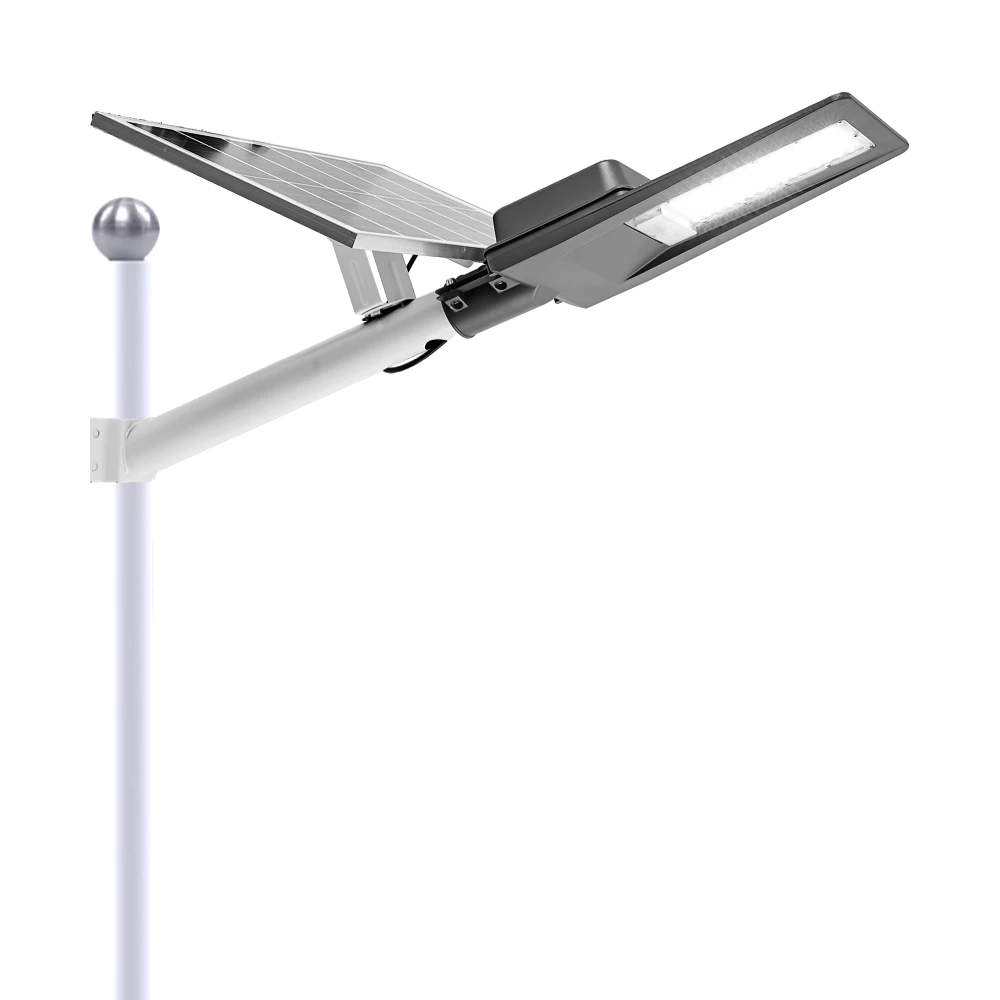
Experience reliable outdoor illumination with our smart solar street light, a perfect combination of advanced technology and eco-conscious design.
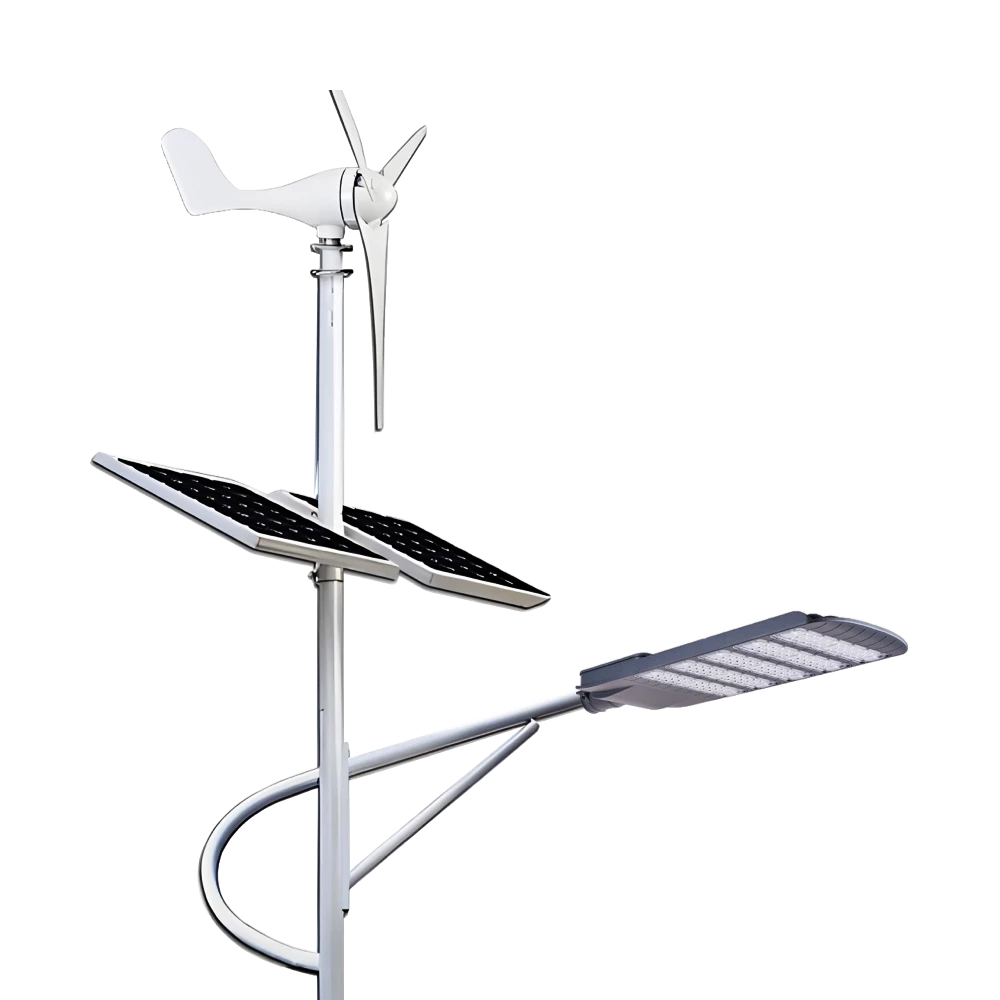
Queneng Lufeng Wind Energy LED Outdoor Solar Street Lights offer high-performance, eco-friendly illumination. These energy-efficient LED street lights harness solar power and wind energy for sustainable, cost-effective outdoor lighting solutions.
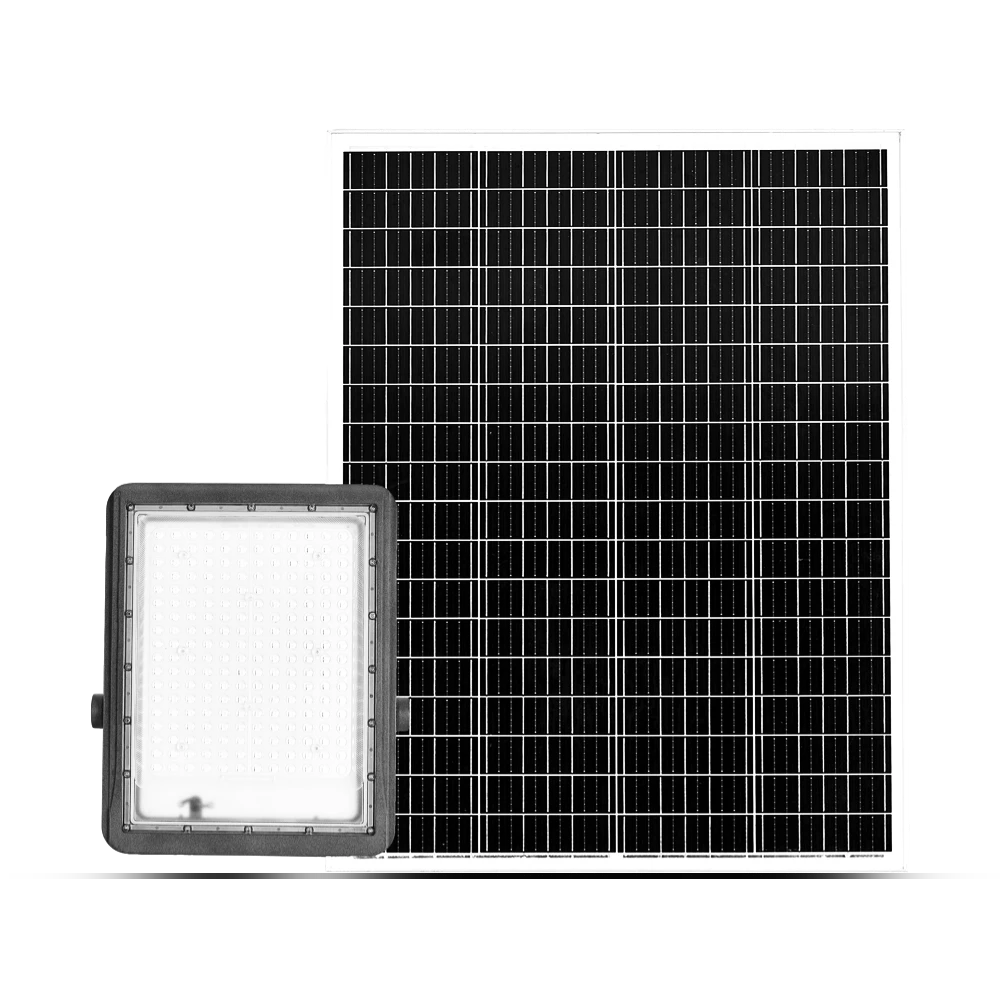
Queneng's Luxian Reliable Solar Street Light offers energy-saving LED lighting for outdoor use. This durable, solar-powered street light provides reliable illumination, reducing energy costs and environmental impact. A perfect solution for sustainable outdoor lighting.
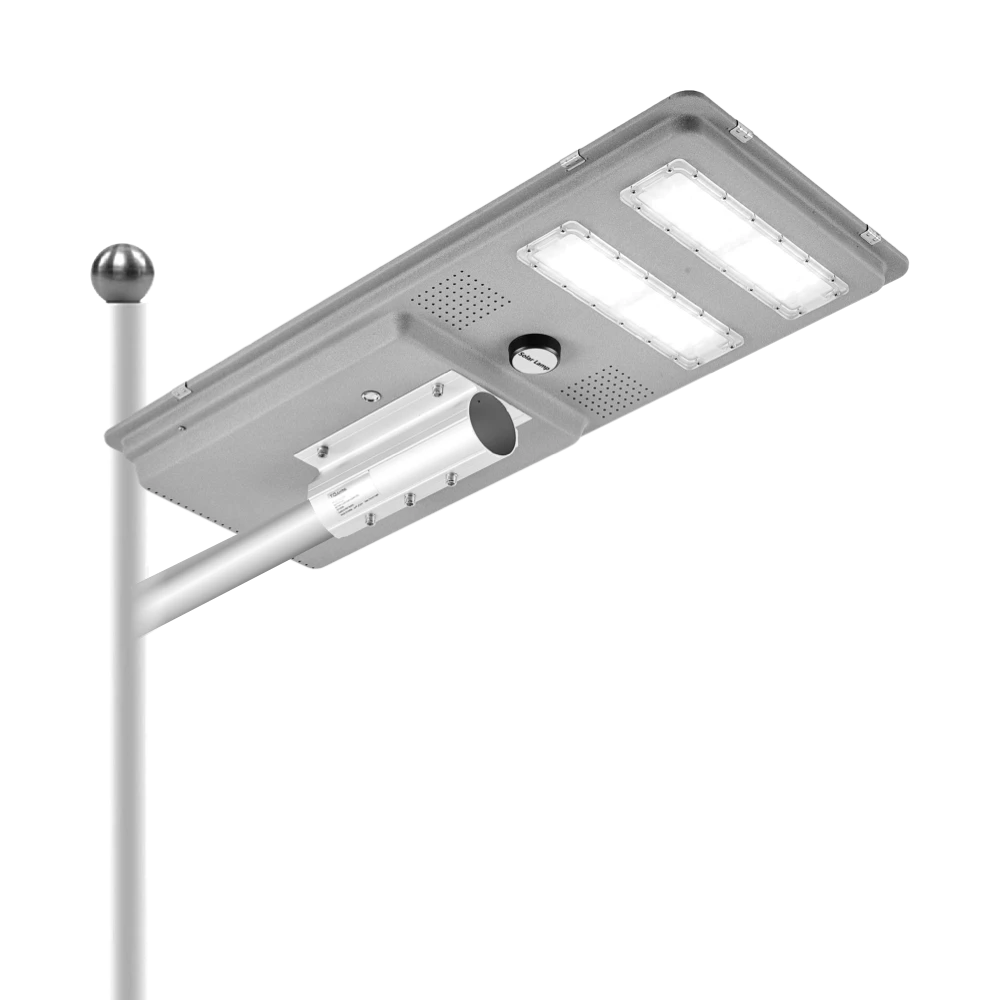
Queneng’s Solar Street Lights are designed to provide reliable, energy-efficient lighting for streets, parks, and other outdoor spaces.
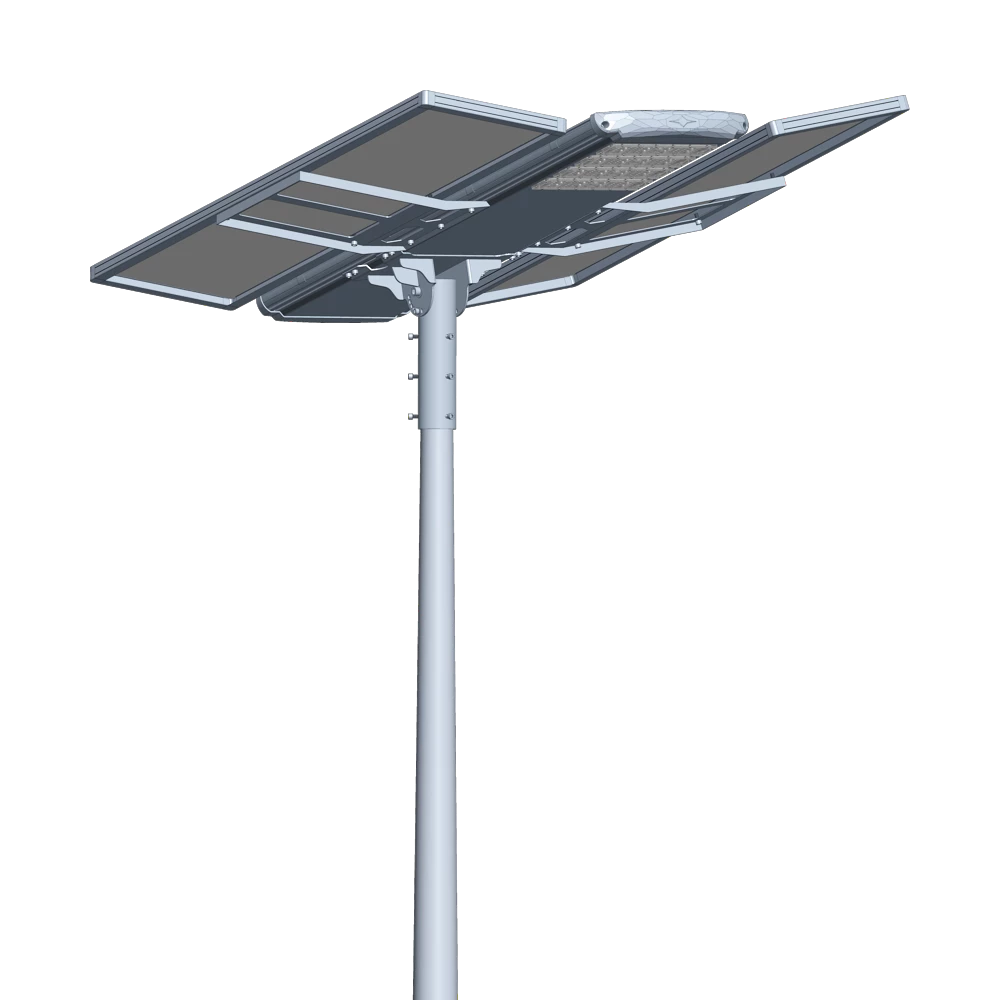
Introducing the Luqing Solar Street Light by Queneng, Efficient LED lighting powered by solar energy is perfect for illuminating outdoor areas. Harness the power of solar energy for sustainable, reliable street lighting. Ideal for eco-friendly, cost-effective outdoor illumination solutions.
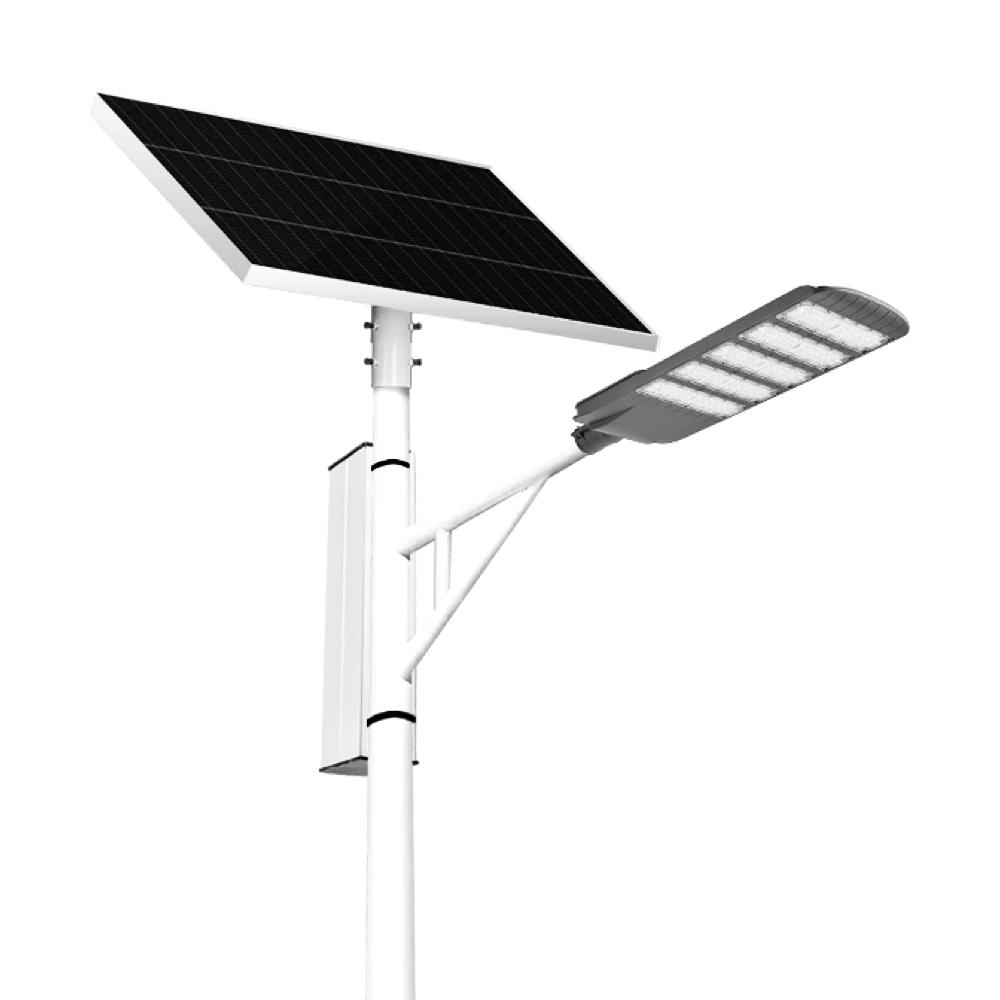
The Solar Streetlights of Luhao for Municipalities are designed to deliver reliable, energy-efficient, and cost-effective public lighting solutions. Equipped with advanced LED technology, durable lithium batteries, and high-efficiency solar panels, these streetlights provide consistent illumination for roads, parks, residential areas, and government projects.
If you would like more information about Queneng solar lighting solutions, please send us a message by filling out the form below. Our professional team will get back to you within 24 hours!
Rest assured that your privacy is important to us, and all information provided will be handled with the utmost confidentiality.
Schedule a Meeting
Book a date and time that is convenient for you and conduct the session in advance.
Have more questions about our products or services?
The messenger of light & power conversion
Environmental protection and intelligent manufacturing are our brand philosophy, and quality assurance and the best user experience are our eternal promises to users.
CONTACT
No.9F, Building F, Cao San Xin Tian Hong Logistics Park, Guzhen Town, Zhongshan City, Guangdong Province, China.
or write [email protected]
WhatsApp: +86 136 2270 1011


